

 Back to news
17 Steps Toward a New World: The Second World Public Assembly Calls for Turning Global Initiatives into Practical Instruments
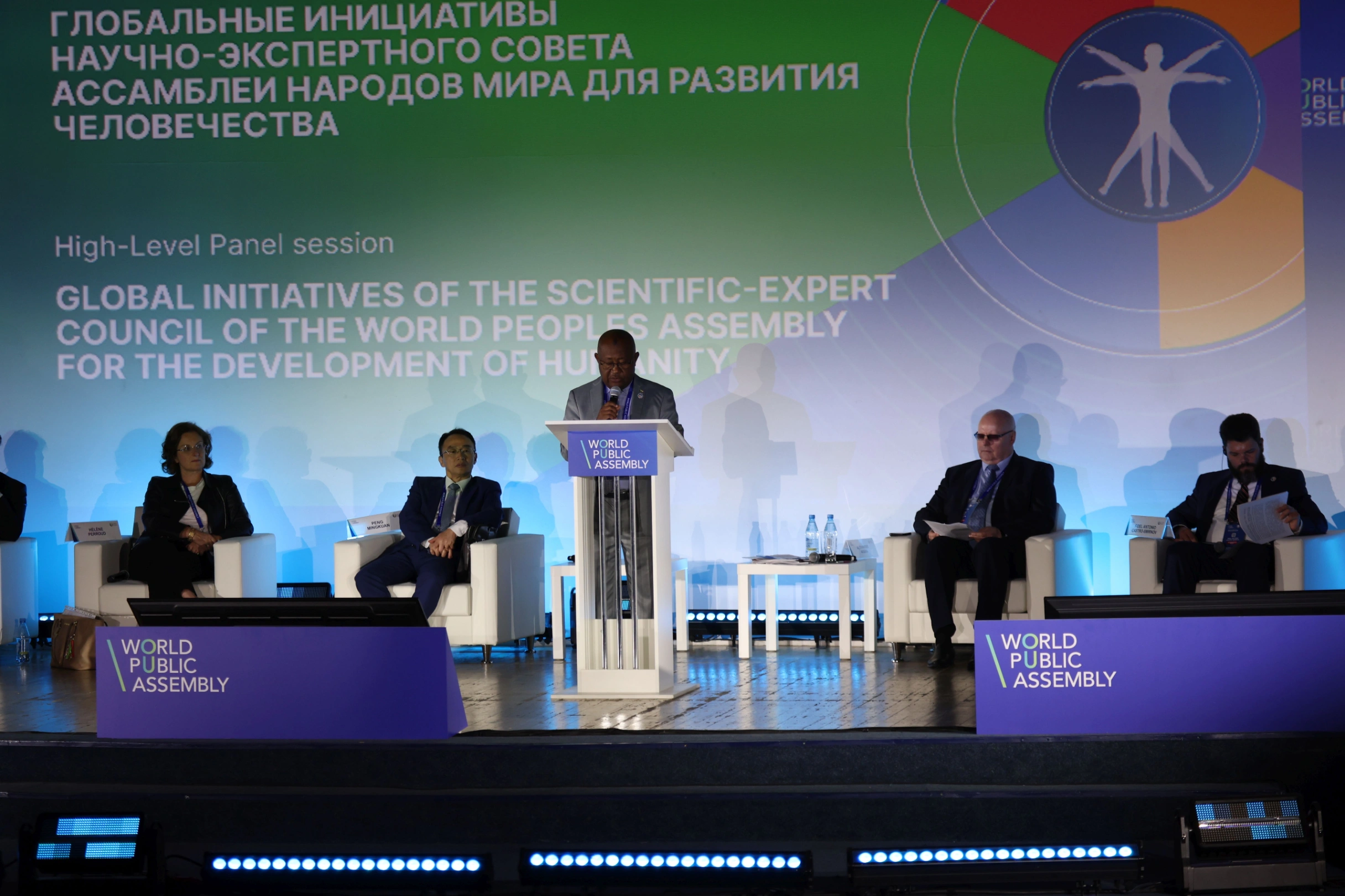
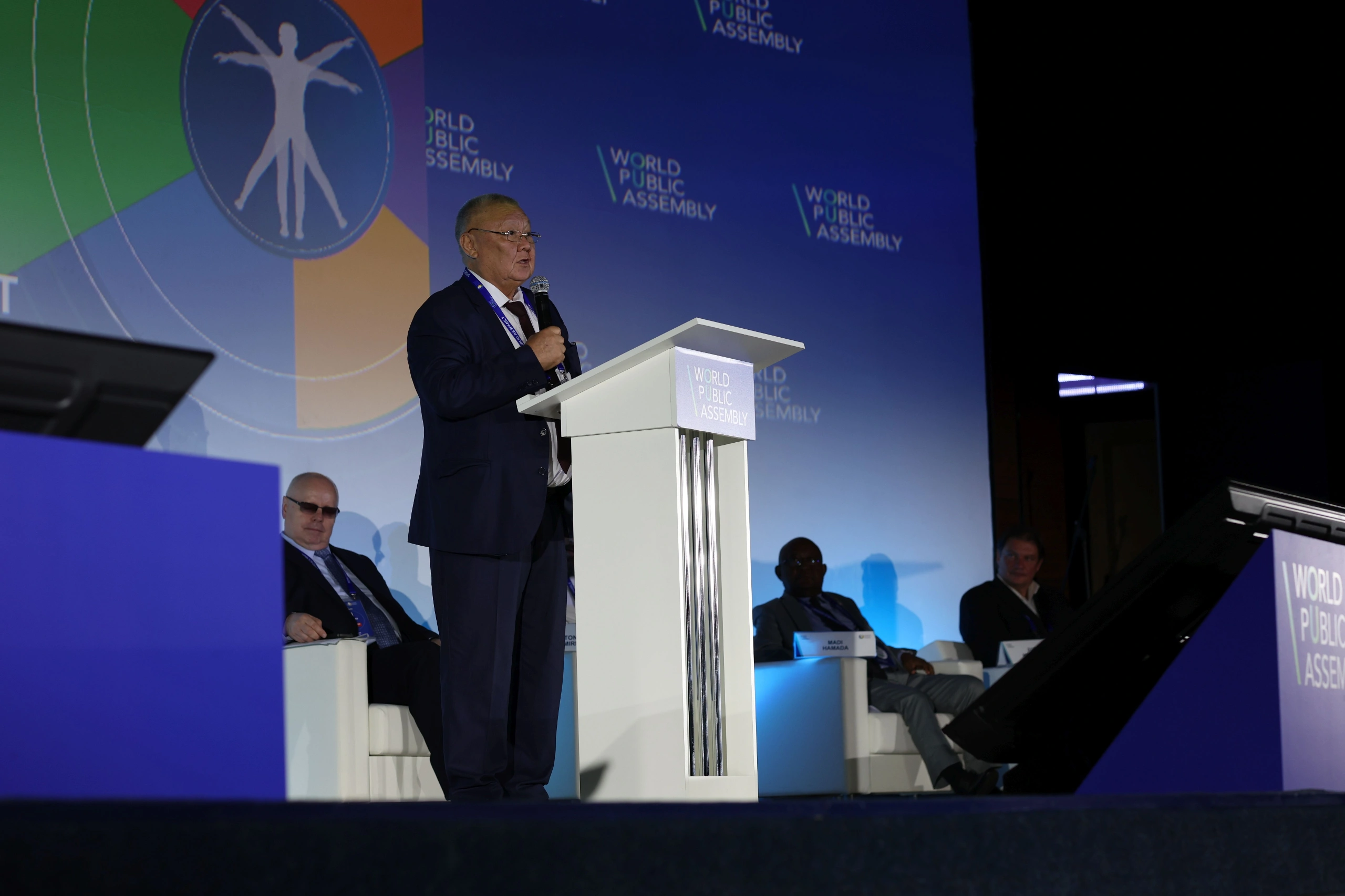
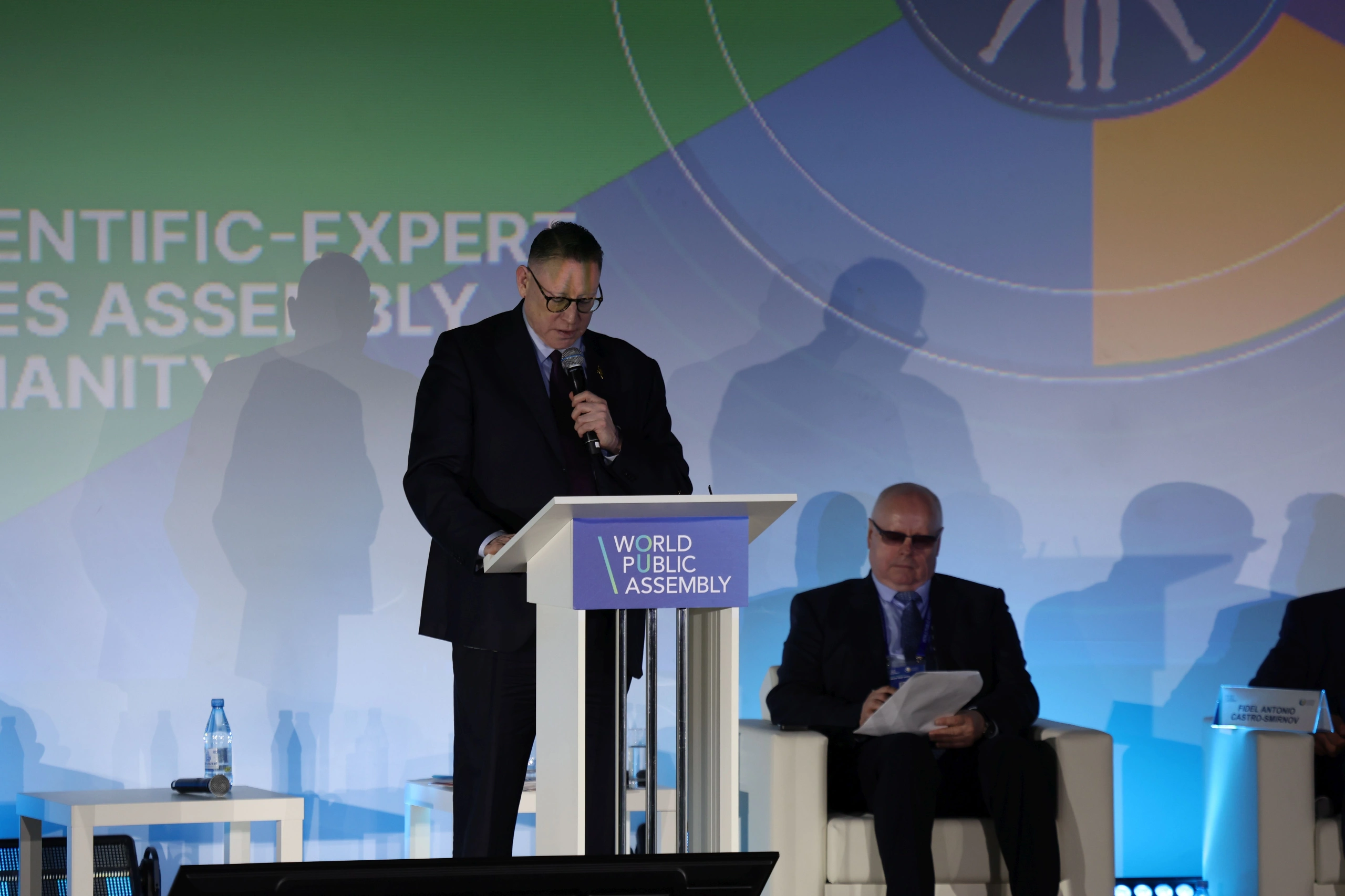
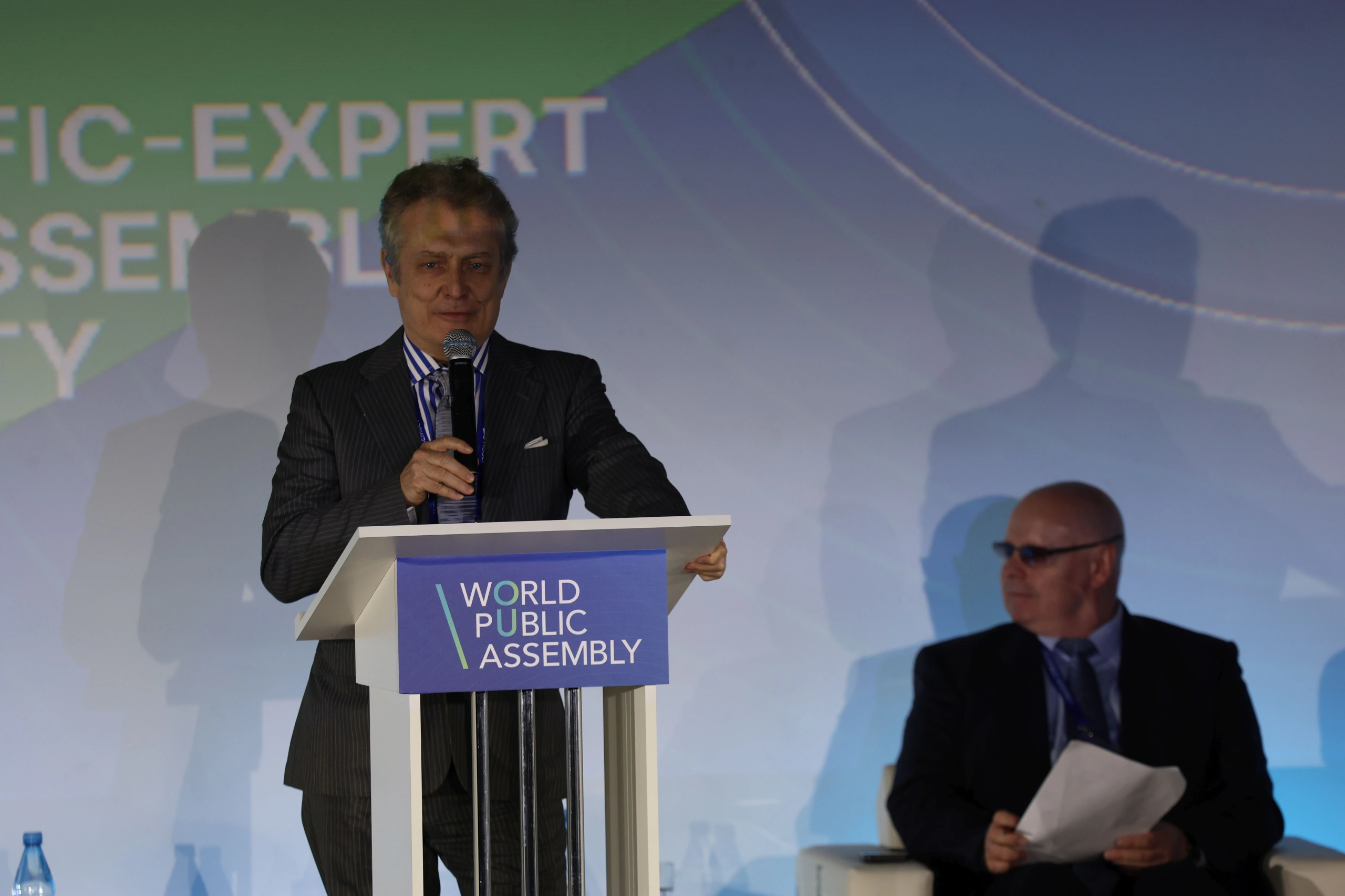
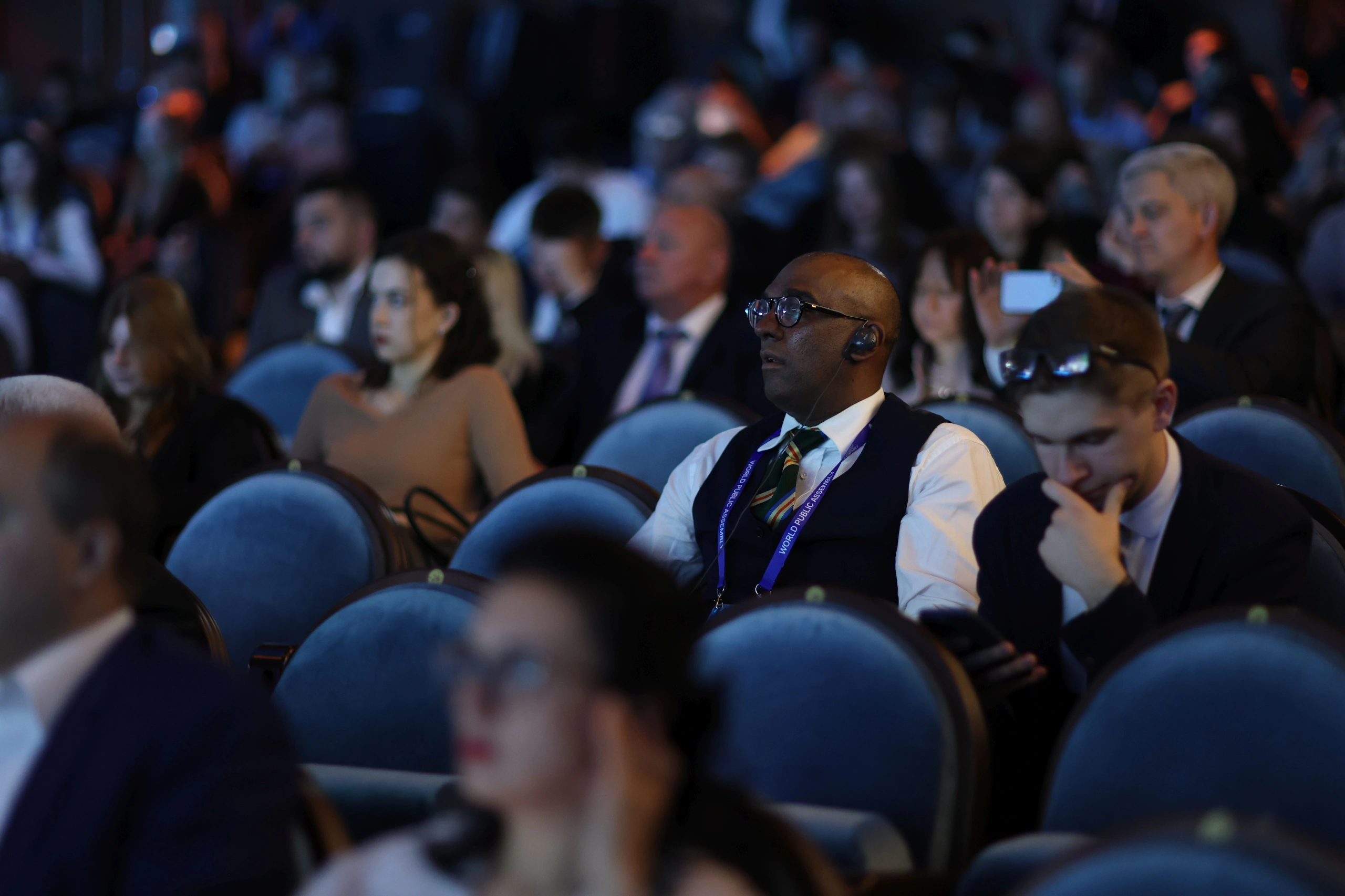
The High-Level Panel Session “Global Initiatives of the Scientific‑Expert Council of the World Peoples Assembly for the Development of Humanity” was held on September 18, 2026, at the World Trade Center. The event was part of the Second World Public Assembly “New World: Values That Unite,” which was held in Moscow from September 18 to 19.
The event was moderated by Alexander Ageev, Director General of the International Research Institute for Management Problems, member of the General Council and Chairman of the Scientific, Expert Council of the World Peoples Assembly and member of the Club of Rome. He recalled that 17 global initiatives of the Scientific and Expert Council of the World Peoples Assembly had been developed, discussed and supported at the First World Public Assembly in September 2025, as well as at the World Public Summits in India, Brazil and Ethiopia in 2026. These initiatives are aimed at finding practical responses to the most important challenges of the 21st century and cover sustainable development, global governance, human rights, freedoms and responsibilities, development of new technologies and international scientific, educational, cultural, business and humanitarian cooperation.
Secretary General of the World Peoples Assembly Andrey Belyaninov called for making work with young people one of society’s main priorities in his welcoming address to the participants of the session. He paid particular attention to work with the media:
– Today, in fact, the Third World War is taking place. It began on the information front and now the struggle between good and evil, light and darkness, is unfolding in the media. We must be able to communicate in any format and with any audience, confidently defending our position.
Speakers discussed further development of the provisions contained in the report of the World Peoples Assembly’s Scientific and Expert Council “17 Global Initiatives. Madi Bolero Hamada, former Prime Minister and President of the Union of the Comoros, emphasized a special responsibility of the scientific and expert community for finding practical responses to global challenges. According to him, environmental problems, new health threats, digital inequality and other challenges cannot be addressed through the efforts of individual countries.
– We cannot cope with climate change, new health threats or digital inequality on our own. We need a united intellectual potential. The 17 global initiatives of the Scientific and Expert Council of the World Peoples Assembly serve precisely this purpose, – stated the speaker.
He noted that the initiatives should not become declarations but practical road maps linking scientific expertise with concrete solutions. Projects in education and protection of the most vulnerable island states from the consequences of climate change were cited as examples.
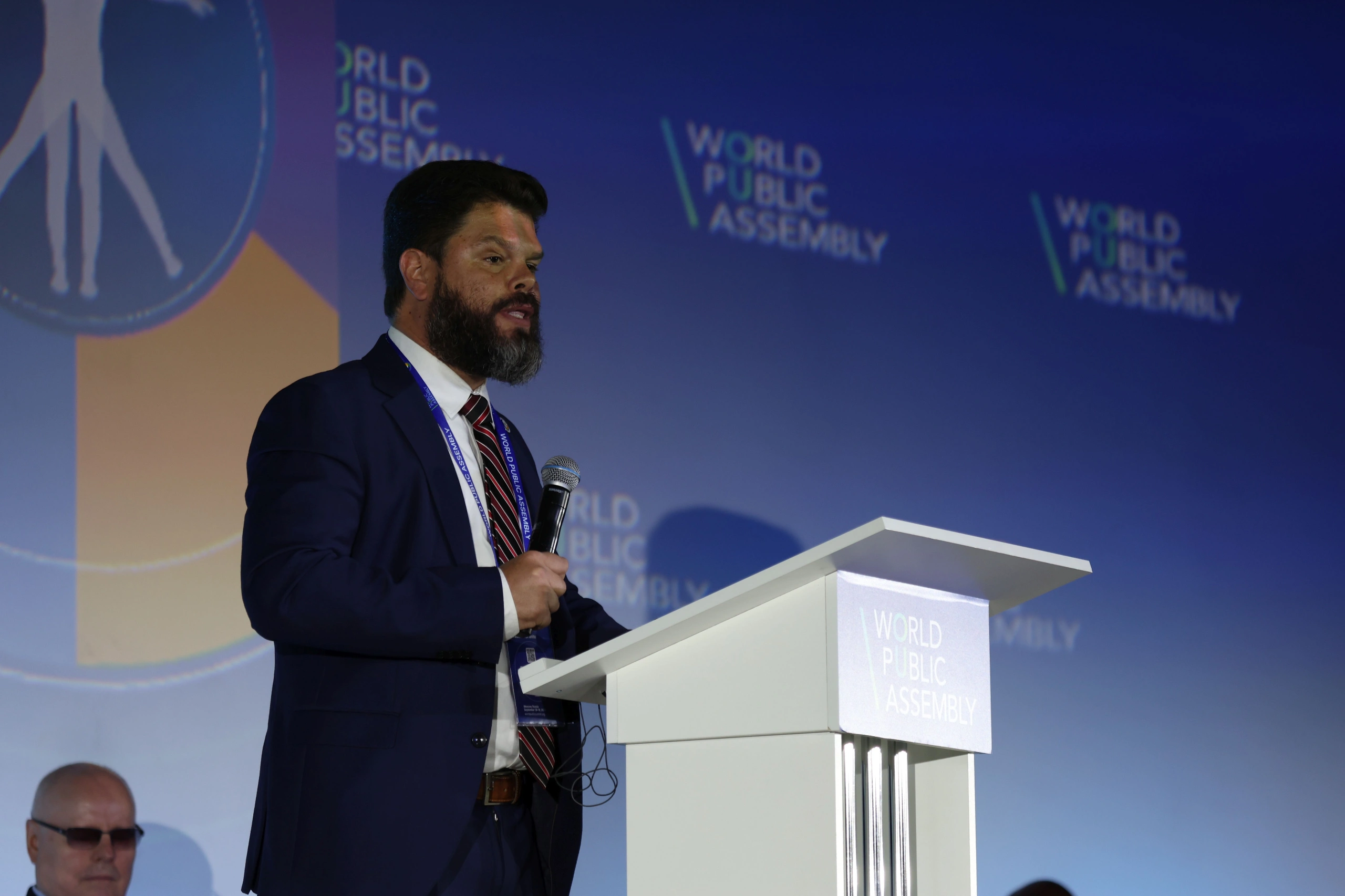
Fidel Antonio Castro-Smirnov, Academician of the Cuban Academy of Sciences and Deputy Secretary General of the World Peoples Assembly, focused on the role of scientific cooperation in shaping a multipolar world. He is convinced that multipolarity should not be limited to the redistribution of political and economic influence, but should also be accompanied by the development of international mechanisms ensuring access to knowledge and technologies.
Fidel Antonio Castro-Smirnov cited Cuba’s experience as an example of how investment in scientific and human potential makes it possible to create domestic technological solutions even under conditions of severe restrictions. He also spoke about international cooperation in medicine and scientific research, emphasizing the importance of interaction among the countries of the Global South:
– We should not allow artificial intelligence and technologies in the field of genetics to become the exclusive property of laboratories and corporations that are the first to gain access to them.
As practical steps the speaker proposed creating a network for cooperation among universities, academies and state research institutes; an international scholarship program for young scientists; and a system for public evaluation of the results of international scientific initiatives based on measurable indicators.
Political scientist, historian and public figure Helena Perroud addressed the issue of trust as a necessary condition for international dialogue. She called for preserving historical memory, learning to distinguish facts from fake news and understanding how the same events can be perceived differently in different cultures. Helena Perroud also focused on the role of the media, cinema and new technologies in shaping public perceptions, emphasizing that in the age of artificial intelligence, trust in information is becoming a matter of key importance.
Vicente Barrientos, President of the BRICS Center, noted the need to converse the 17 global initiatives from the conceptual sphere into functioning international mechanisms. According to him, the implementation of the Sustainable Development Goals faces systemic problems including problems related to financial mechanisms, international conflicts and information barriers.
The speaker paid particular attention to the development of artificial intelligence and biotechnology. He emphasized the need for international legal mechanisms that would define the ethical and legal framework for the use of new technologies and take into account the interests of different states and societies.
Speaking about practical instruments for implementing the initiatives, Vicente Barrientos proposed developing the World Peoples Assembly’s own international information infrastructure. In particular, he outlined the idea of creating a multilingual television format involving experts and representatives of participating countries, as well as expert journals that could bring together scientific research, analytical materials and drafts of international documents.
The topic of globalization as a key trend of the modern era was repeatedly raised in speakers’ statements, Peng Mingkuan, Chairman of the Board of Directors of Bridge Resource Investment Co. Ltd., presented his position on the issue:
– Distinct civilizations must merge into a single global whole. Then there will be fewer conflicts and wars in the world and more trust, compassion and integrity. This is the path to salvation.
Puneet Gaur, Research Fellow at the Indian Council of World Affairs (ICWA), spoke about the relevance of the initiatives of the World Peoples Assembly, referring to examples from India’s political life:
– In the context of global democracy, personal connections between people are a key factor not only in establishing long-term trust and cooperation, but also in the overall development of humanity. The mission of the World Peoples Assembly is to create an alliance of people based on spiritual and moral values and shared responsibility for the future of humanity.
The following participants also took part in the discussion:
Toktokuchuk Mamytov, member of the General Council of the World Peoples Assembly, member of the Supreme Advisory Council of the World Peoples Assembly, Director of the Institute of State and Law of the National Academy of Sciences of the Kyrgyz Republic, Doctor of Political Sciences;
Ruben Safrastyan, Advisor to the Director of the Institute of Oriental Studies of the National Academy of Sciences of the Republic of Armenia, Member of the Supreme Advisory Council of the World Peoples Assembly;
Com Carpentier de Gourdon, publisher of a journal on international relations;
Hedi Ben Saleh, President of the Tunisian Association of Graduates of Soviet Universities;
Vattay Antal, Strategic Adviser for Russian-Hungarian Business Development at IRIAS GROUP EUROPE;
and others.
The participants of the session noted that further work on the 17 global initiatives involves moving from outlining general principles to creating specific mechanisms for international scientific, educational and expert cooperation. Development of a set of documents for the United Nations and other international organizations designed to protect human rights and preserve humanistic values in a world, where artificial intelligence and biotechnology are changing the very essence of existence, was discussed. Speaking about prospects up to 2045, the experts named support for young people, qualitative education and the inseparable connection between science and culture as the foundation of sustainable development.
Additional information is available on the official website of the World Peoples Assembly and at media@world-assembly.org.