

22 Countries and One “Atlas of Values”: Moscow Discussed Best International Practices in Business Cooperation
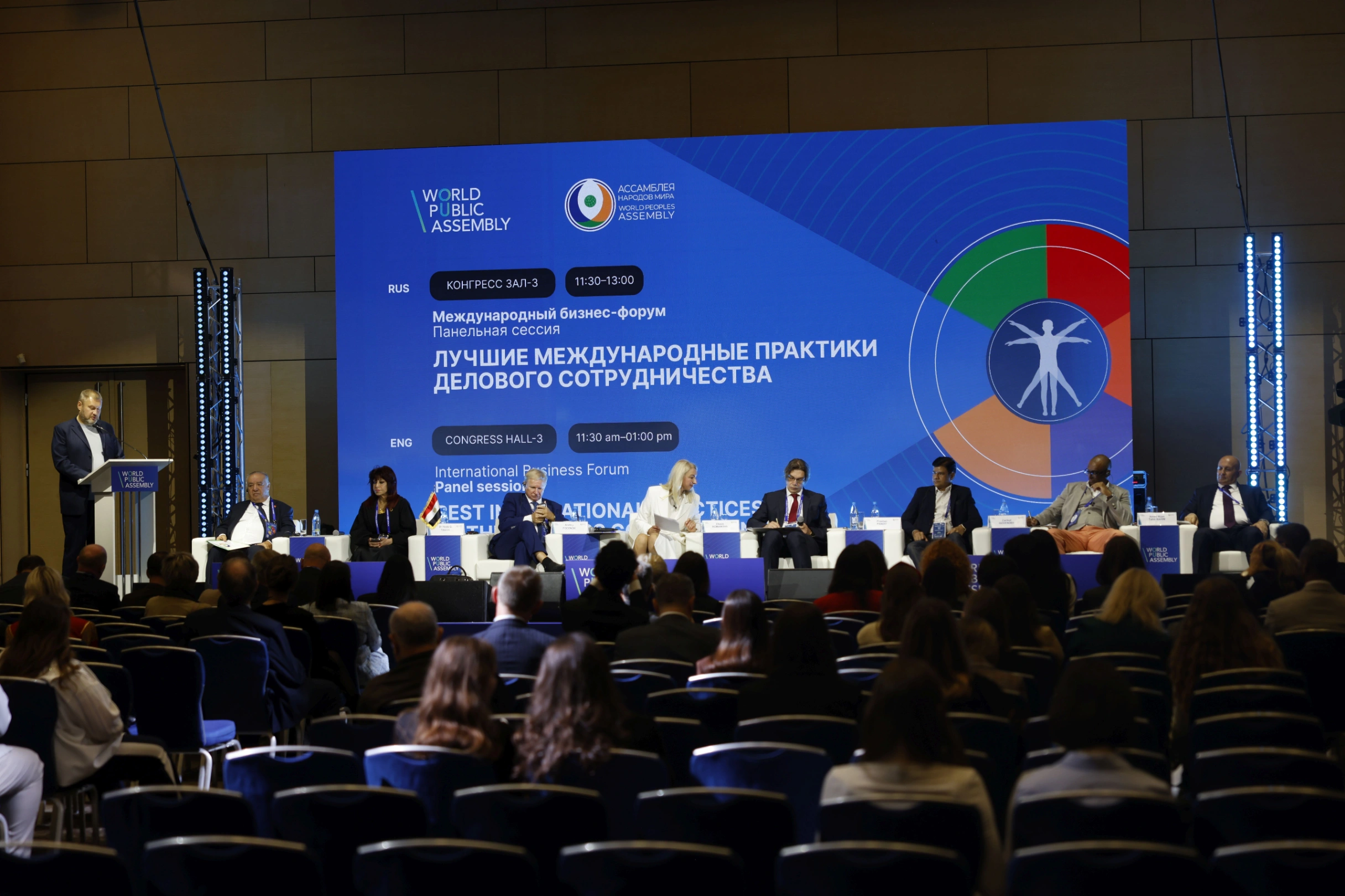
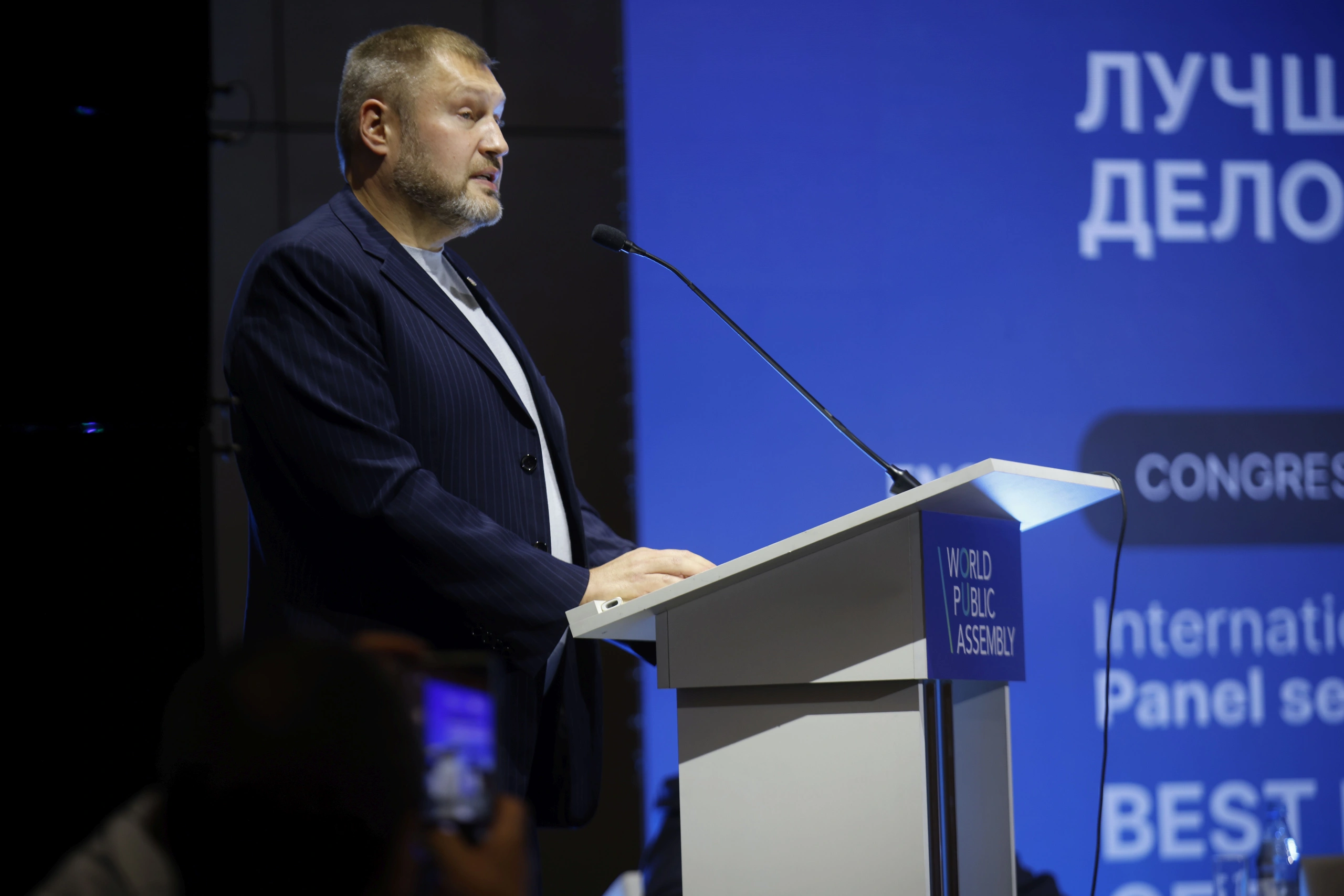
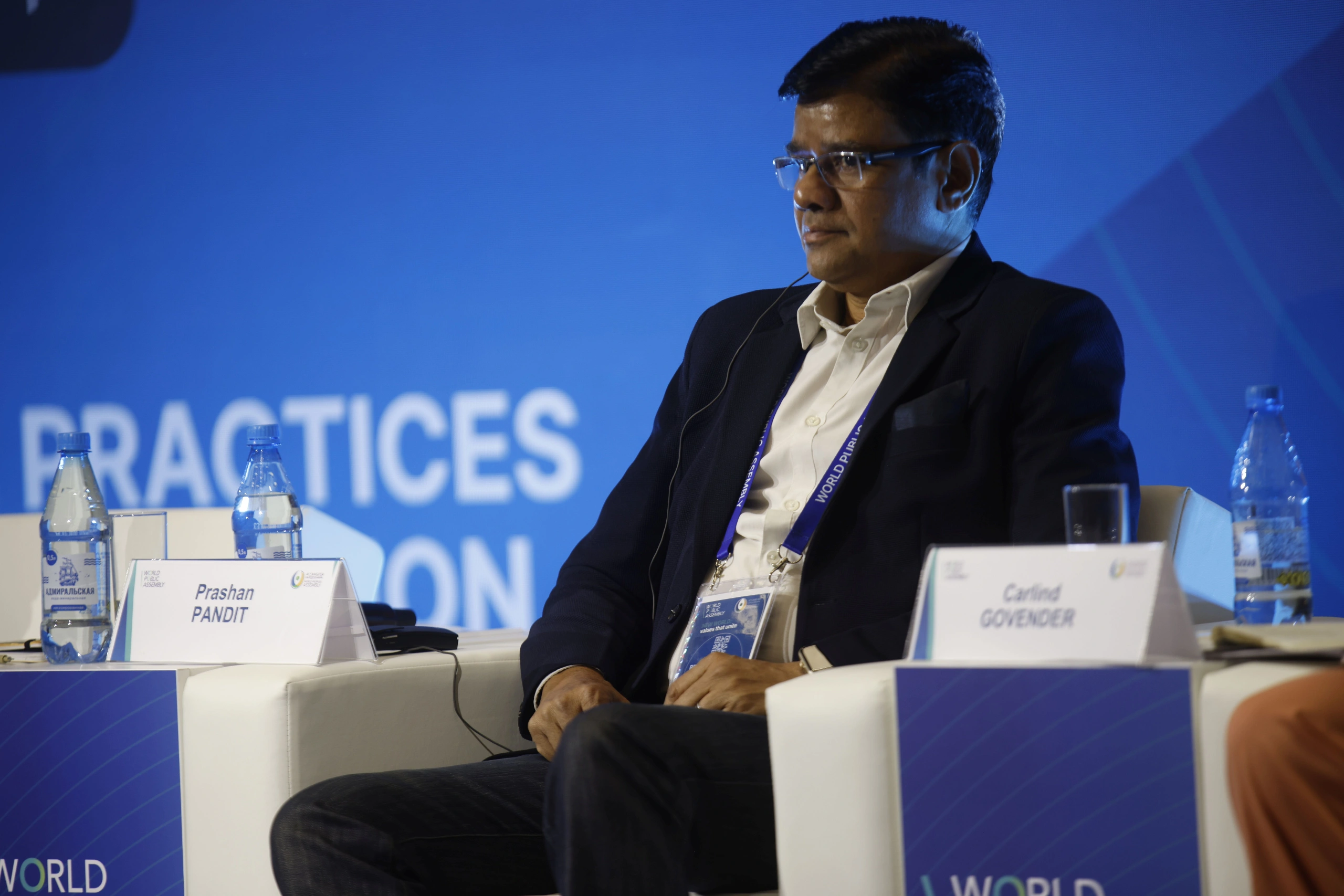
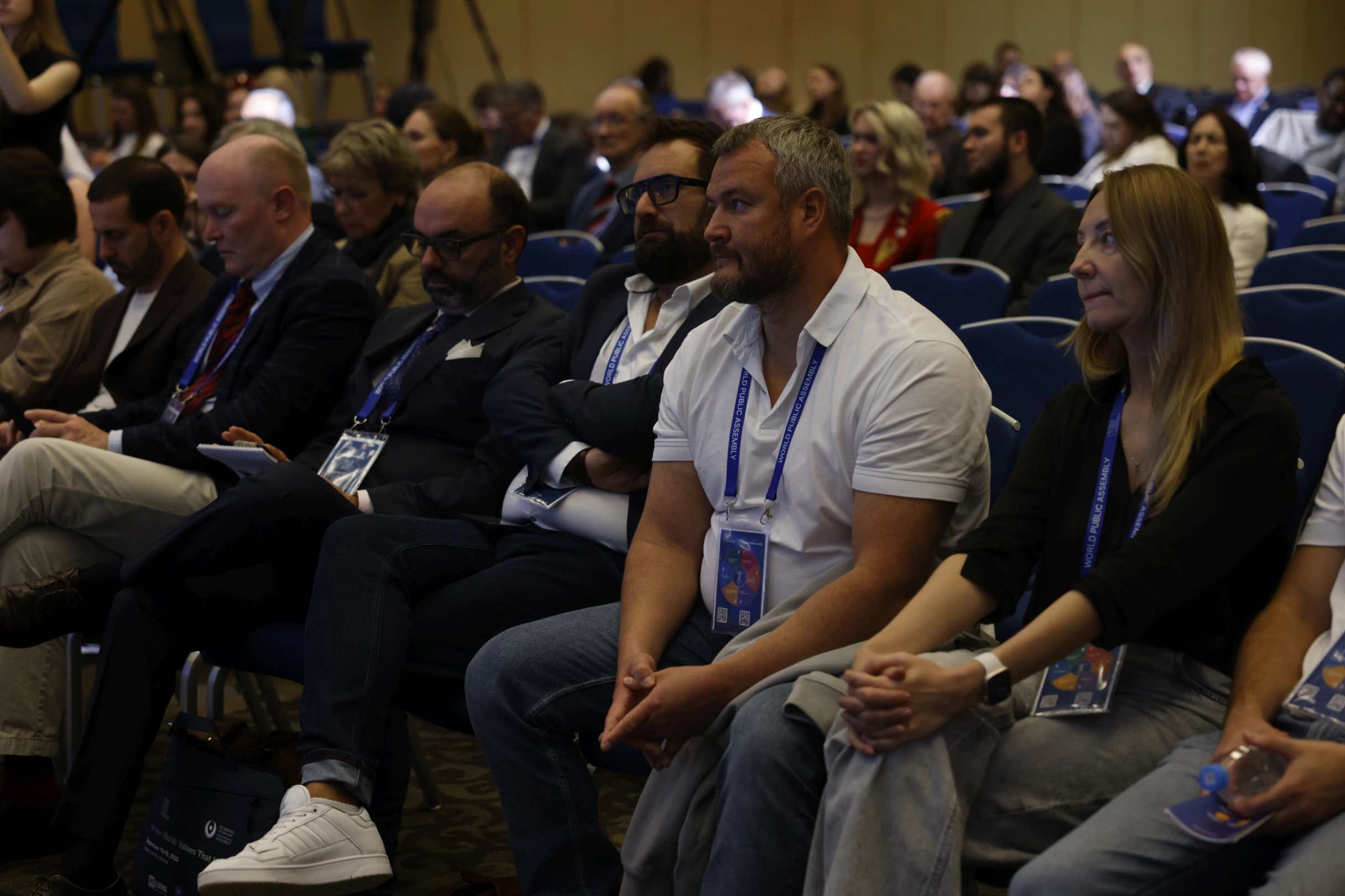
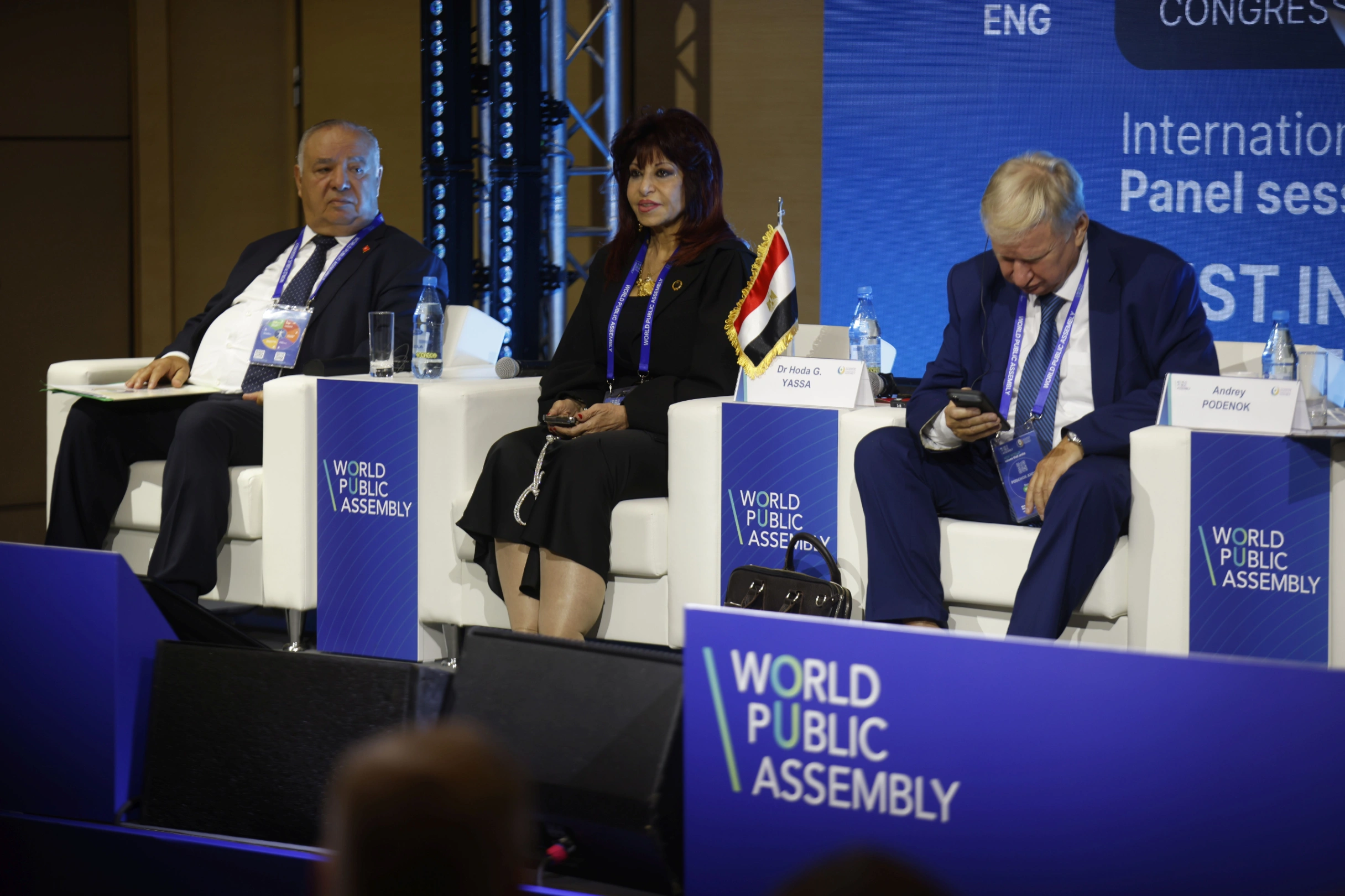
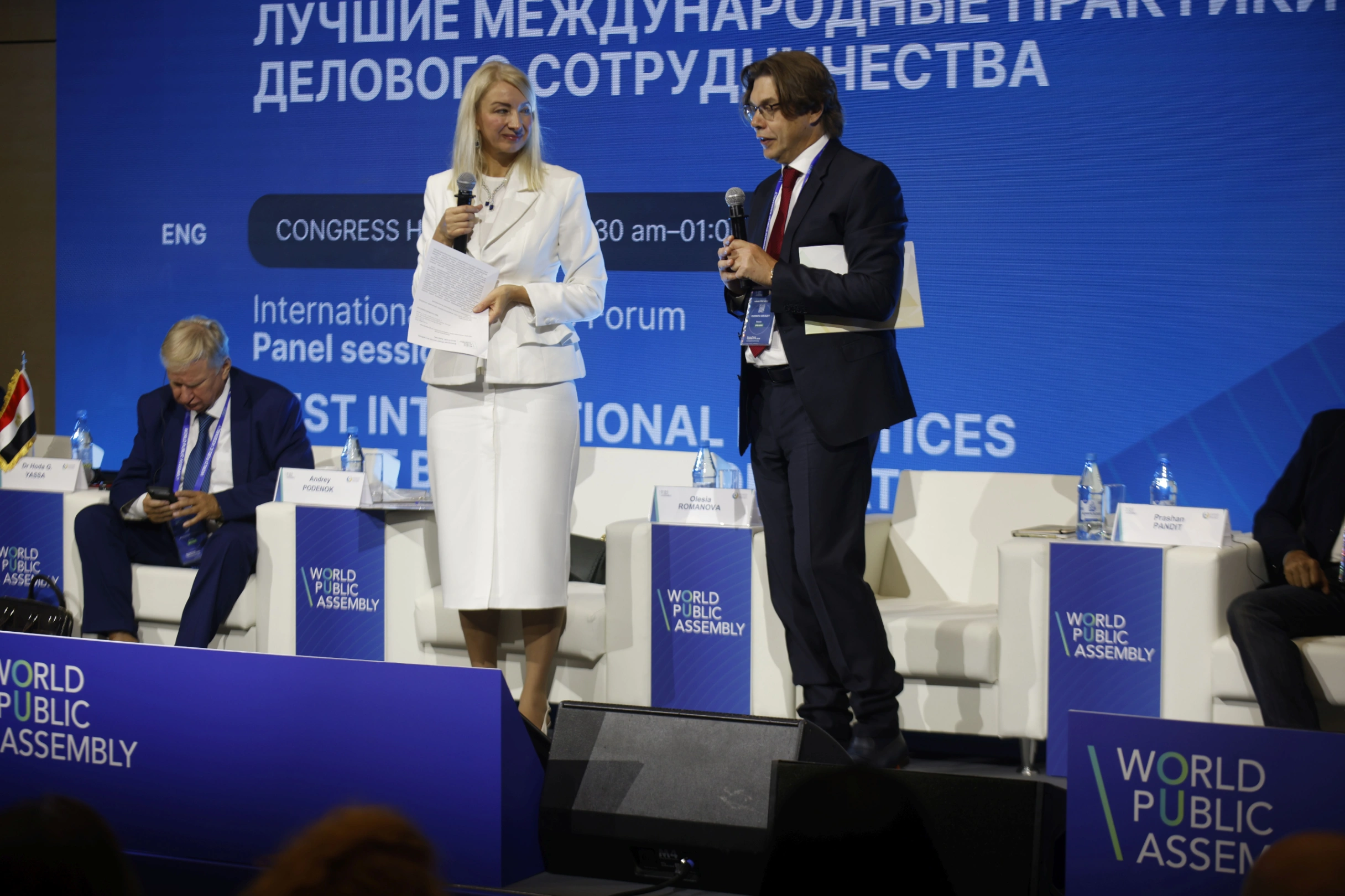
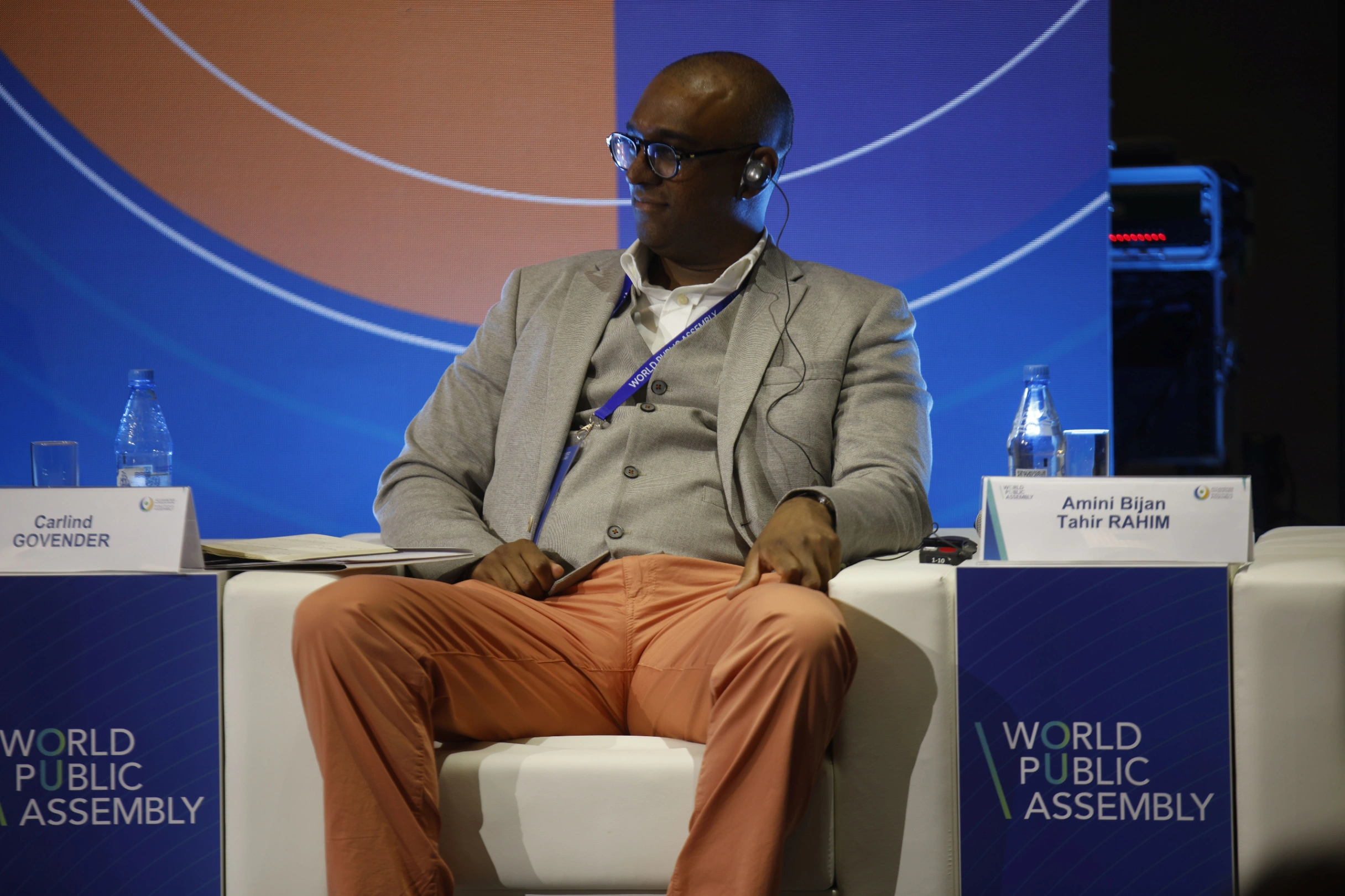
The panel session “Best International Practices in Business Cooperation” was held on September 19, 2026, at the World Trade Center as part of the International Business Forum. The event became part of the Second World Public Assembly “New World: Values That Unite,” which concluded in Moscow in September 2026.
Participants discussed specific cases of creating joint ventures, developing international trade, implementing investment and technological initiatives, forming cross-border production chains, as well as new models of interaction between business communities. Experts paid special attention to mechanisms for overcoming economic, cultural, institutional and geographical barriers, as well as to the conditions that allow business contacts and one-off agreements to be transformed into sustainable long-term partnerships.
The event was organized by the World Peoples Assembly and the National Agency for Social Communications. The moderators were the Director of the National Agency for Social Communications, Chair of the Coordination Council of the BRICS+AI Alliance, Olesya Romanova, and the founder of Arben International, Arkady Chernov.
Opening the discussion, Olesya Romanova emphasized the unique geography of the event: the hall brought together speakers from 22 countries. The moderator proposed holding the session in a lively interactive format, actively engaging the audience, and formulated the main goal of the discussion: to identify the most effective models of international business cooperation, assess the possibilities of scaling them, and prepare practical proposals for developing joint projects and strengthening business ties between states.
The session was indeed very lively: each speaker presented their own practice, project, business model or approach to cooperation, and then answered the question: what main value they would take with them to the “planet of the future.” In real time, participants compiled a unique “atlas of values.”
An important trend was outlined by the head of the Russian-Asian Union of Industrialists and Entrepreneurs, Vitaly Mankevich. The speaker noted that previous models of cooperation, where one-sided benefit dominated, are being replaced by new partnerships based on mutual respect and practical benefit.
President of the Sfax Chamber of Commerce and Industry, Habib Hamali (Tunisia), stated that international economic cooperation should not be limited to the exchange of goods and services – it is meant to create sustainable relations based on trust and complementarity.
Continuing this idea, the head of the Center for International Cooperation of the Association of Entrepreneurs “Delovoe Sobranie” (Business Assembly), Olga Leontyeva, presented a successful case of opening a representative office of “Delovoe Sobranie” in Genoa (Italy). Preparation for the mission began several months in advance: an agreement was concluded with the Association of Italian Entrepreneurs in Russia, and the delegation was accompanied by honorary consuls of Italy in Krasnodar and Volgograd. Three months before the start, specific business requests from each participant were collected and systematized, which ensured a practical result.
– The best practices are those that transform one-off meetings into long-term relations. Entrepreneurs, like no one else, know how to adapt. Our task is not to wait for the situation to change for the better on its own, but to build strong ties today, – Olga Leontyeva emphasized.
The discussion also addressed systemic challenges. President of the Moscow Association of Entrepreneurs, Vice-President of the “Opora” association, Andrey Podenok, called cross-border payments the main barrier in international trade. Therefore, his organization began forming platforms that help bypass sanctions restrictions: in particular, a grain platform was created that fully removes sanctions risks in grain trading.
President of the Union of Arab Women Investors, Hoda Yassa (Egypt), reminded the audience how business influences the global agenda.
– The economy is the key driver of political ties. It is we who are responsible for political decisions by developing trade exchanges and joint investment projects – the very fundamental pillars on which peace rests, – the speaker concluded.
Public figure, co-founder of the international community The Bridge Club in Moscow, Guy Imms (UK), shared his experience of creating an organization that he founded three years ago for foreigners living in Russia. The club’s goal is to help expats feel more confident and build bridges of trust between cultures. Today the club unites more than 1,000 participants from 30 countries, with regular meetings held every month.
Chairman of the Board of Trustees of the World Business Alliance Russia–Israel, doctor Esther Vavilonskaya, stated that all the initiatives discussed would lose meaning if the main issue – the demographic one – is not resolved. The expert noted that the higher the standard of living in a country, the lower the birth rate, and this creates a systemic threat.
– Without investment in reproductive health, there will be no economy, no our reports, no ourselves. There will be no our old age – and that, believe me, is the most beautiful period of life. The Zoomer generation faces real fertility problems. If we do not solve them now, we risk being left without children. This is not an abstraction – it is an acute problem that requires immediate attention, – the speaker warned.
Founder of Giordano Brokerage, Domenico Giordano, said that he helps Italian companies enter the Russian market and the markets of the CIS. Today his company already operates in Russia, Belarus and Uzbekistan, and is negotiating in Azerbaijan and Kazakhstan. According to the expert, the best international practices are born only where there is quality networking.
– Networking is a bridge. And building bridges is the best way to grow spiritually, because without a soul a person can earn money, but then becomes sad. If we share common values, we can grow together, – Domenico Giordano said.
Leading specialist of the “Alabuga” company, Arina Shpakovych, presented the “Alabuga Start” program, launched in 2022 for school graduates. It provides young people from all over the world with the opportunity to gain work experience, professional training and language preparation. The organizers cover flights, accommodation and medical insurance. The starting salary from the first day is $706 with further growth.
General Director of “MedDataMarket,” Oleg Nizhelsky, announced the creation of a large-scale international diagnostic platform developed jointly with partners. According to him, the system will allow any doctor to access an extensive international database united by artificial intelligence and receive a quality expert consultation.
Candidate of Pedagogical Sciences, Associate Professor, creator of the “Culture of Peace” project, Saule Zhukenova, introduced participants to the history of her project. It was launched jointly with the World Peoples Assembly and the National Agency for Social Communications after the Russian President’s speech at the UN General Assembly in 2015 calling for unity against terrorism.
– In Russia, 194 peoples live in peace and interact, and it is cultural cooperation that is the foundation for business ties, – the speaker noted.
In turn, Arkady Chernov announced a project to create a permanent World Nomad Expo in Kyrgyzstan. He recalled that in September 2026 Kyrgyzstan hosted the World Nomad Games, which brought together more than 3,000 athletes from 112 countries, and the next games will be held in Russia, in Tatarstan, in 2028. The speaker put forward the idea of creating a permanent exhibition in a gorge in eastern Kyrgyzstan at an altitude of 2,000 meters that would unite cultural and business ties.
– We are not just rethinking nomadic culture through traditions – we are asserting that it is the foundation for the future, – the moderator summarized.
Representatives of the medical, pharmaceutical, banking, digital, educational and infrastructure sectors also joined the discussion and shared their experience. Among them:
Stanislav Pozharnov – Vice-President of the Russian Direct Investment Fund (RDIF), Secretary of the BRICS+AI Alliance (Russia);
Khamis Hussein Atieh – First Deputy Speaker of the House of Representatives of Jordan (Jordan);
Olga Makeeva – Head of the BRICS Global international platform (Russia);
Prashan Pandit – General Director of Eros Wellness & Eros Aividya (India);
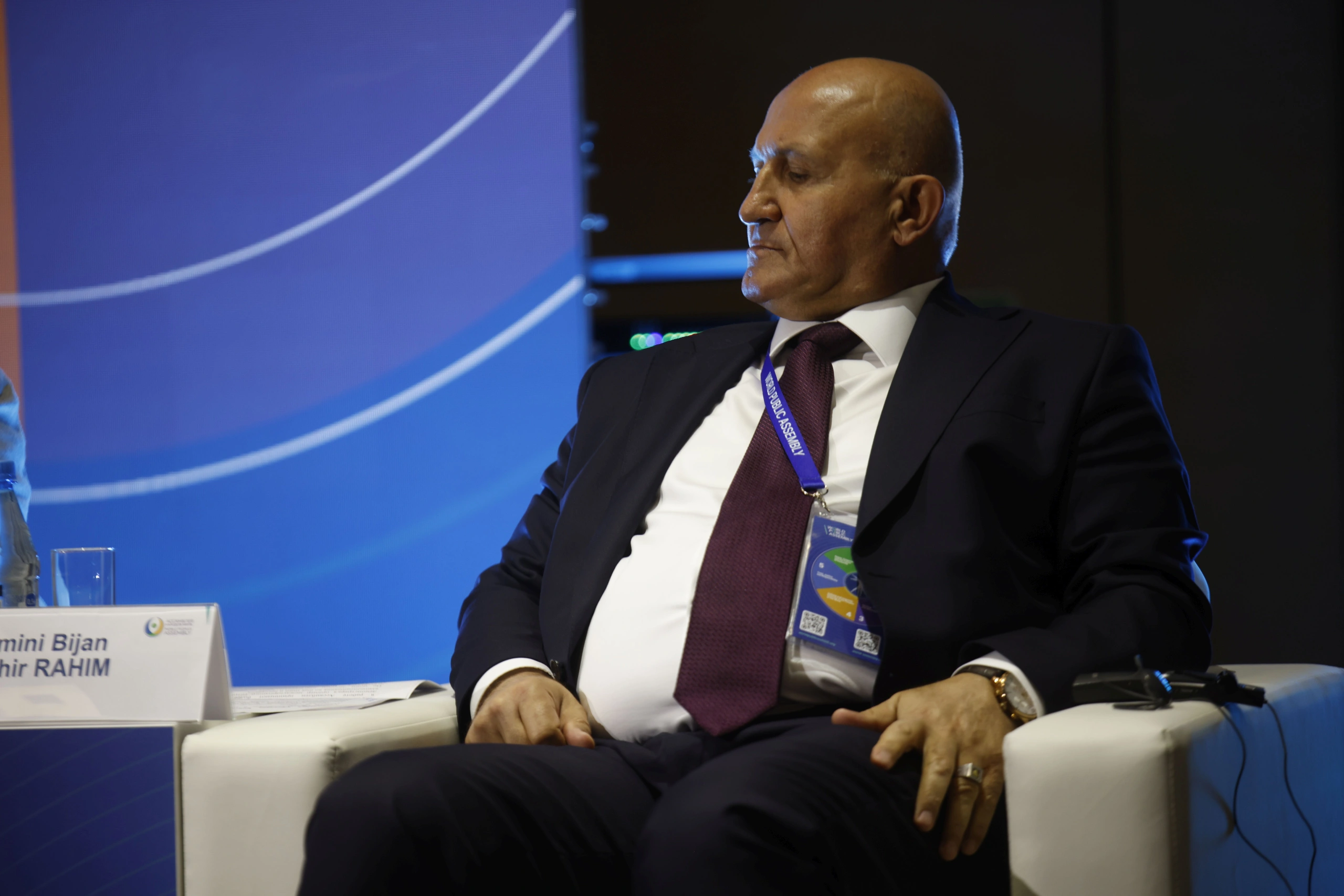
Amini Bizhan Tahir Rahim – General Director of R.K.P. Company, Russian Kurdistan Project (Iraq);
Carlind Govender – General Director of Digital Cooperative Bank (South Africa);
Robert Bekaria – founder of the digital ecosystem Zion.City (Russia);
Jafer Hussein – President of the Global Development Fund (Sudan);
Sergey Dolmatov – head of the project “International Business Campuses of the 4th Order” (Russia);
Roman Mironov – Deputy Director for Development of “Ruszarubezhpharm” (Russia);
Arman Vardanyan – President of the international media holding Euromedia24 (Armenia);
Laura Omuralieva – founder of Rise & Thrive and Earth Future Foundation, creator of the international dialogue platform Beyond Business (Kyrgyzstan);
Rustam Yuldashev – Chairman of the Board of Directors and Management Board of the Nawinia logistics holding, expert of the Logistics Committee for Asian Markets of the Russian-Asian Union of Industrialists and Entrepreneurs (RASPP) (Russia).
At the end of the session, the launch of the global project “The Image of the Future World: Happiness to Be” was announced. The World Peoples Assembly is launching it jointly with the National Agency for Social Communications. Project participants – coordinators of social communications from different countries – will collectively shape the image of the future, identify barriers and determine a common mission.
The finale of the meeting turned out to be truly symbolic – each participant of the session named one word that he would take with him into the future. The words heard were: “joy,” “unity,” “truth,” “children,” “traditions,” “justice,” “love,” “family,” “responsibility,” “development,” “heritage,” “creation,” “peace,” “mercy,” “humility,” “morality,” “humanity,” “success,” “security,” “faith,” “loyalty,” “solidarity,” “evolution.” Thus, the first “dictionary” of the new planet – World Public Planet – was compiled. This living image of the future will continue to develop within the framework of the new global project.
Additional information is available on the official website of the World Peoples Assembly, on its VKontakte and Telegram accounts, and at media@world-assembly.org.