

6012 Participants from 154 Countries: The Second World Public Assembly Has Concluded in Moscow
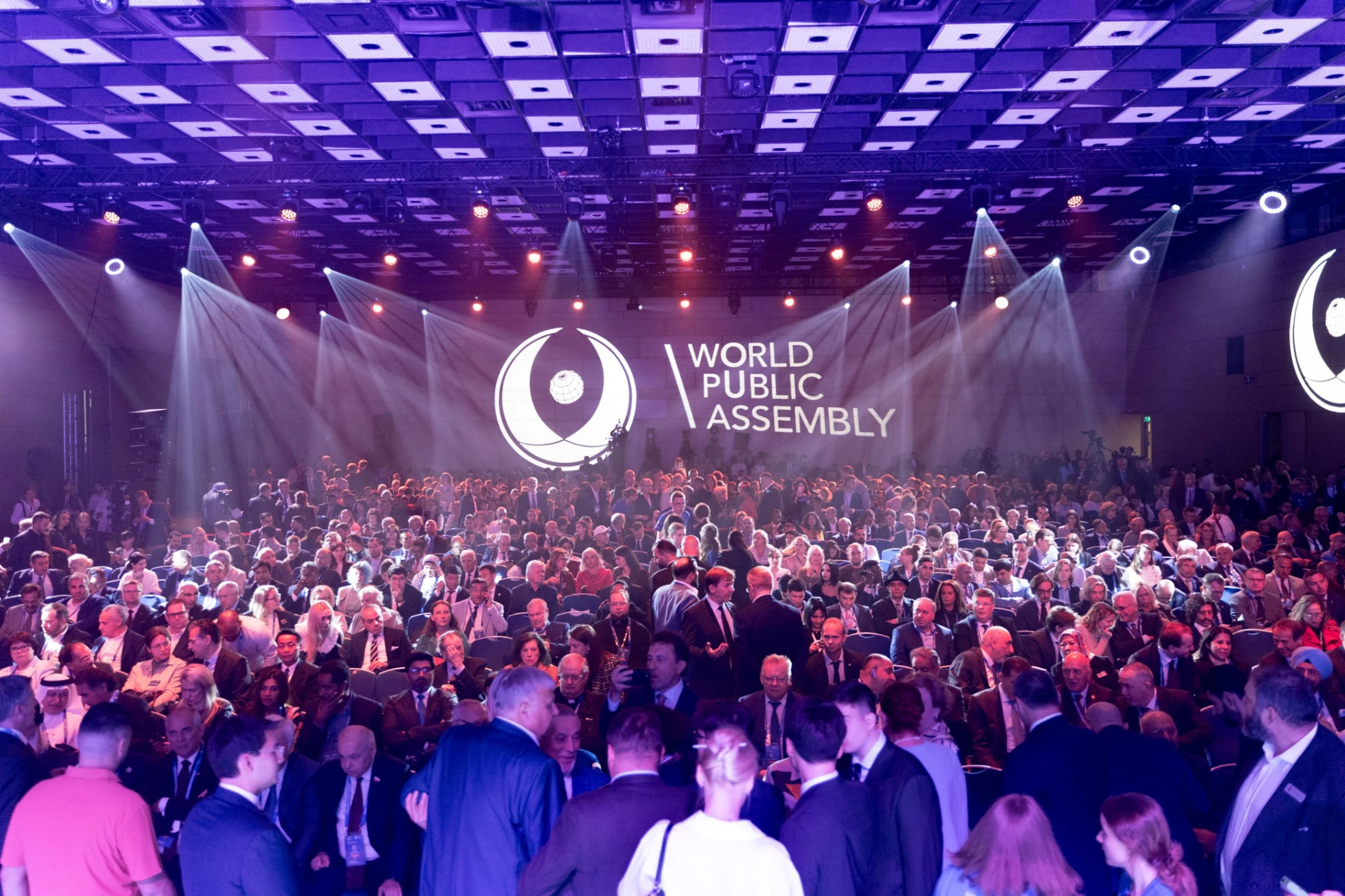
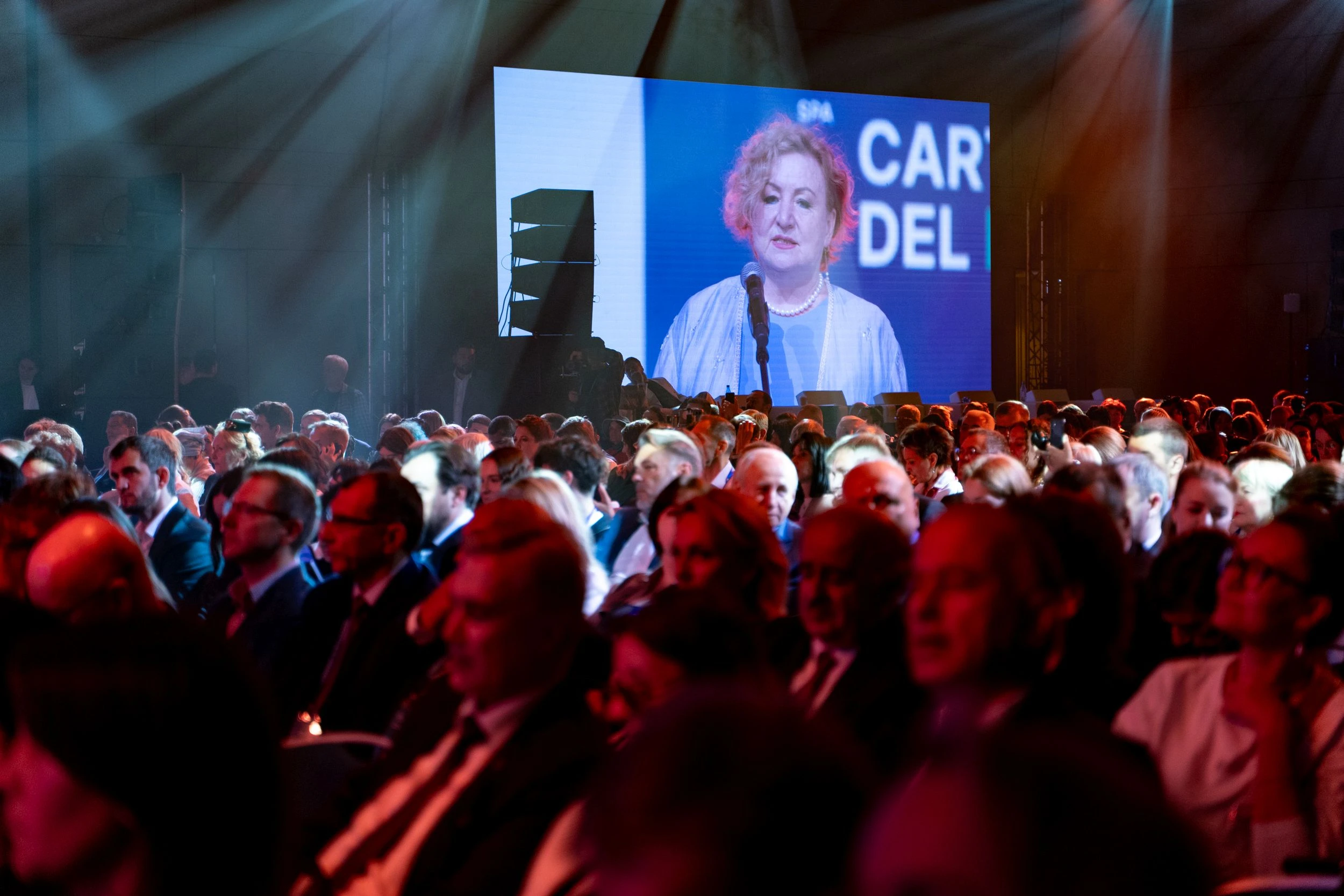
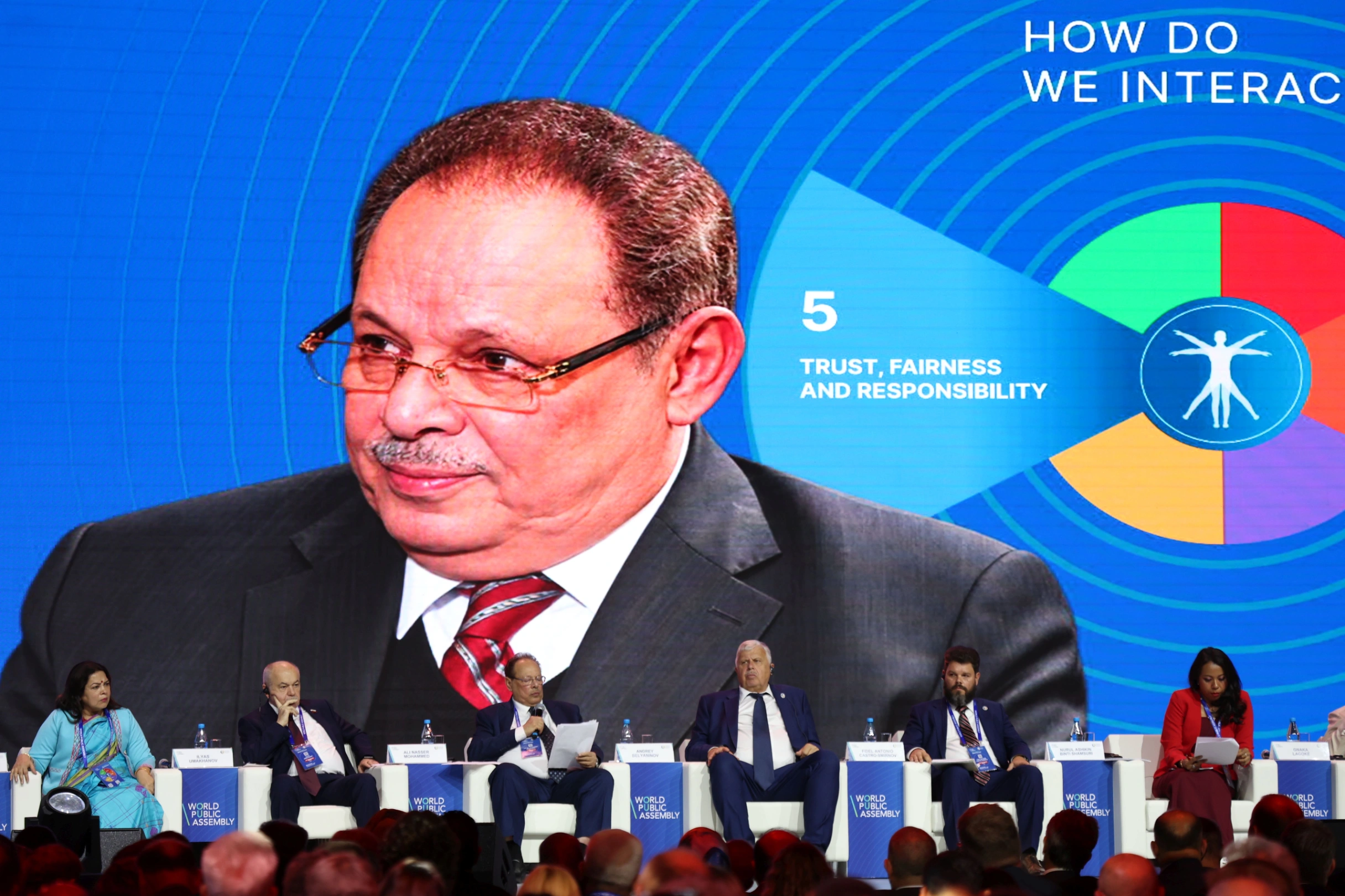
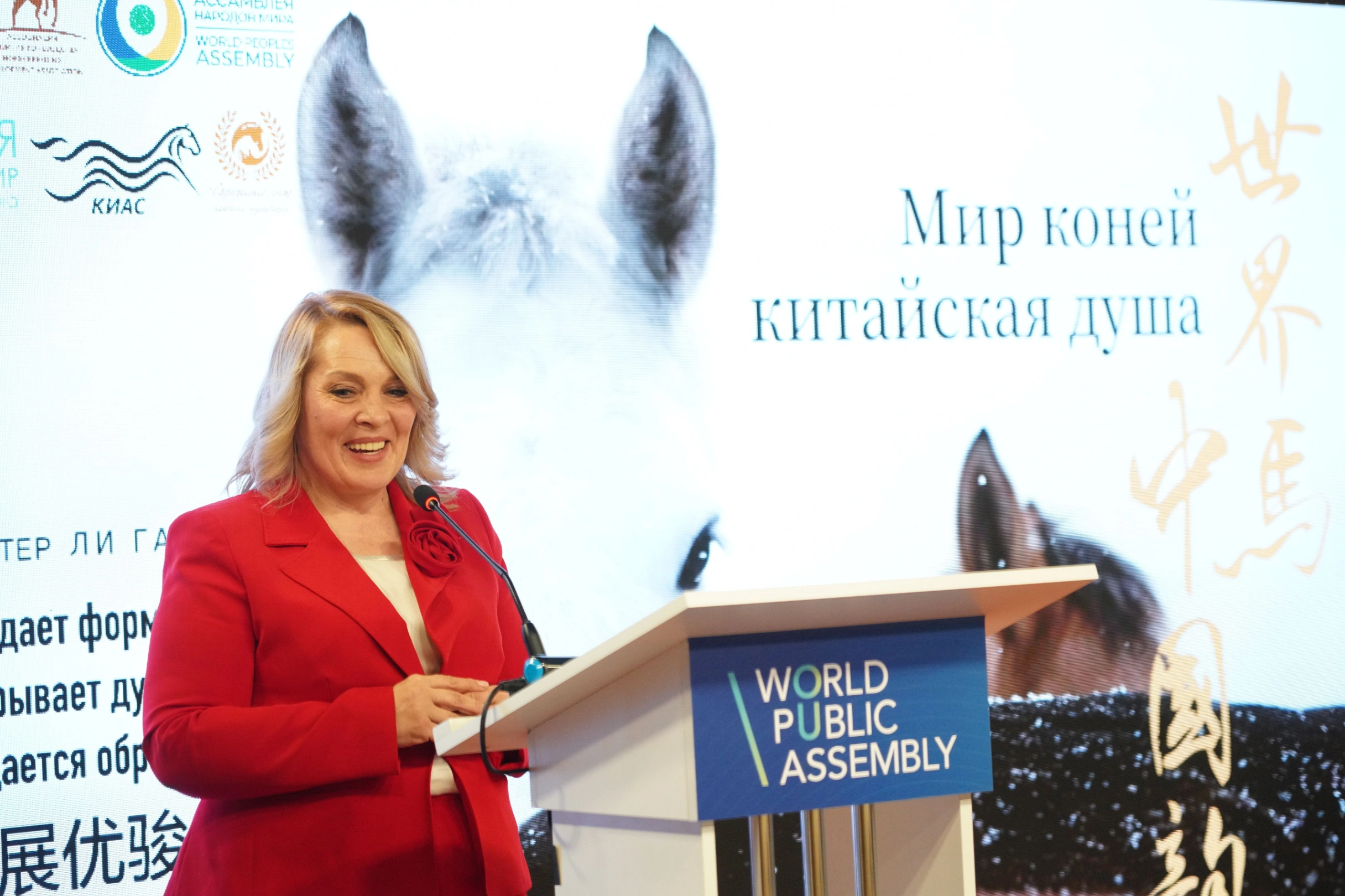
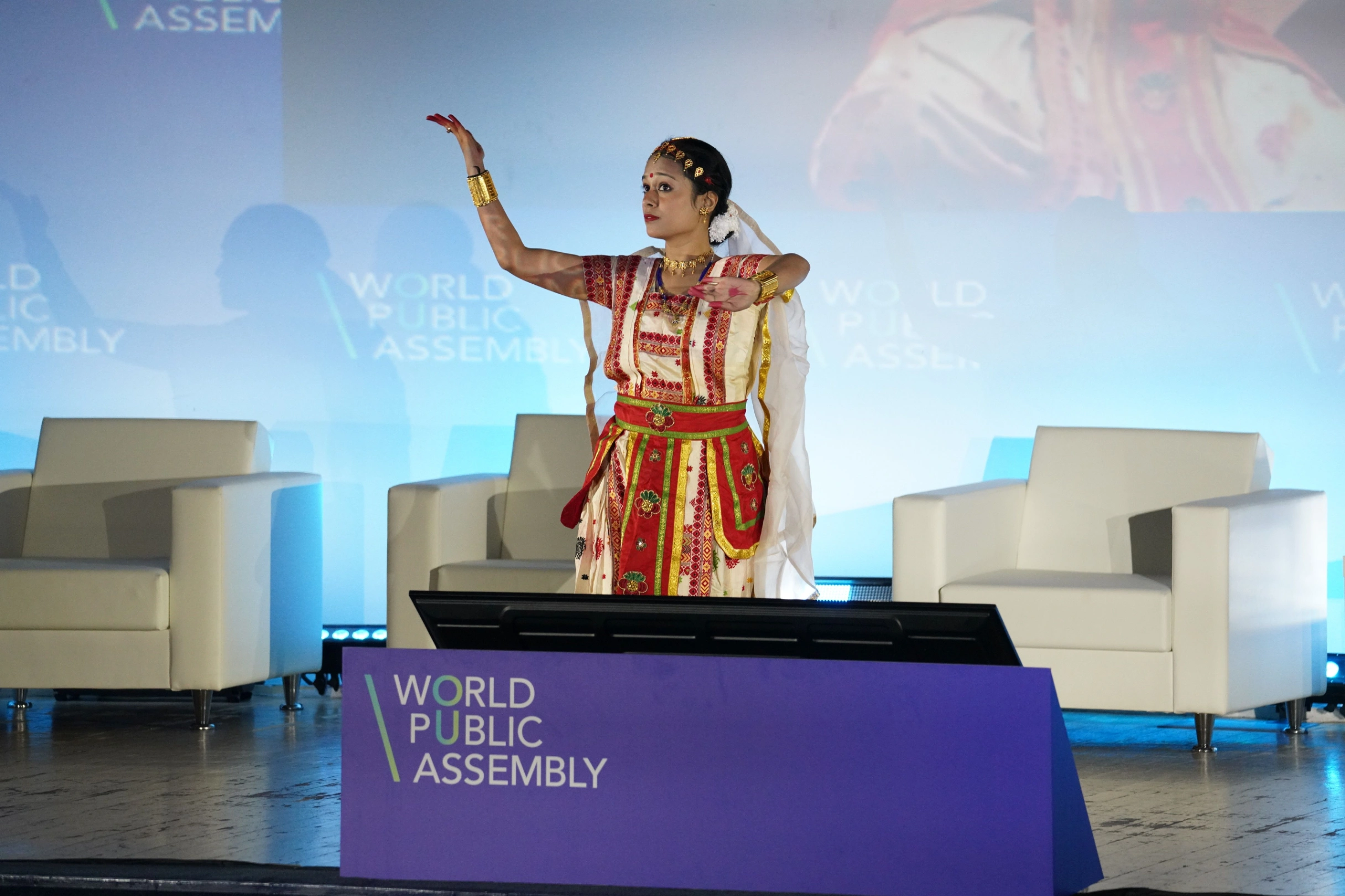
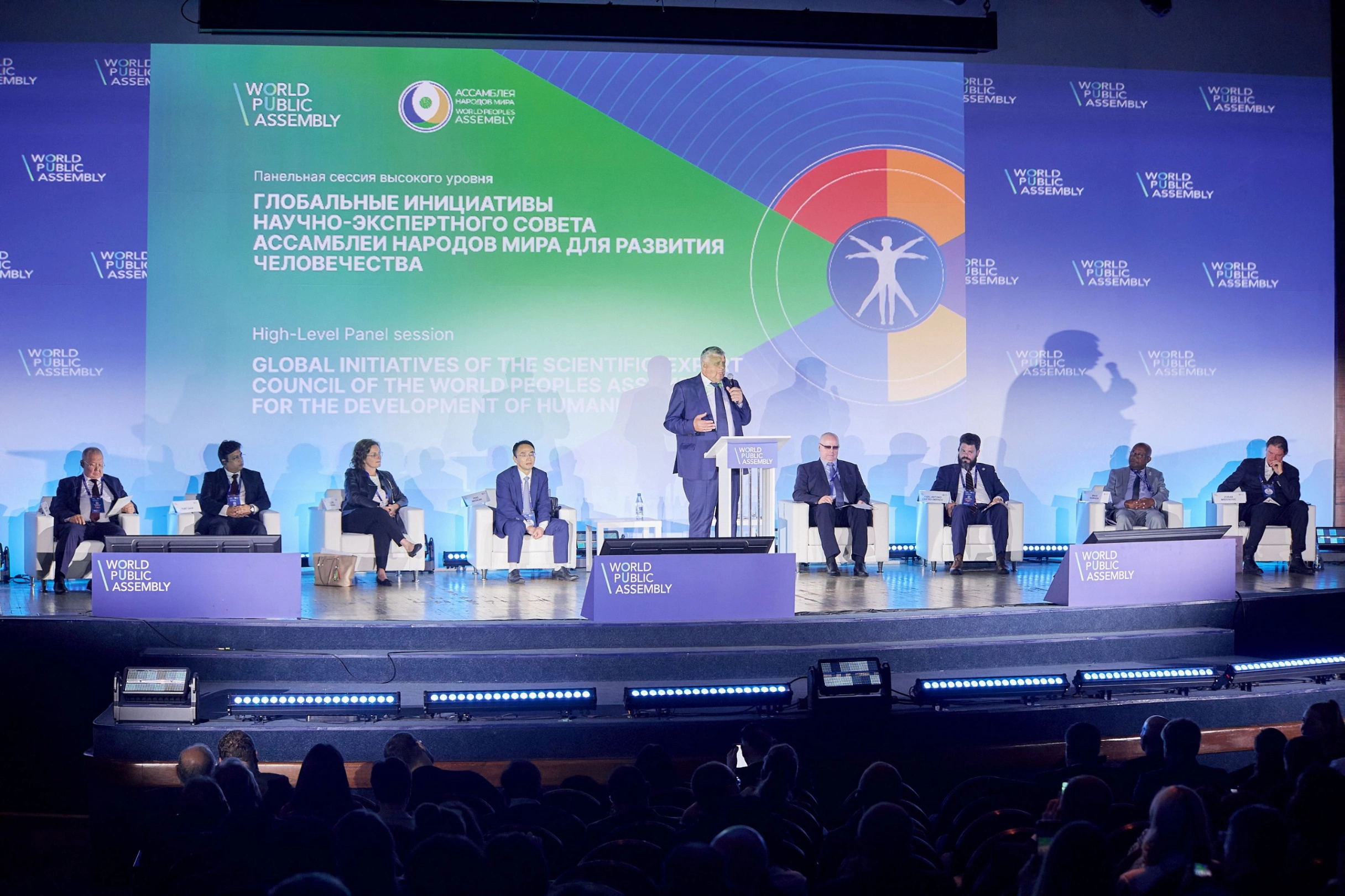
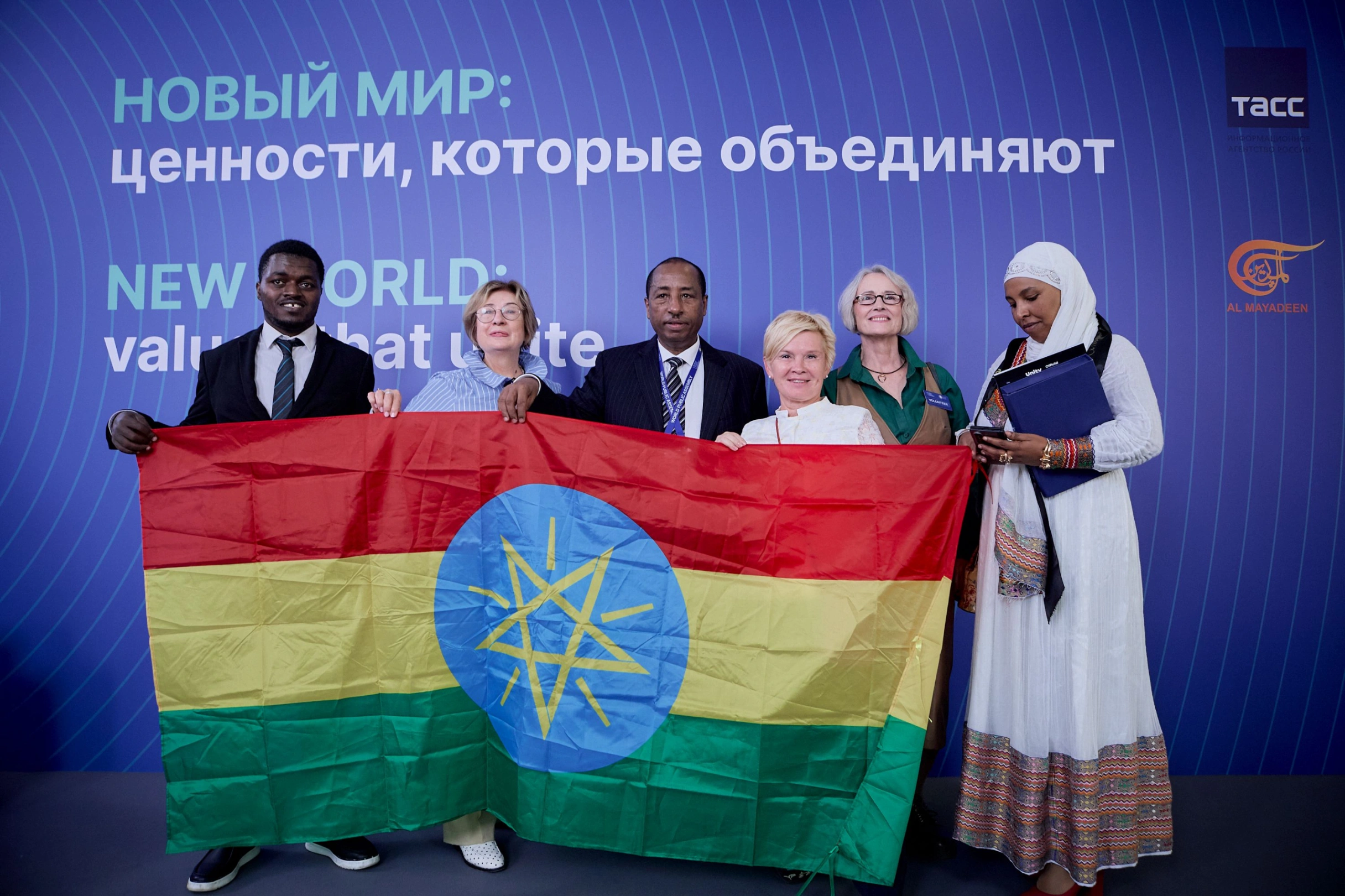
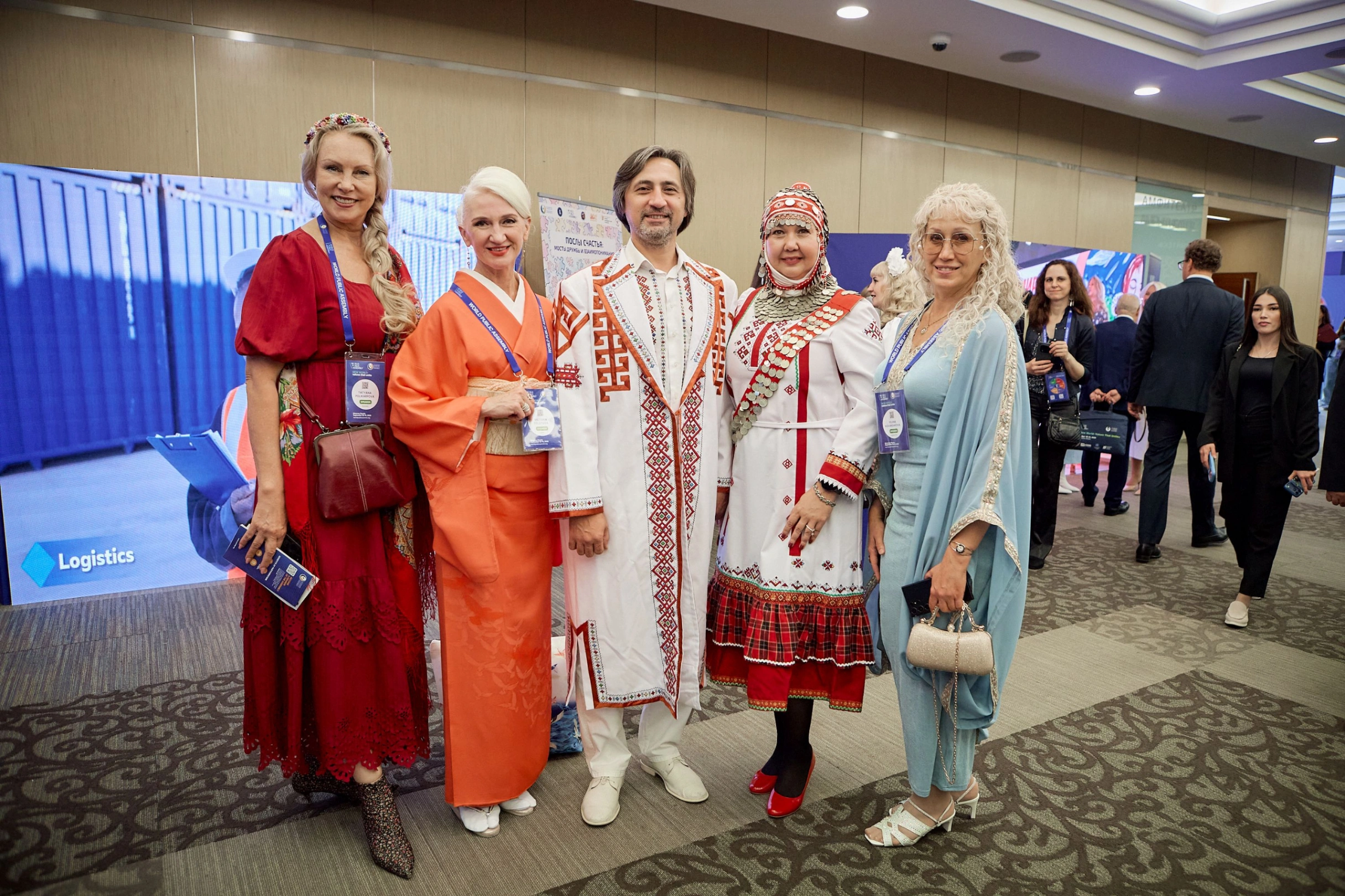
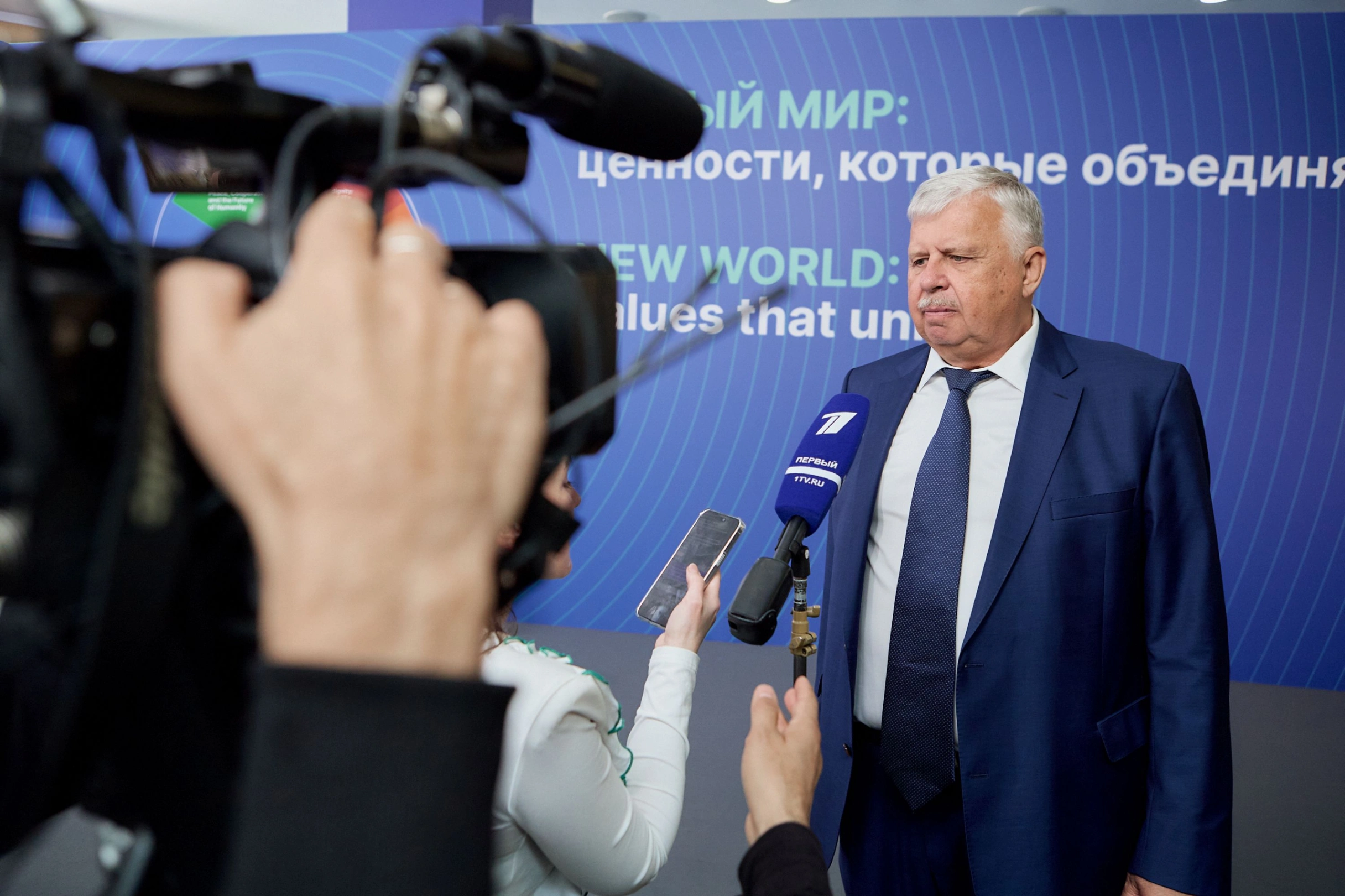
The Second World Public Assembly "New World: Values That Unite" has concluded in Moscow. On 18–19 September 2026, it brought together 6012 participants from 154 countries, with more than 10,000 additional people joining the work of the World Assembly online. Over the course of two days, 72 plenary, strategic, thematic, expert, and business sessions and events were held.
The organizer was the World Peoples Assembly, an international union of non-governmental organizations and citizens.
Among the participants were public and state figures, diplomats, representatives of international organizations, science, education, and culture, business circles, youth and public organizations, and the media.
The Second World Public Assembly continued the international public dialogue begun in 2025 by the First World Public Assembly "New World of Conscious Unity." In 2026, the next stage was the comprehension of shared values as the foundation of trust, cooperation, and shared responsibility for the future.
Uniting Peoples in Dialogue
The Second World Public Assembly brought together participants from 154 countries — people of different cultures, public traditions, and professional communities. The broad geography of participants gave the international public dialogue a global scale.
Video greetings to the participants of the World Assembly were delivered by Minister of Foreign Affairs of the Russian Federation Sergey Lavrov, Secretary-General of the Shanghai Cooperation Organization Nurlan Yermekbayev, Director-General of ISESCO Salim Al-Malik, and Acting Head of the Social Affairs Sector of the League of Arab States Inas El-Fergani. A greeting was also sent to the participants by Secretary-General of the Commonwealth of Independent States Sergey Lebedev.
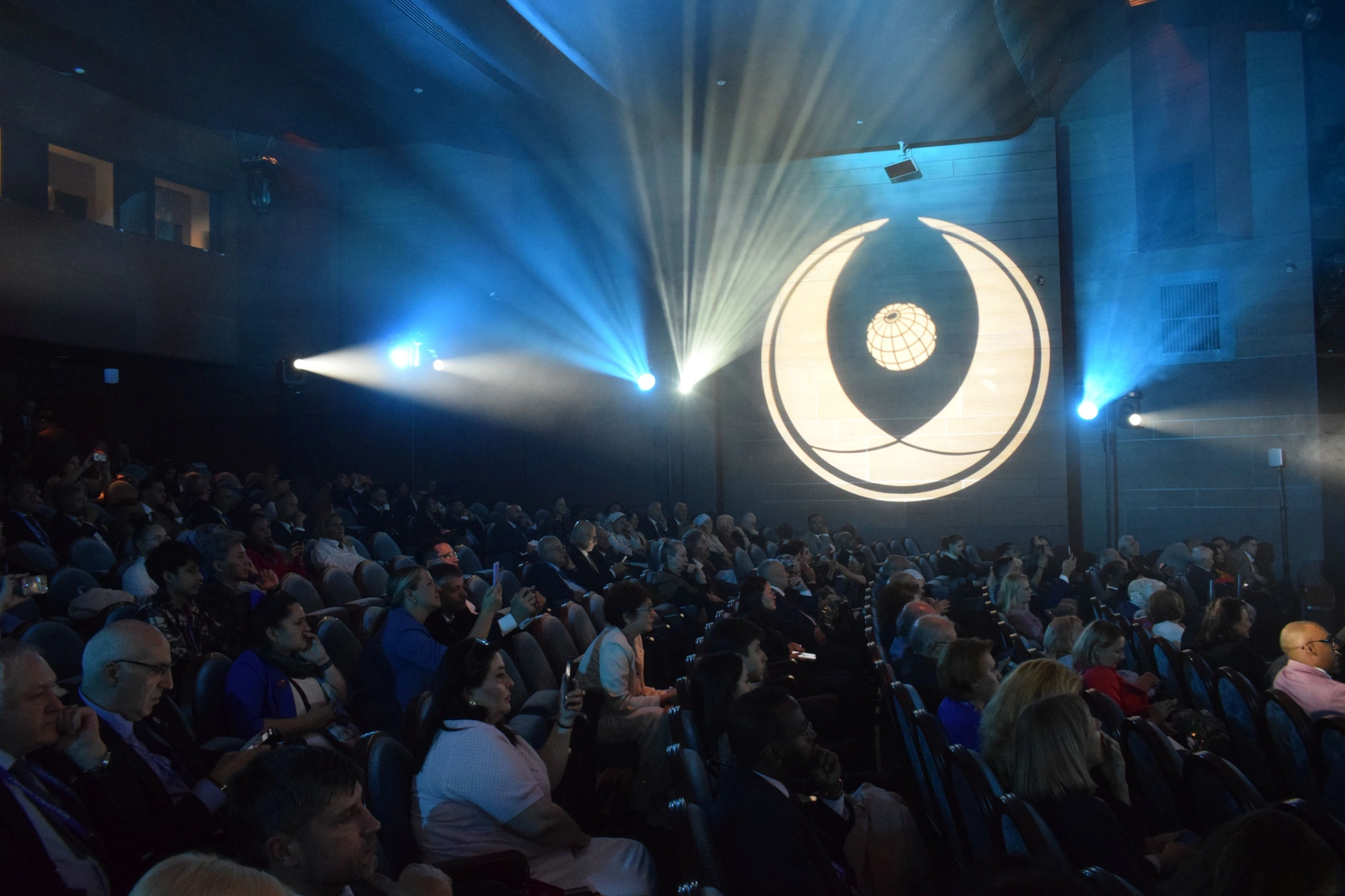
The central event of the first day was the Main Plenary Session "New World: Values That Unite," which defined the substantive framework for the further work of the World Assembly.
Participants discussed the role of shared values in strengthening trust and mutual understanding, the development of public diplomacy, and international humanitarian, cultural, scientific, educational, and business cooperation.
The Human Being at the Center of the New World
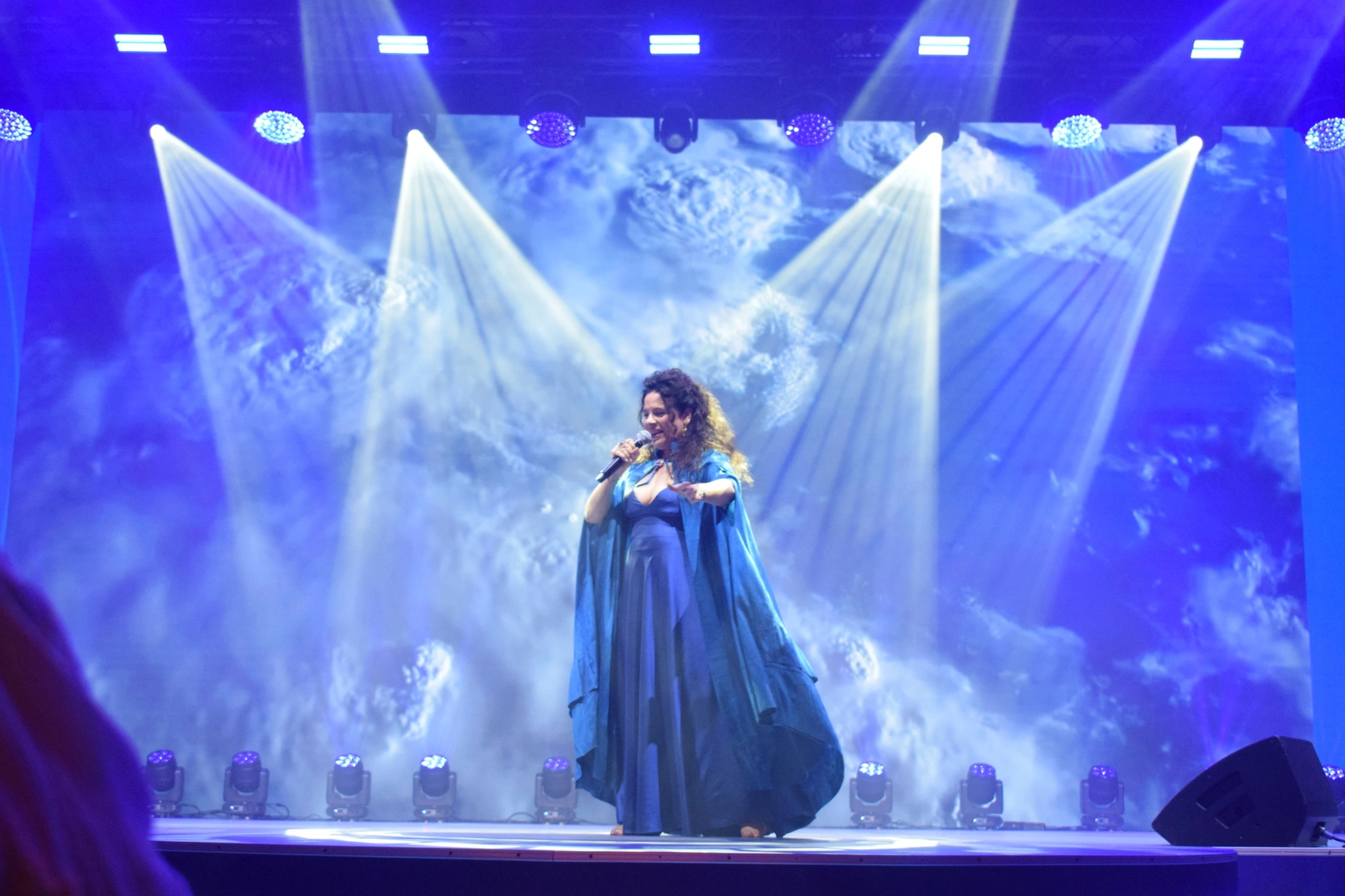
At the center of the substantive agenda of the Second World Public Assembly was the human being — their dignity and right to a dignified life, family and the connection between generations, culture, language, and traditions, spiritual and moral choice, the ability to trust, to create, and to bear responsibility for others and for the shared future.
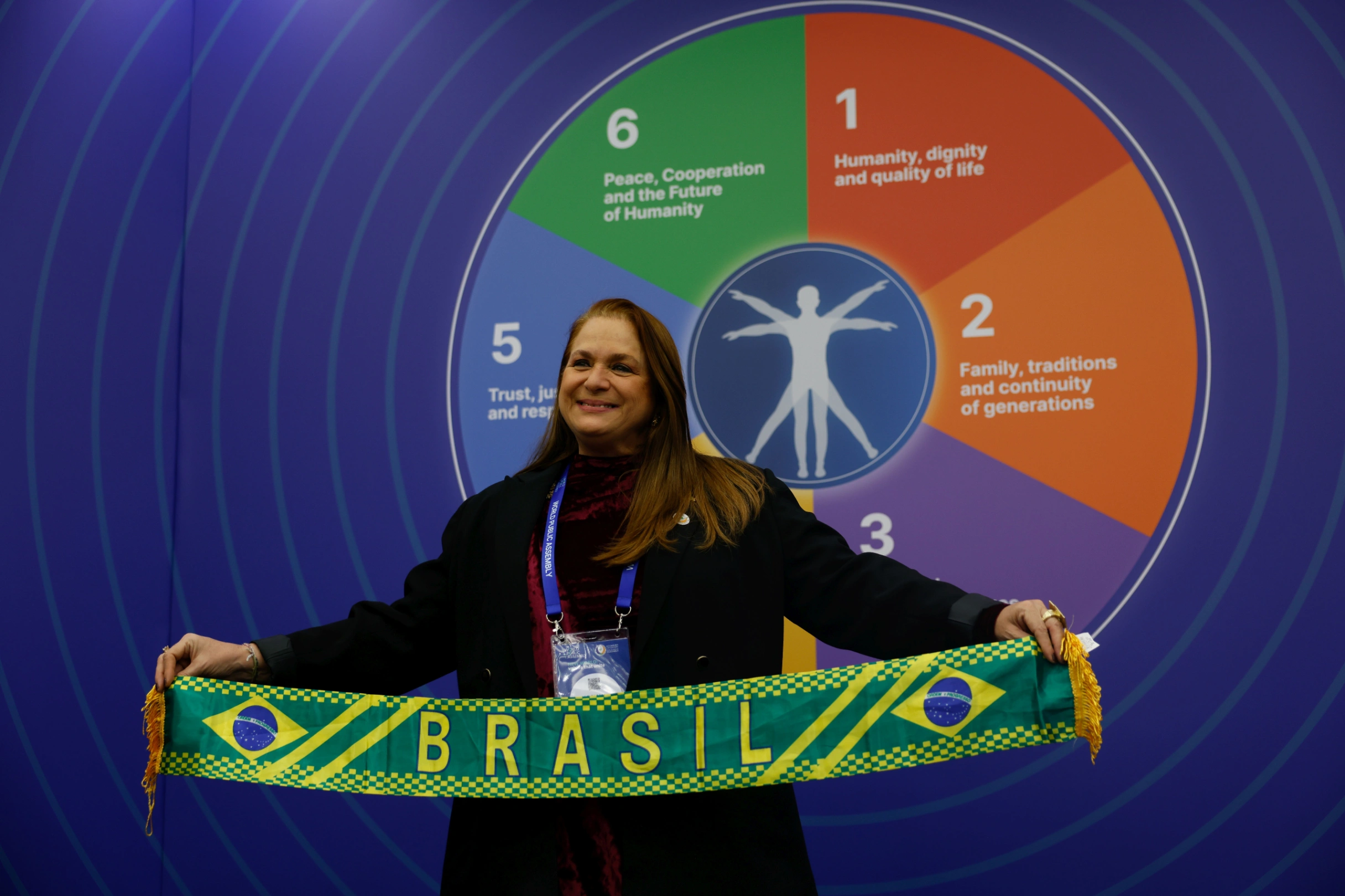
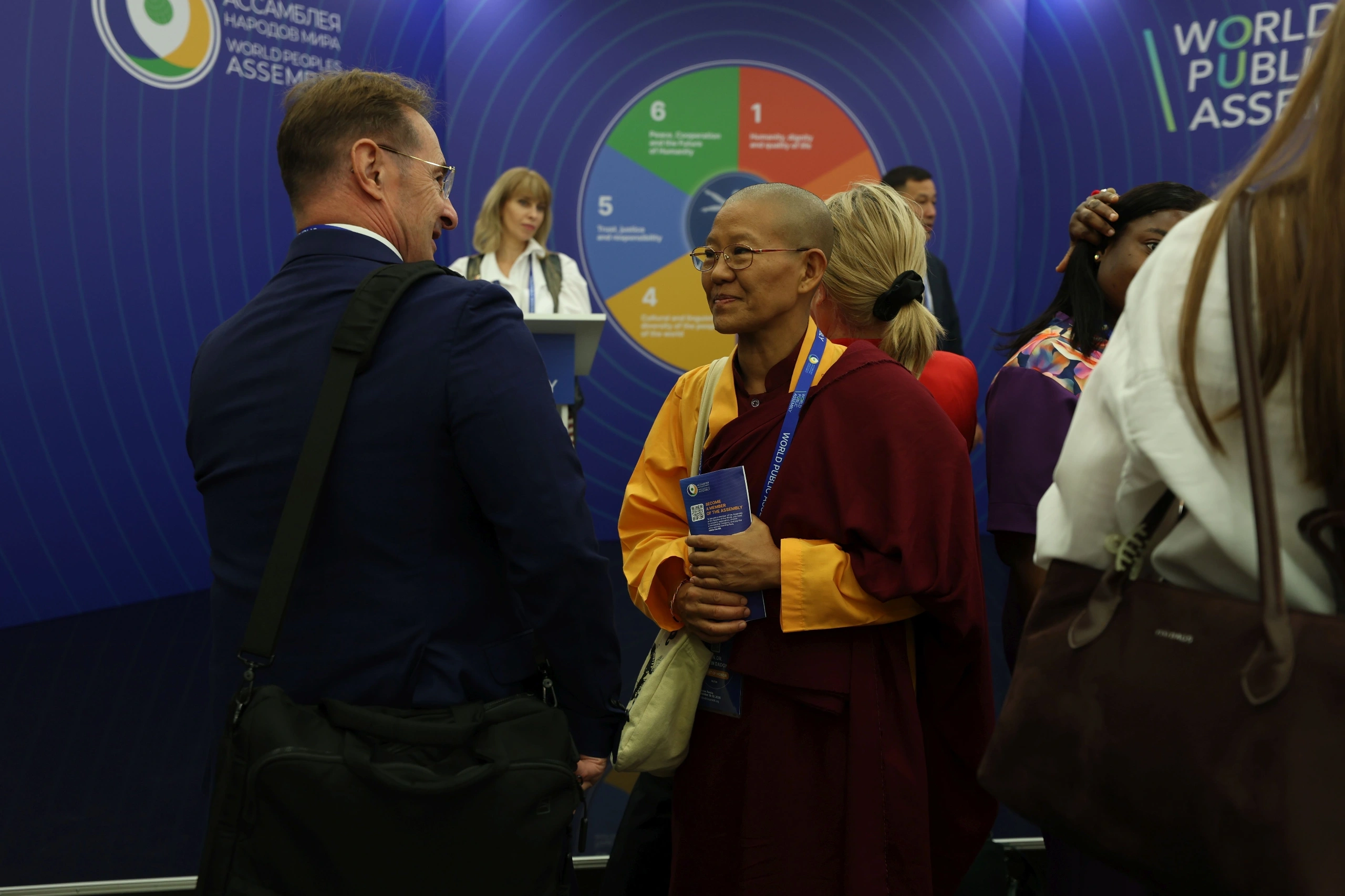
The program was built around six interconnected value directions:
"Who Are We?" — the human being, their dignity, and quality of life.
Discussions were devoted to the human being as the supreme value and subject of development, humanistic leadership, quality of life, health, human capital, and responsibility for the future."What Is Our Foundation?" — family, traditions, and the continuity of generations.
The focus was on family, historical and ancestral memory, the continuity of generations, the preservation of traditions, the transmission of cultural and moral experience, and responsibility before future generations."What Do We Believe In?" — spiritual and moral values.
Participants discussed the moral and spiritual foundations of human life, interreligious dialogue, freedom and responsibility, and the creative role of culture and art."What Unites Us?" — the cultural and linguistic diversity of the peoples of the world.
Culture was viewed as a space for mutual understanding between peoples, the preservation of identity, and the development of international public dialogue. Special attention was given to linguistic heritage, art, cinema, and new media."How Do We Interact?" — trust, justice, and responsibility.
One of the central themes was trust as the foundation of sustainable interaction between people and peoples, the development of public diplomacy, and international cooperation."Where Are We Going Together?" — peace, cooperation, and the future of humanity.
Participants discussed the prospects for international and interregional cooperation, the role of science, education, and new technologies, and the participation of the younger generation in shaping the future.
The six directions formed a single semantic space of the World Assembly: the human being and family were considered in connection with culture and historical memory, public diplomacy with trust and responsibility, and the image of the future with science, education, technology, the youth agenda, and international cooperation.
Youth and the Future
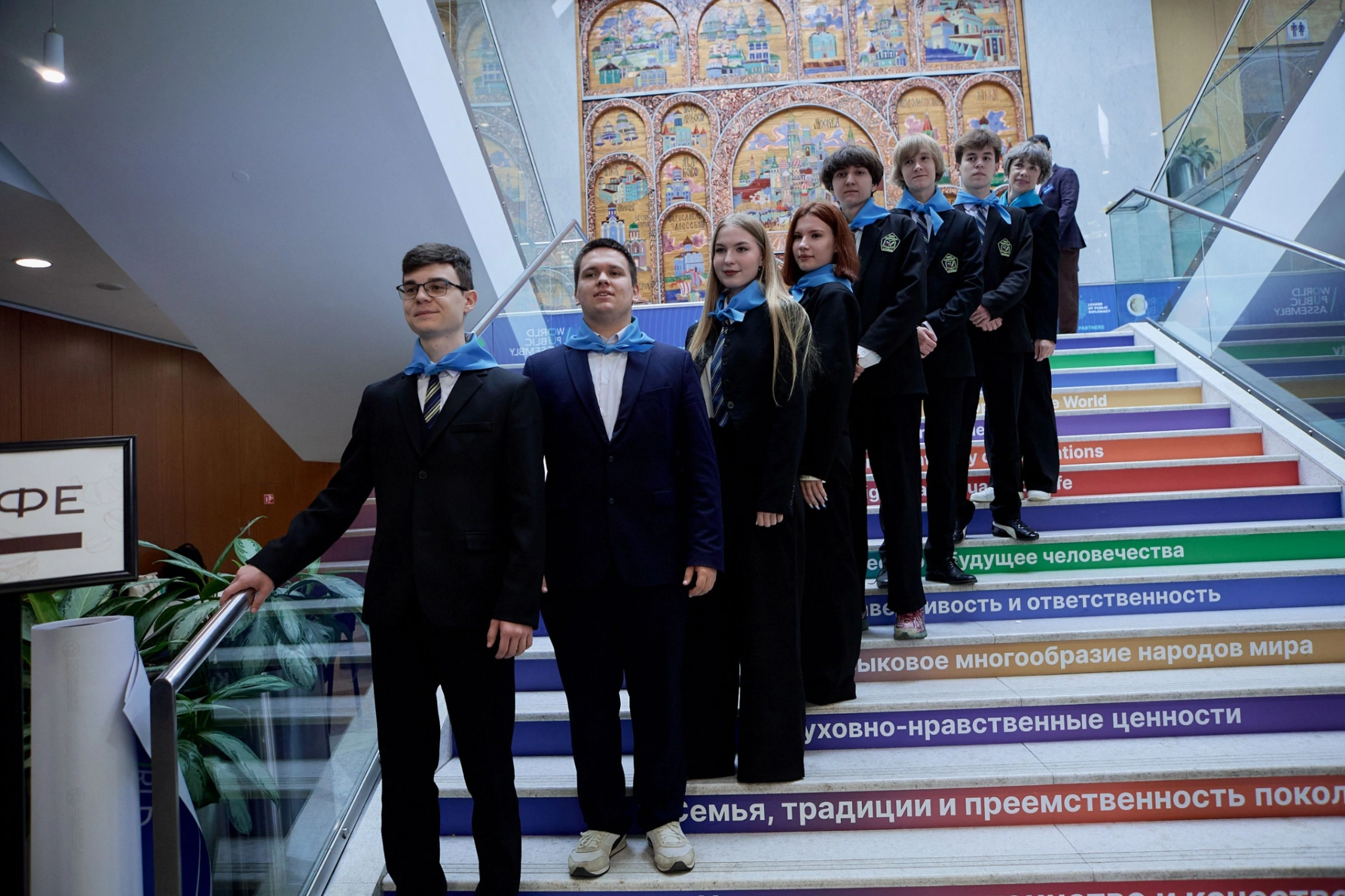
A significant place in the program was occupied by the youth agenda.
The II International Youth Forum "Generation of Unity" became a space for open dialogue about what the new generation believes in, how public diplomacy, technology, and artificial intelligence are changing the world, and what role youth play in shaping the future.
The youth program made it possible to connect the value agenda of the World Assembly with the practical initiatives of the new generation, international contacts, and joint projects.
Media in the Service of Humanity
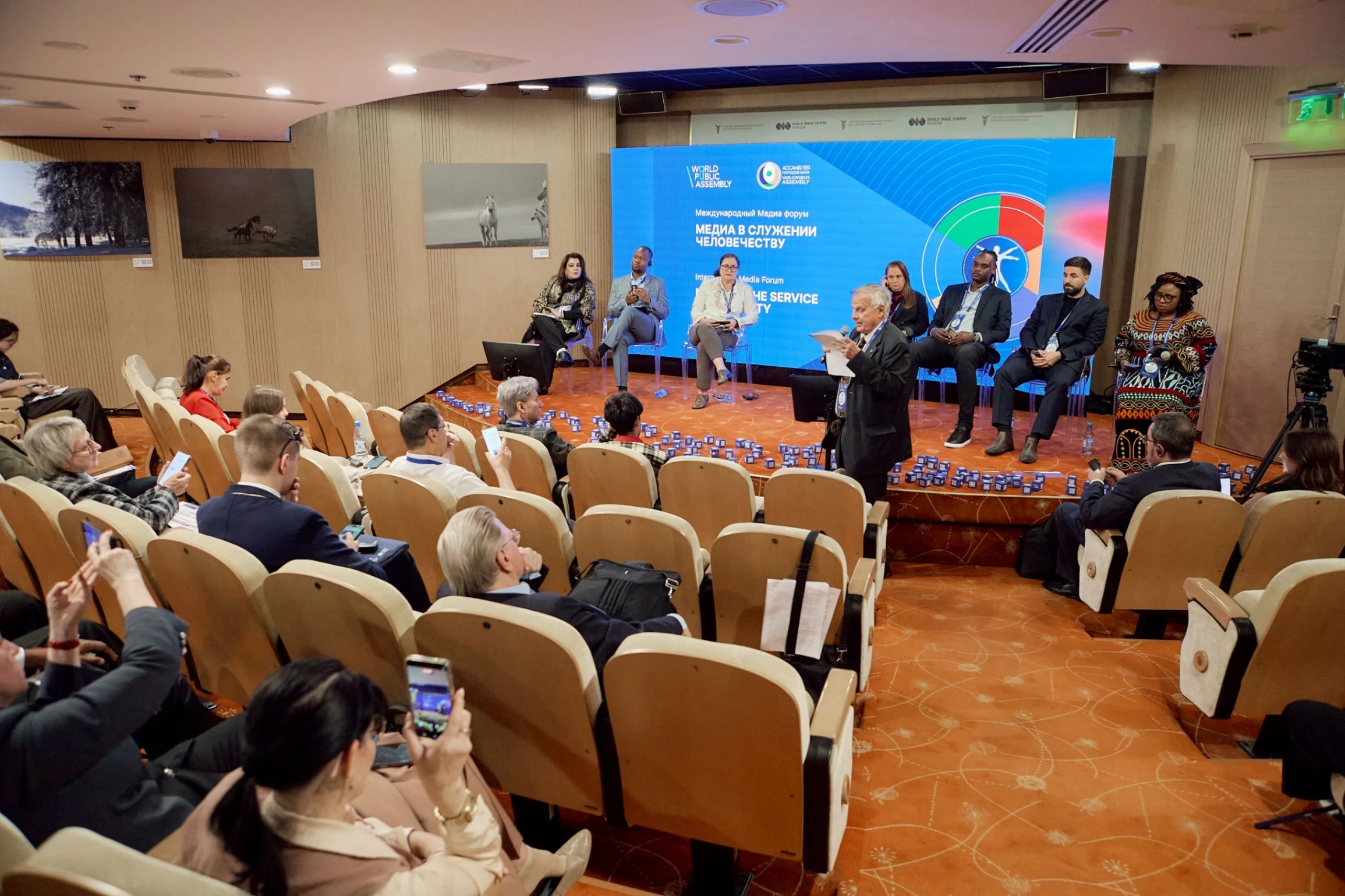
A separate platform for professional international dialogue was the International Media Forum "Media in the Service of Humanity."
At the center of the discussion were trust and responsibility of the media, the role of journalism in serving people and society, artificial intelligence and the reliability of information, international media cooperation, culture, and historical memory.
Participants discussed the public mission of modern media and their responsibility for the values, meanings, and image of the future formed in the global information space.
From Regional Dialogue to the World Assembly
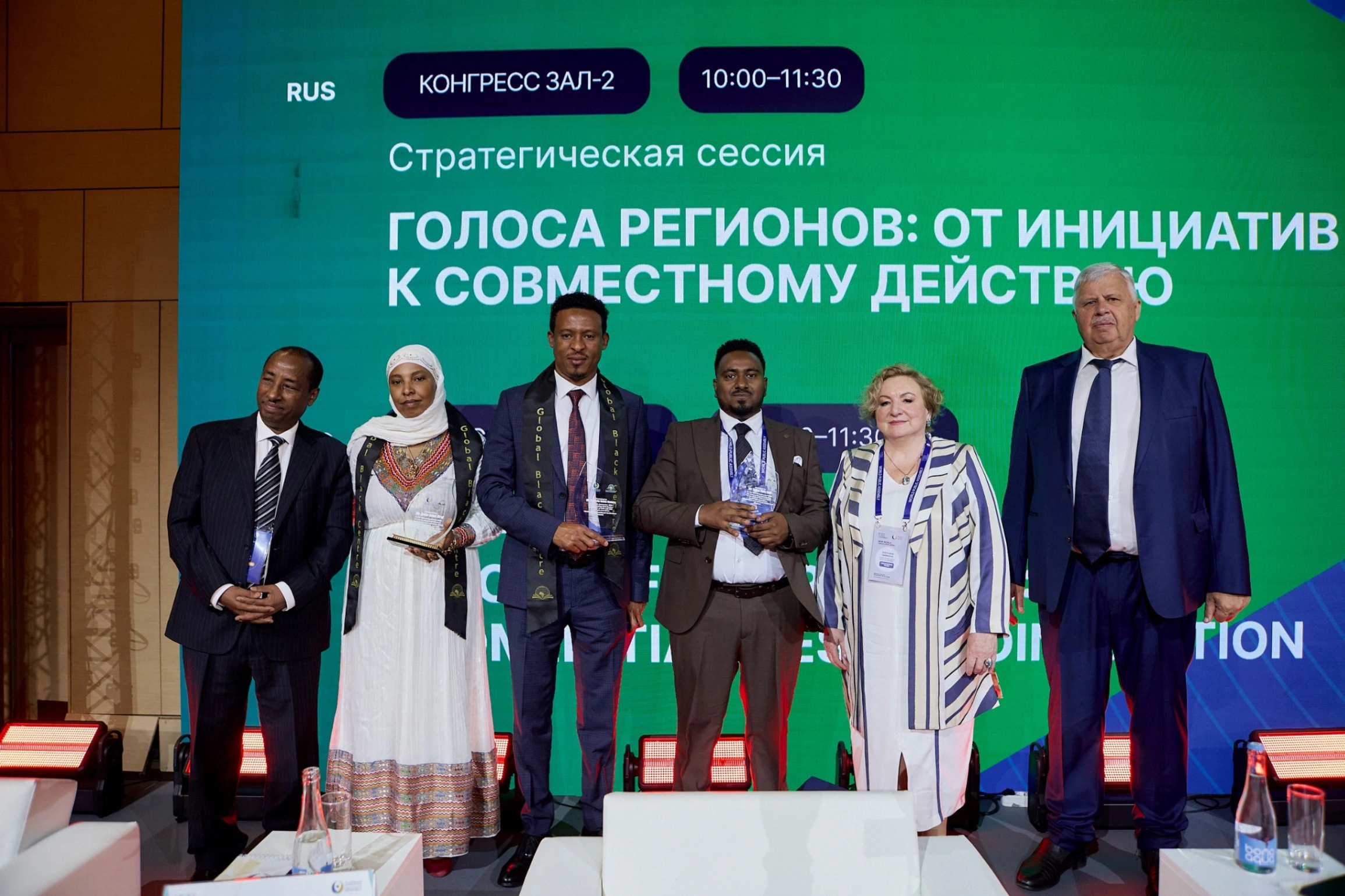
An important part of the preparation for the Second World Public Assembly were the World Public Summits held in 2026 in India, Africa, and Latin America.
The regional platforms made it possible to present the historical and cultural experience of different regions, their value orientations, public initiatives, and visions of the future.
The results of this dialogue were continued in Moscow at the strategic session "Voices of Regions: From Initiatives to Joint Action," where proposals reflected in the Delhi Resolution, the Salvador Declaration, and the African Communiqué were considered.
Following the session, a decision was made on the further development of the geography of the World Public Summits in 2027:
World Public Summit. BRICS — India, February 2027;
World Public Summit. ASEAN — Malaysia, April 2027;
World Public Summit. China — China, April 2027;
World Public Summit. Maghreb — Morocco, May 2027;
World Public Summit. Latin America — Mexico, June 2027;
World Public Summit. Africa — Ghana, 2027;
World Public Summit. Arab World — Iraq, October 2027.
The World Public Summits are developing as a system of regional platforms for public dialogue, providing a substantive and project-based connection between the regions of the world and the flagship project of the World Peoples Assembly — the World Public Assembly.
From Trust to Partnership
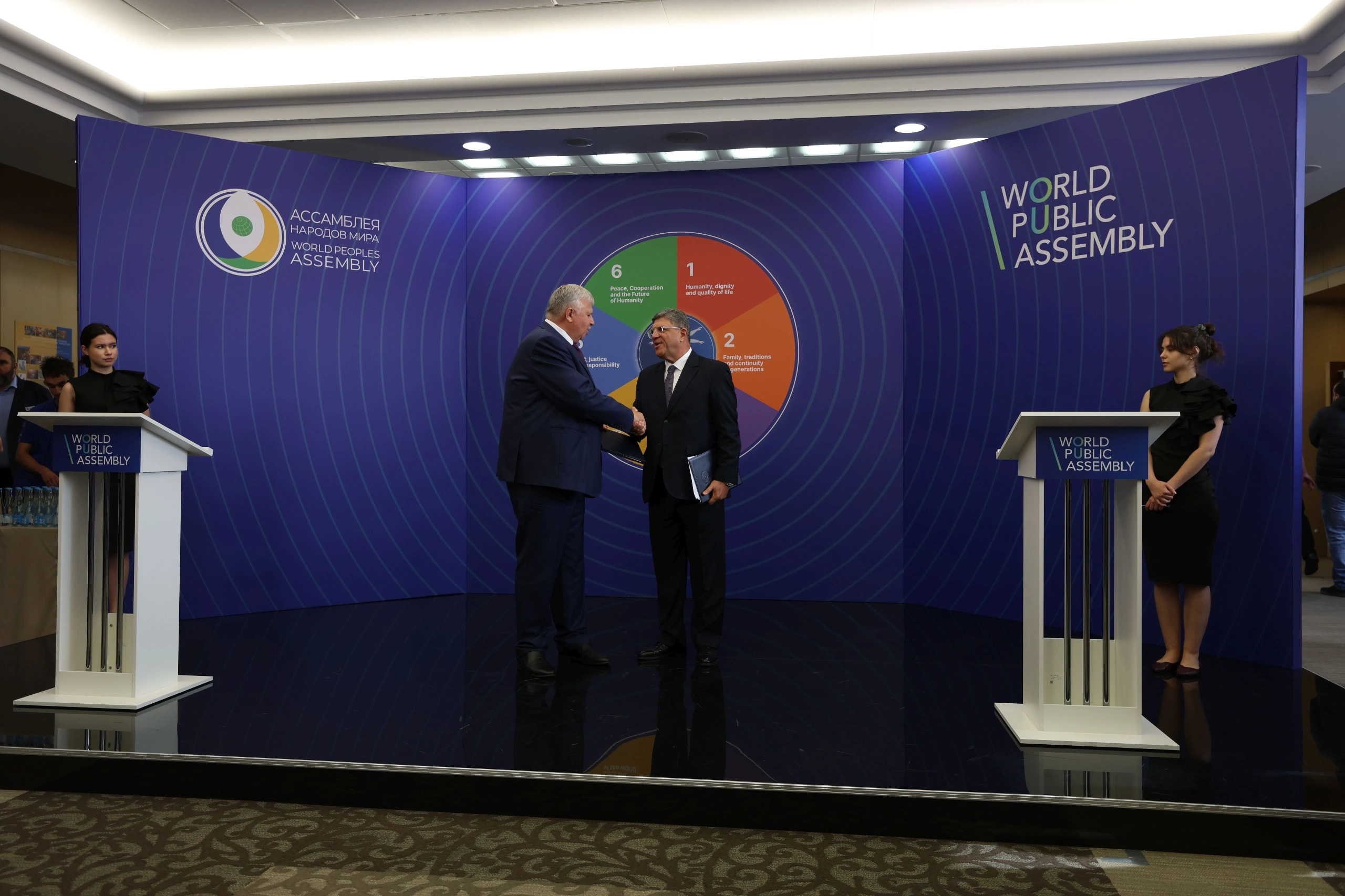
One of the main practical results of the Second World Public Assembly was the connection of value dialogue with concrete forms of international cooperation.
During the days of the World Assembly, the World Peoples Assembly signed 36 agreements with organizations from 16 countries. The opening of two new representative offices of the World Peoples Assembly — in Ethiopia and Ghana — was officially approved.
The practical results create a foundation for the further implementation of humanitarian, cultural, educational, youth, scientific, public, and business projects in various regions of the world.
International Business Forum
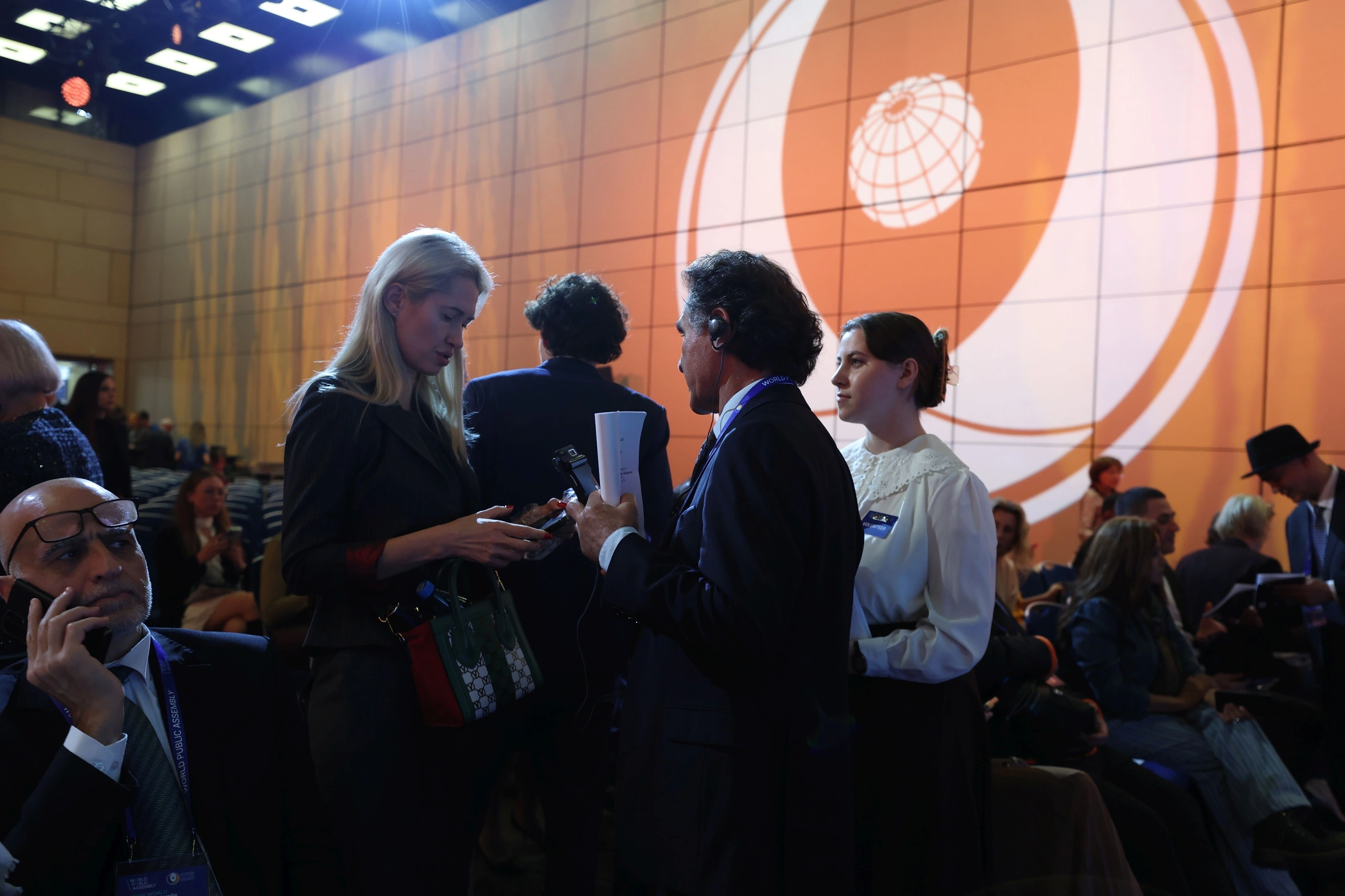
A special place in the program was occupied by the International Business Forum, which brought together representatives of government, business, public organizations, development institutions, and the expert community.
Among the honorary participants were State Secretary of the Union State Sergey Glazyev and First Deputy Speaker of the House of Representatives of Jordan Khamis Hussein Attia.
The forum's agenda was built from the formation of trust and partnerships to the exchange of practices and concrete joint projects.
Within the framework of the business program, 48 international B2B meetings were held, and partners signed 30 business agreements.
The practical results of the business forum showed how trust and international public dialogue are continued in concrete partnerships and joint actions.
31 Leaders of Public Diplomacy from 31 Countries
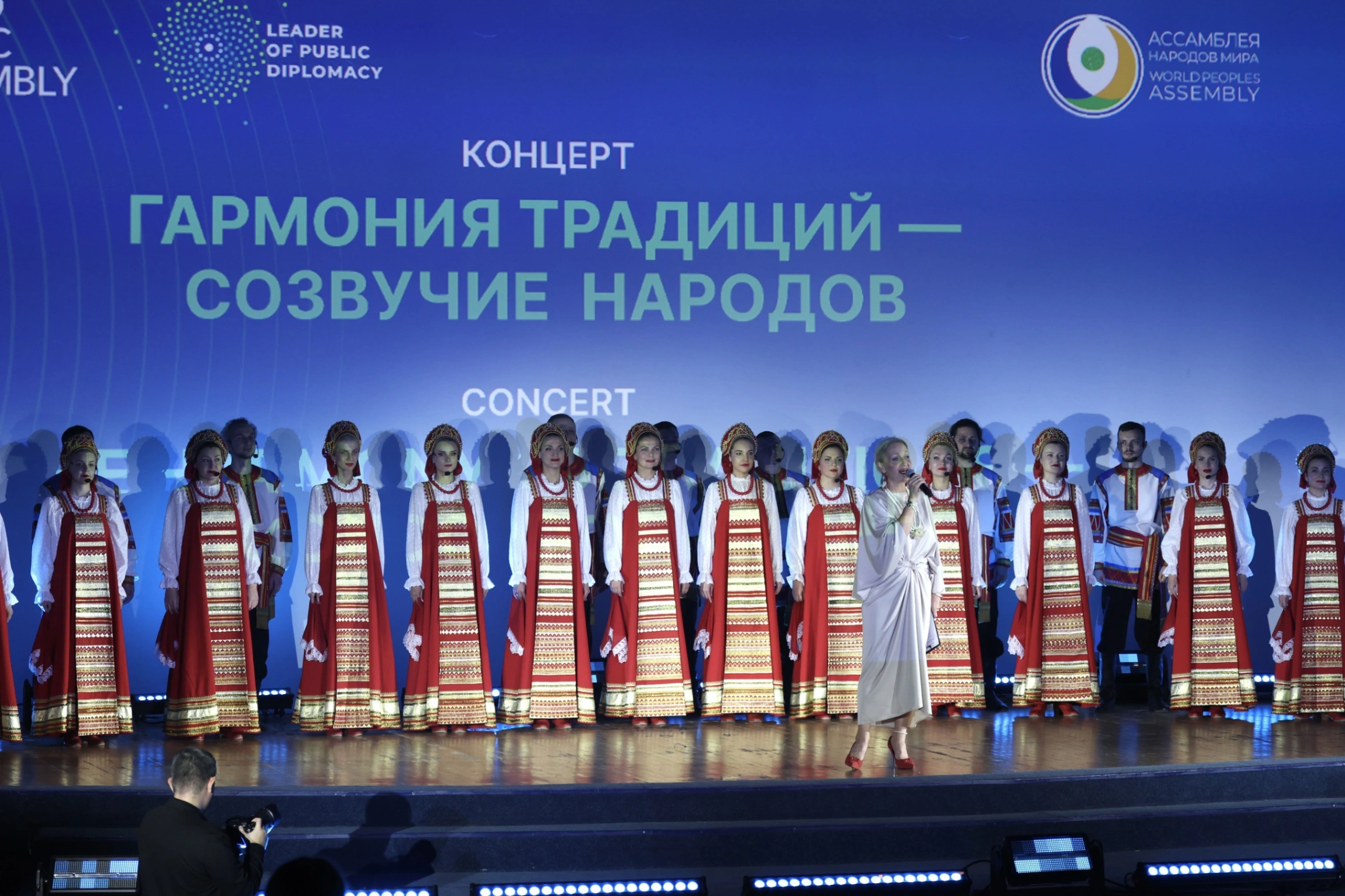
A landmark international project of the World Assembly was the V International Competition "Leader of Public Diplomacy," aimed at identifying, supporting, and uniting public leaders implementing initiatives in the field of public diplomacy and international humanitarian cooperation.
On the eve of the opening of the World Assembly in Moscow, a project seminar and the final stage of the competition were held. Participants presented their projects and practices of international public interaction.
Following the results of the V competition, 31 winners from 31 countries were determined. Within the framework of the Second World Public Assembly, a ceremonial award ceremony for the laureates took place.
The competition consistently forms an international community of public diplomacy leaders — people who, through concrete initiatives, projects, and personal participation, contribute to the development of trust and cooperation between people and peoples.
For Service to Humanity
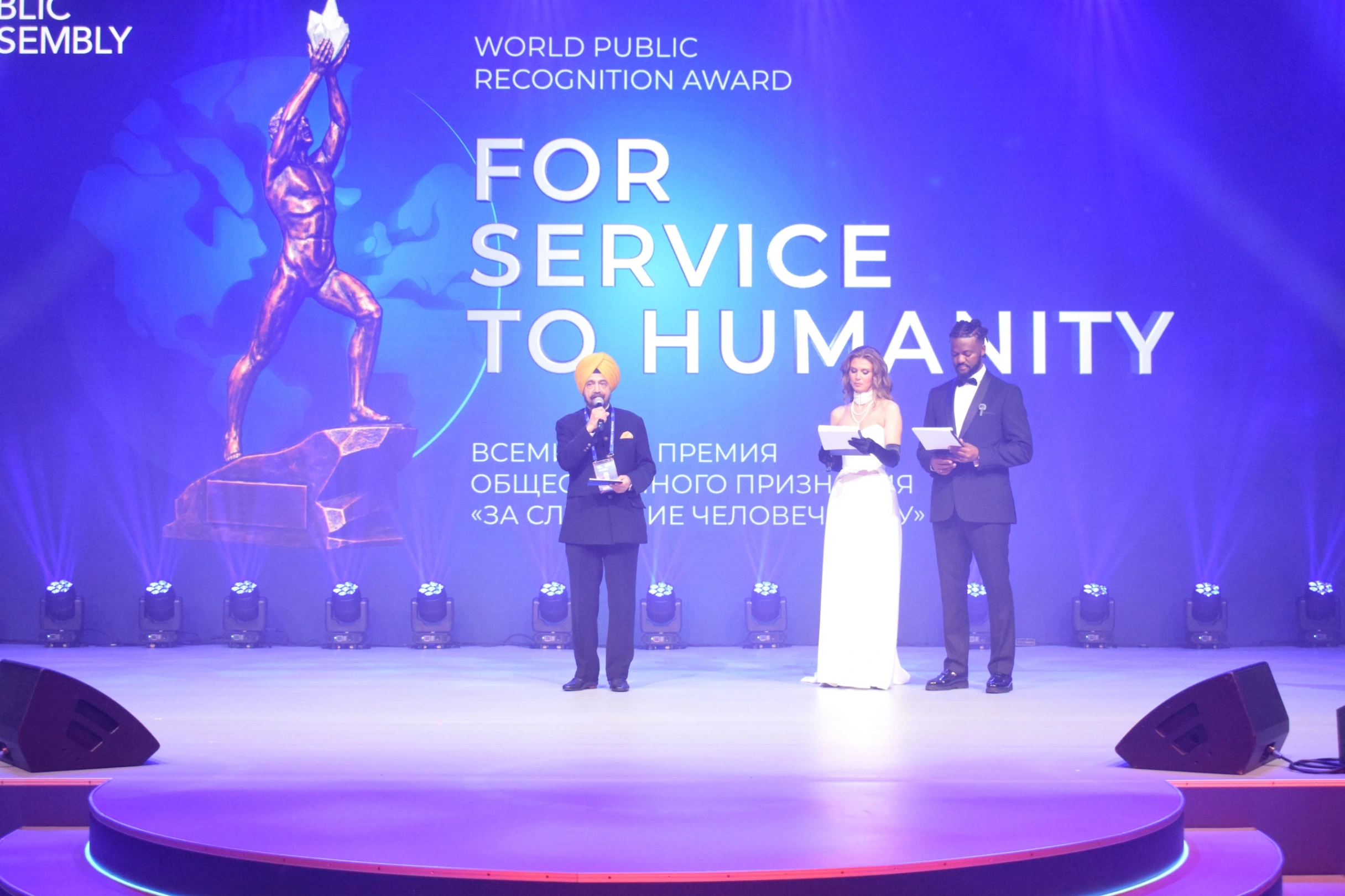
One of the central events was the ceremony of awarding the Second World Public Recognition Prize "For Service to Humanity," established by the World Peoples Assembly.
The prize is a form of international public recognition of people whose ideas, activities, and life path serve peace, the strengthening of trust between peoples, the preservation of cultural and spiritual heritage, and future generations.
A substantive part of the program was the Open Conversation "Leaders Who Changed the World," which brought together the laureates of the first Prize and the 2026 nominees. At the center of the conversation were personal responsibility before society and future generations, moral leadership, service to people, and the strengthening of peace and trust between peoples.
In 2026, the laureates of the World Prize were seven representatives from six countries:
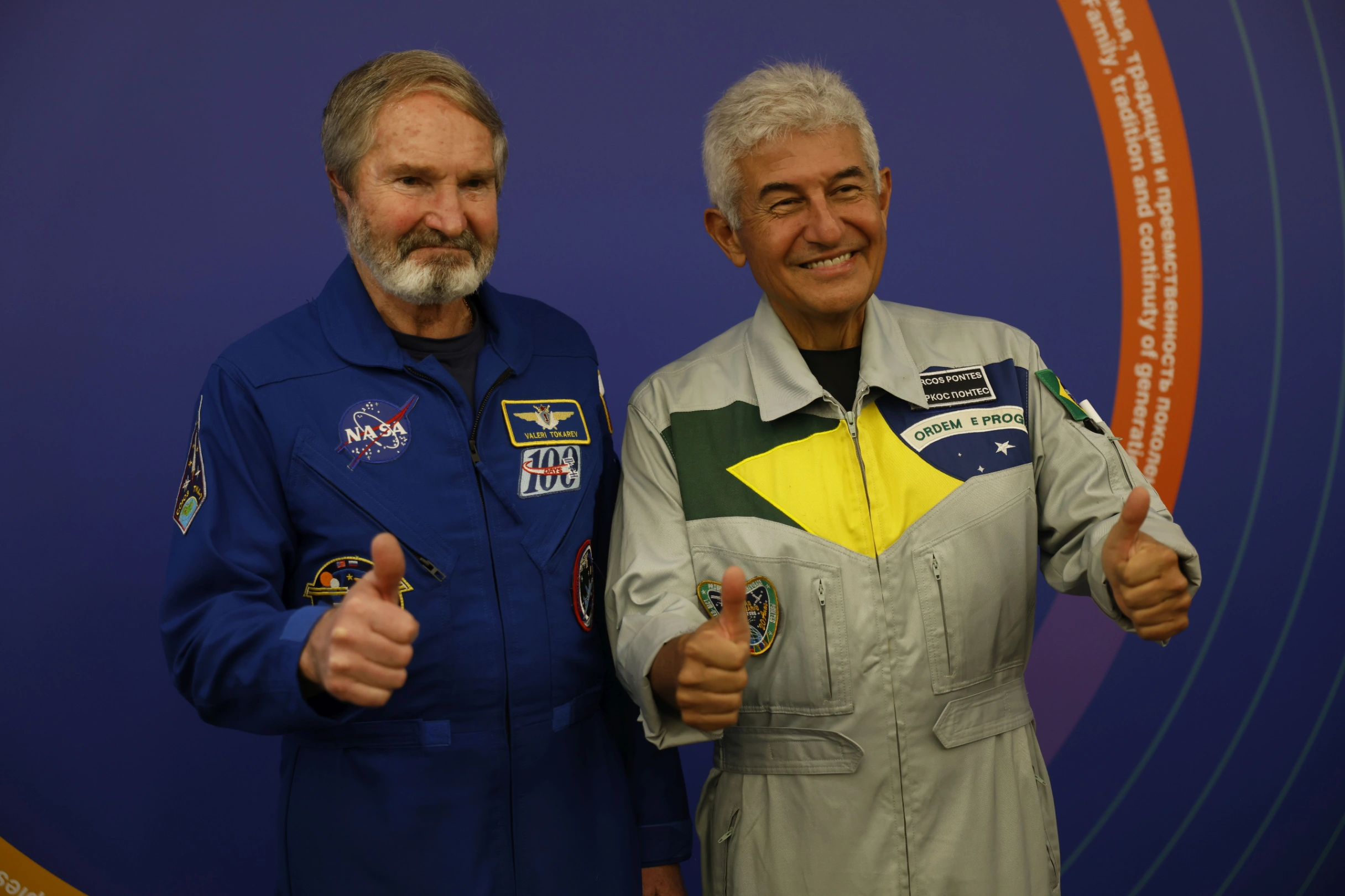
Senator of the Federative Republic of Brazil from the state of São Paulo, the first Brazilian cosmonaut, scientist, and public figure Marcos Cesar Pontes;
Pilot-Cosmonaut of the Russian Federation, Hero of the Russian Federation Valery Tokarev;
artist, sculptor, painter, master of jewelry art, and figure of international culture Lisa Sotilis;
statesman and public figure, President of the People's Democratic Republic of Yemen in 1980–1986, President of the Arab Peace Group Ali Nasser Mohammed;
Chairman of the Board of Trustees of the Foundation of St. Andrew the First-Called, Doctor of Political Sciences, Professor, Ambassador Extraordinary and Plenipotentiary of the Russian Federation Vladimir Yakunin;
statesman and public figure, member of the Supreme Consultative Council of the World Peoples Assembly Tokon Mamytov;
Academician of the Academy of Sciences of Cuba, Deputy Secretary-General of the World Peoples Assembly, representative of the new generation of international public leaders Fidel Antonio Castro-Smirnov.
The composition of the laureates reflects the international and intergenerational character of the Prize, uniting people of different countries, professions, and life experience around the idea of responsibility and service to the human being and future generations.
The symbolic conclusion of the ceremony was the ringing of bells in honor of the International Day of Peace, joined by the participants of the World Assembly.
Three Final Documents
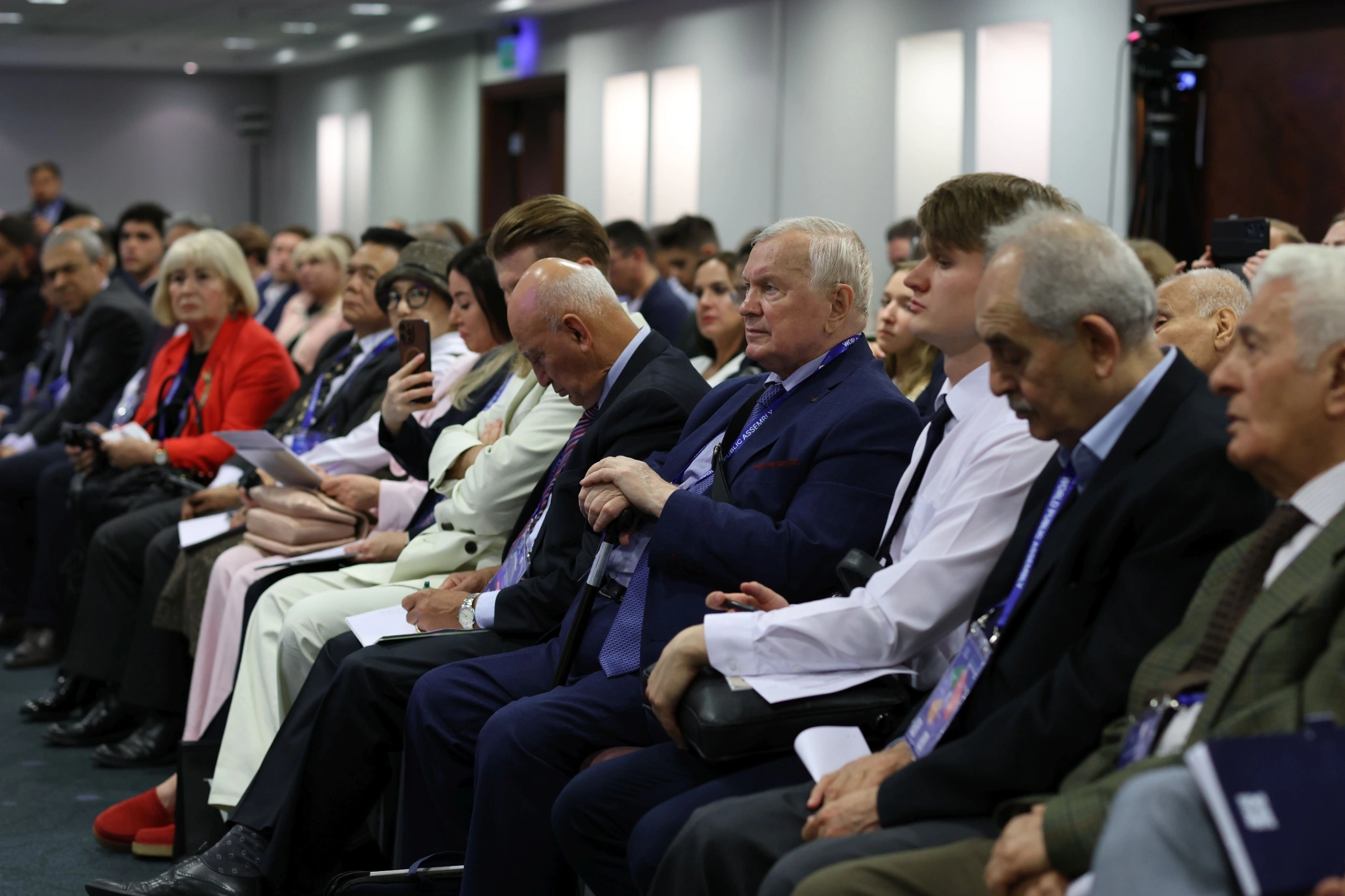
The Second World Public Assembly adopted three final documents, each of which fulfills a distinct function and at the same time is part of the common logic of further interaction.
The Declaration of the Second World Public Assembly records the main results of the World Assembly, the decisions taken, and the directions for further joint action.
The document reflects the readiness of the participants to develop public diplomacy and international humanitarian cooperation, intercultural and interreligious dialogue, to preserve historical memory and cultural heritage, to strengthen the family and the connection between generations, to expand scientific, educational, and youth cooperation, and to support new public initiatives and international partnerships.
The Charter of Values of the New World reflects the common principles and moral foundations of interaction between people and peoples.
It unites the results of the World Public Summits, international expert discussions, and the work of the World Assembly and is intended to serve as a value guideline for strengthening mutual understanding, trust, peace, creation, cooperation, and shared responsibility for the future of humanity.
The Manifesto of the Second World Public Assembly affirms the human-centered nature of development and the necessity of humanitarian modernization in the context of global technological and social changes.
The three documents form a single substantive construct: The Declaration records the results and decisions, the Charter defines the value guidelines, and the Manifesto formulates a vision for the future and the humanitarian foundation for further development.
International Media Resonance
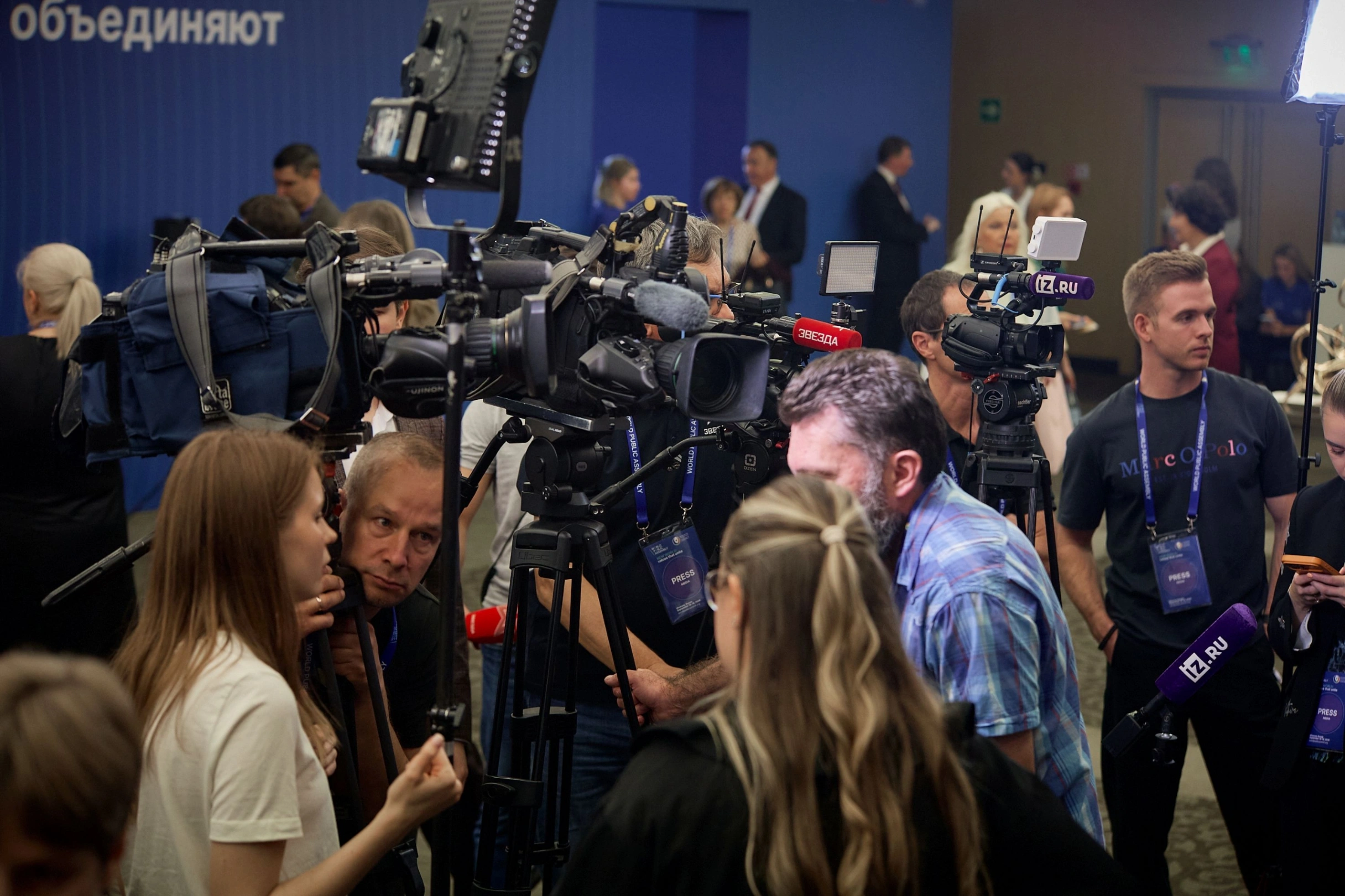
The Second World Public Assembly received broad coverage in the Russian and foreign media space.
In the period from August 1 to September 21, 2026, 1743 media publications mentioning the World Peoples Assembly were recorded. The combined reach of publications in Russia amounted to 98.8 million people, excluding social networks and the blogosphere.
Media presence outside Russia covered 30 countries: seven CIS countries and 23 countries of the far abroad. Nine television segments aired on Russian television channels.
Information work after the conclusion of the World Assembly will be aimed at presenting its substantive and practical results, international initiatives, new partnerships, and the further development of joint projects.
Secretary-General of the World Peoples Assembly Andrey Belyaninov, closing the World Public Assembly, noted:
— It is important to understand: public diplomacy is no longer a supplement to international relations, but one of the necessary instruments for preserving direct dialogue between people and peoples… For us, it is fundamentally important that the Assembly does not end with the last session. Everything we spoke about over these two days must continue in practical work: in education, science, culture, youth, and humanitarian initiatives.
The Second World Public Assembly in Numbers
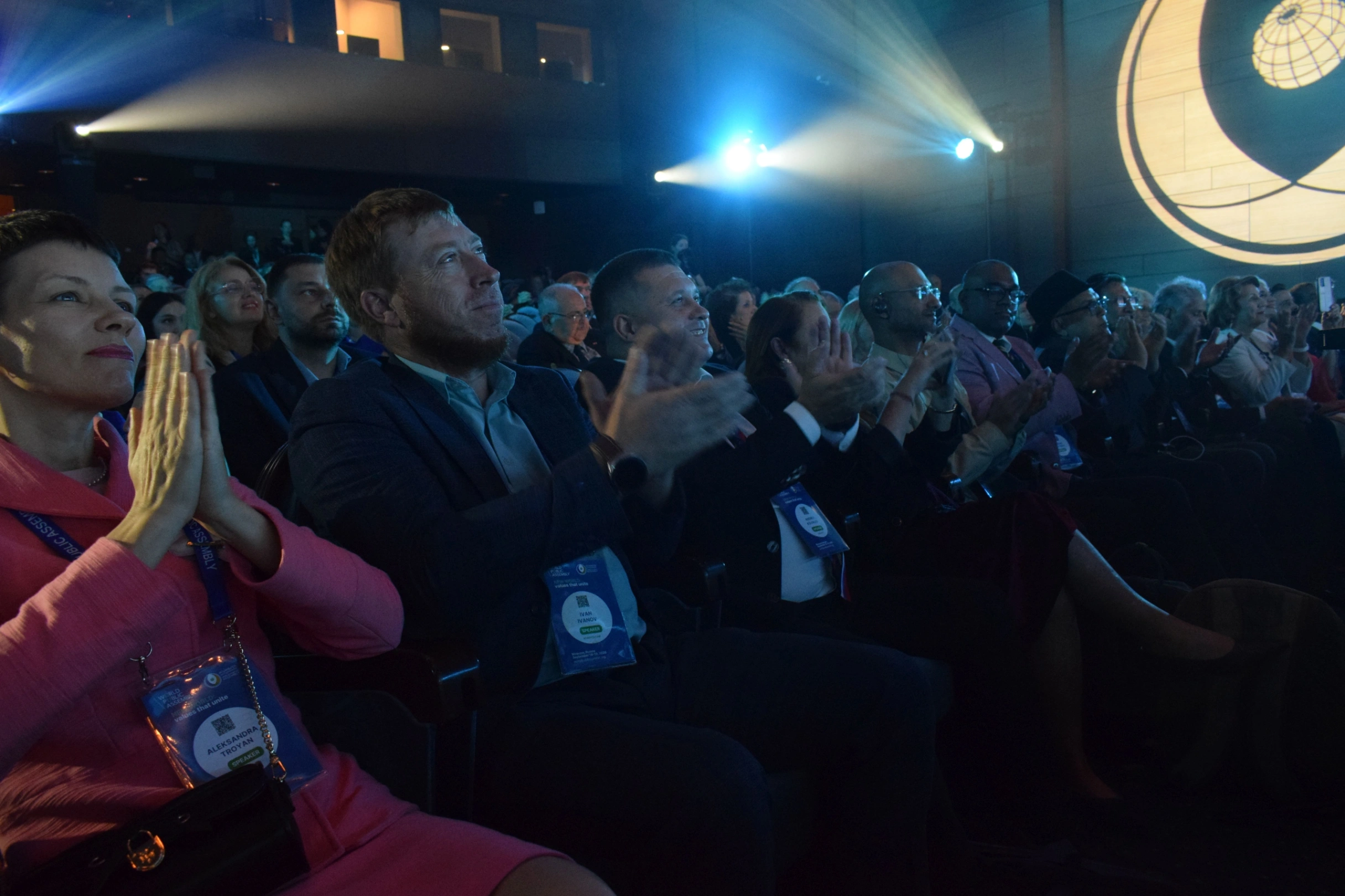
6012 participants from 154 countries;
more than 10,000 online participants;
72 plenary, strategic, thematic, expert, and business sessions and events;
3 final documents — the Declaration of the Second World Public Assembly, the Charter of Values of the New World, and the Manifesto "The Human Being at the Center of the Future" on humanitarian modernization;
36 agreements of the World Peoples Assembly with organizations from 16 countries;
48 international B2B meetings and 30 business agreements signed by partners;
2 new representative offices of the World Peoples Assembly — in Ethiopia and Ghana;
31 winners of the V International Competition "Leader of Public Diplomacy" from 31 countries;
7 laureates of the Second World Public Recognition Prize "For Service to Humanity" from 6 countries;
approved plan for holding 7 World Public Summits in 2027.
From Shared Values to Joint Action
In 2025, the First World Public Assembly "New World of Conscious Unity" outlined the idea of conscious unity as the foundation of a shared future.
In 2026, the Second World Public Assembly "New World: Values That Unite" continued this line through dialogue about shared values and their role in strengthening trust and cooperation between people and peoples.
The next stage is the embodiment of shared values in concrete deeds, international initiatives, partnerships, and joint projects.
At the final session, the theme of the Third World Public Assembly of 2027 was announced — "New World: The Time of Creation".
Three key principles — conscious unity, shared values, joint action — define the vector of development of the World Public Assembly: from uniting around shared meanings to creation and shared responsibility for the future.
Additional information is available on the official website of the World Peoples Assembly and at media@world-assembly.org.
Photo archive (photos provided by the Media Center of the World Peoples Assembly)