

 Back to news
"Born by One Creator and One Earth": The Round Table "Interreligious Dialogue for Peace and Harmony" Brought Together Spiritual Leaders and Scientists in Moscow
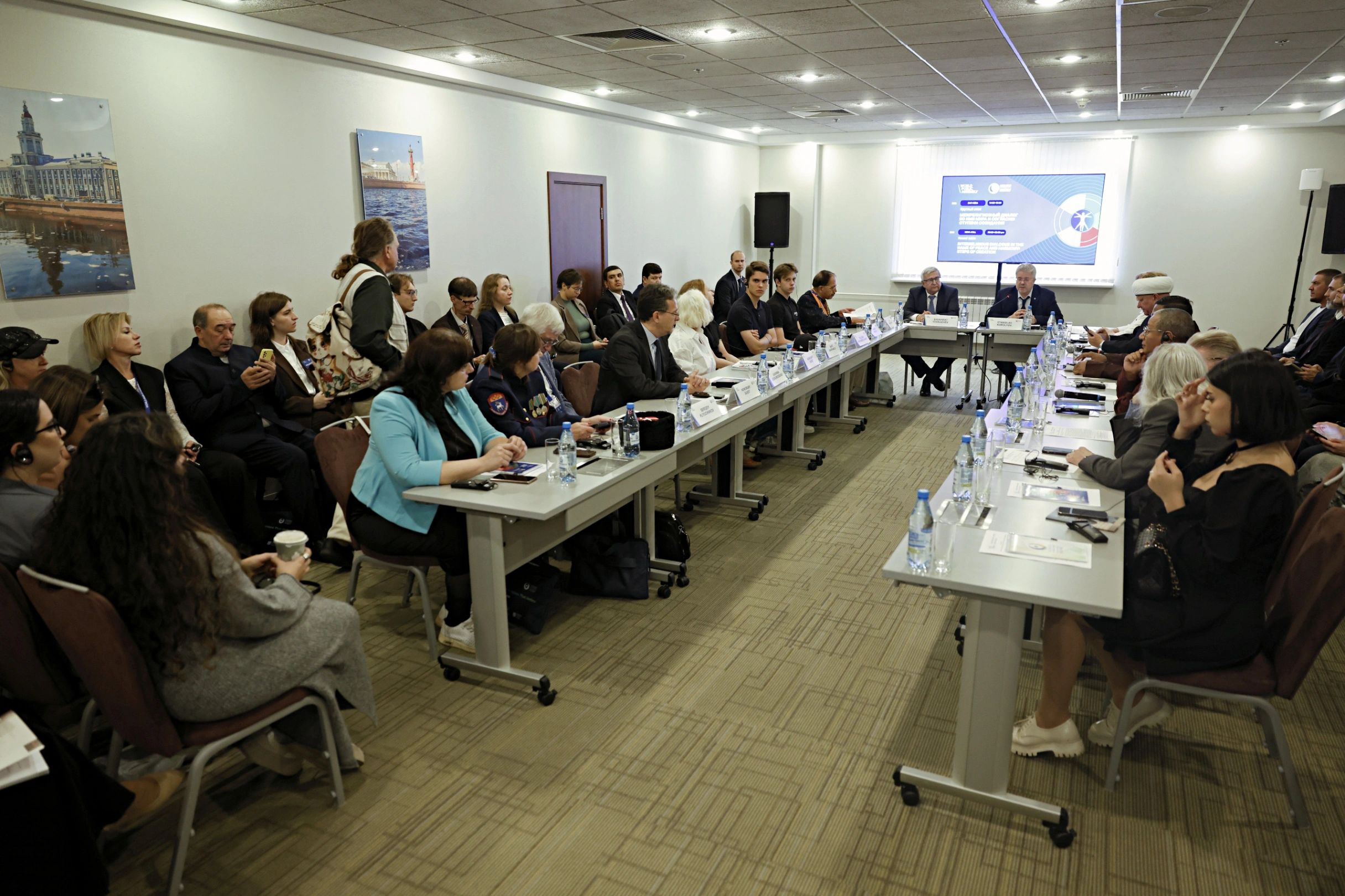
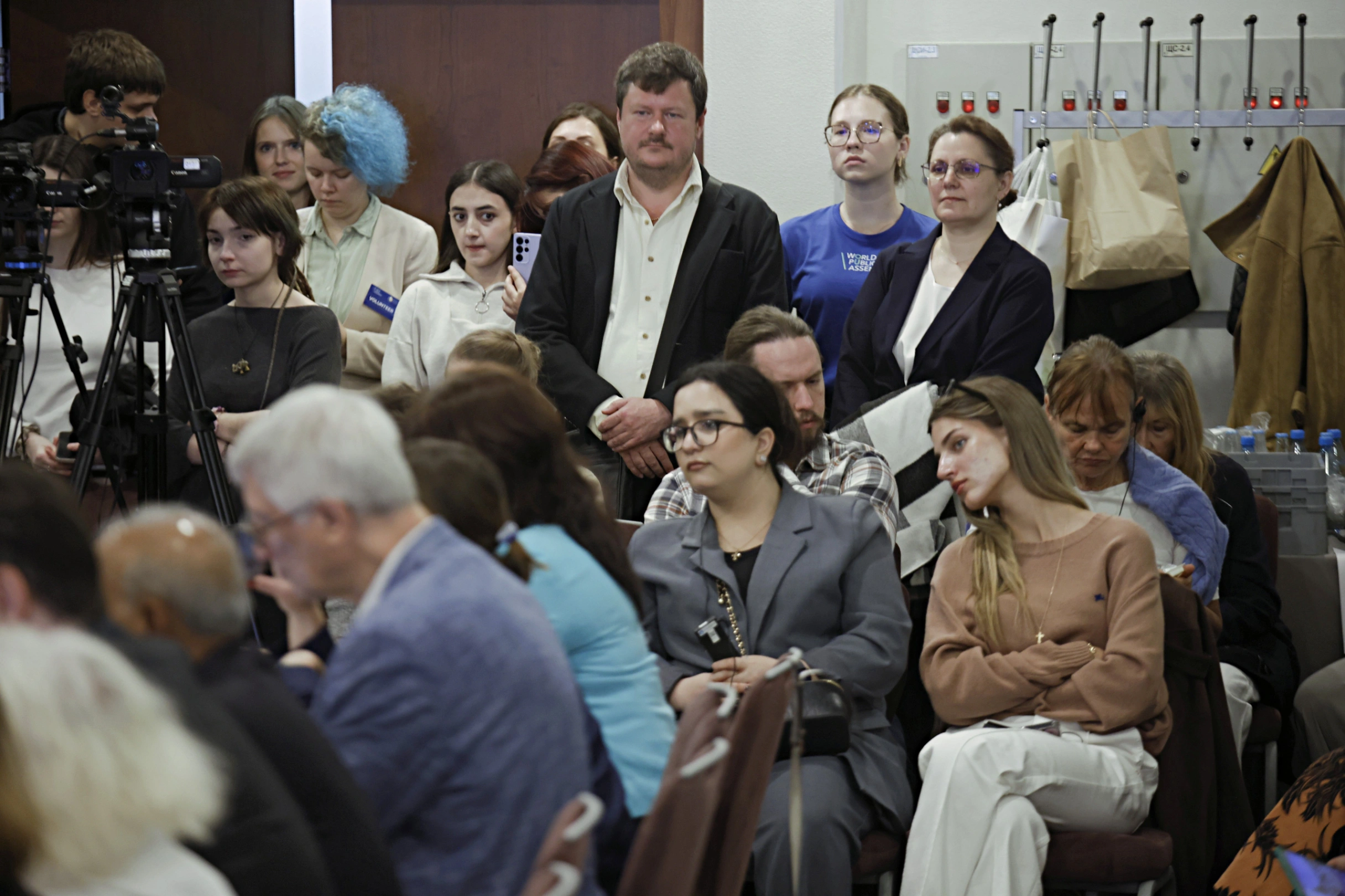
The Round Table "Interreligious Dialogue for Peace and Harmony: Steps of Creation" was held on September 19, 2026 at the World Trade Center. The event was part of the Second World Public Assembly "New World: Values that Unite", held in Moscow in September 2026.
The session brought together spiritual leaders, scientists, public figures and representatives of public diplomacy from Russia, India, China, Haiti, Pakistan, Germany and Uzbekistan.
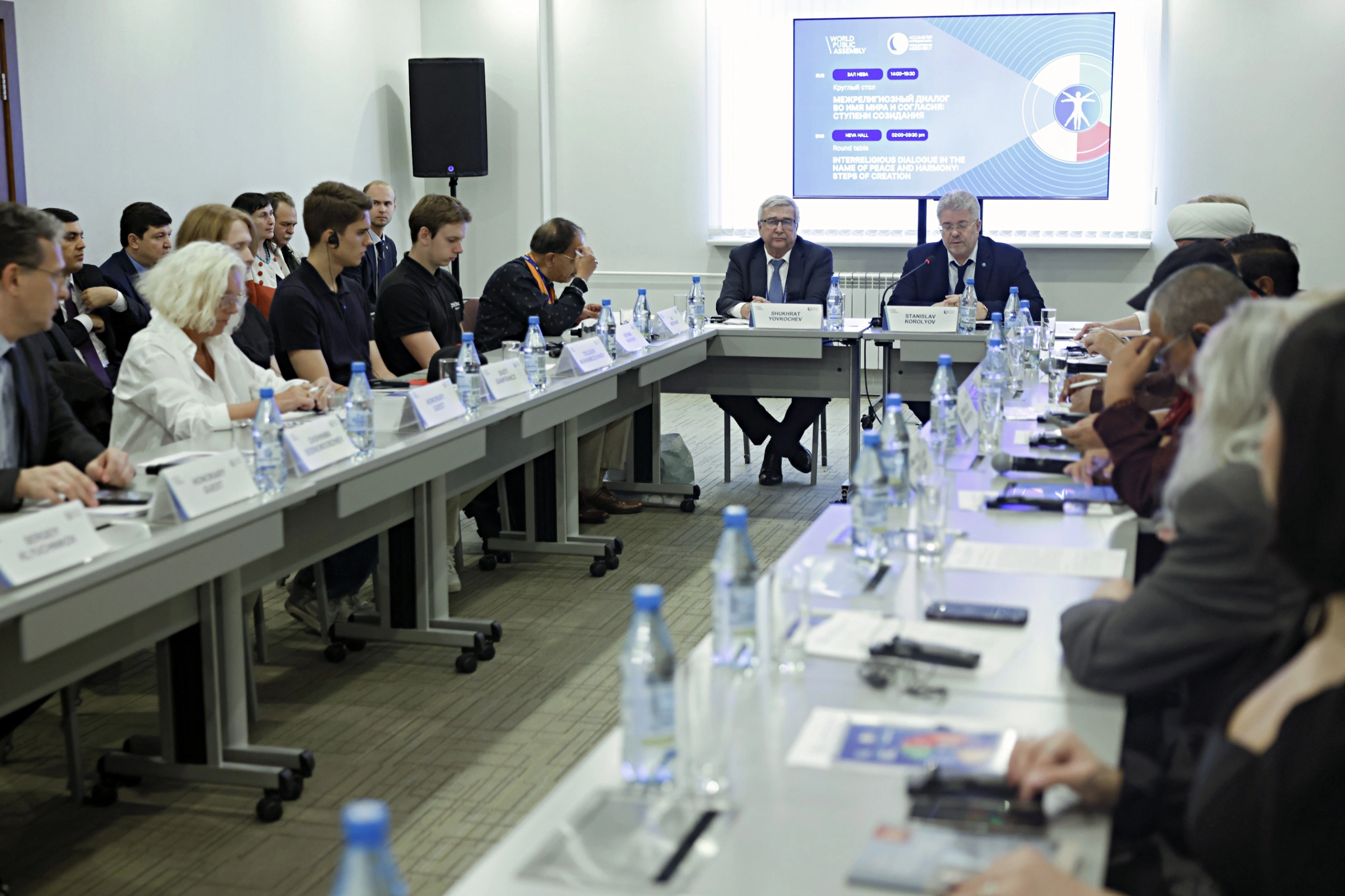
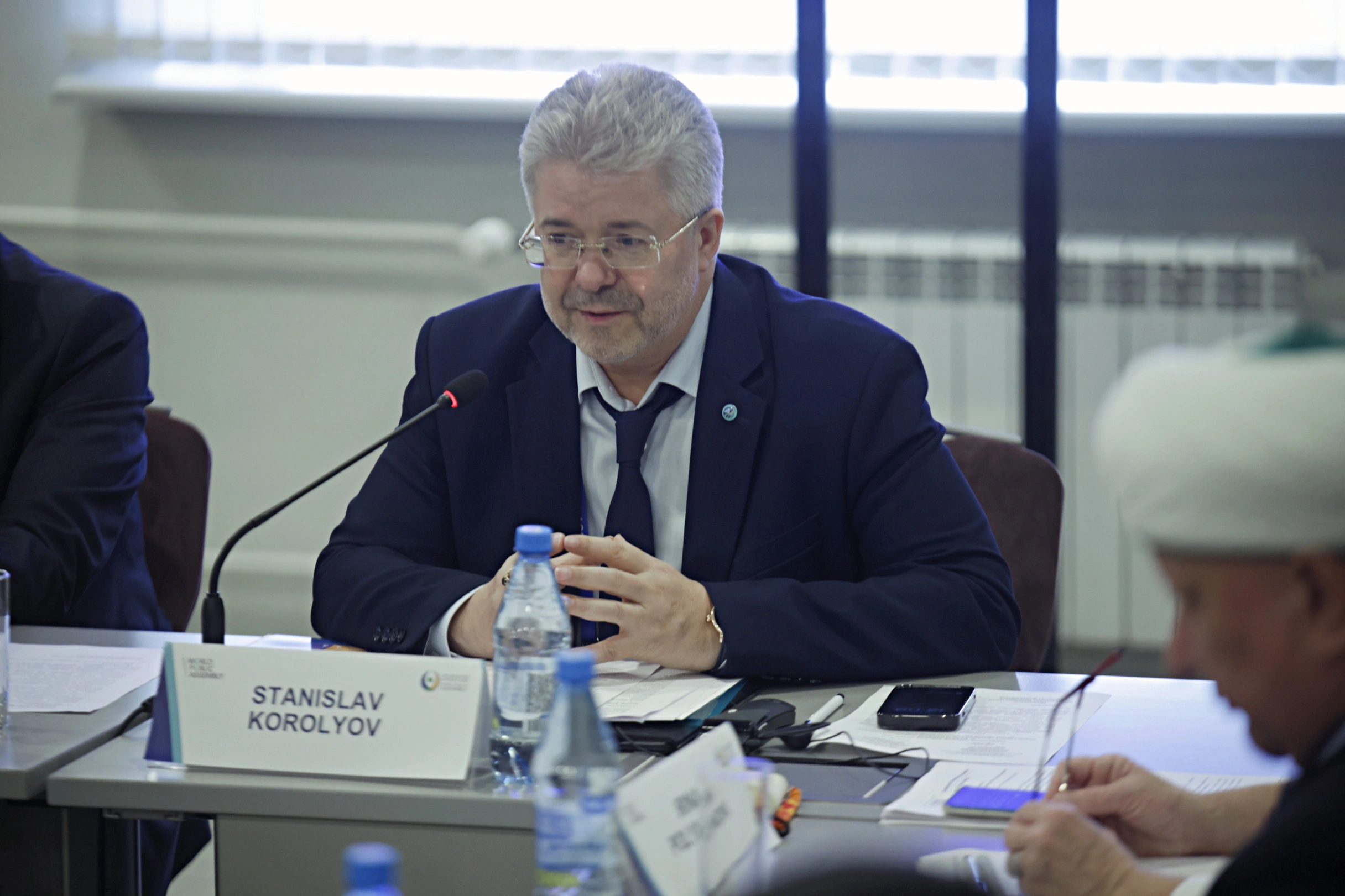
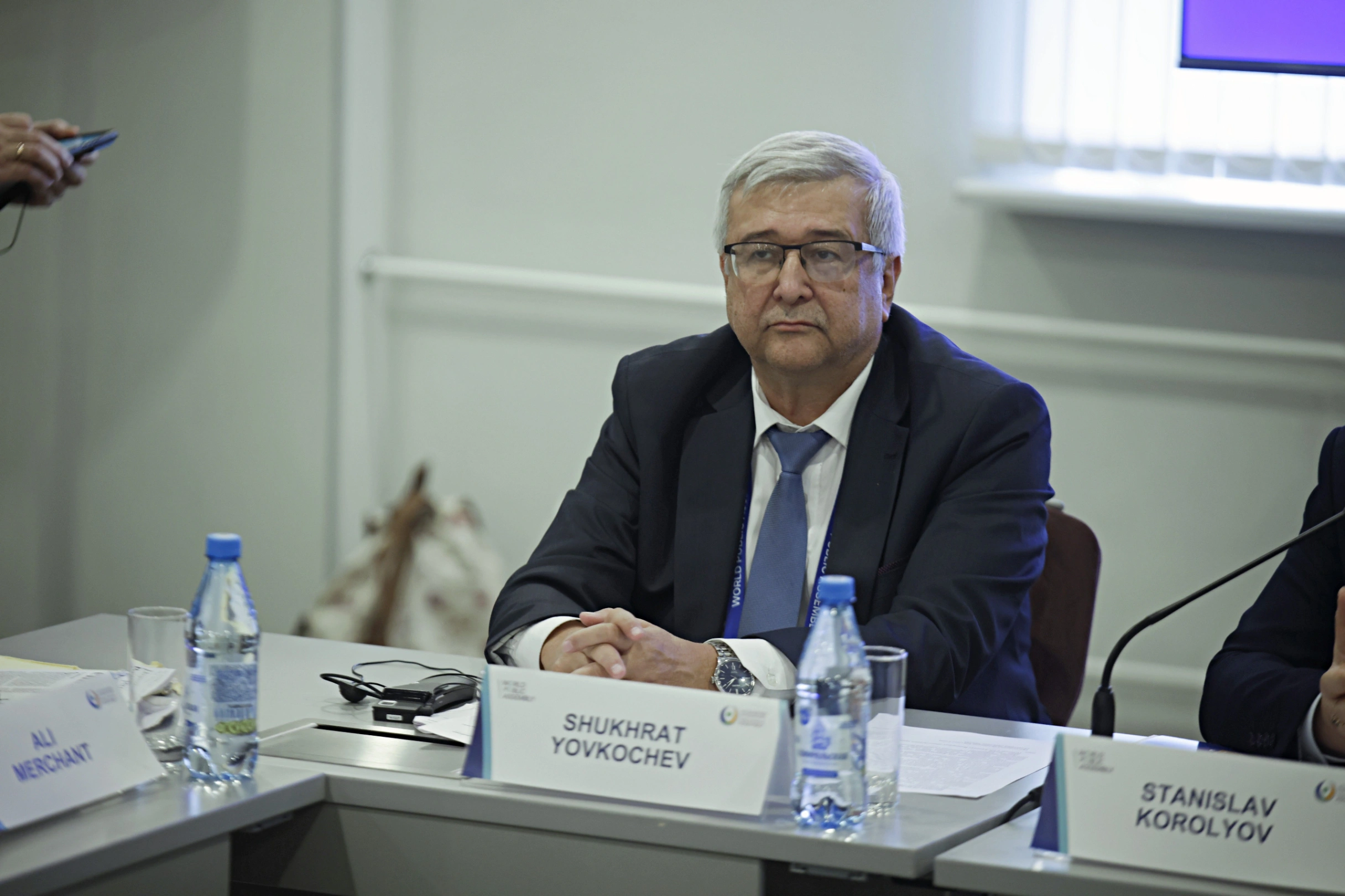
The event was moderated by Stanislav Korolev, Deputy Secretary General of the World Peoples Assembly, Director of the SCO National Center for Public Diplomacy, and Shukhrat Yevkachev, Professor of the Tashkent State University of Oriental Studies and former State Adviser to the President of the Republic of Uzbekistan.
Opening the meeting, Stanislav Korolev read out a greeting from the Chairman of the Moscow Patriarchate's Department for External Church Relations, Metropolitan Anthony of Volokolamsk. He noted that "only exalted spiritual motivation makes a person capable of self-sacrifice" and stressed that willingness to listen and hear each other is the best basis for uniting society.
Shukhrat Yevkachev outlined the main task of the session: to form an expert platform that will become the foundation for work at the Third World Public Assembly, since in the face of global challenges, it is interreligious dialogue that becomes a space of genuine trust.
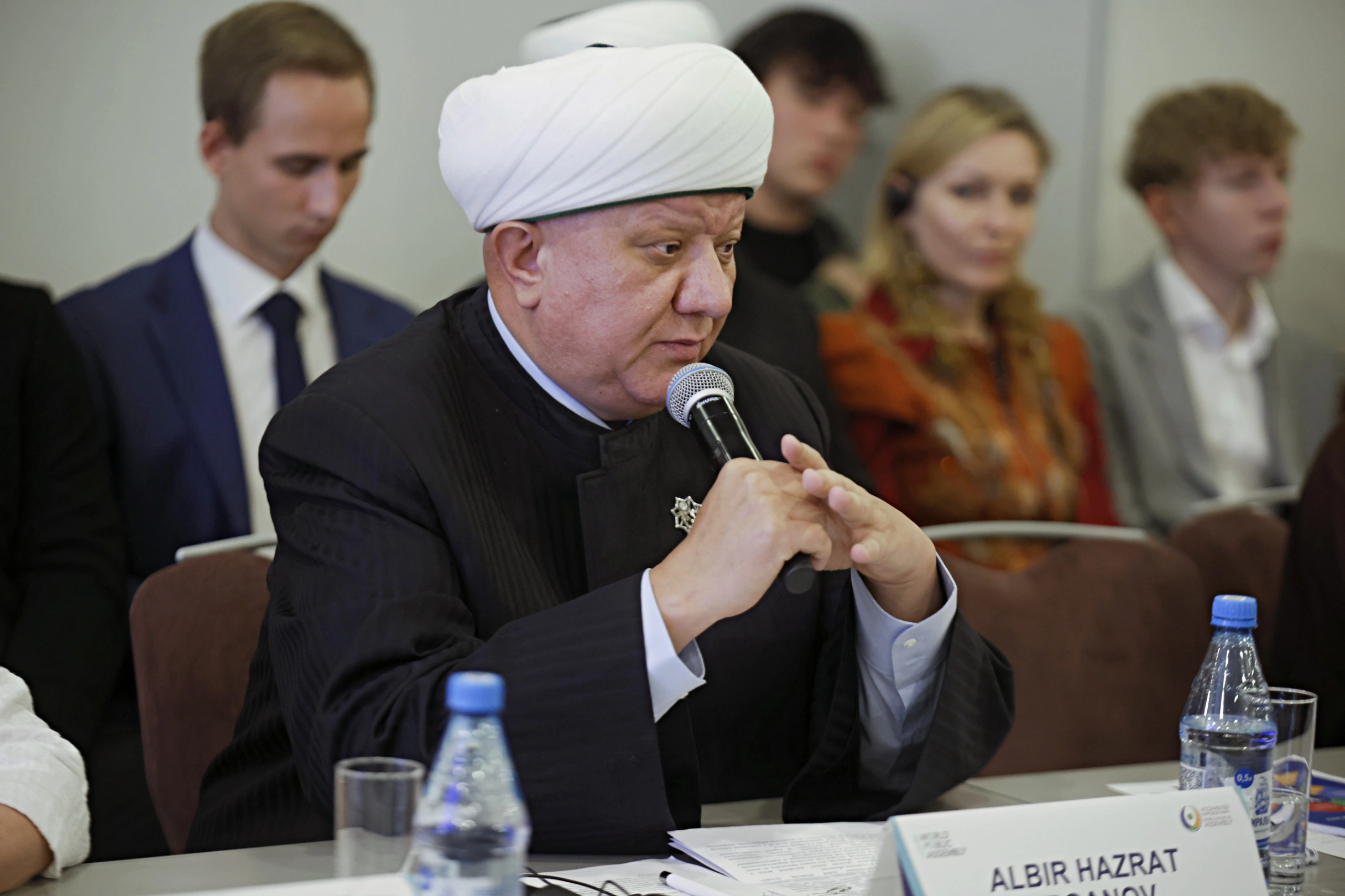
The Mufti of the Spiritual Assembly of Muslims of Russia, Albir Krganov, addressed the audience, setting the philosophical tone for the entire discussion. He urged the participants to remember the finiteness of the earthly path, because it is the memory of death that determines the true meaning of life. The Mufti warned about the dangers of artificial intelligence, stressing that no machine is capable of giving a person a soul.
- The soul is from God, it is sacred, it is eternal, - the speaker said, recalling the need to protect the spiritual and moral sovereignty of nations from attempts by global corporations to deprive religion of its sacredness.
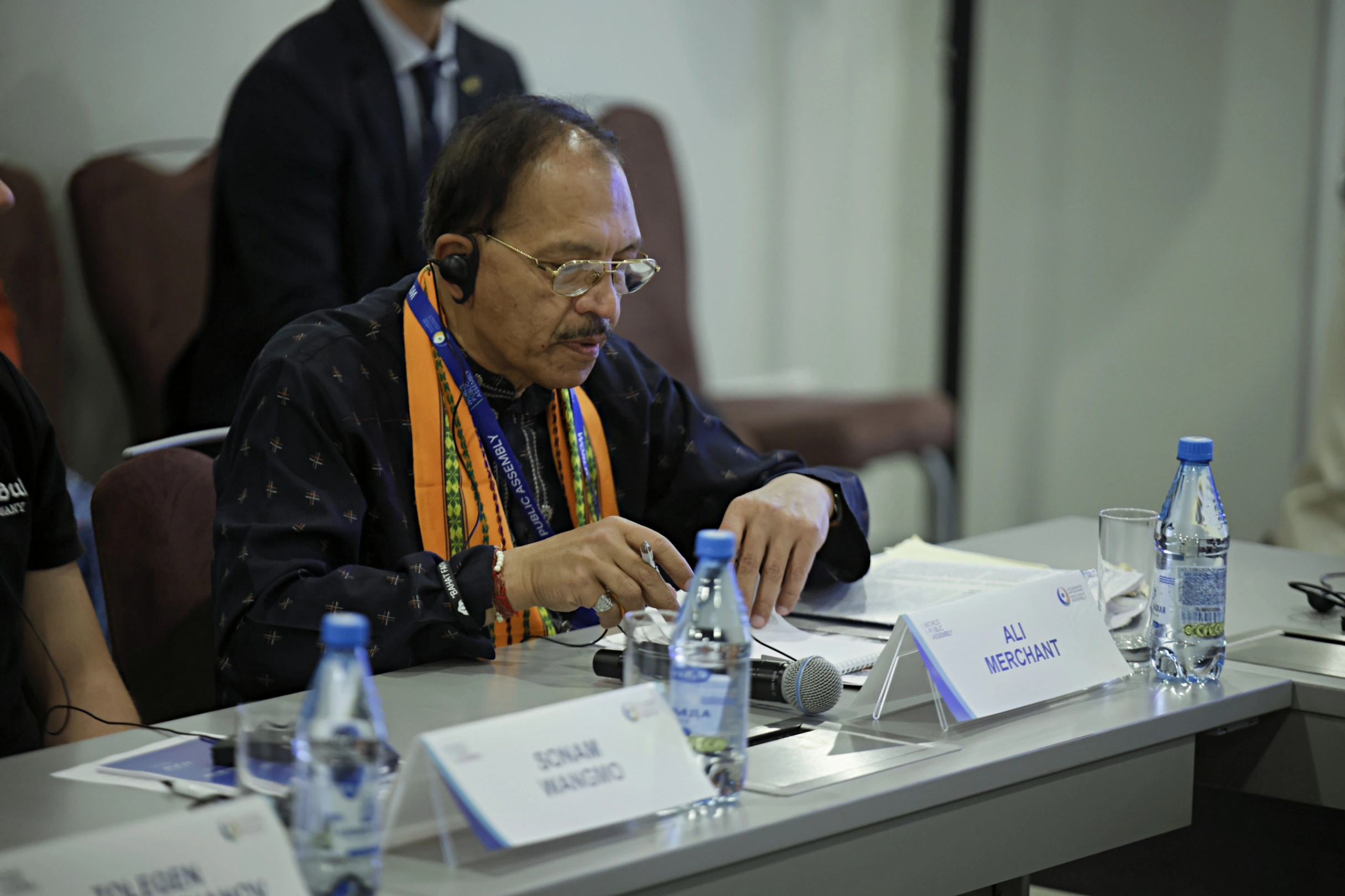
Developing the theme of universal moral foundations, Ali Kamruddin Merchant, Secretary General of the Temple of Understanding India Foundation, drew the attention of the audience to the "golden rule" - the principle of "do to others as you would like to be done to you", which is present in all the sacred writings of the world. According to him, it is this universal ethics that is able to erase artificial boundaries between nations, castes and levels of wealth, putting human dignity at the center.
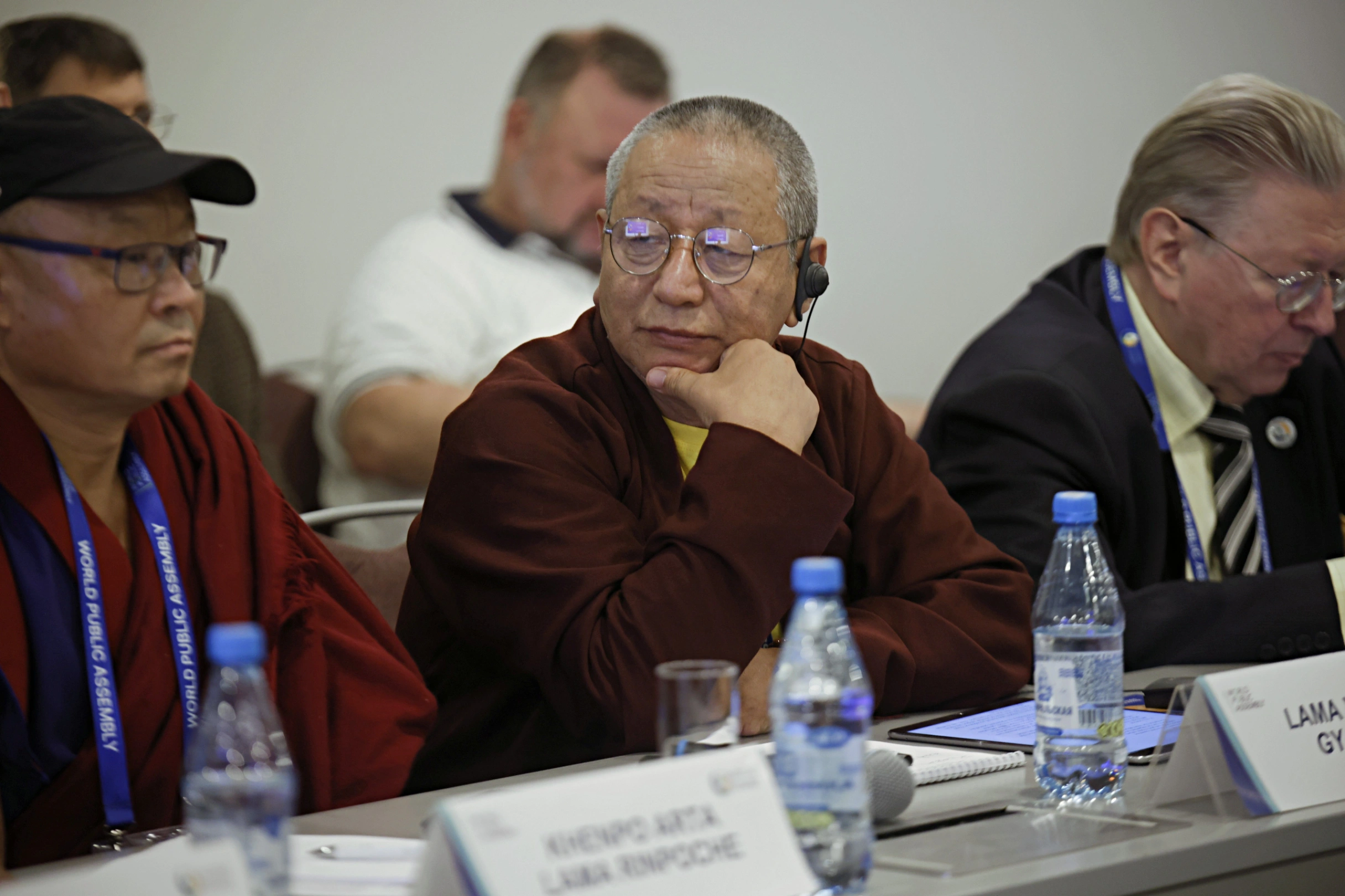
The Buddhist view of the dialogue was presented by the official representative of the Jonang tradition in Russia, Lama Yonten Jamtso. He said that kindness and compassion are the foundation of all religions, and religious leaders have a special responsibility to the younger generation.
- If you have a wealth of compassion and kindness, then as a result the whole world becomes peaceful, and the younger generation, growing up, sees the world like flowers in a park," Lama said, addressing colleagues with a proposal to hold meetings more often: only constant dialogue brings genuine fruits.
A special emotional tone to the meeting was given by the speech of the special adviser to the President of the Youth Government of Haiti, Calherbe Monel. He reminded the audience of the commandment of love for one's neighbor, which does not divide people by religion, and spoke the words that became one of the semantic centers of the session:
- Unity does not mean the same. Red, white and yellow roses, born of one Creator and one earth, remain beautiful in their diversity, and it is this diversity that constitutes the true beauty of the world.
Andrey Belyaninov, Secretary General of the World Assembly, joined the discussion, calling this session one of the most important in the Assembly's program. He stressed that spiritless youth generates spiritless actions and called on new generations to be reminded more often that God lives in the soul of every human being.
- God is one, although all people come to him by different paths, - Andrei Belyaninov said, noting that in the context of the information war against faith, there is nothing worse than religious fanaticism, and the Assembly's mission is creative: "We are not against anyone, we are for."
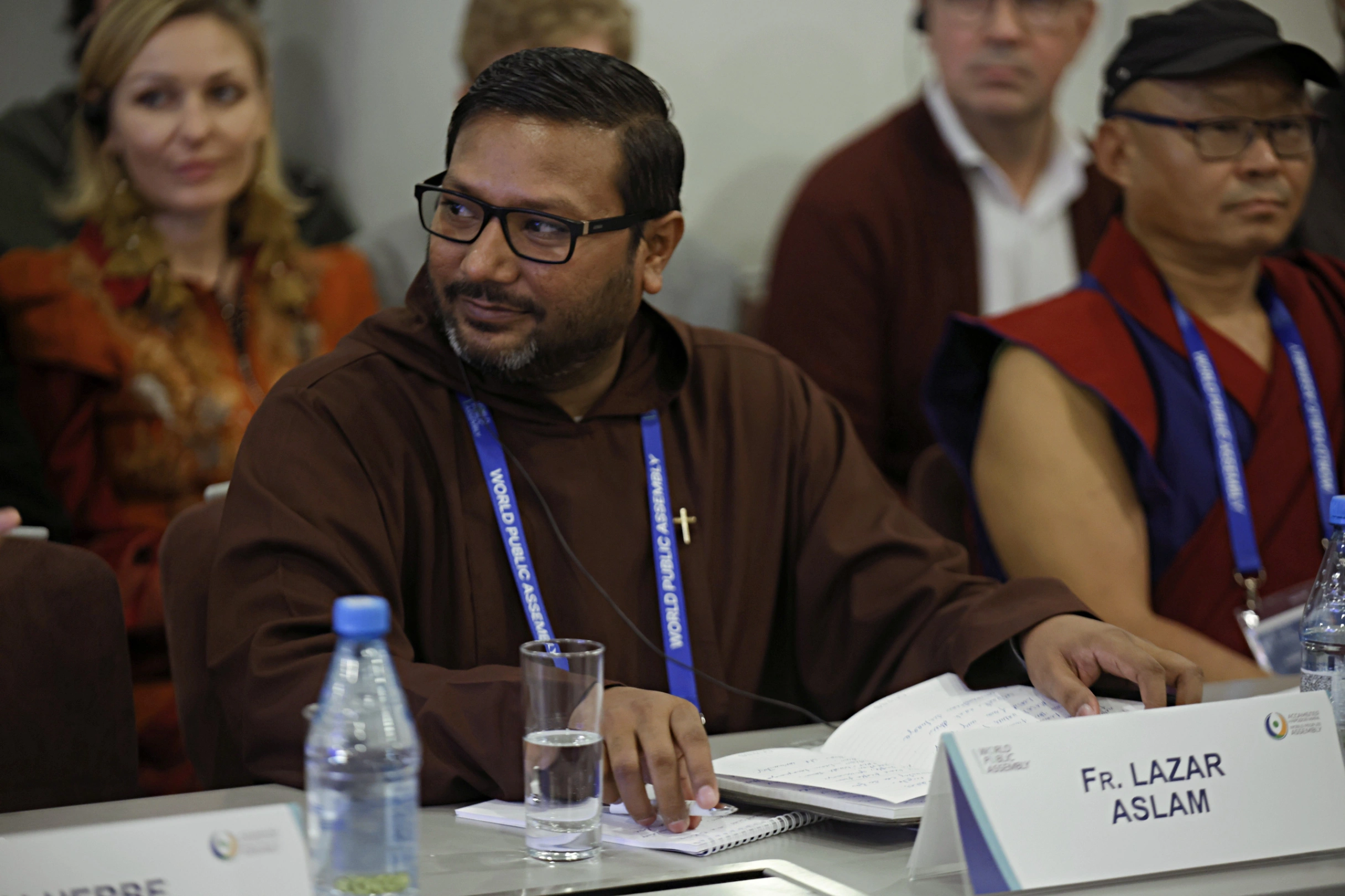
Priest Lazar Aslam, Secretary of the Capuchin Order, shared the experience of Pakistan, where interreligious dialogue was once considered a sin, but is now taught in Catholic schools. He cited the example of St. Francis of Assisi, who in 1219 went to Sultan al-Kamil without weapons, carrying only the message of peace.
- Wars will never bring victory, - the speaker concluded, calling on influential people of the world to make statements not about power, but about love, peace and forgiveness.
Igor Shpynov, Adviser to the Secretary General of the World Peoples Assembly, spoke about the key dangers facing interreligious dialogue: the demolition of churches in different parts of the world, the influence of artificial intelligence on creative activity and the silencing of significant religious events in the world media.
Emphasizing the pivotal role of spirituality in the life of any state, Shukhrat Yevkachev drew attention to the educational importance of common values for the younger generation. Referring to a verse from the Quran about the diversity of languages and peoples as the basis of mutual understanding, he appealed to religious institutions with a proposal to boldly and openly defend traditional values in the international arena.
- Spirituality is the core of any state, any society, – the expert assured.
Sergey Klyuchnikov, editor–in-chief of Science and Religion magazine, identified one of the main threats to the modern world - science devoid of spirituality. In his opinion, a worldview synthesis of science and religion is necessary, and humanity is faced with the task of "giving birth to a philosophy of the victory of life over death, the victory of unity over separation, the victory of spiritual elevation over vulgarity and primitivism." He proposed making the magazine the official platform of the Assembly of the Peoples of the World and holding regular working meetings between the Assemblies.
Waldemar Gerdt, Chairman of the International Council of Russian Germans, spoke about the creation of the Foundation for the Protection of Religious Rights in Switzerland and its research institute, which will launch a calendar of 365 daily theses on peace from January 1, 2027.
- The foundation is peacemaking, - the speaker said, inviting all participants of the session to become ambassadors of peace and share their thoughts on creation.
Kabuljon Sabirov, head of the Center for Public Diplomacy of the Republic of Uzbekistan, compared interreligious dialogue with the painstaking assembly of a puzzle that has been going on for years, but can be destroyed in a split second with one careless movement. He stressed that there is not a single mono-national or monoreligious country in the modern global world, and therefore the institutions of public diplomacy should become active agents of the ideas of peace and harmony.
Concluding the session, Stanislav Korolev shared his personal experience of spiritual search and noted that ultimately all paths lead to one Creator.
- God cannot be found anywhere except within himself, - he said. And he suggested that each participant in the round table be considered a member of the Council of the World Peoples Assembly for Interaction with Religious Associations. According to Stanislav Korolev, the council should become a permanent living platform for continuing the dialogue.
Following the results of the round table, the experts formulated a resolution containing specific proposals for inclusion in the final documents of the Second World Public Assembly. The document paid special attention to the protection of the spiritual and moral sovereignty and identity of peoples. In addition, during the event, an agreement was reached to hold regular expert meetings between the assemblies, to use the journal Science and Religion as an intellectual platform for the World Public Assembly and to support international initiatives to protect the rights of believers.
The session confirmed that, despite differences in dogmas and traditions, the world religions share a common ethical foundation – compassion, love for one's neighbor, justice and the golden rule of morality. The meeting became a true step in the creation of a new world in which diversity becomes not a source of division, but a space of mutual enrichment and joint service to the future.
Additional information is available on the official website of the World Peoples Assembly, on its VKontakte and Telegram accounts, and at media@world-assembly.org.