

 Back to news
“Culture is not a Fortress, but an Open Door”: The Amman Summit Discussed How Historical Memory Can Become a Bridge Between Peoples
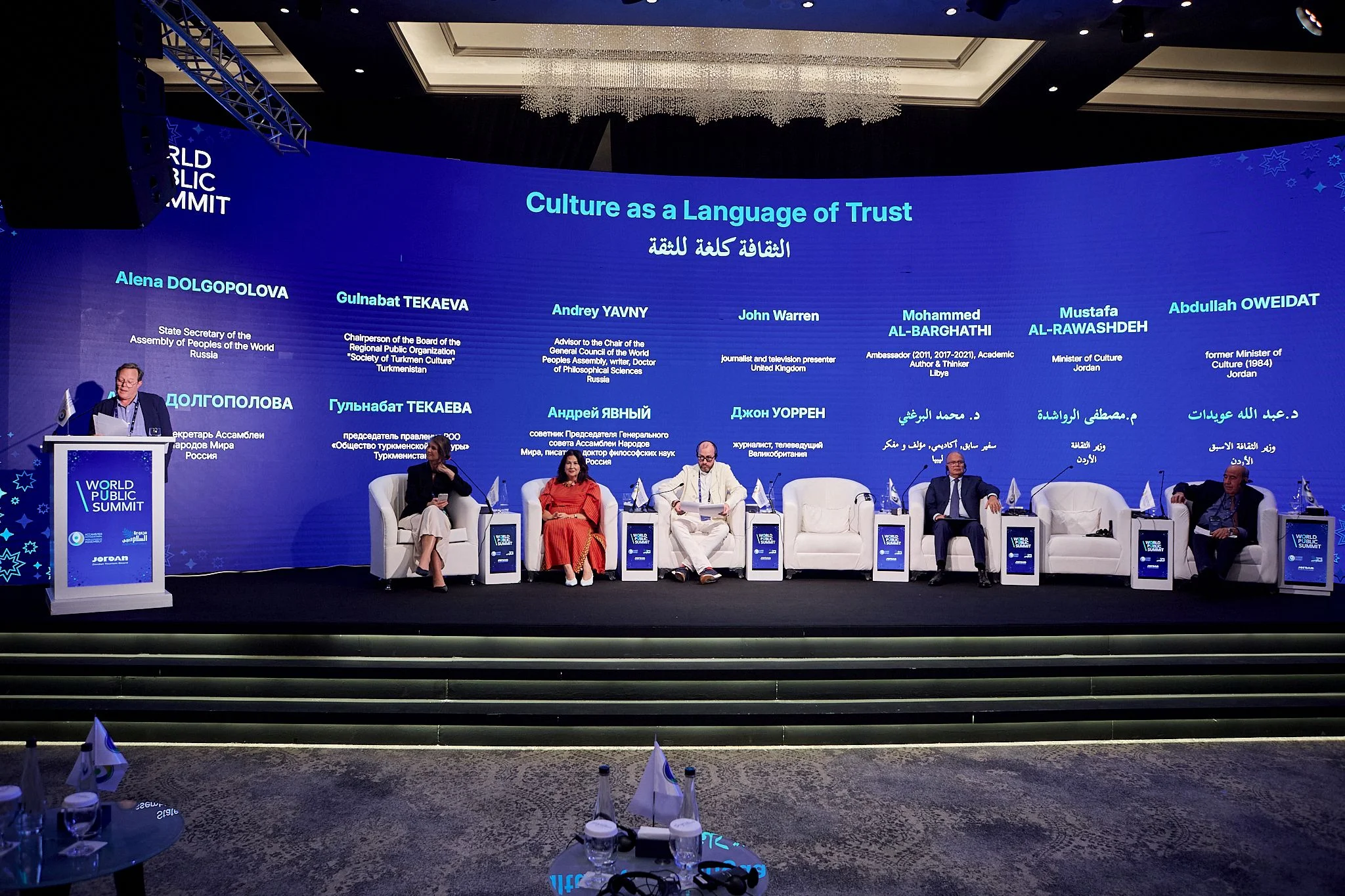
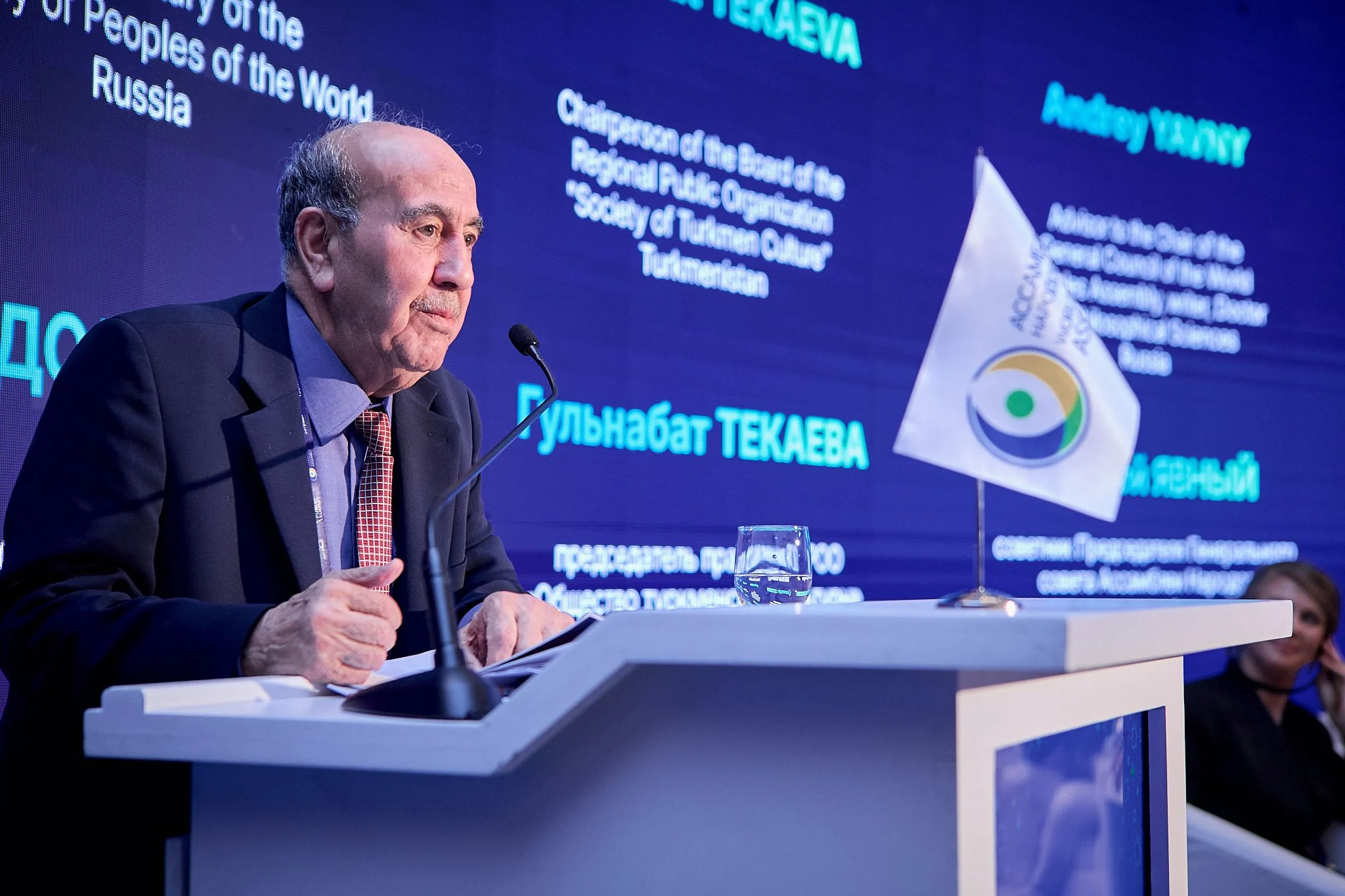
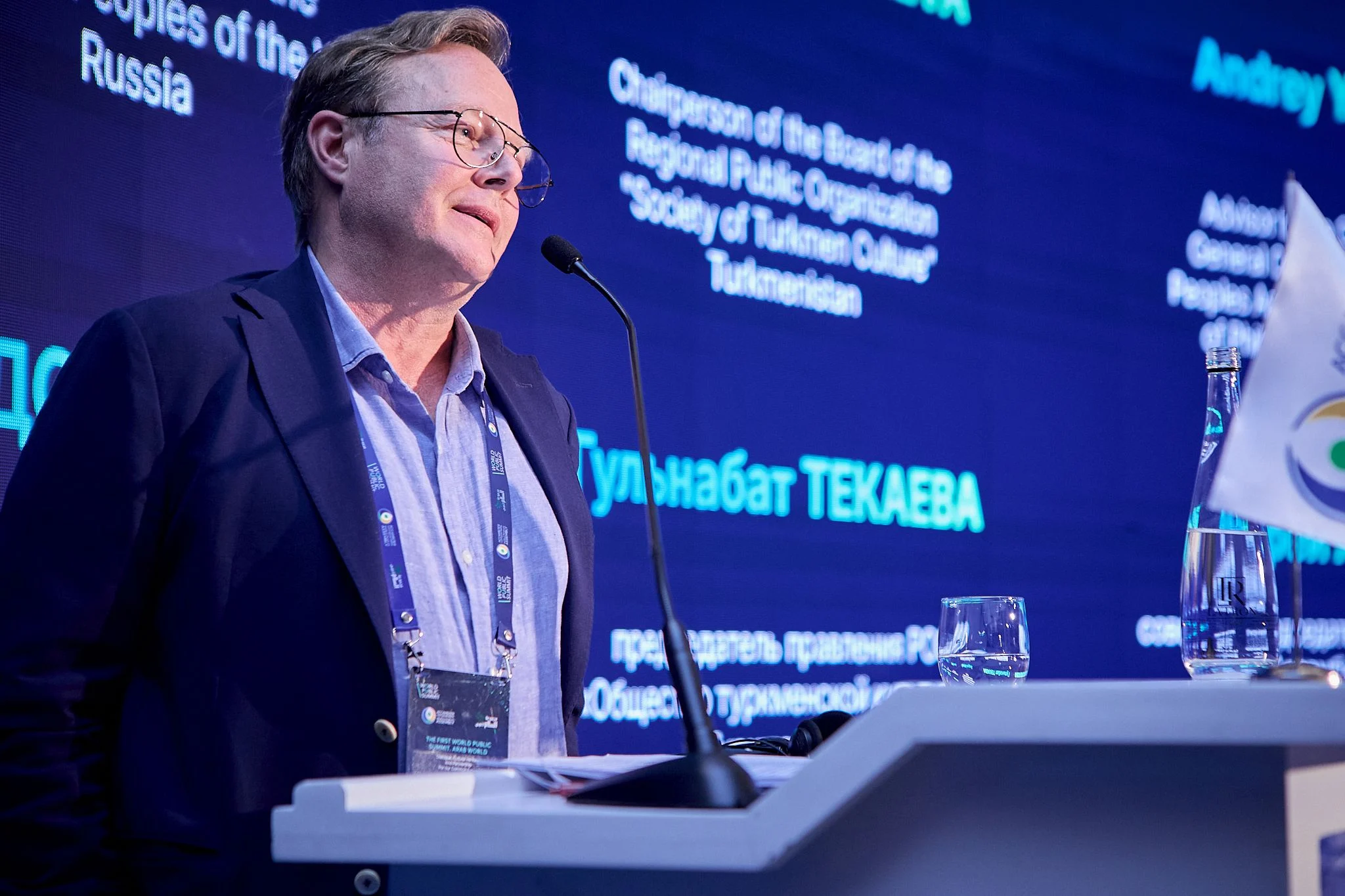
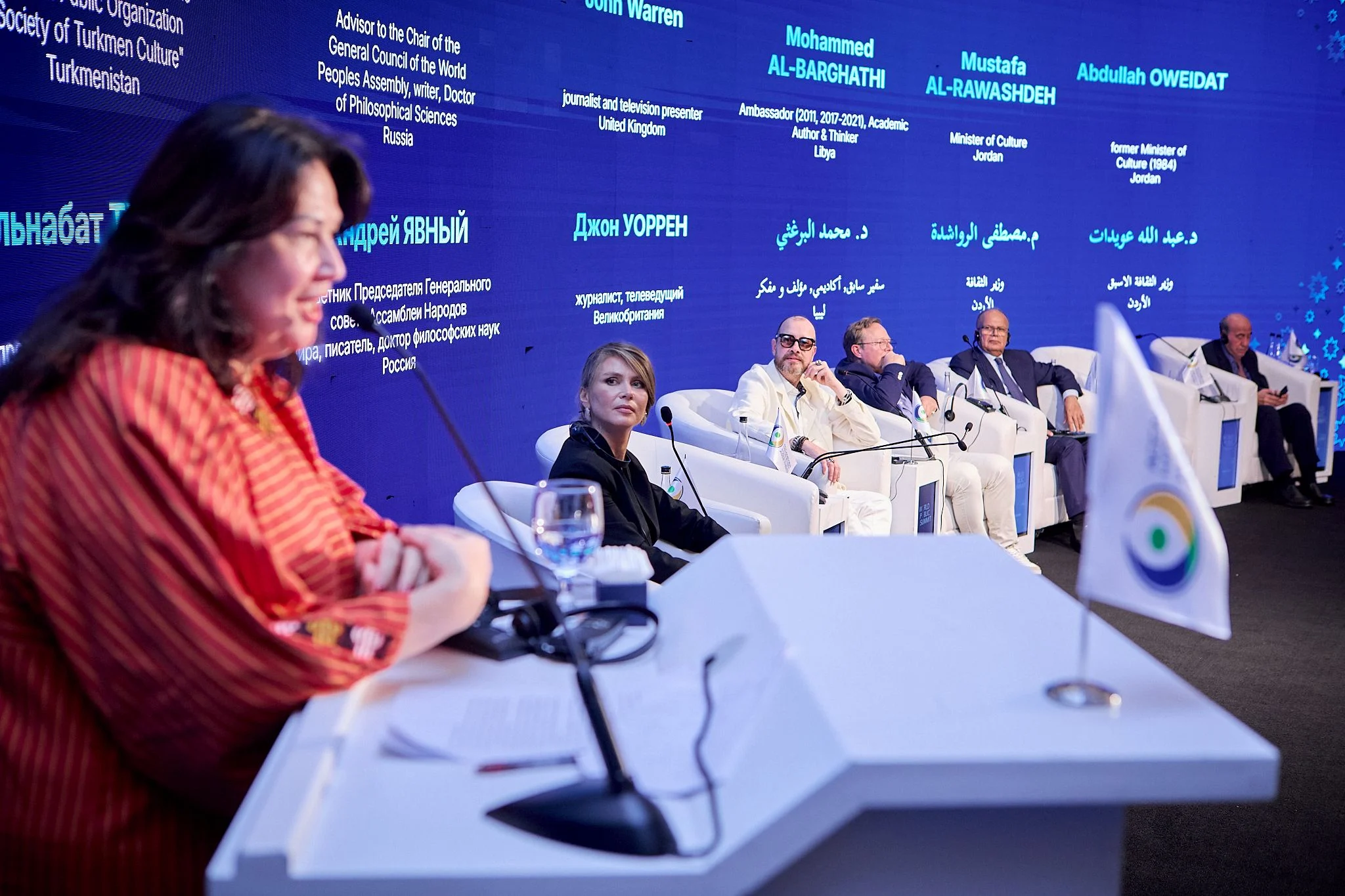
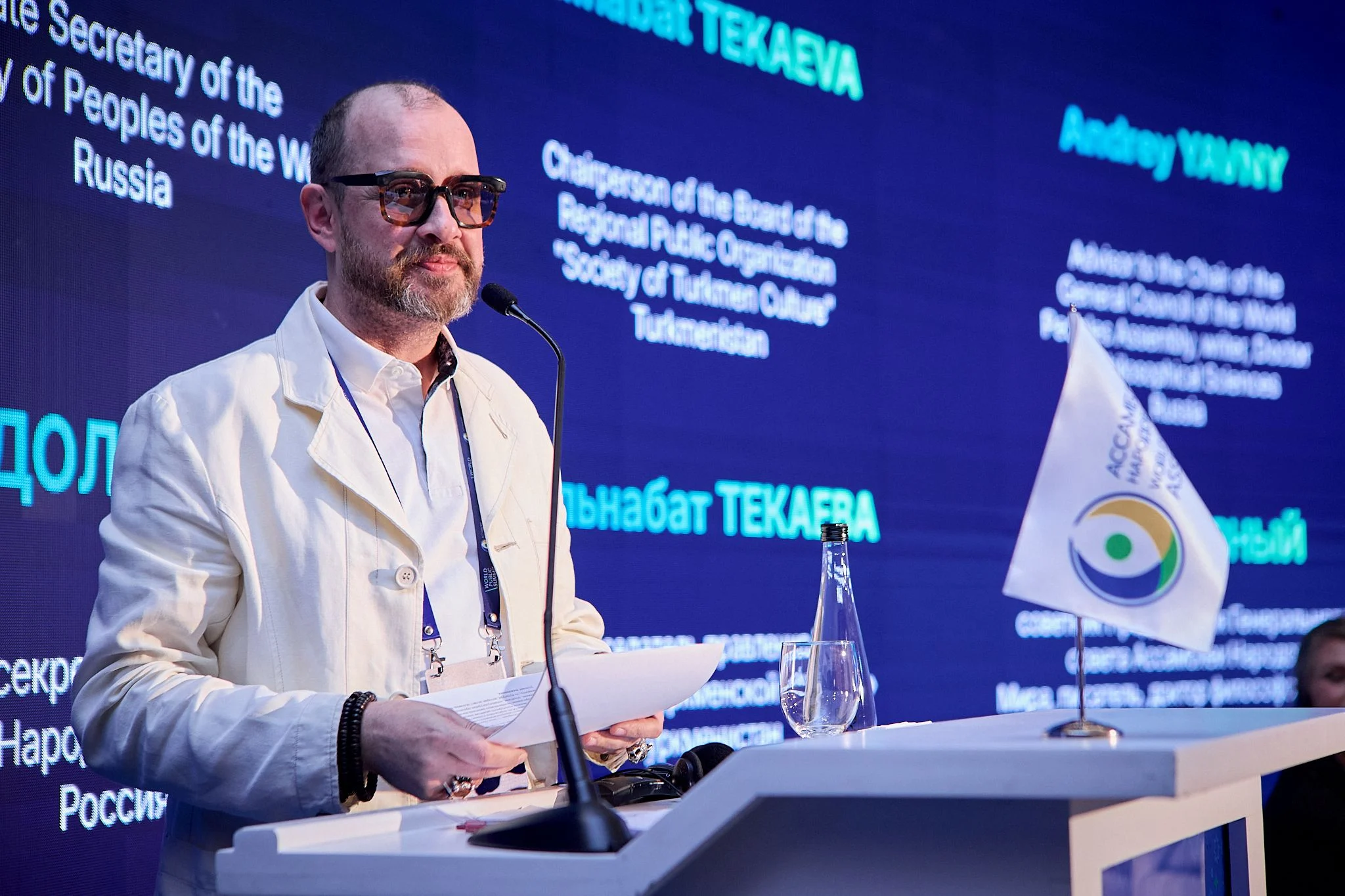
The Panel Session “Culture as a Language of Trust” was held on November 10, 2026, in Amman (Jordan) as part of the First World Public Summit: The Arab World “Dialogue, Cultural Heritage and Partnership for a Shared Future”. The event was organized by the World Peoples Assembly and the Arab Peace Group, with support from partners in Jordan, Russia and other countries.
The discussion brought together public figures, diplomats, writers and experts from the United Kingdom, Jordan, Libya, Russia, Turkmenistan and several other countries. The moderators were Alena Dolgopolova, the Official Secretary of the World Peoples Assembly (Russia), and Abdullah A. Oweidat, former Minister of Development, Culture, Youth and Sports of Jordan and Member of the Executive Council of the Arab Peace Group (Jordan).
Opening the discussion, the experts stressed that culture, despite its diverse forms, rests on shared moral foundations: respect for life, reverence for ancestors, and the pursuit of justice and beauty. It is this deep commonality that makes a constructive dialogue possible.
Mustafa Rawashdeh, Minister of Culture of Jordan, formulated the main challenge of our time:
- Culture is not a fortress, but an open door. While preserving our identity, we should not shut ourselves off from our neighbor; on the contrary, it is fidelity to our roots that gives us the courage to hear the other.
The discussion about whether historical memory is a source of strength or a cause of division became the central theme of the session. Andrey Yavny, Adviser to the Chairperson of the General Council of the World Peoples Assembly (Russia), noted:
- Historical memory is not an archive, but a living conversation between generations. Genuine memory does not close in on itself: it is capable of absorbing the experience of other cultures without losing its own voice.
Developing this idea, Ambassador, scholar and writer Mohammed Al-Barghathi (Libya) drew attention to the unique regional experience:
- For centuries, the Arab world has been a crossroads of civilizations. Our experience of the coexistence of different cultures, religions and languages is not a museum exhibit, but an effective working tool for the modern world.
Special emphasis was placed on why the language of culture is able to speak directly to another people, bypassing political barriers and ideological filters. Journalist and television presenter John Warren (United Kingdom) stressed:
- Trust begins where we stop talking about each other and start talking to each other. Culture is the only language in which such a dialogue can take place without interpreters or intermediaries.
The discussion also addressed cultural sovereignty in the age of globalization. Gulnabat Tekayeva, Chairperson of the Board of the Regional Public Organization “Society of Turkmen Culture” (Turkmenistan), formulated this balance with particular precision:
- Cultural sovereignty is not isolation. It is the right of a people to live according to its own laws and, at the same time, an invitation to others to do the same while respecting each other’s boundaries.
A separate part of the session was devoted to the role of cultural institutions -museums, universities and libraries - as living spaces for dialogue, as well as to the protection of cultural heritage in the age of digital technologies and algorithms. Participants agreed that concrete forms of cooperation - joint exhibitions, translations, educational programs and inter-museum exchanges - can provide a practical response to the challenges of our time.
As a result of the panel session, a number of initiatives were formulated, which are planned to be developed through the further activities of the World Peoples Assembly and its partners in the Arab world.
Additional information is available on the official website of the World Peoples Assembly, on its VKontakte and Telegram accounts, and at media@world-assembly.org.
Photographer: Mikhail Denisov.