

Delegation of the World Peoples Assembly Took Part in the Second International Conference of the League of Arab States
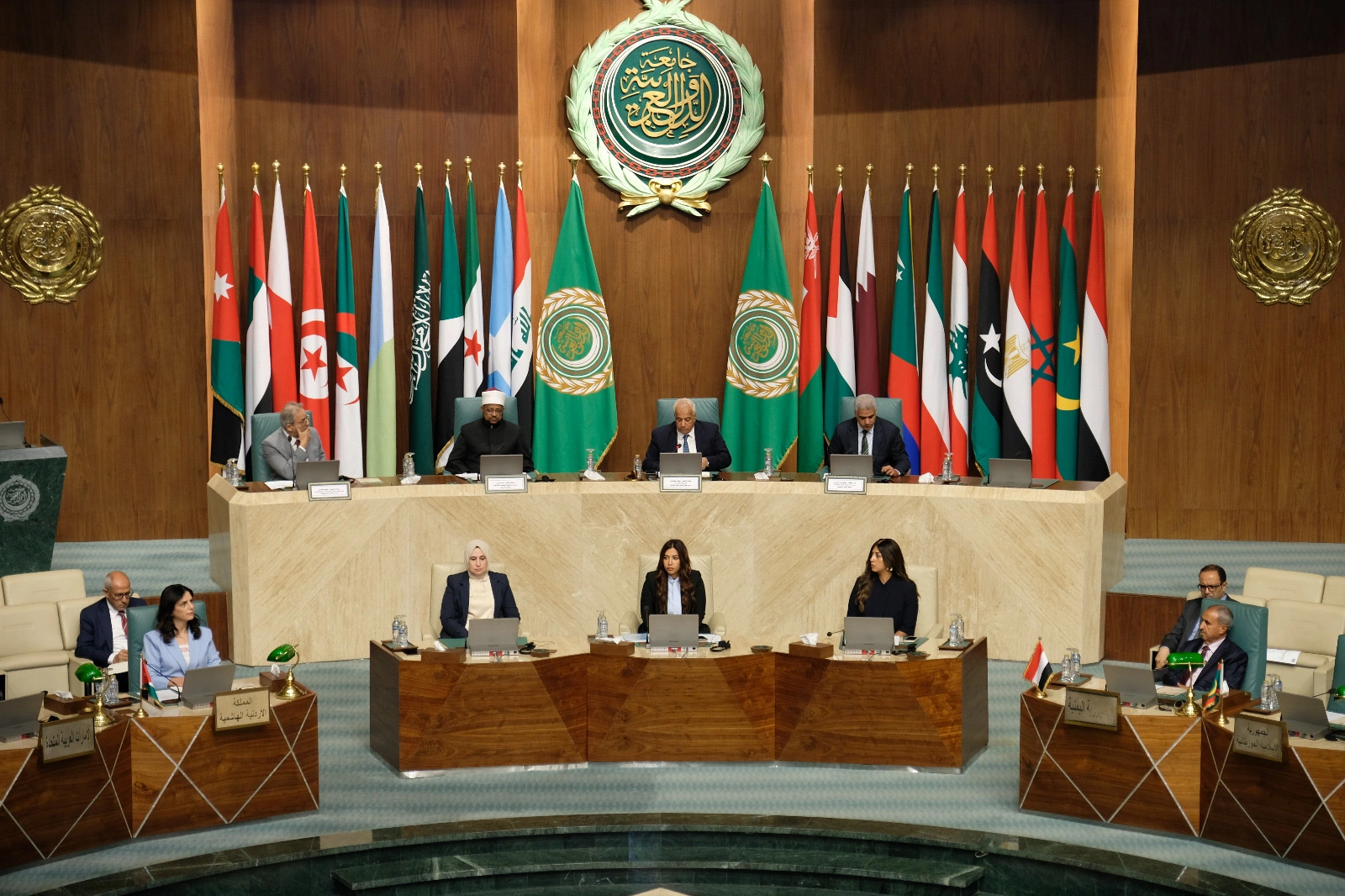
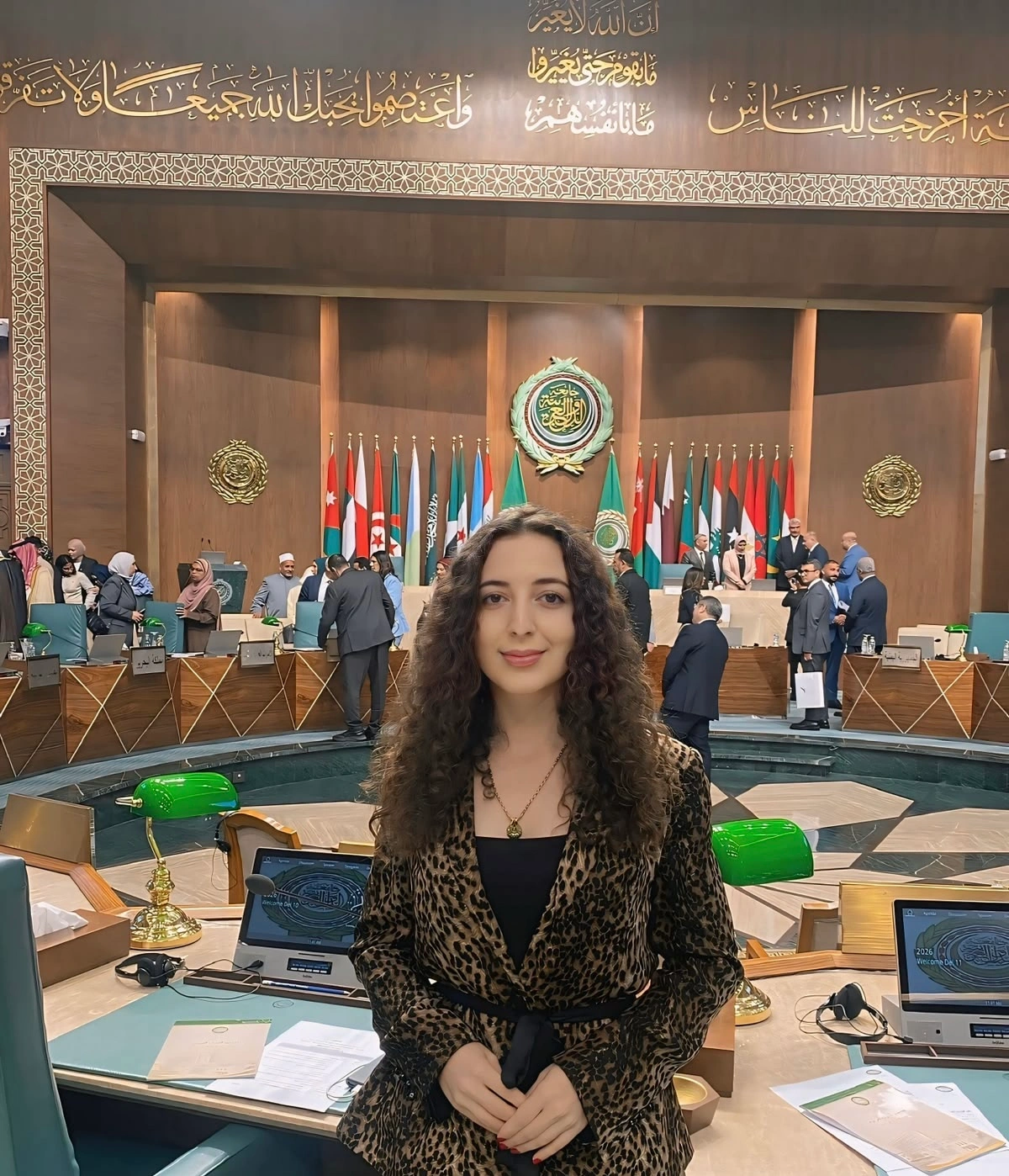
On August 3–4, 2026, the headquarters of the General Secretariat of the League of Arab States in Cairo hosted the Second International Conference of the League. The event served as a significant international platform for discussions on tolerance, intercultural and interreligious dialogue, countering hate speech, and fostering a culture of mutual respect.
The conference was attended by the representatives from the World Peoples Assembly, international and regional organizations, religious and educational institutions, expert communities, and civil society structures. Key participants and partners included the League of Arab States, UNESCO, ISESCO, and the Global Council for Tolerance and Peace.
The Assembly delegation presented the organization’s international experience in advancing dialogue, strengthening humanitarian cooperation, and fostering academic and educational partnerships.
The General Secretariat of the League of Arab States was addressed a message of greetings on behalf of Andrey Belyaninov, the Secretary-General of the World Peoples Assembly. In his address, Andrey Belyaninov emphasized shared value orientations — the commitment to strengthening international solidarity, developing regional cooperation, respecting cultural diversity, and creating a space for constructive interaction among peoples.
- Open dialogue, mutual respect, and a readiness for partnership can become the foundation for long-term stability and sustainable development. We are interested in further deepening cooperation with the League of Arab States and its member States, including through joint initiatives in culture, education, science, humanitarian engagement, and innovation, - underlined Andrey Belyaninov.
On the first day of the conference, Professor Yulia Petrova, Deputy Secretary-General of the World Peoples Assembly, delivered a report “New Cooperation Protocols: The World Peoples Assembly’s Experience in Strengthening Dialogue.” Her presentation focused on modern mechanisms of international interaction and the role of multilateral dialogue amid the transformation of the global system of relations.
- Good-neighborly relations, mutual understanding among peoples, and respectful interaction between different cultural and religious traditions are acquiring particular significance today. The World Peoples Assembly creates a space for multilateral interaction - an intellectual platform where professional and civic communities can engage in open dialogue and jointly develop practical solutions to contemporary international challenges. Dialogue is no longer just a diplomatic tool - it is becoming a strategic asset, - the speaker noted.
On the second day of the conference, Alana Kochieva, Head of the Department of International Education and Partnership at the World Peoples Assembly, presented a report “Intergenerational and Intercultural Dialogue: Building a Culture of Peace, Mutual Respect, and Social Inclusion for a Sustainable Future.”
Alana Kochieva noted that sustainable peace is impossible without a society’s capacity for meaningful dialogue, conducted simultaneously across both intercultural and intergenerational dimensions. Intergenerational dialogue ensures the synthesis of accumulated experience and knowledge with the initiative and fresh perspectives of youth, while intercultural dialogue builds a foundation for mutual understanding and overcoming entrenched stereotypes. Alana Kochieva emphasized:
- Genuine dialogue implies not only the opportunity to be heard but also the creation of conditions under which representatives of various social, cultural, and age groups become full-fledged participants in public life.
The activities of the World Peoples Assembly were presented as a practical embodiment of the principles of intercultural and intergenerational interaction — through educational initiatives, international partnerships, and the creation of platforms for communication among representatives of different countries, cultures, and generations.
- By strengthening intergenerational dialogue, deepening intercultural understanding, and promoting genuine social inclusion, we can build societies that become not only more just and peaceful but also more resilient in the face of new challenges, - noted Alana Kochieva.
The conference also featured discussions on a joint initiative of the League of Arab States, UNESCO, and the Global Council for Tolerance and Peace — the Peace Planting Program — designed to foster the values of tolerance and a culture of peace among future generations.
The participation of the World Peoples Assembly delegation in the Second International Conference of the League of Arab States contributed to the development of humanitarian cooperation, the strengthening of international dialogue, and the promotion of a culture of mutual respect.
For more information, please visit the official website of the World Peoples Assembly or contact media@world-assembly.org.