


 Back to news
"Don't Get Caught in the Net": Screenings of a Film about Teenagers Who Became Victims of Scammers were held at Tver State University as Part of the Film Marathon
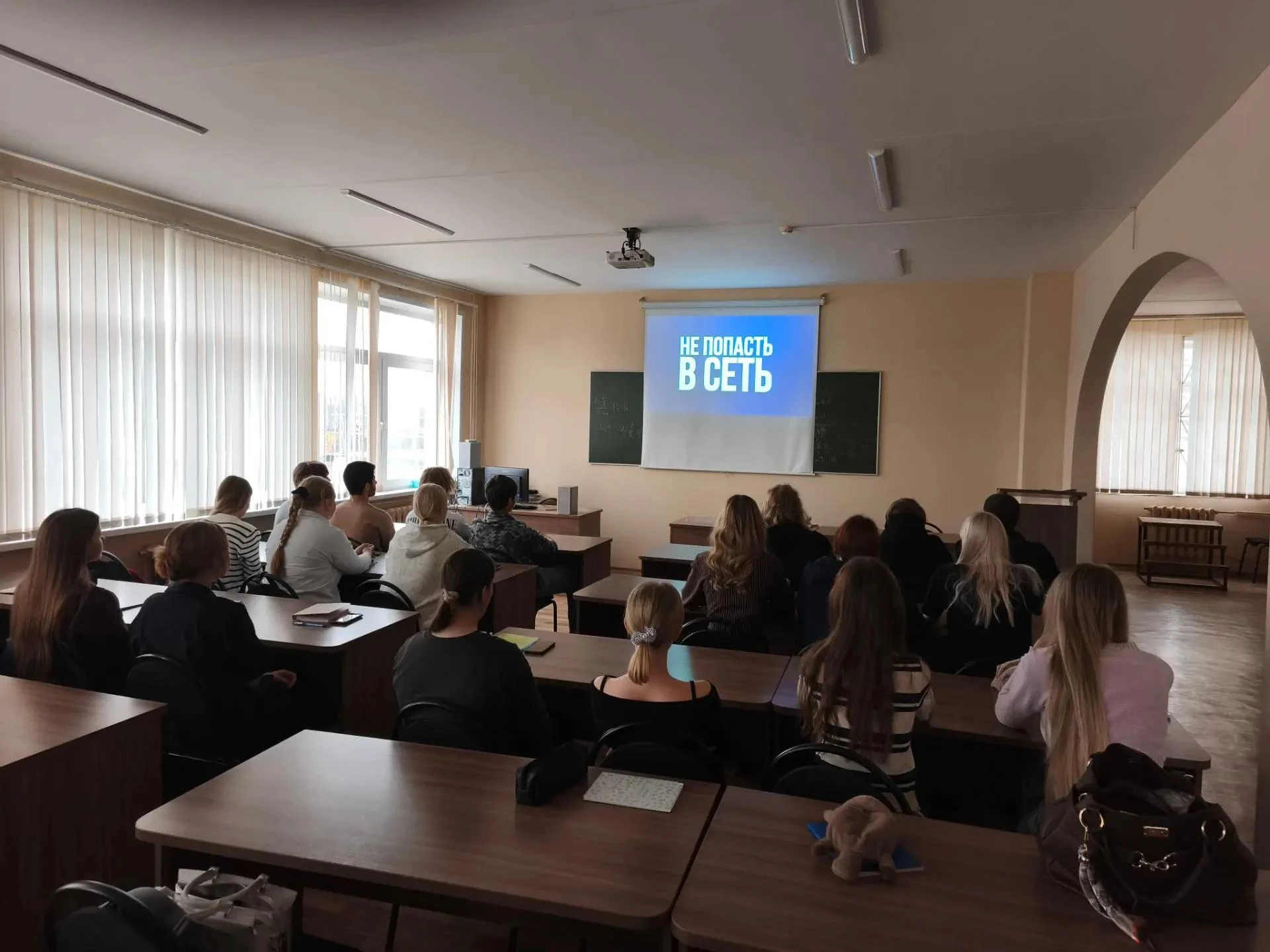
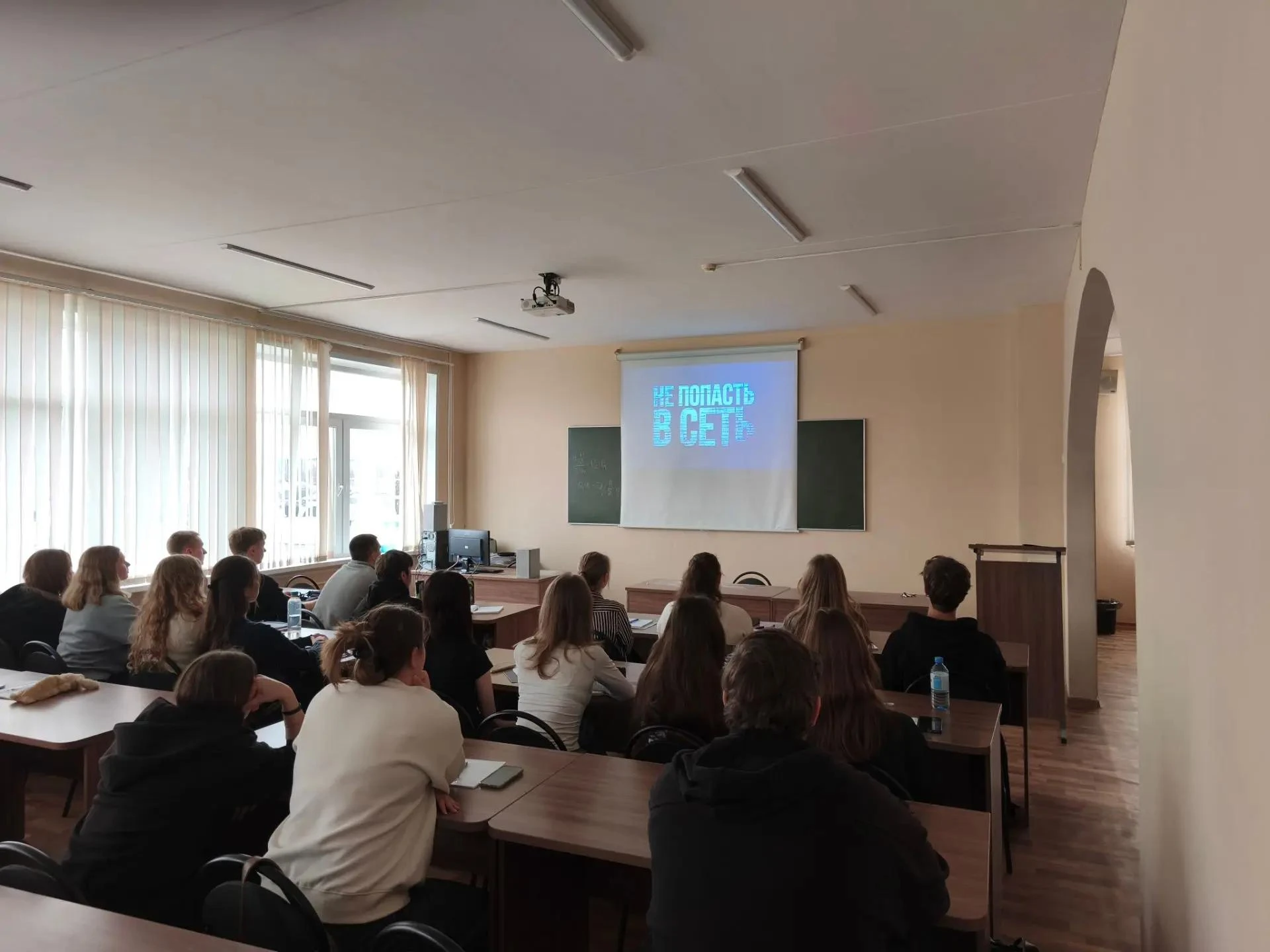
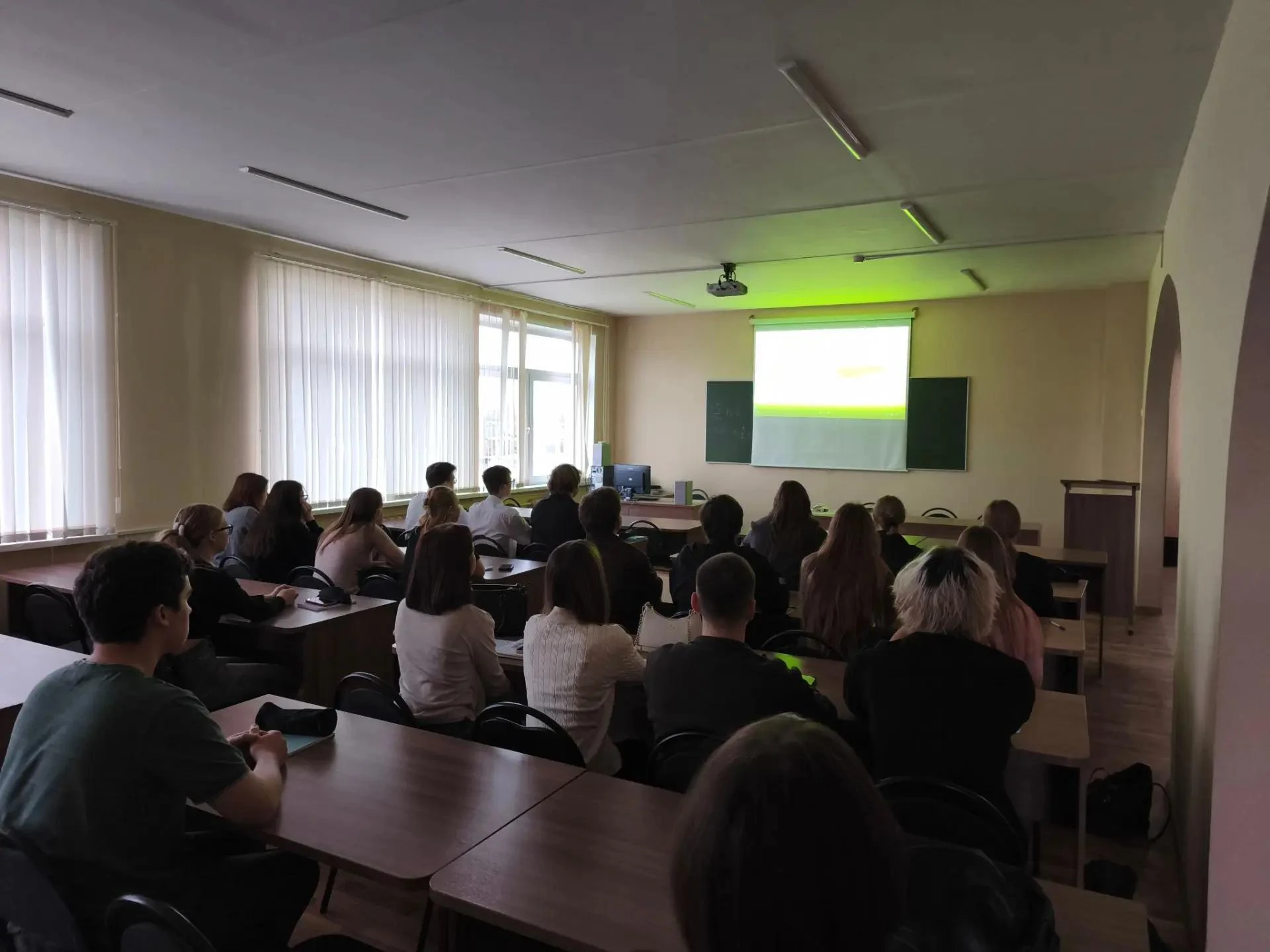
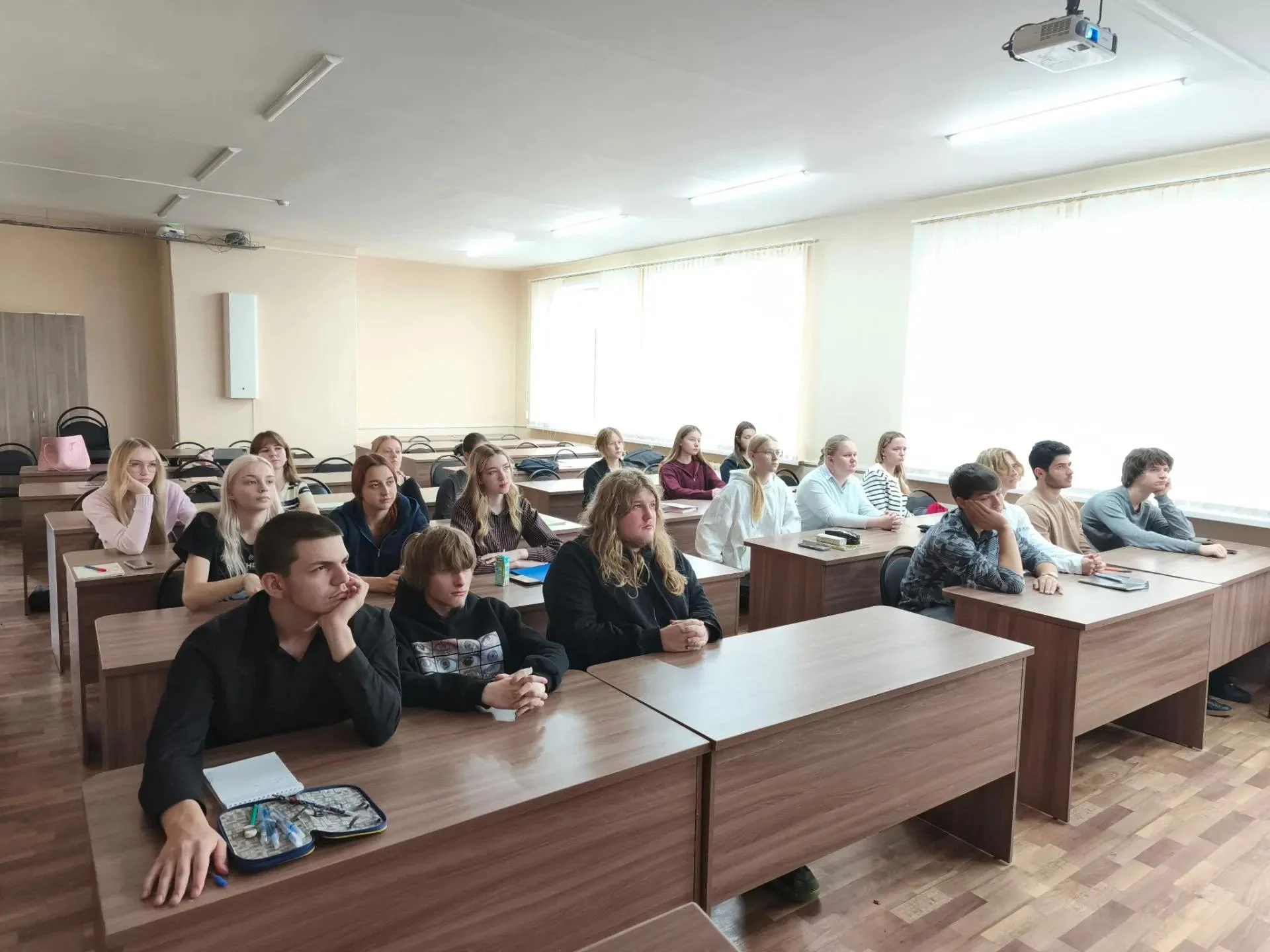
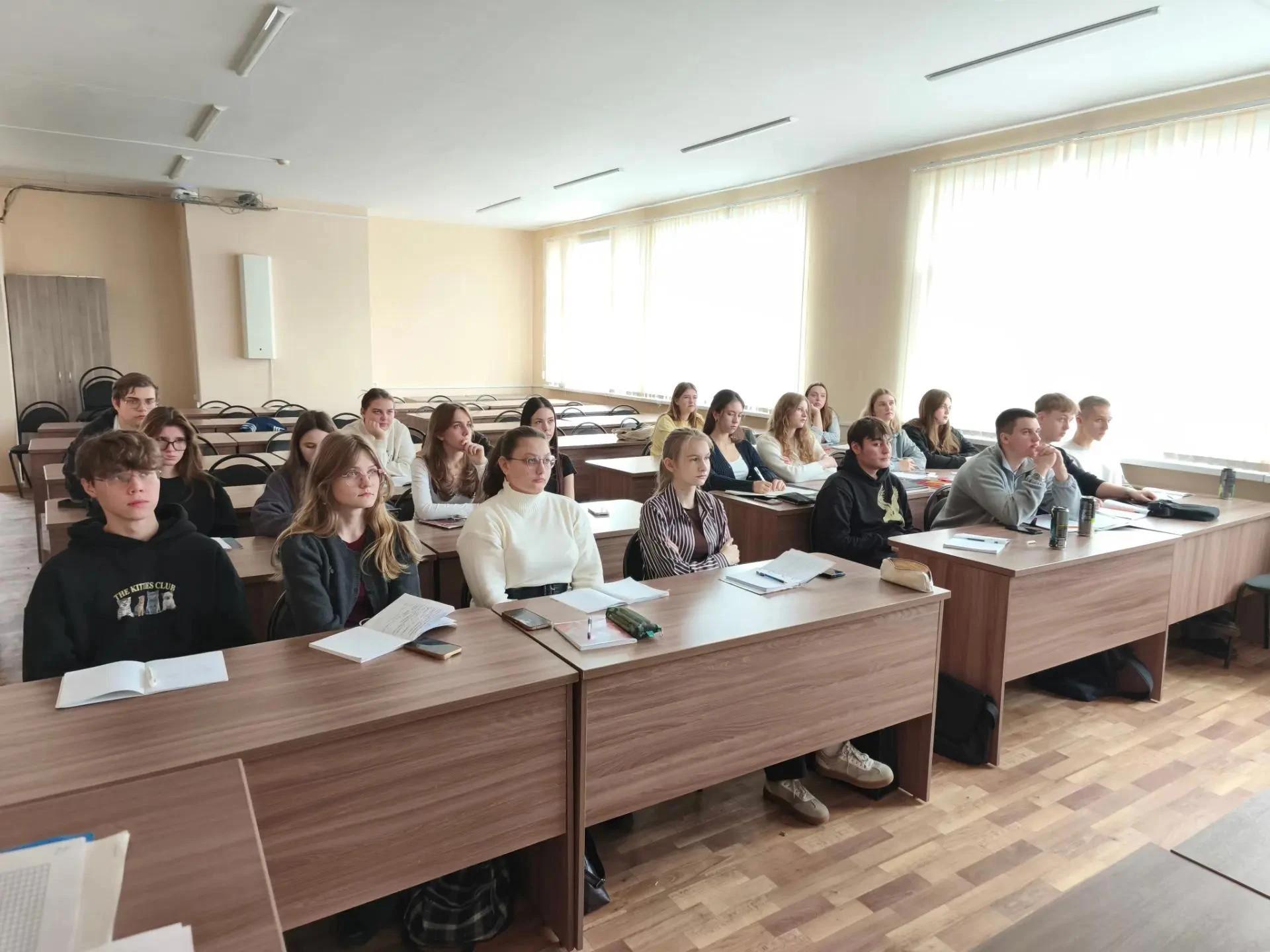
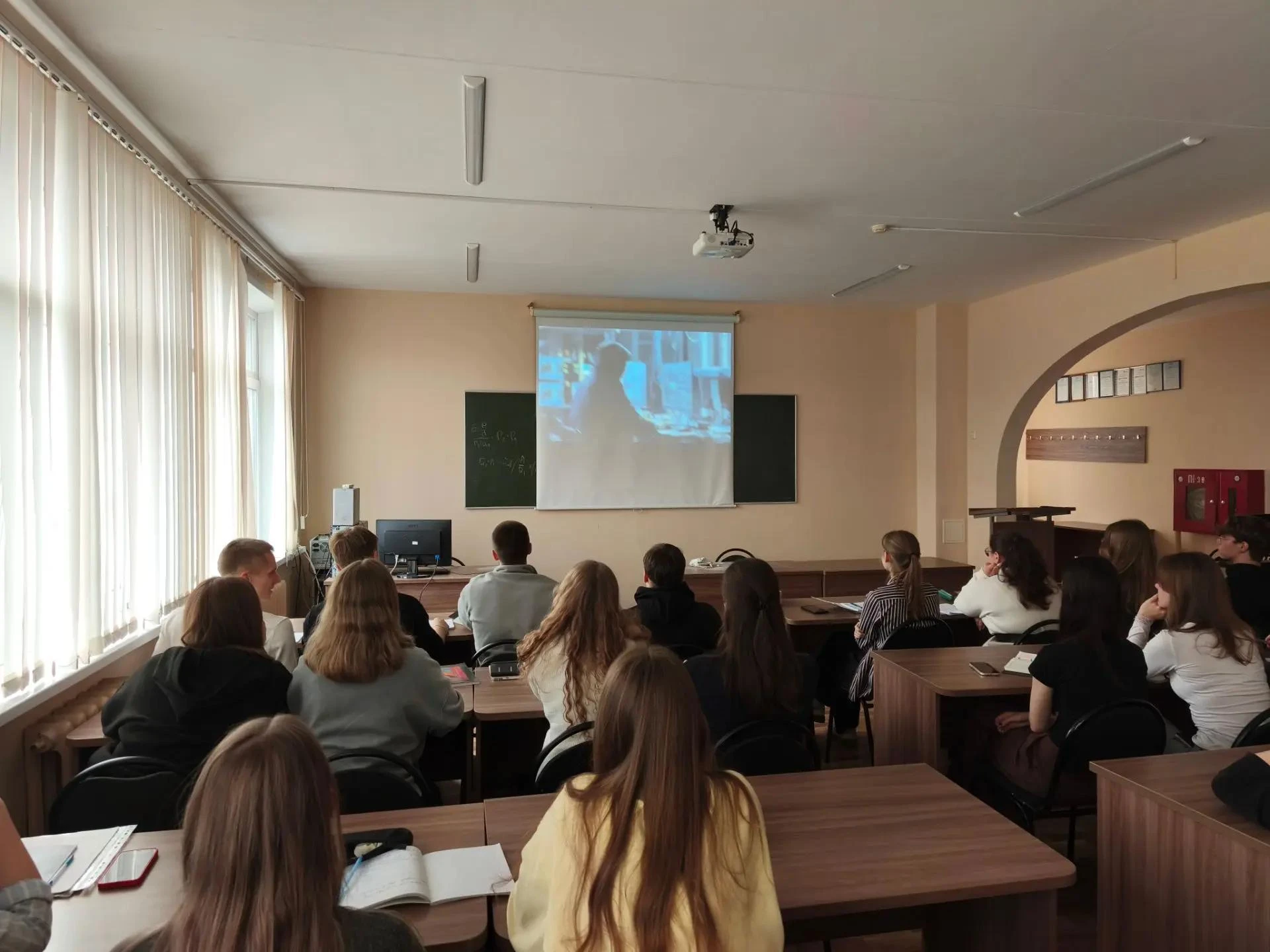
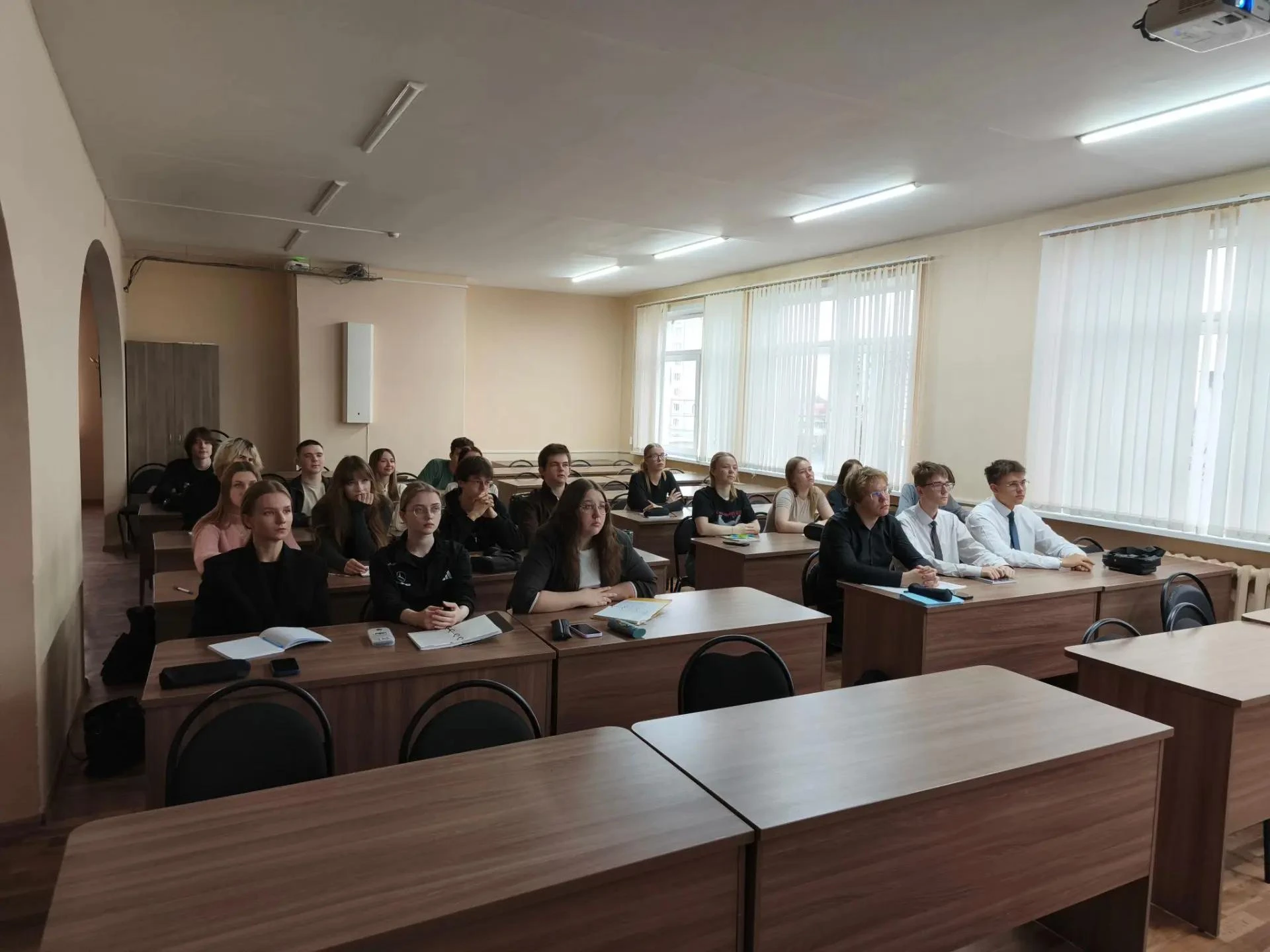
Screenings of the multi-format special project "Don't Get Caught in the Net" by the Arguments and Facts Publishing House, created with the support of the Internet Development Institute in partnership with the Investigative Department of the Ministry of Internal Affairs of Russia, became part of the autumn Film Marathon of the Vladimir Menshov Film Festival "Won Together".
On November 2 – 5, 2026, screenings were held for first-year students of the Faculty of Law at Tver State University as part of the the discipline "Information Technologies in Legal Activity." The next screening will take place on November 12, at the University's Youth Center.
The goal of the special project is to teach young people and their parents to recognize scammers' manipulations before they lead to irreparable consequences and criminal prosecution. Understanding how fraud schemes work is the first step toward protecting yourself and your loved ones.
"Don't Get Caught in the Net" tells the real personal stories of young people who have faced online threats. The protagonists openly recount how they became targets of criminals without realizing the consequences of their actions.
Varvara, who was looking for a part-time job, agreed to register SIM cards in her name for sending messages. The girl did not understand that she was becoming a link in a fraudulent scheme - a dropper.
Maxim, who dreamed of a powerful laptop, invested his parents' savings in "fake promotions" of an online game. After seeing a fictitious profit of 20 thousand rubles in an hour, the teenager believed in easy gain - and became a victim of fraud.
Anna, who felt like an outcast at school, nearly fell into a destructive group of a suicidal nature. The curators encouraged her gloomy thoughts, masking it as "understanding" and "support."
Vsevolod became drawn into the propaganda of religious extremism through ordinary communication in a computer game. Under pressure from the curators, he carried out their assignment and now awaits a court decision.
These stories are intended to show that criminals deliberately exploit the vulnerabilities of teenagers - the desire to be accepted, the pursuit of quick gain, the search for support - and translate these needs into the plane of criminally punishable actions.
- Recently, our younger generation has been increasingly drawn into various criminal actions. This is partly due to an unstable, still-forming psyche, and partly to the fact that teenagers tend to trust everything they are told on the internet. The criminal acts into which they are drawn are, on the one hand, very diverse. On the other hand, they are increasingly dangerous in terms of severity, - emphasize the organizers of the film screenings.
Marina Mishunkina, First Deputy General Director of the Arguments and Facts Publishing House, adds:
- Teenagers have grown up with a smartphone in their hands, and for them the virtual space is a familiar environment. They upload any information about themselves there. Our project explains to them what a digital footprint is and how criminals use it.
Among the project's experts are Igor Ashmanov, member of the Presidential Council for the Development of Civil Society and Human Rights, founder of the Kribrum company, as well as Svetlana Petrenko, head of the Media Relations Department of the Investigative Committee of Russia. In interviews, they explain the consequences of participating in unauthorized rallies, dropping, and extremist groups, helping the audience see the real picture of risks.
More detailed information about the event can be found on the official website of the festival.
For accreditation inquiries: media@world-assembly.org.
Additional information is available on the official website of the World Peoples Assembly, on its VKontakte and Telegram accounts, and at media@world-assembly.org.