

 Back to news
Fidel Castro's and Charles de Gaulle's Grandchildren Discussed Universal Human Values at RIA Novosti Ahead of the World Public Assembly
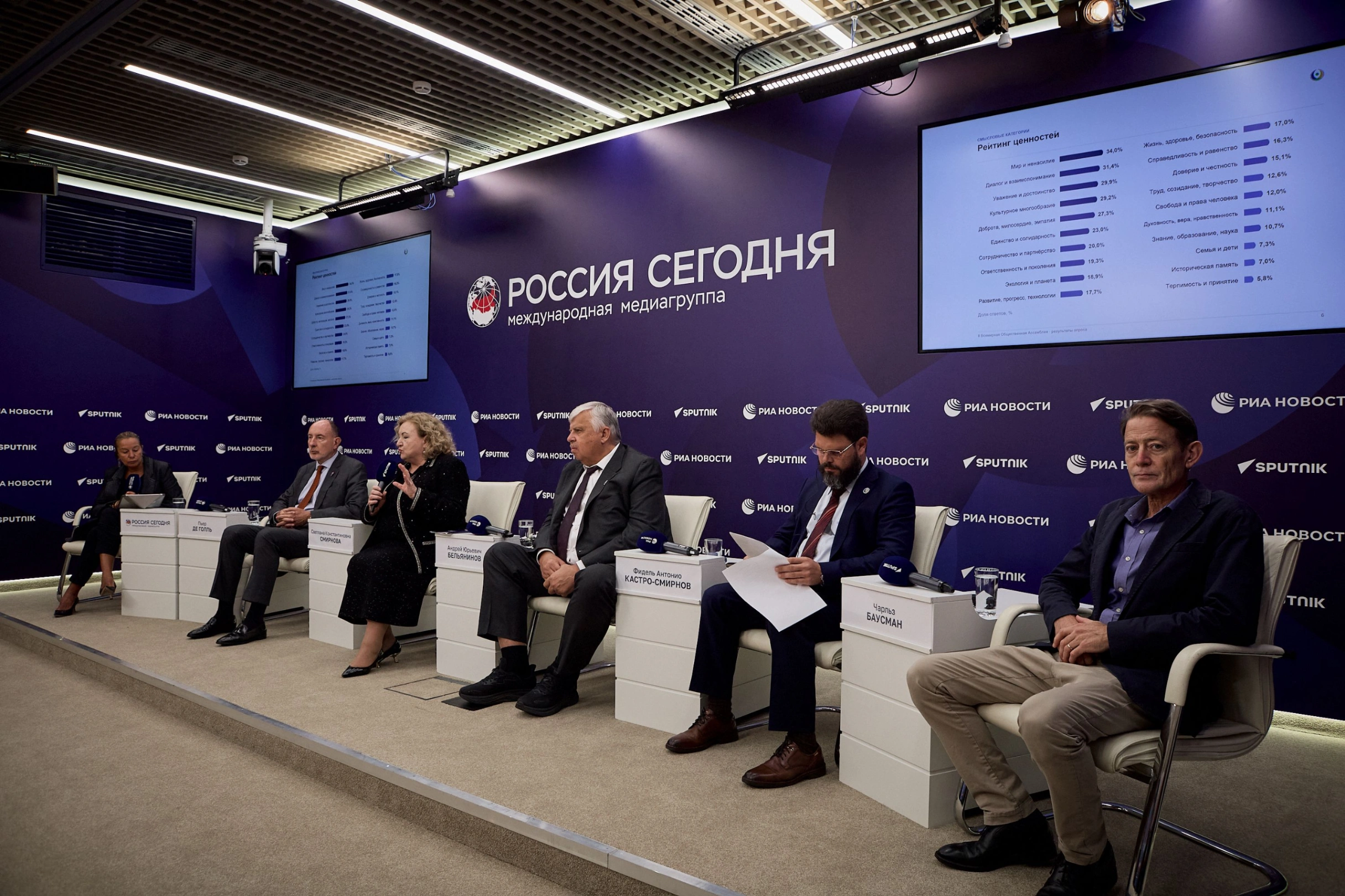
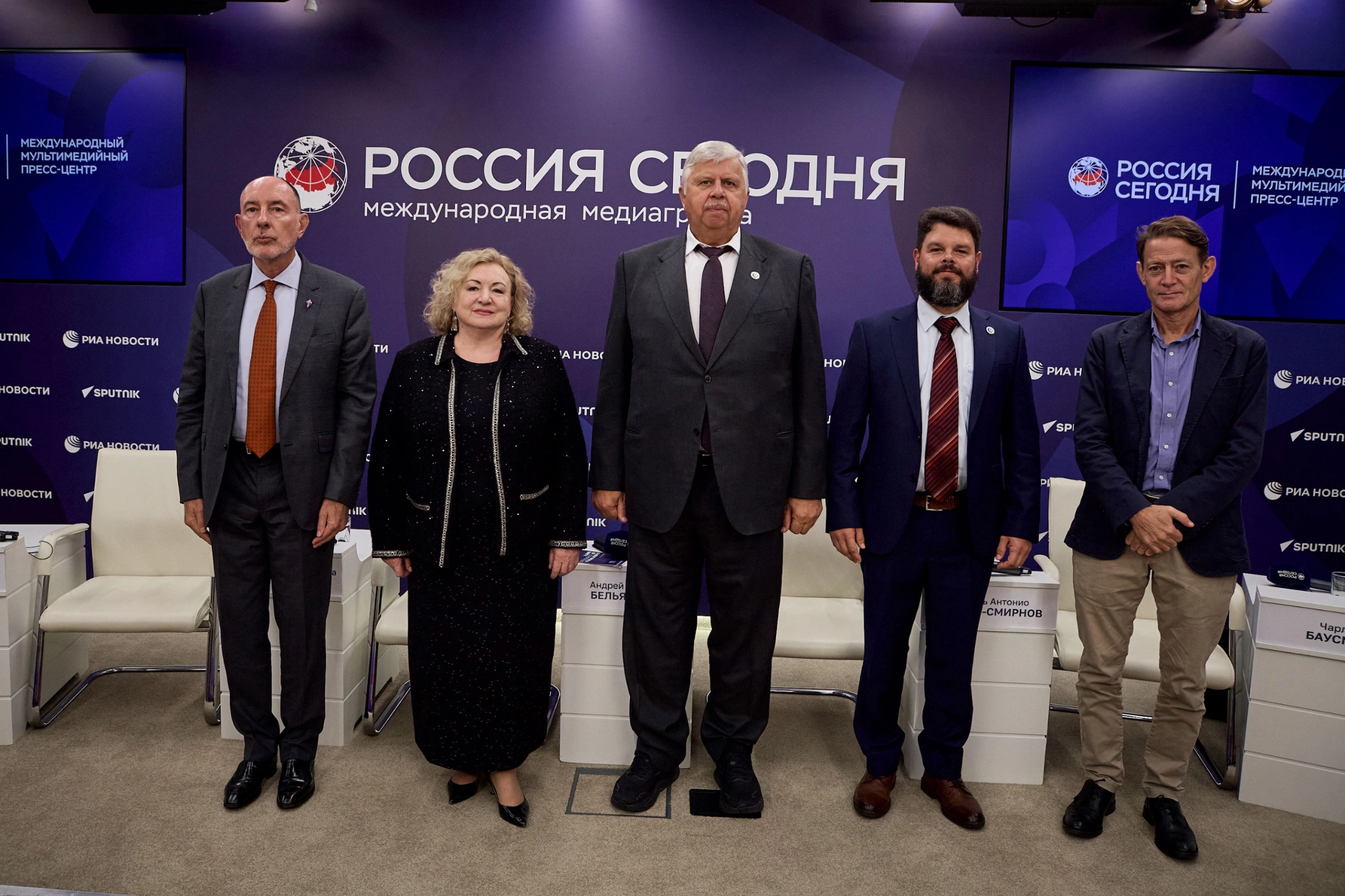
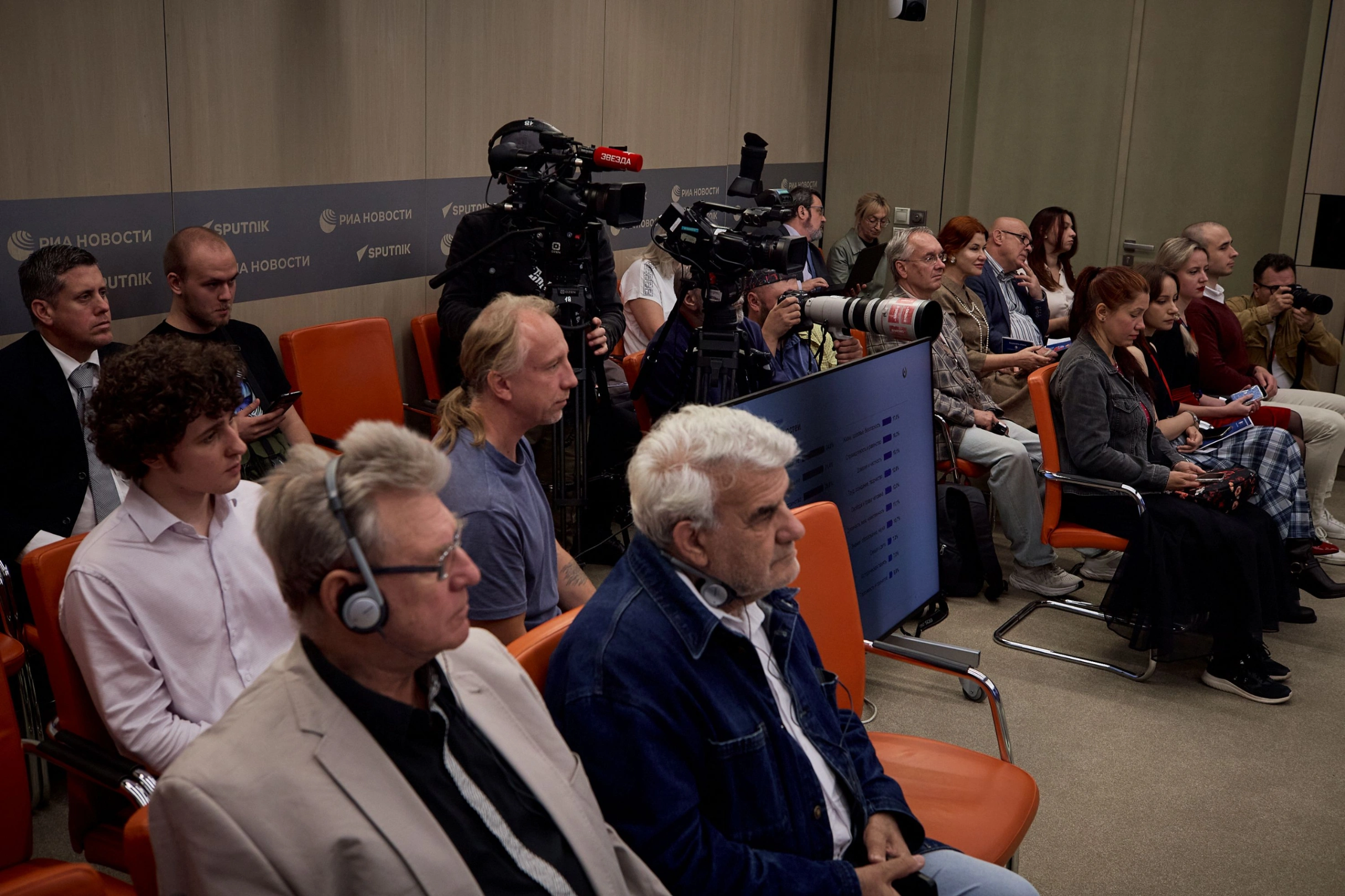
The strategic session "The Legacy of the Future: What Will We Pass on to the Next Generation?" was held on September 11, 2026, at RIA Novosti as part of preparations for the Second World Public Assembly "New World: Values That Unite" (to be held on September 18–19, 2026, in Moscow). Prominent experts from the United States, France, Cuba, and Russia discussed which values are capable of uniting people from different countries and what, from what the current generation has created, should become the legacy of the future.
The discussion was attended by:
Andrey Belyaninov — Secretary General of the World Peoples Assembly, member of the Commission of the Russian Federation for UNESCO;
Svetlana Smirnova — Chairperson of the General Council of the World Peoples Assembly, First Deputy Secretary General of the World Peoples Assembly, member of the Council under the President of the Russian Federation for Interethnic Relations;
Fidel Antonio Castro-Smirnov (Cuba) — Deputy Secretary General of the World Peoples Assembly, academician of the Cuban Academy of Sciences, professor at the University of Havana;
Tsegaye Chama (Ethiopia) — Secretary General of the Global Black Centre;
Pierre de Gaulle (France) — French public figure, Vice Chairman of the Jury of the Leo Tolstoy International Peace Prize;
Charles Bausman — Russian and American journalist and public figure; publisher of Russia Insider.
The focus of the session participants included:
values as the foundation of international trust and cooperation in a multipolar world,
cultural diversity and the right of peoples to remain themselves,
historical memory and responsibility to future generations,
the challenges of the era of artificial intelligence for education, science, and human qualities,
the role of family, culture, the media, and digital algorithms in transmitting values,
practical steps for transmitting values through education, culture, international cooperation, and more.
The starting point of the discussion was the results of a survey conducted by the organizers of the Second World Public Assembly during registration for the event. Respondents were asked to answer an open question: "Which value, capable of uniting humanity, do you consider most important for the future?" An analysis of 1,023 responses from representatives of 97 countries showed that respondents most often named:
peace and non-violence (34%),
dialogue and mutual understanding (31.4%),
respect and dignity (29.9%),
cultural diversity (29.2%),
kindness, mercy, and empathy (27.3%).
These were followed by unity and solidarity, cooperation and partnership, as well as responsibility to future generations.
The responses received showed that the value core of most people is connected not with politics or economics, but above all with the ethics of human communication.
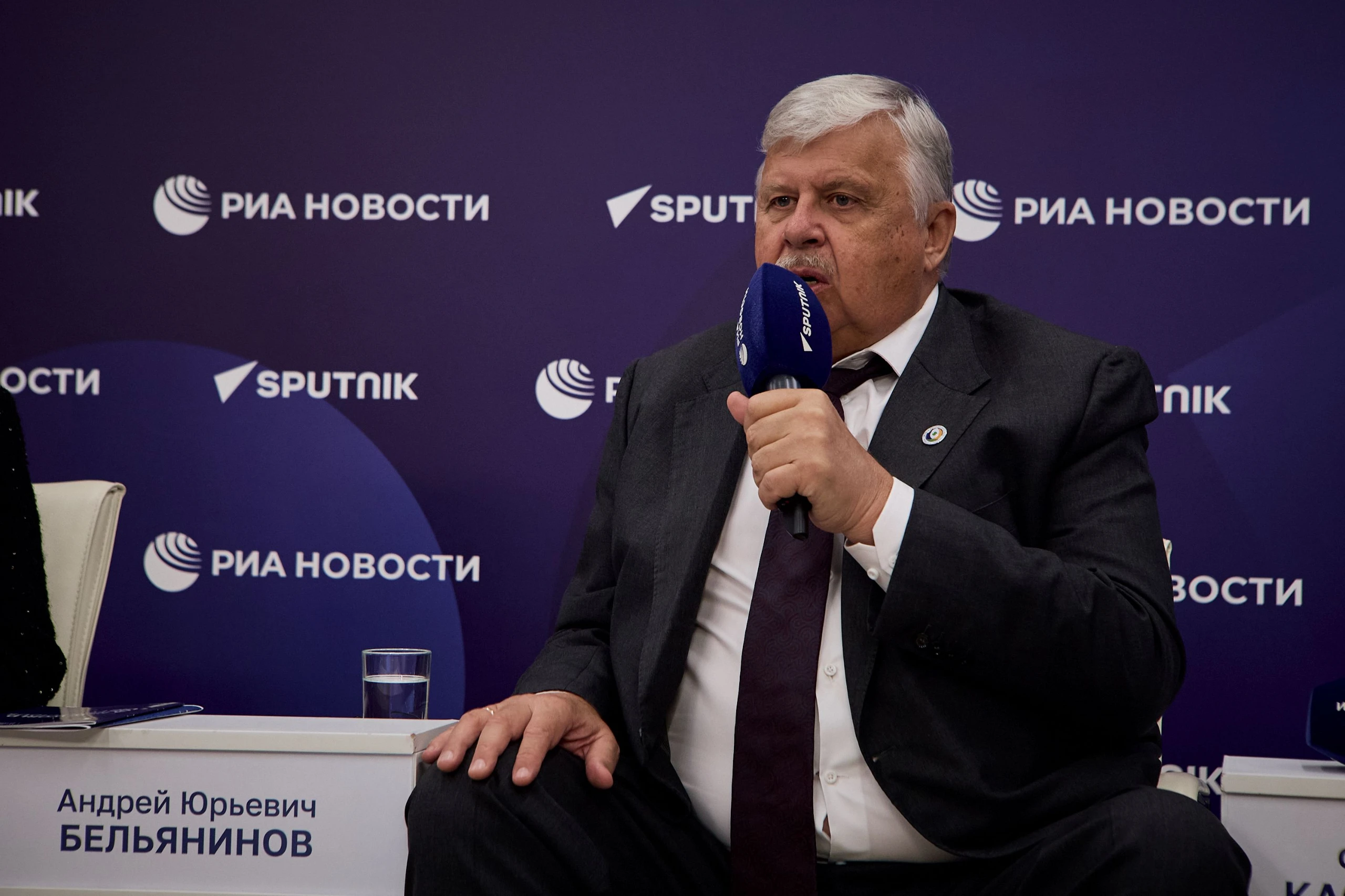
Andrey Belyaninov noted that the most desired and important things for people are peace and non-violent ways of resolving disagreements:
— We wanted to find out not which values people were ready to choose from a list we proposed, but what they themselves consider most important. People themselves chose dialogue. And note, not a single aggressive appeal, not one! This is an absolute manifestation of the will of the people, this is what is now called people's diplomacy.
Svetlana Smirnova spoke about what international trust in today's realities can be based on:
— Diversity is the main source, the potential of our unity. But it is important to understand that unity is not at all the same as sameness. The right of a person and a people to remain themselves is becoming one of the basic values of the New World. When you recognize in another a person with dignity and rights, that is the guarantee of the future — not simply coexistence, but friendship and co-creation.
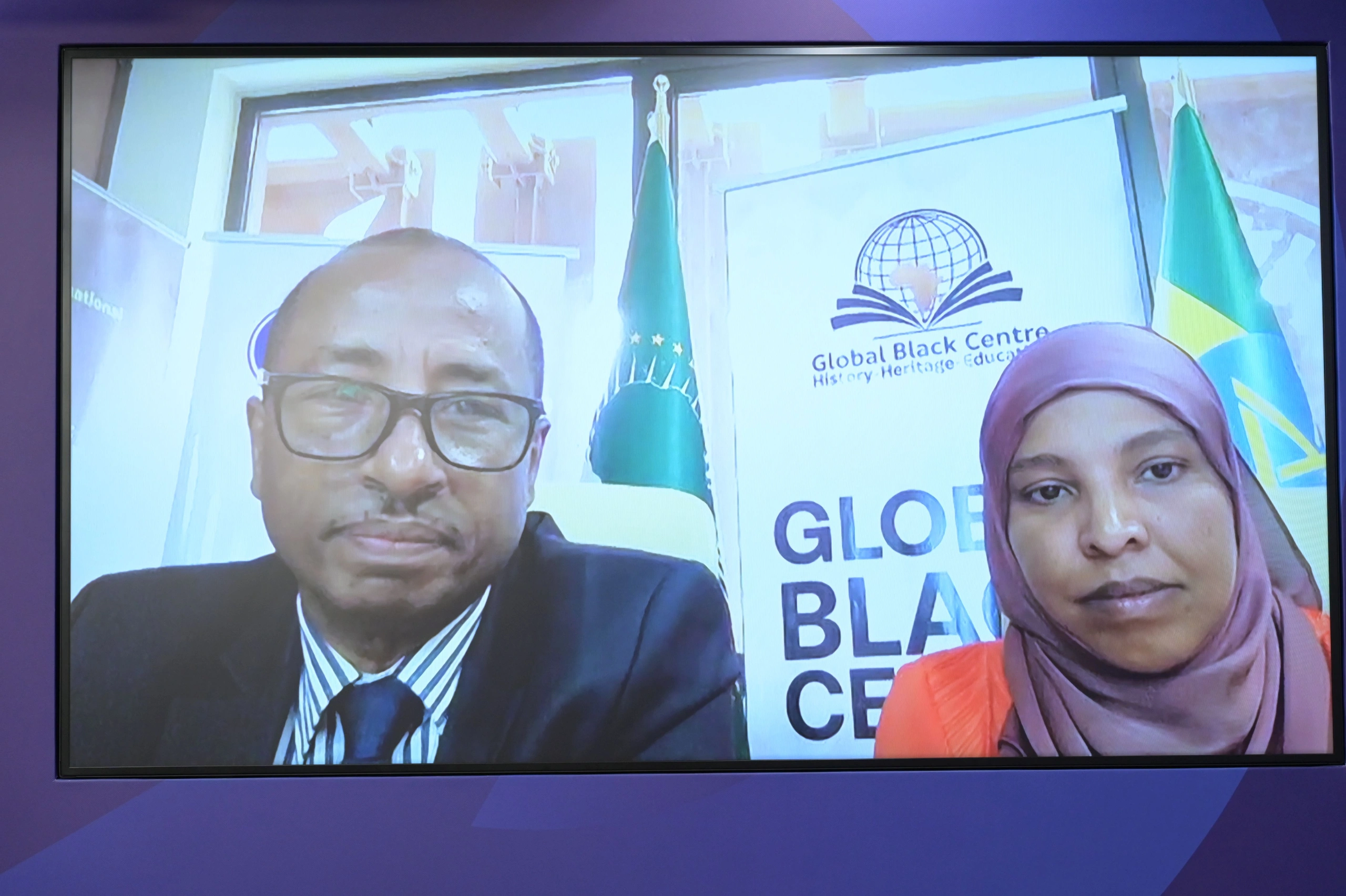
Tsegaye Chama shared his view of what contemporary Africa sees as the legacy of the future:
— It is important that historical justice prevail. The new generation thirsts to know true history and through it to realize who it is. The Russian people have natural, indigenous traditions — endurance, sincerity, high moral standards. You do not place yourselves above others, you do not seek to colonize us, you treat us with respect. We need countries like Russia. We want to continue working together so that Africa contributes to the multipolar world.
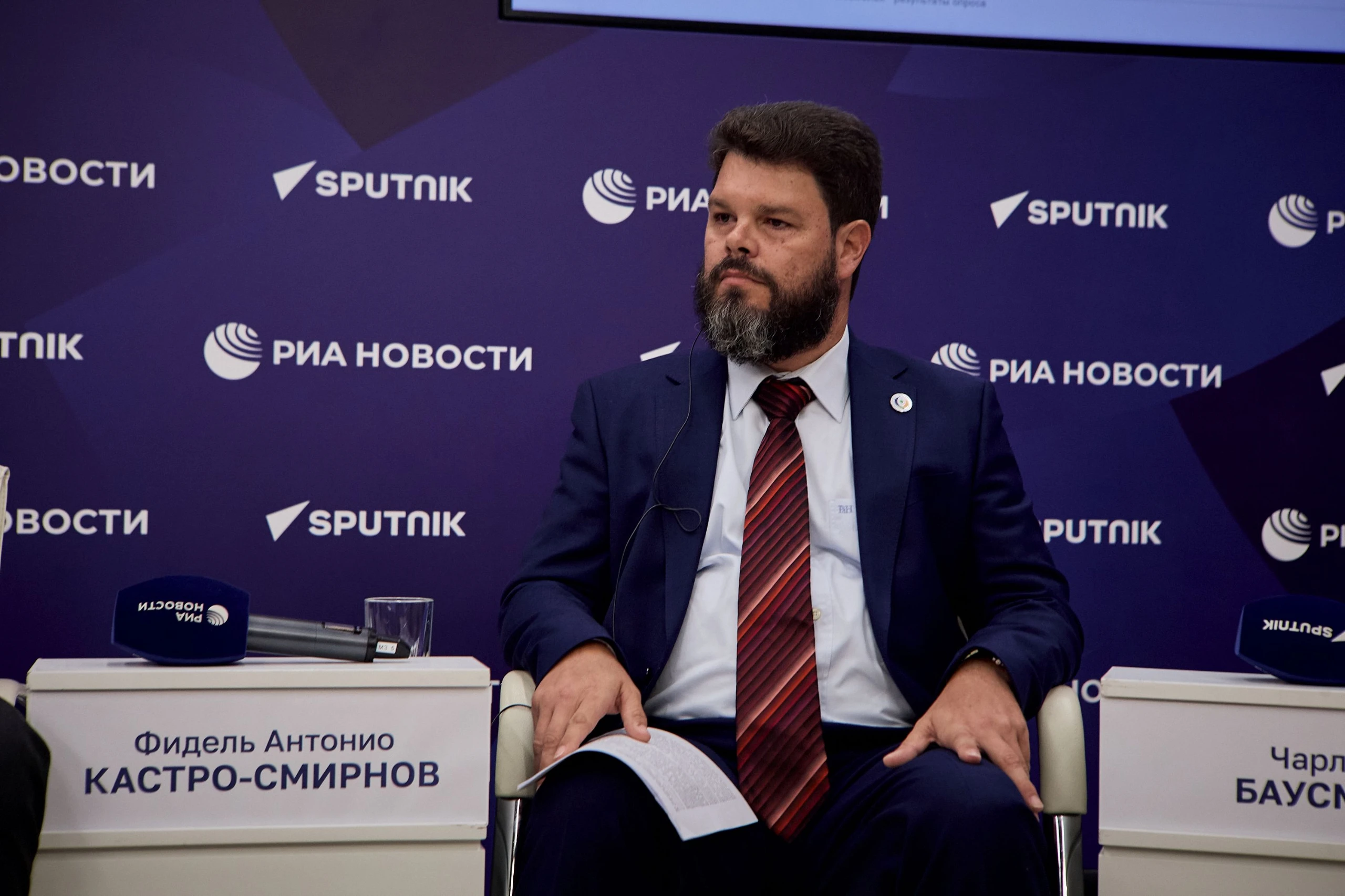
Reflecting on the complex topic of what today's youth need in the era of rapidly developing technologies, Fidel Antonio Castro-Smirnov emphasized that the possession of knowledge is a great responsibility before the future:
— The more perfect our technologies become, the greater the role of qualities inherent to humans: morality, empathy, the ability to doubt, imagination, and responsibility. Education can no longer be built on the transmission of information. It is far more important to pass on to the next generation the ability for autonomous learning, for critical thinking, and for decision-making. For cooperation, we do not need to become the same; respect does not require us to abandon our identity, and political disagreements do not necessarily have to lead to a breakdown in human communication. Perhaps one of the greatest tasks of our time is to learn to cooperate while preserving diversity.
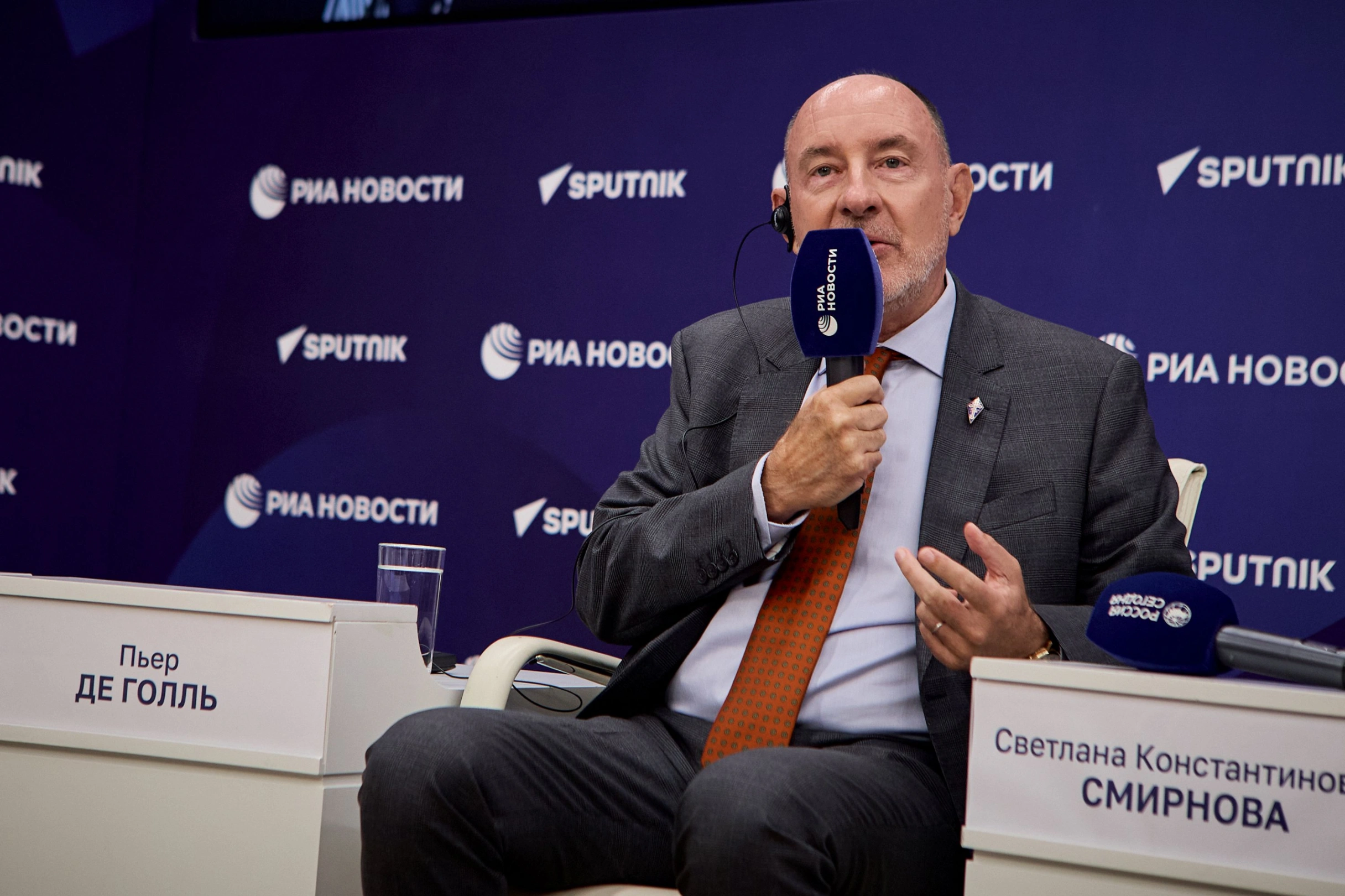
Pierre de Gaulle also drew attention to the importance of preserving historical and traditional values, since the strength of nations lies in them:
— In Europe, traditional values are now suppressed and replaced by a dangerous culture of selfishness. The absence of culture breeds aggressiveness. That is why it is so important to learn from African and Latin American friends who preserve traditions. Multinational Russia is united by respect for language and traditions. People here live in harmony, respecting each other's cultural diversity and conducting interreligious dialogue. This is the spirituality that we are obliged to pass on to our children.
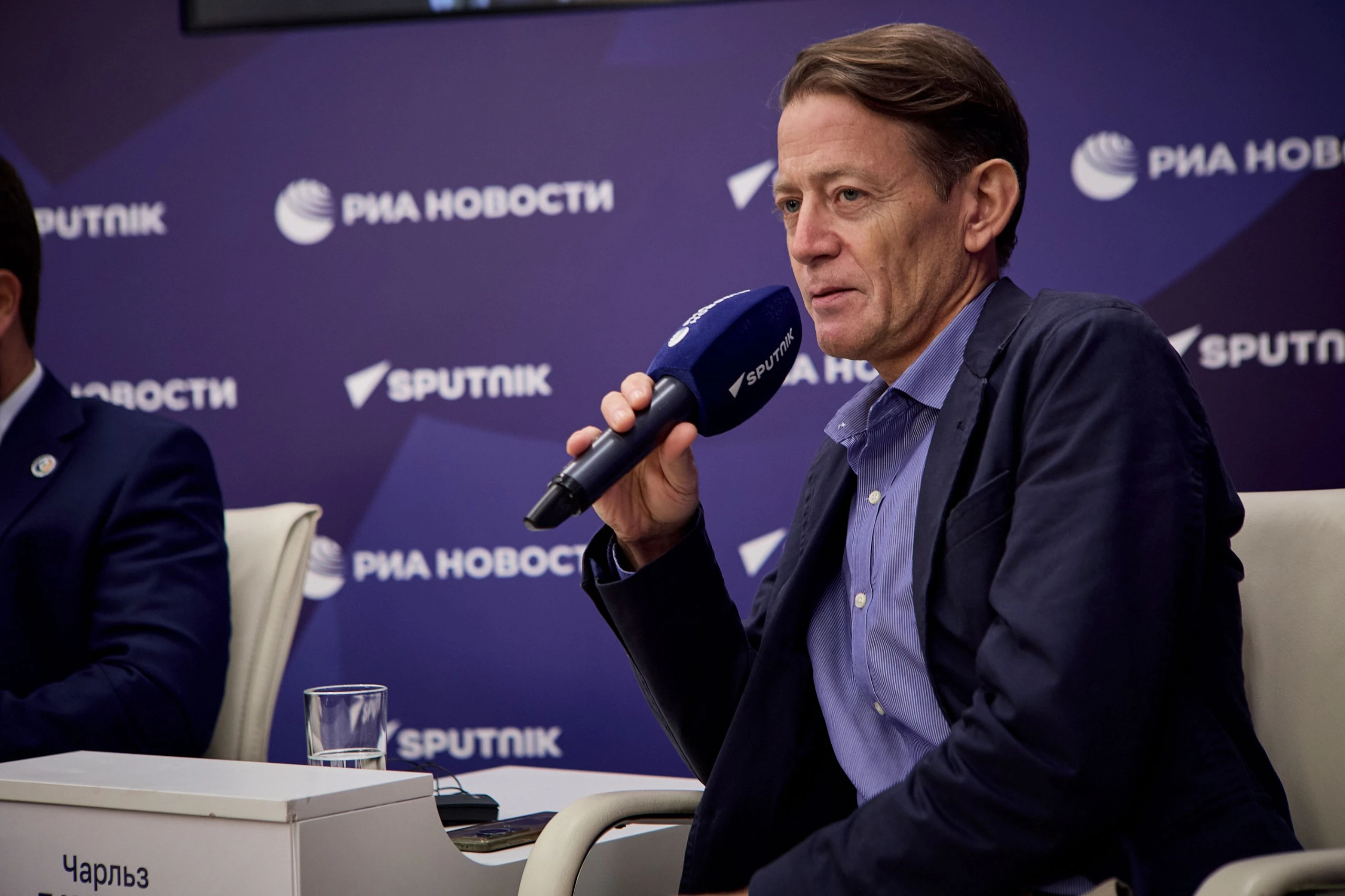
Charles Bausman emphasized the importance of direct dialogue in the modern world, when a person's worldview is shaped not only by the influence of family, education, and culture, but also by social media algorithms and the information flows surrounding us of varying degrees of reliability:
— We must control the algorithm — it is a powerful tool, and it is very important who sits at its helm. I am convinced that truth is born through dialogue, debate, and argument. I know that very many Western journalists are ready to come to Russia. They must be invited, so that people learn the truth, despite the position of governments.
Summing up the discussion, the experts agreed that the most important thing is to preserve the human being and humanity, to be solidarity-minded, sincere, and to cherish the spiritual foundations of one's people. This can be achieved through personal example and education, passing on history and faith to children, and taking responsibility for the future.
Reference
The Second World Public Assembly "New World: Values That Unite" will be held on September 18–19 in Moscow, at the International Trade Center. The event will bring together not only discussion platforms but also practical formats of interaction: meetings, press approaches and interviews, signing of agreements, art exhibitions, youth, business, and cultural events.
The organizer is the International Union of Non-Governmental Organizations "World Peoples Assembly”.
Additional information is available on the official website of the World Peoples Assembly and at media@world-assembly.org.
Photo: RIA Novosti, Mikhail Bogachev, Maria Devakhina