

From a Fragmented World to the Unity of Values: Scientific Diplomacy as a Mechanism for Dialogue Amid Confrontations was Discussed in Amman
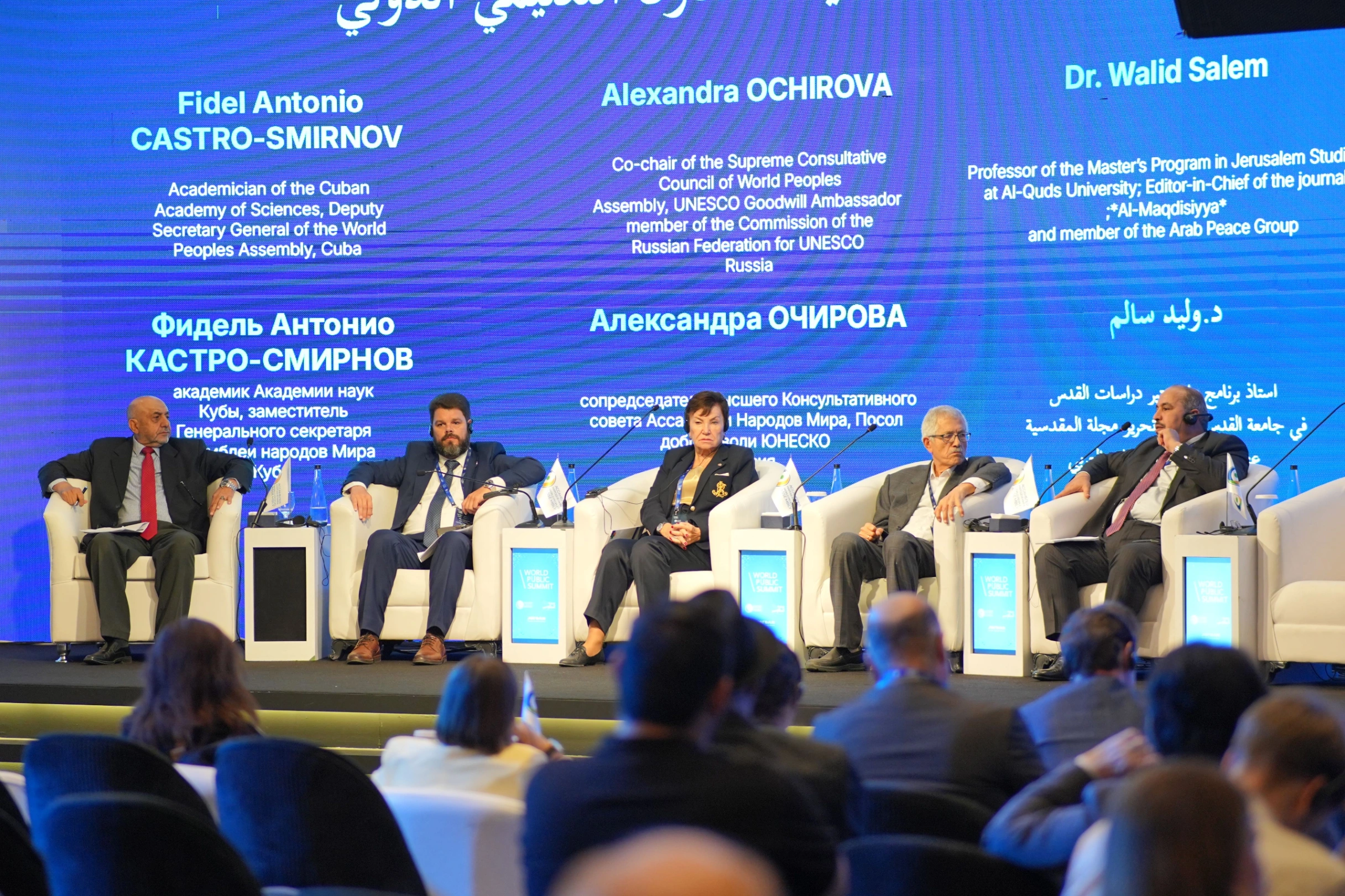
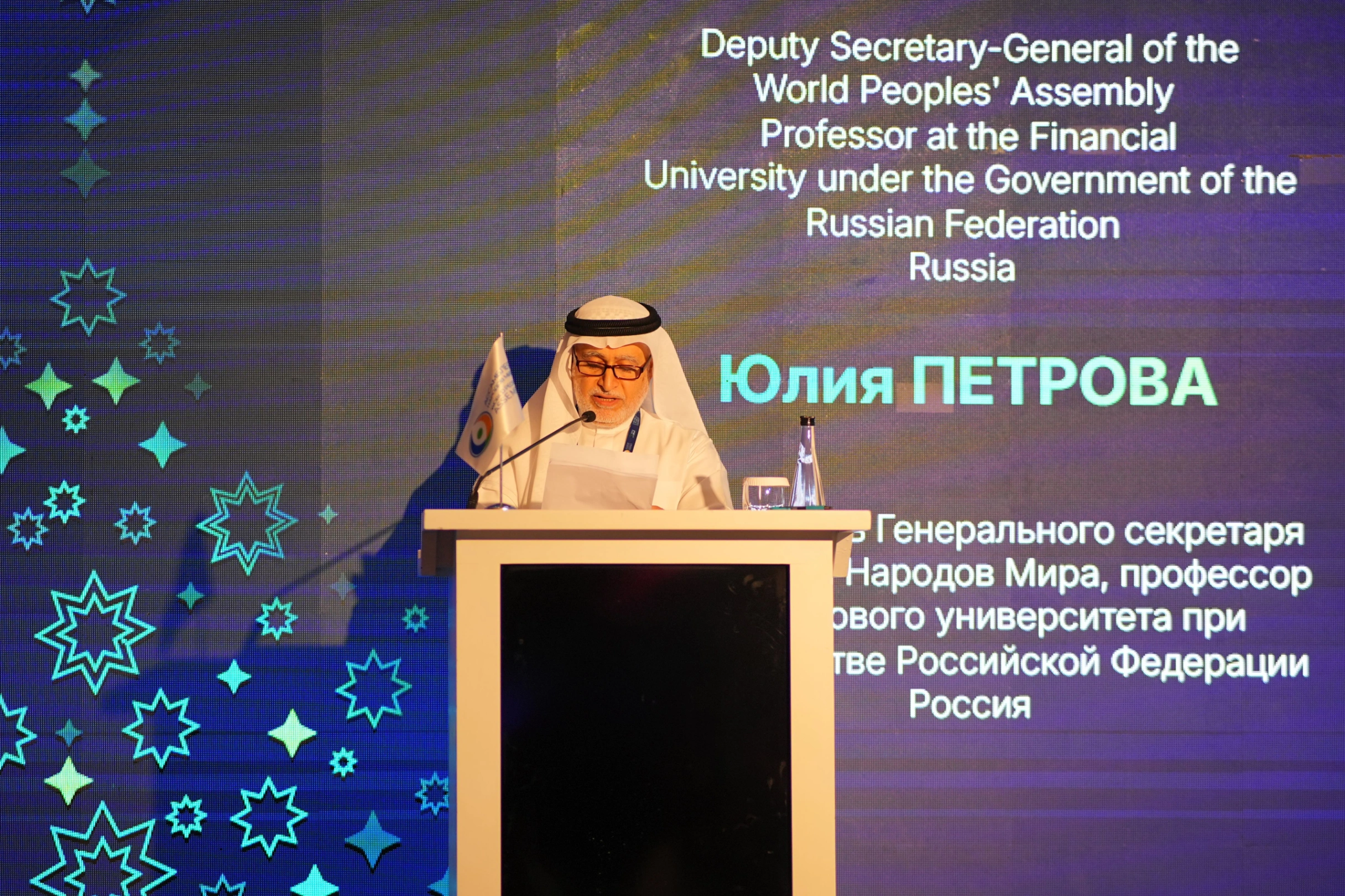
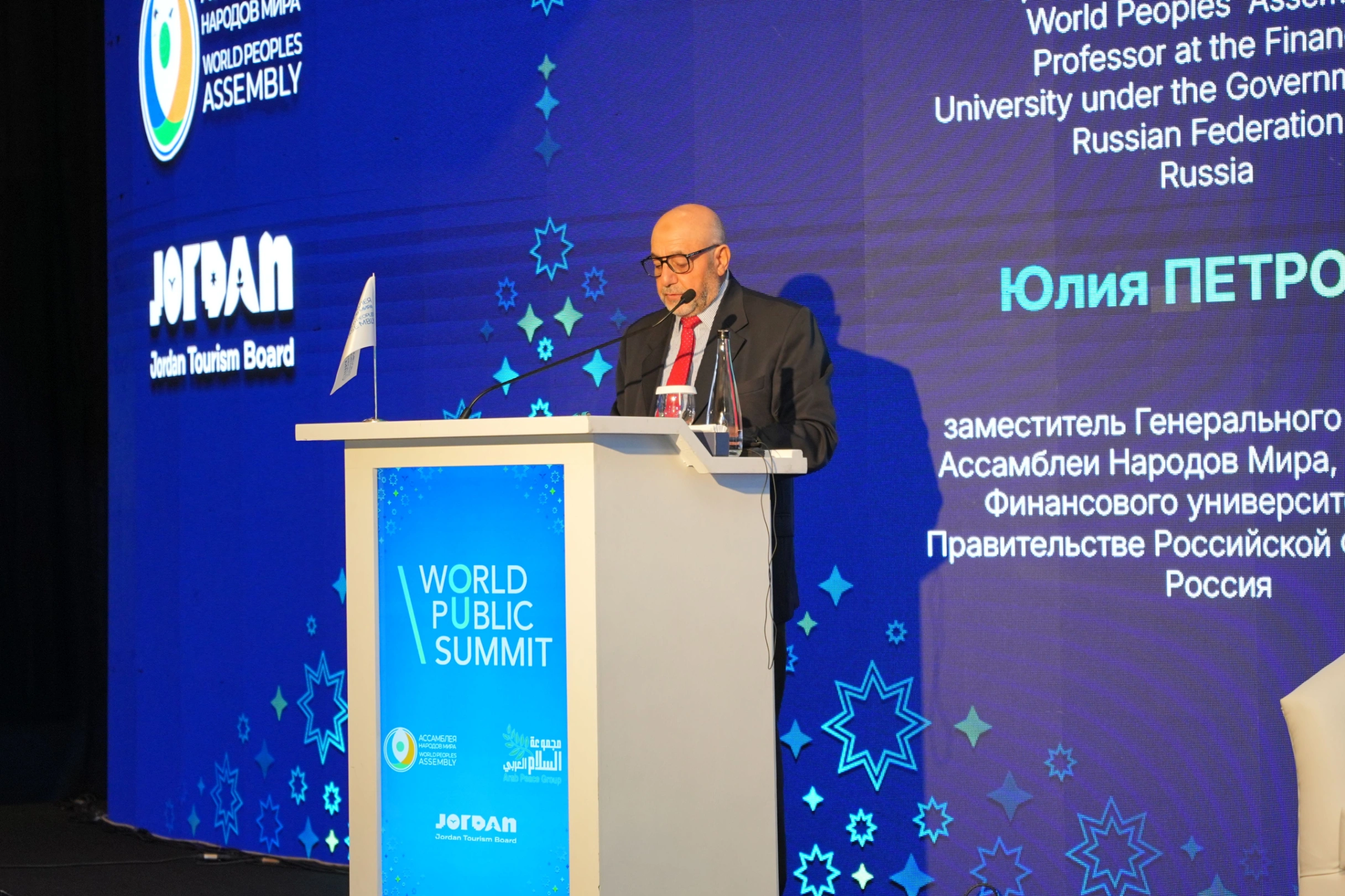
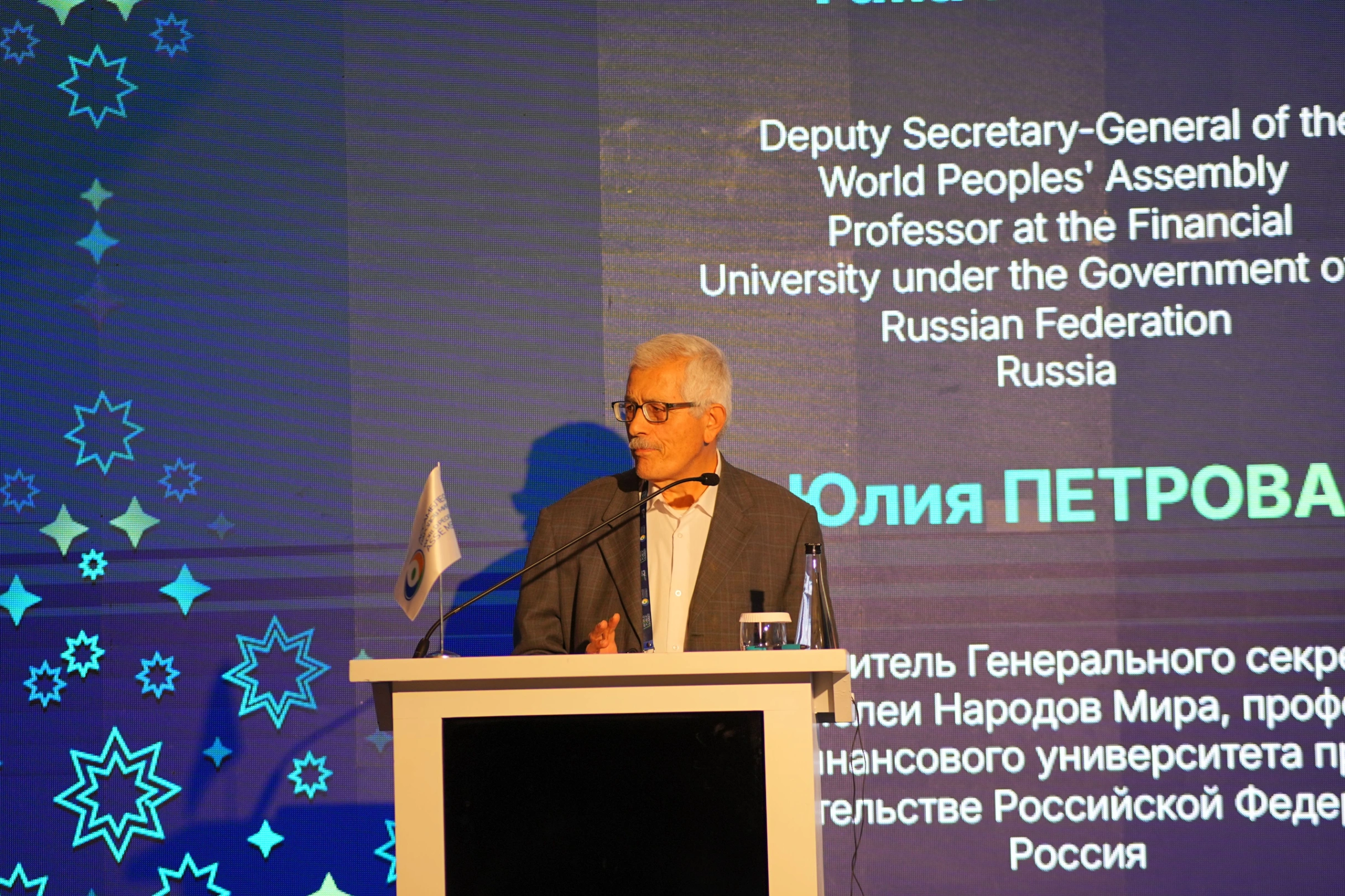
The Panel Session “Scientific Diplomacy: New Formats of International Educational Cooperation” was held on November 10, 2026 in Amman (Jordan) as part of the First World Public Summit: Arab World “Dialogue, Cultural Heritage and Partnership for a Common Shared”. The event was organized by the World Peoples Assembly and the Arab Group for Peace, with support from partners in Jordan, Russia and other countries.
The discussion was attended by experts, diplomats and representatives of the academic community from Algeria, Jordan, Cuba, the UAE, Palestine and Russia. The key topic of discussion was the role of science and education in overcoming global crises and strengthening interstate ties.
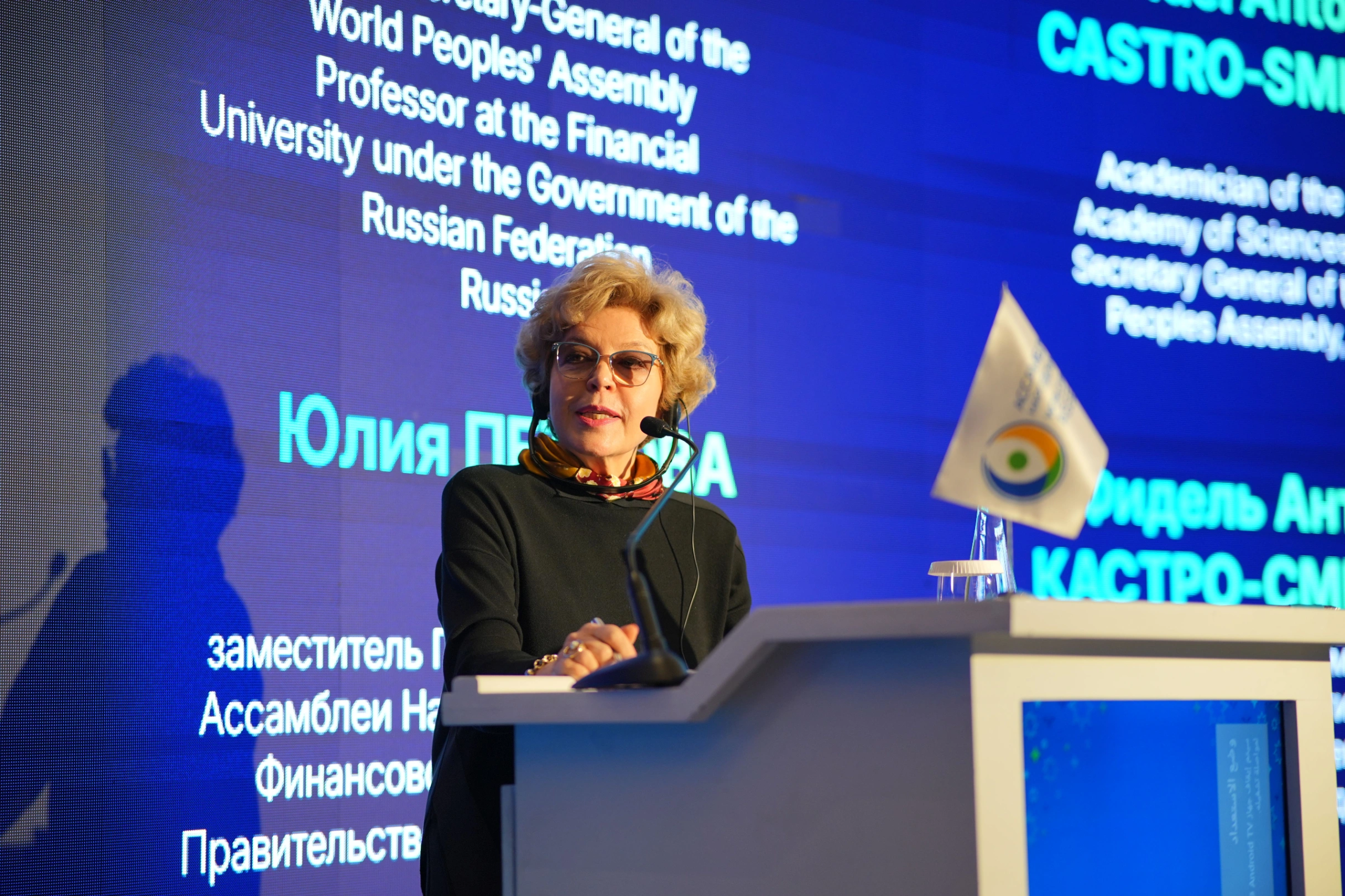
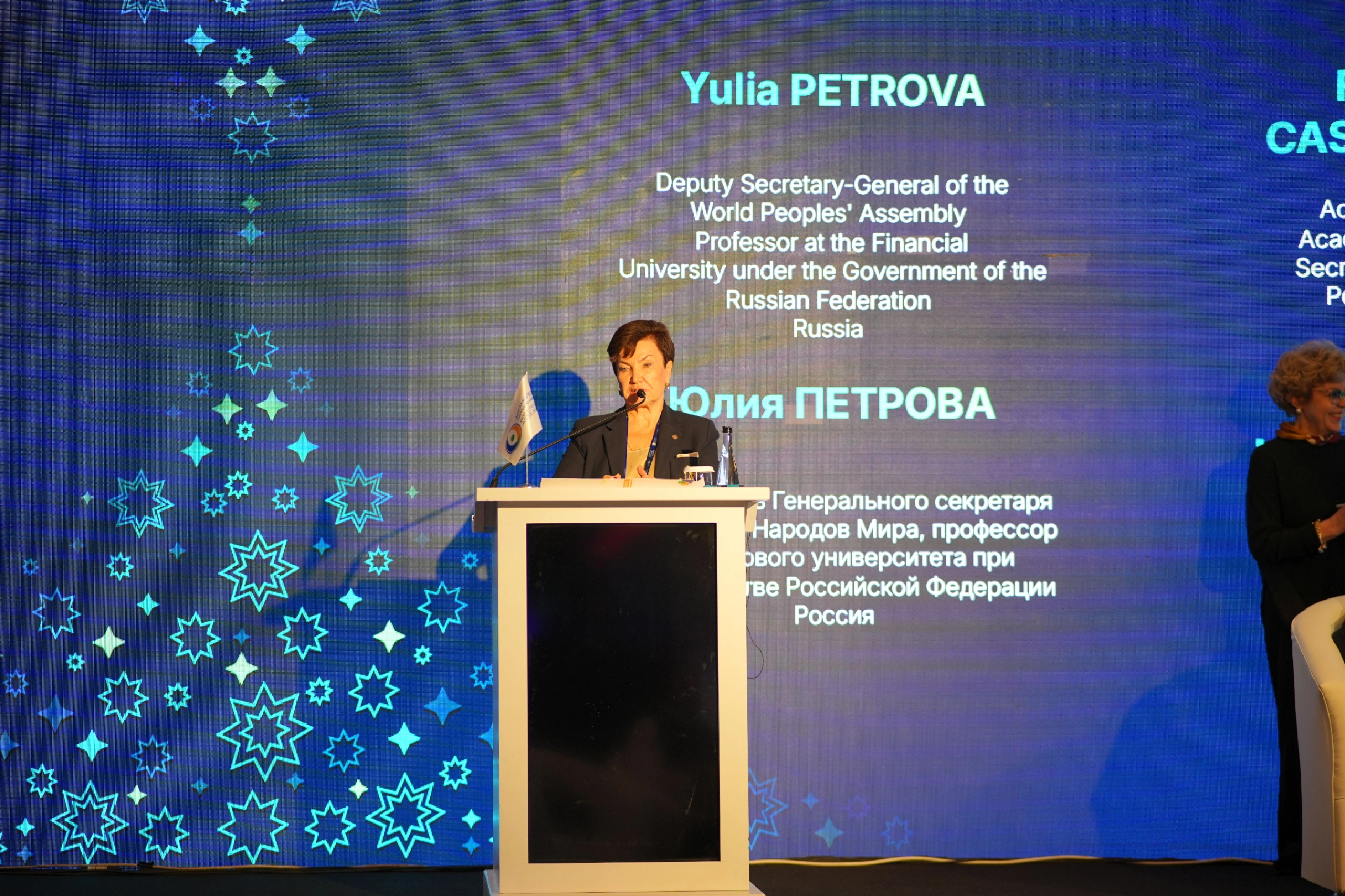
The session was moderated by Yulia Petrova (Russia), Deputy Secretary General of the World Peoples Assembly and Professor at the Financial University under the Government of the Russian Federation, and Faisal Al-Rafou (Jordan), Minister of Culture of Jordan (1999–2000).
Opening the discussion, Yulia Petrova noted that in a rapidly changing world standing on the brink of global upheavals, challenges and risks are multiplying.
- It is crucial to preserve international scientific cooperation and develop new instruments of scientific diplomacy. They will help the next generation find a common language and develop new mechanisms of interaction, - the moderator emphasized.
Faisal Al-Rafou, in turn, identified the key challenges of our time, including political disagreements, restrictions on travel and funding that complicate academic exchange. As the main questions for discussion, he proposed discussing which forms of cooperation are most effective today and how to maintain scientific ties amid tense international relations.
Alexandra Ochirova (Russia), Co-Chair of the Supreme Advisory Council of the World Peoples Assembly and UNESCO Goodwill Ambassador, pointed to the need to restore the unity of scientific and value-based knowledge. She noted that scientific and technological progress, outpacing the development of the humanities, has led to a fragmented perception of the world and to man’s loss of his central place as a subject of civilization.
- Only universal human values can restore to people a sense of unity and belonging, and awareness of responsibility for one’s actions and inaction can stop destructive processes in the world, - the speaker believes.
Fidel Antonio Castro-Smirnov (Cuba), Deputy Secretary General of the World Peoples Assembly and Academician of the Academy of Sciences of Cuba, emphasized that scientific diplomacy should not merely declare the openness of science but also ensure real, equitable participation of representatives of different regions in the research process through education, equal access to resources and protection of freedom of scientific exchange.
- Experience shows: cooperation becomes genuine when scientists have the opportunity to jointly pose questions and seek answers. This is precisely the practice that must be purposefully supported, especially among young researchers from the Arab world, Latin America, Palestine, Cuba and other countries, - the speaker noted.
Walid Salem (Palestine), Professor of the Postgraduate Studies Program at Al-Quds University and member of the Arab Peace Group, noted that scientific diplomacy is not an academic privilege and is not limited merely to the exchange of students and teachers. It is a unique mechanism that allows finding common ground and conducting dialogue even under political confrontation, turning shared values into a basis for real partnership and trust.
- To develop scientific diplomacy, areas such as the creation of transnational universities and joint academic programs, the development of digital education and international virtual classrooms, the formation of research alliances, joint laboratories, as well as networks of scientists and diasporas are necessary, - the expert summarized.
Abu El-Fadl Baadji (Algeria), Secretary General of the National Liberation Front party (2020–2023), recalled that scientific diplomacy has historically always existed as a form of contacts between civilizations:
- For the countries of the Global South and the East - from Latin America and Africa to Asia and Russia - this format of dialogue opens real opportunities for partnership, since these regions are united by a common way of thinking, historical and civilizational ties, as well as complementary scientific potential.
The speaker added that scientific and educational interaction should be built precisely through strengthening cooperation between the countries of the South and the East, including Latin America, Africa, Asia, Russia, China and India.
In closing the Panel Session, Yulia Petrova thanked the speakers and participants for the substantive discussion. She proposed considering the World Peoples Assembly as a permanent intellectual and communication platform for scientific and educational interaction, the creation of new consortia and the development of innovative formats of cooperation in this area.
- Much was said about how to educate a new generation and nurture leaders who will take this complex world into their hands and make it safe. We express the hope that the first step toward this was made today, - the moderator summarized.
Additional information is available on the official website of the World Peoples Assembly, on its VKontakte and Telegram accounts, and at media@world-assembly.org.