

 Back to news
From Legacy to a Shared Future: The World Public Summit: Arab World Discussed the Preservation of Cultural Identity and Trust Between Peoples
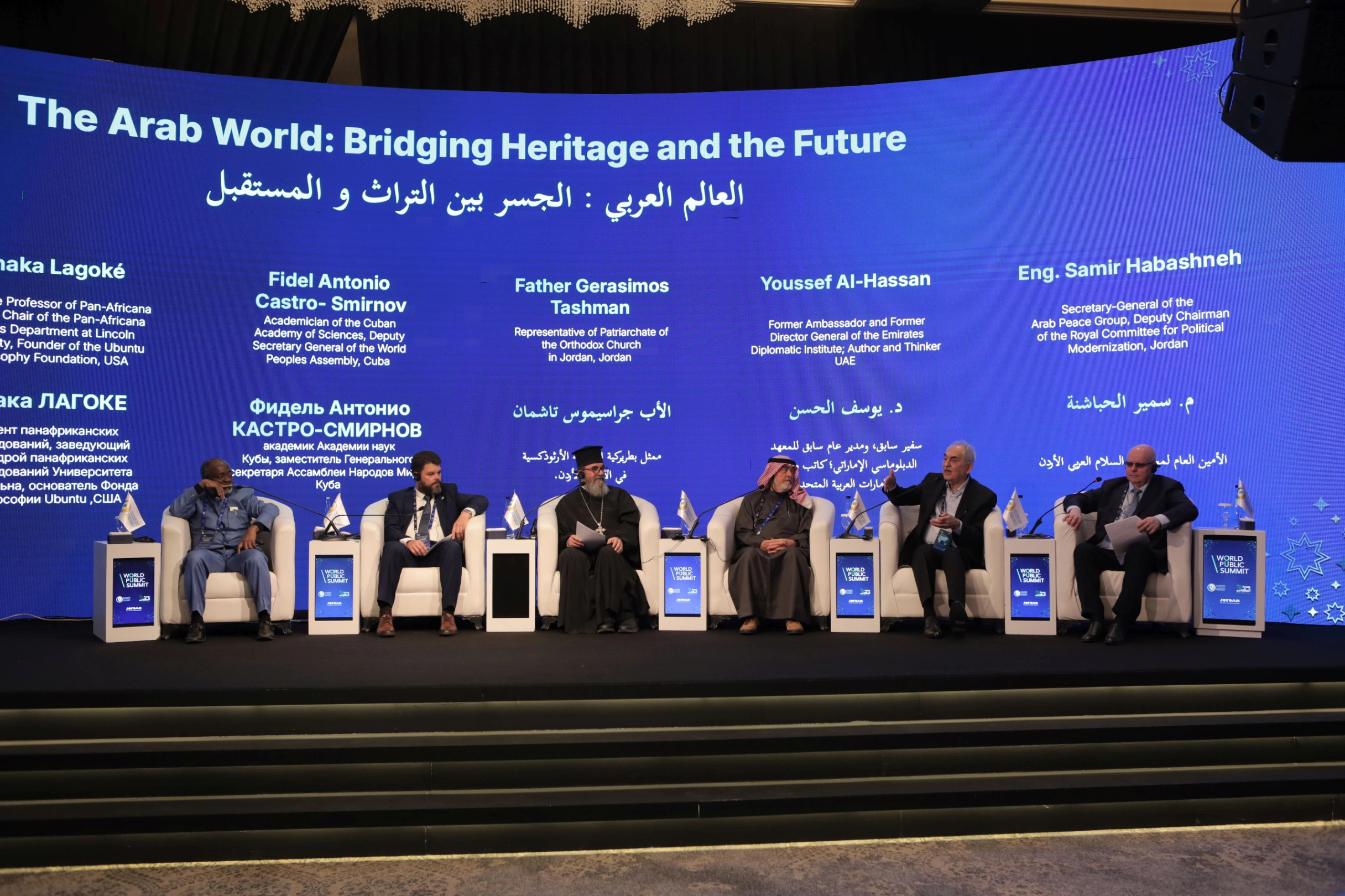
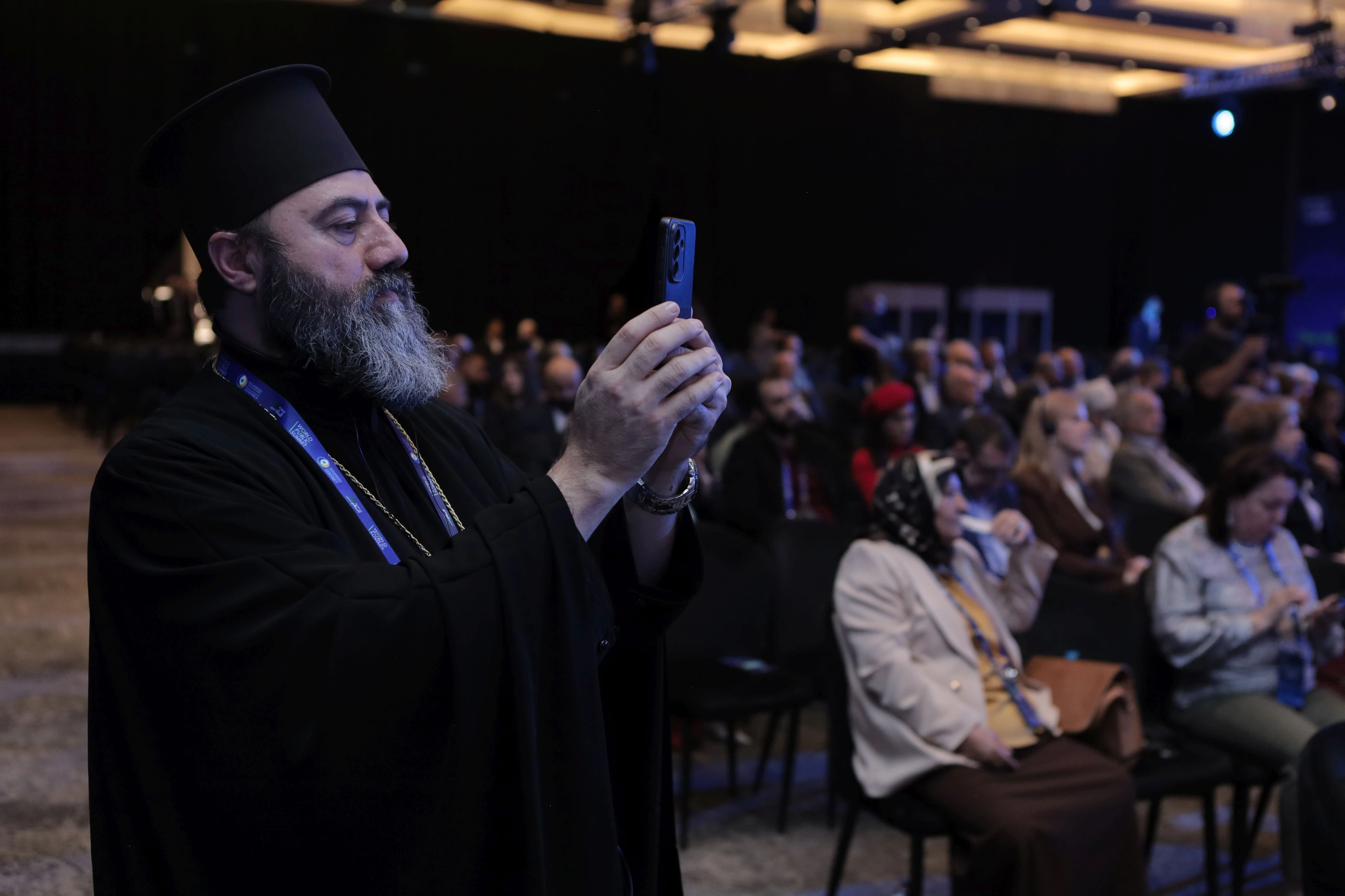
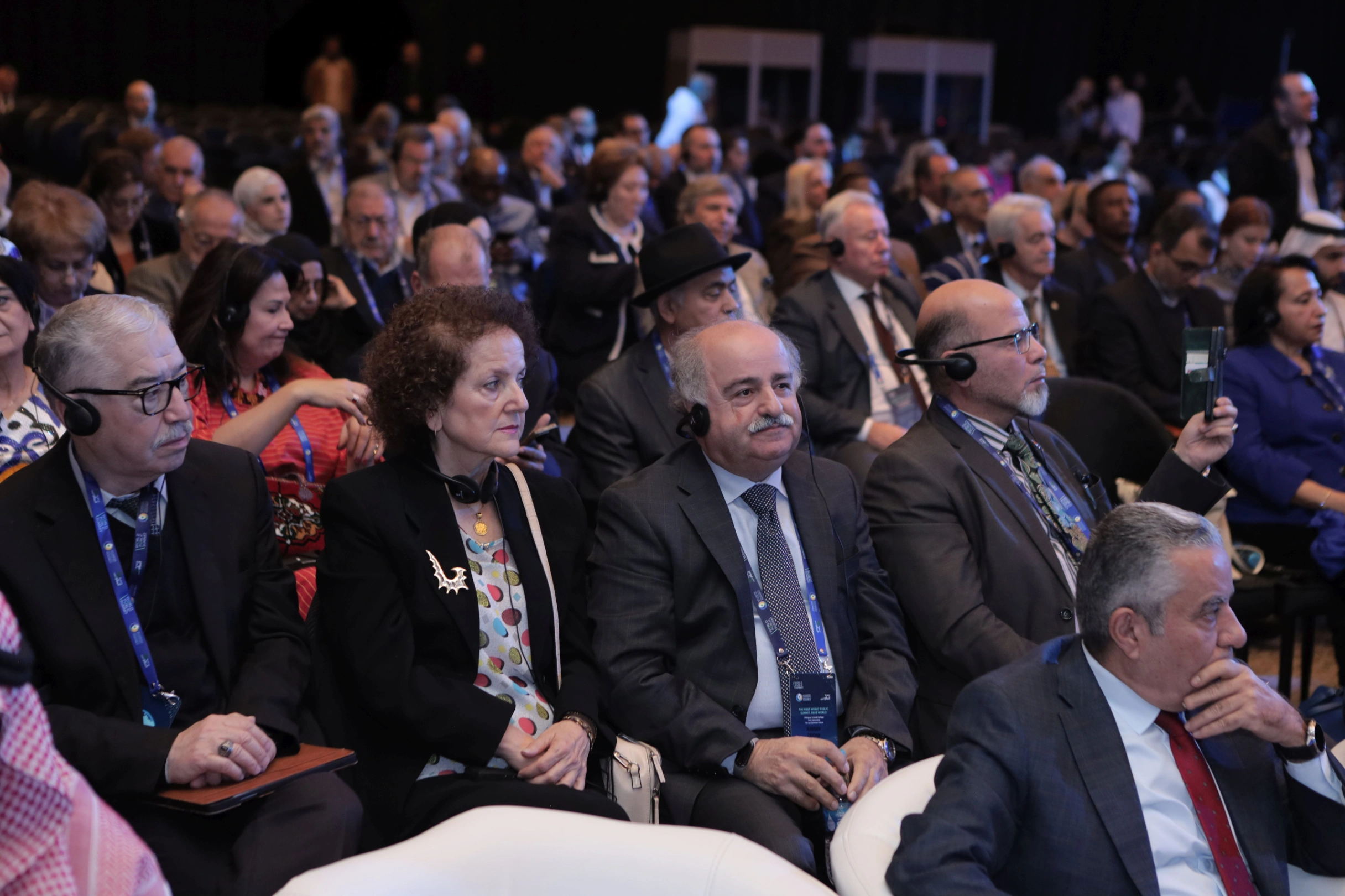
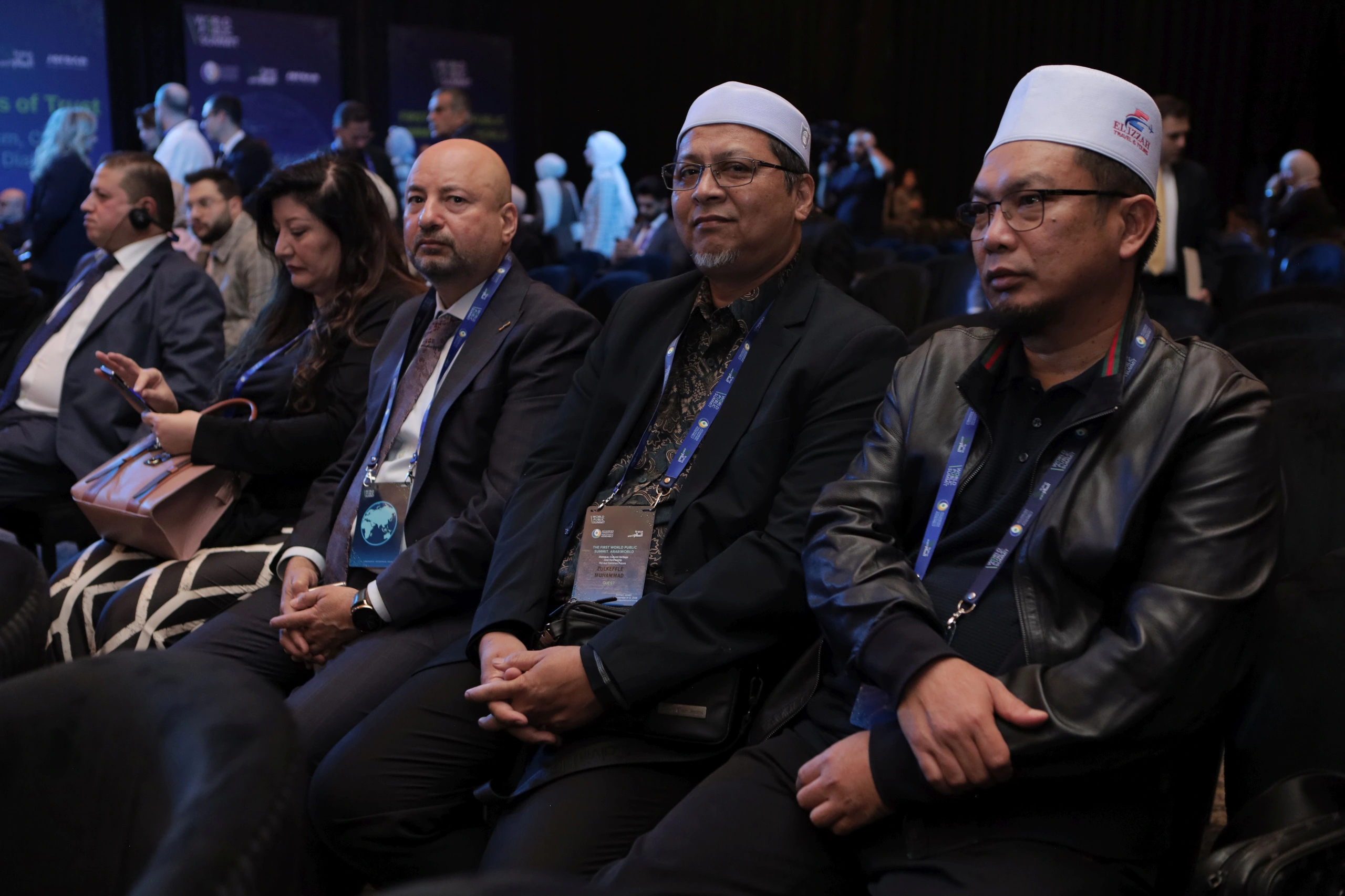
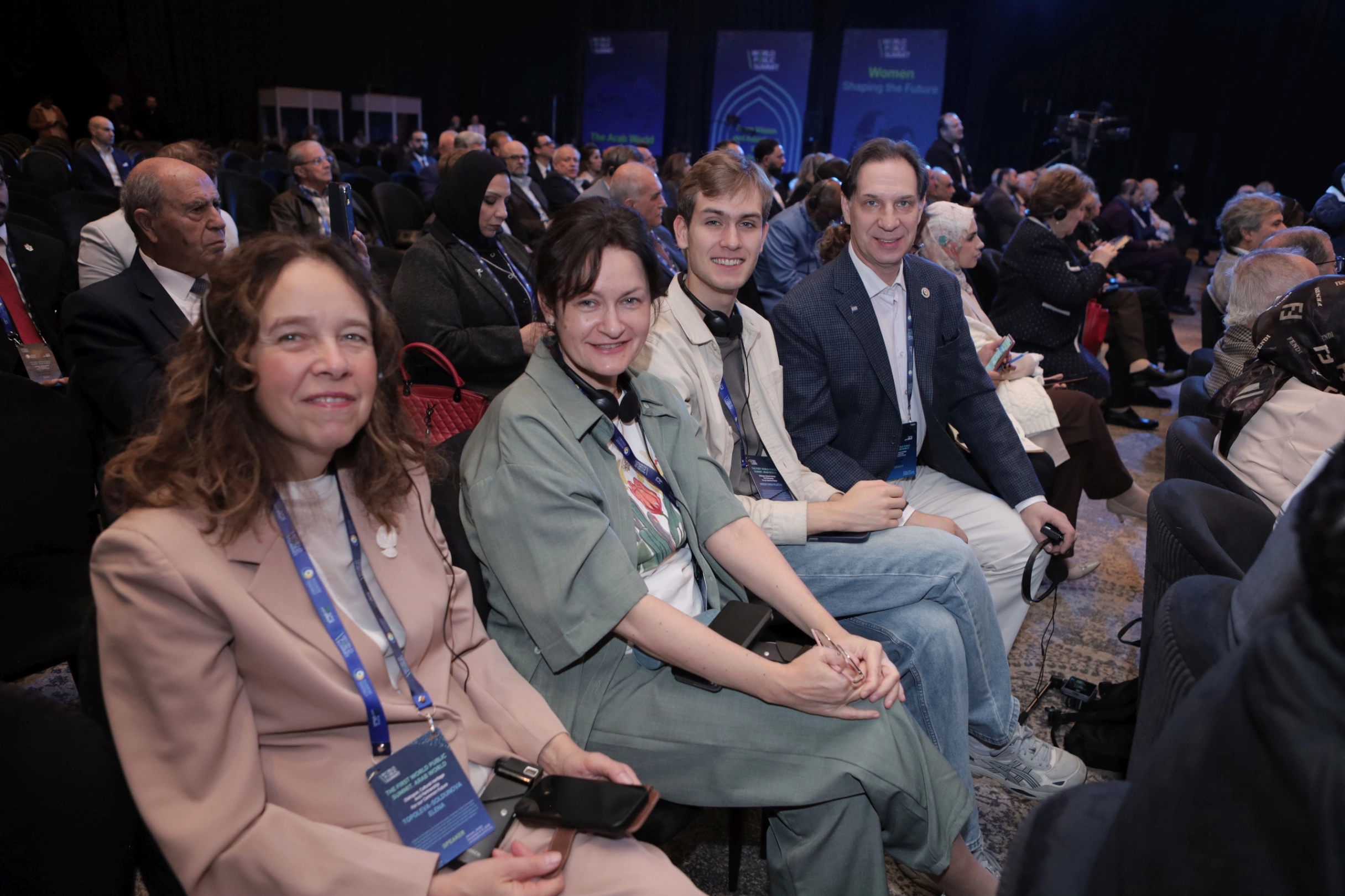
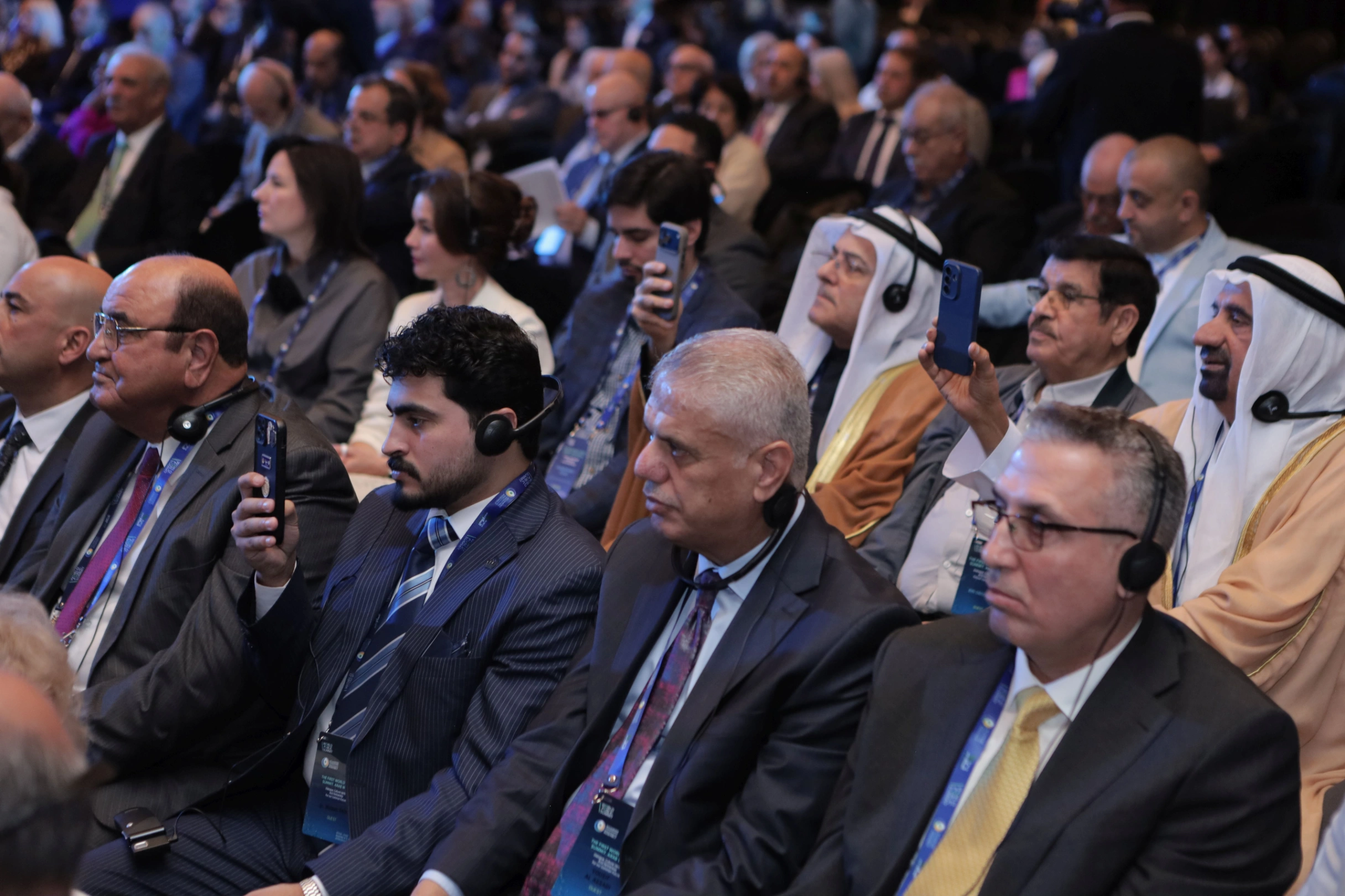
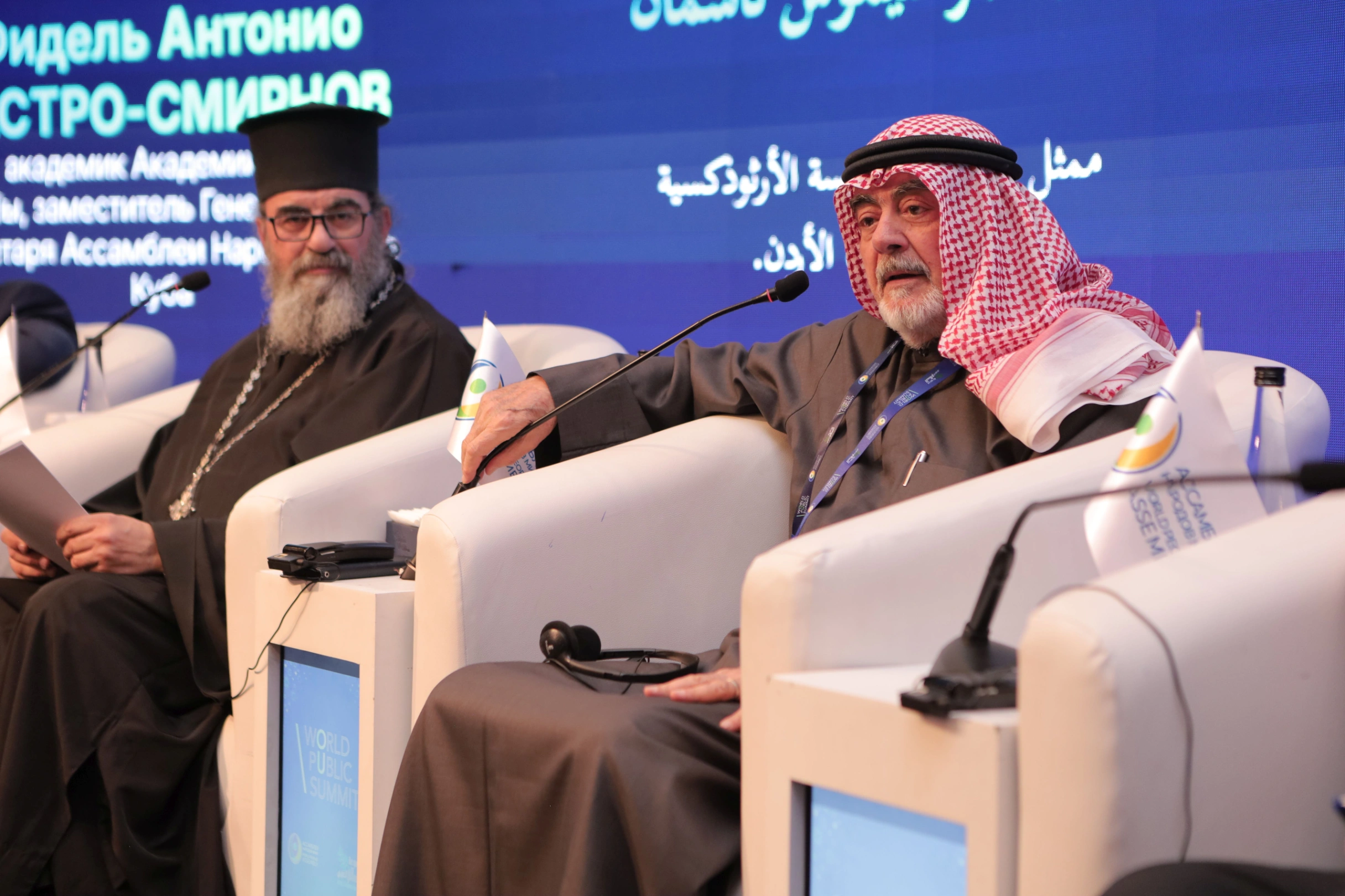
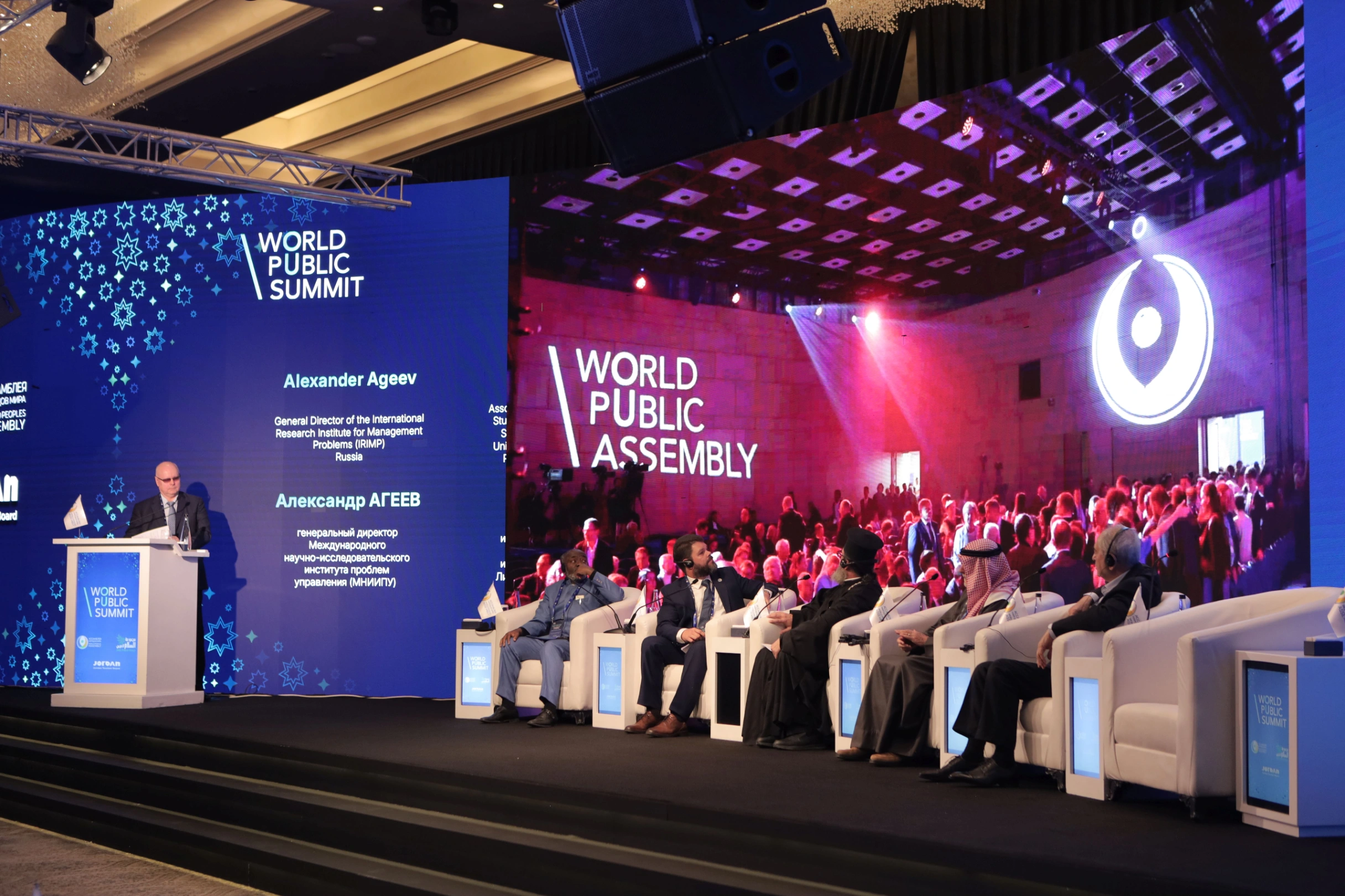
The Plenary Session "The Arab World: Uniting Heritage and the Future" was held on 10 November 2026 in Jordan (Amman) within the framework of the I World Public Summit: The Arab World "Dialogue, Cultural Heritage and Partnership for a Shared Future." The event was organized by the World Peoples Assembly and the Arab Peace Group with the support of partners from Jordan, Russia and other countries.
The participants focused on the preservation of cultural identity in the context of globalization and the strengthening of mutual trust between peoples. A conversation about the future inevitably begins with the individual: with their right to raise children in peace, to preserve their native language, to receive quality education and to actively influence the life of their community. It was through this humanistic prism that the session examined the prospects for international cooperation and new opportunities for public diplomacy.
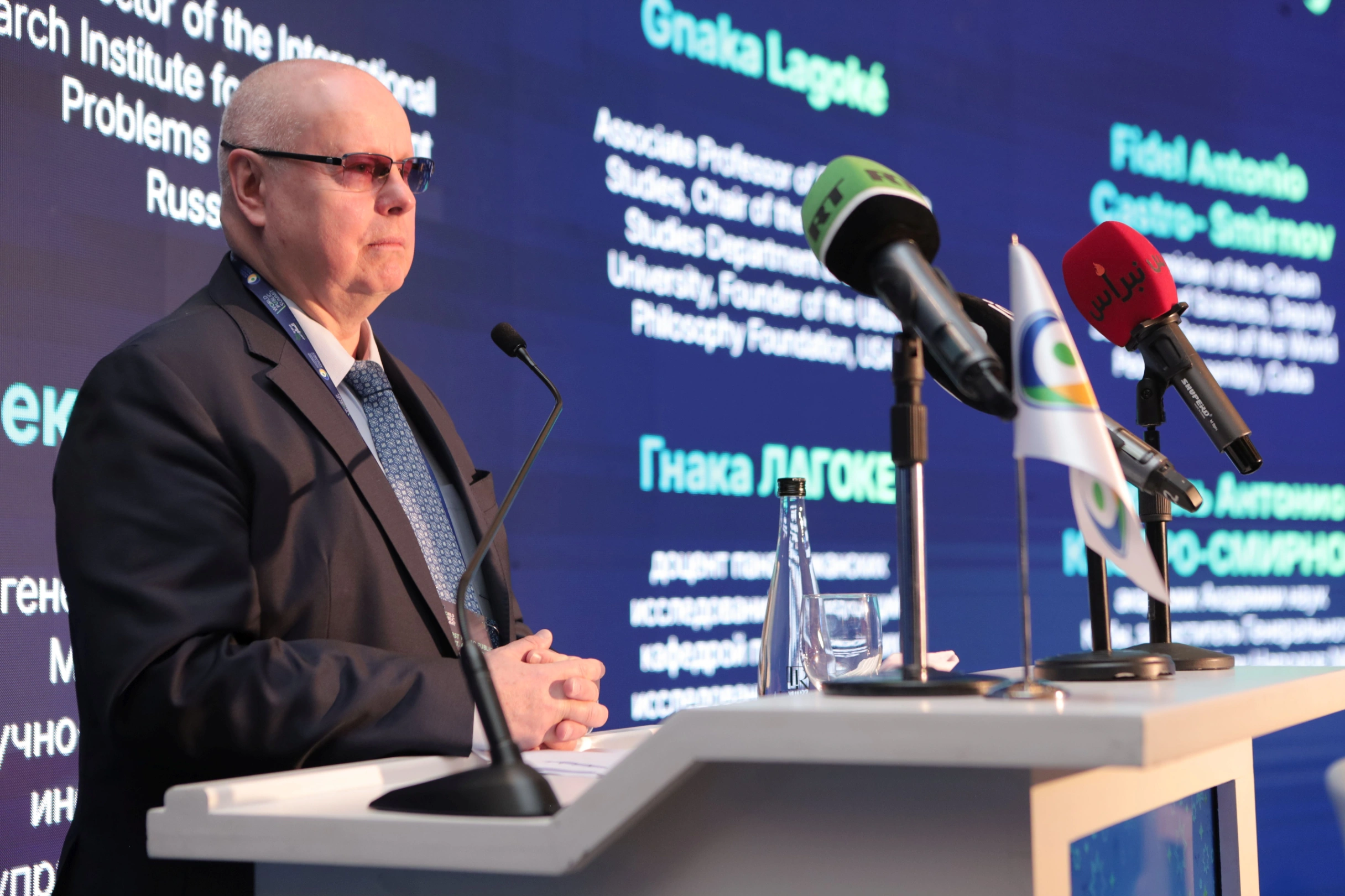
The discussion was moderated by Alexander Ageev, Director General of the International Research Institute for Management Problems, member of the General Council and Chairman of the Scientific and Expert Council of the World Peoples Assembly, member of the Club of Rome, and Samir Habashneh, Secretary General of the Arab Peace Group, Deputy Chairman of the Royal Committee on Political Modernization.
The experts outlined the key agenda of the meeting, emphasizing that the centuries-long experience of the Arab world in the interaction of cultures, the development of science and the maintenance of social solidarity has enormous potential for addressing contemporary global challenges - from educating young people to strengthening trust between countries.
This idea was developed by writer and thinker from the United Arab Emirates, former ambassador and Director General of the UAE Diplomatic Institute Youssef Al-Hassan. At the center of his speech were cultural traditions and shared values that enable constructive dialogue while preserving one's own identity and showing respect for the experience of other peoples.
- Heritage continues in everyday decisions: what we teach children, how we treat our elders, how carefully we handle words and whether we are ready to support a person in a difficult situation. It is here that the international conversation about values acquires a meaning understandable to everyone, – noted the speaker.
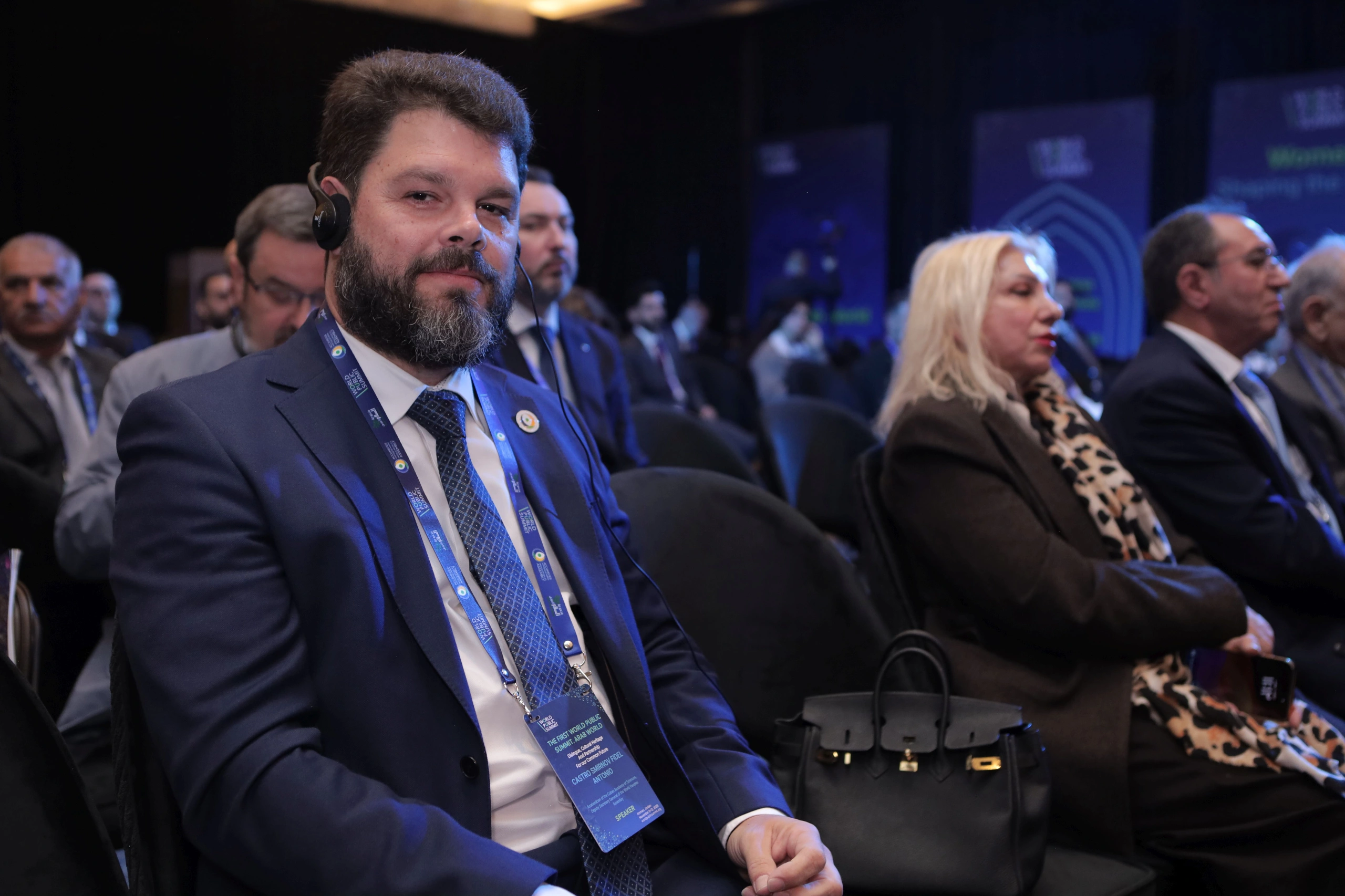
From the cultural context, the discussion moved on to the opportunities of science and education. This topic was elaborated by Fidel Antonio Castro-Smirnov, academician of the Academy of Sciences of Cuba, Deputy Secretary General of the World Peoples Assembly, representative of a new generation of international public leaders. According to the expert, cooperation between universities and research centers creates a unique space for jointly addressing global challenges.
- The exchange of knowledge and the participation of young specialists in international projects help build relationships designed for decades. For the Arab World, which possesses a rich scientific heritage and significant human potential, this is one of the key directions for developing partnership with other regions. And for young people, it is a real opportunity to find their place in a common cause, – he stated.
Nyaka Lagoke, Head of the Department of Pan-African Studies at Lincoln University and founder of the Ubuntu Philosophy Foundation, devoted his speech to the formation of mutual responsibility between people living on different continents. The speaker emphasized that drawing on traditional ideas of solidarity in different cultures makes it possible to identify fundamental foundations for cooperation: respect for the individual, mutual support and awareness of the inseparable connection between personal well-being and the prosperity of the community.
- Participation in a joint project makes an abstract connection tangible. It acquires names, faces and concrete outcomes: whether it is an educational program, scientific research, a cultural initiative or real assistance to people, - summarized the expert.
Father Gerasim (Tashman), representative of the Patriarchate of the Orthodox Church in Jordan, spoke about the spiritual foundations of interpersonal relations. He noted that mercy, justice, care for one's neighbor and responsibility for one's words and actions are the universal guidelines that help people of different faiths and traditions find common ground and maintain mutual respect.
The Plenary Session formed a clear agenda for the further work of the summit, identifying key challenges: which formats of partnership are most in demand today, how to effectively involve young people in them and what contribution public, academic and professional communities can make.
For the World Peoples Assembly, common values remain the foundation of conscious unity, the practical embodiment of which begins where the participants in the dialogue assume real responsibility for a joint cause.
In Amman, the conversation about cultural heritage naturally transformed into a conversation about strategic choice: what must be preserved, what should be given new development and what meanings we will pass on together to the next generations.
Additional information is available on the official website of the World Peoples Assembly, on its VKontakte and Telegram accounts, and at media@world-assembly.org.