

How "Letters of Happiness" became the Language of Public Diplomacy on the Sidelines of the World Public Summit in Amman
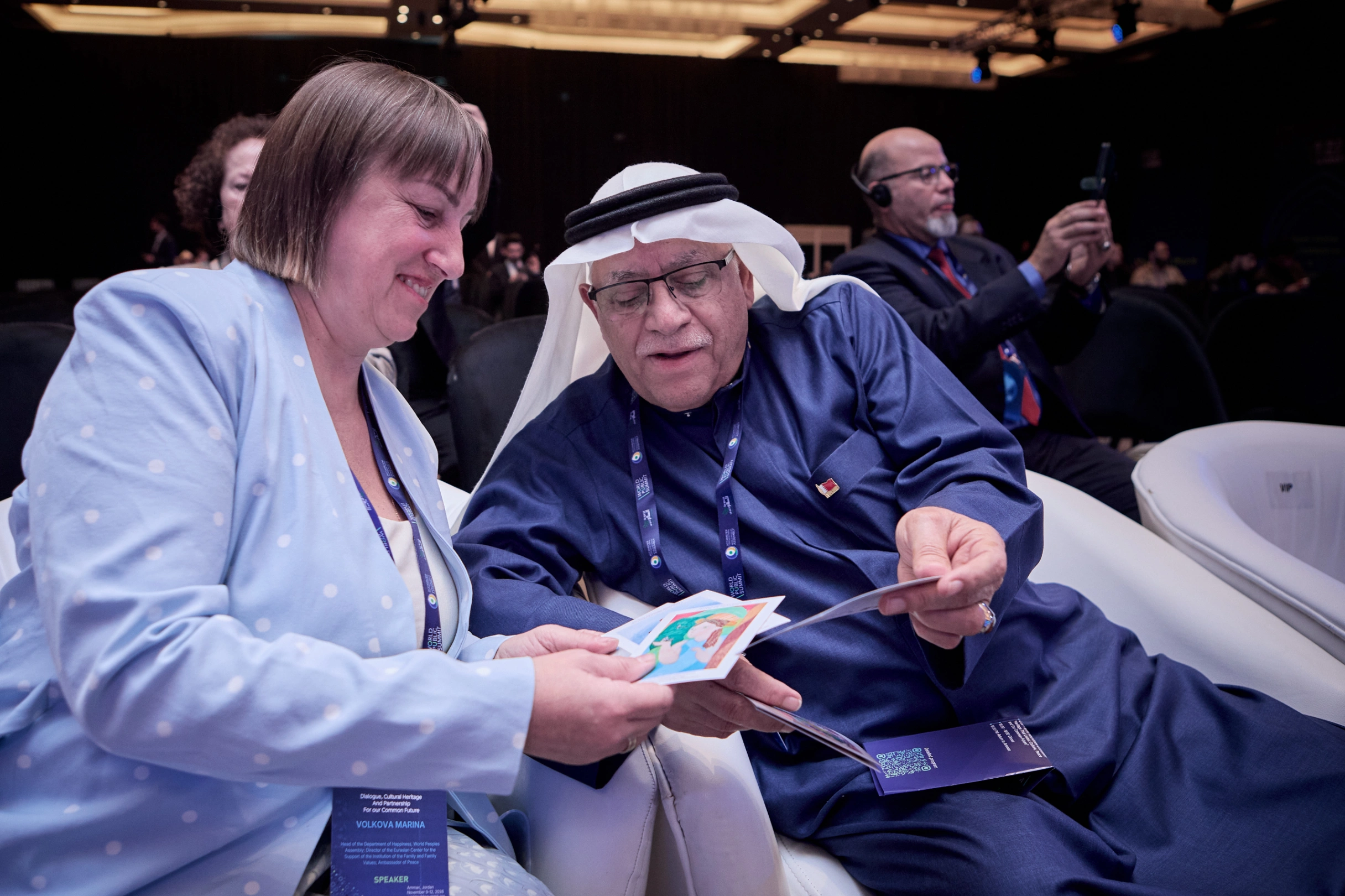
The International action "Letters of Happiness" took place in Amman (Jordan) at the site of the First World Public Summit: Arab World "Dialogue, Cultural Heritage and Partnership for a Shared Future", held in November 2026.
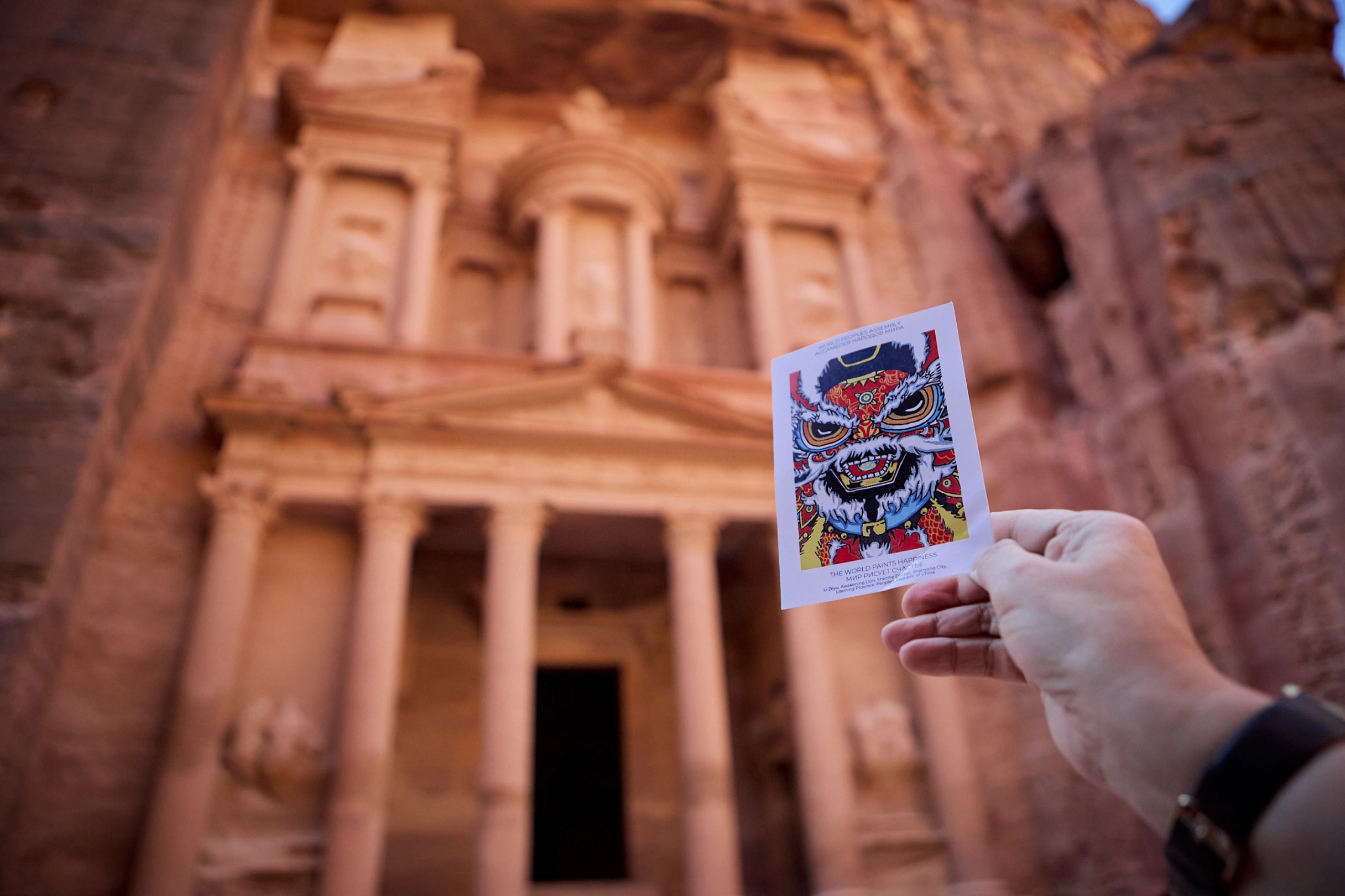
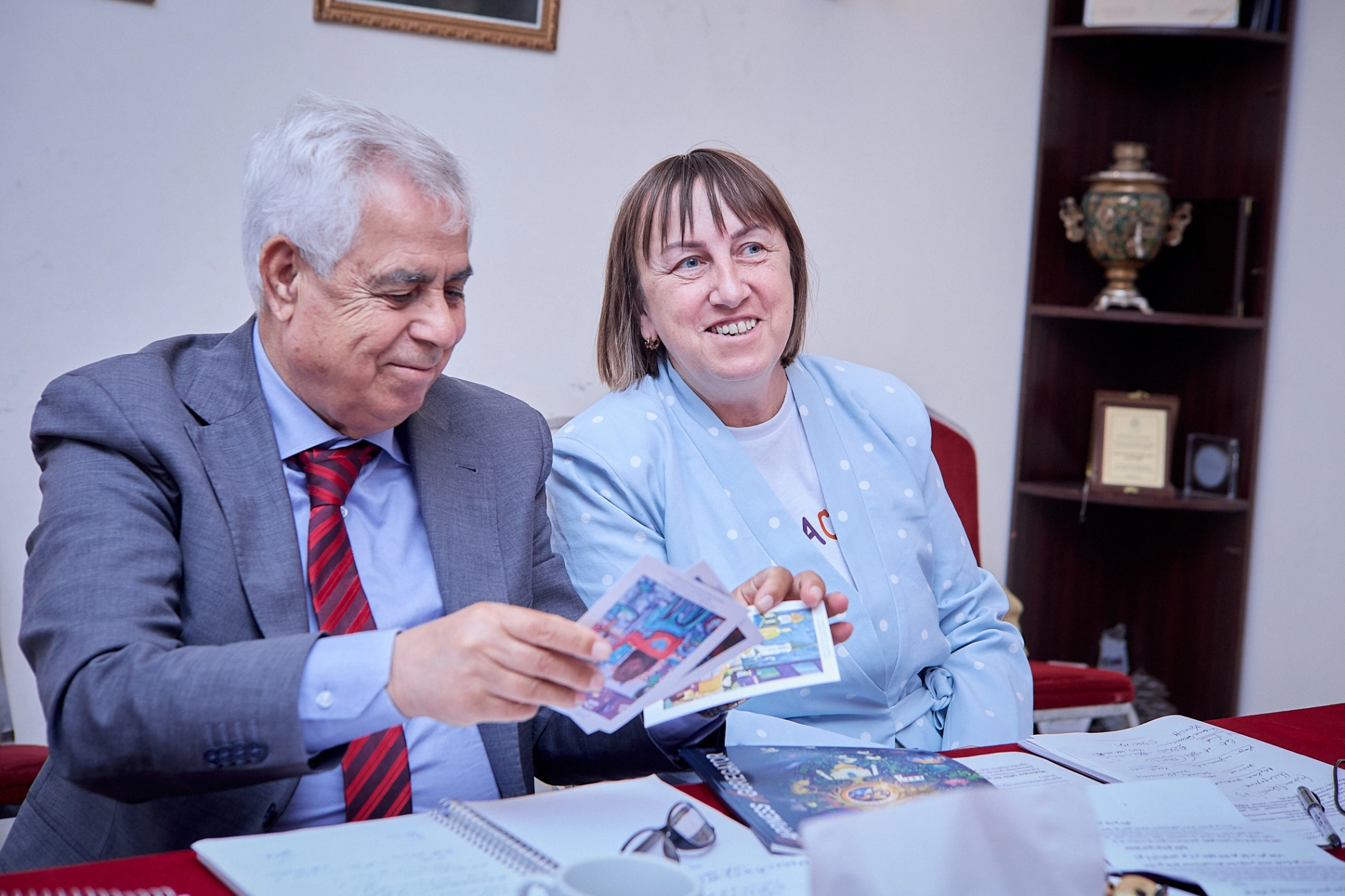
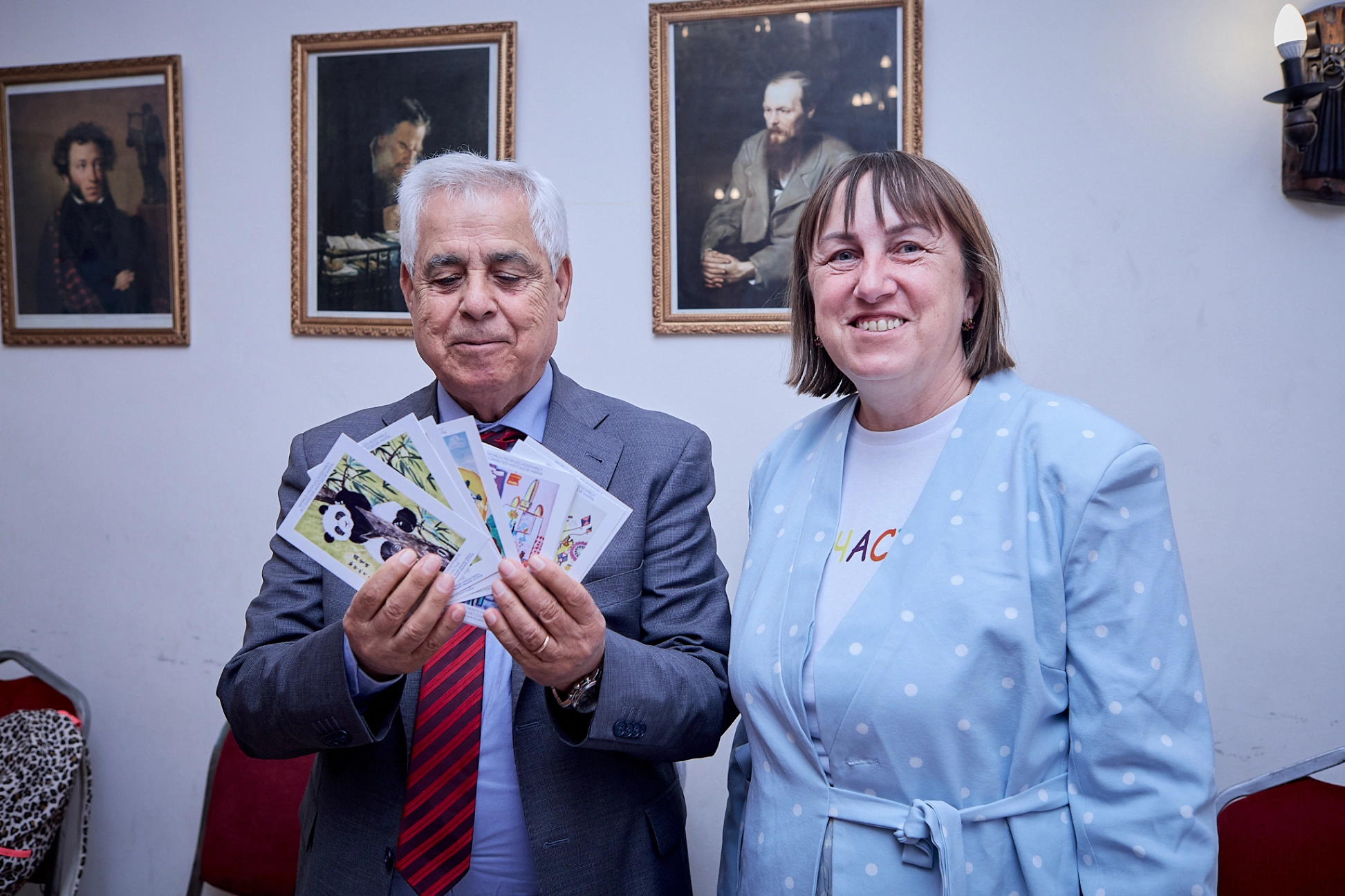
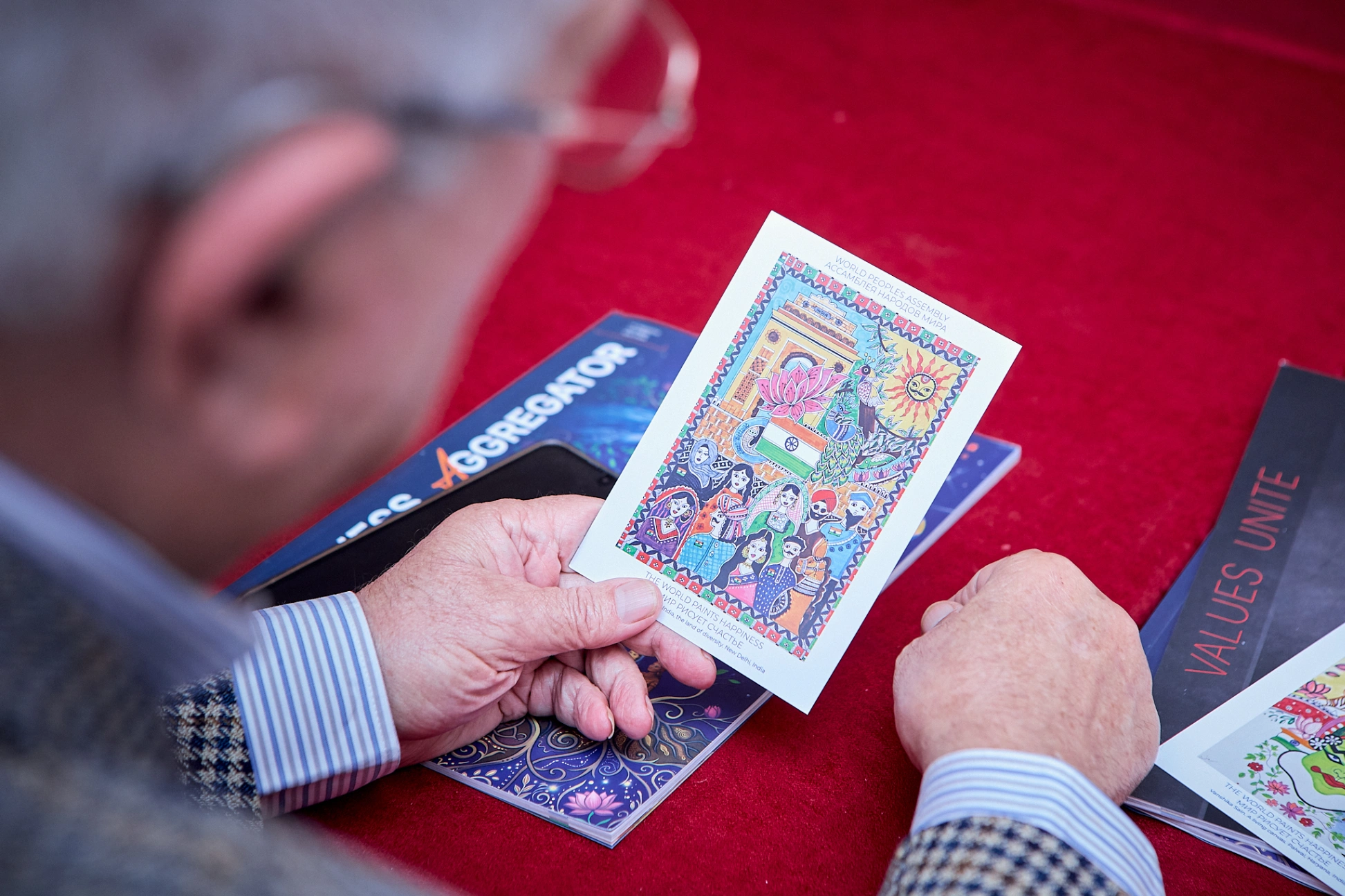
Each participant who picked up a brush to paint a snow-white camel, a traditional symbol of unity, human virtue and beauty in Arab culture, received a real "Letter of Happiness" as a gift. This is a unique postcard with the drawings of the participants of the International Festival "The World Paints Happiness".
The tradition of "Letters of Happiness" originated five years ago at the initiative of Andrey Belyaninov, the Secretary-General of the World Peoples Assembly. Initially, the project was conceived as a way to convey a personal, warm message from heart to heart to the most remote corner of the planet. Over time, the movement itself has grown into something much bigger, becoming an effective tool of public diplomacy.
Today, the postcards feature drawings created in 44 countries around the world as part of the International Festival “The World Paints Happiness”, canvases by professional artists from India, China, Russia and the Arab States, as well as images of fragments of the “Peace Belt” Art Project. At the First World Public Summit: The Arab World, about three thousand such messages were sent around the world.
The participants, who had just touched on creativity themselves, accepted as presents “Letters of Happiness” - fruits of inspiration from the Summit delegates from China, Nigeria, Russia, Syria, Tunisia, France and other countries. This exchange was the special symbolism of the action: the camel became a common artistic space, and the "Letters of Happiness" turned into a connecting thread not only between authors and addressees, but also between cultures of different nations. The initiative has clearly demonstrated that art and goodwill are the most understandable and convincing language in the world that does not require translation.
Additional information is available on the official website of the World Peoples Assembly, on its VKontakte and Telegram accounts, and at media@world-assembly.org.