

 Back to news
Memory is Stronger Than Time: a Conference was held in Kitzkanakh to Preserve the Memory of the Yasko-Chișinău Operation
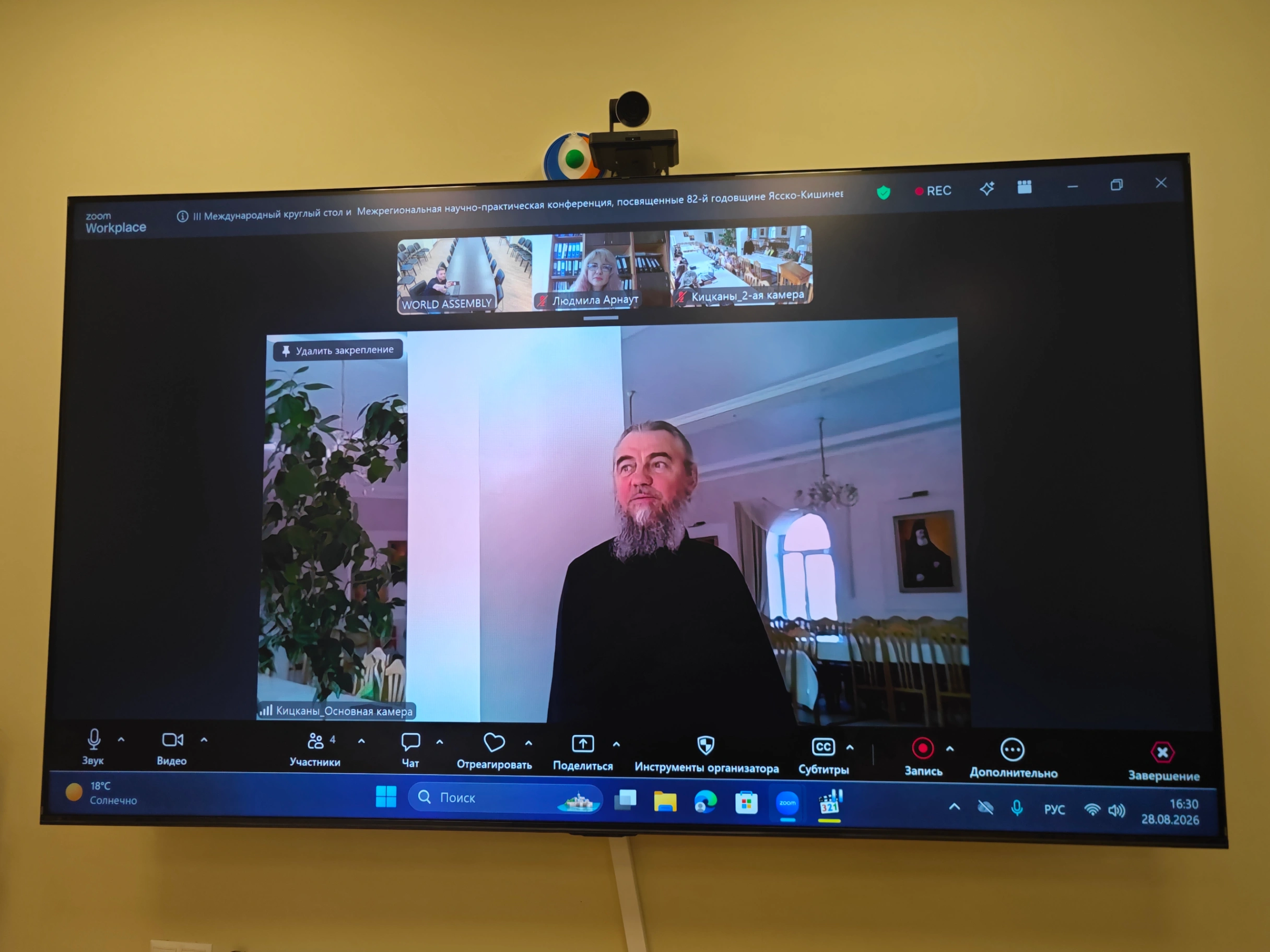
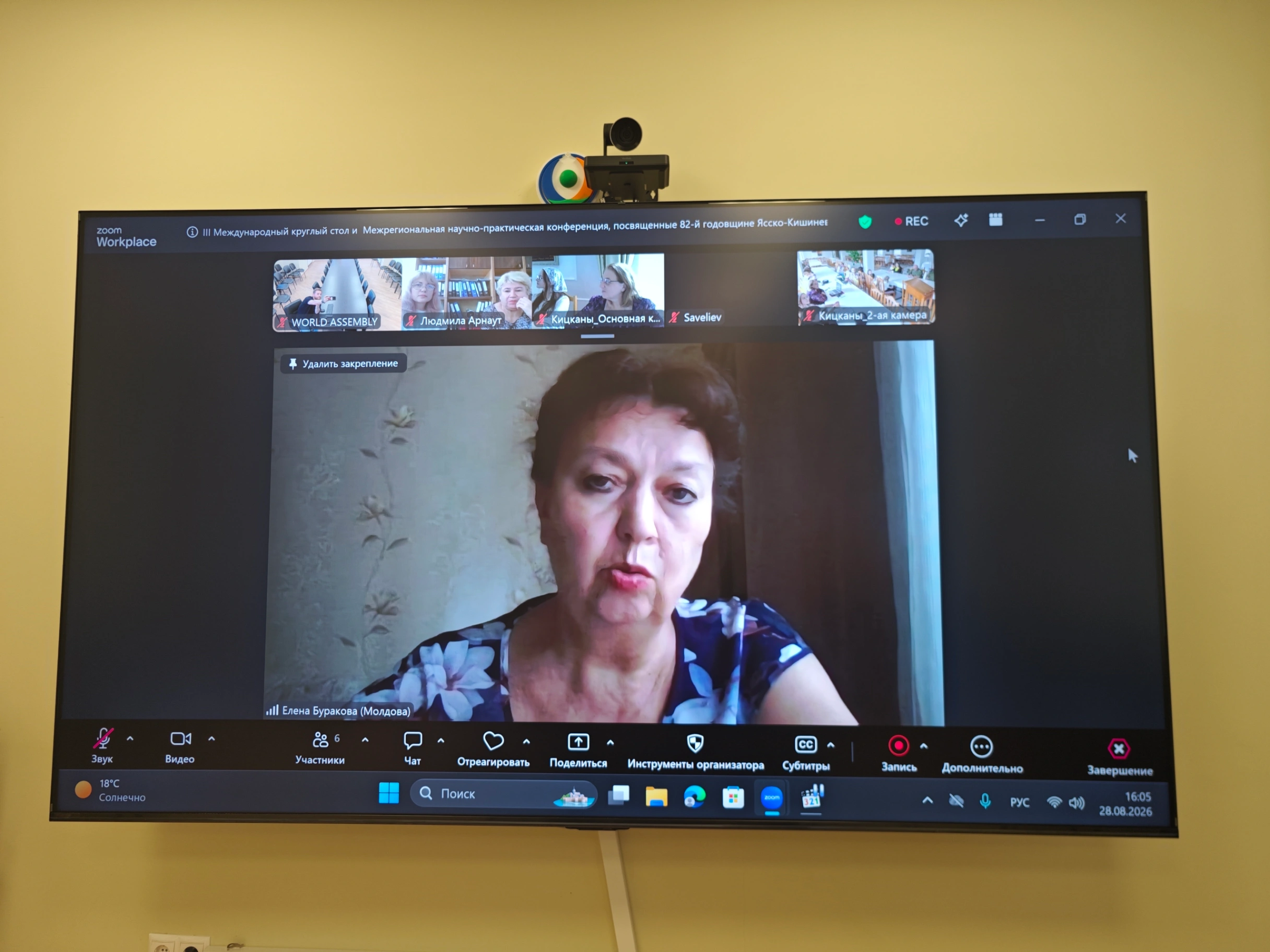
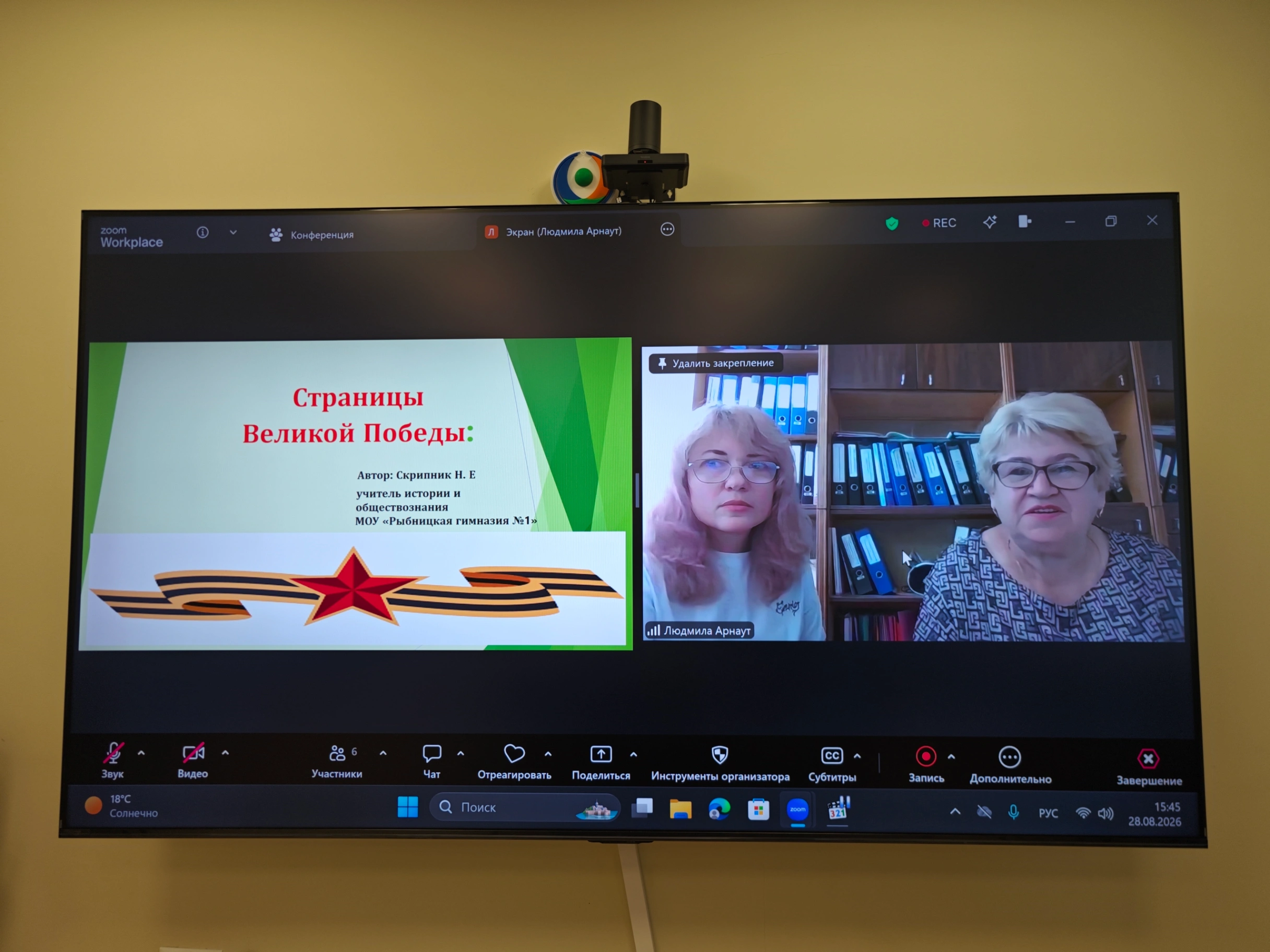
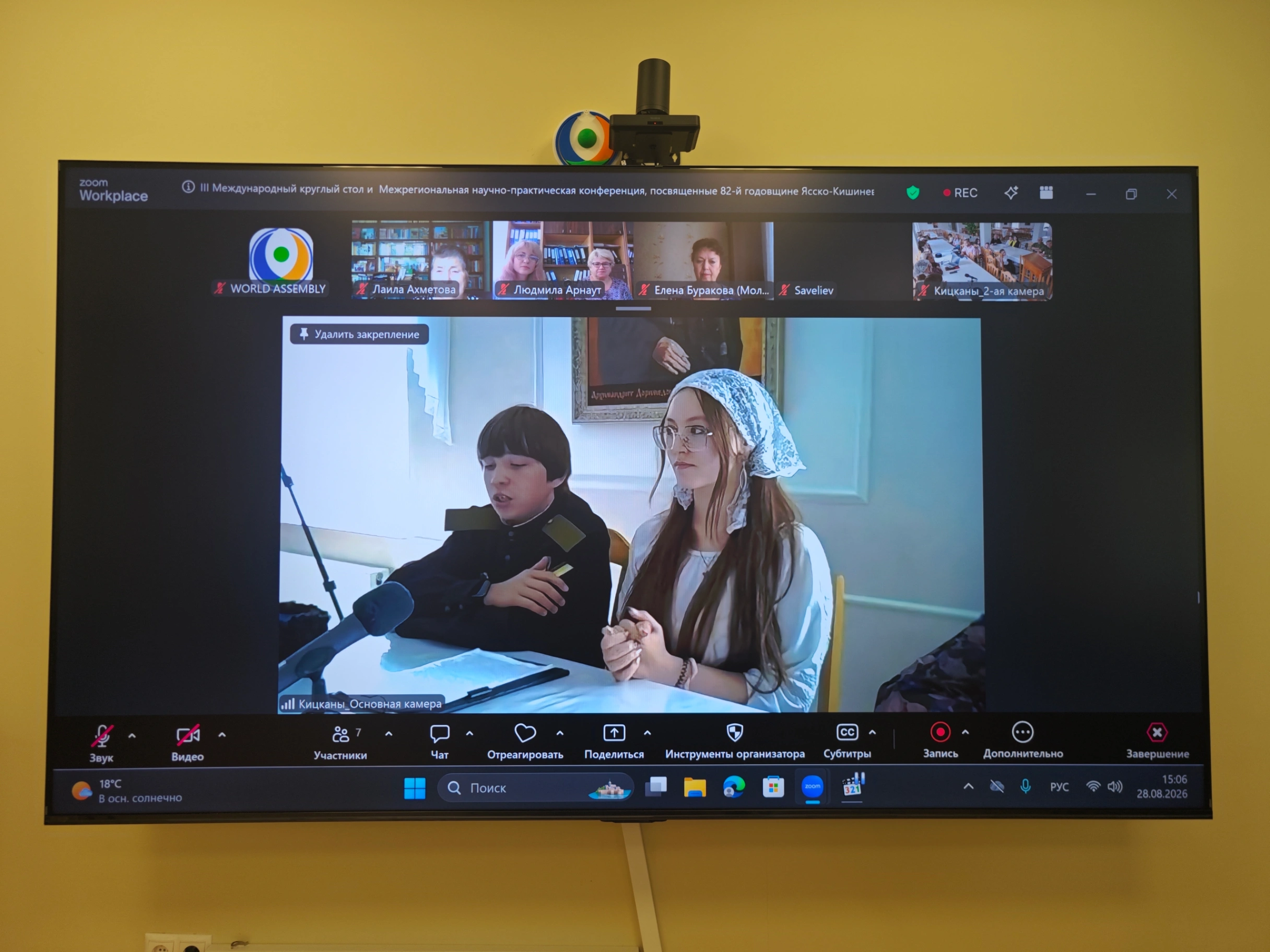
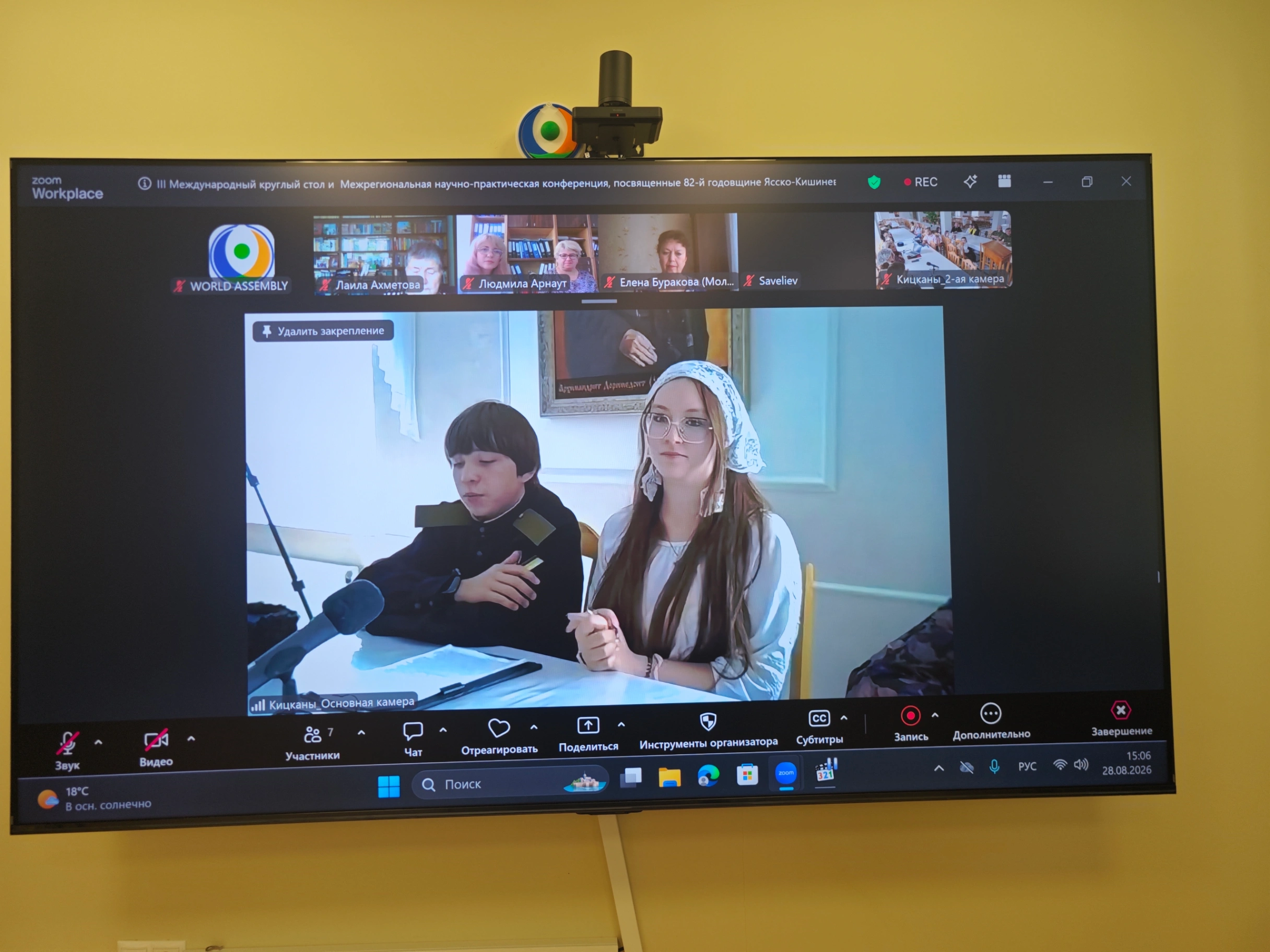
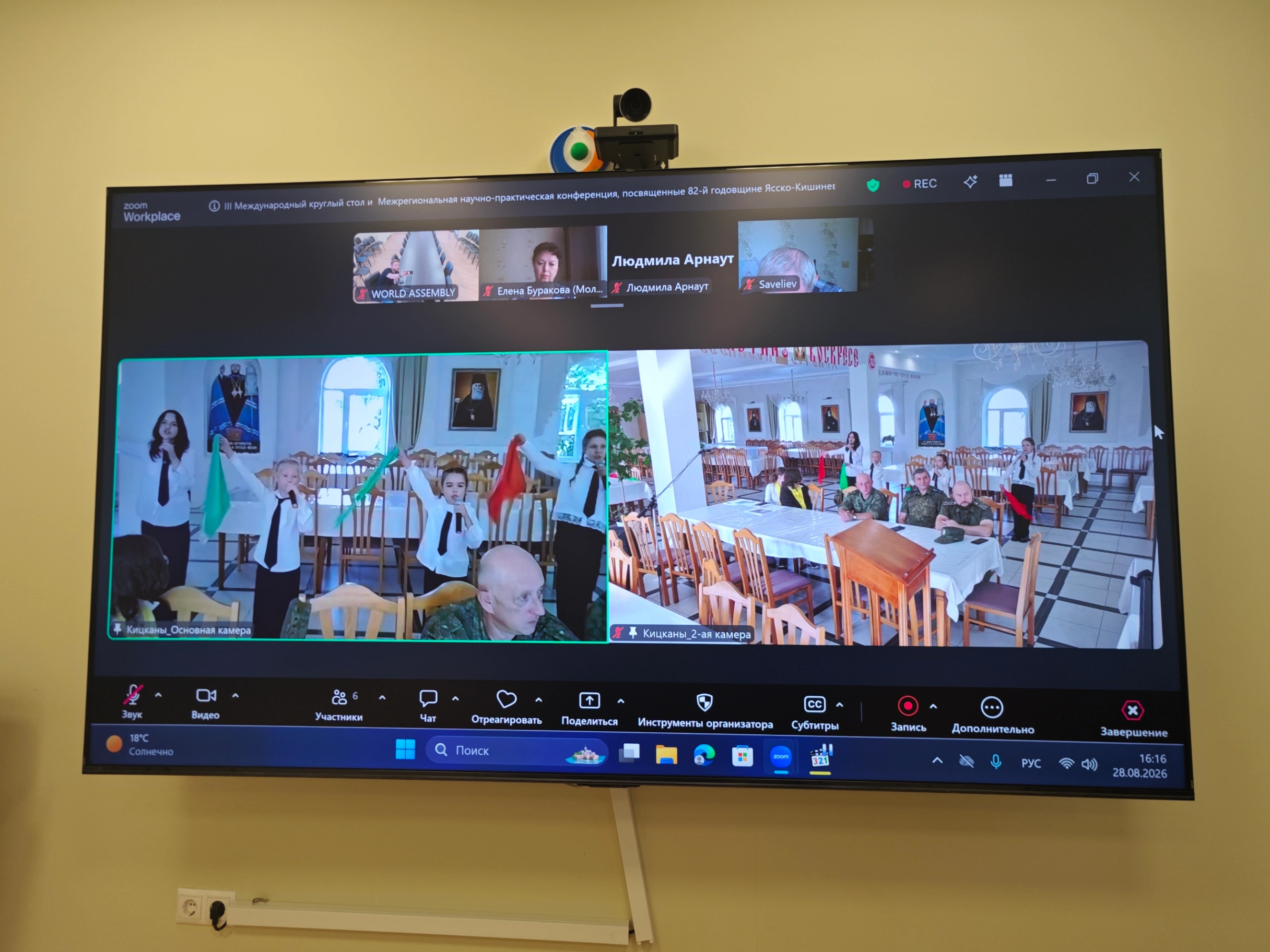
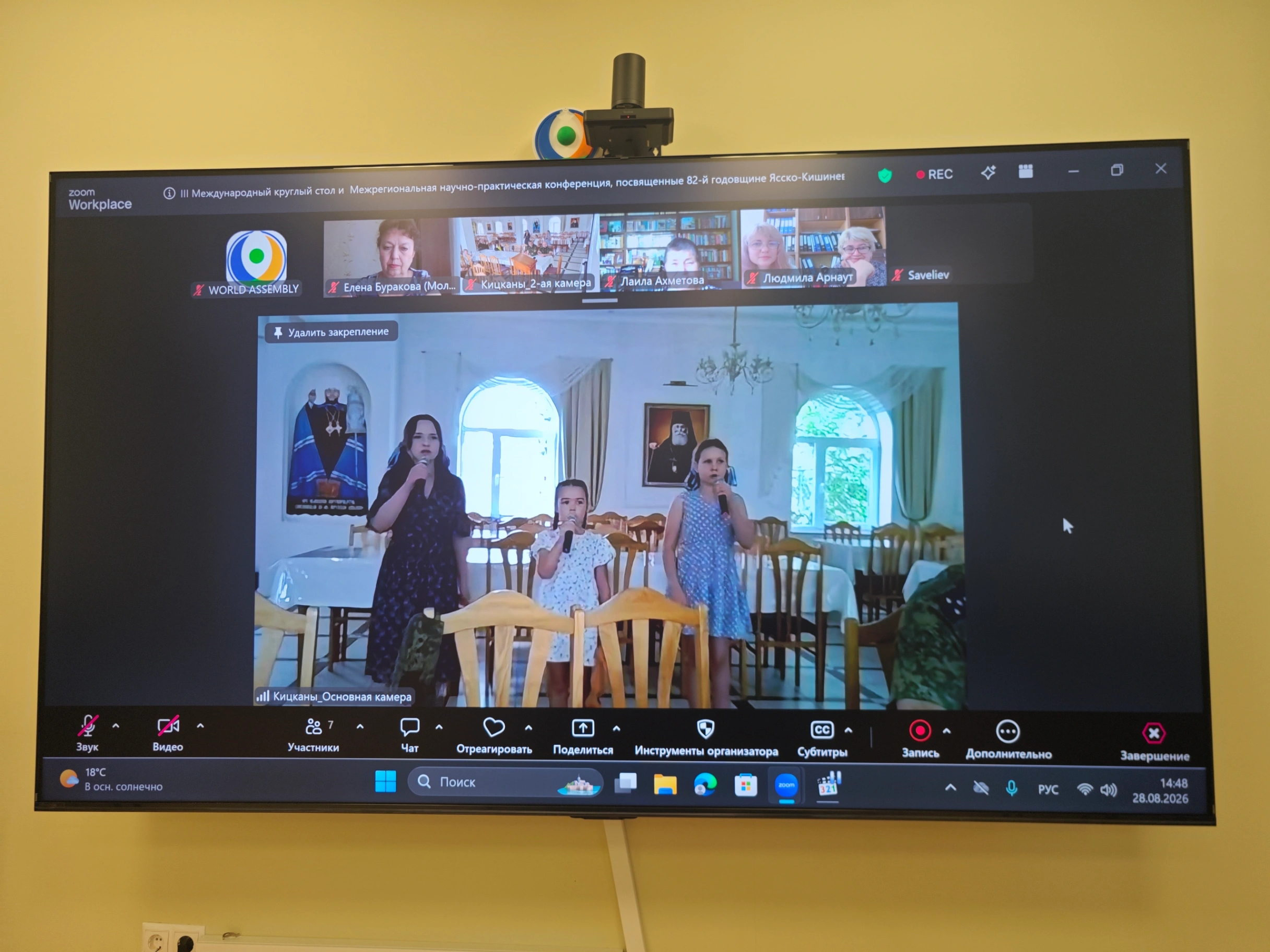
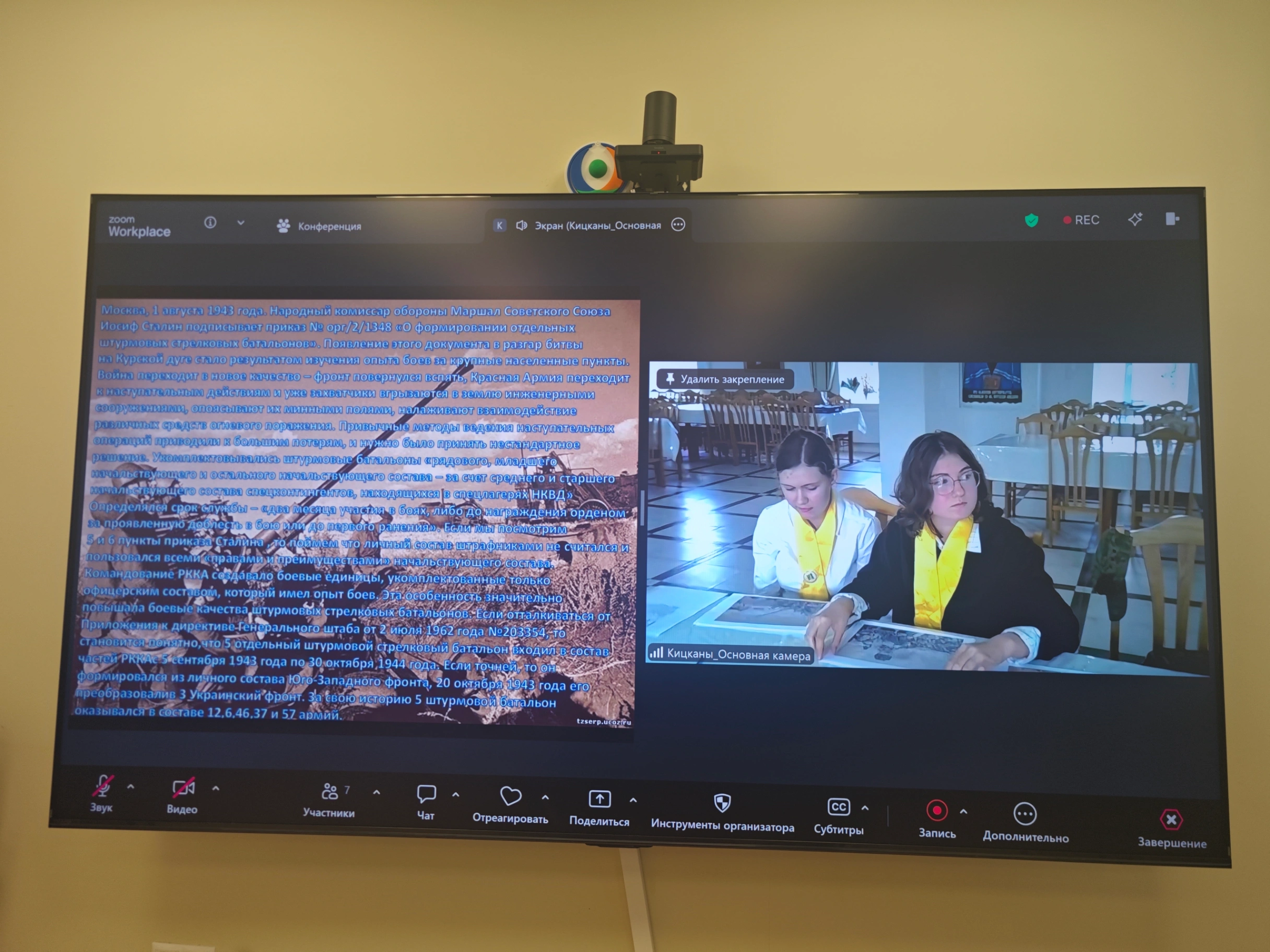
An international round table and an interregional scientific and practical conference dedicated to the 82nd anniversary of the Iasi-Chisinau strategic offensive operation, one of the most successful operations of the Great Patriotic War, were held on August 28, 2026 at the Kitskan Holy Ascension Novo-Nyametsky Monastery.
The conference was attended by representatives of Russia, Kazakhstan, Moldova and Pridnestrovie, public and veteran organizations, historians, teachers, clergy, representatives of the Cossacks, schoolchildren and youth.
The organizers were the World Peoples Assembly and the Cultural Center "My Orthodox Homeland". Representatives of the Black Sea Cossack Army of Transnistria took an active part in the conference.
The speakers included:
Valery Ruzin — Deputy Secretary General of the World Peoples Assembly;
Father Paisii is the abbot of the Kitskan Monastery;
Svetlana Sokolovskaya — Director of the Cultural Center "My Orthodox Homeland";
Laila Akhmetova — Professor, Chairman of the Council on Historical Memory of the World Peoples Assembly;
Elena Burakova— Deputy Chairman of the Congress of Russian Communities of the Republic of Moldova on Education and Science;
Yuri Ilyashenko — Chairman of the Council of Veterans of War, Labor and the Armed Forces of the city of Bendery;
Lyudmila Arnaut — Deputy Director for Educational Work, teacher of Rybnitsa Gymnasium No. 1;
Igor Nebeygolova — Ataman of the Black Sea Cossack Army of Transnistria;
Maxim Sidorov — Head of the Directorate for the Preservation of Historical Memory of the World Peoples Assembly
and many others.
The Iasi-Kishinev operation, conducted in August 1944, became one of the most striking examples of the military art of the Red Army. Its rapid success led to the defeat of a large enemy group, the liberation of Moldova, and a significant change in the military and political situation in Southeastern Europe.
The venue of the meeting itself was of particular importance. The Kitskan bridgehead is directly connected with the events of August 1944 and the preparation of the offensive. Therefore, the conversation about preserving historical memory took place not in an abstract space, but on earth, which itself preserves the memory of the war, the heroic deeds of soldiers and the price of liberation. One of the main topics of the meeting was the preservation of the historical truth about the Great Patriotic War and the transfer of memory to the next generations.
Valery Ruzin, Deputy Secretary General of the World Peoples Assembly, welcomed the conference participants.
— The most important thing we can do in this world is to pass on our feelings and our knowledge to the younger generations, who must carry our Victory Banner further. It is wonderful that you are holding this conference with young people, -said Valery Ruzin.
The rector of the Kitskan Monastery, Father Paisii, addressed the participants with a welcoming speech. His speech gave the event a special human tone — the conversation about the war sounded primarily like a conversation about memory and gratitude.
— You need to know the history and not forget it. They gave their lives for us. Therefore, we must remember, remember with a kind word, - Father Paisii emphasized.
The round table was moderated by Svetlana Sokolovskaya, Director of the My Orthodox Homeland Cultural Center. She paid special attention to working with children and adolescents, emphasizing that memory preservation is impossible without systematic historical education of young people.
— It is completely futile to talk about preserving historical memory without engaging in historical education of young people. Children who are interested in history should be given the opportunity to participate in research, create videos, and collect search information, - said Svetlana Sokolovskaya.
She also suggested developing youth exchanges, conducting workshops and consultations with the participation of historians, archivists, documentary filmmakers and specialists in working with historical sources.
Professor Laila Akhmetova, Chairman of the Council on Historical Memory of the World Peoples Assembly, addressed the participants in an international format.
— The most important thing is that we need to work with young people. And it's wonderful that you represent children's creativity and children's research work. The more of us there are — people who preserve the historical memory of the Great Patriotic War and the Second World War — the stronger and more united we will be. We need to unite," - Laila Akhmetova emphasized.
She also spoke about the international project "Gift to the Motherland", which brought together 132 projects from 24 countries around the world. It clearly demonstrates how international humanitarian initiatives that unite people around the topic of historical memory are in demand today.
Elena Burakova, Deputy Chairman of the Congress of Russian Communities of the Republic of Moldova on Education and Science, joined the conference. She touched upon issues of historical education, youth initiatives, preservation of documentary evidence, as well as the development of sightseeing and memorial projects related to the history of the Great Patriotic War.
Chairman of the Council of Veterans of War, Labor and the Armed Forces of the city of Bendery, Yuri Ilyashenko, presented a report on the Iasi-Chisinau offensive operation. Separate presentations were devoted to the projects "Book of Memory" and "Living Thread".
Lyudmila Arnaut, Deputy Director for Educational Work, teacher of Rybnitsa Gymnasium No. 1, presented the theme "Children of War" and showed the film "There is no future without the memory of the past."
The students of Rybnitsa Gymnasium No. 1 presented their research. The students talked about the fate of the war participants, the combat path of military units, monuments and memorials related to the events of the Great Patriotic War. Among other things, the military-historical excursion route to places of military glory "No one is forgotten — nothing is forgotten", the project "Link between generations: through milestones of heroic history", as well as materials about the Museum of Military Glory of the village of Kitskany were presented.
It is this kind of collaboration between teachers and children that allows us to move from studying dates and facts to understanding the fate of specific people and the history of our native land. The participation of schoolchildren gave the meeting a special meaning: the memory of the events of 1944 sounded not only from the mouths of historians and veterans, but also through the research of those for whom the Great Patriotic War is already the history of a family, city, village and country.
During the event, special attention was paid to the role of the Cossacks in preserving historical memory. The conference was attended by representatives of the Black Sea Cossack Army of Transnistria, led by Ataman Igor Nebeygolova.
- We are always happy to participate in such events, - they said. — The Cossacks participated in the Iasi-Kishinev operation, liberated our lands from the Nazi invaders. Therefore, it is very important for us to introduce young people, including Cossacks, to the history of our region.
Maxim Sidorov, Head of the Directorate for the Preservation of Historical Memory of the World Peoples Assembly, thanked all the partners who helped hold the meeting.
— The Assembly of the Peoples of the World is ready to invite our partners from different countries to this work, to involve young people, to create opportunities for an exchange of opinions. I am confident that our cooperation will develop, and the projects will become larger and involve more and more participants, - Maxim Sidorov said.
During the discussion of the results of the event, a proposal was made to expand the next international forum, make its program two-day, include the historical sites Kitskan and Bender, youth competitions, sightseeing and research routes.
For the World Peoples Assembly, the preservation of historical memory is one of the most important areas of international humanitarian cooperation. Acting as a coordinator of international projects and bringing together public organizations, historians, educators, researchers, the museum community and young people from different countries, the Assembly creates a space for the exchange of experience and the implementation of joint initiatives. The most important task of this work is not only to preserve the truth about the events of the Great Patriotic War and World War II, but also to unite new generations around a shared historical memory, for whom respect for the past becomes the basis of dialogue, mutual understanding and cooperation between peoples.
Additional information is available on the official website of the World Peoples Assembly and at media@world-assembly.org.