


“Partners, Come to Africa to Explore!”: Moscow Discusses the New Values of the Tourism Industry
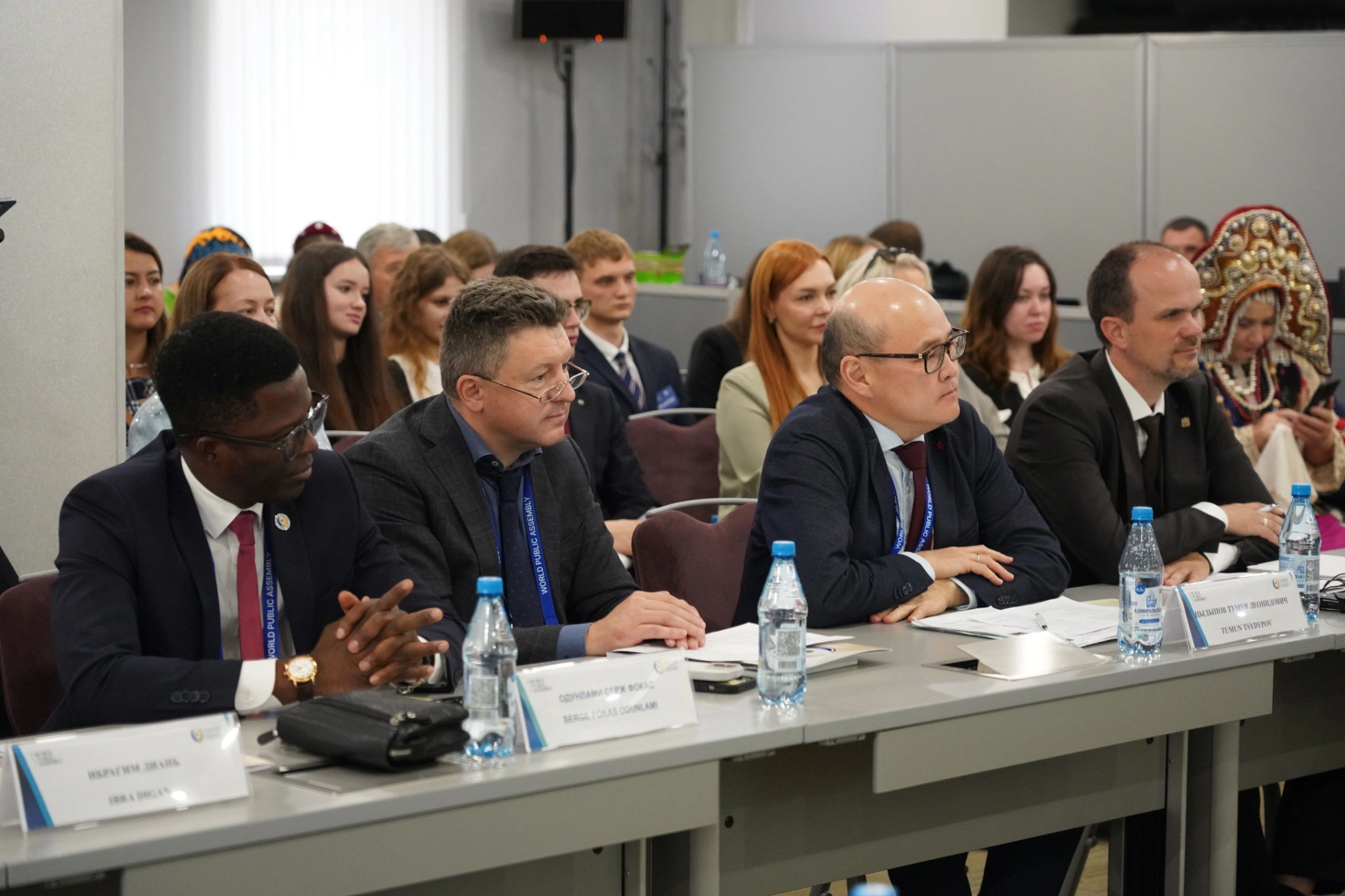
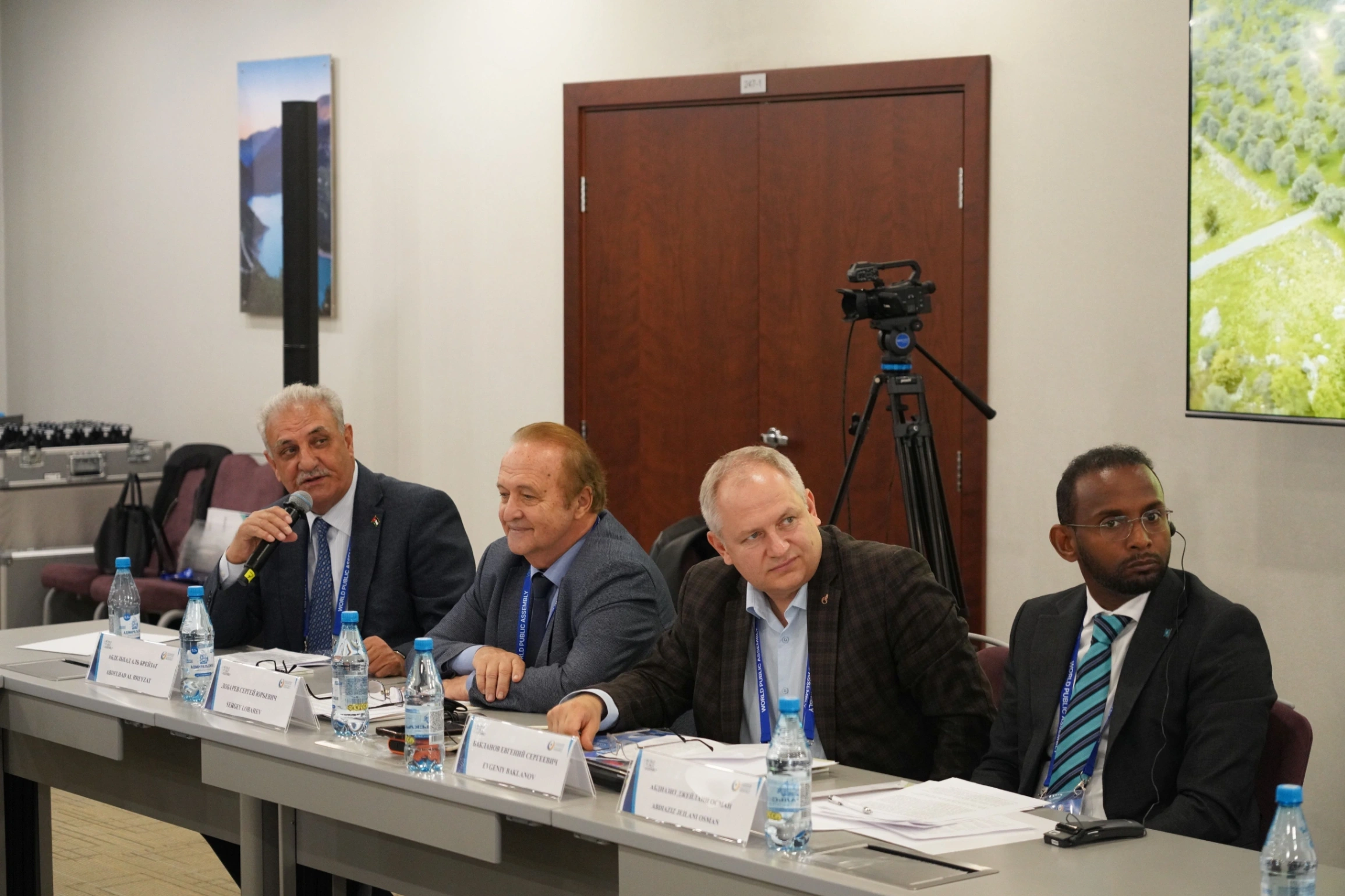
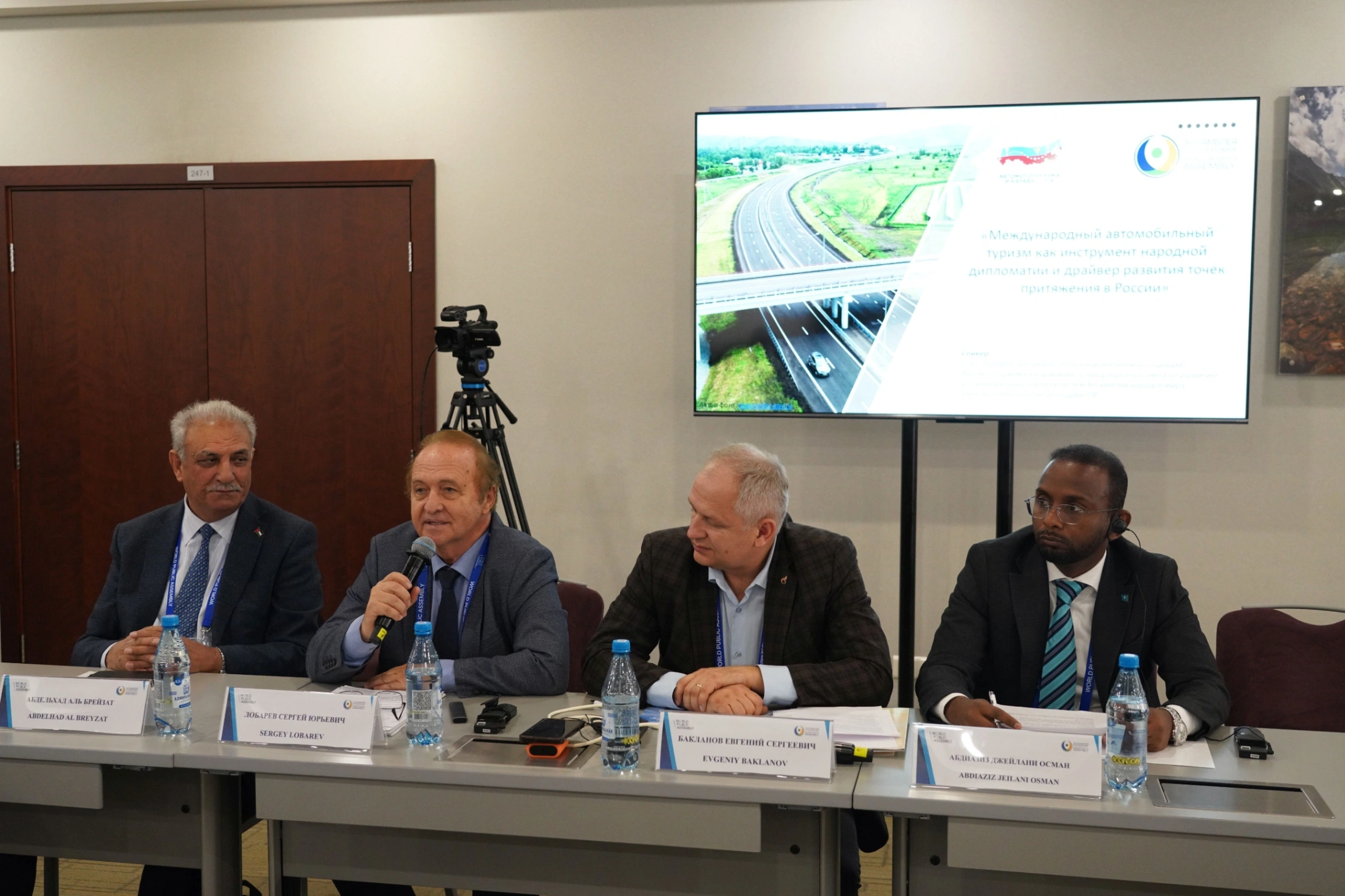
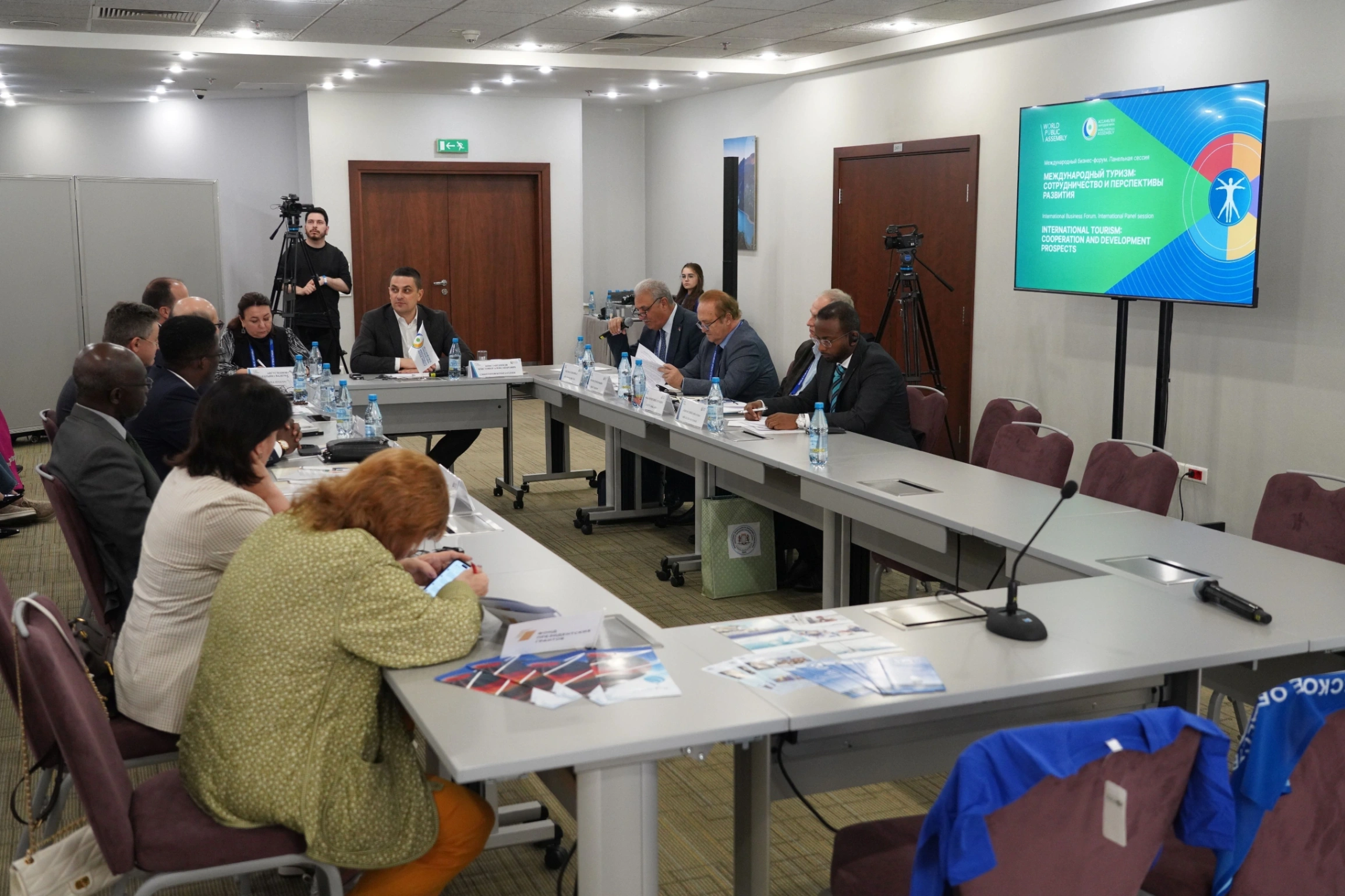
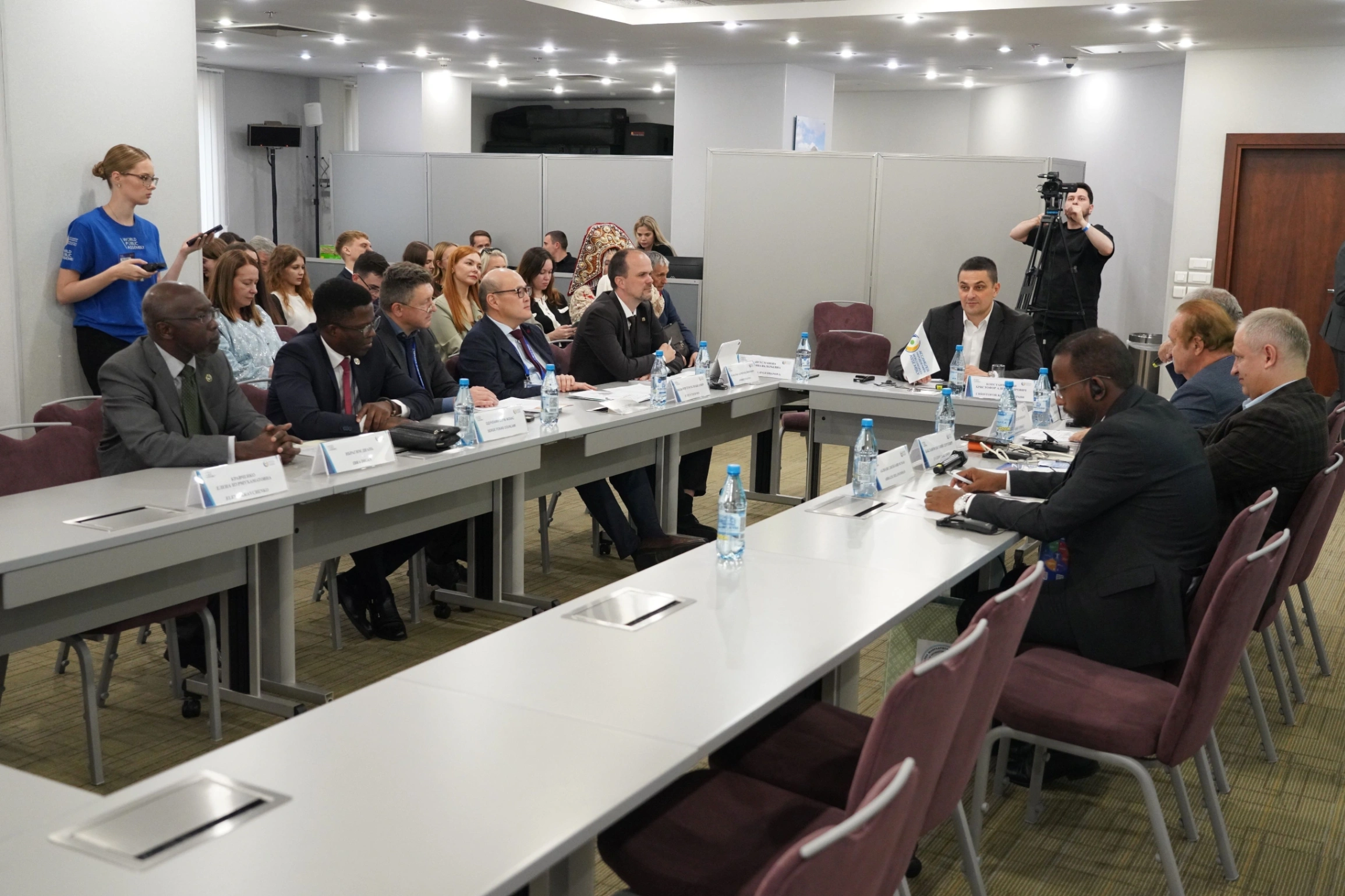
The panel session “International Tourism: Cooperation and Development Prospects” was held on 19 September 2026 at the World Trade Center. The event was part of the Second World Public Assembly “New World: Values That Unite”, which was held in Moscow in September 2026.
International experts discussed logistics of international tourism in the new realities, multilateral cooperation and cross-promotion of national tourism products, tourism trends in 2026 and global tourism integration for sustainable economic development.
The discussion was moderated by Khristofor Konstantinidi, Director of the International Analytical Center for Sustainable Tourism Development at the Peoples’ Friendship University of Russia (RUDN), Chairman of the Committee for Sustainable Tourism Development of the CIS Business Center for Economic Development, Chairman of the Tourism Development Council of the World Peoples Assembly and Doctor of Economics. Opening the meeting he set an ambitious areas for the upcoming discussion, noting that participants would consider not only the transformation of tourism logistics and interregional connections, but also how the industry itself is changing modern reality, shaping new values and serving as a powerful driver of “soft power” and cultural diplomacy.
Recalling the distinctive features of Russia’s leading health resort area, the Caucasus Mineral Waters group of resorts, Andrei Tolbatov, Minister of Tourism and Health Resorts of Stavropol region, focused in his remarks on the role of new technologies in health tourism and prospects for international cooperation. According to him, effective global medical technologies are being actively introduced in the region together with new investment projects. The Minister emphasized that this creates a point of growth for cross-sector cooperation, while a comprehensive approach to technological renewal can benefit all market participants:
- All major cities and agglomerations of the Caucasus Mineral Waters have already completed master planning, which opens up additional opportunities to attract investment in combination with advanced technologies. Among more than 120 sanatoriums in the region, the number of those which have introduced modern technologies has grown noticeably in recent years, but this is far from the limit.
The Minister noted that demand for preventive medicine services outside Russia is significant and the region has well-developed expertise in diabetes treatment, post-COVID rehabilitation and joint restoration. Andrei Tolbatov is sure that the health and wellness product of the Caucasus Mineral Waters could become the basis for bilateral tourism exchange:
- Partnership with other countries will make it possible to create sustainable reciprocal flows beneficial for everyone, - concluded the Minister.
Abdelhadi Sulaiman Thani Albrazat, Member of the House of Representatives of Jordan and Head of the Jordanian-Russian Friendship Committee, devoted his speech to global tourism integration for sustainable economic development. The speaker called for abandoning competition between tourist destinations in favor of genuine partnership relations between countries. In his view, this approach corresponds to the goals of World Peoples Assembly and should be based on integration, exchange of experience, facilitating the movement of tourists and creating joint tourism products.
The speaker emphasized:
- Only together can we create a favorable legislative and investment environment that will ensure the growth of the industry, creation of new jobs and support for local communities.
The deputy also paid particular attention to the humanitarian role of tourism. The industry can deliver far more than economic benefits alone: it enables people to discover history, culture, and civilizations of other peoples. In this regard, the speaker advocated strengthening international cooperation in tourism, exchanging experience and encouraging joint investments and initiatives.
Among the issues discussed at the panel session were tourism trends for 2026: scientific and educational tourism and pilgrimage. Tumun Tsydypov, First Deputy Director General of the «Baikal.Center», spoke about the prospects for the development of Buddhist pilgrimage tourism:
- To present Russia as a Buddhist haven, joint work by the tourism industry and regulators is needed. On the part of the tourism industry, this involves creating the products themselves, marketing, a culture of hospitality and ethics; on the part of regulators, it requires a working infrastructure of solutions, including shared registries, pilot projects and coordination of standards.
Tumun Tsydypov also identified a broader range of issues that are important not only for Buddhist tourism but for the entire agenda of the meeting. These included the development of tourism products jointly with other countries, preservation of cultural heritage, development of local communities and work with services, standards, and territorial brands. The speaker emphasized that the World Peoples Assembly could become a promising platform for discussing precisely such cross-cutting and strategic issues of tourism development.
Describing the prospects for developing ties between Russia and African countries, Serge Fokas Odunlami, President of the Center for Business Development and Cooperation with Russia and member of the Supreme Advisory Council of the World Peoples Assembly, focused on multilateral cooperation and cross-promotion of national tourism products:
- Africa has unique resources for wildlife enthusiasts. Here, untouched places which could become a basis for joint projects with Russian companies have been preserved.
According to the speaker, such an exchange would help show Russian tourists that a mature and developed hospitality industry has been established on the continent and would finally dispel outdated stereotypes about travel to the region.
Sergei Lobarev, President of the National Association of Automobile Tourism and Caravanning and Head of the Automobile Tourism Committee of the Russian Union of Travel Industry, addressed the transformation of the geography and logistics of international tourism in the new realities, devoting his remarks to the development of automobile tourism in Russia.
- Today, foreign guests, as a rule, arrive in Russia, use the services of a local tour operator and continue their journey along a ready-made route. The Russian side intends to change this model and offer a fundamentally different format: an independent automobile journey across the country, - said the speaker.
Sergei Lobarev recalled that Russia stretches 9,800 kilometers from east to west, and that along this route there are so many magnificent places that it is unlikely any other country in the world could offer anything comparable.
According to the speaker, in recent years automobile tourism has become the driver of the entire tourism industry. A concept for the development of automobile tourism has already been created, documents for its implementation have been prepared and for the first time the government has set the task of doubling the number of automobile tourists traveling across Russia by 2035.
Abdulaziz Jaylani Osman, founder and CEO of the international technology and blockchain company BitHash, developed the theme of international cooperation in the tourism industry. He noted that tourism and diplomacy are closely interconnected, that is why particular attention should be paid to sustainable development and increase of the education level through partnerships aimed at strengthening ties within international community.
Elena Kravchenko, Director of Tourism Development Centers of the Center for Strategic Research, spoke about prospects for development of spiritual and educational tourism, religious tourism and pilgrimage in Russia. She identified three areas: spiritual and educational tourism, religious tourism and pilgrimage as a separate category, noting that a clear legislative framework is needed to build constructive dialogue among all industry participants.
- Pilgrimage is already regulated by a separate law, but there are still no definitions of religious or spiritual and educational tourism. That is why, first of all, it is necessary to talk about legislative initiatives and regulation of this issue, and only then about the promotion and development of particular areas, - the speaker concluded.
Ibrahim Diané, Candidate of Biological Sciences, molecular biologist and expert in pharmaceutical safety and innovation, spoke about cooperation in preservation of nature and cultural heritage and development of new locations and routes, using Senegal as an example. The speaker emphasized the unique cultural diversity of his country, where the traditions of Arab Africa, Black Africa and European civilization intertwine:
- It was through Senegal that Europeans first entered the continent; the city of Saint-Louis was founded in almost the same era as Saint Petersburg. At the same time, Senegal remains a place where the history of the slave trade - unfortunately, one of the most tragic pages of world history - coexists with remarkable natural riches: magnificent safari parks are located in the south of the country, and Djoudj National Park is among the largest in the world.
The speaker is convinced that combination of history, nature, and traditional African hospitality makes Senegal a unique destination that is certainly worth discovering.
Alexander Khrenkov, President of the International Institute of Informatics, Management, Economics and Law, in his speech emphasized the importance of the International Academy of Tourism as a new training ground for personnel in an industry that urgently needs qualified specialists:
- Young people today are actively interested in tourism and travel extensively, what means that the practical competencies embedded in the Academy’s educational programs will become a key resource for training in-demand industry professionals.
The panel discussion was concluded by Evgeniy Baklanov, CEO of Nienaprint, who spoke about development of regional tourism in Russia using Tomsk as an example:
- Tourism is about people. Our team creates events that become focal points for the entire region.
An illustrative example of this approach is the Siberian Hot Air Balloon Festival, which is being held in Tomsk for the third time. In September 2026, international crews from Belarus and Kazakhstan took part in it for the first time.
Pham Hong Long (Vietnam), Chairman of the Scientific and Methodological Council of the Faculty of Tourism Studies at the University of Social Sciences and Humanities, also took part in the event.
Summing up the meeting, Khristofor Konstantinidi thanked the speakers, experts, and participants of the session and proposed including all the solutions voiced in the resolution of the Second World Public Assembly.
Additional information is available on the official website of the World Peoples Assembly, on its VKontakte and Telegram accounts, and at media@world-assembly.org.