

People who Change the Rules: Three Winners of the Country Stage of the "Leader of Public Diplomacy" Contest in South Africa have been announced
The country stage of the V International Contest "Leader of Public Diplomacy" ended in South Africa in May 2026. The three winners, who presented projects in the fields of business, culture and ecology, showed how effective international relations can be built in conditions of limited resources and difficult social realities. Their approaches differ in terms of tools, but are united by a common logic – diplomacy through action.
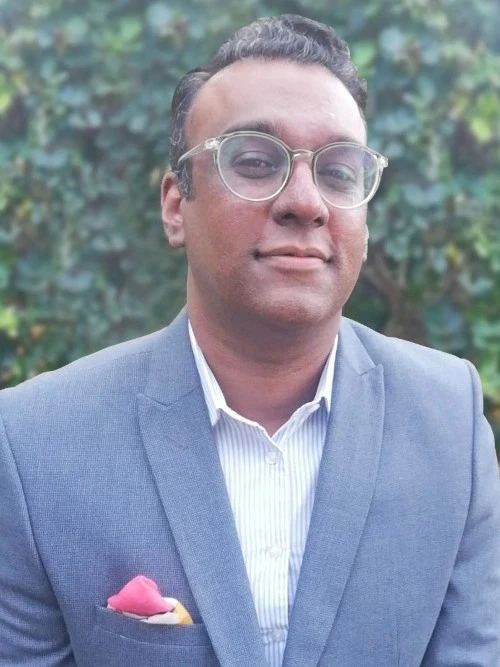
The winner of the Business Diplomacy nomination, Karlind Govender, presents a project that at first glance seems to be purely economic: Bankineer is South Africa's first digital cooperative bank. However, behind the financial shell lies the diplomatic task of restoring trust between citizens and institutions through technology, transparency and collective participation.
"Financial exclusion often becomes fuel for local and geopolitical instability, – says Karlind Govender. – Using the banking infrastructure as a tool of public diplomacy allows us to identify the causes of tension.
The Bankineer concept involves a combination of technical expertise and an understanding of cultural characteristics. The Bank is focused on the countries of the Global South and the BRICS+ space, where issues of access to financial services remain acute.
At the same time, Karlind Govender is the co-founder of the analytical center Friends Of BRICS+ Society, which holds closed-door meetings with diplomats, representatives of government corporations and international organizations. Among the participants are Ruslan Golubovsky, Consul General of Russia in Cape Town and Professor Chris Cooper, Chairman of the Robben Island Council. Such platforms make it possible to translate geopolitical discussions into practical cooperation.
–Leadership is not about managing people, but about managing time and logic within a team," - Karlind Govender formulates his philosophy. – It is important to balance determination and flexibility, between results and human attitude.
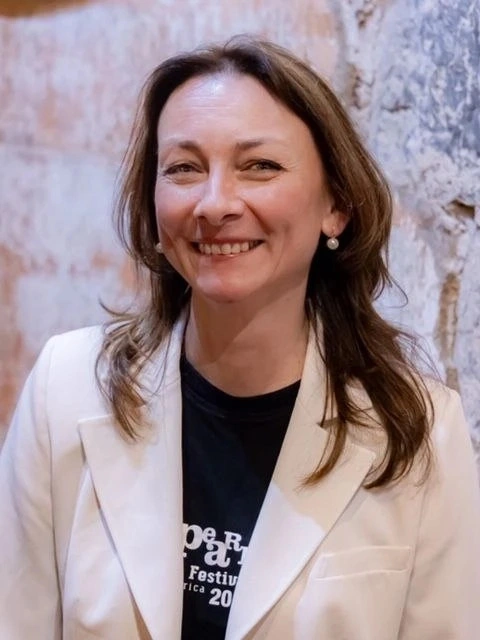
Ksenia Filinova, General Director of the Educape Trust charitable organization, won the Cultural Diplomacy nomination. Her flagship project, the South African School Shakespeare Festival, has transformed over the past 15 years from a local theater initiative into a national educational program. The statistics of the project speak for themselves: more than 16,000 students and 1,107 teachers from four provinces received support through the festival; 60,000 viewers attended the screenings; more than 100 schools joined the permanent cultural network. The format involves staging 30-minute versions of Shakespeare's plays at professional theater venues, which gives teenagers from different social strata equal access to cultural capital. However, the numbers conceal a deeper task.
– The festival is an educational program aimed at developing language skills, critical thinking and social responsibility through the performing arts, – explains Ksenia Filinova. – For many participants from disadvantaged areas, this is the first experience of public speaking, teamwork and recognition.
The international dimension of the project is realized through exchange programs, cultural forums and joint initiatives with Russian and European partners. Ksenia Filinova acts as an active mediator in establishing contacts between diplomatic missions, educational institutions and cultural institutions.
–Art is becoming a language in which mutual understanding is possible even in the face of political differences," - she notes. "For me, the main thing in leadership is the ability to inspire and motivate a team, set an example and provide a clear vision of goals,"- shares Ksenia Filinova.

The winner of the Educational Diplomacy nomination, Protasia Nzimakue, presents the GW Environmental Tour project, launched in the midst of the 2021 pandemic. The initiative combines waste management, educational activities and ecotourism, offering a holistic response to what the creator of the project calls the "crisis of alienation" of modern man from nature.
"We are not just removing garbage, we are restoring the connection between people and the ecosystem," - Protasia Nzimakue formulates the mission of the project.
The program includes water purification, educational trips for young people, agritourist routes with an emphasis on organic farming and a healthy lifestyle. Special attention is paid to the involvement of teenagers: through hiking, creative workshops and team games, participants learn the principles of sustainable development in practice. The Contest jury noted Protasia Nzimakue's ability to unite local communities, environmental organizations and youth groups around a common goal.
"Her project demonstrates that environmental responsibility can become the basis for civic consolidation and international dialogue," - the expert opinion says.
More information is on the official website of the World Peoples Assembly and at media@world-assembly.org.