

Round Table “The Sacred, the Profane, and the Radical. Values of Solidary Development” Held at the Kolomenskoye Museum-Reserve
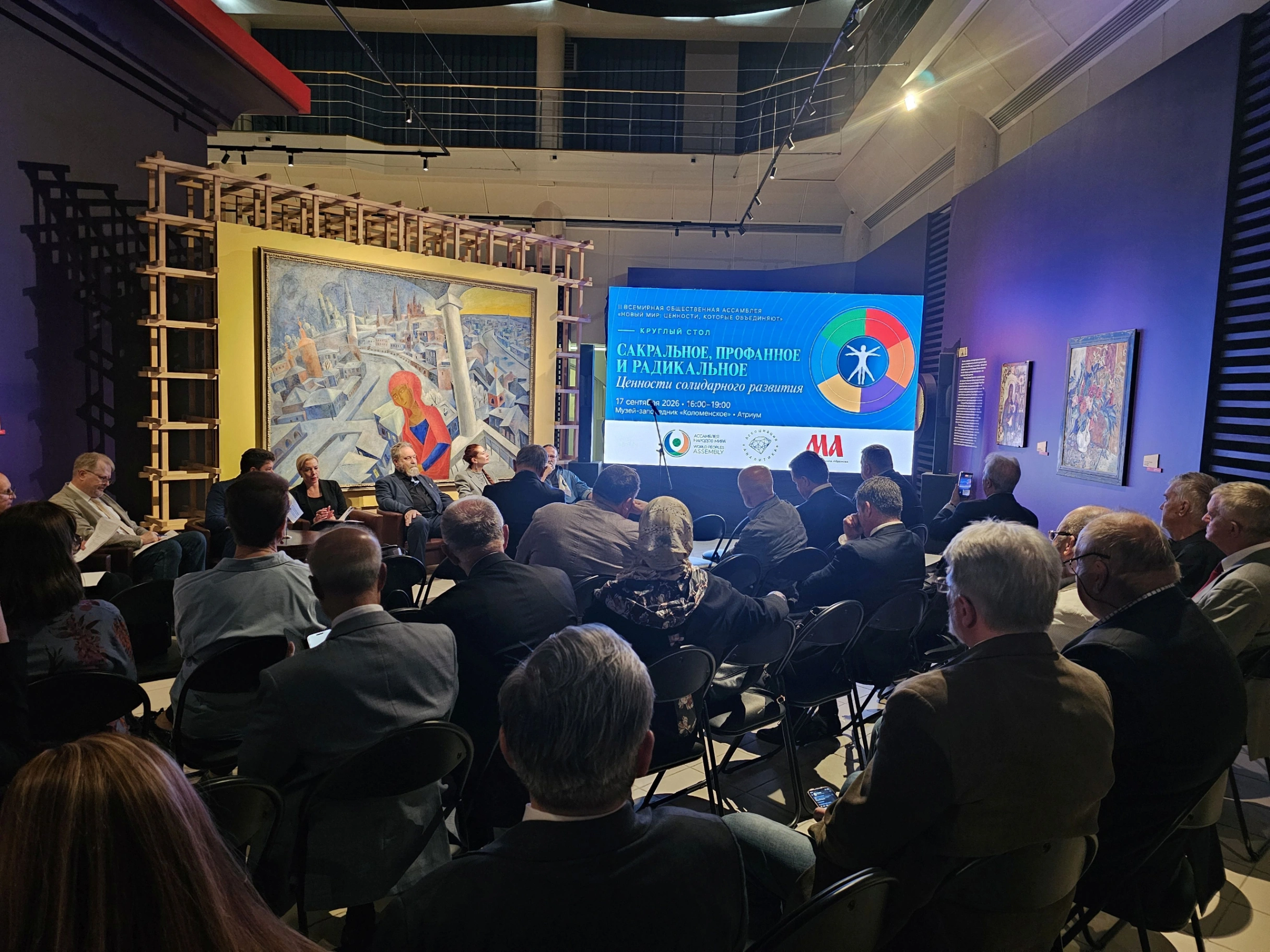
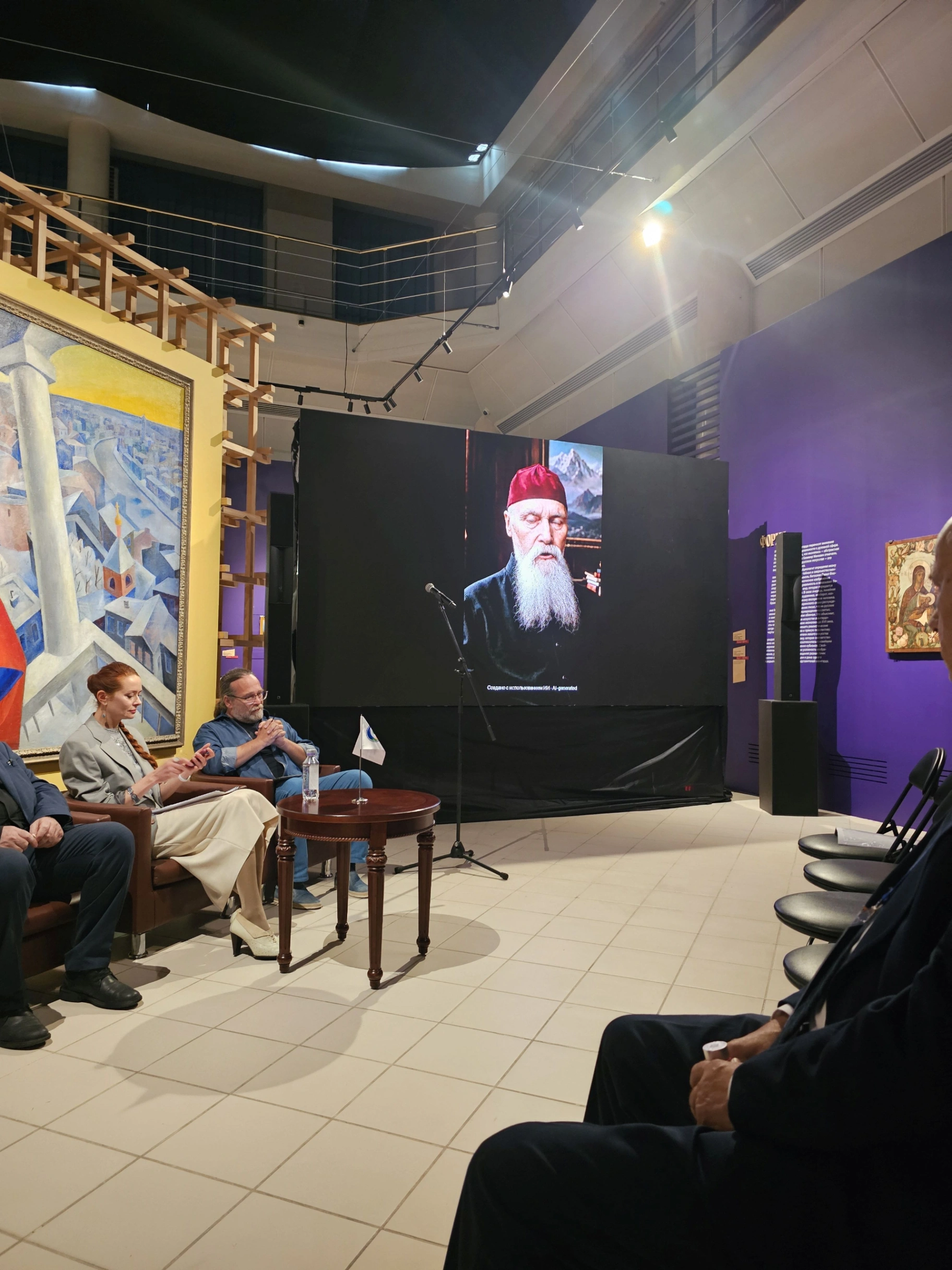
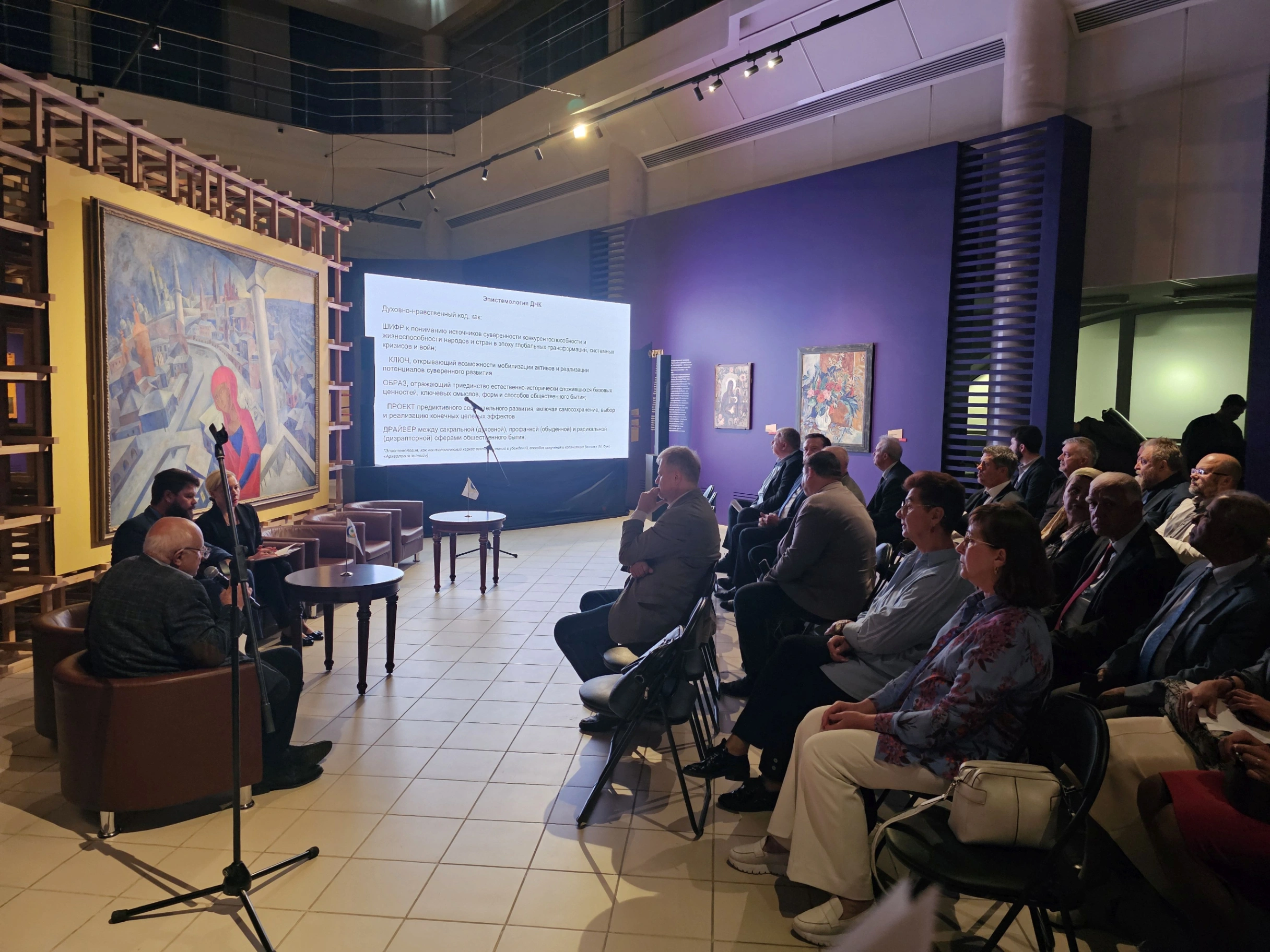
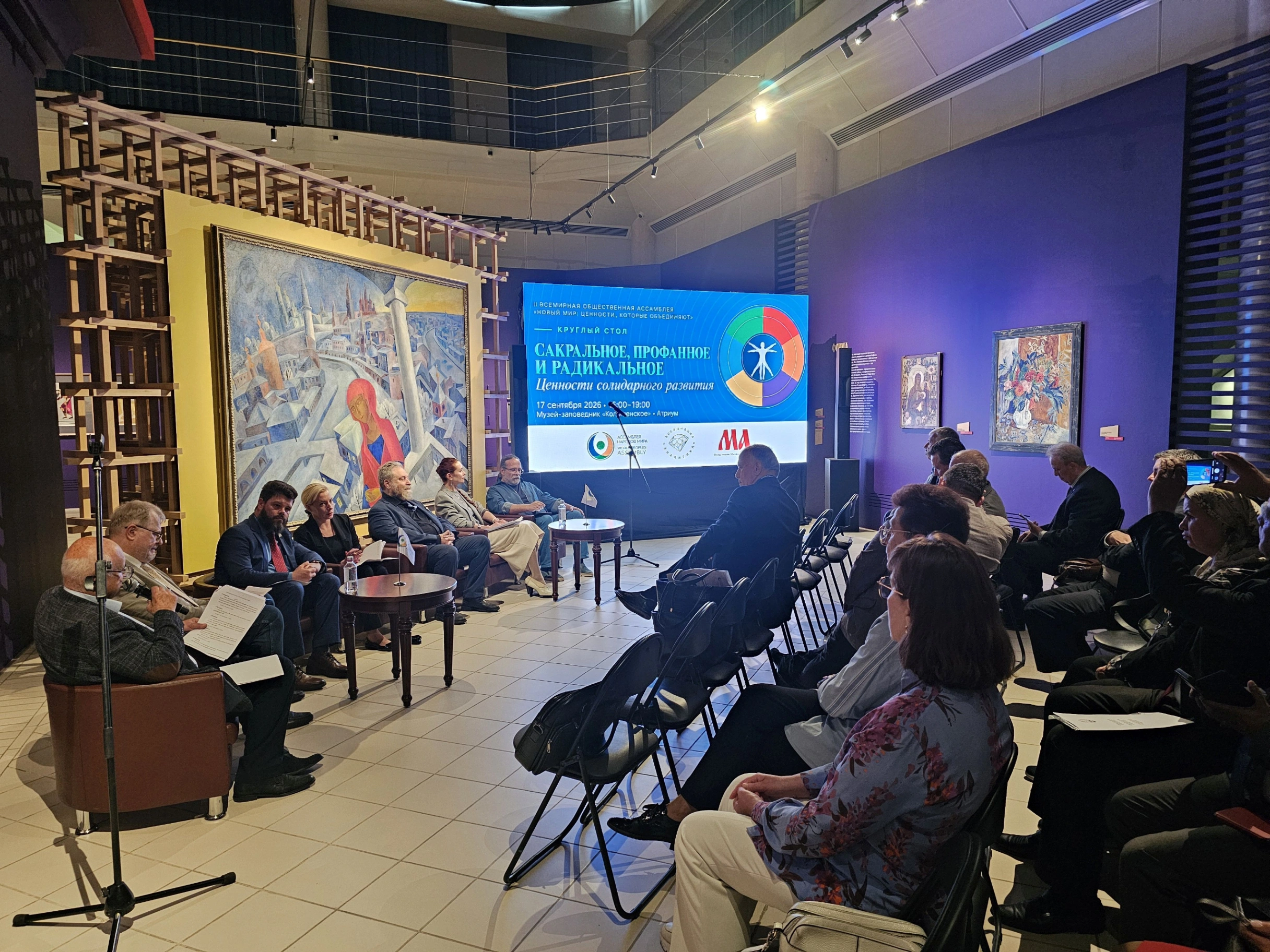
The Round Table “The Sacred, the Profane, and the Radical. Values of Solidary Development” took place on September 17, 2026, at the Kolomenskoye Museum-Reserve. The event, organized by the Association “Analitika” for the Promotion of the Development of the Analytical Potential of the Individual, Society and State; and the World Peoples Assembly. The event preceded the program of the Second World Public Assembly “New World: Values That Unite” held in Moscow on September 18 - 19.
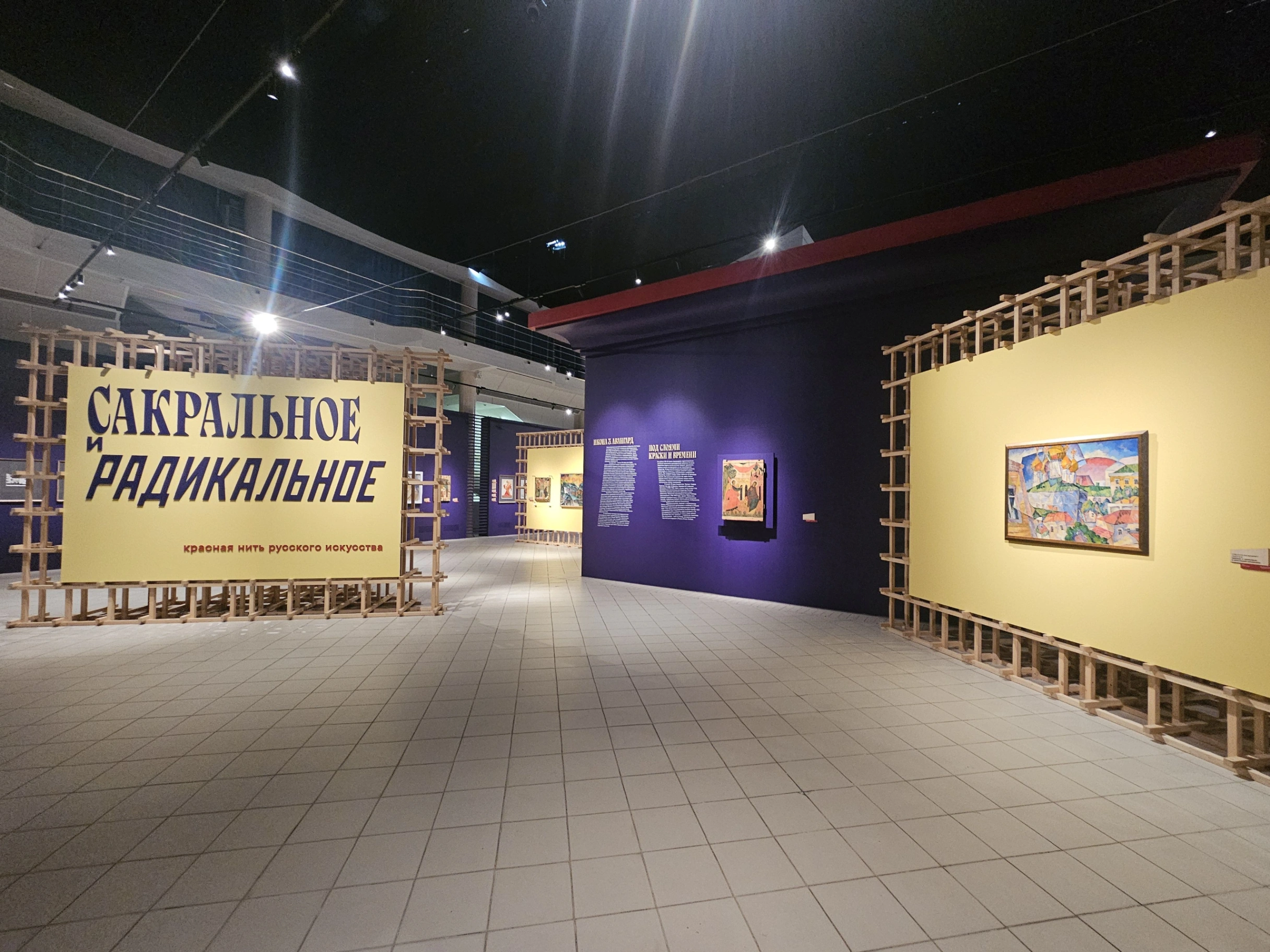
The Round Table opened with a performance by the string quartet of the Central Orchestra of the Ministry of Defense of the Russian Federation and a presentation of the exhibition “The Sacred and the Radical. The Red Thread of Russian Art” presented by Natalia Gorkova, Director of the M. Abramov Society.
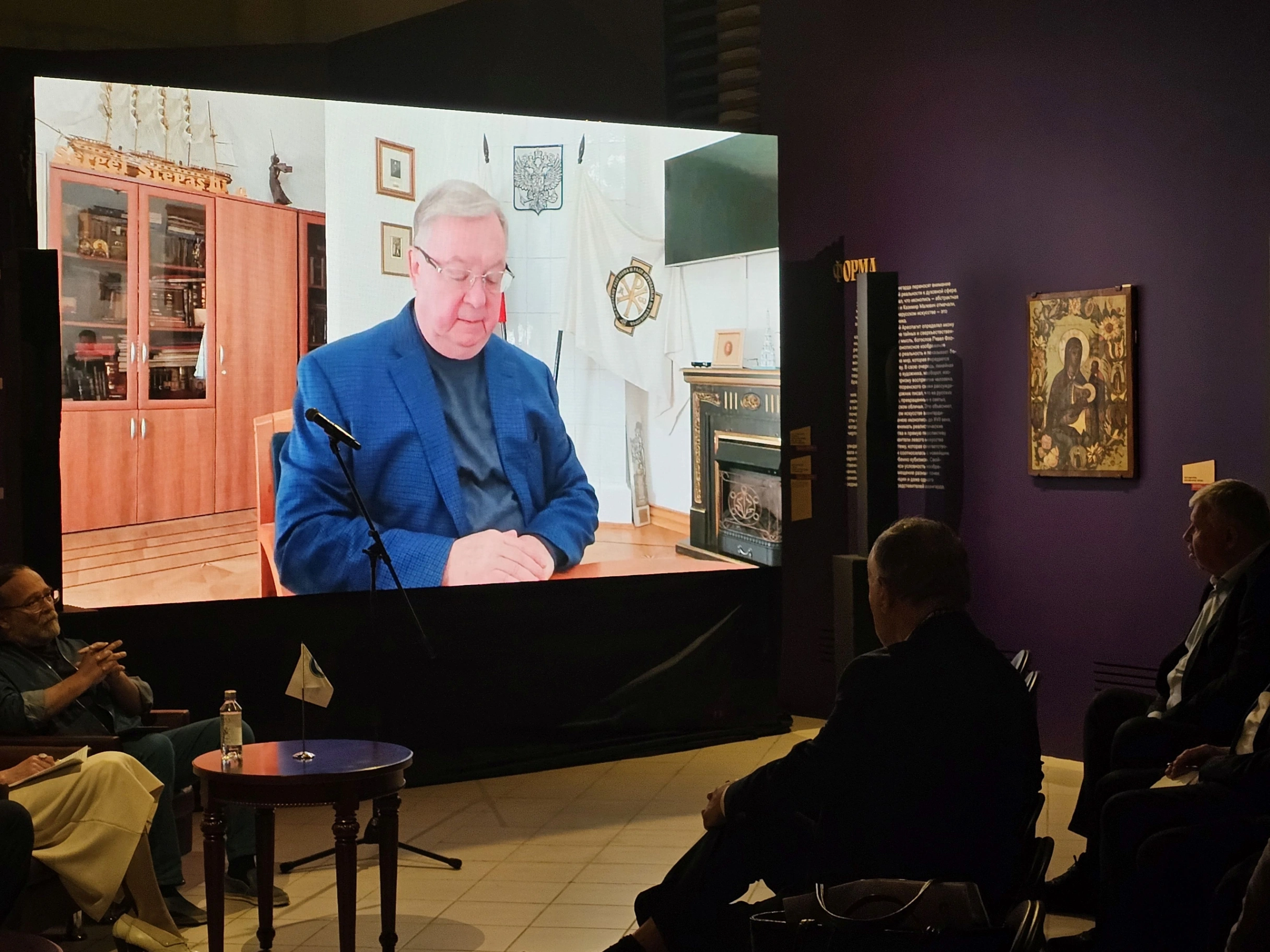
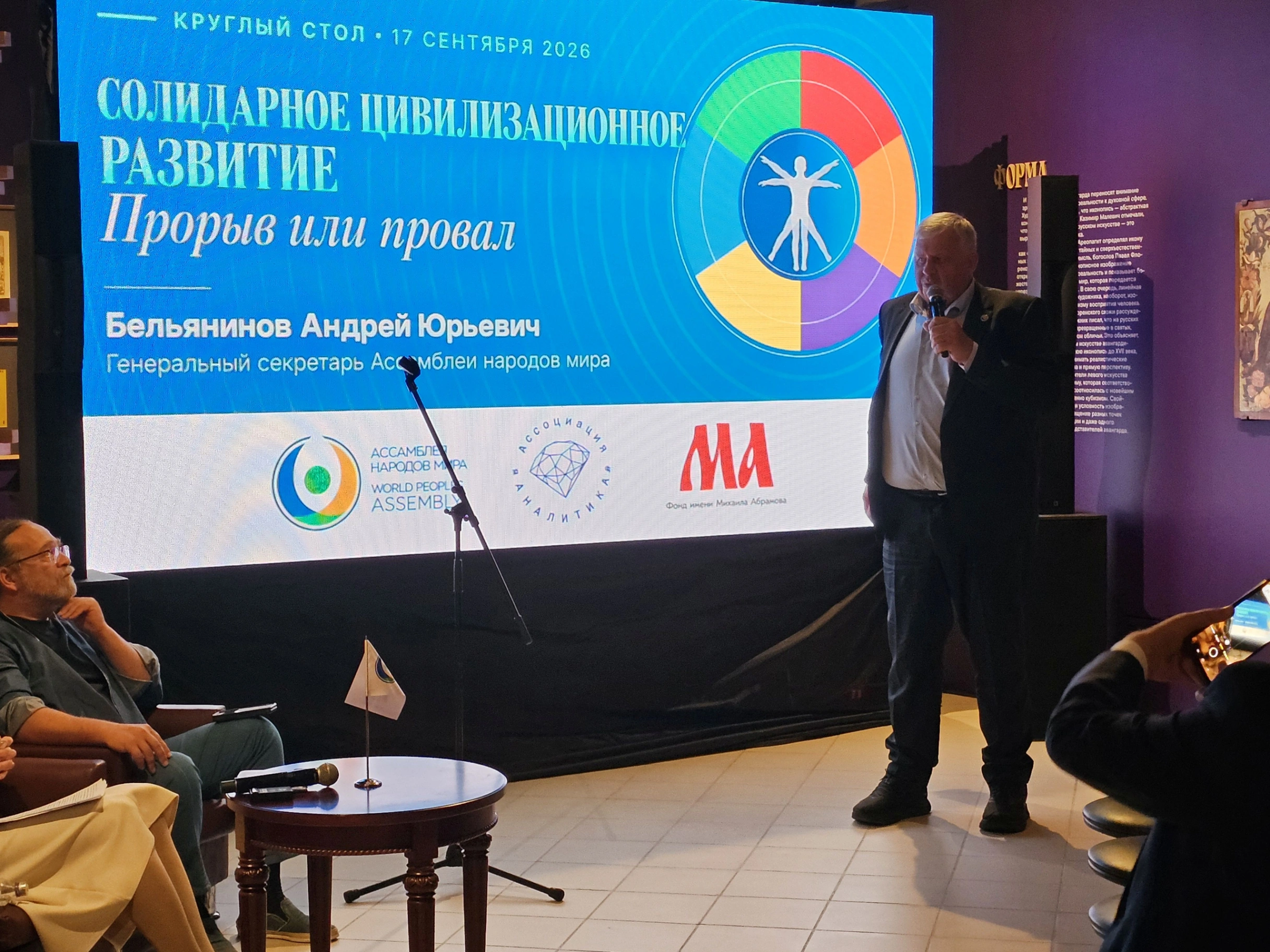
Welcoming addresses to the participants were given by Andrey Belyaninov, Secretary General of the World Peoples Assembly, and Sergey Stepashin, Chairman of the Association of Lawyers of Russia.
Presentations were made by:
Fidel Antonio Castro-Smirnov — Deputy Secretary General of the World Peoples Assembly, Academician of the Cuban Academy of Sciences (the theme of presentation - “The Sacred Unity of Peoples and Radical Justice: A View from Latin America on the Architecture of a World Based on Solidarity”);
Alexander Piskunov — Chairman of the Executive Committee of the “Analitika” Association (the theme of presentation - “Ontology and Topology of Prosperous Development. Discourses and Concepts”);
Alexey Makushkin — Research Fellow at the Institute of Economic Forecasting of the Russian Academy of Sciences (the theme of presentation - “The Disintegration and Reassembly of the World Financial Order. Origins and Consequences”);
Alexander Kharchenko — General Director of the “Biocenter” Research and Production Association (the theme of presentation - “Endoecology of Fertility. To Be or Not to Be”);
Renata Davydova — Chair of the Youth Section of the RAS Commission for the Study of the Scientific Heritage of Outstanding Scientists (the theme of presentation - “The Dichotomy of Generations. The Right to the Future”);
Andrey Polosin — Vice-Rector of RANEPA, Academic Director of the “DNA of Russia” project, Doctor of Political Sciences, Candidate of Psychological Sciences.
Particular interest among the participants was aroused by the speech of Fidel Antonio Castro-Smirnov. He noted that in the modern agenda “the sacred is losing its inviolability, while the radical claims the role of the only honest language.” For Cuba and the countries of Latin America, which for centuries have faced colonialism and the pressure of neoliberalism, “the sacred” is not a dogma, but human dignity, sovereignty, and international solidarity. And “the radical” should mean not destructive nihilism, but a deep, “root” (from Latin radix) eradication of injustice and a restructuring of the global financial and political order.
Speaking as both a scientist and a diplomat, Fidel Antonio Castro-Smirnov showed how science and culture are capable of protecting the sacred principle from base consumerism, and called on the participants of the Assembly to form a value foundation for solidary development based on human dignity, justice, and the mutual responsibility of peoples.
The discussion of the presentations was also joined by:
Saiful Hoque — Bangladeshi diplomat, Candidate of Political Sciences, former Ambassador of Bangladesh to Russia;
Bakhyt Rustemov — President of the International Commonwealth of People’s Diplomacy (Kazakhstan);
Latofat Naziri — Deputy Chair of the “Tajikistan — Russia” Friendship Society;
Ibrohim Abdullozoda — Deputy Chair of the Presidium of the Tajik Society of Friendship and Cultural Ties with Foreign Countries —
and many others.
Following the discussion, practical proposals were formulated for shaping the value foundation of solidary development, which will form the basis for the further work of the World Peoples Assembly.
Additional information is available on the official website of the World Peoples Assembly and at media@world-assembly.org.