

Science and Education Without Borders: New Formats of International Partnership Discussed at the World Public Assembly
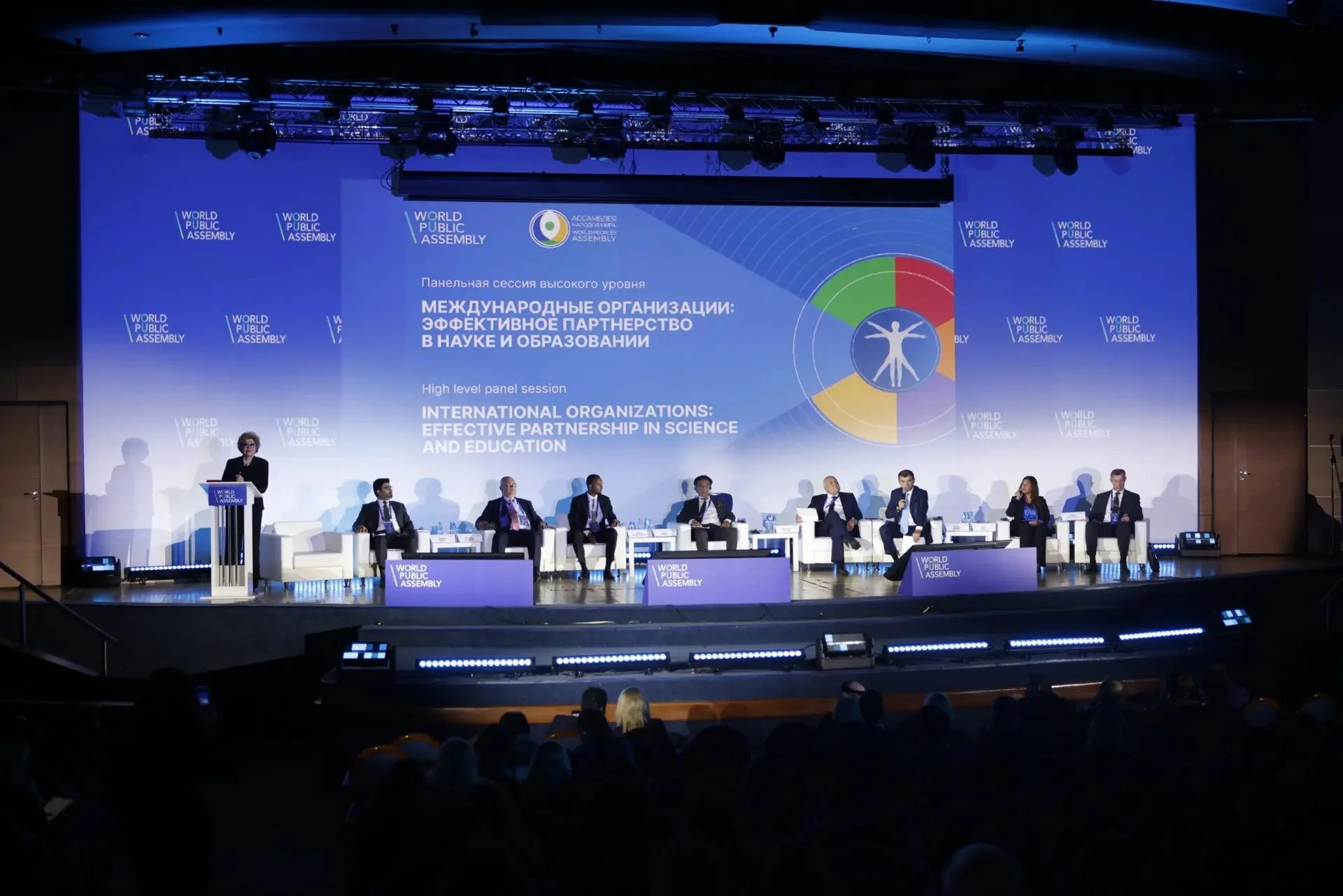
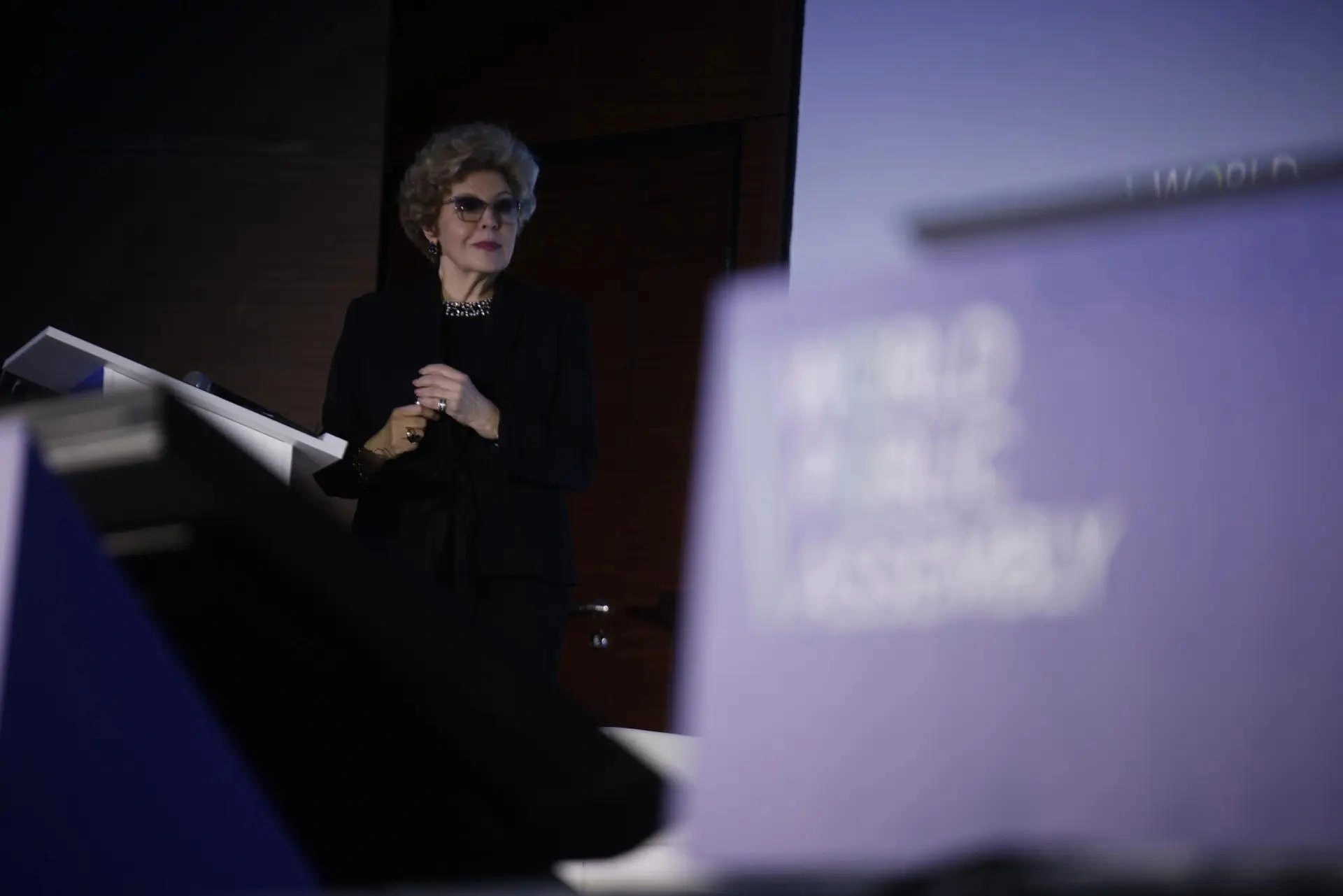
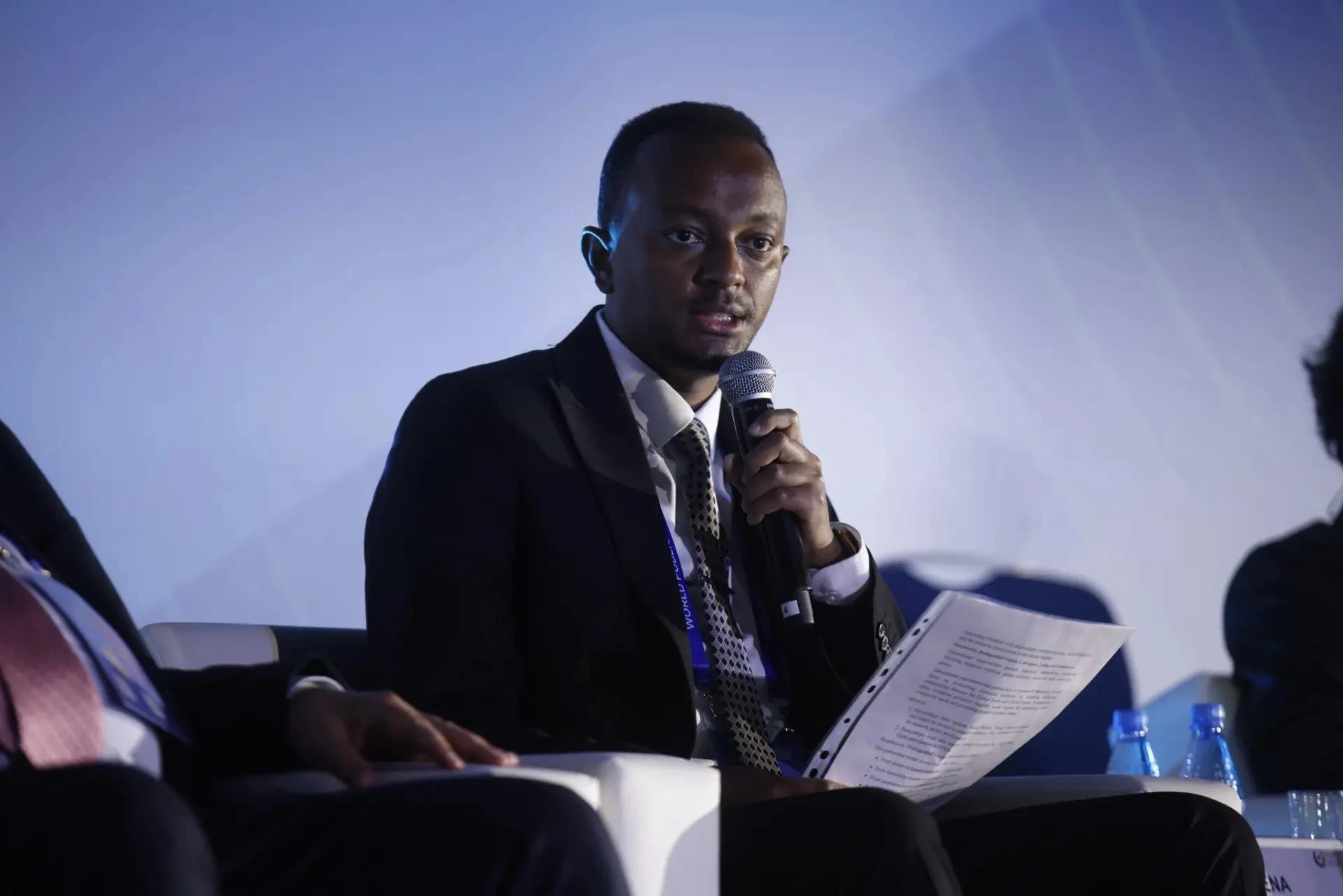
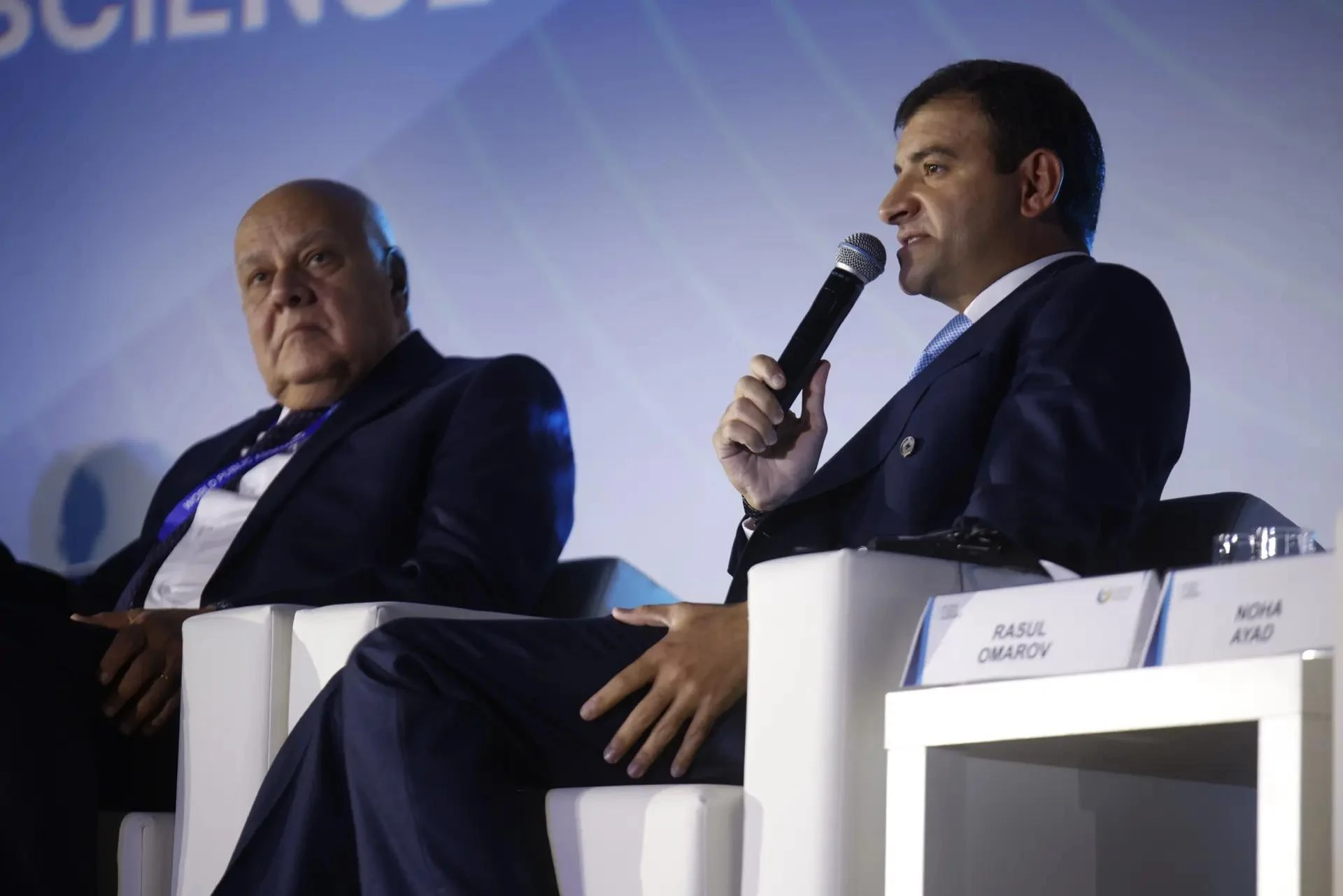
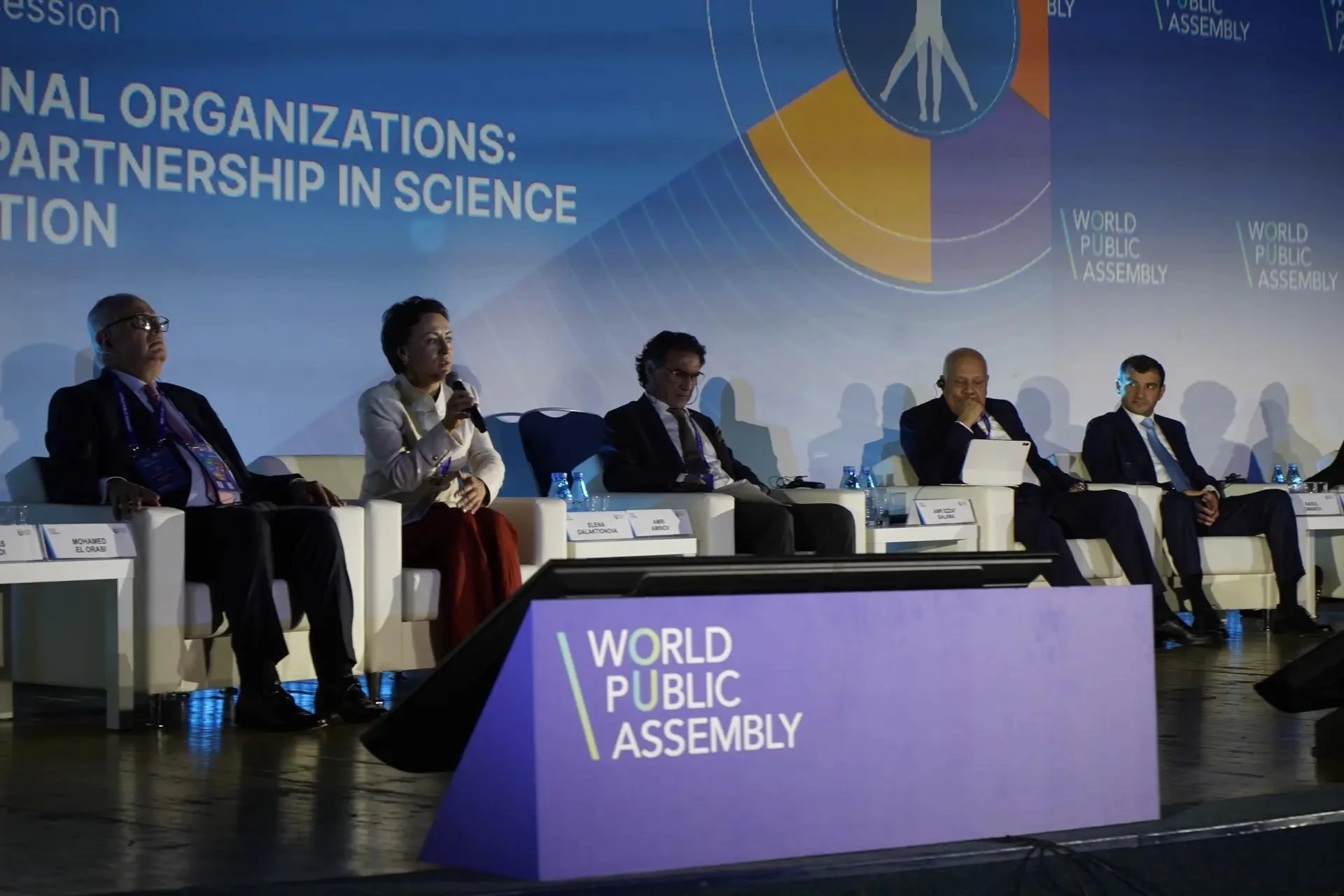
A High-Level Panel Session "International Organizations: Effective Partnership in Science and Education" was held on September 19, 2026, at the World Trade Center. The event became part of the Second World Public Assembly "A New World: Values That Unite," taking place in Moscow from September 18 to 19.
The discussion focused on the role of international organizations, universities, and the scientific community in developing sustainable ties between countries. Participants discussed new formats of academic cooperation, joint research and educational programs, knowledge exchange, and the development of international scientific communications.
The discussion participants included:
Mohamed El-Orabi — Chairman of the Organization of Solidarity of the Peoples of Asia and Africa, former Minister of Foreign Affairs of Egypt;
Adnan Badran — politician, Prime Minister of the Hashemite Kingdom of Jordan (2005);
Elena Galaktionova — Director of the Department of the Ministry of Foreign Affairs of the Russian Federation, Executive Secretary of the Commission of the Russian Federation for UNESCO;
Waqas Afridi — expert of the education sector of the Islamic Educational, Scientific and Cultural Organization (ISESCO);
Noha Ayad — staff member of the Department of Culture and Dialogue of Civilizations of the League of Arab States;
Rasul Omarov — Director General of the Youth Forum of Islamic Cooperation — OIC;
Dawit Zegeye Haile — Chief Policy Expert, African Union Commission —
and others.
The experts paid particular attention to the need to remove barriers that today complicate academic mobility and cooperation between the educational systems of different countries.
— We need to seriously think about new standards of education; it is important to unify them. For example, even within the CIS there is a problem of mutual recognition of higher education diplomas. And this leads to difficulties, including in international scientific communications. History shows that a poorly educated audience is an ideal environment for extremism and provocations. And in the struggle of good against evil, light against darkness, it is education that is precisely the instrument capable of leading, through joint efforts, to a common victory, - noted Secretary-General of the World Peoples Assembly Andrey Belyaninov.
The session participants emphasized that science and education can become one of the most sustainable spaces for international cooperation, and that partnership in these spheres must be transformed from the format of individual events into permanently functioning mechanisms. Among the promising areas are joint educational and research programs, international university networks, academic exchanges, support for young scientists and students, as well as work on bringing educational standards closer together and the mutual recognition of qualifications.
Following the discussion, one of the key conclusions was the need to form a common scientific and educational space based on direct professional ties and knowledge exchange. In the context of global changes, it is education, science, and human capital that can become the practical foundation for long-term international partnership and the strengthening of trust between countries and societies.
Additional information is available on the official website of the World Peoples Assembly and at media@world-assembly.org.