

 Back to news
Summit in Amman discussed the Role of NGOs, Volunteering and Charity in the Arab World
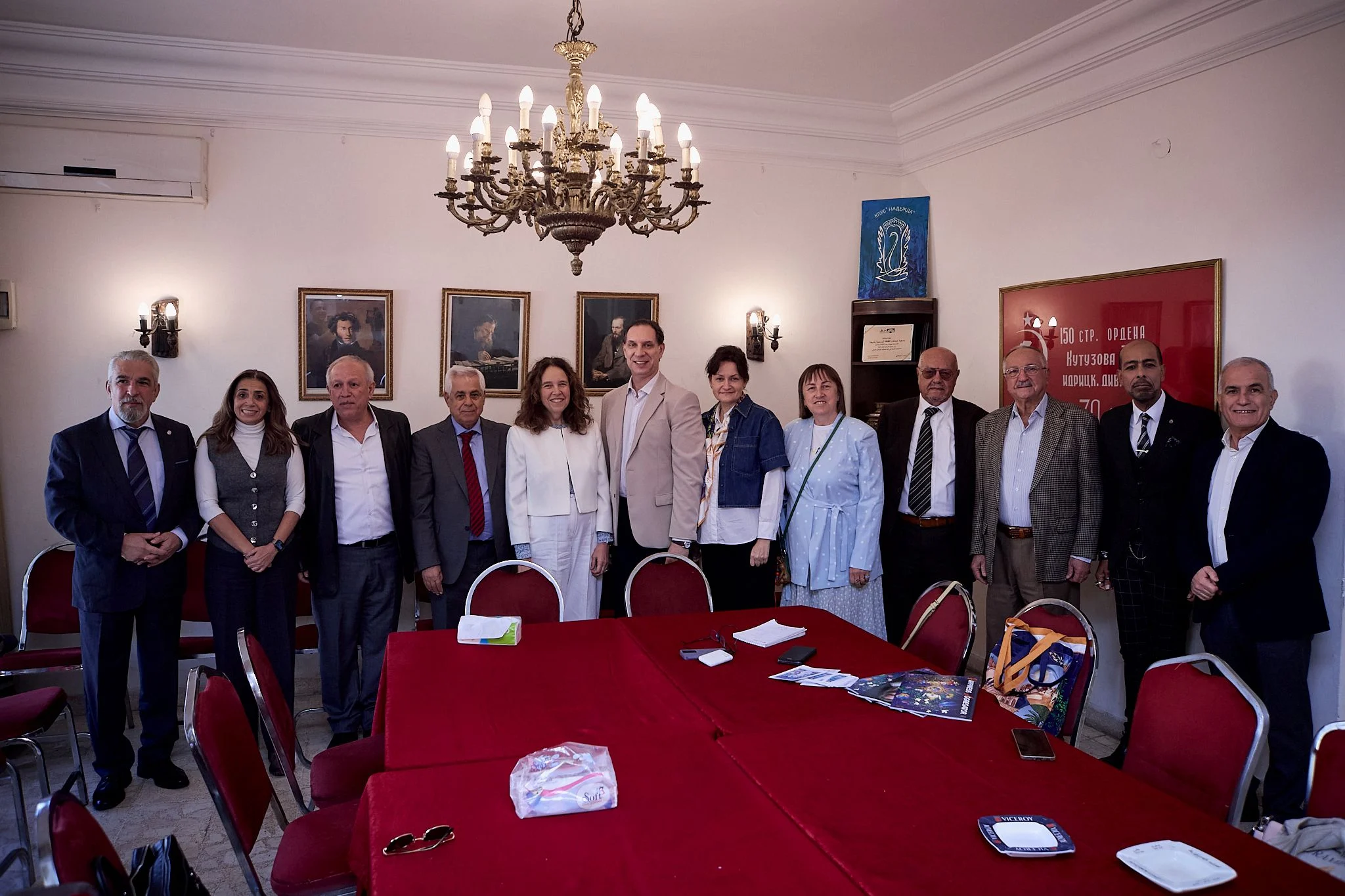
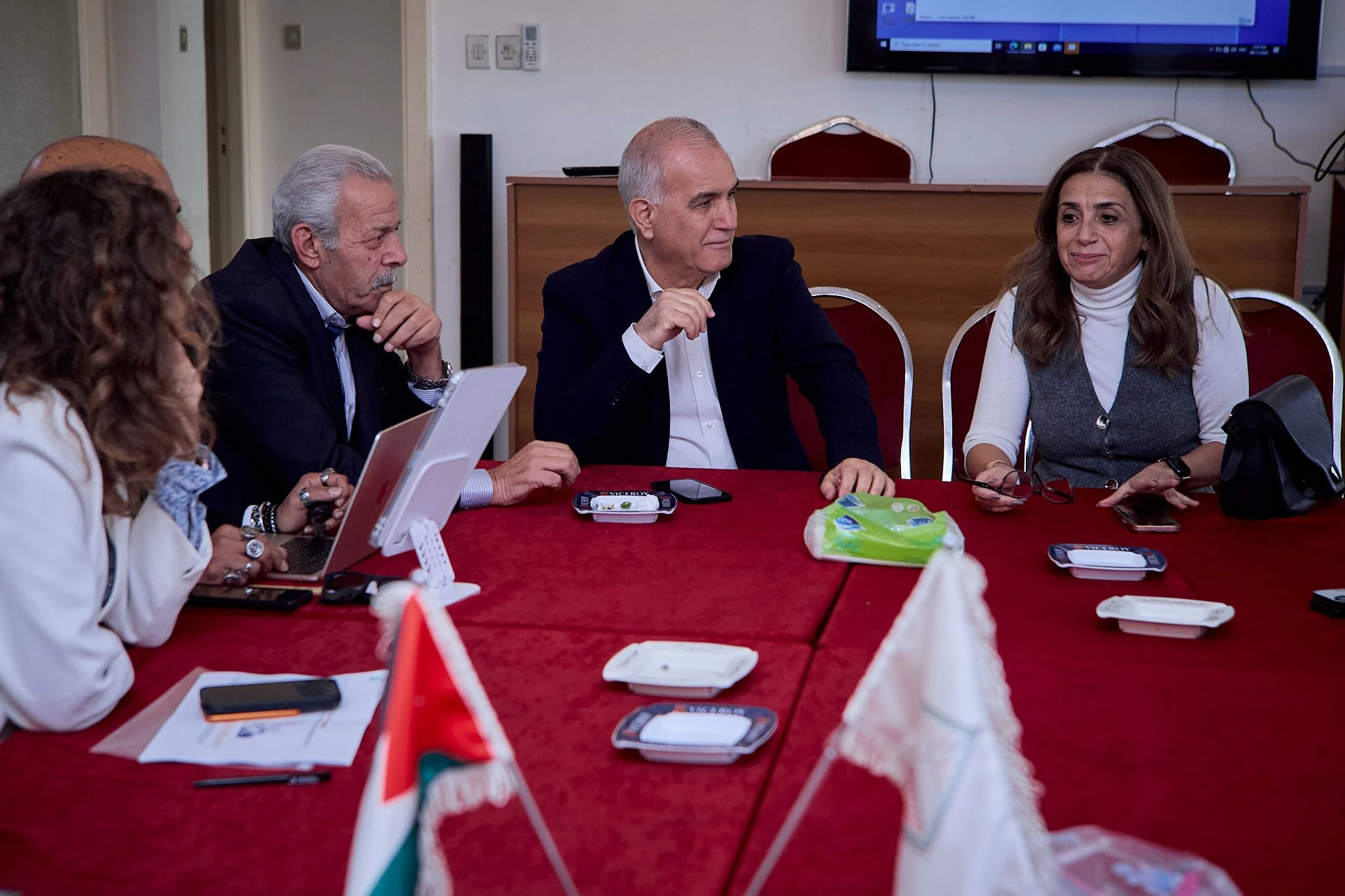
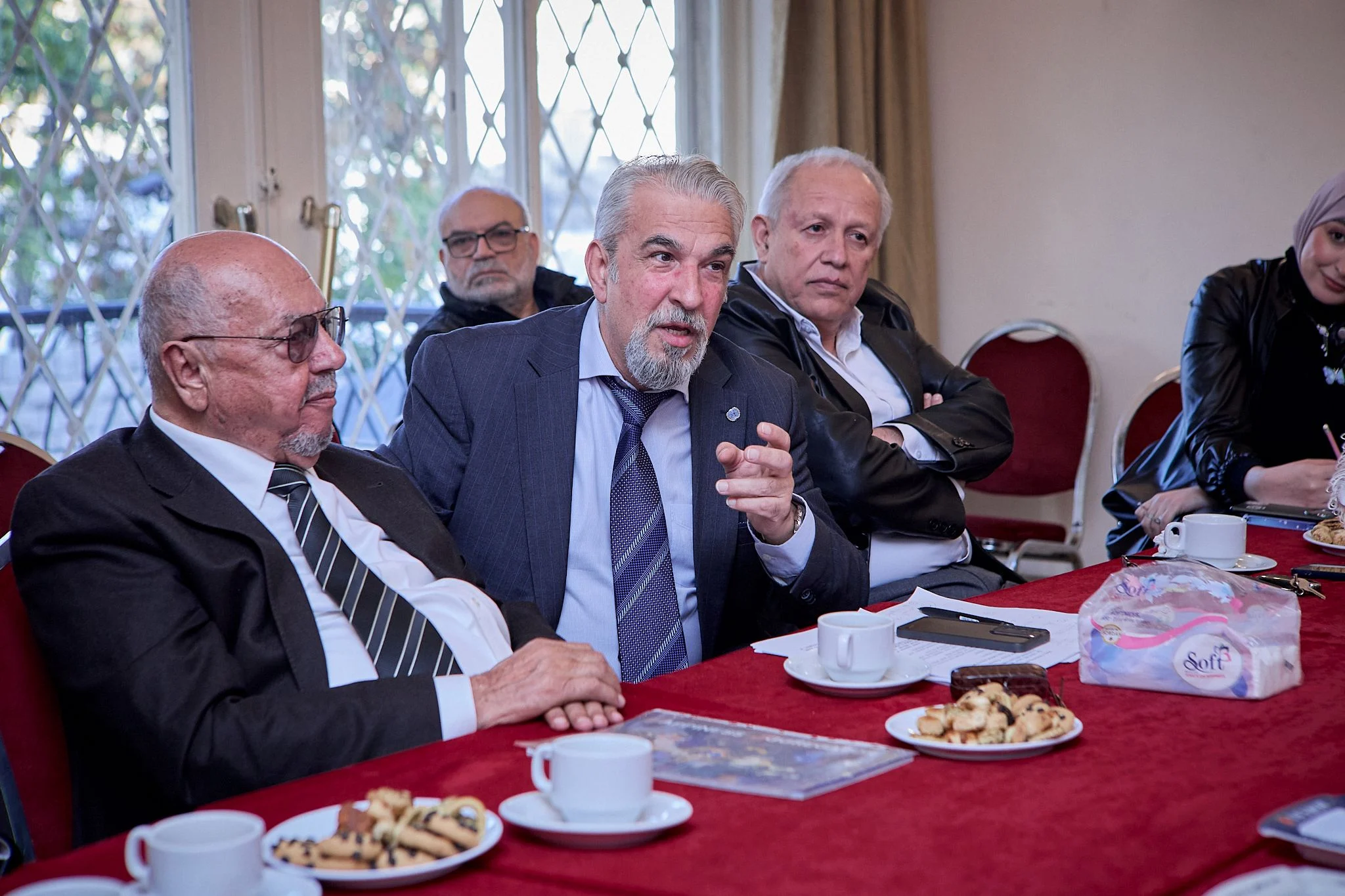
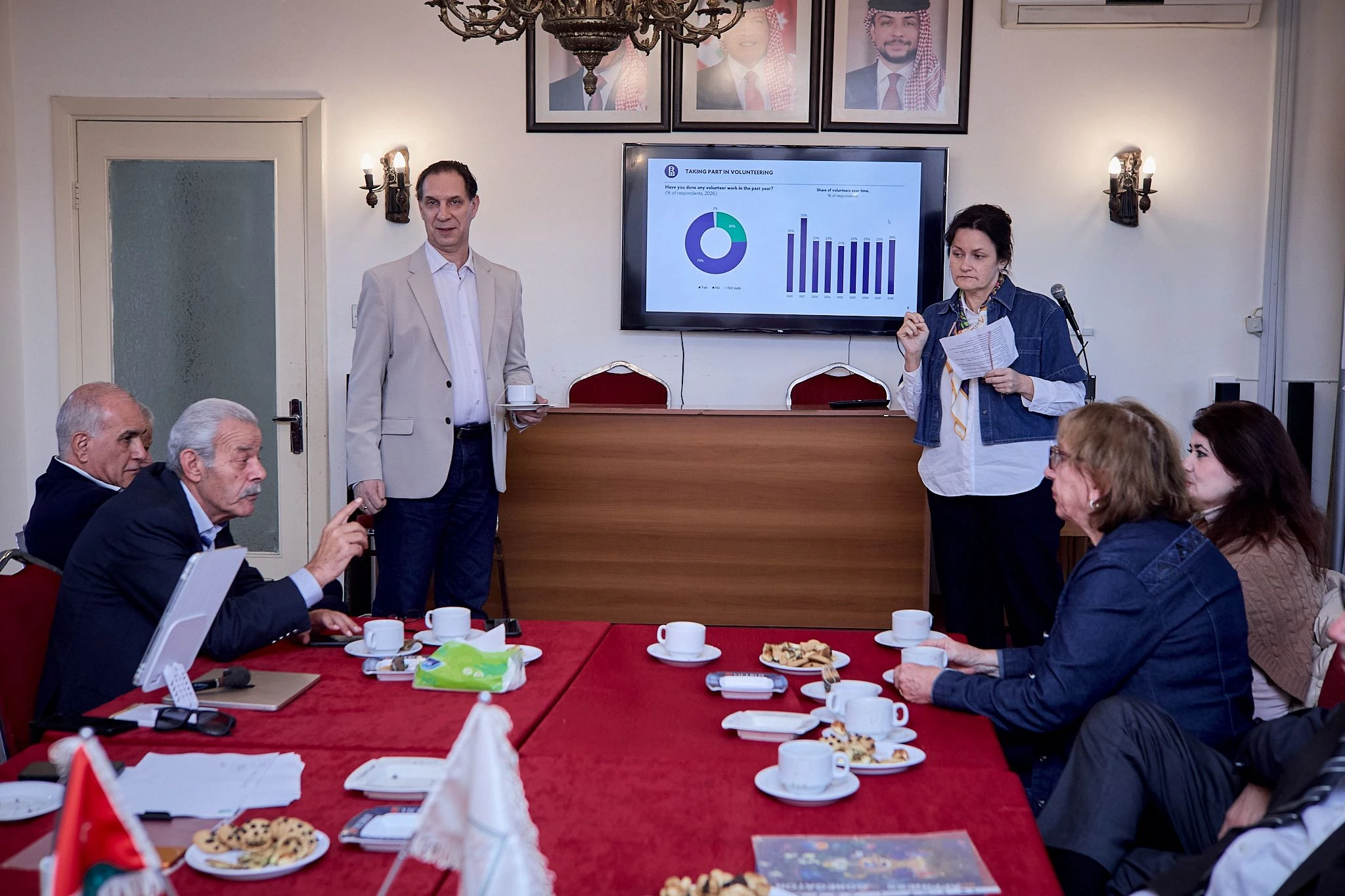
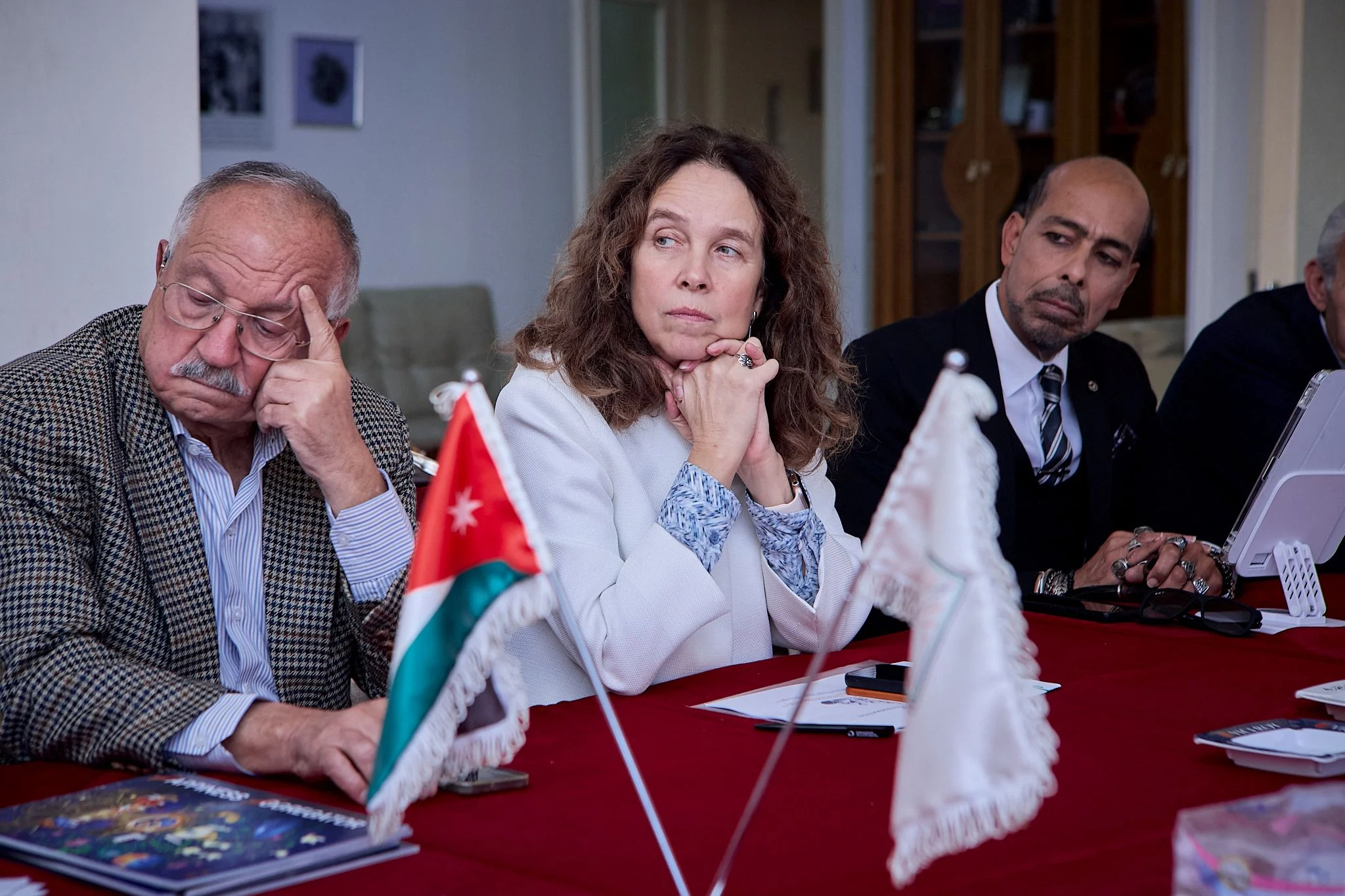
The Round Table “NGOs, Volunteering and Charity in the Arab World” was held on 9 November 2026 in Amman (Jordan) within the framework of the First World Public Summit: Arab World “Dialogue, Cultural Heritage and Partnership for a Common Future”. The discussion was organized by the Arab Group for Peace and the World Peoples Assembly, at the initiative of the Center for Studies of Civil Society and the Nonprofit Sector at HSE University (Russia), and with the support of the Russian-Jordanian Friendship Society.
The discussion brought together representatives of government authorities, the expert community, research centers and public organizations. Participants discussed the role of the nonprofit sector in the socioeconomic development of the Arab world, as well as current approaches to assessing its contribution to social development.
The Round Table was moderated by Vyacheslav Ivanov, chief expert of the Center for Studies of Civil Society and the Nonprofit Sector at HSE University (Russia).
The discussion was attended by:
Raul Jose Enriquez (Curaçao) - Director and Secretary General of the Social and Economic Council (SER) of Curaçao;
Apostolos Xirafis (Greece) - Secretary General of the International Association of Economic and Social Councils and Similar Institutions (AICESIS);
Irina Mersiyanova (Russia) - Director of the Center for Studies of Civil Society and the Nonprofit Sector at HSE University;
Elena Topoleva-Soldunova (Russia) - Director of the Agency of Social Information, Chair of the Commission for the Development of the Nonprofit Sector of the Civic Chamber of the Russian Federation, Deputy Chair of the Council on Guardianship in the Social Sphere under the Government of the Russian Federation, member of the Expert Council under the Government of the Russian Federation;
Marina Volkova - Head of the Department of Happiness of the World Peoples Assembly, Head of the Center for Sociocultural and Comprehensive Rehabilitation and Development “Happiness Aggregator”, founder of the worldwide movement “Ambassadors of Happiness.”
Participants noted that nonprofit organizations, volunteering and charity play an important role in socioeconomic development at all levels - local, regional and national. The nonprofit sector makes a key contribution to addressing socially significant tasks in areas where market mechanisms fail and state institutions respond insufficiently promptly. NGOs also provide feedback between the state and civil society, provide expertise for improving social policy, create new jobs and mobilize the population to participate in constructive public activity.
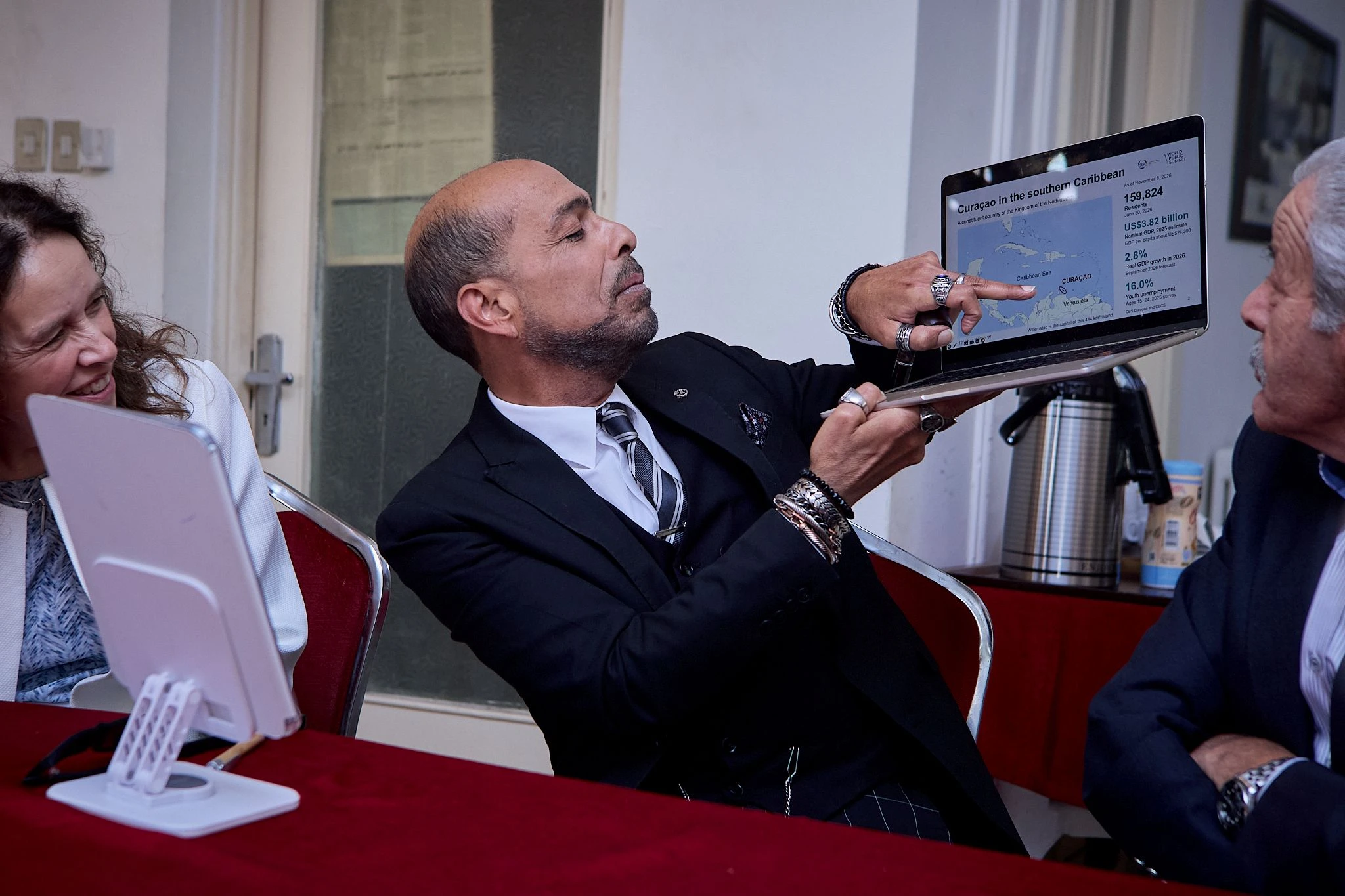
In his remarks, Raul Jose Enriquez focused on the role of the nonprofit sector in sustainable development and the importance of dialogue between the Arab world and the countries of the Caribbean and Latin America.
Apostolos Xirafis spoke about his Association’s experience in developing the nonprofit sector, as well as about the mechanisms of international cooperation available within AICESIS international partnerships.
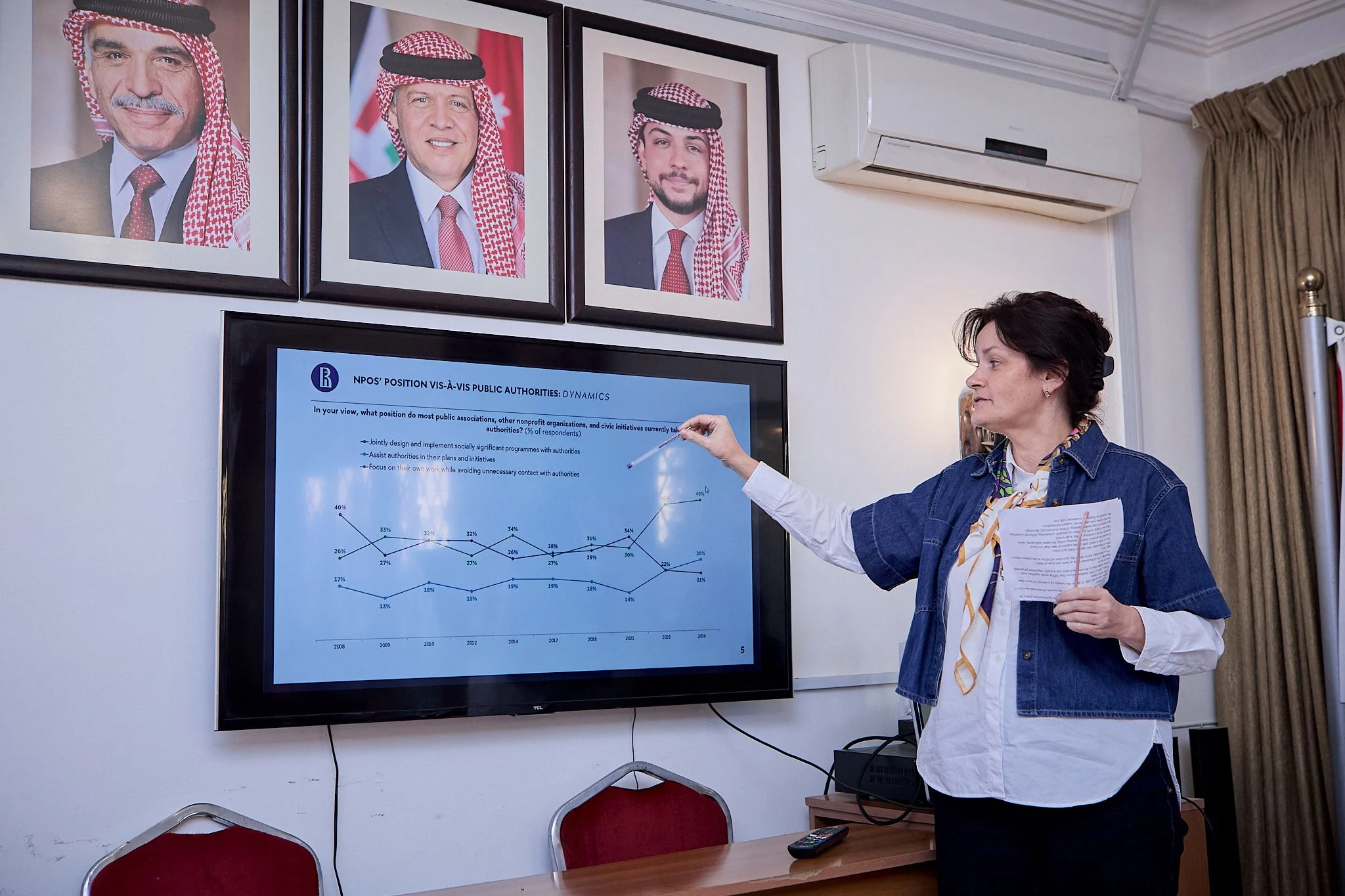
Irina Mersiyanova presented the results of monitoring the state of civil society in Russia, which has been conducted since 2006, and also spoke about approaches to assessing the contribution of NGOs to the economy and social sphere. The expert invited colleagues from other countries to join a comparative research project on the development of volunteering and charity. This proposal immediately received a lively response: an interactive discussion in focus-group format took place directly during the Round Table. Drawing on data from the Russian monitoring, participants jointly analyzed key factors influencing the development of public activity and civic initiatives in Jordan.
In her remarks, Elena Topoleva-Soldunova highlighted Russian experience in supporting and developing the nonprofit sector, as well as practices of interaction between NGOs and the state and society. She particularly emphasized the role of organizations such as the Civic Chamber of the Russian Federation.
- To promote the development of civil society institutions in various countries, institutions to support them are being created. They have also been created in Russia. These are, first of all, the system of regional and municipal resource centers for NGOs. These are grant support operators at the federal and regional levels, such as the Presidential Grants Fund and similar funds in various regions of the country. In addition, this is the system of public chambers operating in all constituent entities of the Russian Federation. And, of course, the Civic Chamber of the Russian Federation, which has a specialized commission for the development of the nonprofit sector and carries out extensive work to improve interaction between authorities and civil society institutions, - the expert noted.
Marina Volkova spoke about Russian and international social and cultural projects and initiatives aimed at preserving family values, improving quality of life, involvement in charity and developing local communities. A special place in the speaker’s remarks was occupied by the idea of a humanitarian mission - an initiative to hold joint meetings of schoolchildren and teachers from Russia, the Arab world and other states.
- Direct dialogue between children and teachers becomes the best foundation for peace and mutual understanding, - noted the Head of the Department of Happiness of the World Peoples Assembly.
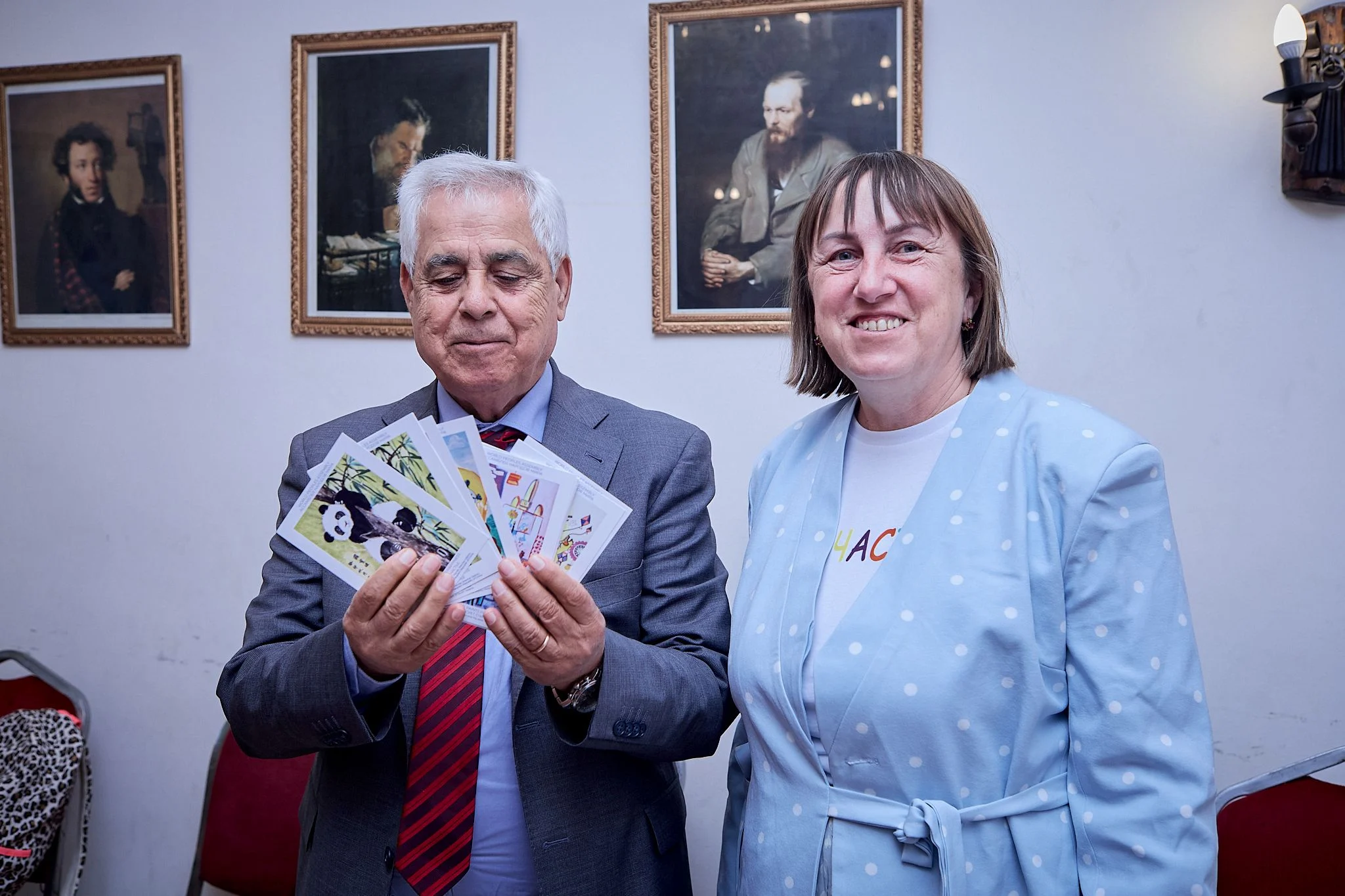
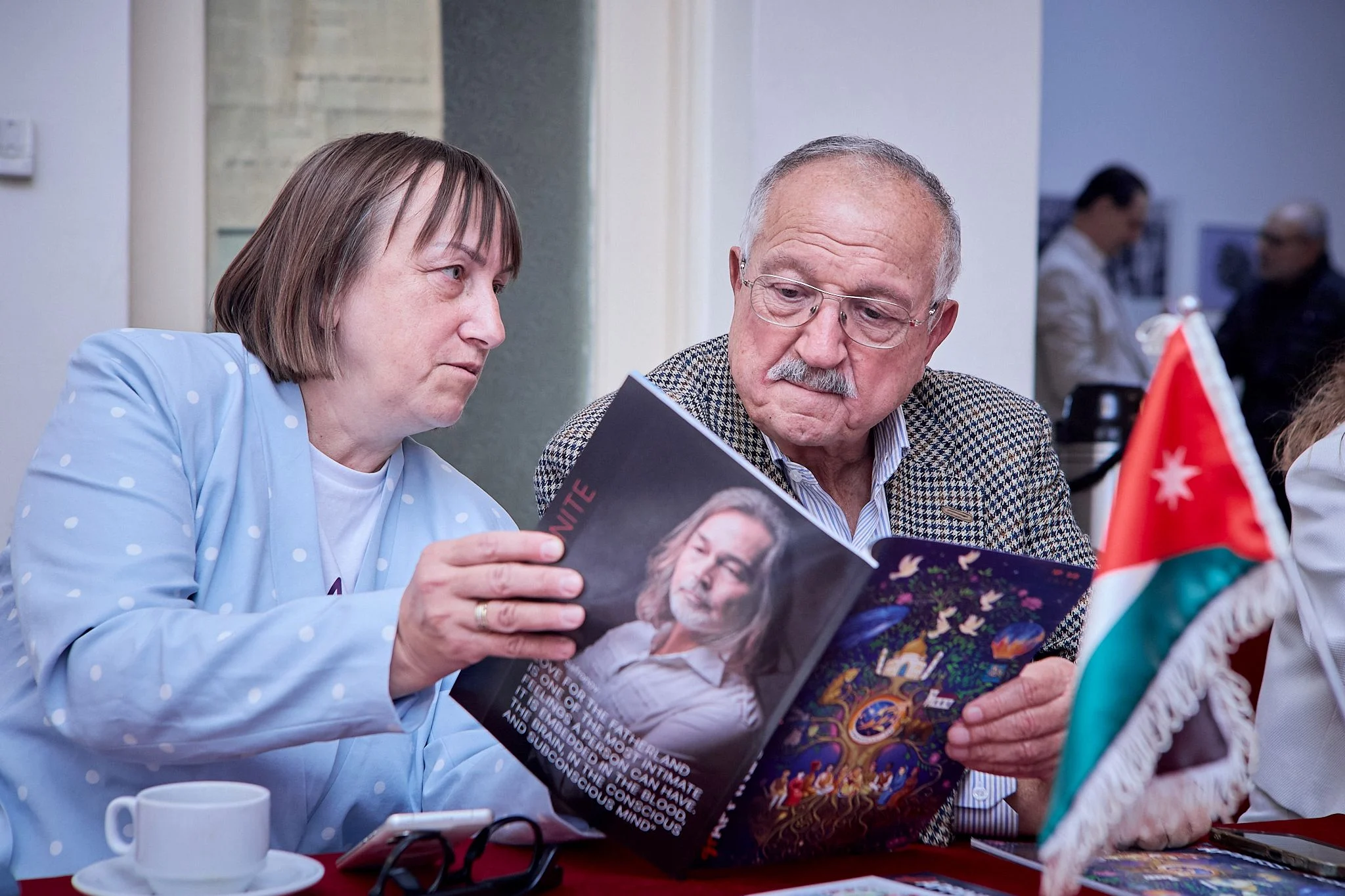
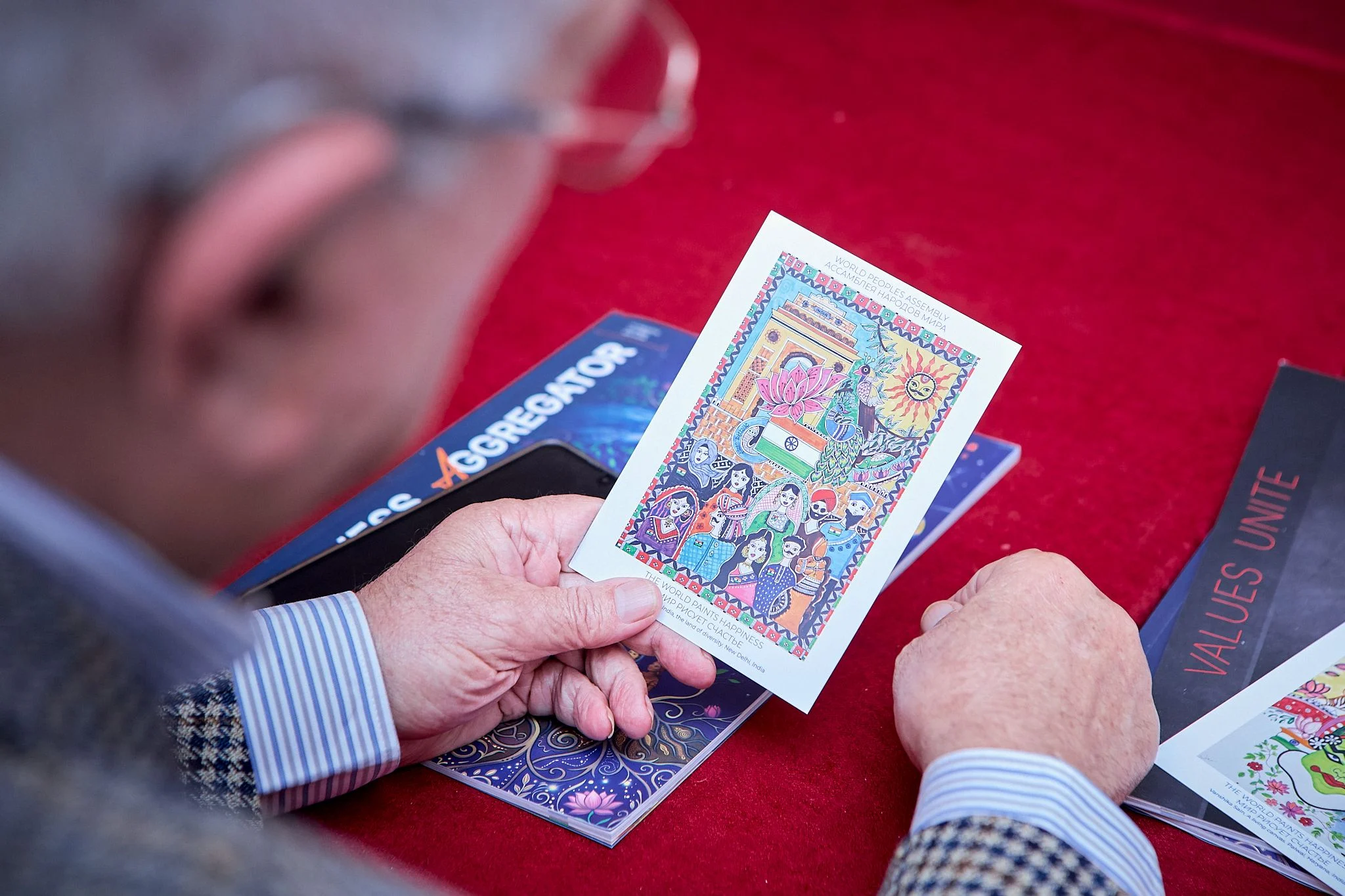
Marina Volkova gave separate attention to the international project “Letters of Happiness.” Session participants took an interest in viewing the postcards that children from different countries send to each other with words of support and friendship.
At the same time, one of the key problems remains the insufficient study of the nonprofit sector. In many countries, there is no comprehensive statistical data allowing an objective assessment of the scale of NGO activity, their economic contribution, impact on solving social tasks and role in achieving national development goals. Participants discussed the formation of a modern system of statistical accounting for the activities of nonprofit organizations, the development of common approaches to monitoring the state of civil society and the creation of tools for assessing the effectiveness of NGO work.
During the discussion, participants highly commended the Russian experience accumulated by the Center for Studies of Civil Society and the Nonprofit Sector at HSE University, which since 2006 has conducted longitudinal monitoring of the state of civil society and the development of the nonprofit sector. It was noted that adapting best research practices, considering the characteristics of the Arab world countries, could become the basis for creating a modern methodology for studying civil society in the region.
Following the Round Table, an agreement was reached on forming an international working group that will develop a methodology for studying the activities of nonprofit organizations and other institutions of public self-organization in the Arab world, considering Russian experience and the national characteristics of the states of the region. Participants emphasized that the development of civil society is an important condition for sustainable development, strengthening public trust and expanding international humanitarian cooperation. Increasing the transparency of NGO activities, improving assessment mechanisms and developing international partnership will contribute to more effective interaction among the state, society and the nonprofit sector in addressing current social tasks.
The recommendations developed during the Round Table will be integrated into the ongoing international dialogue on the development of civil society institutions and public diplomacy and presented at similar specialized international platforms, including events of the World Public Assembly.
Additional information is available on the official website of the World Peoples Assembly, on its VKontakte and Telegram accounts, and at media@world-assembly.org.
Photographer — Mikhail Denisov.