

Three Territories - One Idea: Friendly Meetings in Tchaikovsky, Gozhnya and Nizhny Novgorod Held by the World Peoples Assembly
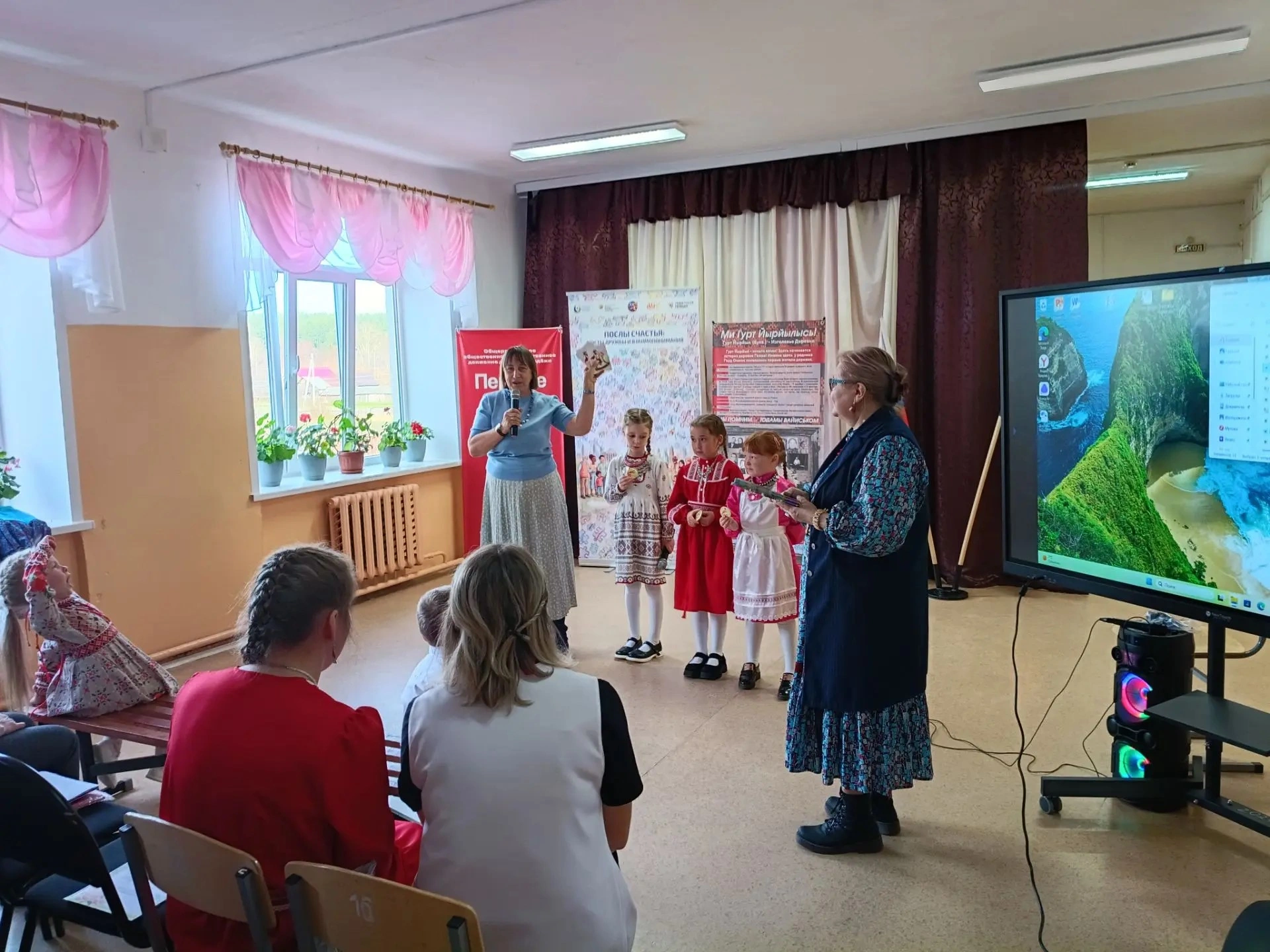
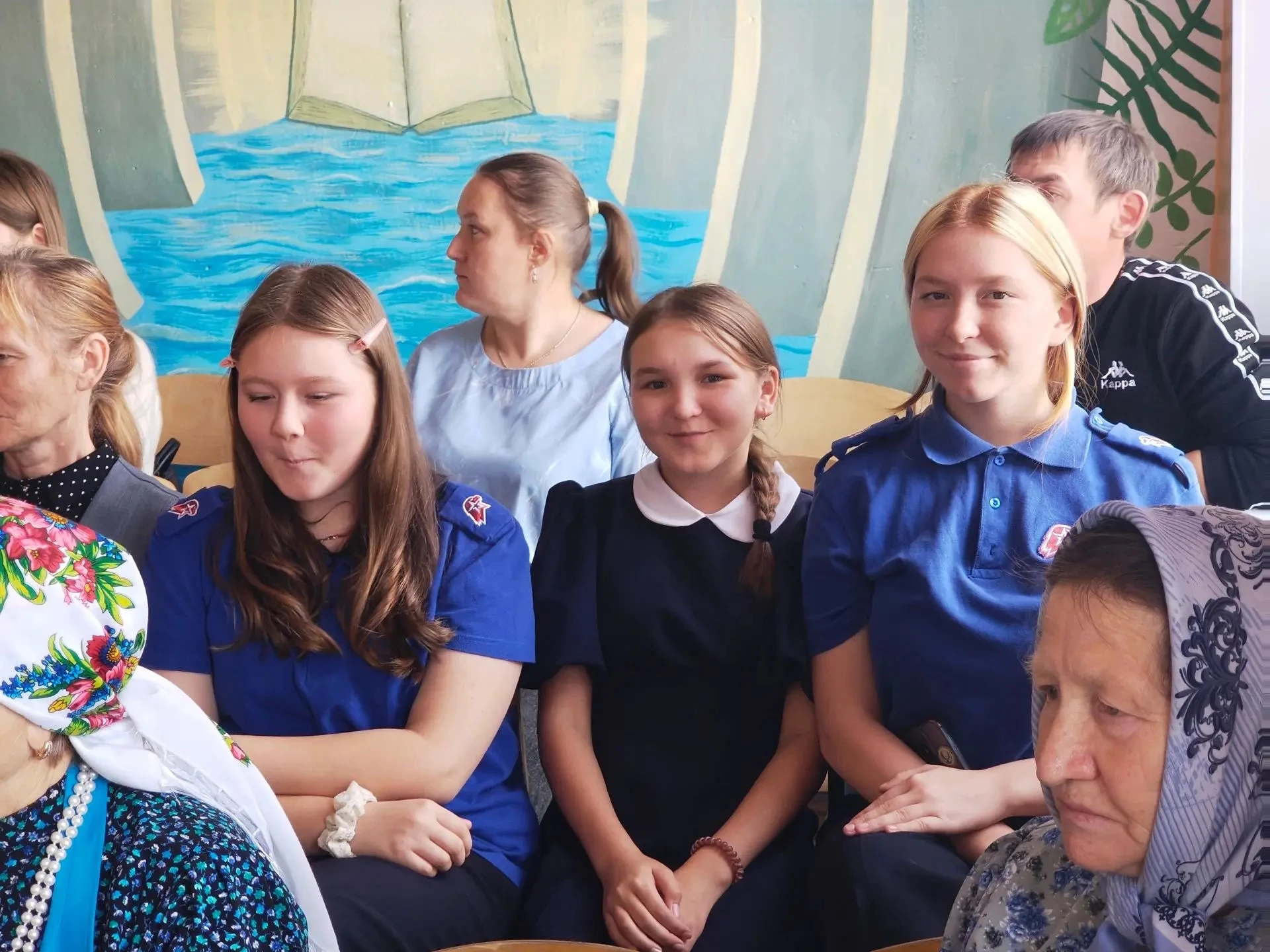
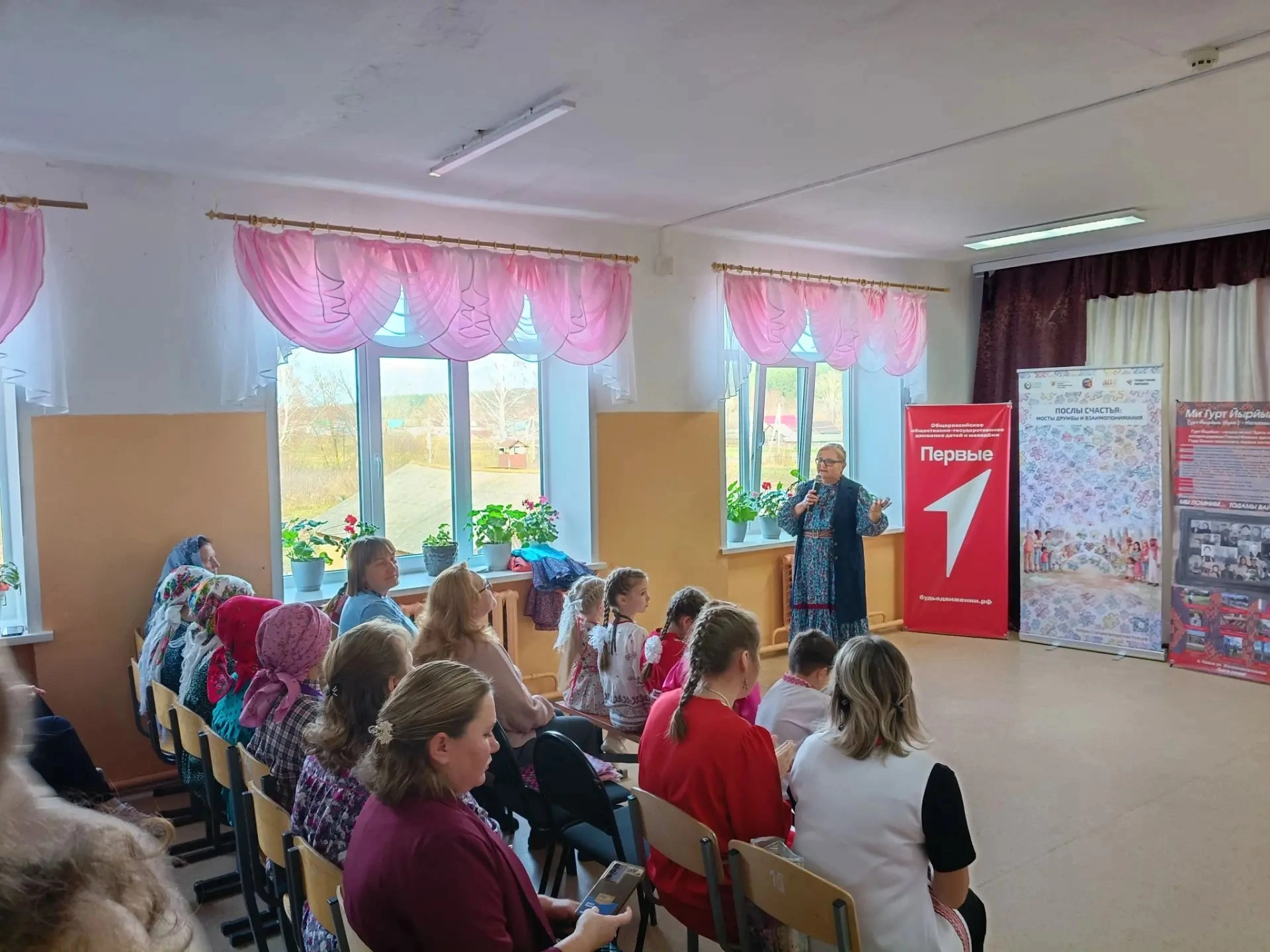
Three friendly meetings were held in Russian cities and settlements on the eve of the 10th anniversary of the World Peoples Assembly: in Tchaikovsky (Perm Krai), Gozhnya (Udmurtia) and Nizhny Novgorod in autumn 2026. The organizers are the Happiness Department of the World Peoples Assembly and the Center for Sociocultural Rehabilitation and Development “Happiness Aggregator.”
The main goal of the meetings was to talk about happiness as a living energy that is born on different platforms, with different agendas, but with one common idea: people want to create happiness with their own hands, their own attention and their own initiatives.
- We deliberately focus on small, intimate formats where every participant is involved: it is precisely in such personal, warm interaction that real communities of happy people are born – communities that do not wait for change, but shape it themselves, – noted the head of the Happiness Department of the World Peoples Assembly and the Center for Sociocultural Rehabilitation and Development “Happiness Aggregator,” Marina Volkova.
Tchaikovsky (Perm Krai): an intimate workshop and “Letters of Happiness”
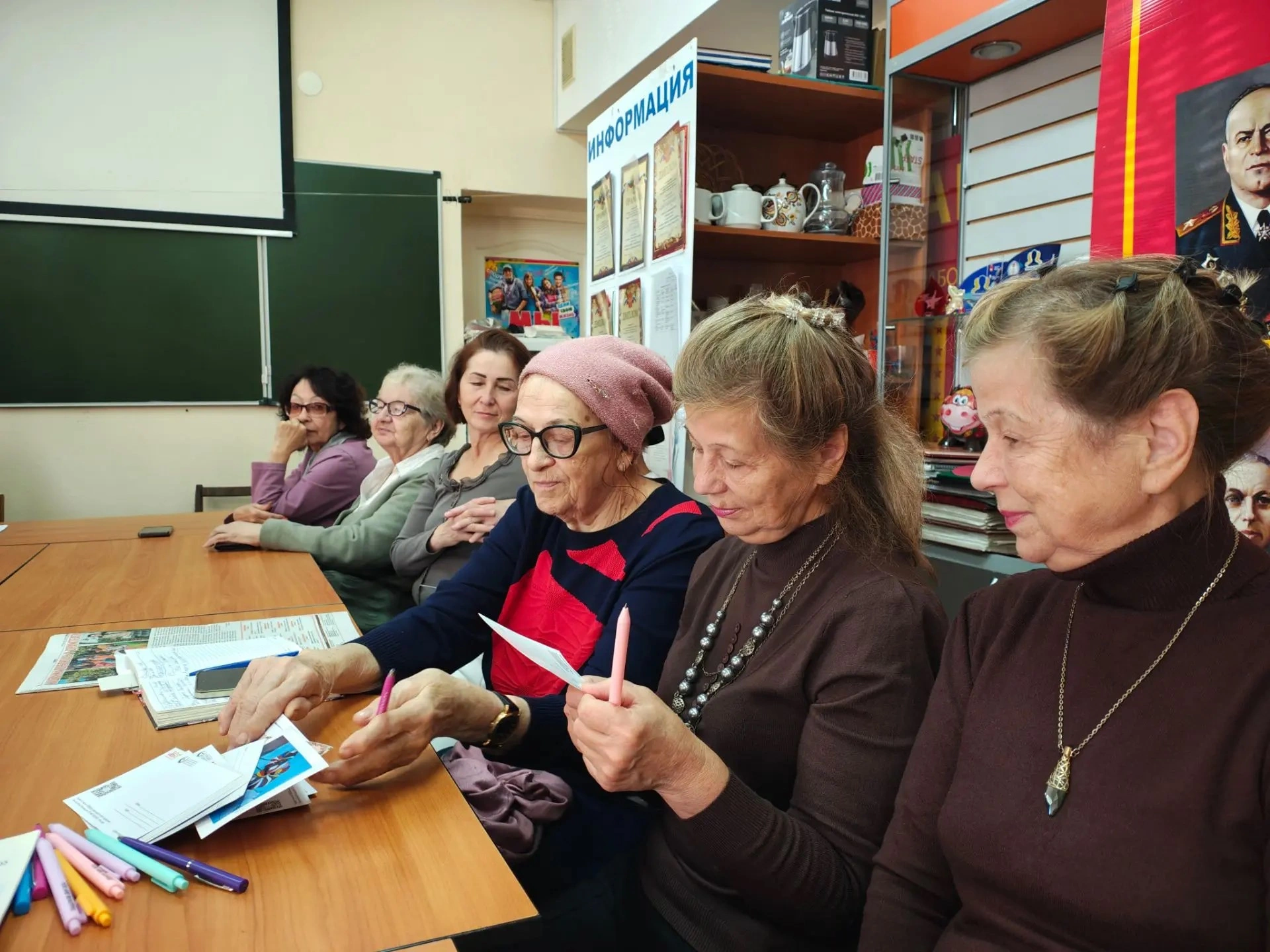
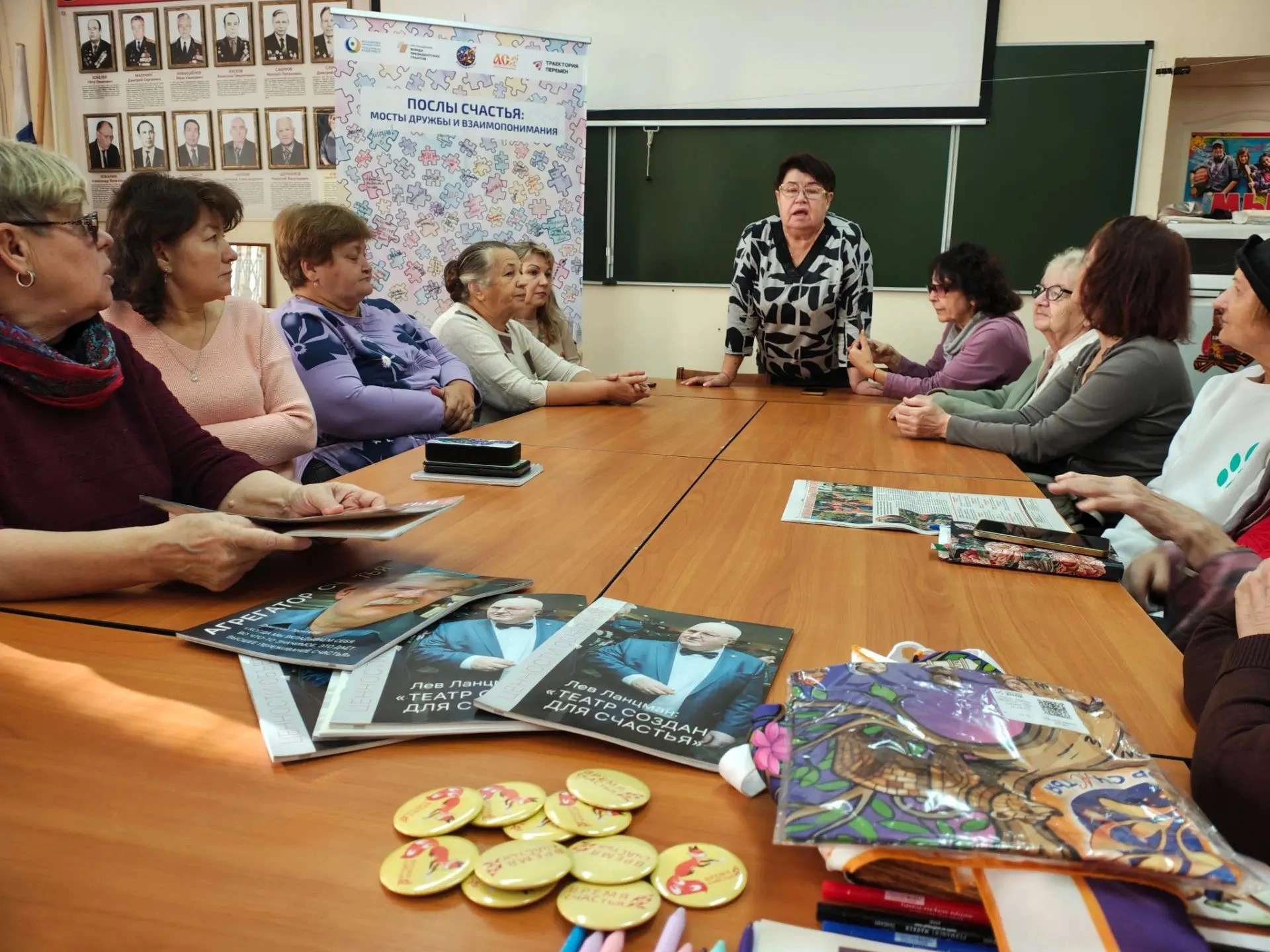
A warm meeting was held in Tchaikovsky, bringing together caring people. The central event was the “Happiness Workshop” – an original program by Marina Volkova. The head told those gathered about the “law of two percent”: when only 2% of people begin to consciously think and speak about goodness and creation, this idea gradually becomes a new paradigm for society. Participants learned about the “Ambassadors of Happiness” movement: the project was launched five years ago and received support from the Presidential Grants Fund in 2026.
Guests were especially moved by the simple but profound practice of “Letters of Happiness” – postcards with warm words that one wants to give to those who are dear. Participants joyfully sorted through them to send to loved ones, believing that every message would certainly find its recipient.
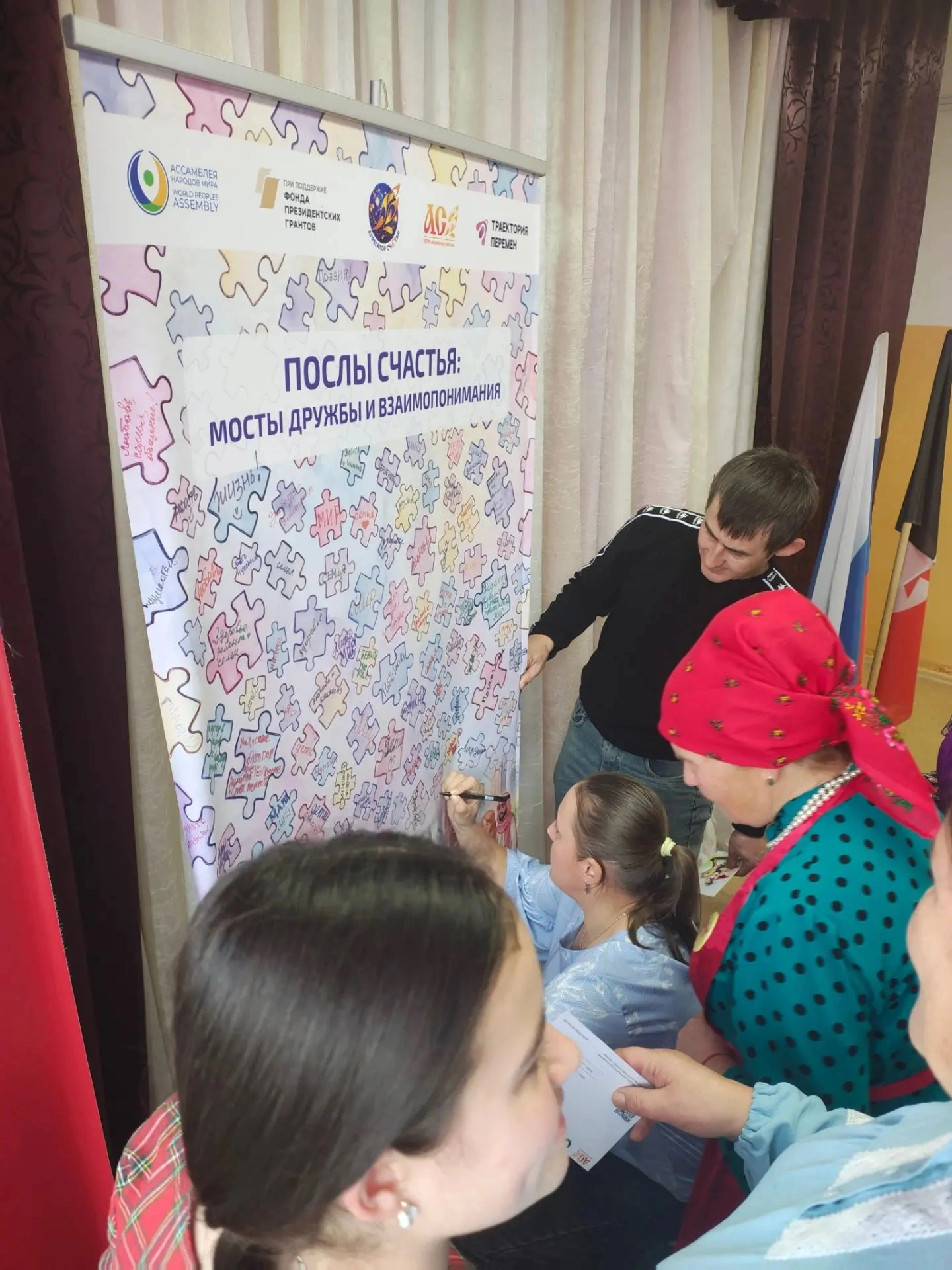
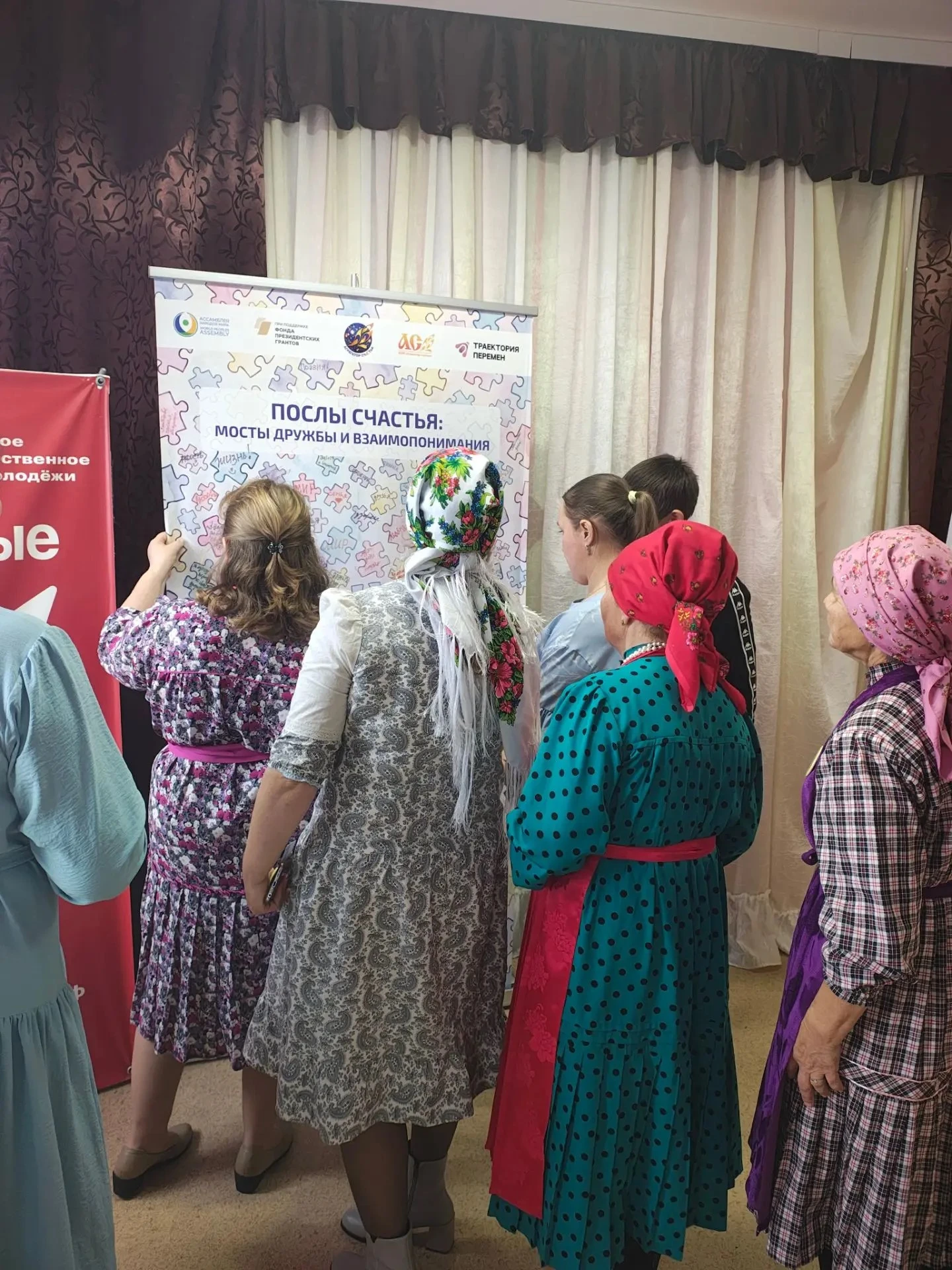
At the meeting, guests admitted that talking about happiness can be difficult, sometimes even awkward – as if it were “not adult-like.” But in an atmosphere of openness, people began to share good news, tell what makes them happy, and realized that talking about the bright side is also courage. Together they wrote their main values on a common banner and assembled puzzles where every piece contained a small manifestation of goodness: care, support, a smile, attention.
Gozhnya village (Udmurtia): happiness is born in deeds
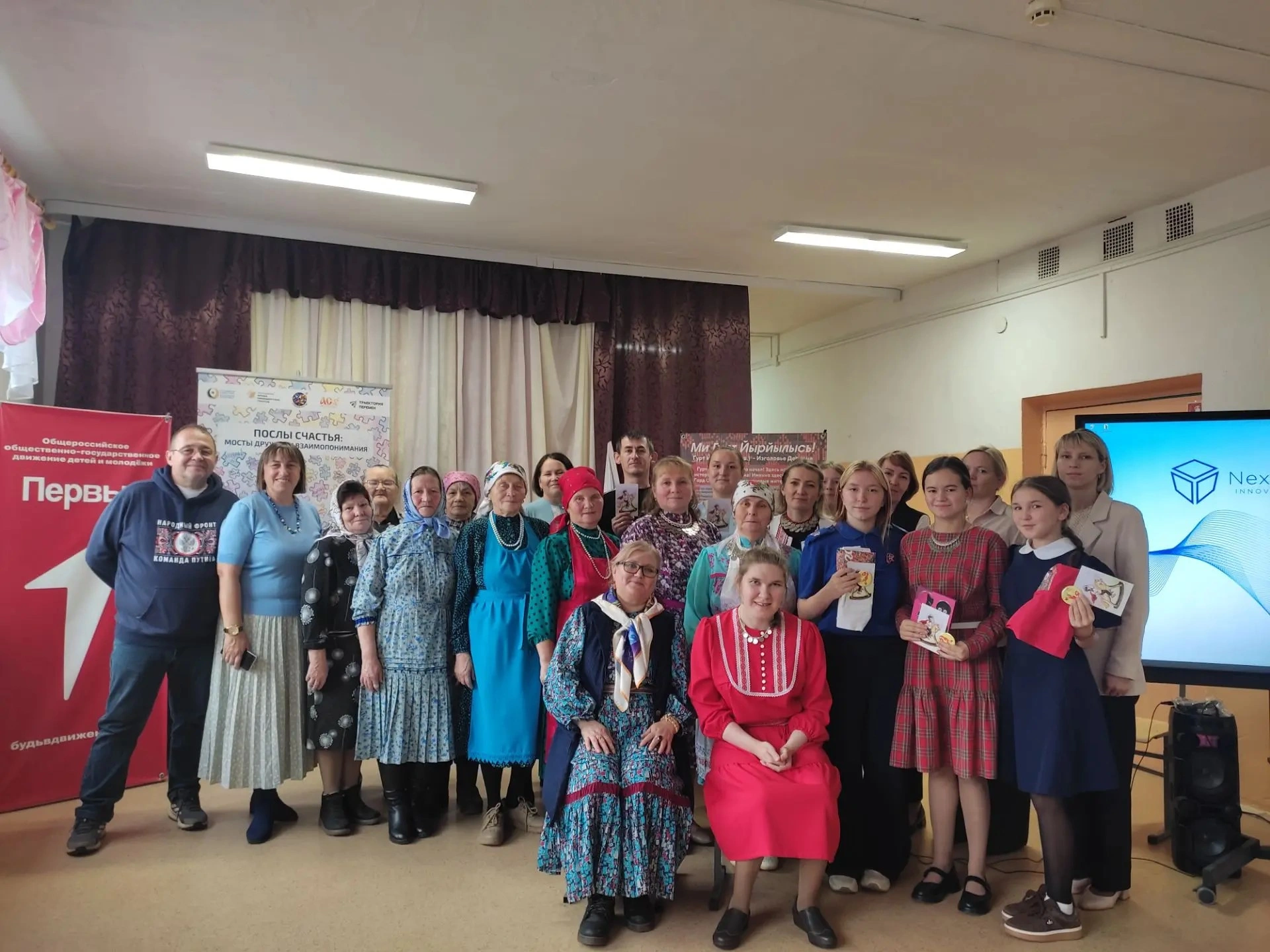
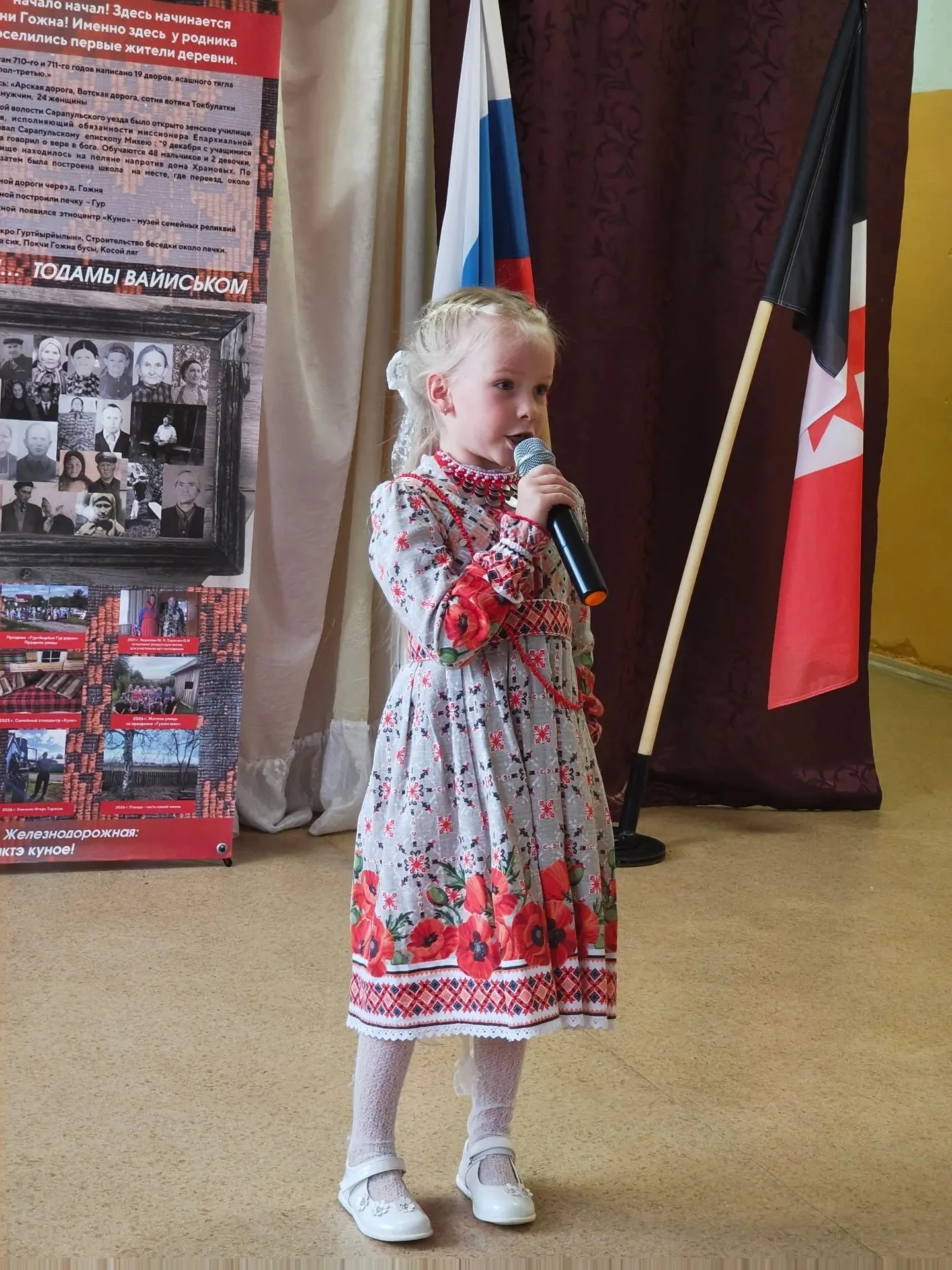
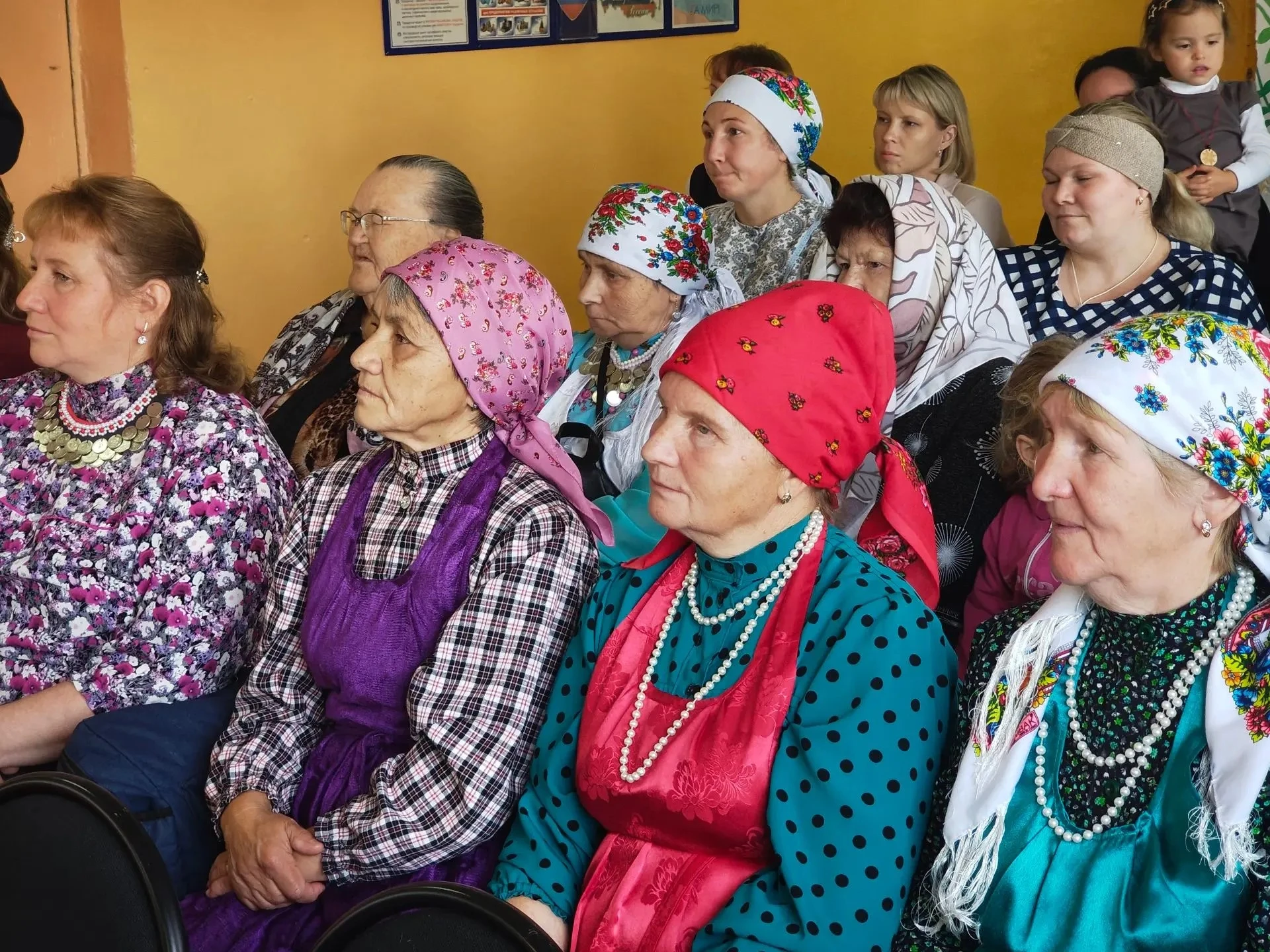
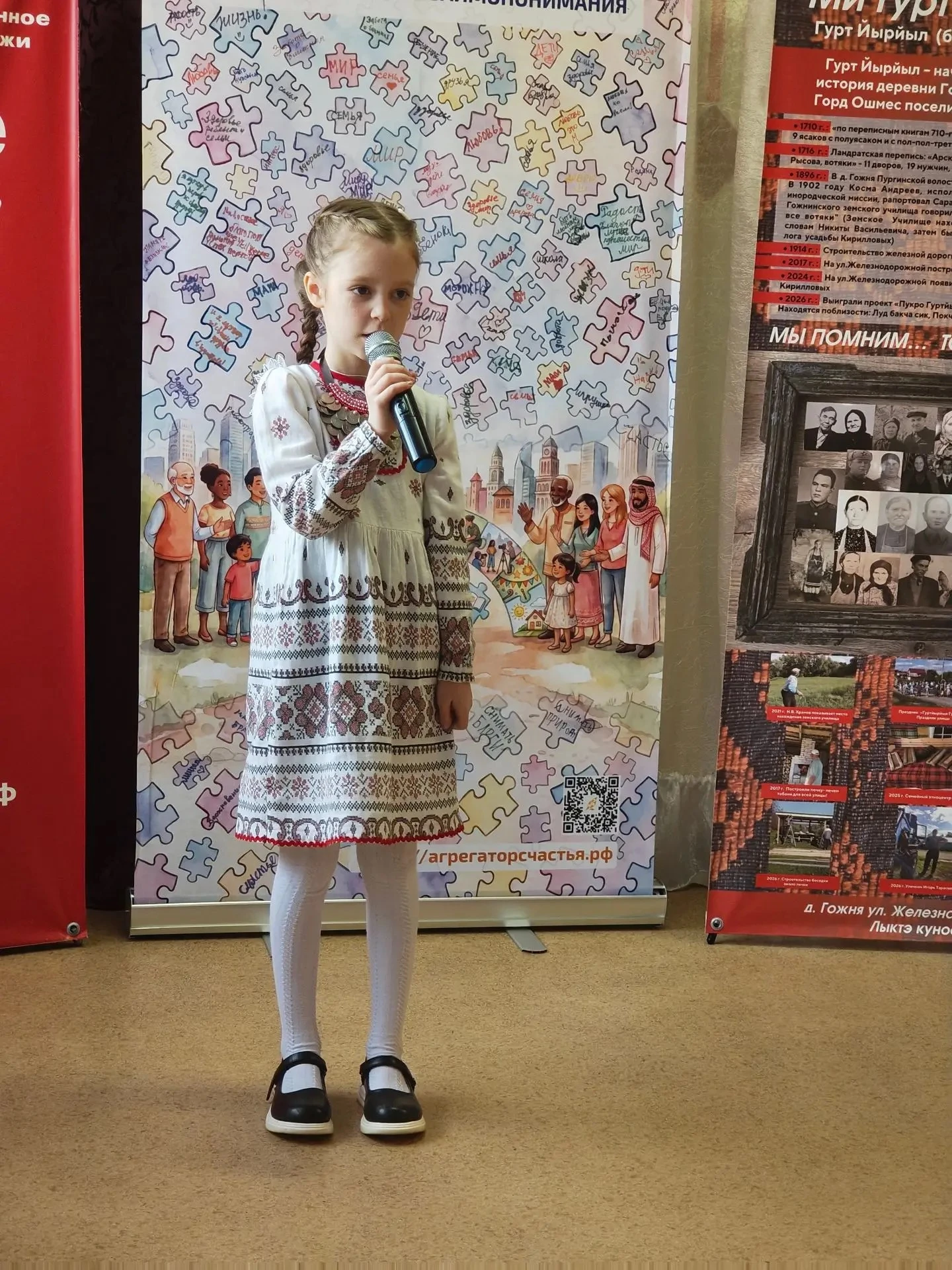
The Village Project Forum “In Search of the Melody of Heavenly Dew: Creating Together!” was held in the village of Gozhnya. The event became a platform for open dialogue among residents united by the desire to develop their territory through the implementation of specific projects. The results speak for themselves:
public spaces on Shkolnaya Street and Sovkhoznaya Street were improved;
a gazebo “Keneshon inty” was built on Zheleznodorozhnaya Street – a new gathering place for the whole village;
seven events were held to preserve the ethnocultural heritage of Gozhnya.
The forum also discussed the difficulties that the initiators had to face. Marina Volkova presented approaches to uniting the local community and spoke about the project “Ambassadors of Happiness: Bridges of Friendship and Mutual Understanding.”
The meeting concluded with the joint formation of a “happiness map” of Gozhnya: participants formulated their main values, reflecting what is truly dear to the village residents.
Nizhny Novgorod: a conversation about happiness as a civic position
In Nizhny Novgorod, the meeting was held at the venue of the Nizhny Novgorod Regional Public Organization “Invatur.” This choice was not accidental: it emphasizes that the idea of creative happiness must be truly inclusive, accessible and valuable for every person regardless of life circumstances.
The central theme of the conversation was a discussion with the head of the Happiness Department of the World Peoples Assembly, Marina Volkova, on how to turn good initiatives from single actions into sustainable practices noticeable in the urban environment. The focus was on three key areas:
supporting local communities and strengthening horizontal ties;
involving young people and the older generation in creative projects;
ways to talk about good things so that it inspires rather than causes skepticism.
Special attention was paid to the “happiness filter” for social initiatives – a criterion assessing how much a project makes people’s lives kinder, warmer, more harmonious. This idea, first systematically presented in the English-language issue of the “Happiness Aggregator” magazine, received practical development here: participants proposed specific criteria and examples of evaluating projects through the prism of human well-being. They also discussed the role of media and local platforms in spreading creative meanings: how to talk about good deeds so that they are noticed, supported and repeated.
The event turned out to be rich: participants not only exchanged opinions, but also outlined the first steps to unite efforts, create a common calendar of events and exchange methods of working with communities.
Results of the meetings: from private initiatives to a common movement
Participants in the meetings in Tchaikovsky, Gozhnya and Nizhny Novgorod showed sincerity, the ability to speak about the bright side without embarrassment, and a readiness to unite for the common good. It is on this logic that the “Ambassadors of Happiness” movement is built: every person can become a conduit of goodness and mutual understanding, and the community – a space where these impulses are amplified and turn into real changes.
Small but valuable meetings became part of a huge movement that is being formed on the eve of the 10th anniversary of the World Peoples Assembly – a platform where every voice matters, initiative finds a response, and happiness becomes a habitual norm of life.
Additional information is available on the official website of the World Peoples Assembly, on its VKontakte and Telegram accounts, and at media@world-assembly.org.