

World Assembly Days in Vietnam laid the Foundation for a Long-Term Partnership
From August 25 to 27, 2026, the World Peoples Assembly Days were held in Vietnam. The rich program included meetings between the Assembly delegation and the leadership of various ministries, leading universities, major public organizations, and representatives of small and medium-sized businesses, as well as a plenary session and roundtables dedicated to international cooperation in science, education, economy, and tourism.
The delegation of the World Peoples Assembly comprised:
Andrey Belyaninov — Secretary-General of the World Peoples Assembly, Member of the Commission of the Russian Federation for UNESCO;
Yulia Petrova — Deputy Secretary-General of the Assembly, Professor at the Financial University under the Government of the Russian Federation;
Alexandra Ochirova — Co-Chair of the Assembly’s Supreme Advisory Council, UNESCO Goodwill Ambassador;
To Thi Tuyet Khanh — Advisor to the Chairman of the Assembly’s General Council, Ambassador of Russian Education and Science in Vietnam, Representative of the Financial University under the Government of the Russian Federation;
Alana Kochieva — Head of the Assembly’s Department for International Education Development and Partnerships;
Tatiana Avgusmanova — Head of the Assembly’s Sustainable Development Directorate;
Yulia Gryukan — Advisor to the Secretary-General of the Assembly;
Stanislav Korolev — Deputy Secretary-General of the Assembly;
Pavel Bezdenezhnykh — Head of the Office of the Secretary-General of the Assembly.
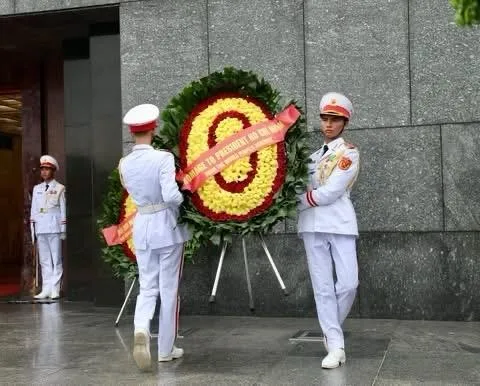
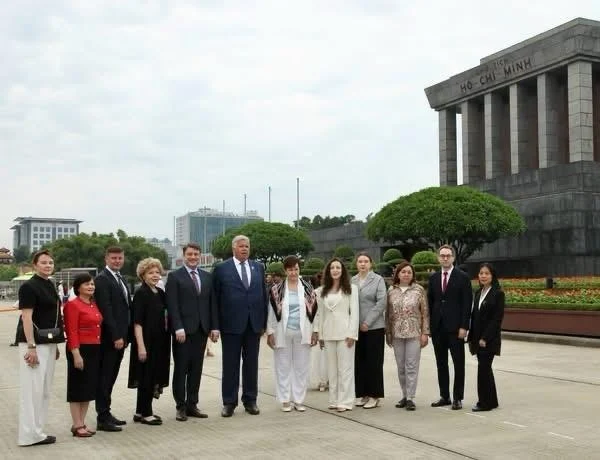
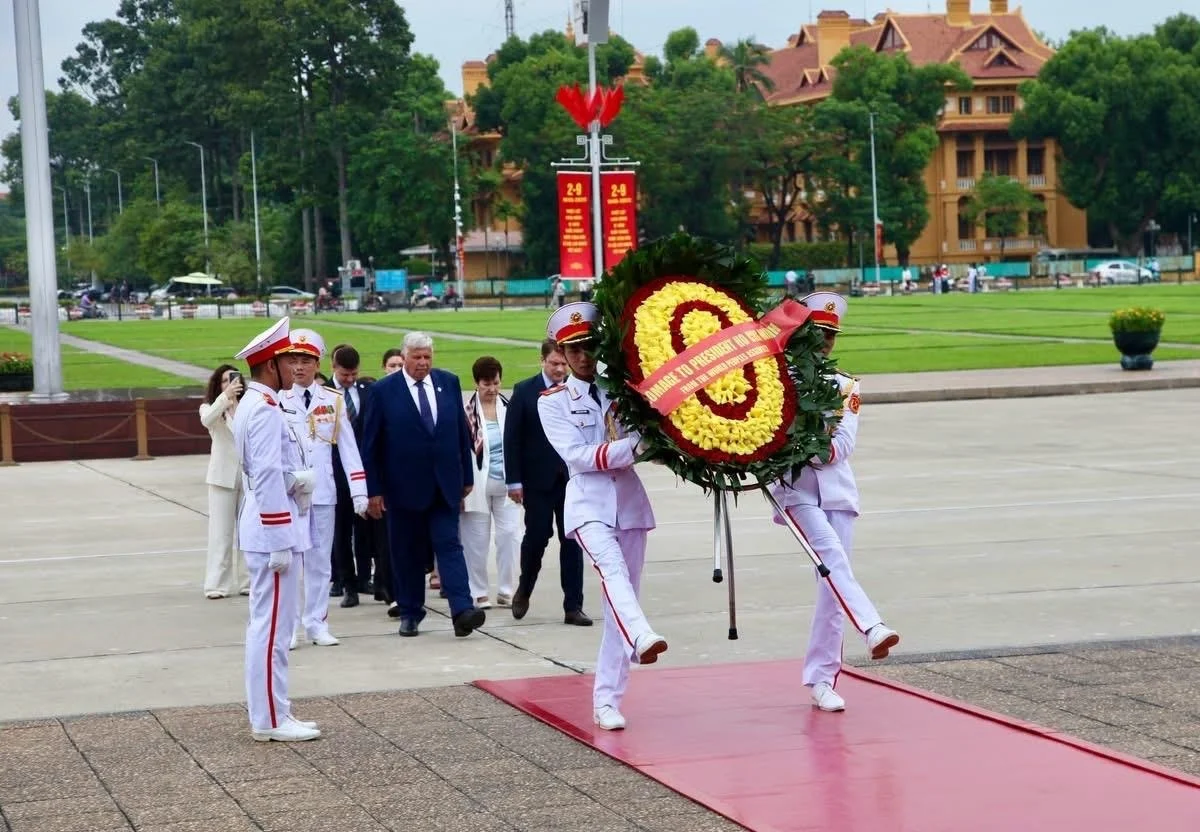
On the first day, a delegation of the World Peoples Assembly, led by Secretary-General Andrey Belyaninov, together with Vladimir Murashkin, Head of the Russian House (Rossotrudnichestvo) in Vietnam, laid flowers at the Ho Chi Minh Mausoleum. The ceremony was timed to coincide with the upcoming anniversary - the Independence Day of the Socialist Republic of Vietnam.
This event became a significant part of the official visit program, symbolically confirming the deep respect of the delegation members for Vietnam's rich historical heritage and its national traditions and values. It also underscored the Assembly's commitment to the principles of intercultural dialogue and the preservation of historical memory.
Also, on August 25, a working meeting was held between the leadership of the World Peoples Assembly and the leadership of the Ministry of Education and Training of the Socialist Republic of Vietnam. The parties discussed the development of joint educational programs, academic exchanges, and the implementation of research initiatives. Special attention was paid to opportunities for integrating joint projects into the global UNESCO agenda.
On the same day, a working meeting took place with the leadership of the Ministry of Culture, Sports and Tourism of the Socialist Republic of Vietnam. The parties discussed prospects for developing bilateral cooperation, noting the significance of cultural dialogue as a key instrument for strengthening international ties and mutual understanding between peoples.
These meetings laid a solid foundation for further strengthening cooperation and confirmed the parties' readiness for long-term and fruitful partnership in the educational and cultural spheres.
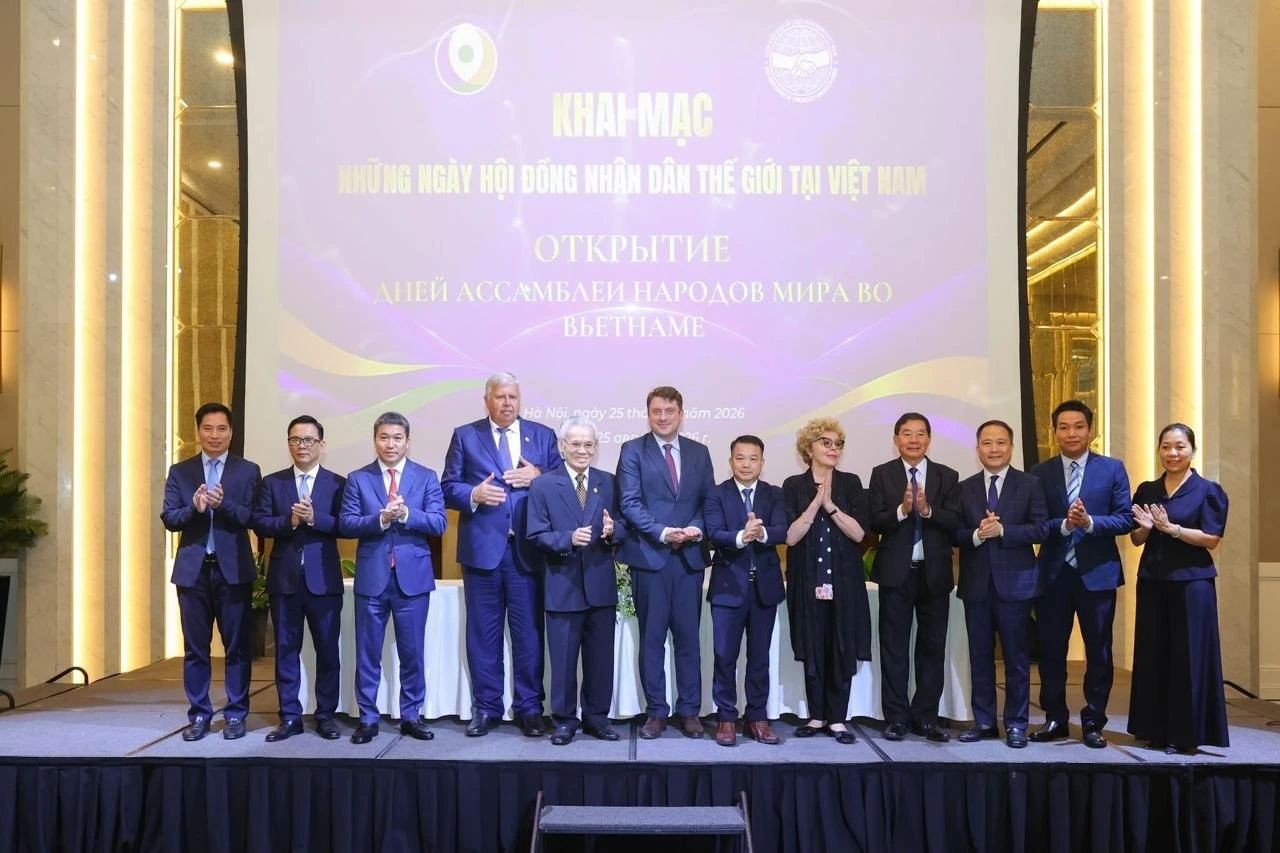
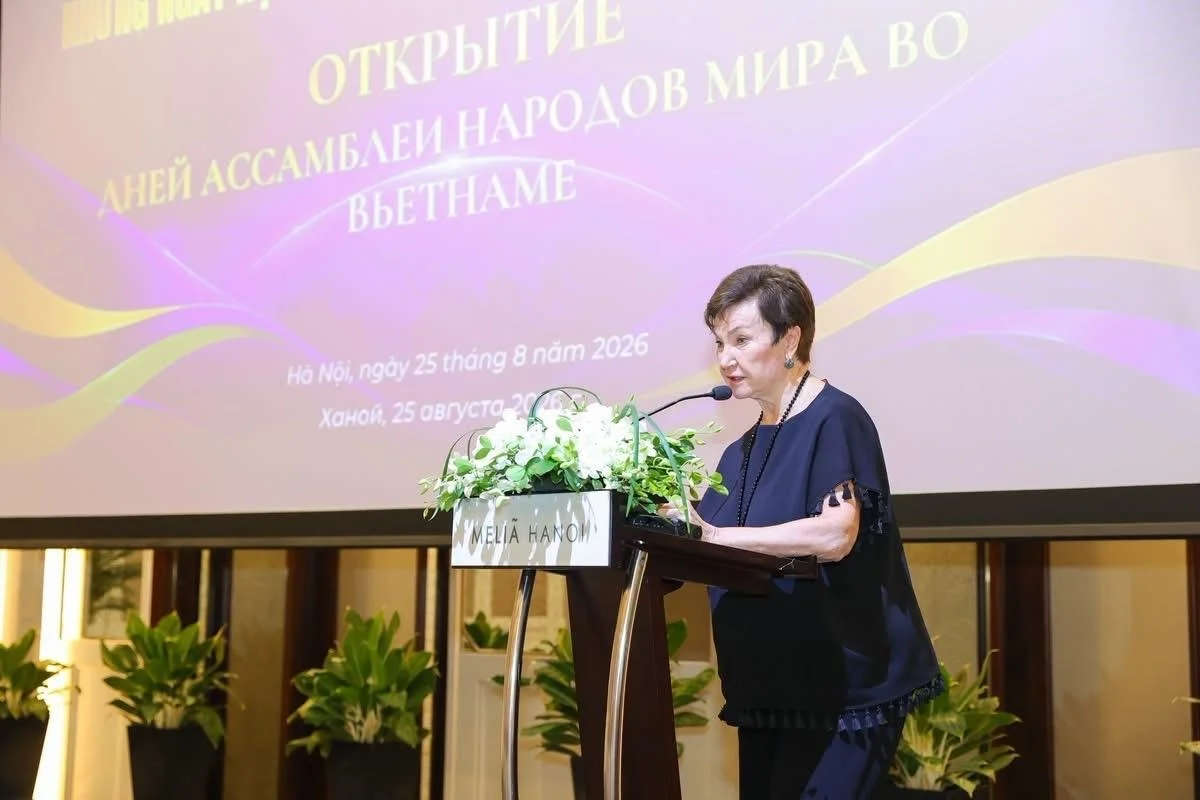
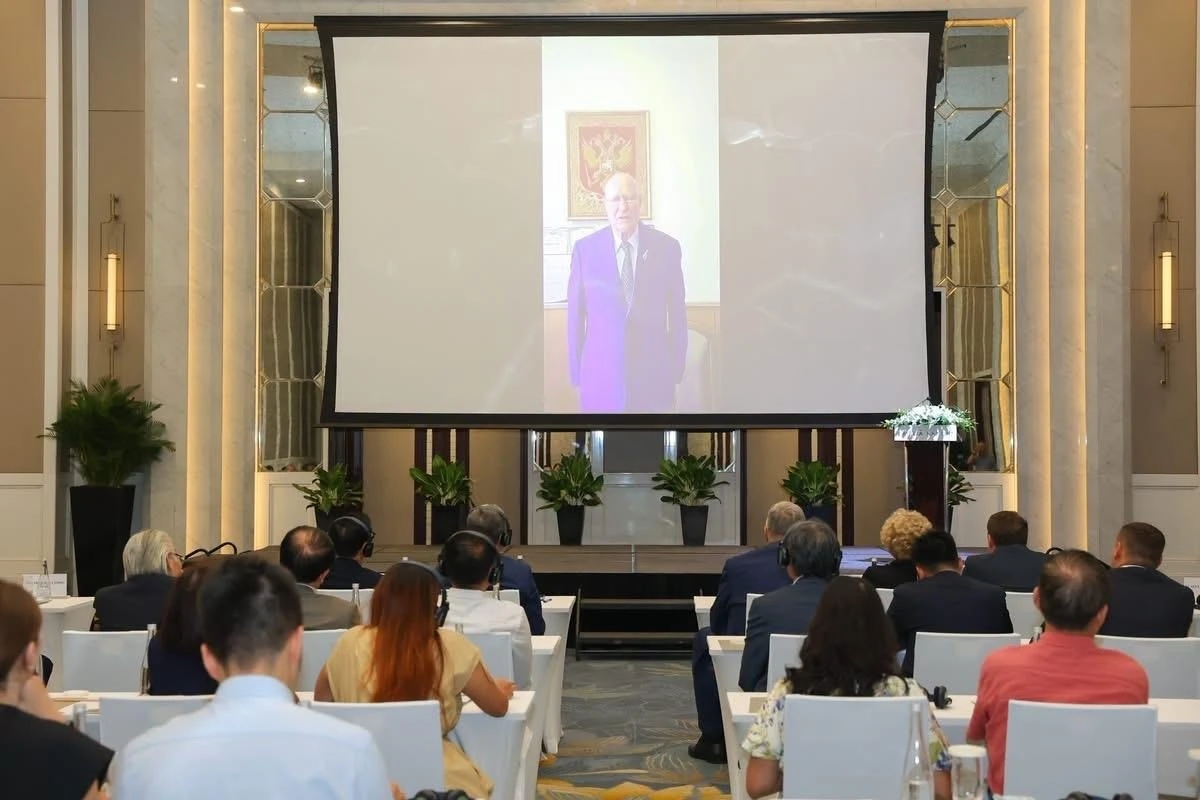
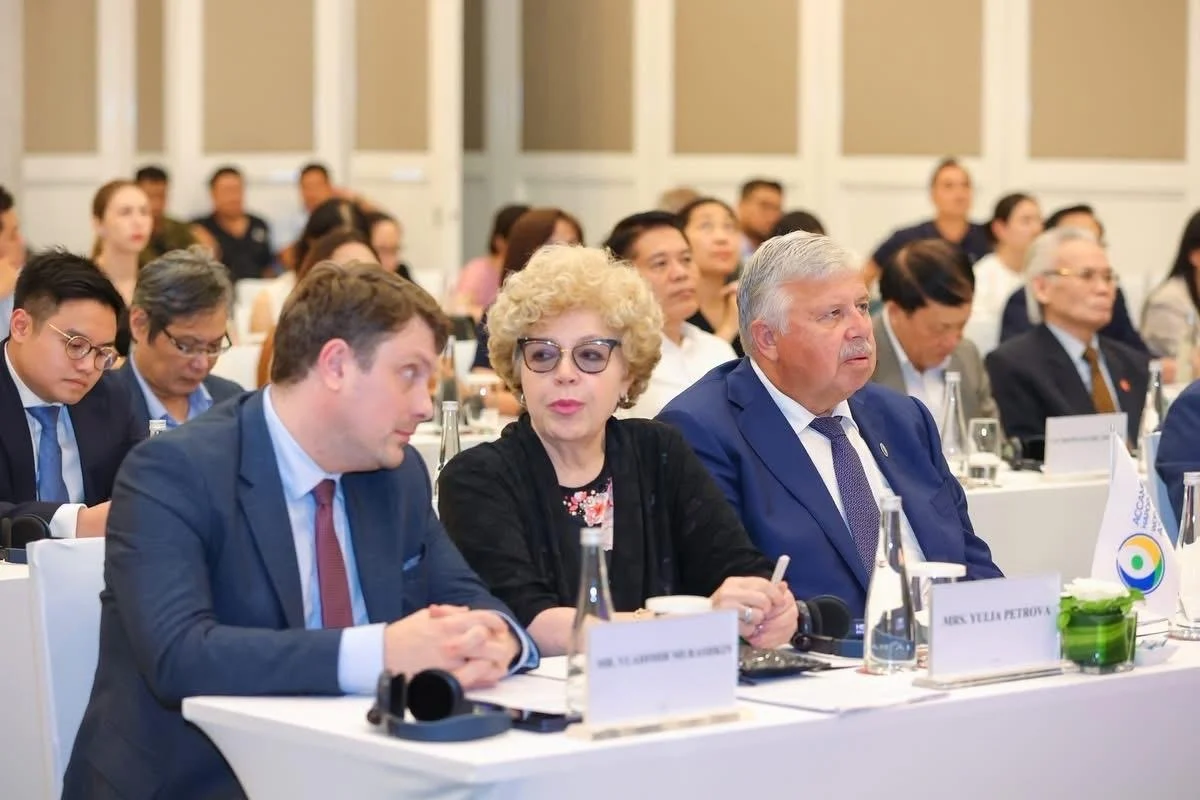
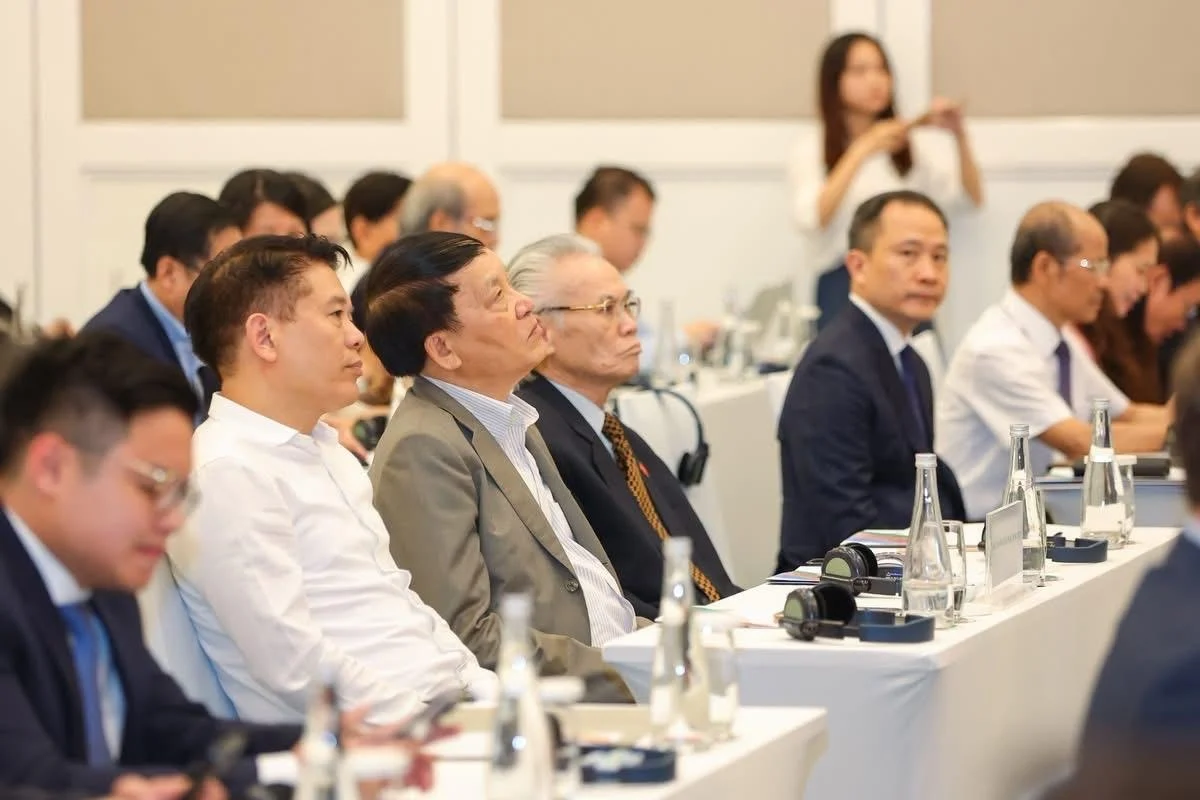
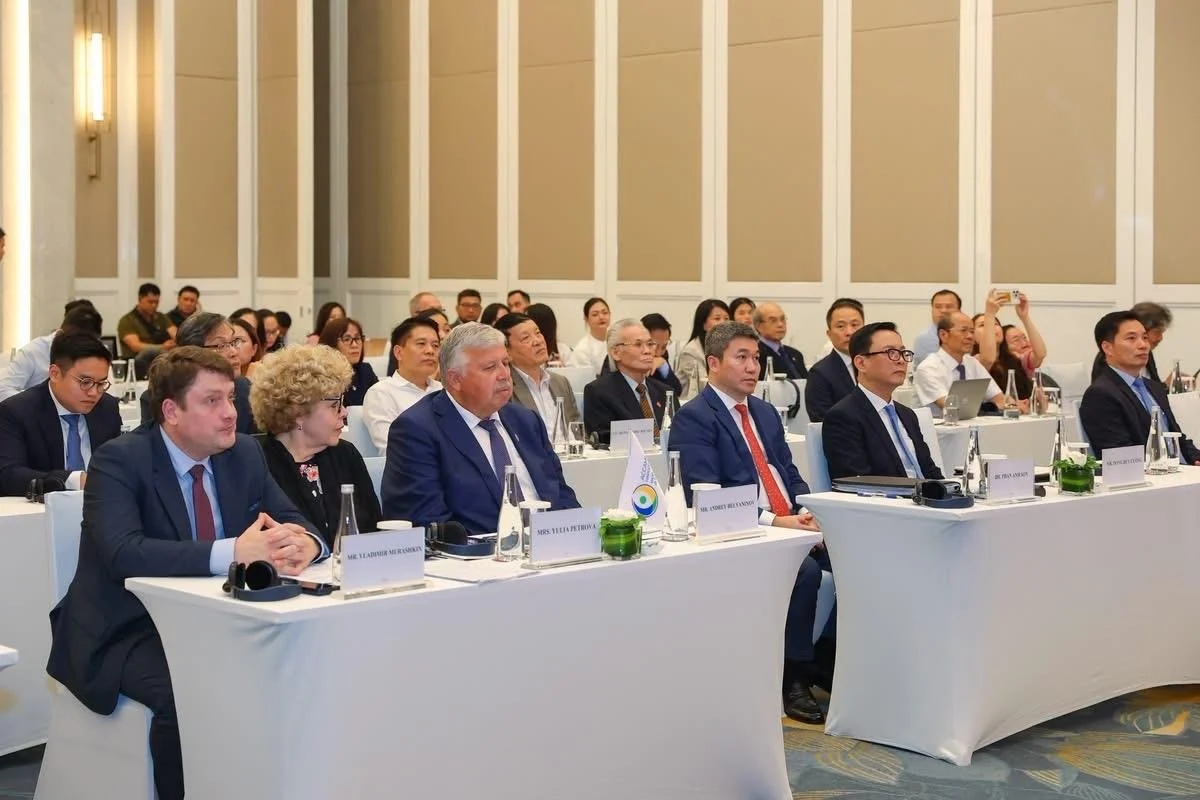
On August 25 in Hanoi, the World Peoples Assembly and the Vietnam Union of Friendship Organizations held the opening ceremony of the World Peoples Assembly Days in Vietnam, which took place under the motto: “Uniting Humanity Around Shared Values for a Better Future.”
The ceremony was attended by World Peoples Assembly Secretary-General Andrey Belyaninov, Deputy Secretary-General Yulia Petrova, Chairman of the Vietnam Union of Friendship Organizations Phan Anh Son, Vice Chairman of the Union Dong Huy Cuong, and Head of the Russian House in Vietnam Vladimir Murashkin. Also, present were representatives of the Embassy of the Russian Federation in Vietnam, staff of the World Peoples Assembly and the Vietnam Union of Friendship Organizations, experts, scholars, researchers, and representatives of various agencies, organizations, and universities.
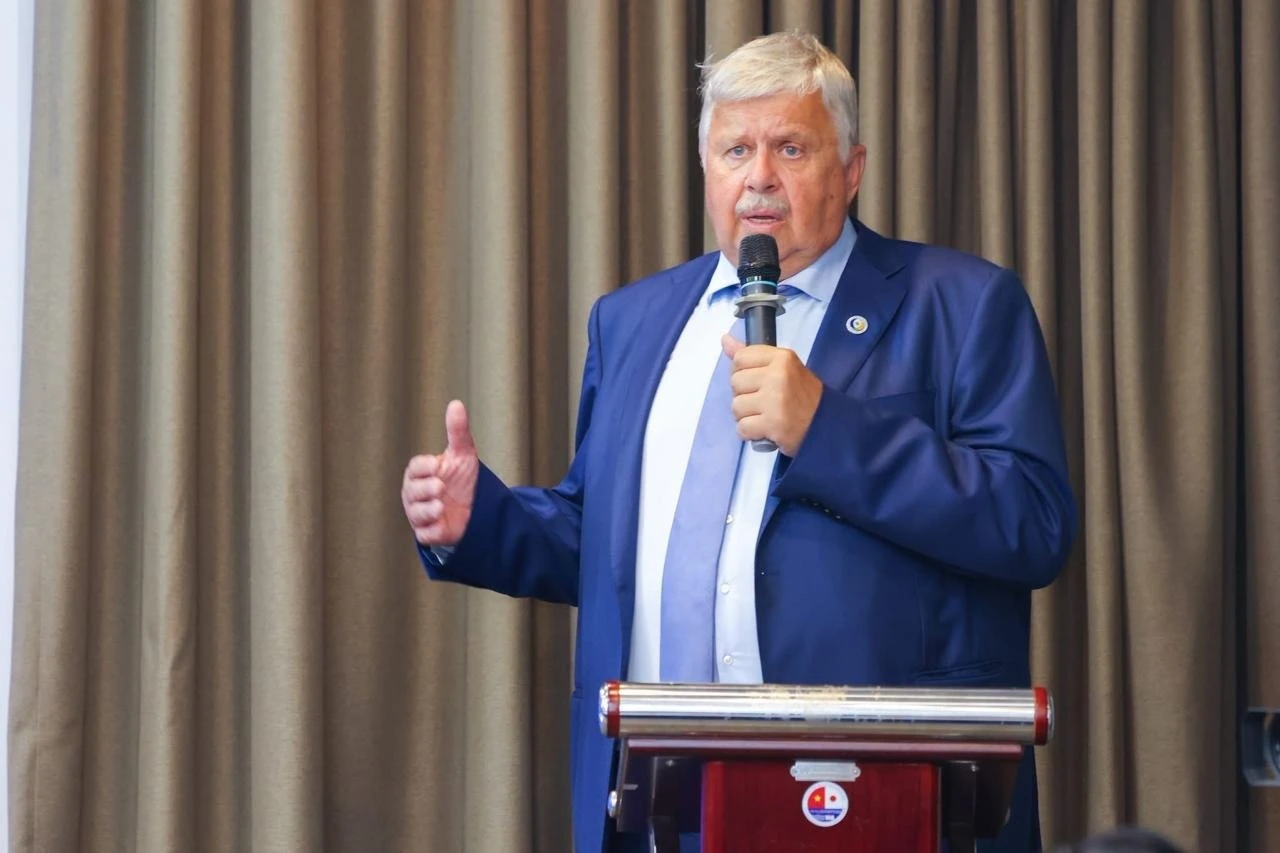
Opening the Assembly Days, Andrey Belyaninov highlighted the special role of people's diplomacy as an accessible and flexible channel that allows parties to discuss issues of common interest and exchange initiatives in the field of cooperation. He noted that one of the key areas is nurturing the new generation. More and more young people are showing interest in history and culture and are eager to convey their ideas and messages. Vietnam, with its rich historical experience and the cultural diversity of its 54 ethnic groups, possesses many values worthy of being widely presented to the global community.
In his welcome address, Phan Anh Son noted that the presence of public figures, experts, scholars, and representatives of intellectual and scientific circles testifies to the vitality, depth, and broad foundation of the traditional friendship between Vietnam and the Russian Federation.
The Vietnam Union of Friendship Organizations co-organized the Assembly Days because it understands the need to create new spaces and formats for cooperation through public diplomacy channels, alongside further preserving and promoting the valuable traditions of friendship.
- We hope that this event will not be limited to friendly exchanges, but will gradually become a regular, substantive, and effective mechanism for dialogue, interaction, and cooperation — where ideas can be exchanged, suitable partners found, and promising initiatives turned into concrete programs and projects, - emphasized Phan Anh Son.
Alexandra Ochirova noted that much attention during the Assembly Days was devoted to UNESCO World Heritage sites and issues of their preservation and management. She stressed the importance of developing new mechanisms for interaction and supranational UNESCO regulation in the face of contemporary challenges.
Highly appreciating the level of organization and the warm hospitality extended by the Vietnamese side, Vladimir Murashkin, Head of the Russian House in Vietnam, highlighted the important role of intercultural dialogue and people's diplomacy in uniting the world today amid global upheavals. He emphasized that fundamental values such as peace, respect for human dignity, preservation of cultural diversity, strengthening the family, and educating youth provide the foundation for sustainable development.
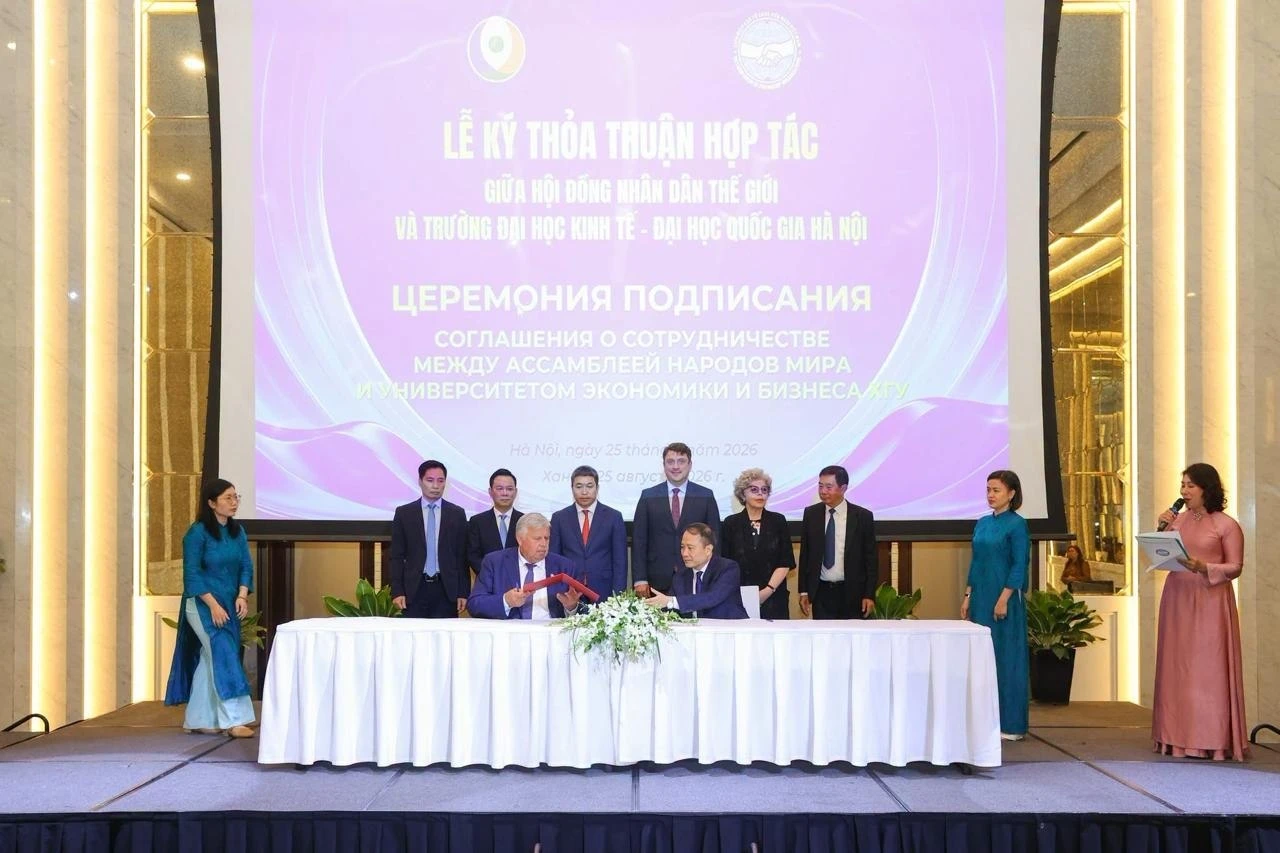
At the opening ceremony, the World Peoples Assembly signed cooperation agreements with five Vietnamese partners:
Hanoi University of Finance and Banking;
Center for Vietnam-Russia Cooperation;
Hanoi University of Business and Technology;
Hanoi College of Technology and Trade;
University of Economics and Business, Vietnam National University, Hanoi.
In concluding the ceremony, Yulia Petrova expressed confidence that holding the Assembly Days in Vietnam opens broad prospects for deepening practical cooperation across the full spectrum of humanitarian fields.
- Vietnam is our reliable partner, and we highly value its contribution to international dialogue. I am convinced that our joint efforts will lead to new meaningful results for the benefit of our countries and peoples, - she emphasized.
On the second day, the World Peoples Assembly delegation held a working meeting with Chairman of the Vietnam Union of Friendship Organizations Phan Anh Son. The parties discussed prospects for expanding bilateral cooperation in education, culture, and tourism.
Special attention was paid to the development of educational exchanges, scientific and academic cooperation, joint initiatives involving university youth, and the expansion of cultural programs that promote mutual understanding between peoples.
The importance of moving from exchange formats to specific joint projects was noted.
The Vietnam Union of Friendship Organizations, as a key link in the country’s public diplomacy system, unites more than 600 international partners and actively promotes cultural, educational, and humanitarian programs.
Also, on August 26, a working meeting took place between the Assembly delegation and the leadership of the Hanoi University of Finance and Banking (FBU) — one of the top five economic-financial universities in the country.
During the meeting, both sides confirmed their mutual commitment to deepening partnership relations and agreed to hold joint events in 2027, including an International Scientific and Educational Conference hosted by the university.
These agreements create a foundation for further strengthening scientific and educational ties between the World Peoples Assembly and leading Vietnamese universities.
On August 27, the Assembly delegation held a working meeting with the leadership of the Vietnam Trade Promotion Agency under the Ministry of Industry and Trade of the Socialist Republic of Vietnam. During the talks, the parties discussed prospects for cooperation in the economic sphere, including support for small and medium-sized enterprises, as well as opportunities for integrating joint initiatives within major international events, particularly in the context of Vietnam’s upcoming APEC chairmanship in 2027.
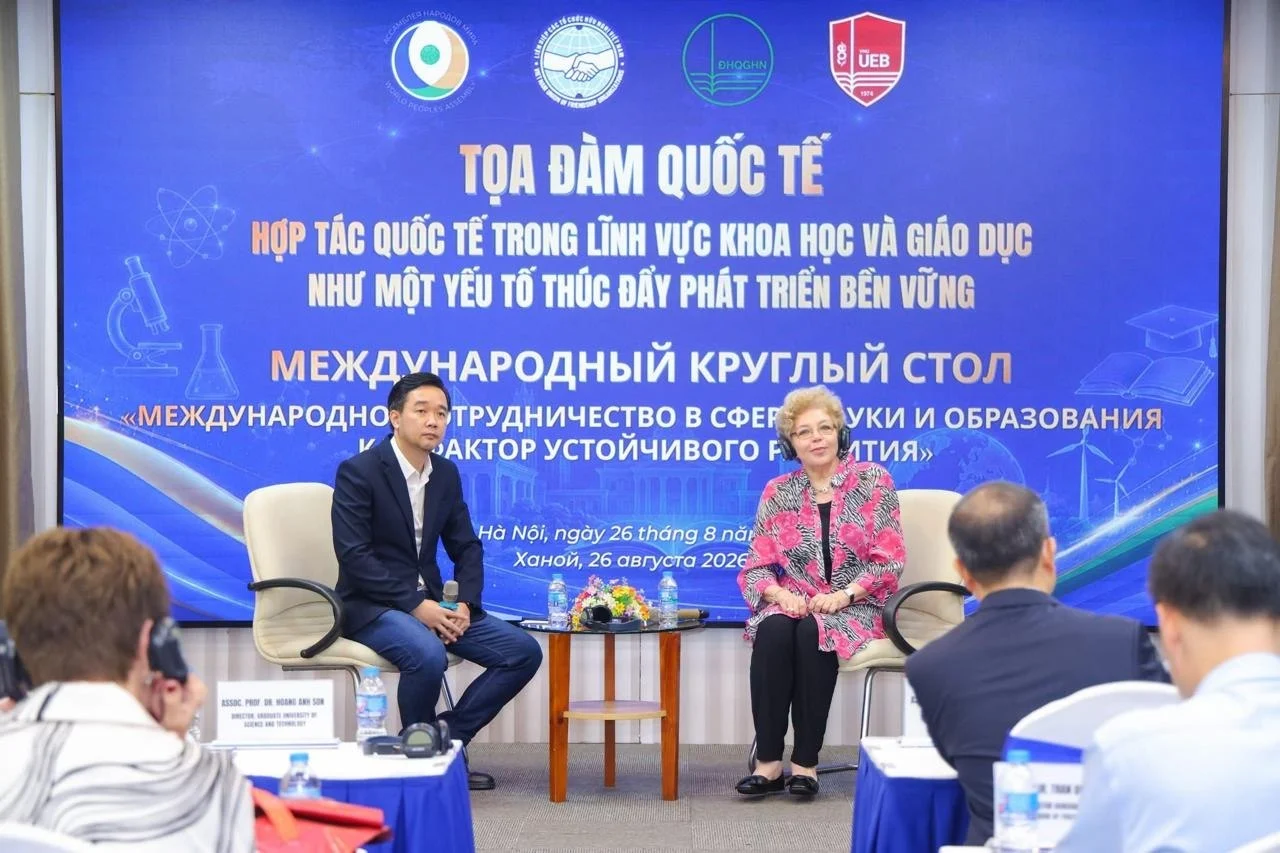
As part of the Assembly Days in Vietnam, two authoritative international roundtables were held, moderated by Yulia Petrova. Participants included leaders of leading Vietnamese universities, experts, representatives of the Ministry of Education and Training, major tourism companies, educational centers, and staff of the Embassy of the Russian Federation in Vietnam.
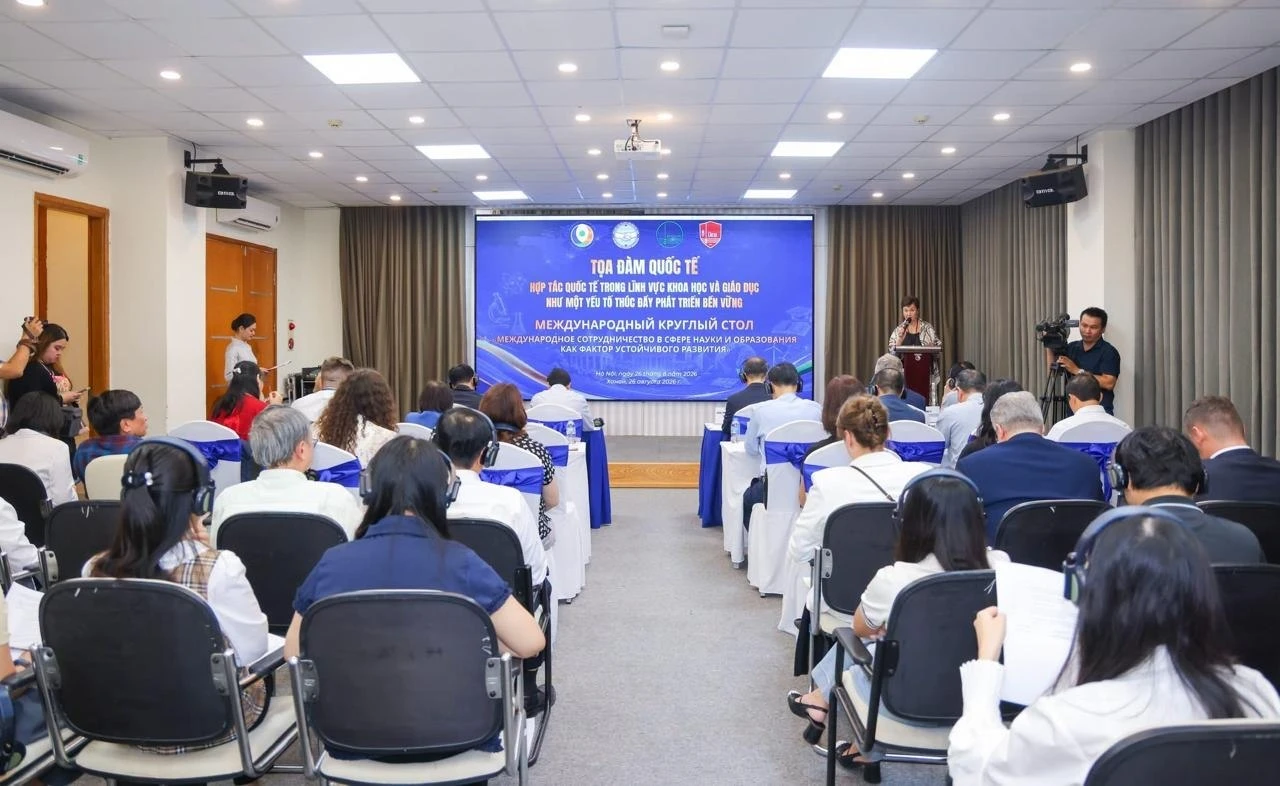
On August 26, a round table on "International cooperation in science and education as a factor of sustainable development" was held at the University of Economics and Business at Hanoi State University. The participants discussed the partnership between universities, the role of academic mobility and joint research projects in achieving sustainable development goals. Special attention was paid to the issues of digitalization of education, personnel training for the economy of the future, as well as the development of scientific, technological and innovative ties between the countries.
Speakers included representatives from the World Peoples Assembly and the Vietnamese side:
Alexandra Ochirova emphasized that in today's world facing multiple challenges, culture, education, and human values must take center stage. She underscored the importance of a human-centered approach in international educational cooperation, calling for humanistic values to be at the core of all joint initiatives.
To Thi Tuyet Khanh highlighted practical aspects of interaction between Russian and Vietnamese educational institutions, stressing the significance of academic exchanges and joint research projects in strengthening bilateral ties and developing human capital.
Alana Kochieva outlined key areas of the Assembly's engagement with leading international organizations in education, detailing its active participation in UN, UNESCO, African Union, and OIC programs in international educational initiatives, science development, and cultural exchange.
Hoang Anh Son, Director of the Graduate University of Science and Technology, Vietnam Academy of Science and Technology, spoke on the role of international cooperation in advancing modern science and its importance for access to global knowledge networks and advanced technologies.
Nguyen Thuy Anh, lecturer at the Faculty of Political Economy, University of Economics, Vietnam National University, Hanoi, presented on the internationalization of higher education and the role of cultural understanding in achieving the SDGs.
On August 27, a round table on the topic "The role of tourism in the economic development of the world" was held at the University of Social Sciences and Humanities of the National University of Vietnam. The discussion was devoted to topical issues of global tourism integration in the context of sustainable economic development, international cooperation in training personnel for the tourism industry, cultural exchange as a tool for strengthening mutual understanding between peoples, as well as interaction in the field of cultural heritage preservation.
Speakers included:
Alexandra Ochirova noted UNESCO's role in preserving cultural heritage and its significance for sustainable tourism development, emphasizing the importance of integrating cultural values into tourism programs.
Tatiana Avgusmanova presented a system of indicators for assessing tourism activity across three key dimensions — economic, social, and environmental. She also noted that tourism is declared one of Russia's main economic growth drivers, with one in ten investment projects supported by the state linked to the tourism industry.
Yulia Gryukan proposed specific mechanisms for balancing economic interests with cultural heritage preservation tasks, including public-private partnership models and creating a favorable investment climate in tourism.
Pham Hong Long, Chairman of the Scientific and Methodological Council, Faculty of Tourism Studies, University of Social Sciences and Humanities, delivered a report on "Developing Tourism Cooperation between Vietnam and Russia as a Driver of Economic Growth for Both Countries," covering the current state and prospects of bilateral tourism exchange.
Bui Thanh Thuy, Dean of the Faculty of Tourism, Hanoi University of Culture, presented on "People's Diplomacy in Tourism Economy Development: Cultural Foundations and the Role of the New Generation of Personnel," emphasizing cultural exchange and skilled personnel training.
Ngo Trung Ha, President of Pegasus International College, spoke on "International Cooperation in Professional Language Training as a Lever for Enhancing Vietnam's Tourism Workforce Capacity," proposing a model for international cooperation to improve language training quality.
Summarizing the two days of discussions, Yulia Petrova noted:
- The international roundtables were held at a high organizational and substantive level. Constructive dialogue, informative presentations, and a lively exchange of views confirmed the mutual interest in deepening cooperation. I am confident that the decisions made and initiatives outlined will lay a solid foundation for the implementation of long-term joint projects aimed at strengthening scientific, educational, and cultural ties.
The World Peoples Assembly Days in Vietnam demonstrated the high potential of bilateral cooperation for the implementation of joint initiatives in the educational, cultural-humanitarian, and economic spheres.
For additional information, please visit the official website of the World Peoples Assembly.