

 Back to news
World Peoples Assembly Discusses the Future of Indigenous Food Systems at the World Food Forum in Rome
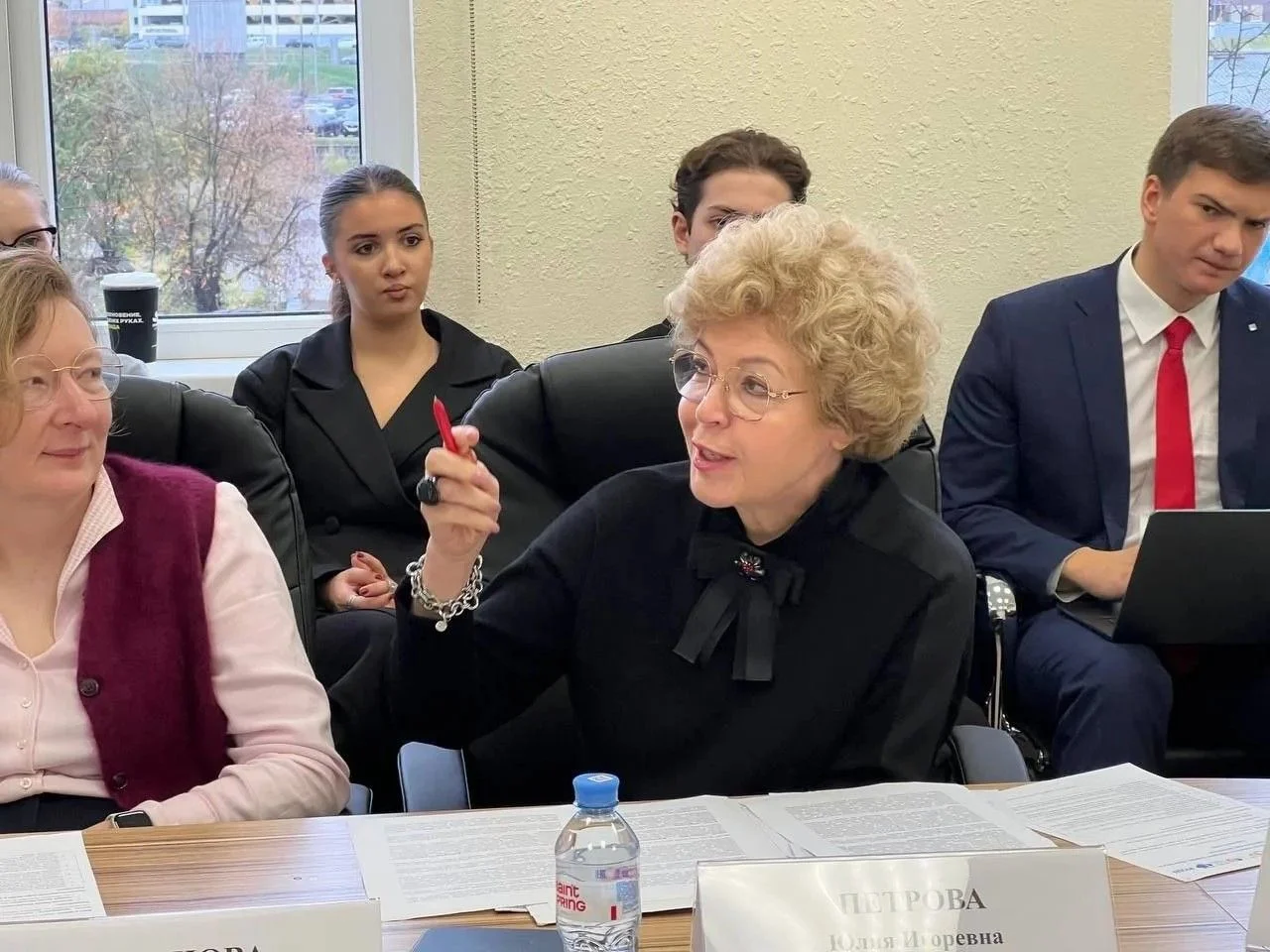
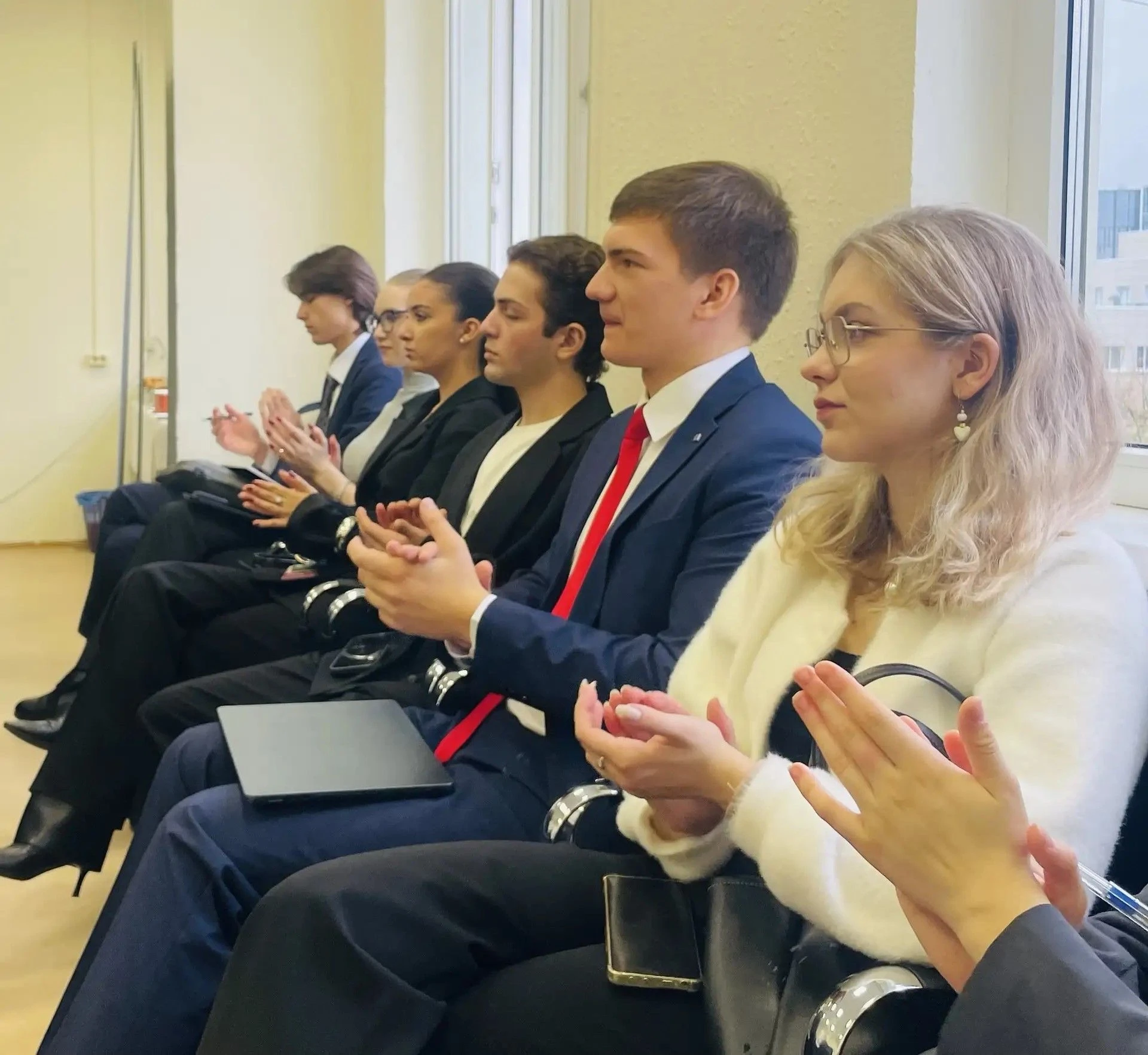
A delegation of the World Peoples Assembly took part in the Round Table "Indigenous Food Systems: Knowledge, Practices, and Development Prospects", which was held on October 14, 2026. The event was part of the World Food Forum held in Rome.
The organizer of the event was the Food and Agriculture Organization of the United Nations (FAO) Liaison Office for the Russian Federation.
Participants discussed the role of indigenous food systems in ensuring sustainability, food security, preserving biodiversity and cultural heritage, as well as the prospects for their development in modern conditions.
Opening the round table, Oleg Kobyakov, Director of the FAO Liaison Office for the Russian Federation, outlined the organization's priorities in this area. He emphasized that FAO assigns a special role to indigenous peoples in the global process, highly valuing their knowledge and unique food systems as a crucial tool for achieving sustainable development goals.
At the same time, the speaker shared reflections on the socio-economic and environmental changes that create new challenges for the preservation and development of traditional indigenous food systems, and for the transformation of their lifestyles and dietary patterns.
Olga Salova, a specialist with the joint program of the Russian Federation and the Office of the UN High Commissioner for Human Rights, emphasized that all events of the Global Hub on Indigenous Food Systems must comply with three key UN documents. Among them:
ILO Convention No. 169 "On Indigenous and Tribal Peoples in Independent Countries" of 27.06.1989;
The UN Declaration on the Rights of Indigenous Peoples of 13.09.2007;
The Resolution on the establishment of the "Expert Mechanism on the Rights of Indigenous Peoples" of 14.12.2027.
Yulia Petrova, Deputy Secretary General of the World Peoples Assembly, expressed gratitude to the FAO Liaison Office for the Russian Federation for many years of cooperation and assistance in holding the panel session on international partnership within the Second World Public Assembly held in September 2026 in Moscow.
Noting that international partnership acquires true meaning only upon achieving concrete practical results, she put forward an initiative to create a Working Group on the Preservation of Indigenous Food Systems. It is planned that its membership will include members of the World Peoples Assembly, relevant experts, representatives of the academic community, and indigenous organizations. The goals and format of the working group fully correspond to the mission of the World Peoples Assembly, aimed at developing international scientific cooperation and preserving cultural diversity.
During the discussion, the initiative was supported by Tatyana Tarlina, Chair of the Board of the ancestral community of the indigenous small-numbered peoples of the North "Votma Yoh" ("People of Votma"). She emphasized the importance of joint work and expressed readiness to take part in the activities of the new structure.
Natalia Dorpeko, Executive Director of the National Network of the UN Global Compact in Russia, spoke in support of the "tripartite dialogue" format, uniting government, business, and society. According to her, such interaction is necessary to consolidate efforts at the national and corporate levels in the interests of sustainable development of indigenous small-numbered peoples.
In turn, Tatyana Avgusmanova, Head of the Sustainable Development Directorate of the World Peoples Assembly, presented the Assembly's project "Independent Dialogues on Food Security and Food Systems Development" and invited the round table participants to cooperate.
Summing up the meeting, the experts agreed that the main key to success lies in close interaction. Only by combining traditional knowledge, scientific approaches, modern technologies, and practical experience can real results be achieved. This will make it possible to increase the sustainability of local food systems, develop local production chains, promote a culture of healthy eating, and help indigenous communities adapt to changing conditions.
The World Peoples Assembly expresses gratitude for the successful holding of the round table to Maria Bukhaeva, consultant on indigenous peoples' issues at the Food and Agriculture Organization of the United Nations, and to the team of the FAO Liaison Office for the Russian Federation. The Assembly also expresses deep gratitude to the leadership of the Agrarian and Technological Institute of RUDN University named after Patrice Lumumba for the comfortable venue and support of the initiative.
Additional information is available on the official website of the World Peoples Assembly, on its VKontakte and Telegram accounts, and at media@world-assembly.org.