


“AI Will Replace Your Hairdresser, But Not Anytime Soon”: Young People Discuss the Benefits and Risks of Working with Artificial Intelligence
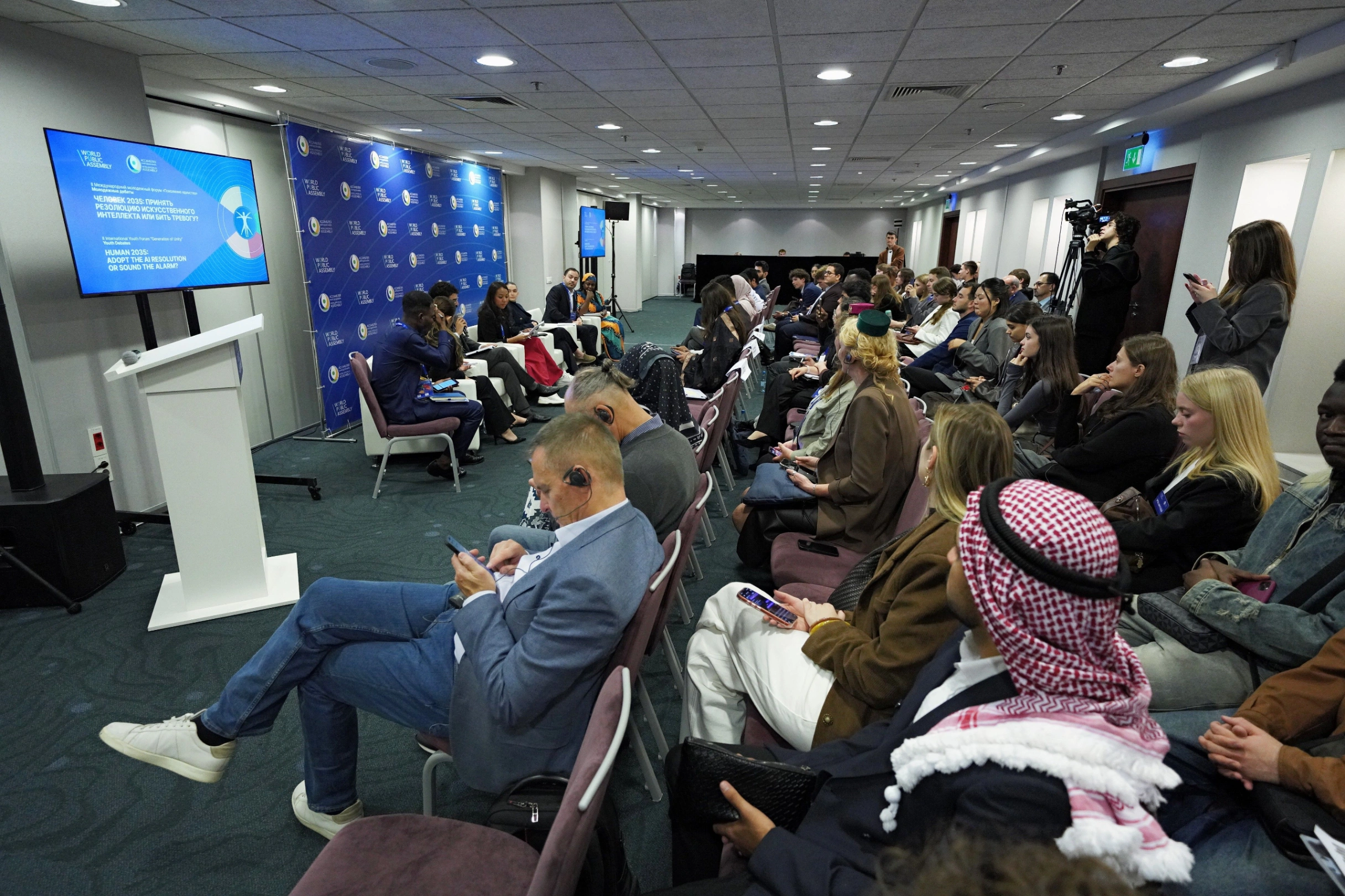
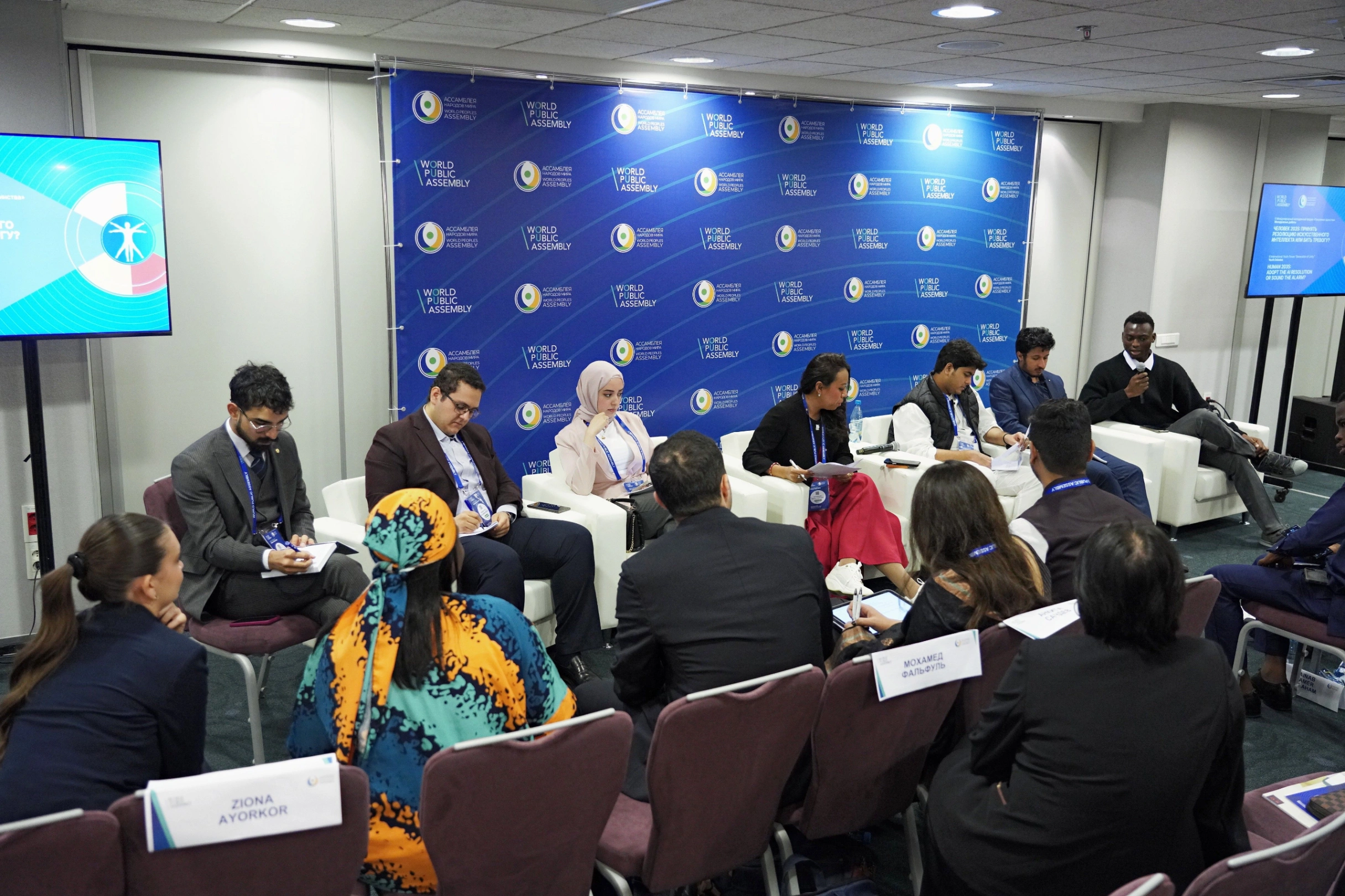
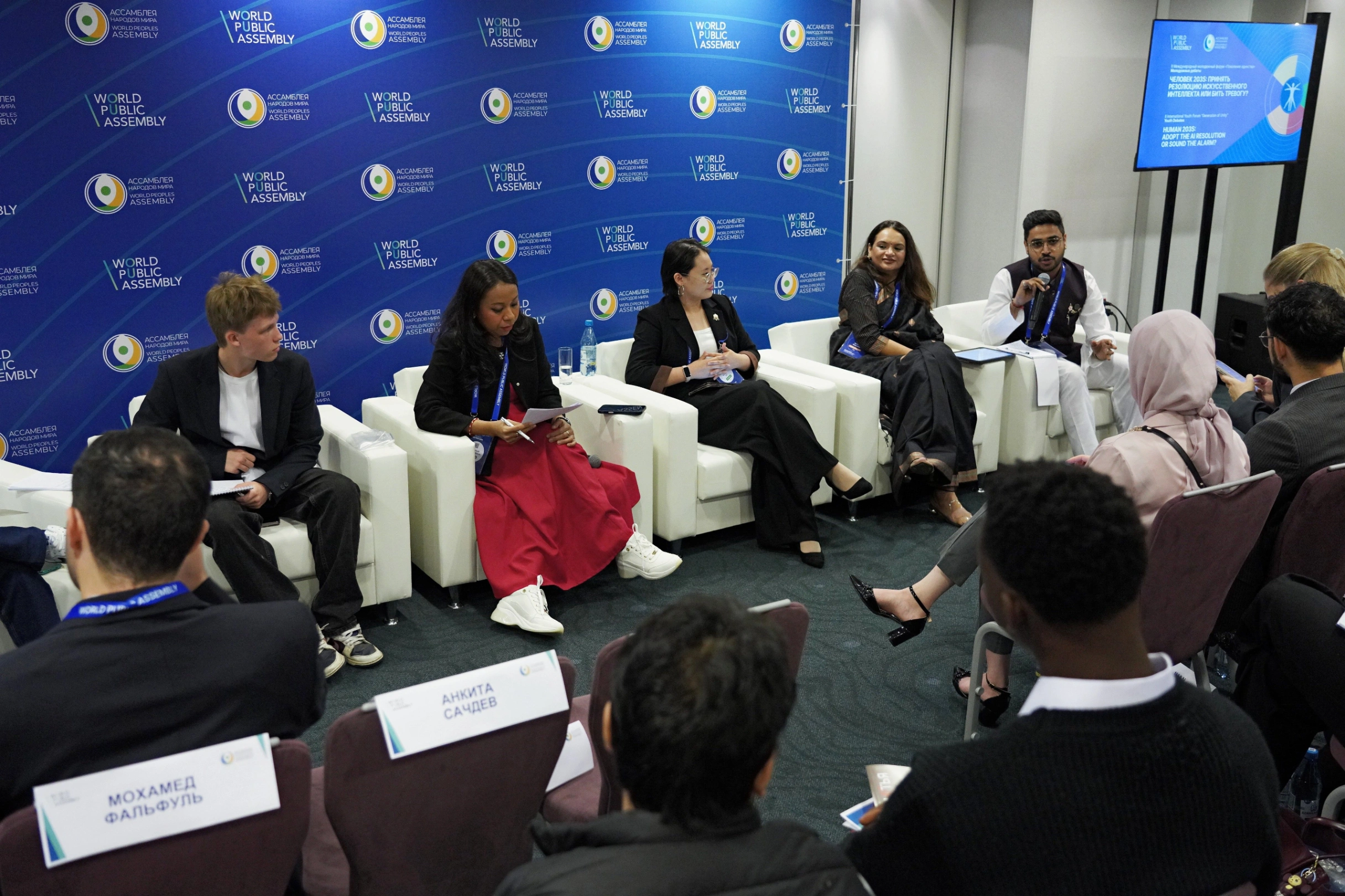
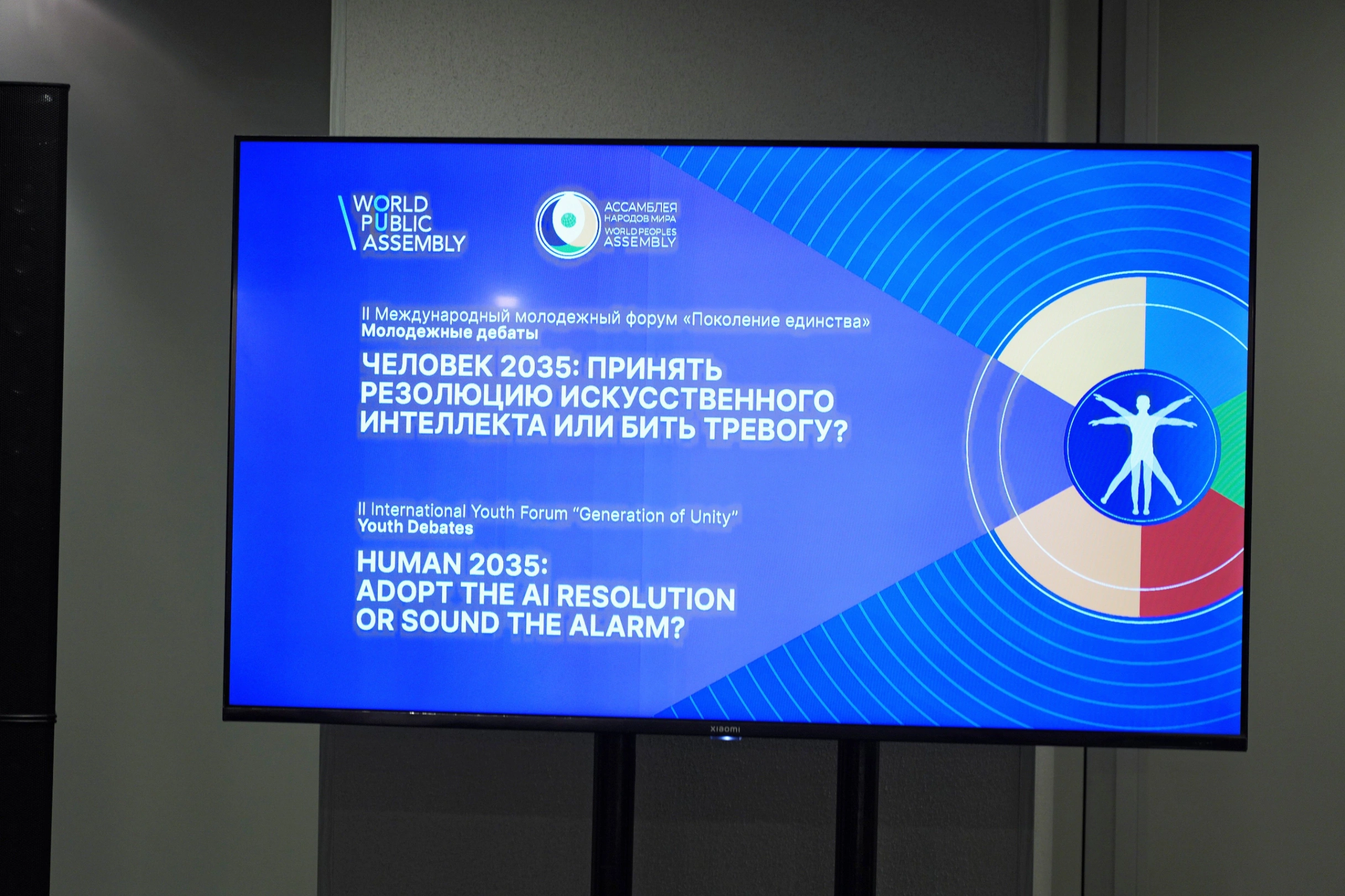
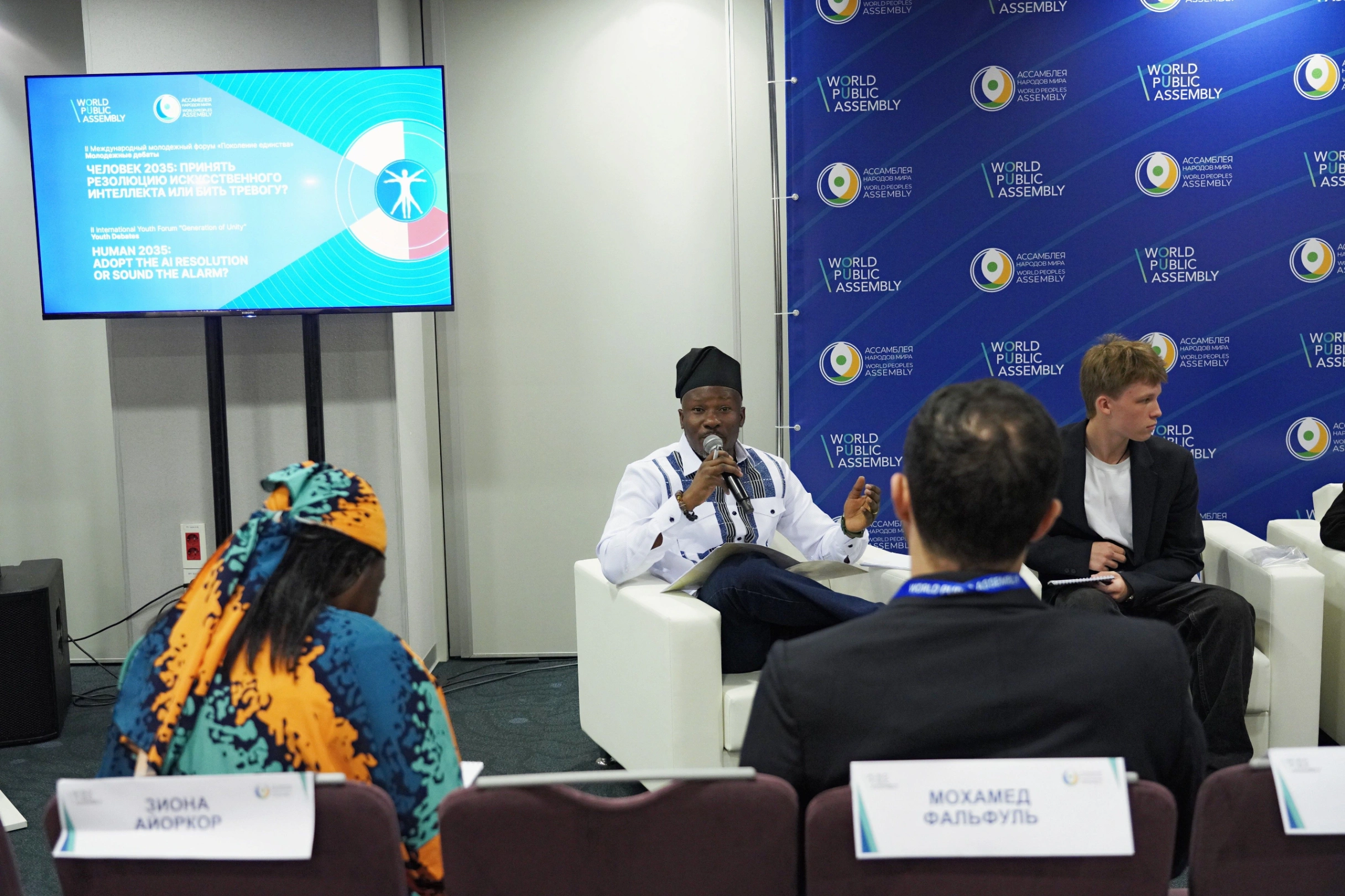
The Youth Debate “Human 2035: Adopt a Resolution on Artificial Intelligence or Sound the Alarm?” took place as part of the II International Youth Forum “Generation of Unity” on 19 September 2026 at the Centre for International Trade. The event was part of the Second World Public Assembly “New World: Values That Unite,” which concluded in Moscow in September 2026.
Participants discussed the phenomenon of artificial intelligence, its benefits and risks, as well as modern methods of managing this technology. The discussion took the form of a true intellectual duel - those present splits into two teams. The first defended the thesis of AI’s efficiency and productivity, while the second drew attention to the dangers and ethical problems associated with its use.
The stated task of the debate was to critically assess the consequences of AI’s spread and to develop their own vision of what humanity and society should be like in 2035. For 90 minutes, speakers exchanged arguments, and at the end it was decided whose point of view would prove more convincing.
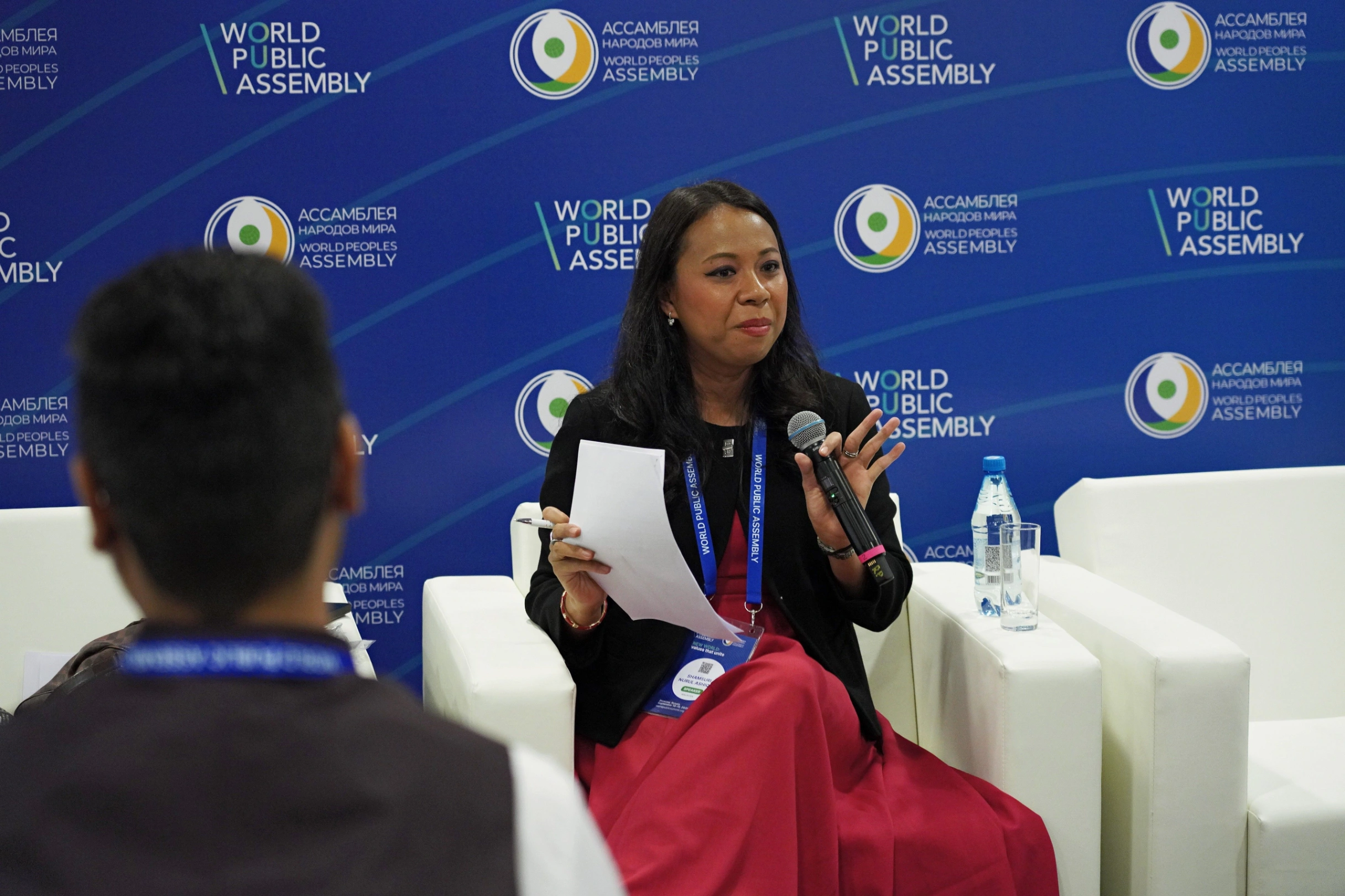
The moderator of the meeting was Malaysian activist, entrepreneur, communications and human rights expert, and founder of the Fearless Foundation, Nurul Ashikin. Opening the debate, she focused on the duality of the situation surrounding the introduction of artificial intelligence. This idea was supported by Ankita Sachdev, co-director of the BRICS Chamber of Commerce and Industry:
- 92 million jobs could be cut worldwide in the near future due to the introduction of artificial intelligence. The use of AI carries both disruption and new opportunities.
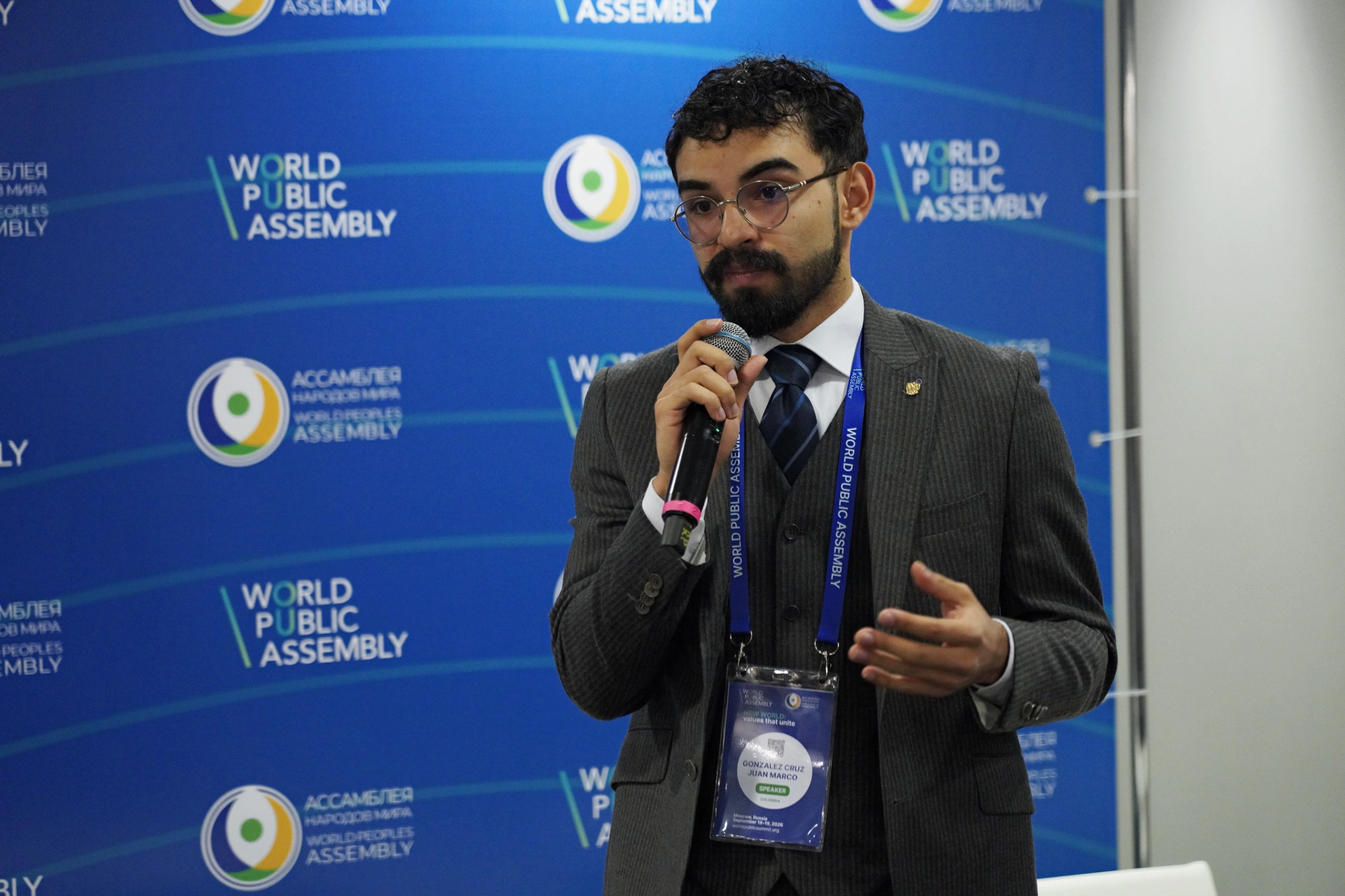
Juan Gonzalez, President of the Domus Centre for Dialogue and Multilateral Cooperation and Chairman of Colombia’s National Preparatory Committee for the World Youth Festival, focused in his speech on the acute problem of security and social inequality, which is intensifying with the development of technology. The speaker called for decisive legislative measures and stressed the need to prohibit the use of AI for destructive purposes - in particular, for creating deepfakes capable of undermining public trust.
During the discussion, data from studies by the UN International Monetary Fund were cited: 30% of existing professions are already affected by artificial intelligence, and 60% of people use it regularly.
Participants noted AI’s enormous potential in various fields. In entrepreneurship, technology can significantly increase the productivity of startups; in education, its introduction is linked to hopes for a new generation of personalized educational programs. At the same time, the growing autonomy of AI and its ability to uncontrolledly generate harmful and dangerous products were also discussed. As a protective measure, experts proposed introducing an accountability mechanism that would allow prosecution for crimes committed using AI.
- Artificial intelligence is developing faster than humanity can regulate it, - the participants stated. At the same time, AI can give impetus to a wide variety of areas of human activity: from medicine and care for the elderly to ecology and agriculture.
Speakers stressed the need to ensure that technology is publicly accessible, so as to prevent a situation where only a minority can use it. Students from different countries agreed: when using artificial intelligence as a source of information, it is important to maintain balance - the final decision must always remain with the human.
Summing up the meeting, the experts unanimously concluded that artificial intelligence should expand the human mind, but not replace it; technology must be used correctly, preserving critical thinking. At the same time, empathy, analytical abilities, communication skills and the sphere of human relations remain exclusively human territory - here machine intelligence is unlikely ever to compete with people.
- The unique abilities of human hands remain irreplaceable. AI may someday be able to replace my hairdresser, but that will certainly not happen anytime soon, - Nurul Ashikin Binti Shamsuri concluded the meeting with a smile.
The speaker addressed the youth with confidence that the issues discussed at the meeting will become even more relevant in the future, and that the world itself will inevitably change for the better.
The debate was also attended by:
John Aggrey - CEO of the Ghana-Russia Centre for Trade and Relations (Ghana);
Ziona Ayorkor - Head of Business Development and Innovation at the Ghana-Russia Centre for Trade and Relations (Ghana);
Zainab Samer Allahham - representative of the Youth Department of the Arab Peace Group (Syria);
Mohand Arezki - activist of the MGIMO African Club (Algeria);
Hu Bufang - Deputy Head of the Training Department of the Union of Chinese Students and Scholars at Lomonosov Moscow State University (China);
Rumit Walia - founder and CEO of Tears of the Earth (India);
Leticia Bouchek - President of the Femina Diplomatia Women’s Leadership Association (Algeria);
Mohamed Falfoul - strategy and planning consultant at the Ministry of Youth of the Tunisian Republic (Tunisia);
Kunal Sharma - researcher at the Indian Youth Nuclear Society (India);
Mohammed Shaibu - Executive Director of the Better Dream Foundation (Ghana);
Israel Otubanjo - student of the AI Faculty at RUDN University (Nigeria);
James Masela - student of the Medical Institute at RUDN University (Zambia);
Angela Mesropyan - student of the Law Faculty at RUDN University (Russia);
Mdolo Gauddensia - student of the Medical Institute at RUDN University (Zambia);
Shahad Khalifa Alketbi - student of the Medical Institute at RUDN University (UAE).
Additional information is available on the official website of the World Peoples Assembly, on its VKontakte and Telegram accounts, and at media@world-assembly.org.