

A Space of Trust, Cooperation, and New Opportunities: The Future of Public Diplomacy Was Discussed at the III Catherine Forum
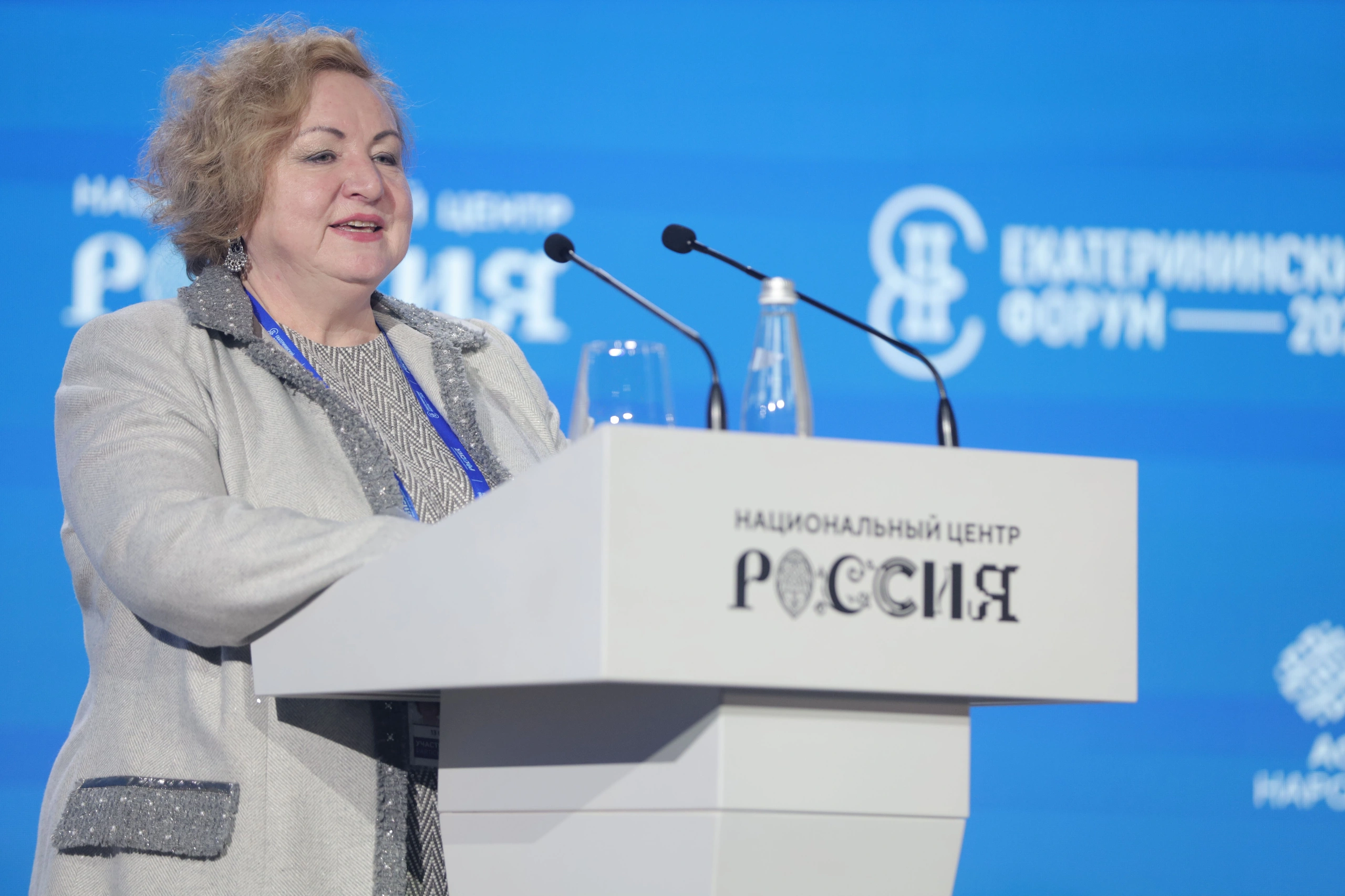
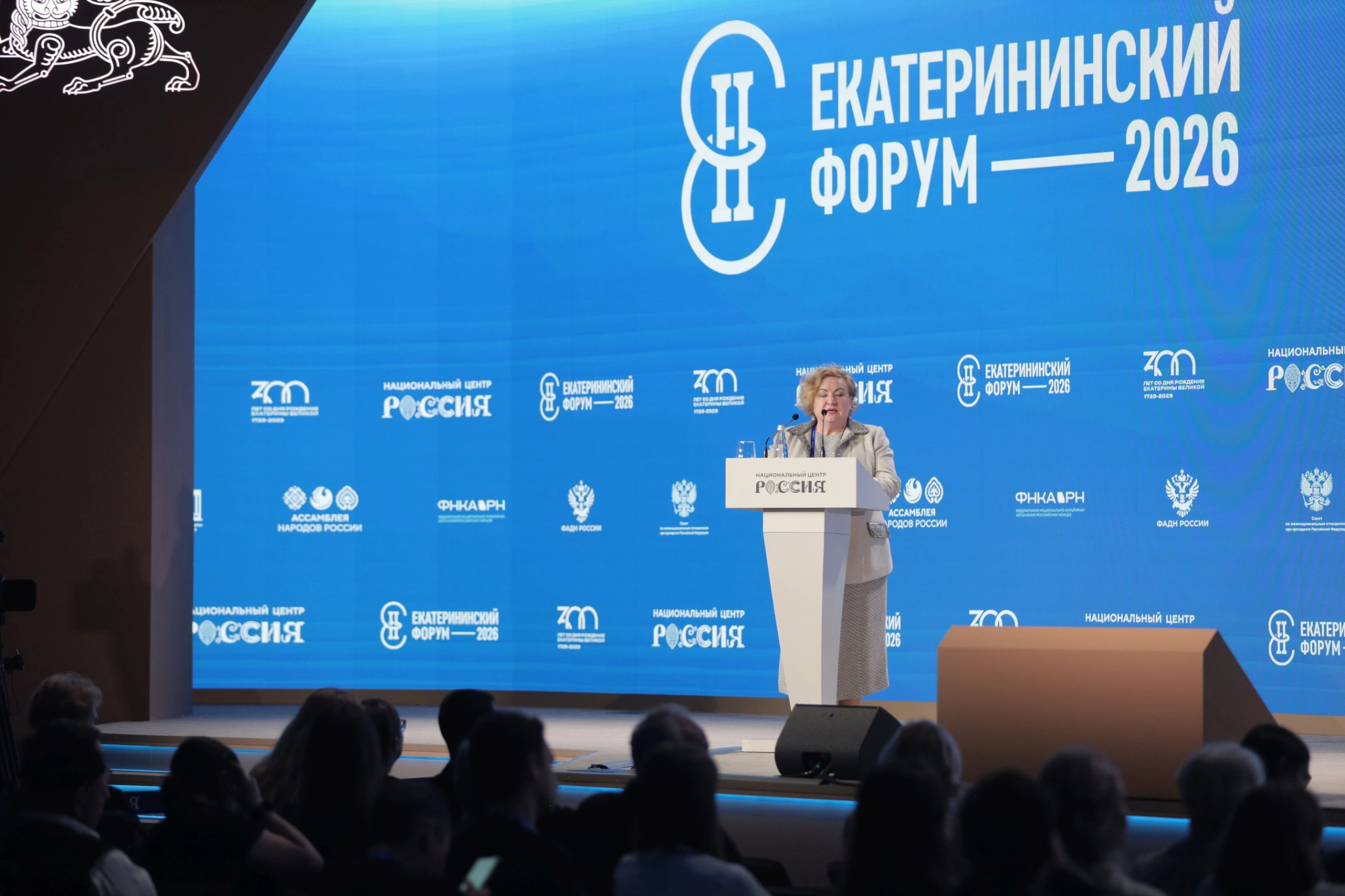
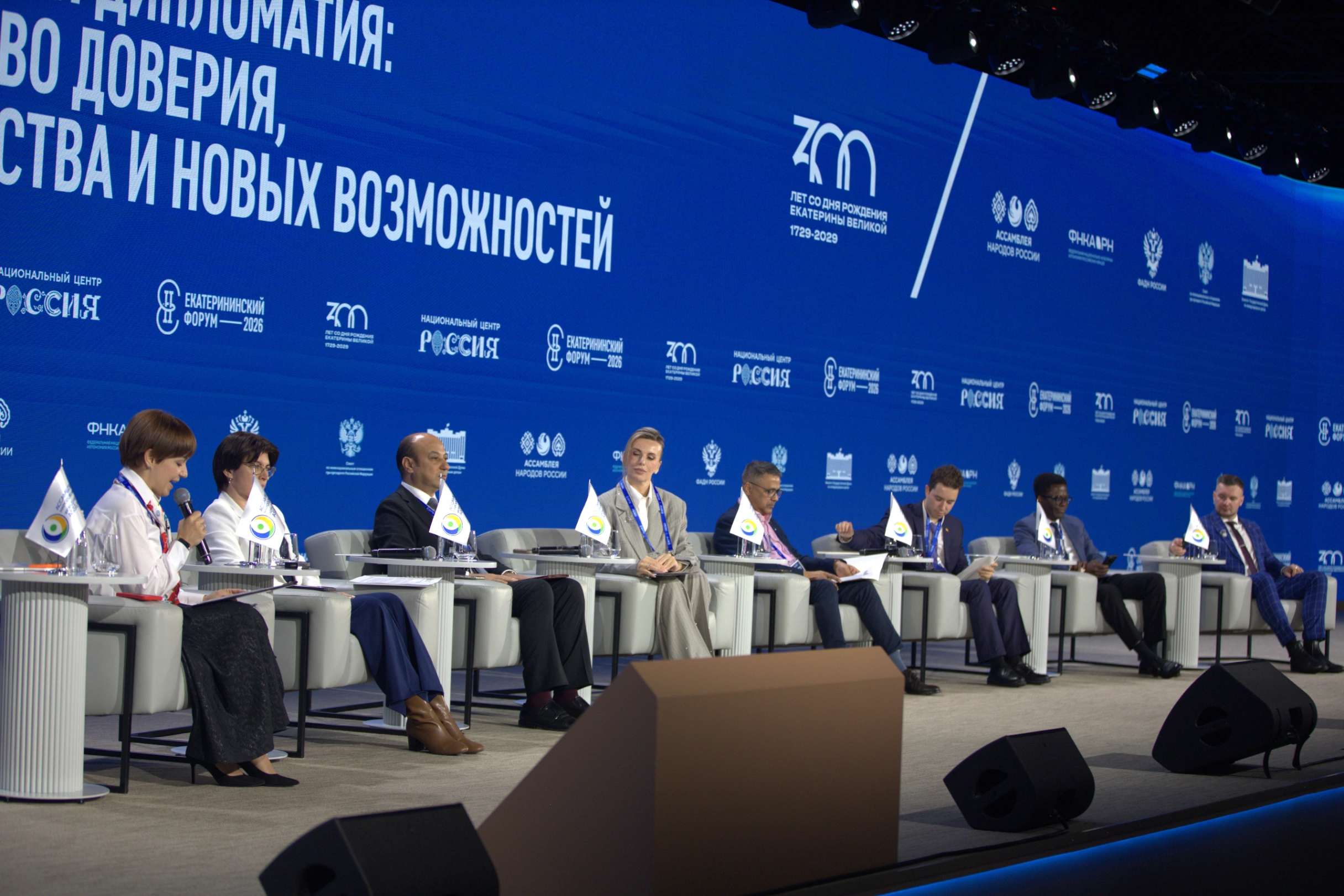
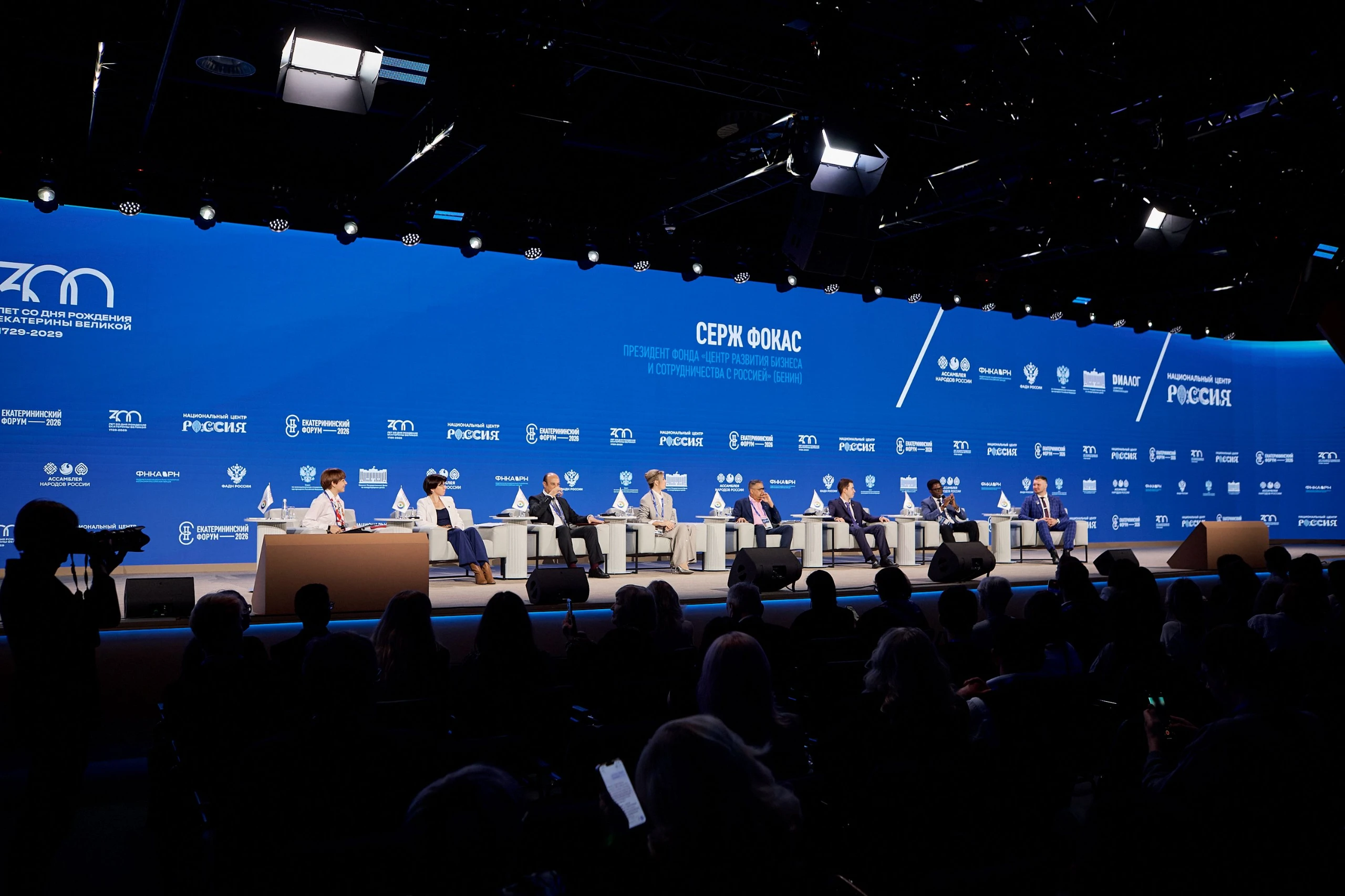
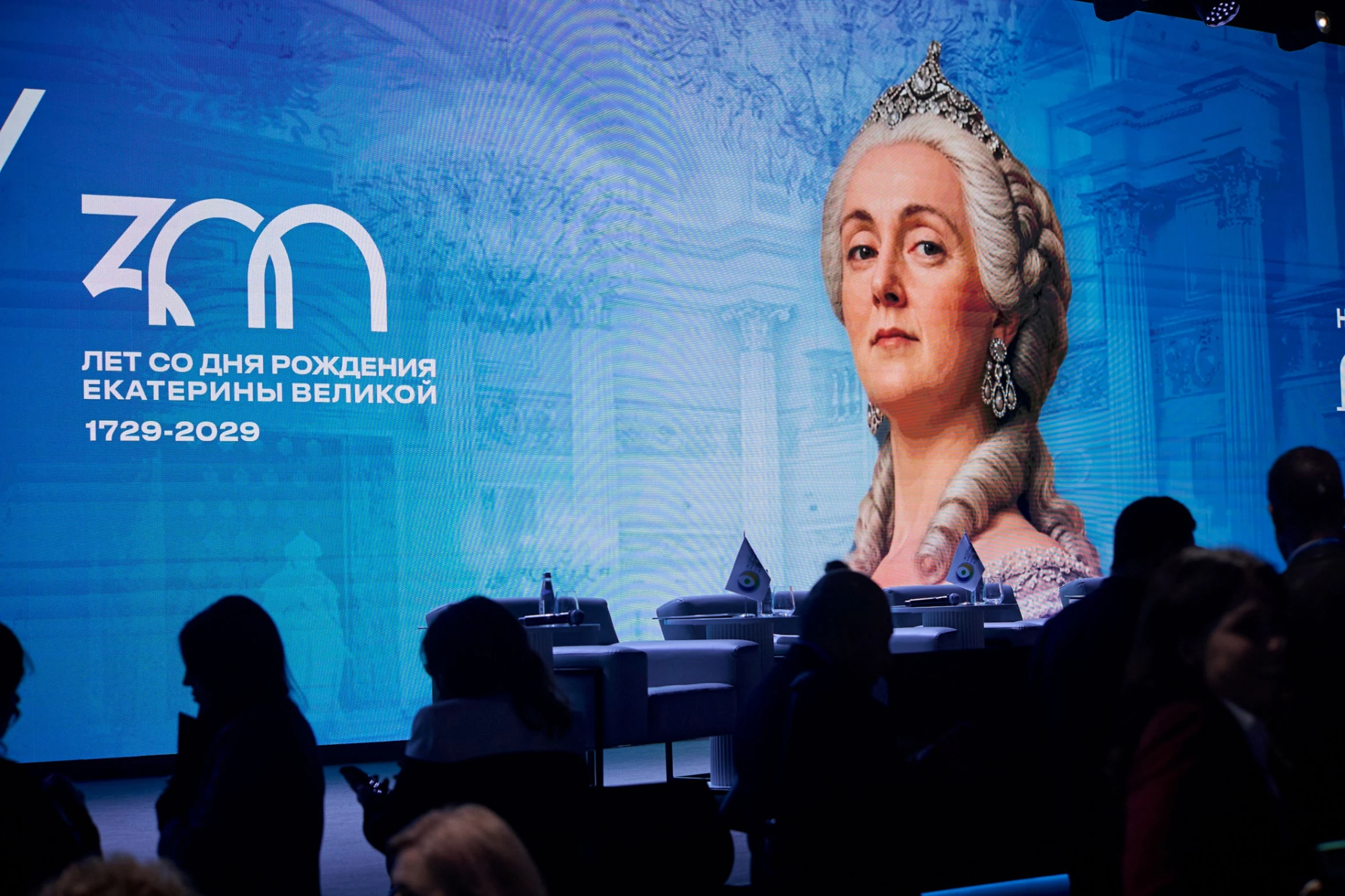
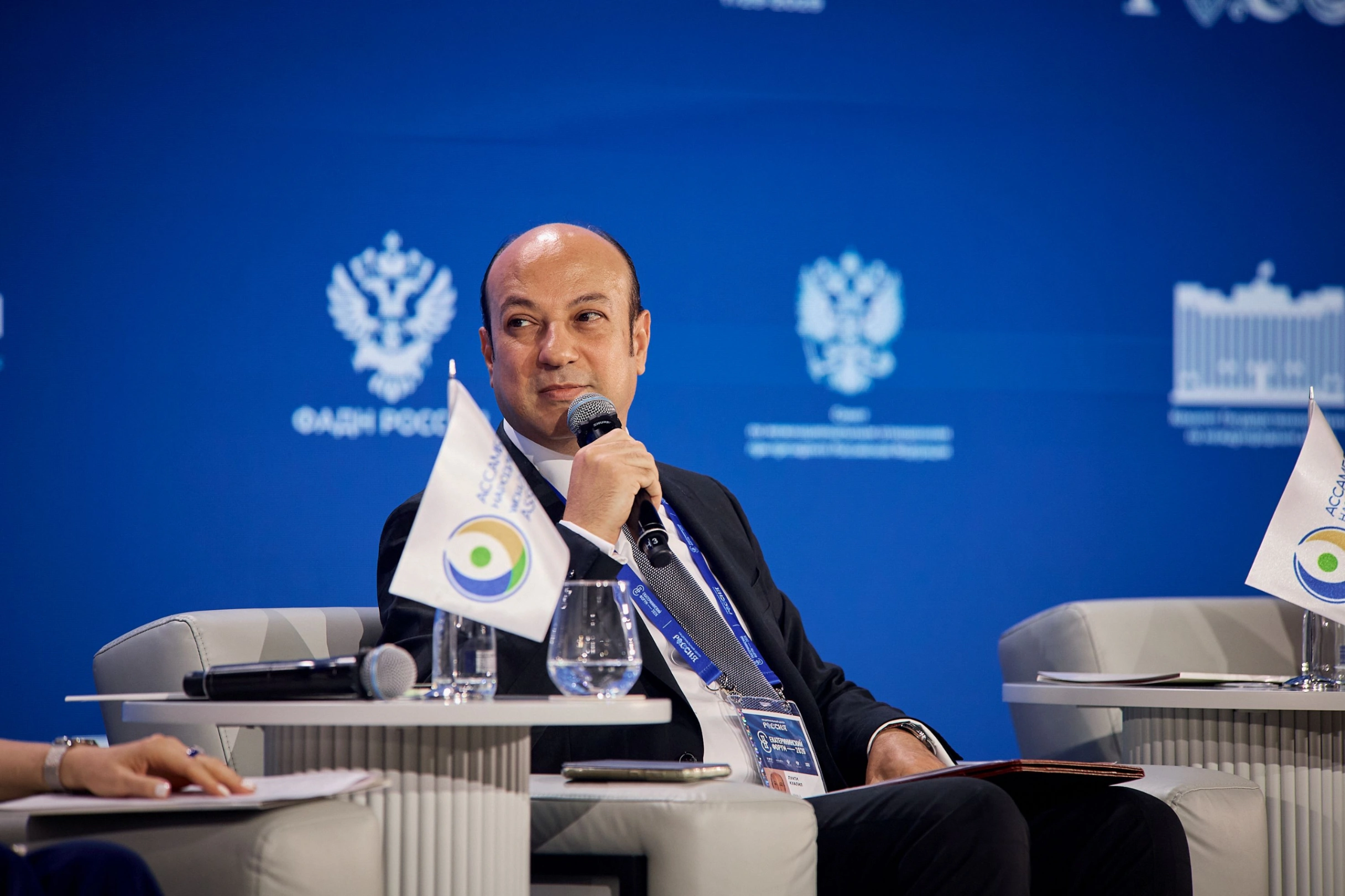
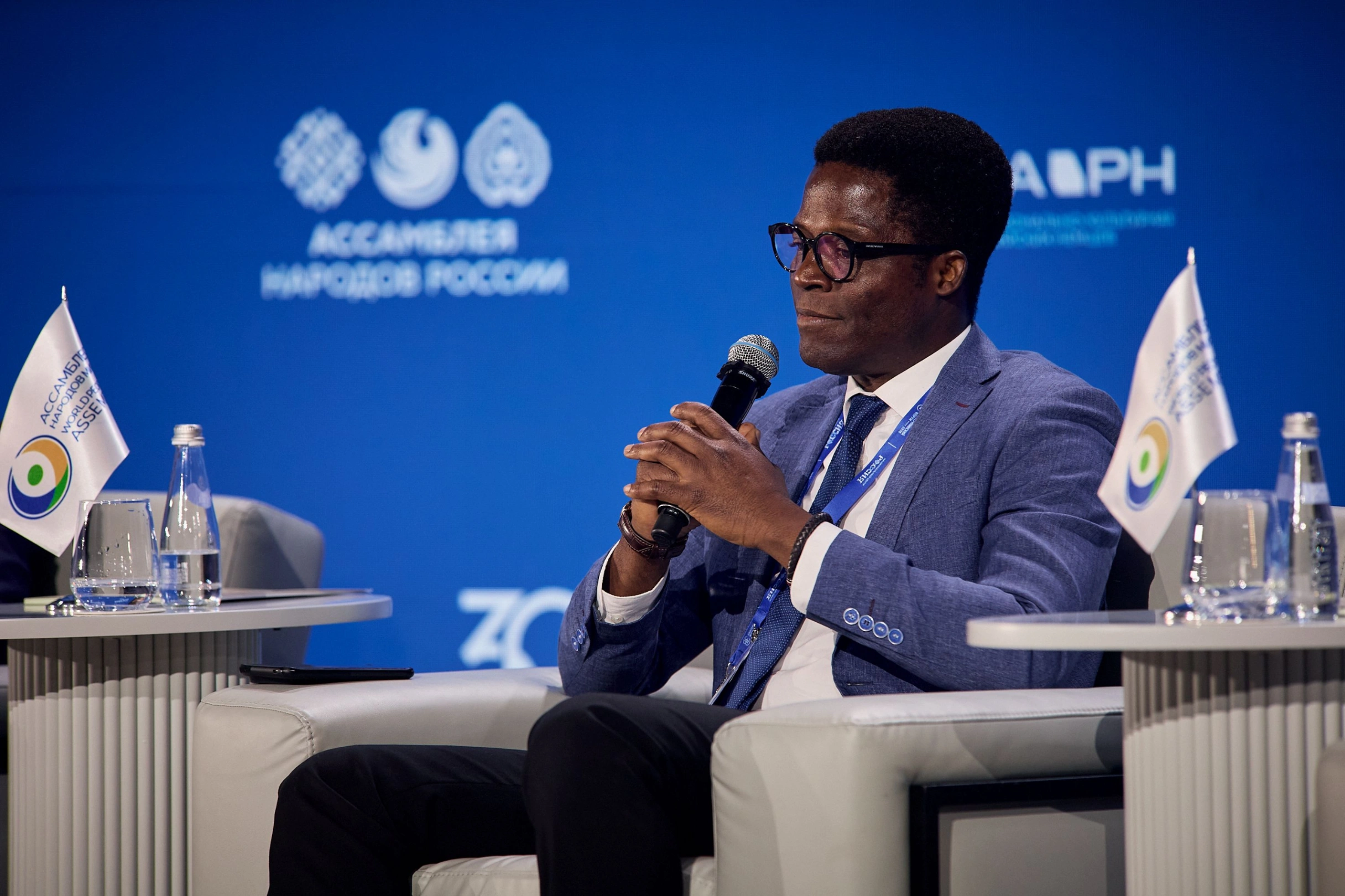
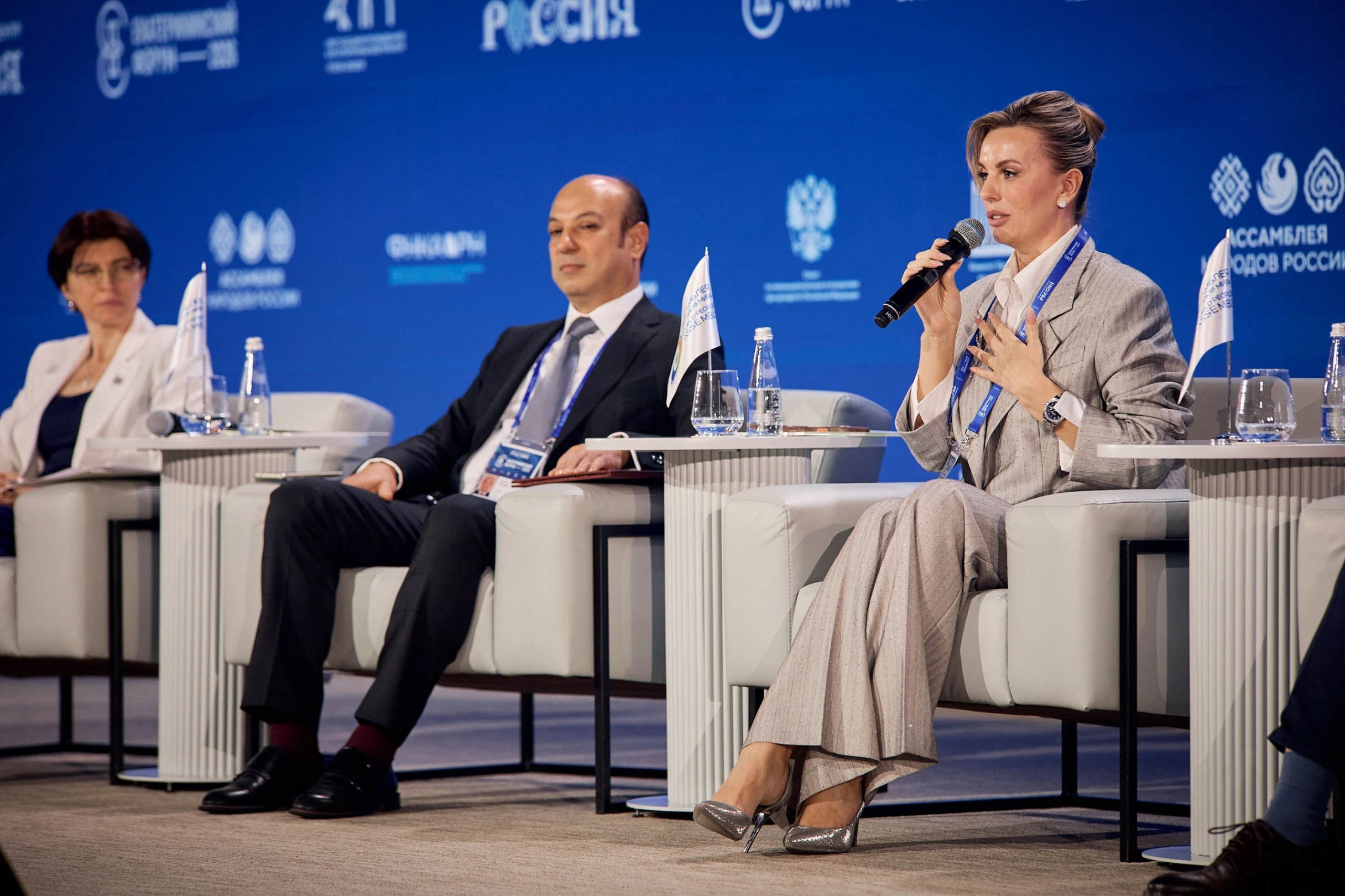
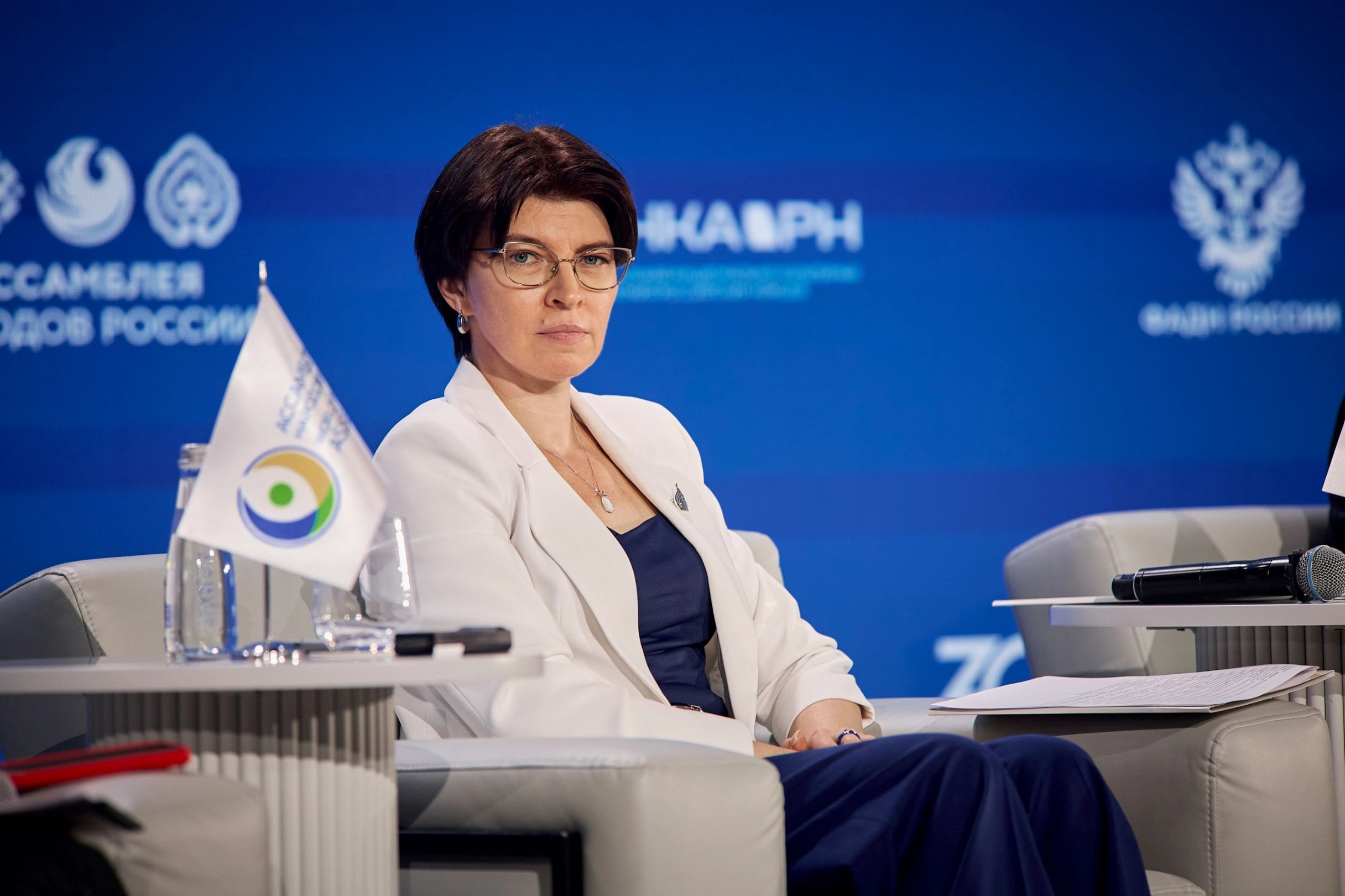
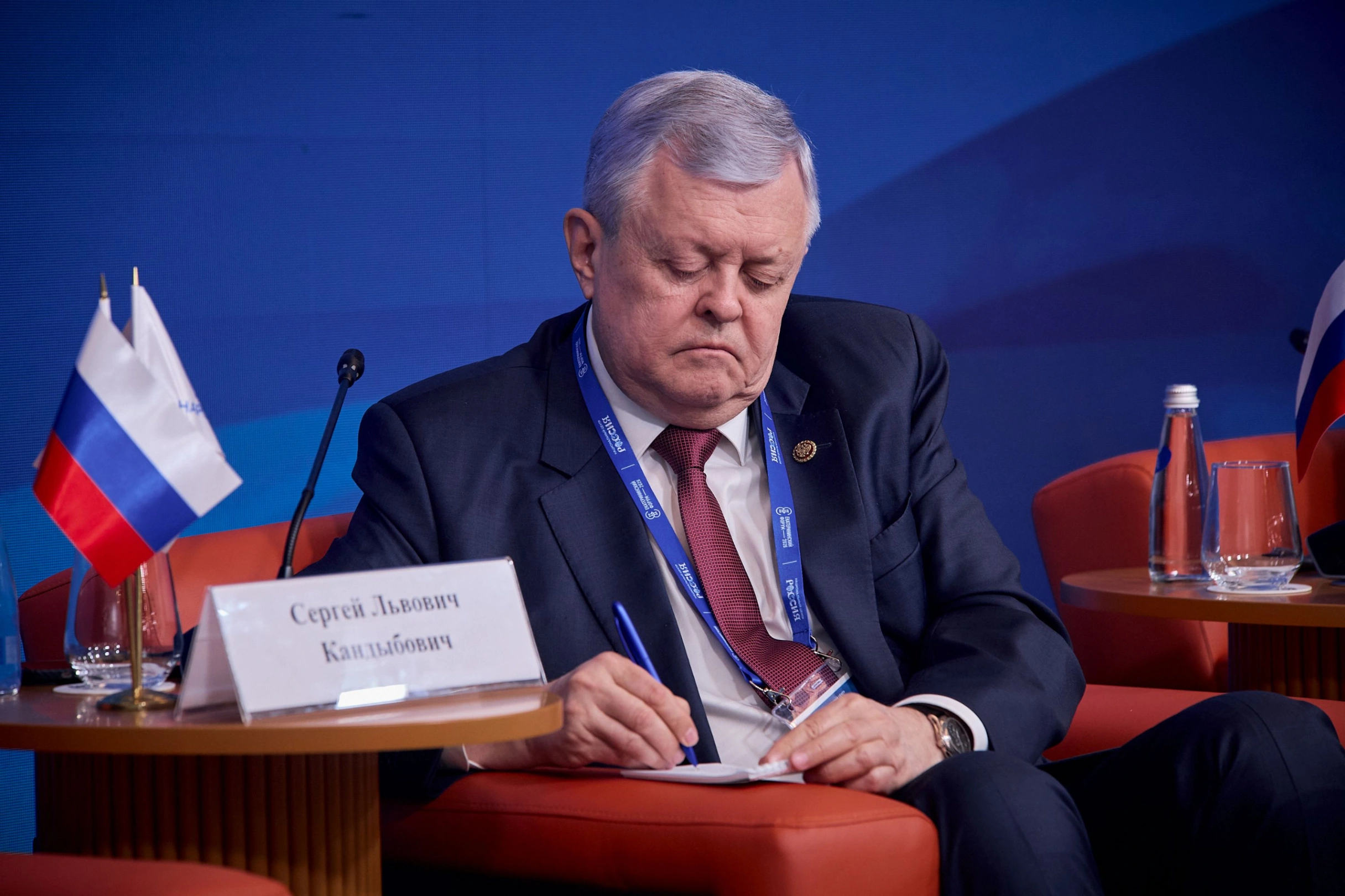
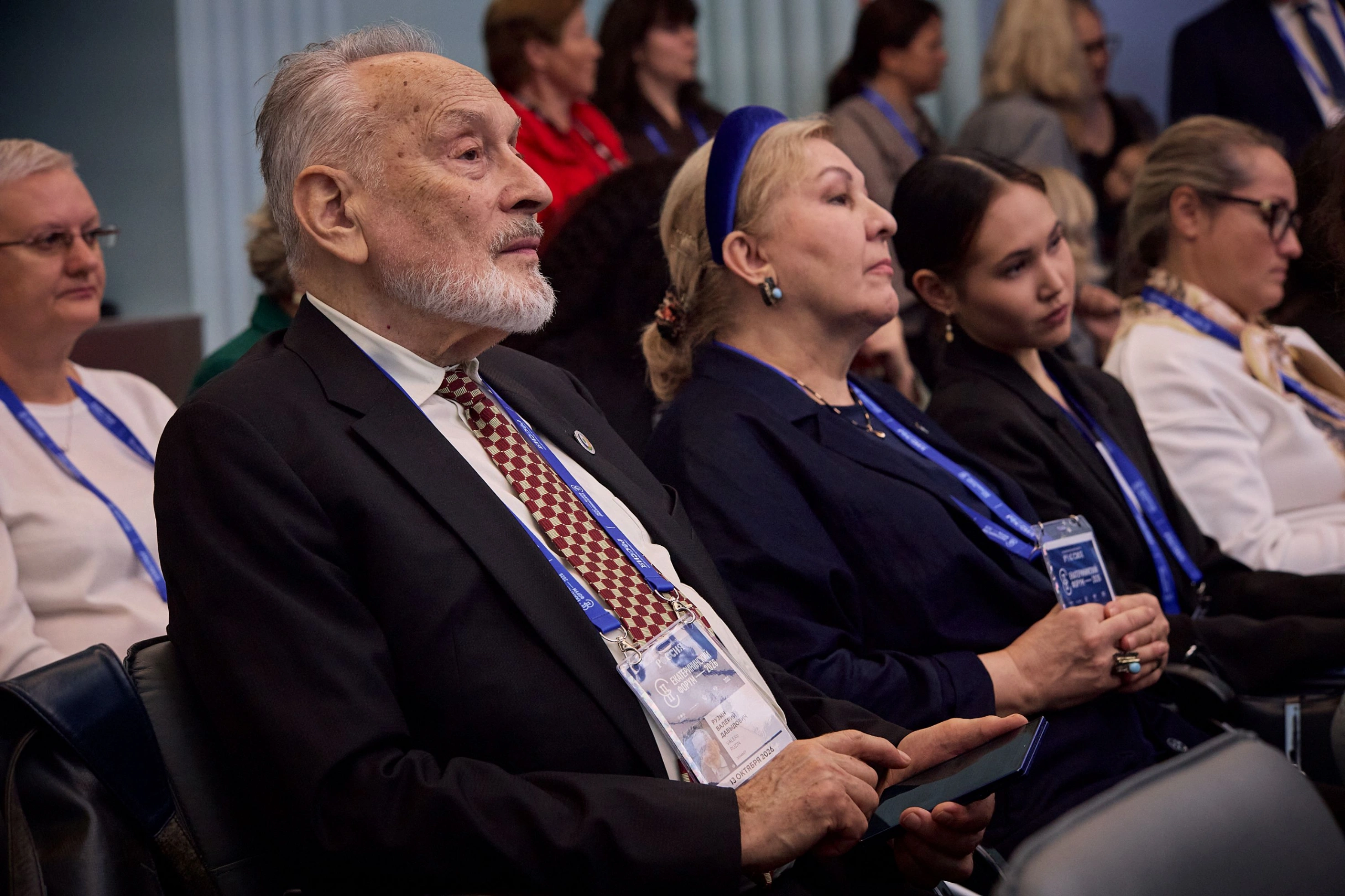
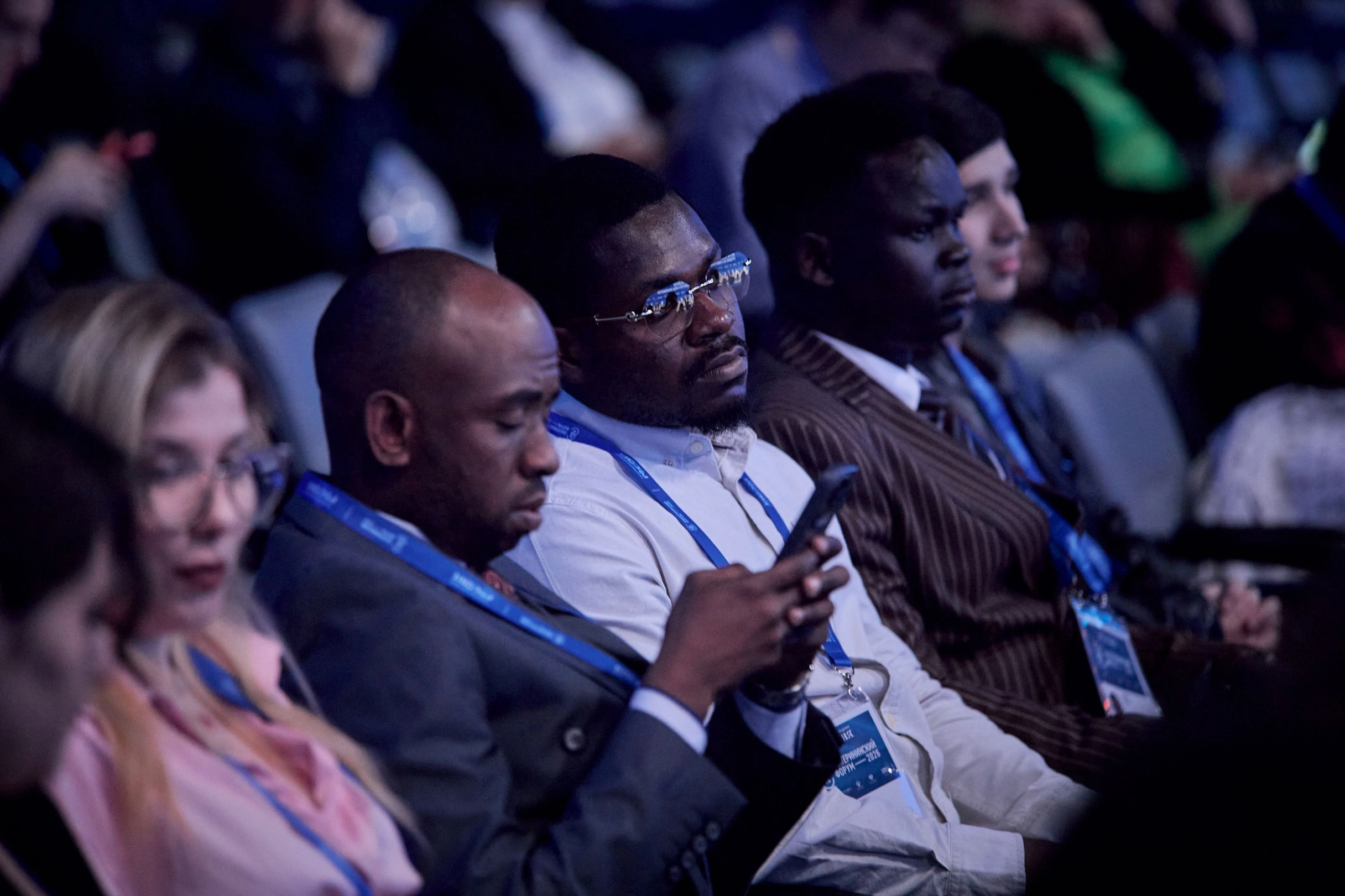
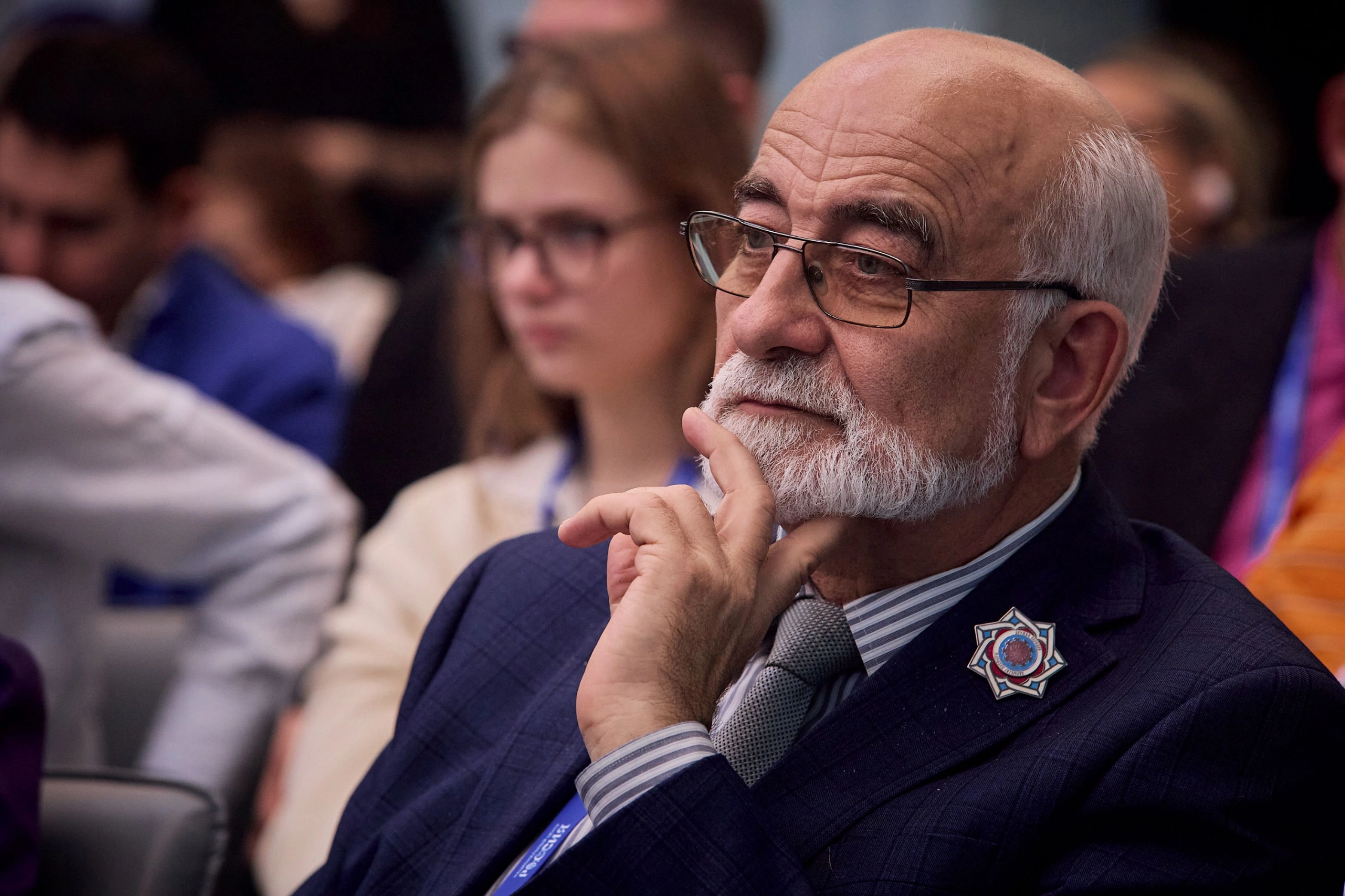
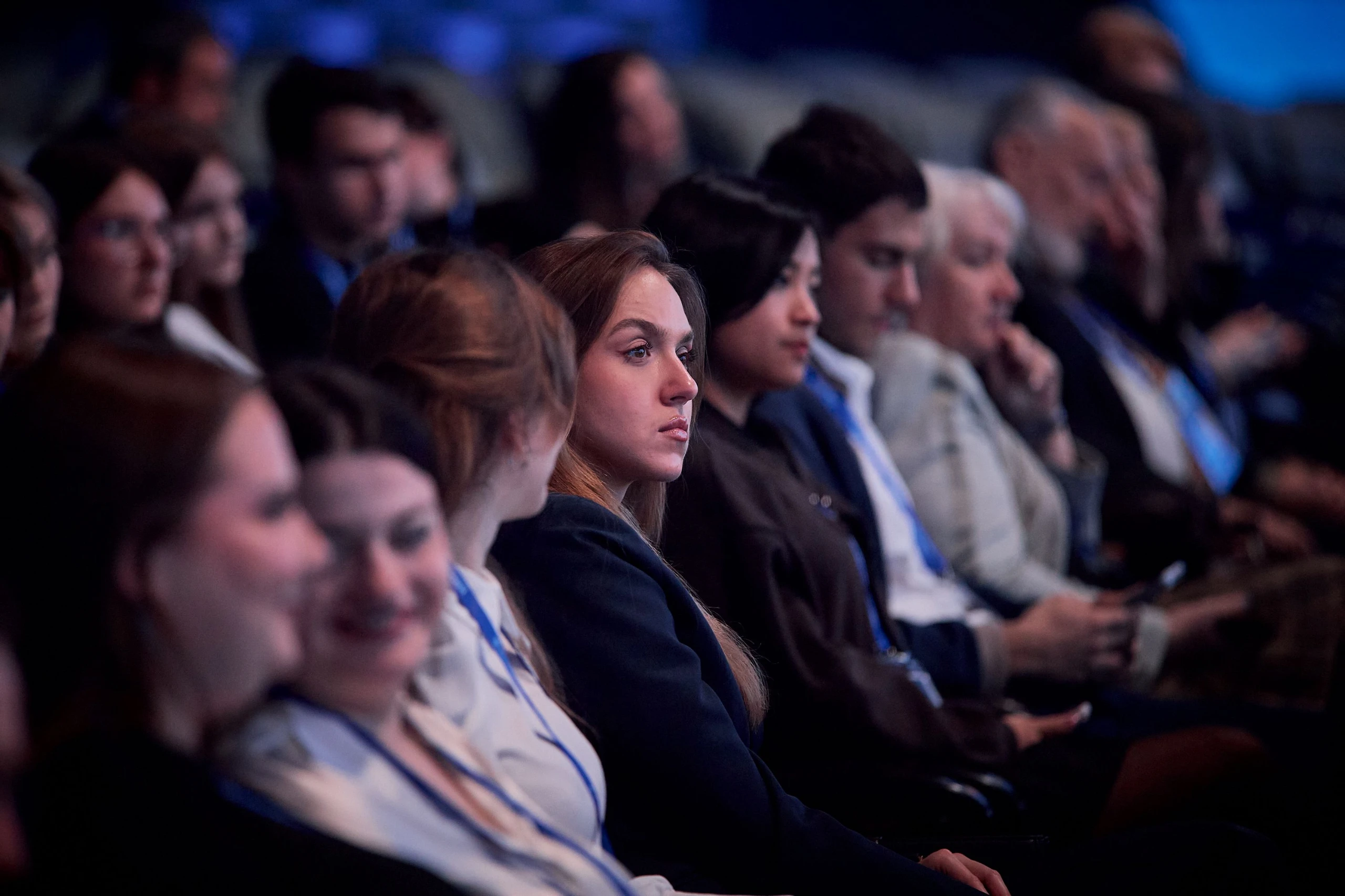
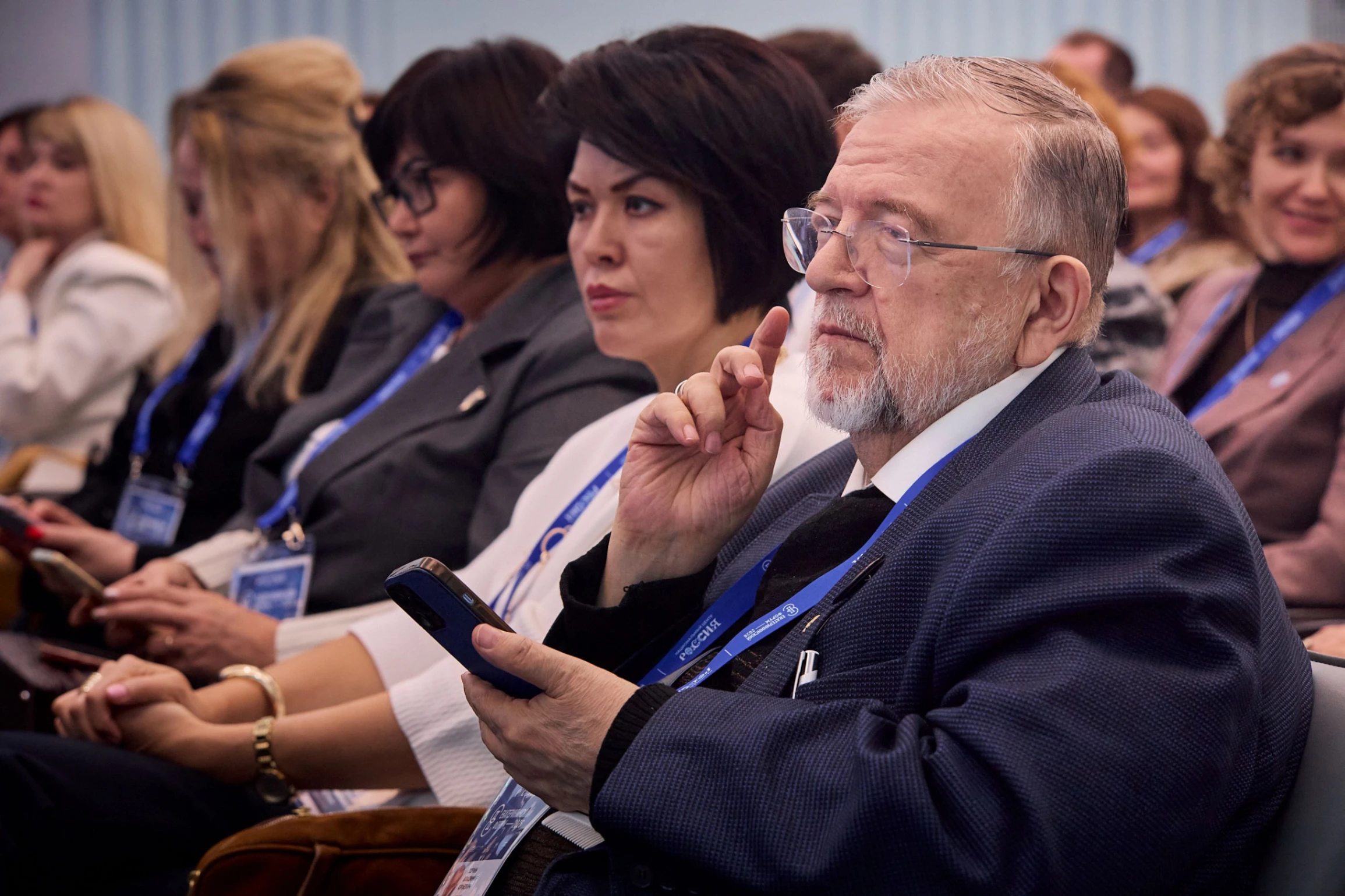
The World Peoples Assembly took part in the International panel discussion “Public Diplomacy: A Space of Trust, Cooperation and New Opportunities” within the III Catherine Forum, which was held on 13 October 2026 at the National Center “Russia”.
The event brought together representatives of Australia, Benin, India, Spain, Russia and Tunisia. The participants discussed the role of public diplomacy in strengthening trust between people, the development of international cooperation, and also presented their experience and spoke about how public initiatives, cultural and professional contacts help build bridges of mutual understanding, create new international partnerships and move from one-off meetings to long-term cooperation.
The meeting was moderated by Marina Rybintseva, member of the Coordinating Council of the Youth World Peoples Assembly, Global Ambassador of the World Youth Festival from Morocco.
The discussion participants were:
Svetlana Smirnova - Chairperson of the General Council of the World Peoples Assembly, member of the Presidential Council for Interethnic Relations of the Russian Federation (Russia);
Roman Dubinin - Vice-President of the Russian-Australian Commonwealth (Australia);
Serge Fokas Odunlami - President of the Center for Business Development and Cooperation with Russia (Benin);
Lyudmila Sekriy - holder of the international title “Mrs. Earth 2026”, entrepreneur (Russia);
Krishan Kant Agarwal - CEO of the logistics company “Global Jel” (India);
Khalil Louati - founder and CEO of Noor Space (Tunisia);
Tatiana Khrapko - Chair of the Culture Committee of the CIS Business Center (Russia);
Ivan Cherkesov - Secretary General of the Center for Sovereign Dialogue and Multipolar Cooperation “Domus”, Spanish language teacher, Hispanist (Spain).
Welcoming the experts, Svetlana Smirnova reminded those present that the World Peoples Assembly is a traditional partner of the Catherine Forum, and noted that public diplomacy is built primarily on direct interaction between people - through culture, education, youth and public initiatives, professional cooperation and personal connections:
- The central question of our session is what it means to be one of us in a multiethnic Russia. A person feels at home when they are heard, when their culture and traditions are respected. That is where public diplomacy begins. Relations between countries are always built through relations between specific people. Sometimes just one sincere conversation helps establish a dialogue for many years.
Svetlana Smirnova emphasized that Russia, uniting nearly 200 peoples, has enormous potential for mutual enrichment.
Continuing the discussion, Serge Fokas Odunlami presented the possibilities of public diplomacy in developing humanitarian and cultural ties between Russia and Africa. According to him, it is culture and personal contacts that become the foundation for long-term trust, without which the development of business and equal partnership is impossible. A vivid example is the Festival of African Culture in Russia, which has been held for the sixth time. It not only introduces Russians to the continent but unites people: students, diplomats, representatives of diasporas – giving rise to sincere friendships and a desire to learn more about Africa.
To make this dialogue mutual, Serge Fokas proposed holding similar events in African countries, allowing local residents to discover Russia on their own territory. The speaker assigned a special role in this process to young people: foreign students studying at Russian universities, upon returning home, should become the main conduits of such ties, so it is necessary to create permanent instruments that bring Russian and African youth together.
- Public diplomacy is needed so that our children’s lives are calmer and there are fewer wars. I have taken Russian culture through myself, I feel Russian, and I am very comfortable with this self-perception, - Serge Fokas concluded.
Lyudmila Sekriy shared her experience of cultural diplomacy and emphasized that the future of planet Earth is in the hands of children, and the world around us depends on how we raise them. The speaker admitted that she had always dreamed of doing charity at the international level, uniting with people who love children as sincerely as she does. That is how her project “Angel Crown” was born, named after her youngest daughter Angelina, who won the Miss Russia contest in 2025. Within the project, children from different countries get to know each other, exchange cultural traditions, make friends and learn people’s diplomacy from an early age through live dialogue.
Lyudmila Sekriy also recalled her own victory in a similar contest, when the organizers noted her sincerity, kindness and warmth, which won over the jury from the first day. It was this experience that inspired Lyudmila Sekriy to create a contest format where the emphasis is placed not on external but on inner beauty.
- Earth is a common home for our children. I dream of finding like-minded people who will join my project, and I wish each of us to remain ourselves, - Lyudmila Sekriy summarized.
Krishan Kant Agarwal shared his view of business cooperation as a powerful tool for strengthening international partnerships and developing public diplomacy. He noted that economic interaction plays an enormous role in bringing peoples closer together:
- Business circles have a wide arsenal of means for maintaining international contacts: from forums and summits to exhibitions and fairs. At the same time, business is inextricably linked with culture and permeates all spheres of life.
The speaker proposed developing three strategic directions. The first is scientific, technical and practical exchange between students and teachers, which forms an attractive image of countries and contributes to the influx of young and highly qualified specialists. The second is labor migration programs: upon arriving in a new country, migrants study the local way of life and at the same time act as informal ambassadors of their homeland, spreading knowledge about its culture. The third is the creation of joint enterprises. Such projects not only stimulate the exchange of experience and intercultural dialogue but also bring real benefits to local residents, creating jobs and developing regions, which ensures strong public support.
Summing up his speech, Krishan Kant Agarwal emphasized that it is economic cooperation that acts as the main driver of public diplomacy.
Khalil Louati spoke about how to move from international dialogue to the implementation of joint projects:
- In the conditions of a tense international situation: sanctions, confrontation and information barriers, the political agenda often diverges from people’s real needs. And people want one thing: peace, security, respect and equal partnership. Look at how Russia, while preserving its identity and independent view of the world, offers other countries cooperation based on respect for their traditions and national interests.
The speaker especially emphasized that true understanding of another country begins with sincere interest: it is important to know not only what you yourself can offer, but also what another people truly needs, what tasks it faces, how one’s own experience can be useful. That is why long official negotiations, according to Khalil Louati, often give way to simple human meetings: over a cup of tea or coffee, when the conversation turns not only to business but also to life.
The expert called for creating platforms where people can meet face to face, speak informally and build trust:
- Russia is actively creating such opportunities, helping us see each other without distortions. And on this basis, sustainable modern projects are already being born that can withstand any political storms.
Tatiana Khrapko focused on the role of cultural heritage and the creative economy in public diplomacy. She emphasized that public diplomacy must be built on a value basis, the foundation of which is culture. In the context of modern challenges, the speaker sees the main task as “creating visible and shared values,” as well as updating cultural and territorial heritage in order to pass on to the younger generation the foundations of new interaction.
Tatiana Khrapko paid special attention to the role of the value core, which is life, justice, family and human dignity. Young people in different countries perceive these concepts in their own way, so it is important to correctly identify and visualize them. It is for this purpose that the CIS Business Center launched a year-long research project, the results of which in a few months will be digitized and presented in the form of a values map. The expert invited public and business organizations to become partners of this initiative.
- We want to build a space of trust that would help us develop interaction through a variety of meanings. This project is exclusively a public initiative and does not pursue commercial goals, the speaker stated.
Ivan Llopis Cherkesov spoke about the importance of language and cultural ties between Russia and the Spanish-speaking world. The speaker noted that human contacts acquire special value through culture, education and language:
- Most people are far from politics, but they perceive another country through music, cinema, literature, dance, sport and gastronomy. “Olivie” salad in Spain is called “Russian,” and the names of Tchaikovsky, Dostoevsky and Arshavin are always a reason for an interesting conversation.
The speaker emphasized that any dialogue is built on finding common ground, and culture acts as a set of bricks from which a bridge between communities is built; the cement that holds this structure together is language. At the same time, it is important to remember: if legal and political terms are often similar, then words conveying morality and emotions differ greatly in different languages. By learning another language, a person extends a hand to millions of representatives of another culture and discovers for themselves the unique history of each. Ivan Llopis shared his personal experience:
- Having moved to Russia in 2023, I tried to maintain a positive image of my country, and this would have been impossible without knowledge of the Russian language. Thanks to it, I found friends, the opportunity to travel and even met the girl of my dreams - a fellow student, whom I married. Knowledge of languages is the most effective way to create trust.
Roman Dubinin spoke about the role of compatriots and public associations in strengthening ties between countries. Recalling the opening of the forum, the speaker noted with what warmth Russia receives representatives of different cultures, allowing them to become organically woven into Russian culture. In his opinion, this is precisely the essence of public diplomacy - the ability to unite the diversity of the world around common meanings.
As a vivid symbol of such unity, Roman Dubinin cited the image of Cheburashka, known to everyone in Russia, and the koala, a symbol of Australia, which he jokingly calls the “Australian Cheburashka”. As a sign of the rapprochement of cultures, he presented a souvenir in the form of a koala as a symbolic gift to the female speakers of the session.
Concluding his speech, Roman Dubinin quoted Nikolai Gogol on the ability of the Russian soul to love with everything with which God has endowed man: “No one else knows how to love like that”. And during the forum, by the speaker’s admission, all those present became convinced: “in this common striving for unity and mutual understanding, we are all Russians.”
At the end of the session, the participants concluded that all the proposals voiced were united by one idea - sincerity and openness to the world. The speakers recommended that young people develop analytical and critical thinking, not doubt good deeds, love what they do, and seek like-minded people for common goals.
The experts unanimously concluded that for the development of public diplomacy it is important to study the history, traditions and business etiquette of other countries. The main advice to everyone was simple words: love yourself, love people and be grateful. The meeting became a start for future projects and concrete actions based on mutual respect and trust.
The III Catherine Forum is an International public-state platform dedicated to the civilizational development of Russia, traditional spiritual and moral values and international humanitarian cooperation. The forum refers to the manifestos of Catherine II, with which the empress invited foreigners to move to and work in Russia.
Additional information is available on the official website of the World Peoples Assembly, on its VKontakte and Telegram accounts, and at media@world-assembly.org.