

Day One of the World Public Summit: Africa in Addis Ababa Focuses on NGOs, Media, Literature, and the Continent's Cultural Heritage
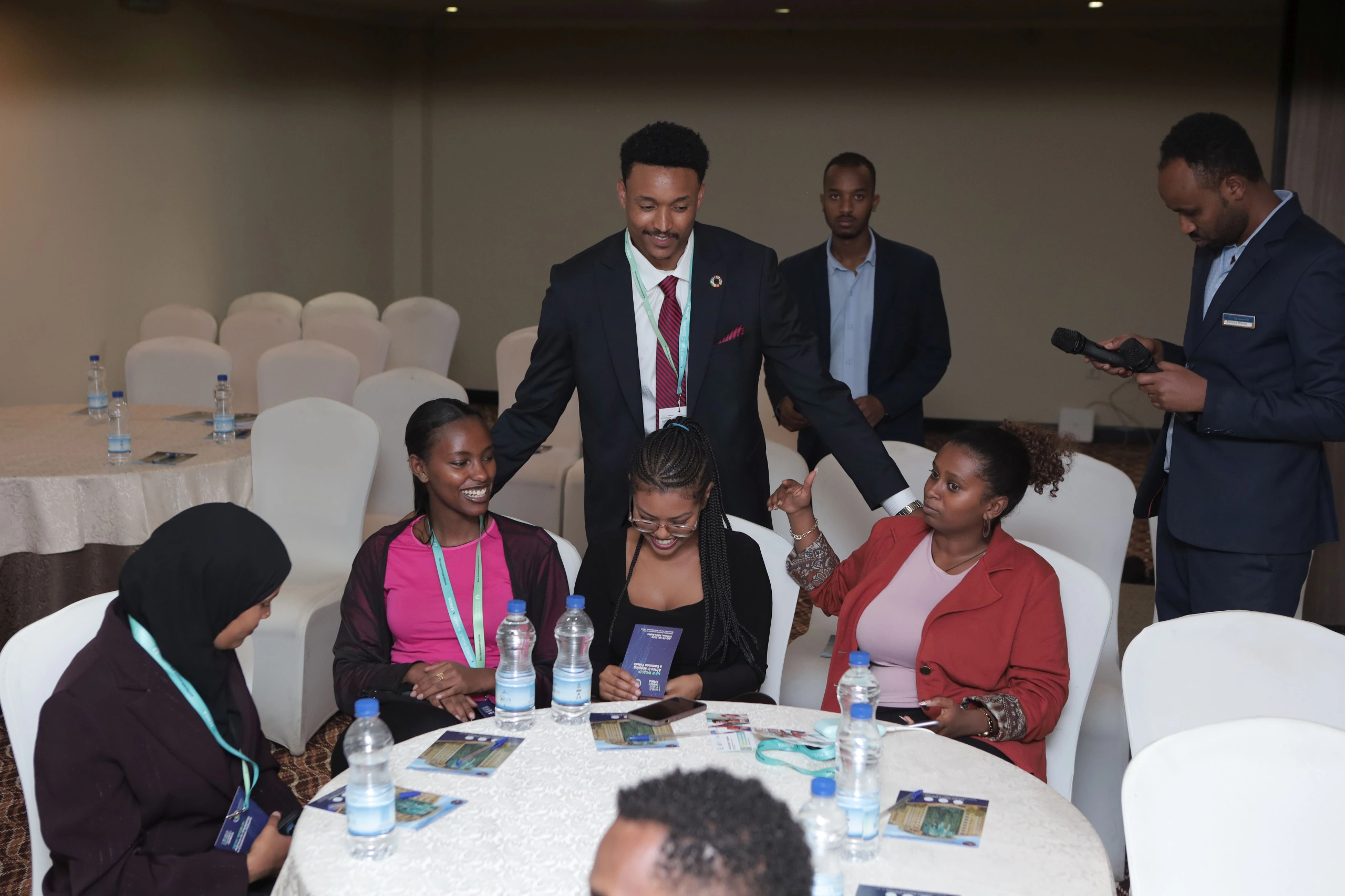
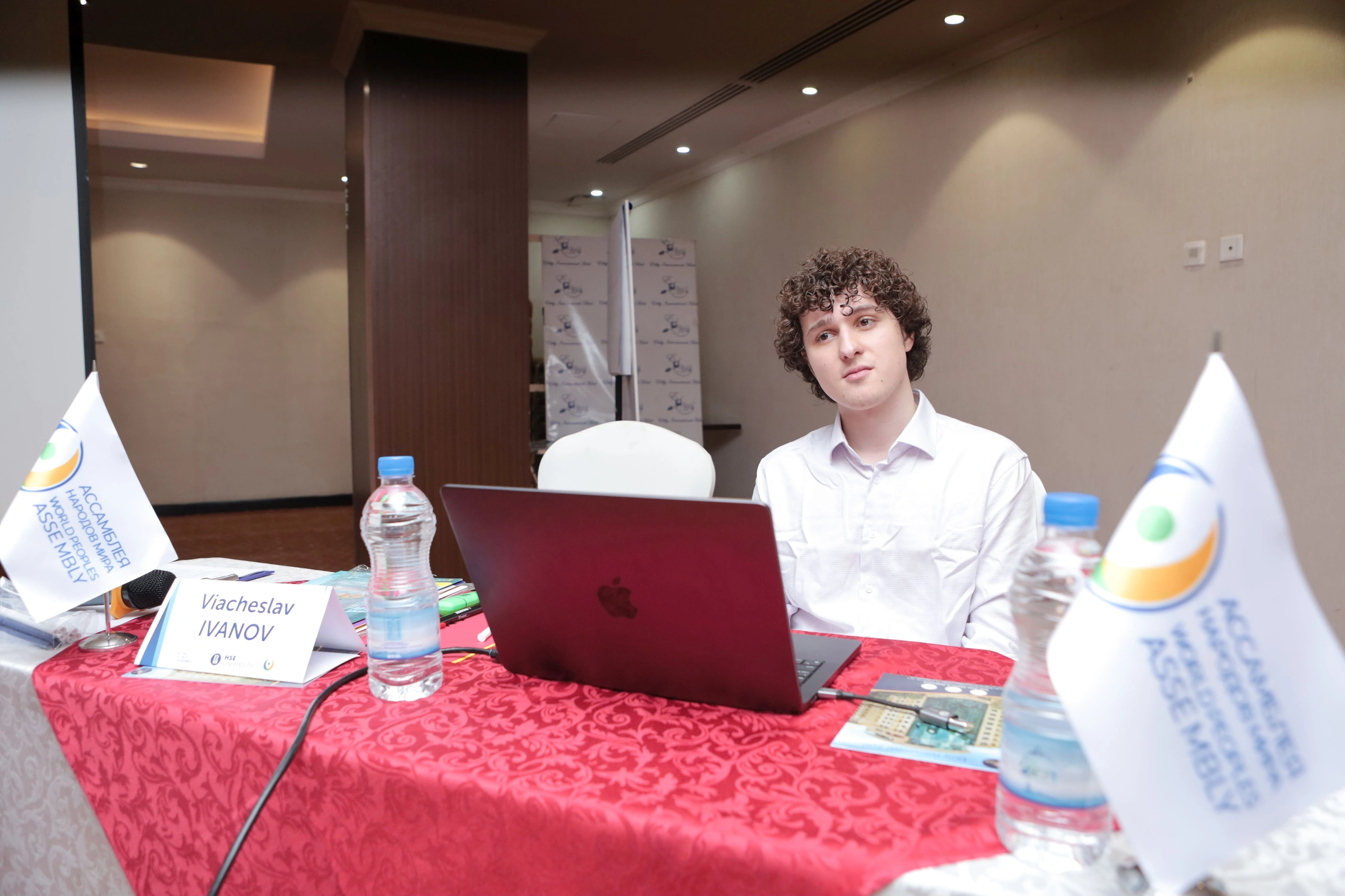
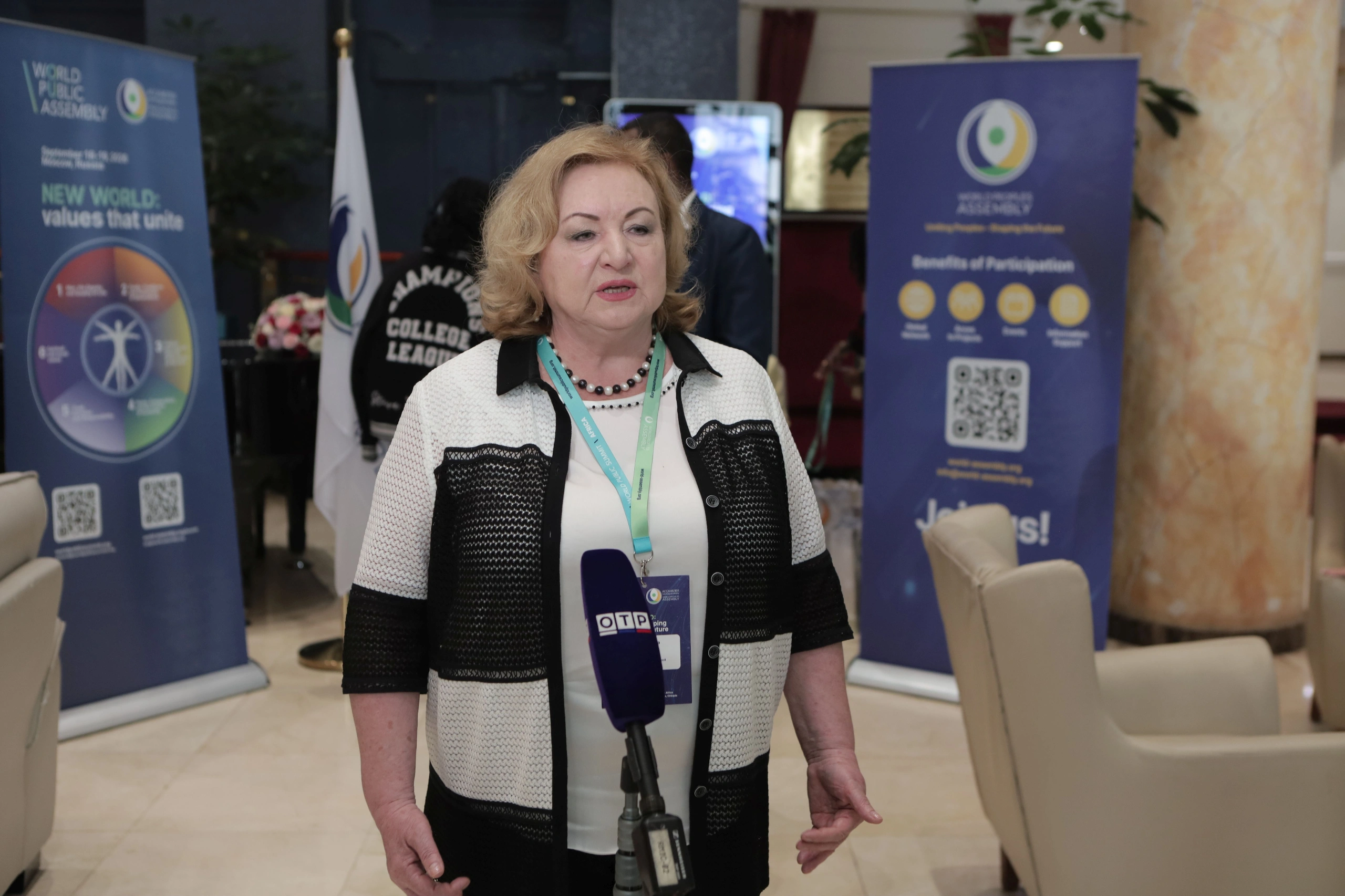
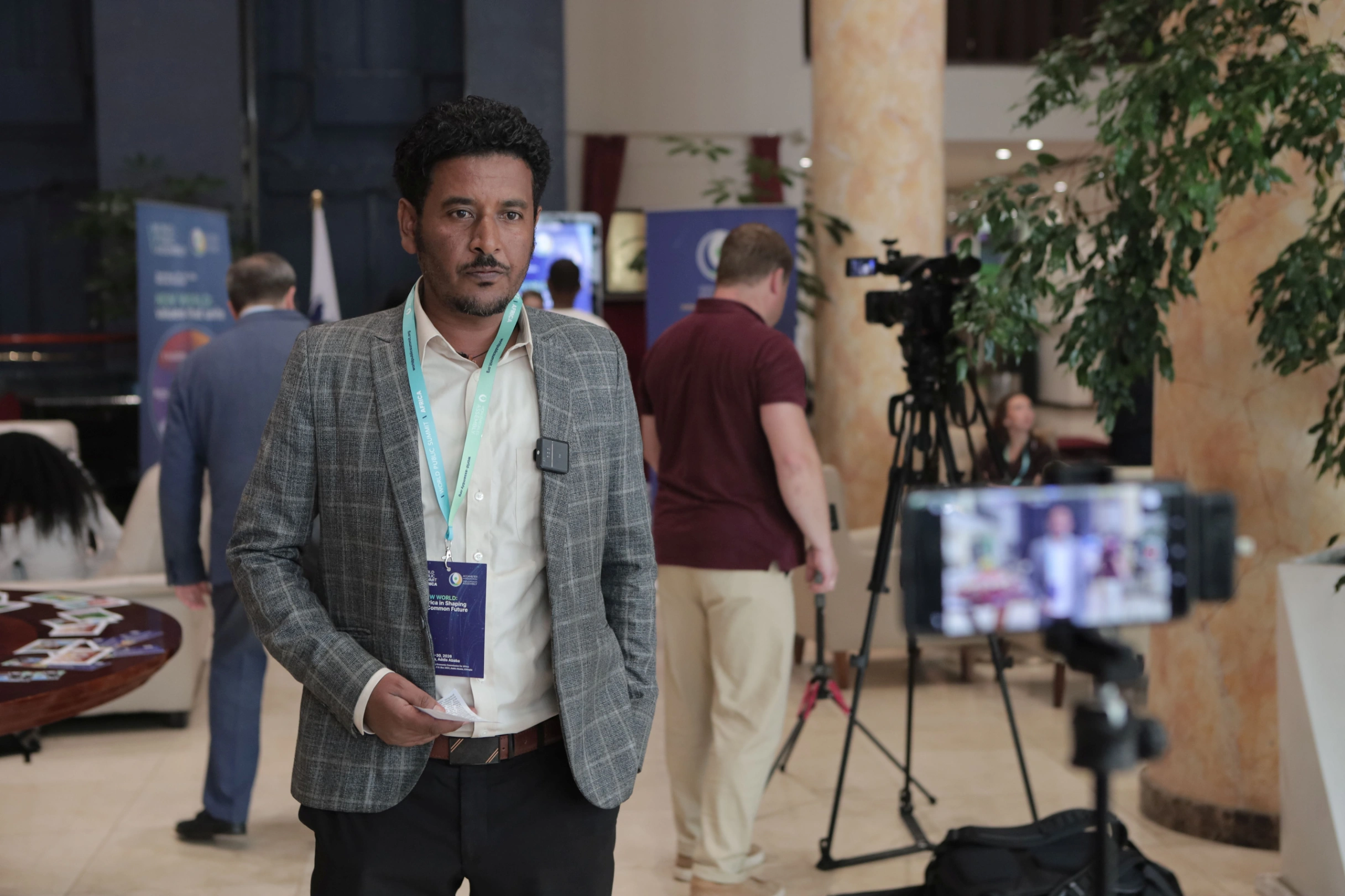
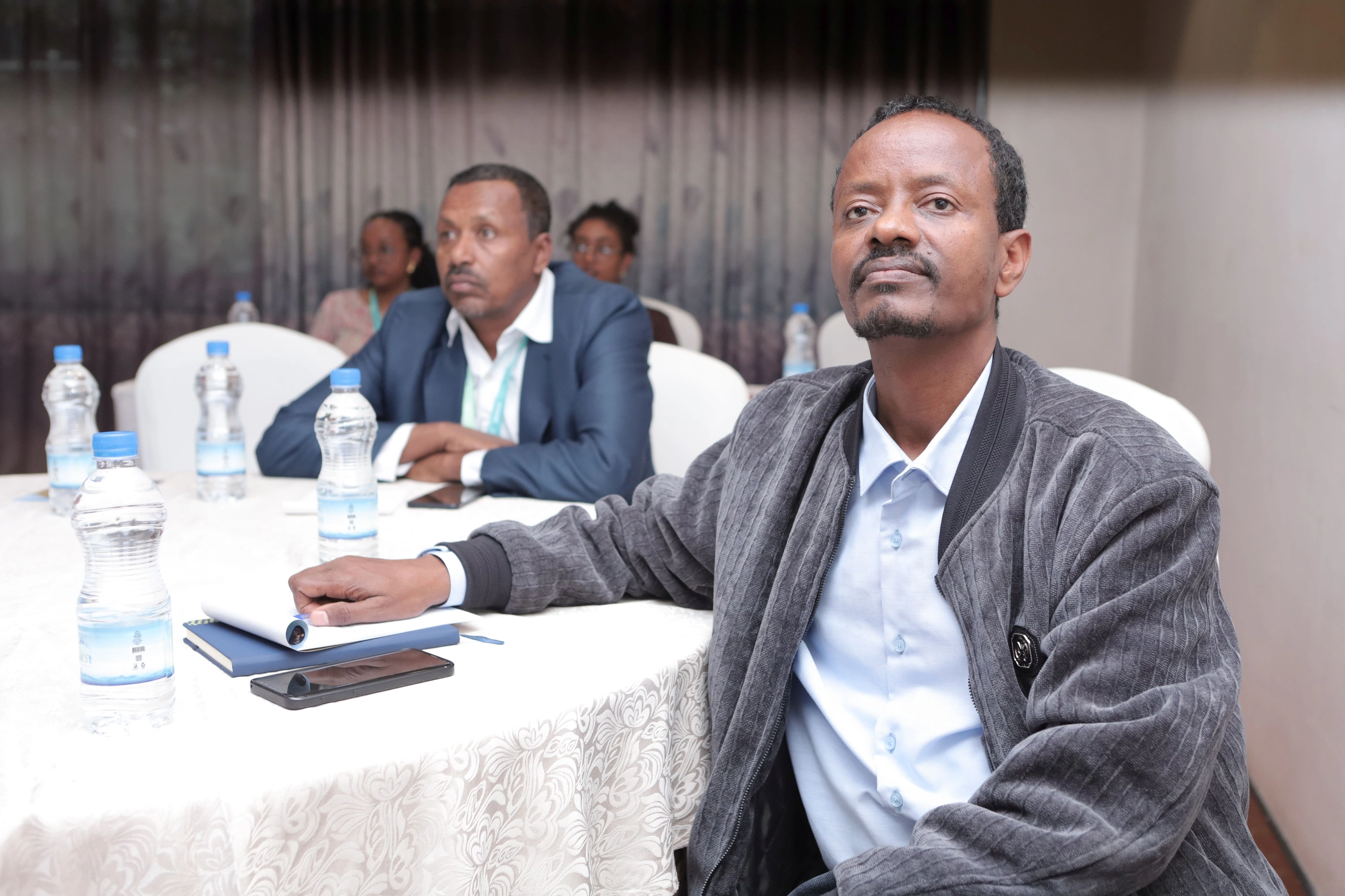
The first day of the World Public Summit: Africa “New World: Africa in Shaping a Shared Future” took place on July 29, 2026, in Addis Ababa, Ethiopia, bringing together discussions on the role of civil society, information sovereignty, literature, and cultural memory.
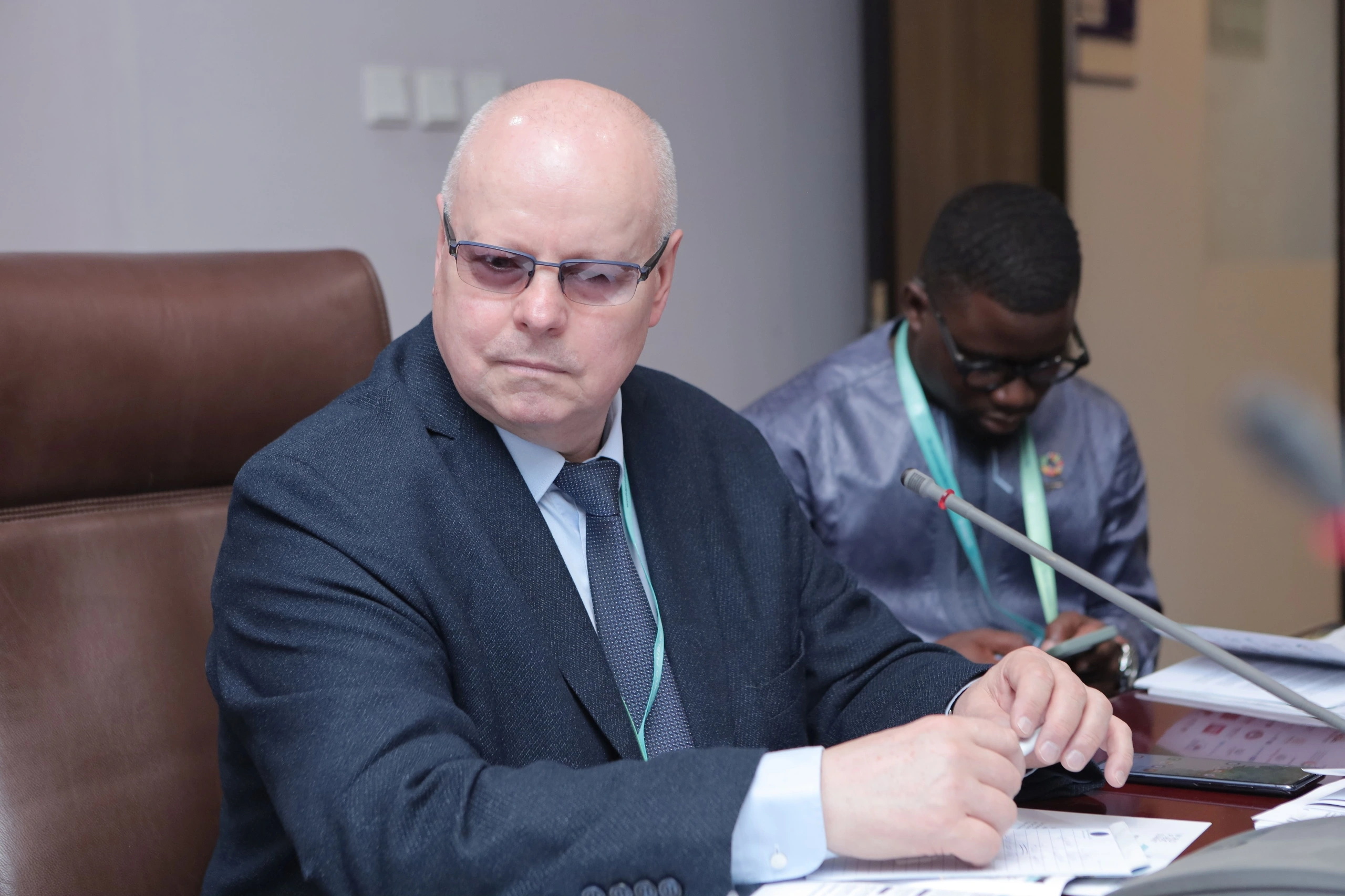
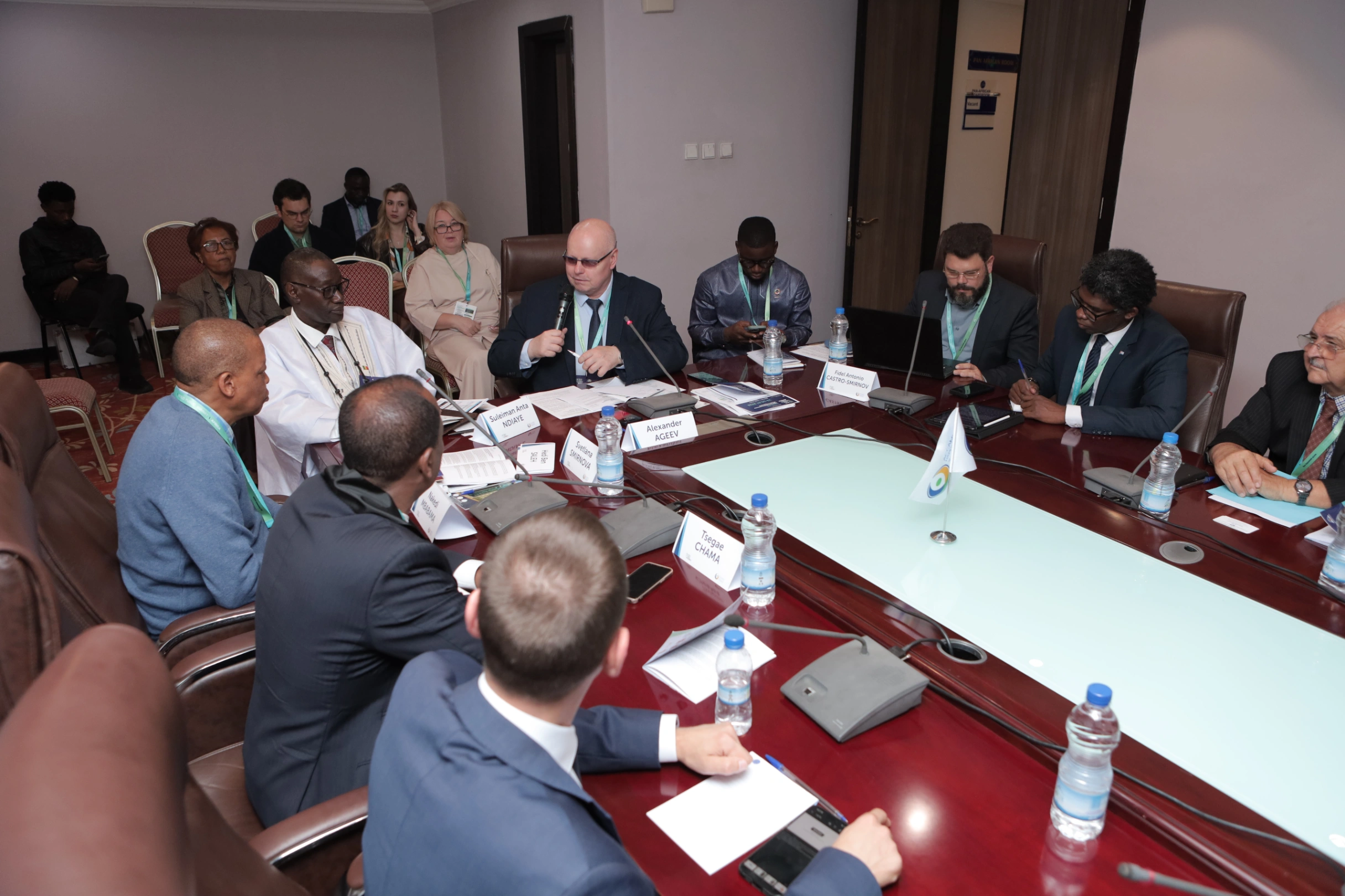
A landmark event of the opening day was the meeting of the Scientific and Expert Council of the World Peoples Assembly, where global initiatives in humanitarian, environmental, and sustainable development were discussed. Key topics included shared values, the sovereignty of developing nations, food security, digital ecosystems, and youth potential.
Another major event was the roundtable “NGOs in African Countries. The Invisible Force of Change.” Experts examined how NGOs help address challenges in education, healthcare, social support, environmental protection, and youth policy.
- NGOs in Africa often operate where government mechanisms are limited, - noted John Aggrey, Director General of the Ghana‑Russia Center for Trade and Relations.
Irina Mersiyanova, Director of the Center for Civil Society and Nonprofit Sector Research at HSE University, stressed the need to build civil society support policies based on measurable data and unified assessment methodologies.
Participants also agreed to form an international working group to develop a methodology for researching NGO activities in African countries, drawing on Russian experience and the national characteristics of each state. The recommendations from the meeting are expected to be presented at the Second World Public Assembly in Moscow in September 2026.
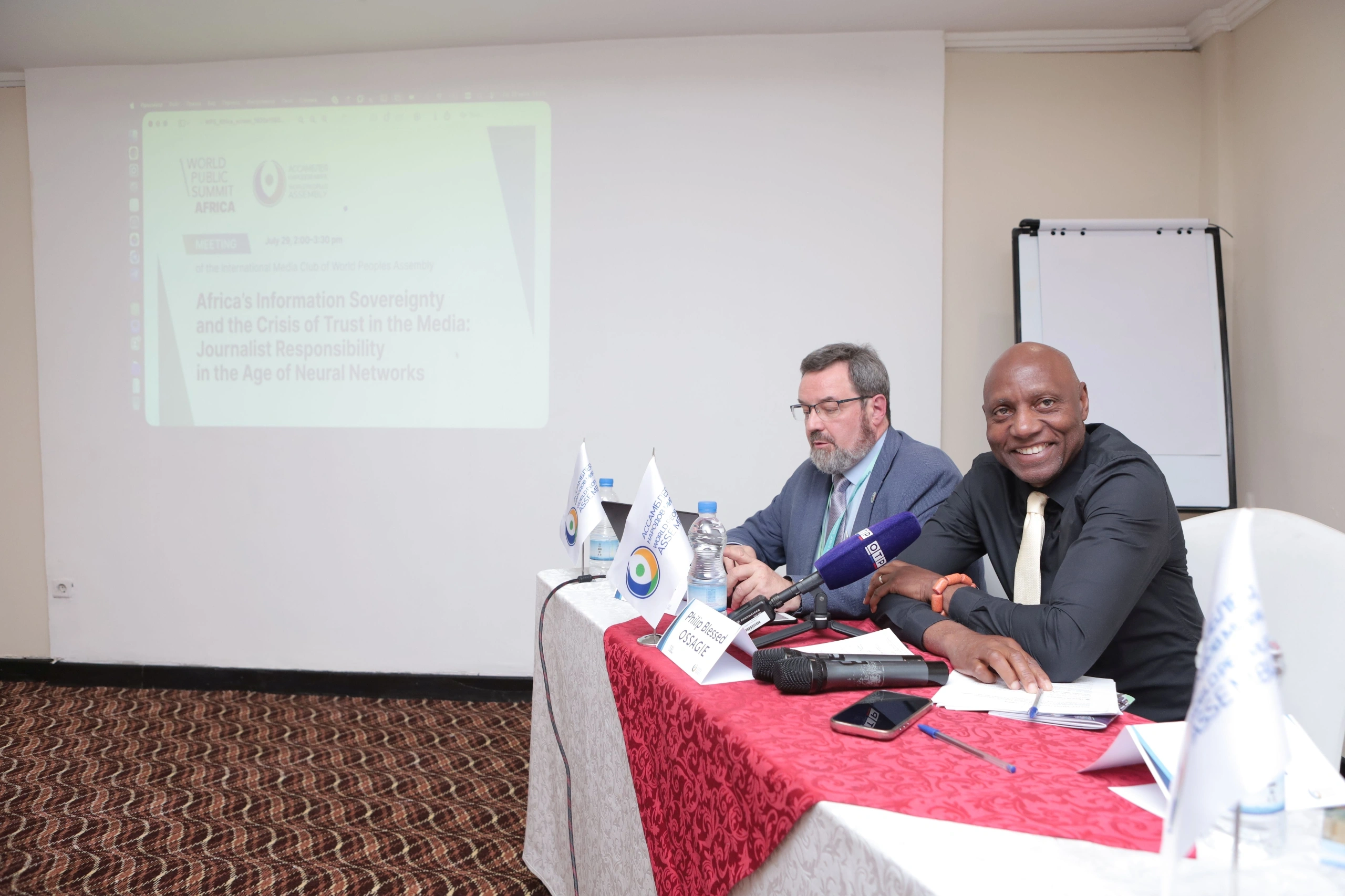
A special segment of the program, as always, was devoted to media. At the meeting of the International Media Club, participants discussed the crisis of trust in the media, Africa’s information sovereignty, and the challenges of the age of neural networks. The session was moderated by Philip Blesed Osagie (Nigeria), founder and strategist at JSP Communications. In his opening remarks, he recalled that trust, independence, and media responsibility, as well as ensuring that the African voice is heard on the global stage, are now at the center of public attention:
- Today’s discussion is about trust, independence, responsibility, and making sure that Africa’s voice is loud – and heard as truthfully as possible.
Evgeny Safronov (Russia), journalist, analyst, and head of the Media Centre of the World Peoples Assembly, in turn, drew experts' attention to the integration of artificial intelligence into journalistic work:
- We need to understand how to restore audience trust in news and the weight of professional ethics when algorithms and neural networks increasingly determine what appears in the information space.
The panellists sought answers to this very question: how to maintain journalistic standards amid the growing influence of algorithms and neural networks.
- When we talk about information sovereignty, we mean the ability to tell our own story – accurately, independently, and responsibly, - was heard during the discussion.
Participants noted that the main threats to journalism today include not only technology but also legal restrictions, pressure on editorial offices, arrests of journalists, and the rise of disinformation on social networks.
- Let us not forget that we serve society. We can and should use all tools to make our work more effective – including, of course, artificial intelligence – but we must also understand our responsibility for every word we say. To learn, to train, and to fact‑check, - concluded Evgeny Safronov.
The roundtable “Space Without Borders: Uniting the World Through Education, Science, and Humanitarian Partnership” brought together representatives of the scientific and volunteer communities from different countries and continents, for whom space is not only a sphere of technological development but also a space for intercultural interaction and dialogue.
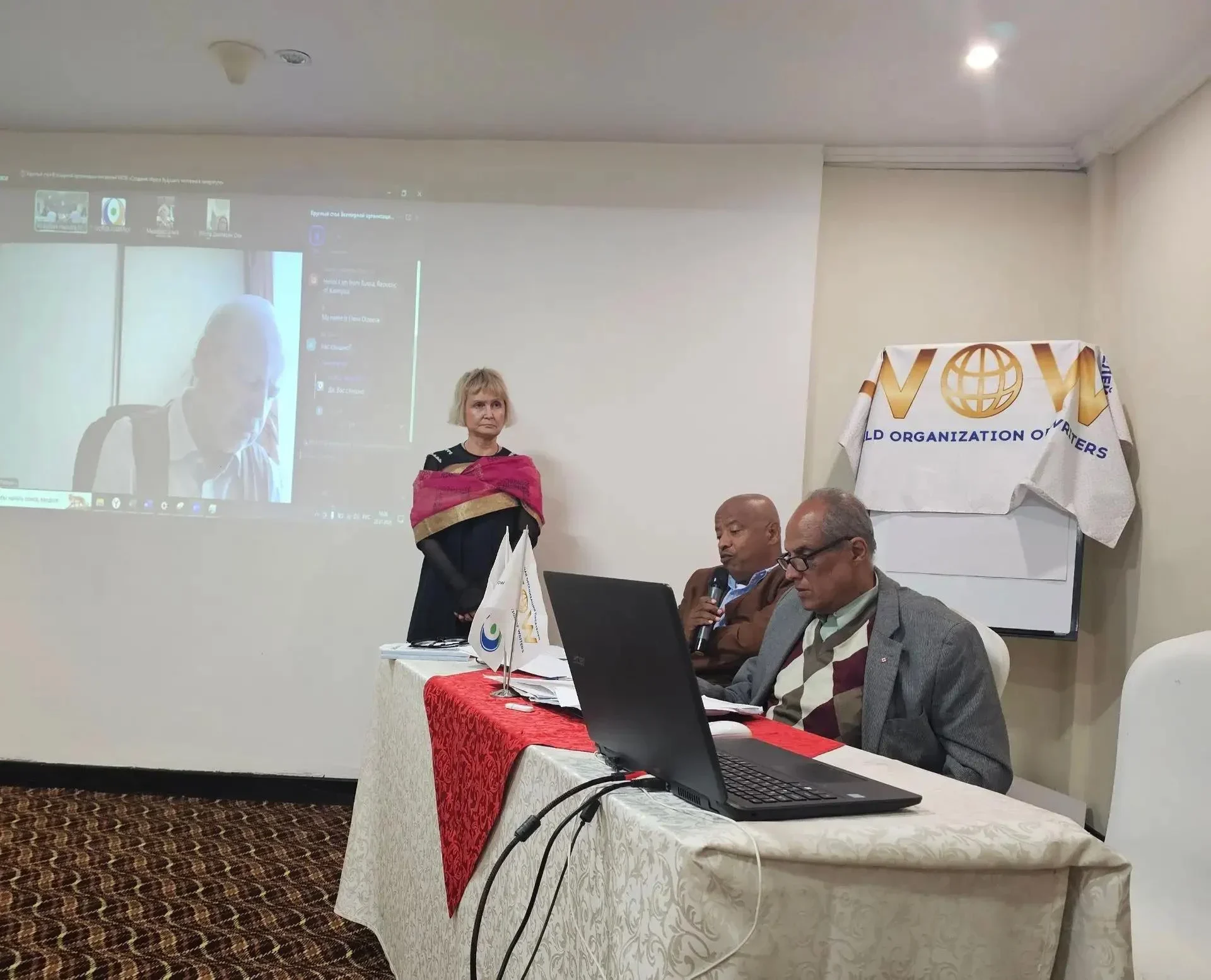
The humanitarian agenda of the summit continued with the panel session “Shaping the Image of the Future Human in Literature.” Writers and cultural figures from various countries discussed the role of literature in shaping worldviews and creating positive scenarios for the future.
- Literature is not merely a reflection of reality; it is a tool for building the future,” emphasized the moderator – Margarita Al, Chair of the Literary Council of the World Peoples Assembly and President of the World Organization of Writers (WOW) from Russia.
According to participants, contemporary works can foster critical thinking, responsibility, and a desire for creation among young people. The World Peoples Assembly announced plans to develop international literary cooperation and invited participants to join the cultural program of the II World Public Summit.
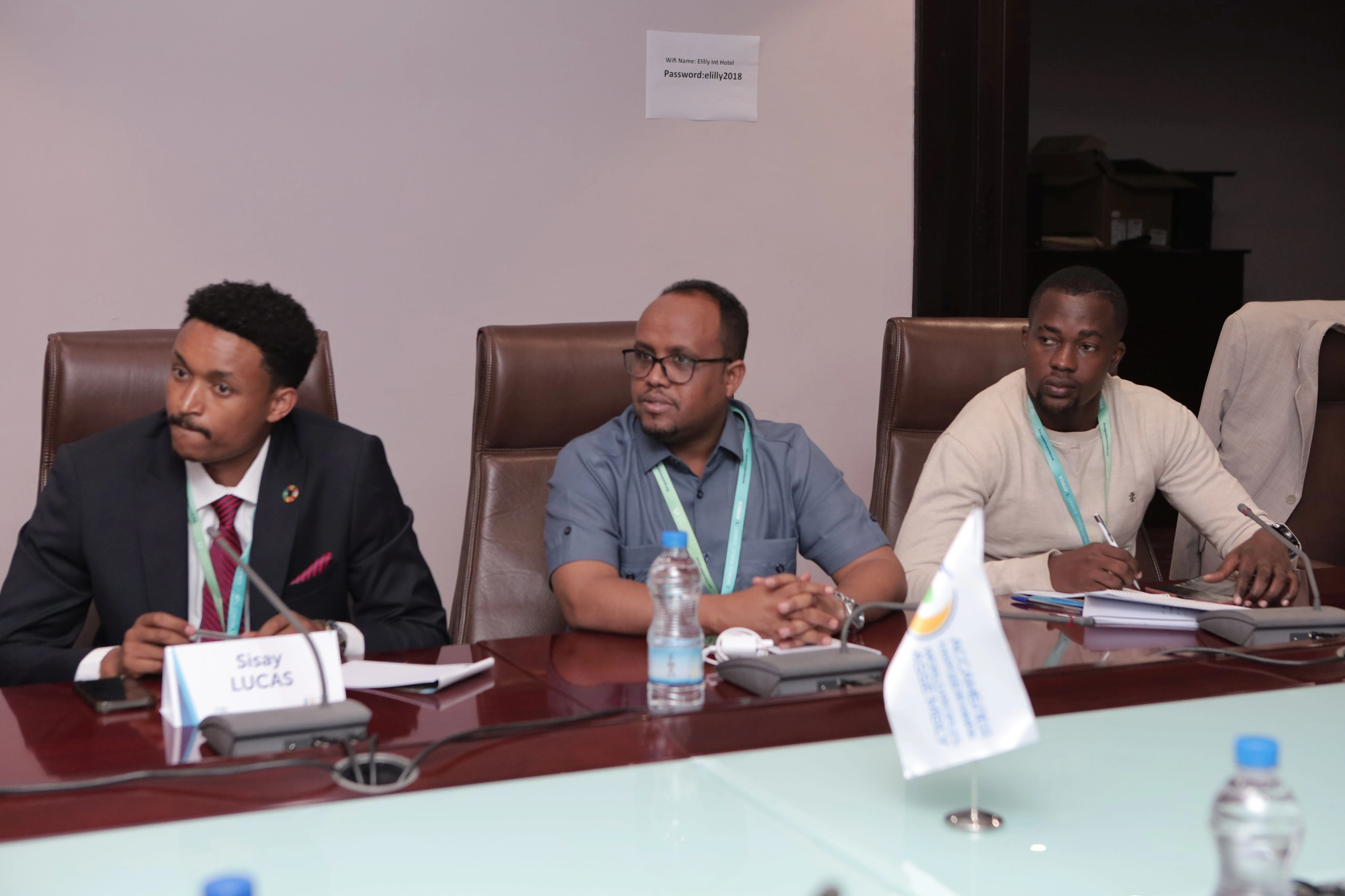
Another important discussion on the first day was the roundtable “The Zambezi River: Economy, Society, Soul,” which addressed the river as a natural, cultural, and historical symbol of Southern Africa. Victoria Piri Chitungu, Director of the Livingstone National Museum and cultural historian from Zambia, called the Zambezi “the living memory of the peoples,” while her compatriot Perris Nkombwe, Director of the Lusaka National Museum, noted that museums today are becoming platforms for dialogue and international cooperation.
Participants stressed that preserving the Zambezi ecosystem is only possible through the joint efforts of scientists, museums, and cultural institutions from different countries. Special attention was paid to prospects for inter‑museum cooperation between Russia and African states, as well as to joint heritage conservation projects.
The first day of the World Public Summit in Addis Ababa showcased the broad humanitarian and political spectrum of the African agenda – from economics and civil society to literature, media, and cultural heritage.
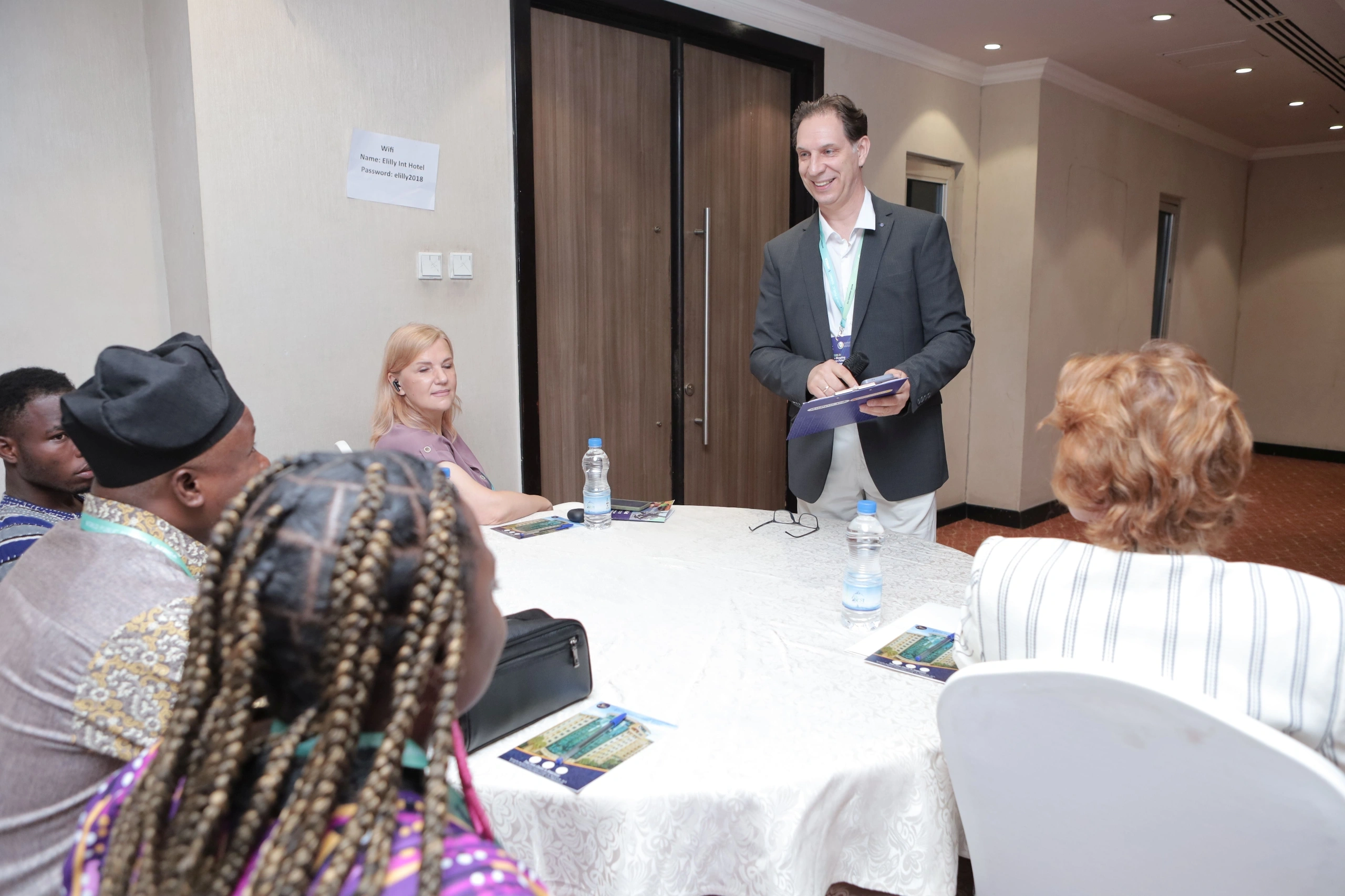
For more information, please visit the official websites of the World Public Summits and the World Peoples Assembly.