

Participants of the World Public Summit: Africa “New World: Africa in Shaping a Shared Future” Discuss the Role of Nonprofits in the Continent’s Development
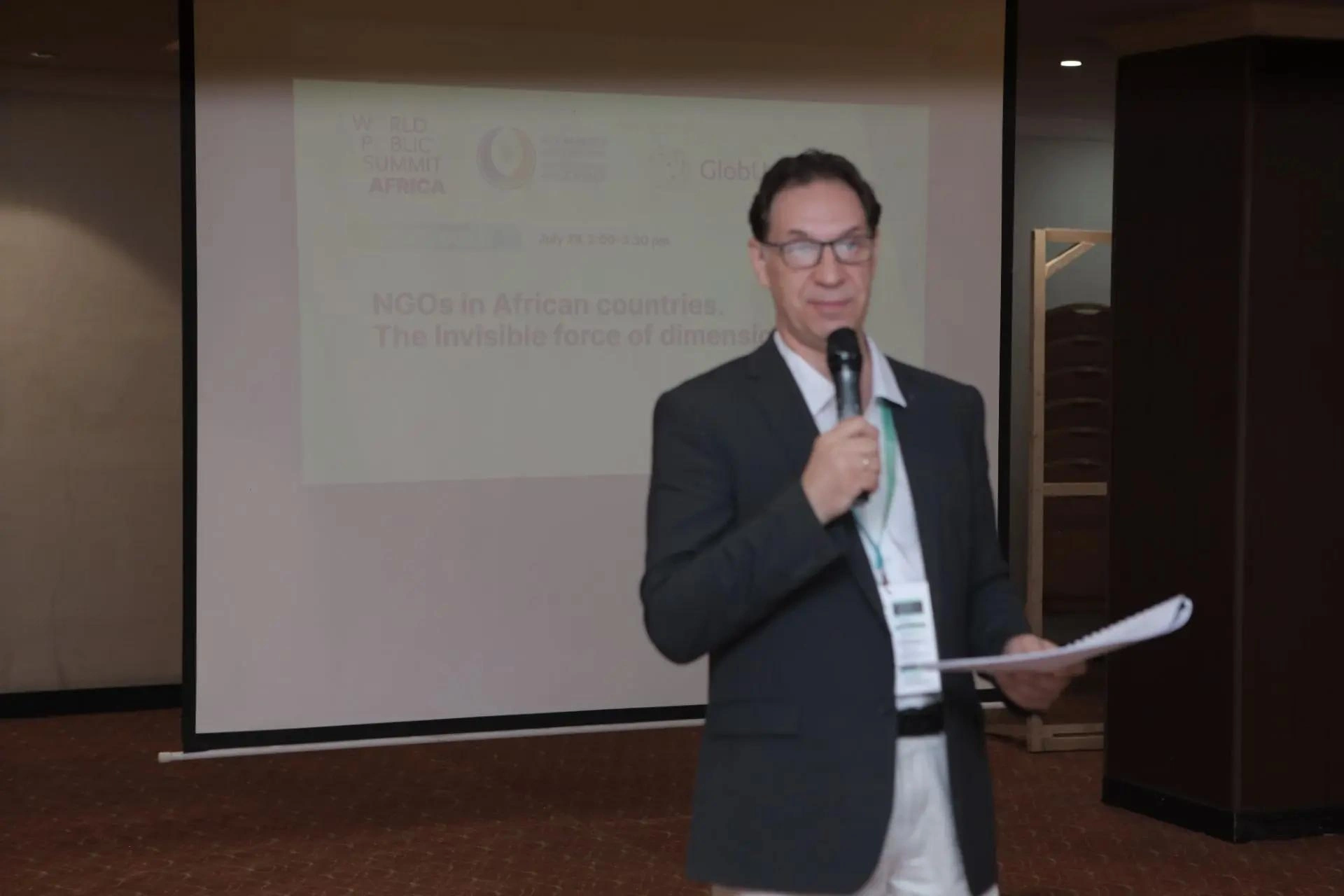
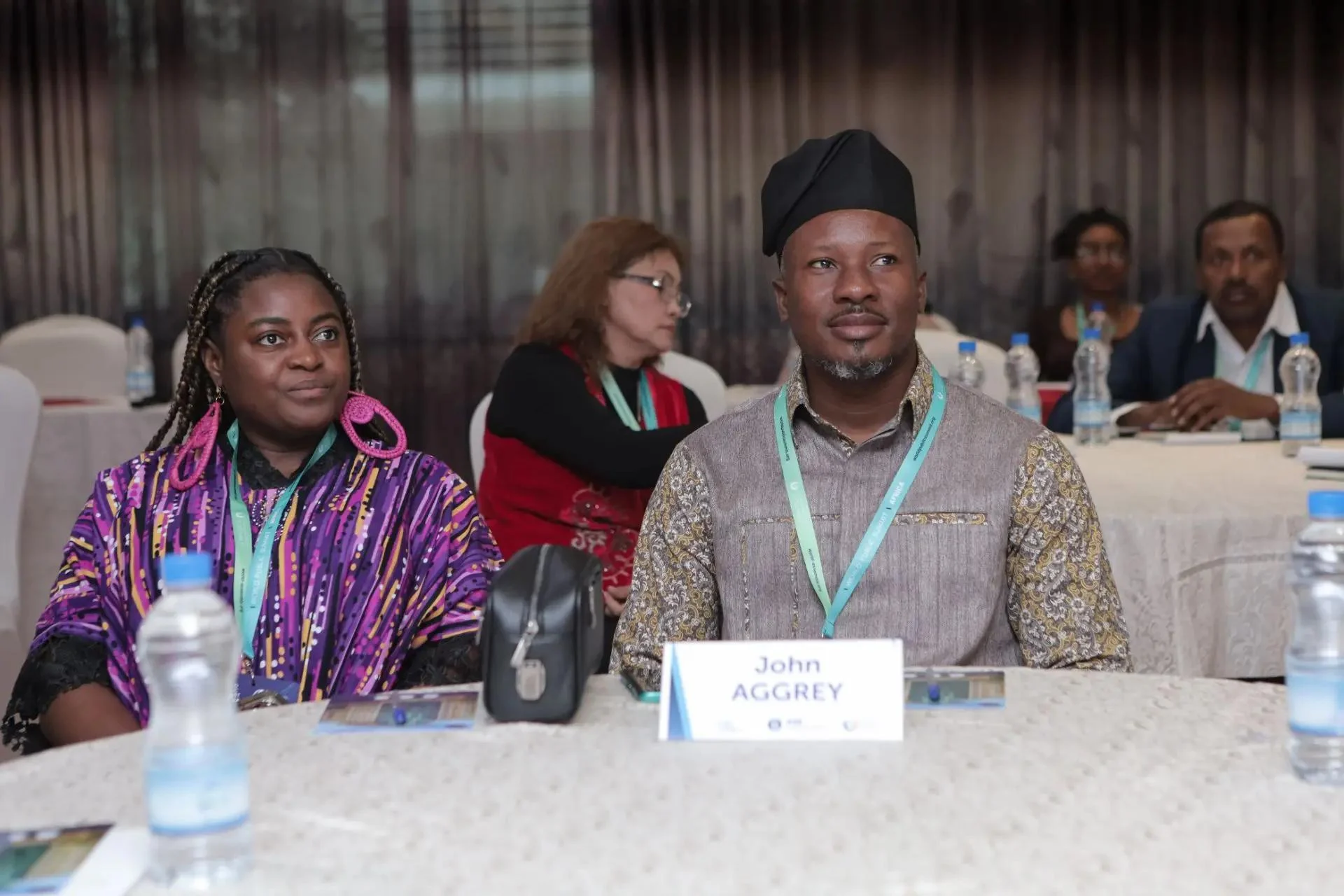
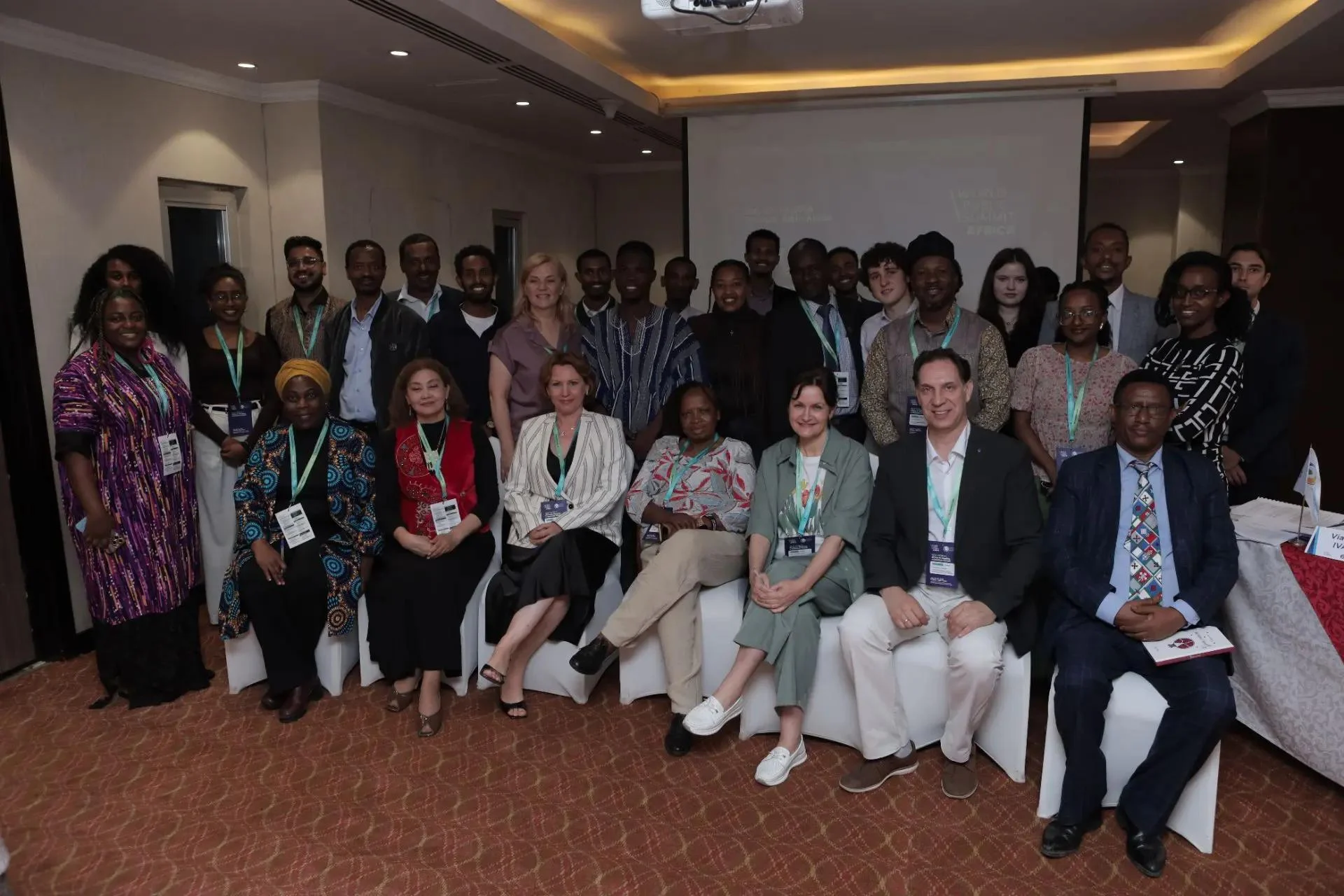
Roundtable “NGOs in African Countries. The Invisible Force of Change” took place on July 29, 2026, as part of the World Public Summit: Africa “New World: Africa in Shaping a Shared Future.” The event was organized by the World Peoples Assembly in collaboration with the Center for Civil Society and Nonprofit Sector Research at the HSE University (National Research University Higher School of Economics).
The discussion brought together representatives of government bodies, the expert community, research centers, and civil society organizations. Participants examined the role of the nonprofit sector in the socioeconomic development of African countries, as well as contemporary approaches to assessing its contribution to social processes.
The roundtable was moderated by Vyacheslav Ivanov (Russia), Chief Expert at the Center for Civil Society and Nonprofit Sector Research at HSE University. In his opening remarks, he outlined the meeting’s core objective:
- Today, one of the key challenges remains the insufficient study of the nonprofit sector. Many countries lack comprehensive statistical data to objectively assess the scale of NGO activities, their economic contribution, their impact on addressing social issues, and their role in achieving national development goals.
The roundtable featured the following participants:
· John Aggrey (Ghana) – Director General of the Ghana-Russia Center for Trade and Relations;
· Yonas Wolde Semayat (Ethiopia) – Founder and Vice President of the Ethiopian Professional Associations Alliance (EPAA);
· Irina Mersiyanova (Russia) – Director of the Center for Civil Society and Nonprofit Sector Research at HSE University;
· Anar Izden (Kazakhstan) – Executive Director of the Qorqyt Public Foundation for International Cooperation and Development.
Participants noted that the nonprofit sector is becoming a significant driver of social development on the African continent. Civil society organizations are implementing projects in education, healthcare, social support, environmental protection, youth development, and women’s empowerment, making substantial contributions to improving the quality of life for local populations.
- NGOs in Africa often operate in areas where government mechanisms are limited. This makes them key players in social transformation, - emphasized John Aggrey.
Special attention was paid to developing a modern system for statistical accounting of NGO activities, establishing unified approaches to monitoring the state of civil society, and creating tools for assessing NGO effectiveness.
- Without systematic data, it is impossible to build an effective policy to support civil society. We must speak the language of measurable indicators, - noted Irina Mersiyanova, Director of the Center for Civil Society and Nonprofit Sector Research at HSE University.
Participants discussed the Russian experience accumulated by the HSE Center for Civil Society and Nonprofit Sector Research, which has been conducting systematic monitoring of civil society since 2006. Experts noted that adapting best research practices while considering the specific characteristics of African countries could serve as a foundation for creating a modern methodology for studying civil society on the continent.
- International cooperation in this area not only allows for the exchange of experience but also helps shape universal approaches that account for regional specificities, - commented Anar Izden on the discussion.
Following the roundtable, participants agreed to form an international working group to develop a methodology for researching the activities of nonprofit organizations in African countries, drawing on Russian experience and the national characteristics of each state on the continent. Participants emphasized that the development of civil society is a crucial condition for sustainable development, strengthening public trust, and expanding international humanitarian cooperation. Increasing the transparency of NGO activities, improving evaluation mechanisms, and developing international partnerships will contribute to more effective interaction among the state, society, and the nonprofit sector in addressing pressing social challenges.
The recommendations from the roundtable will be presented at the Second World Public Assembly “New World: Values That Unite,” which will take place in September 2026 in Moscow. They will become part of an international dialogue on the development of civil society institutions and public diplomacy.
For more information, please visit the official websites of the World Public Summits and the World Peoples Assembly.