

 Back to news
“Do Not Fear It, but Use It Purposefully”: Moscow Discussed How to Combine Technology and Humanitarian Values in Education
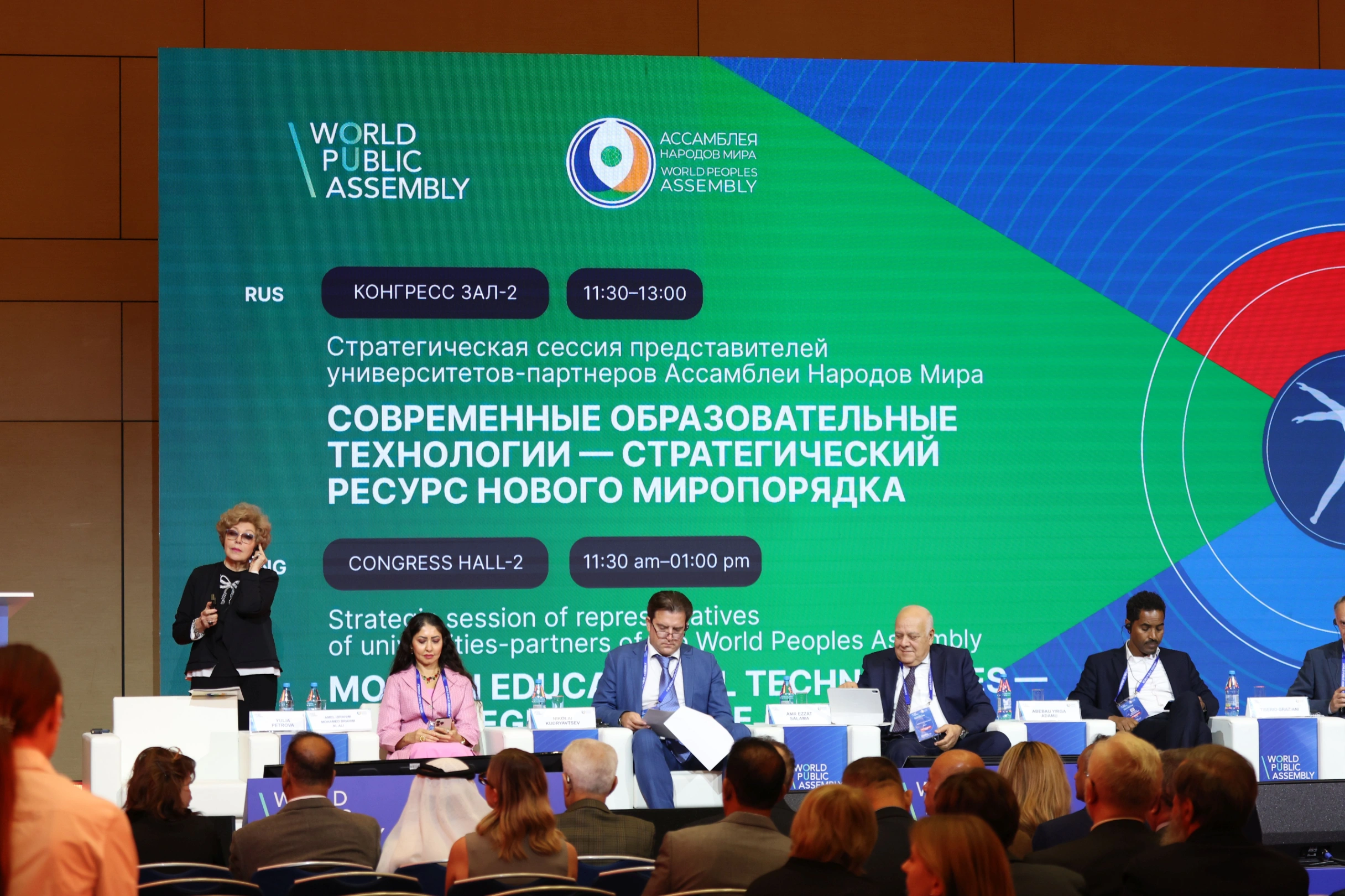
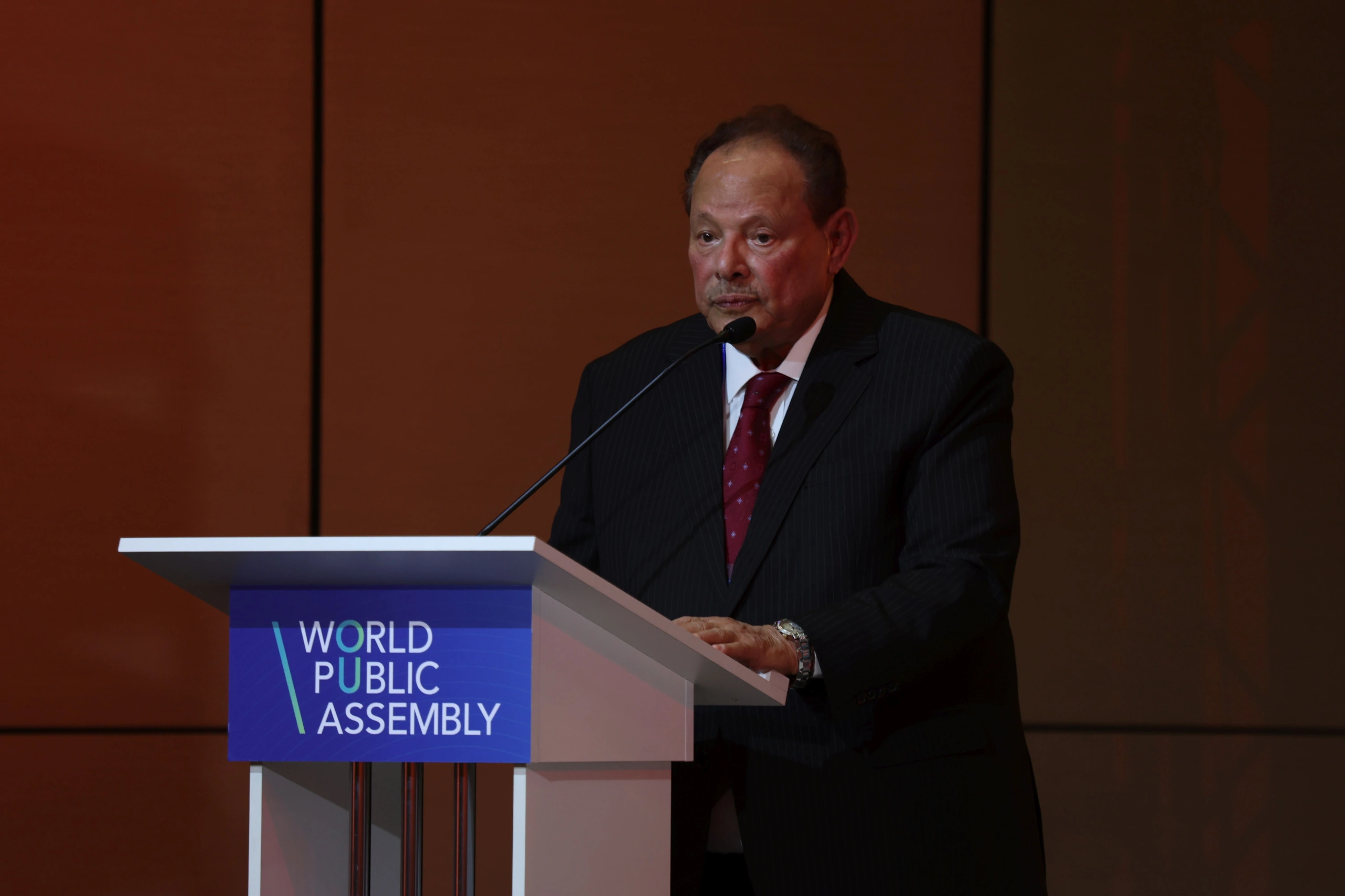
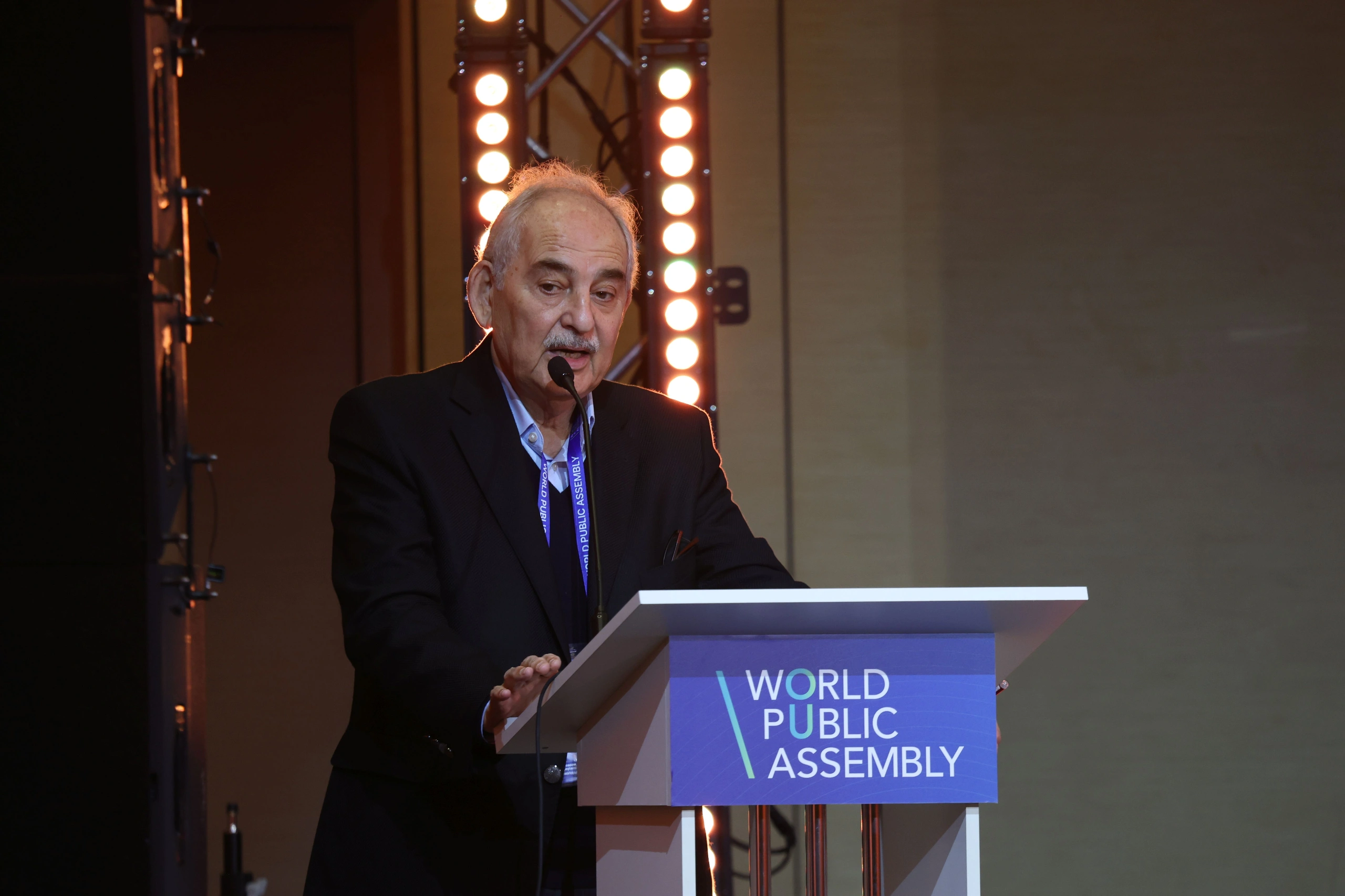
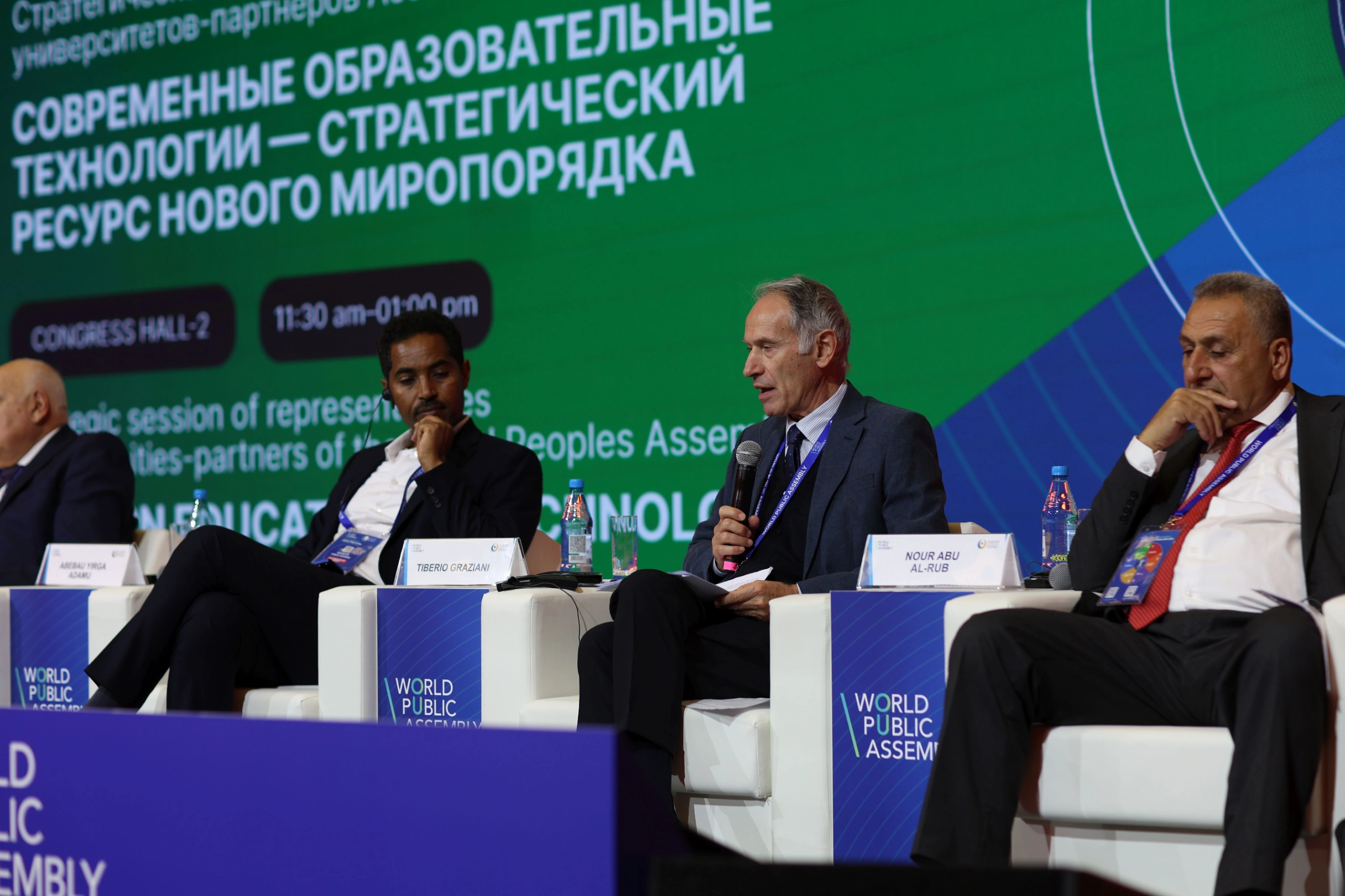
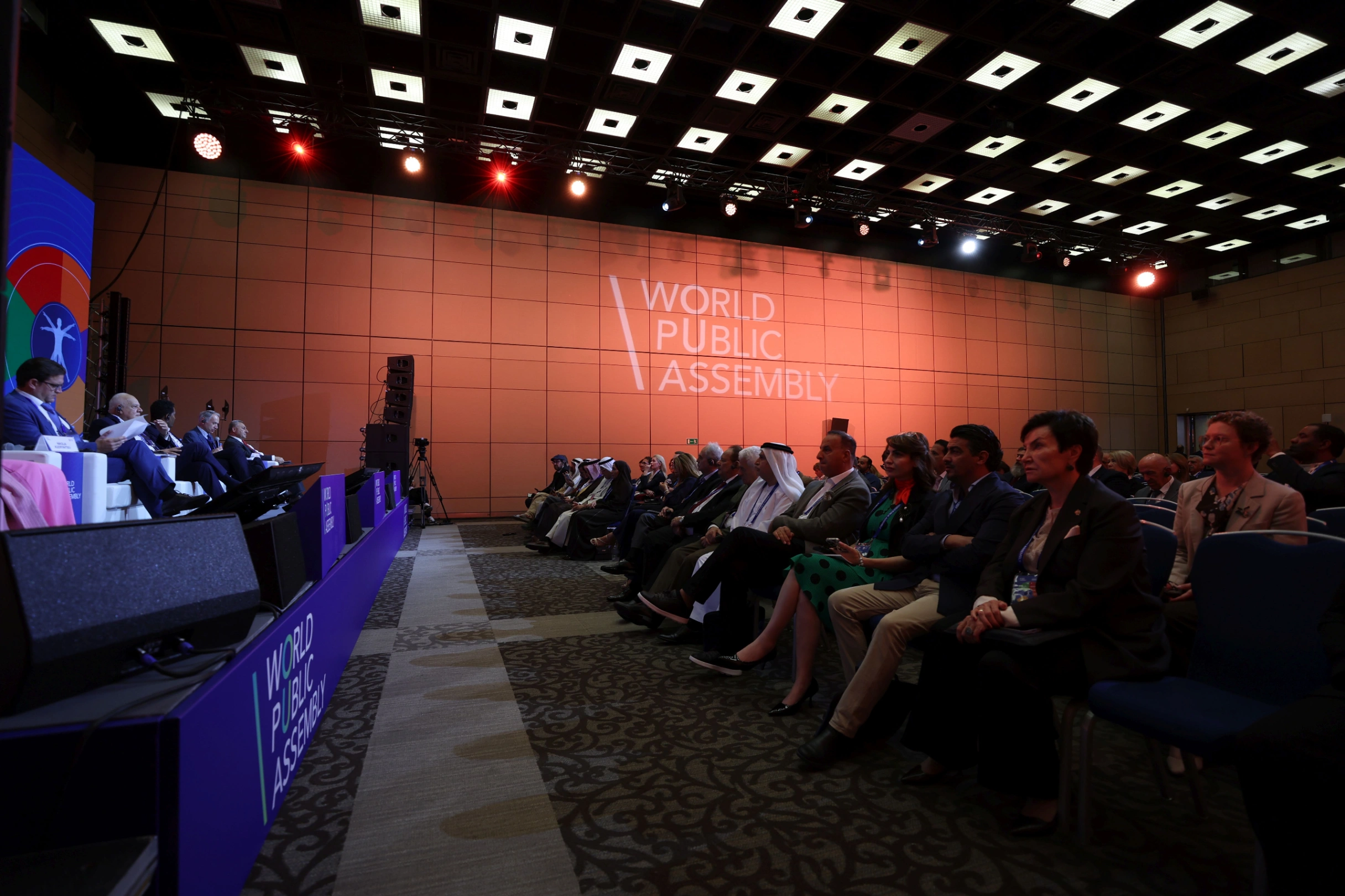
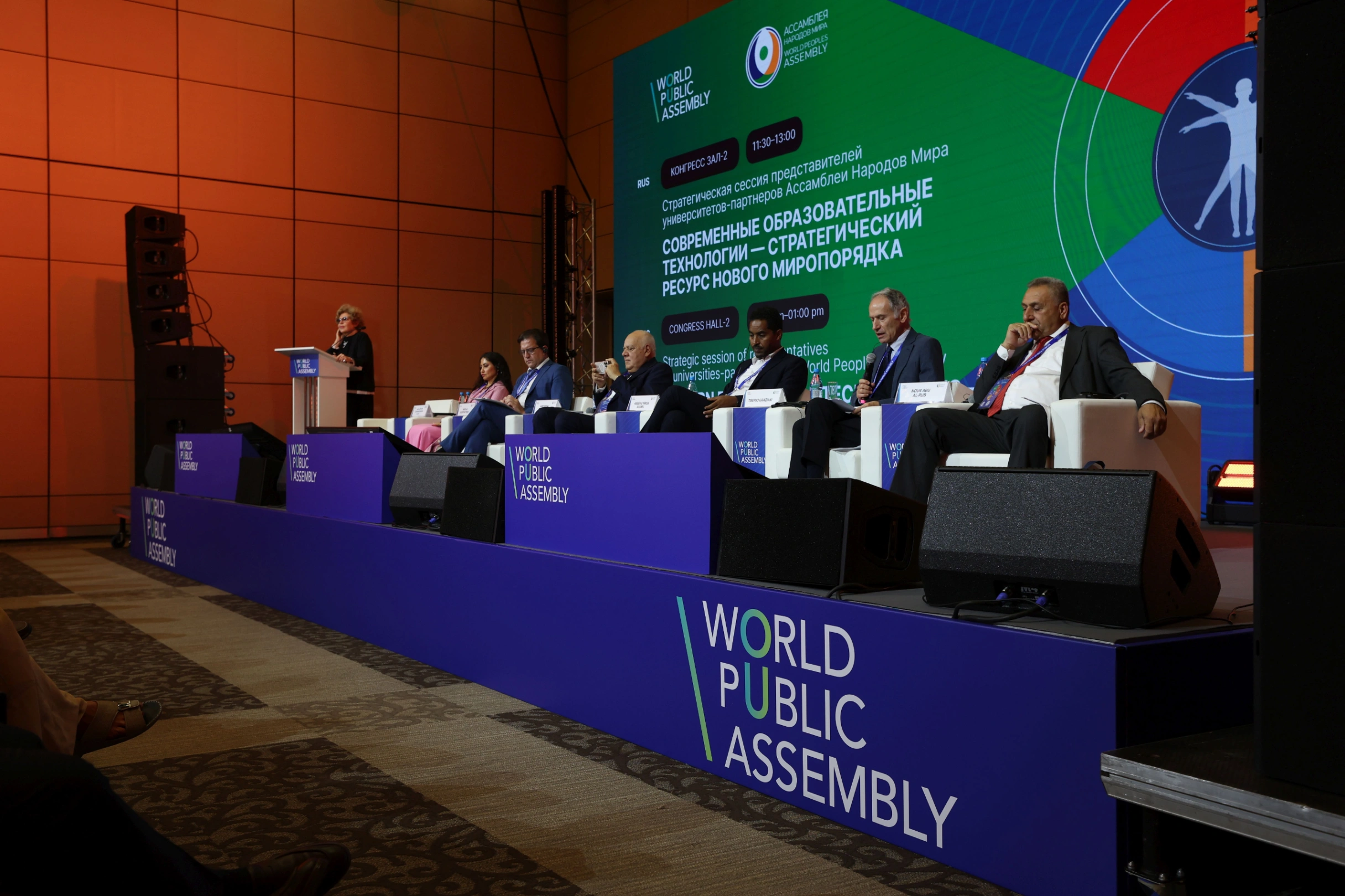
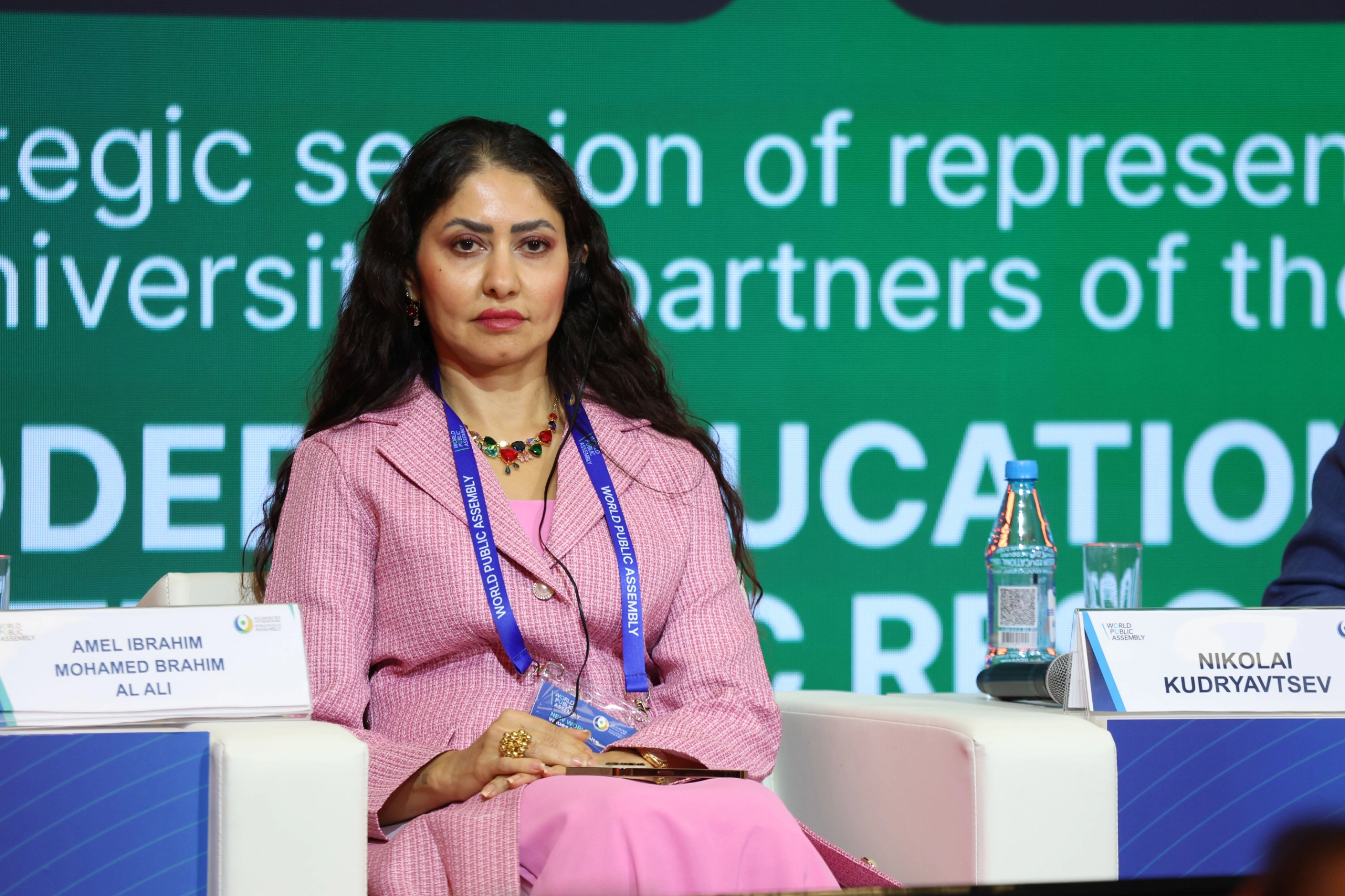
A strategic session of university leaders - partners of the World Peoples Assembly, “Modern Educational Technologies - a Strategic Resource for a New World Order” was held on September 19, 2026, at the World Trade Center. The event became part of the Second World Public Assembly “A New World: Values That Unite” which concluded in Moscow in September 2026.
The event was held with the support of the Association of Arab Universities. Participants discussed key issues of shaping an educational environment capable of harmoniously combining technological efficiency with the preservation of humanitarian values. The focus was on developing students’ critical thinking and global citizenship skills - qualities necessary in today’s world.
The meeting was moderated by Deputy Secretary General of the World Peoples Assembly, Professor at the Financial University under the Government of the Russian Federation, Yulia Petrova. Opening the session, she emphasized that the issues under discussion go far beyond the university community. The future of young people - those who tomorrow will have to build a sustainable and secure world - depends on what technologies will be introduced into education and how ethical the approach to their use will be.
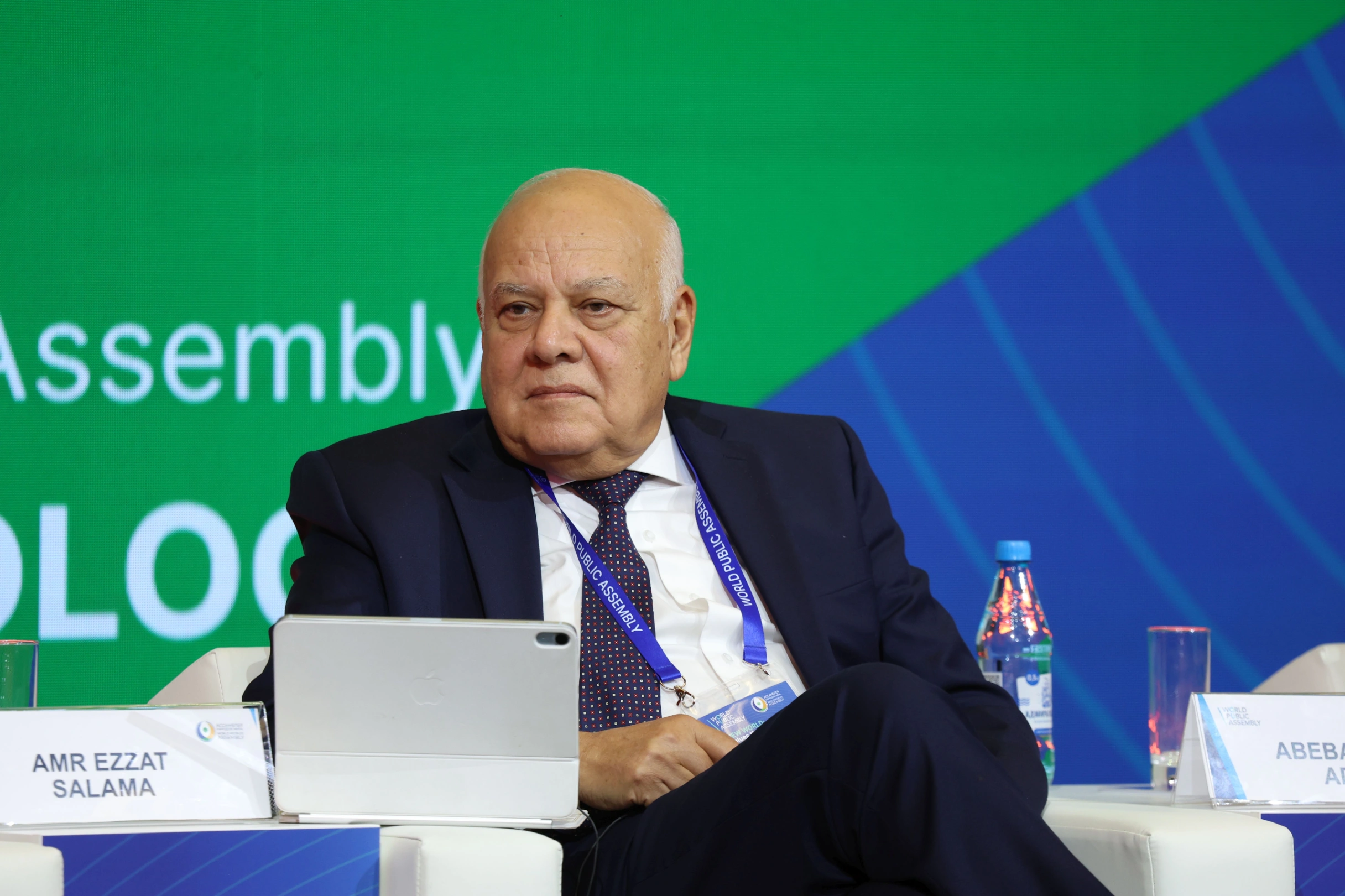
Secretary General of the Association of Arab Universities, Amr Ezzat Salama, noted that artificial intelligence and digital technologies are increasingly being introduced into higher education, transforming national economies and opening new opportunities in the labor market. According to the speaker, thanks to the development of AI, about 170 million new jobs may appear worldwide, and another 39% of existing professions will undergo significant changes.
However, the speaker also drew attention to the serious challenges accompanying digital transformation. About 2 billion people on the planet still lack access to the internet, and 292 million children, according to UNESCO, are completely deprived of the opportunity to receive an education. That is precisely why, Amr Ezzat Salama emphasized, technologies must be used for the benefit of humanity and with maximum responsibility.
- We must not ask how technology can change education. We must ask ourselves how education can use these technologies to improve the quality of life, - the speaker concluded.
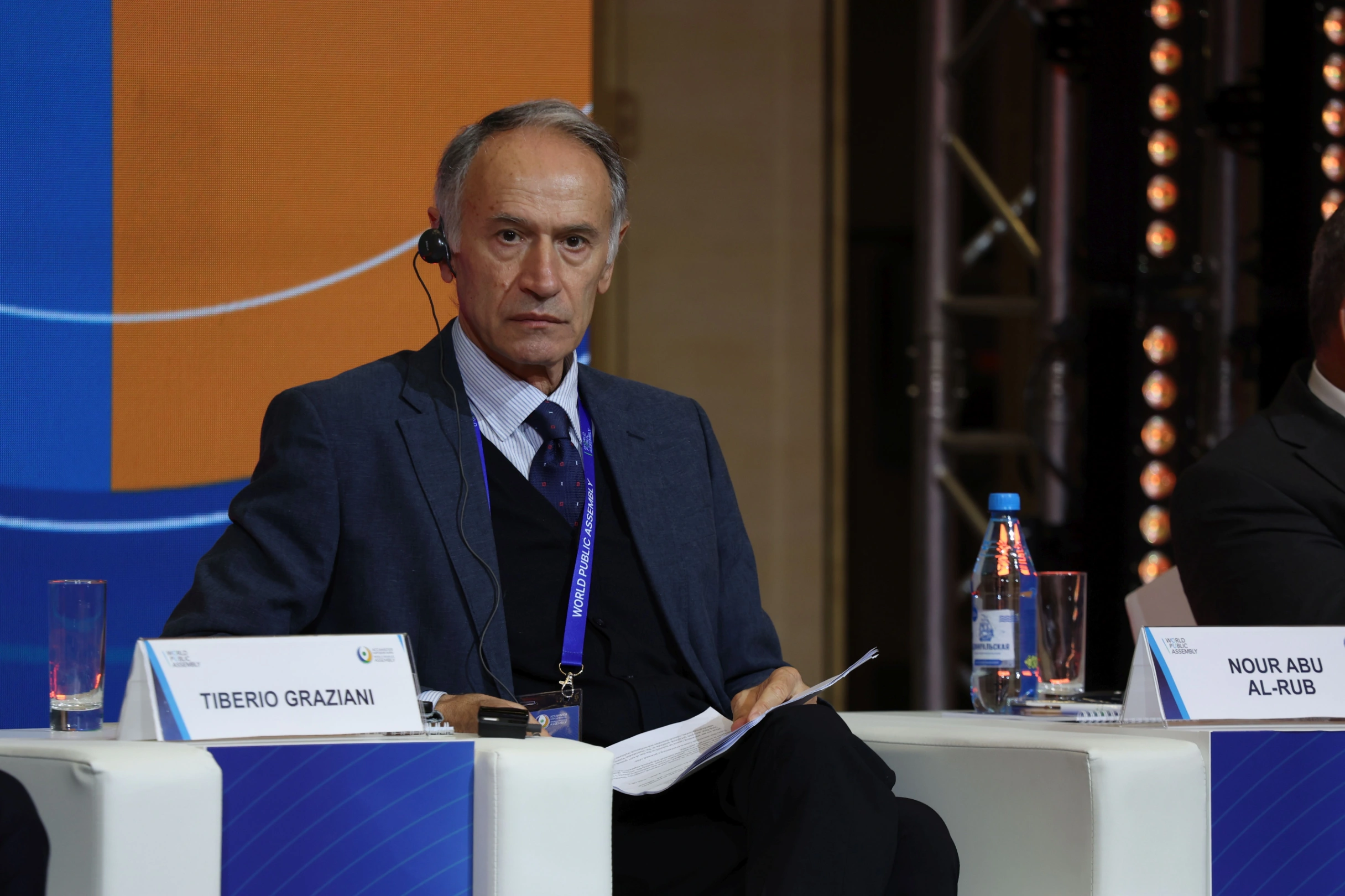
President of the International Institute for Global Analysis Vision & Global Trends, editor-in-chief of Geopolitics magazine, Tiberio Graziani, stated that technology cannot be the only criterion for evaluating educational processes:
- Education is not only the transfer of knowledge, but also the formation of intellectual responsibility and a deep understanding of different systems.
The speaker emphasized that the pursuit of efficiency must in no case contradict humanitarian values. Tiberio Graziani paid special attention to the issue of cultural diversity. He is convinced that artificial intelligence should reflect different priorities and national experience, rather than being built on one dominant cultural model. Only such an approach will allow technologies to serve the interests of all humanity, and not of individual groups.
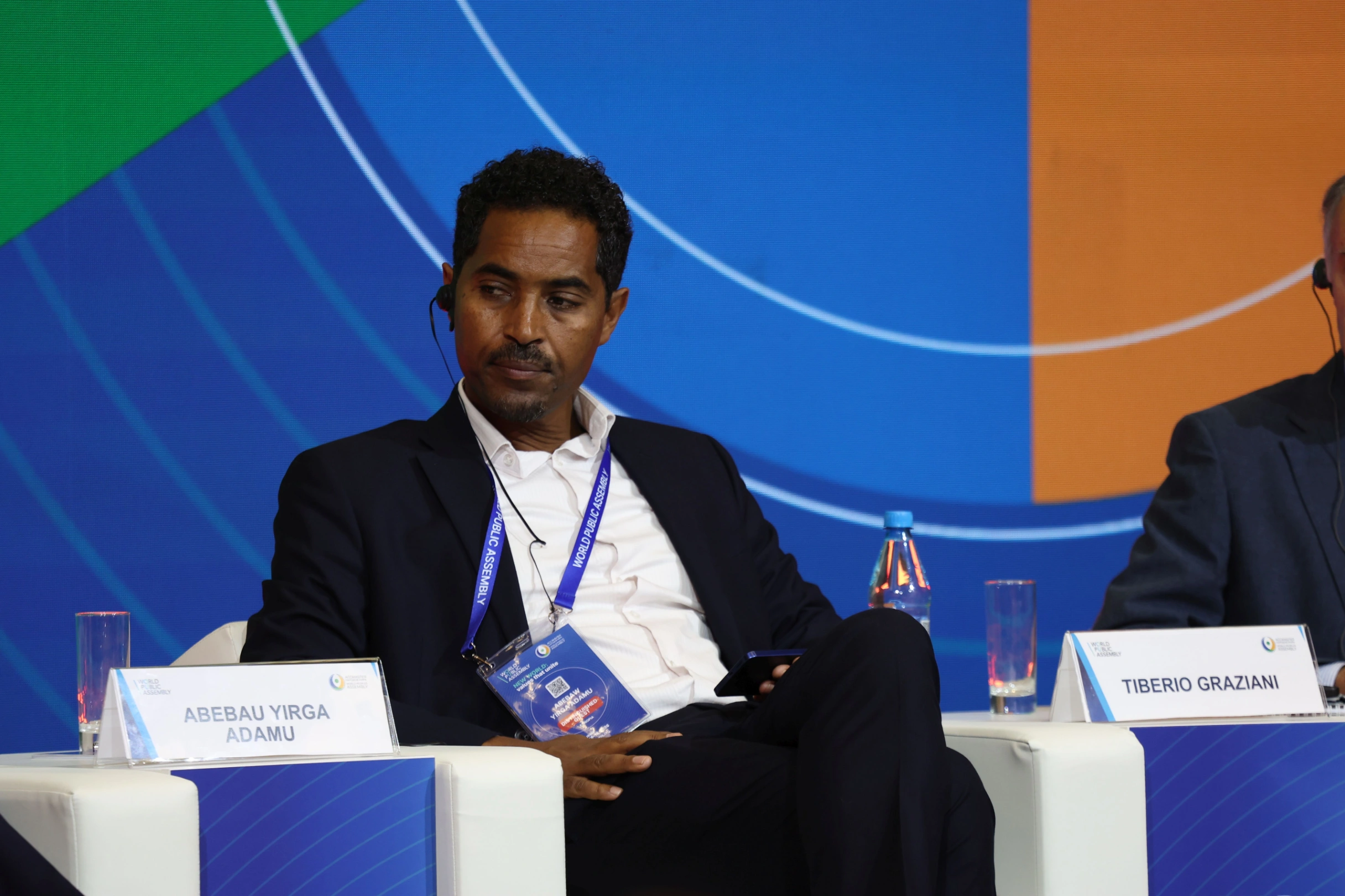
The topic of the risks of digitalization in education was continued by Vice-Rector, Professor of the Department of Higher Education at Addis Ababa University, Abebaw Yirga Adamu. He warned about the danger of disinformation: modern algorithms are optimized primarily for user engagement, not for enlightening users, and students often lack fact-checking skills. That is precisely why it is critically important to master these tools before they begin to manage us. At the same time, the expert urged not to fall into technological panic, but to build a balanced and meaningful approach.
- We should not fear technologies. They should be treated with responsibility: not be banned, but be used purposefully. This will allow us to become not only smarter, but also wiser, – Abebaw Yirga Adamu emphasized.
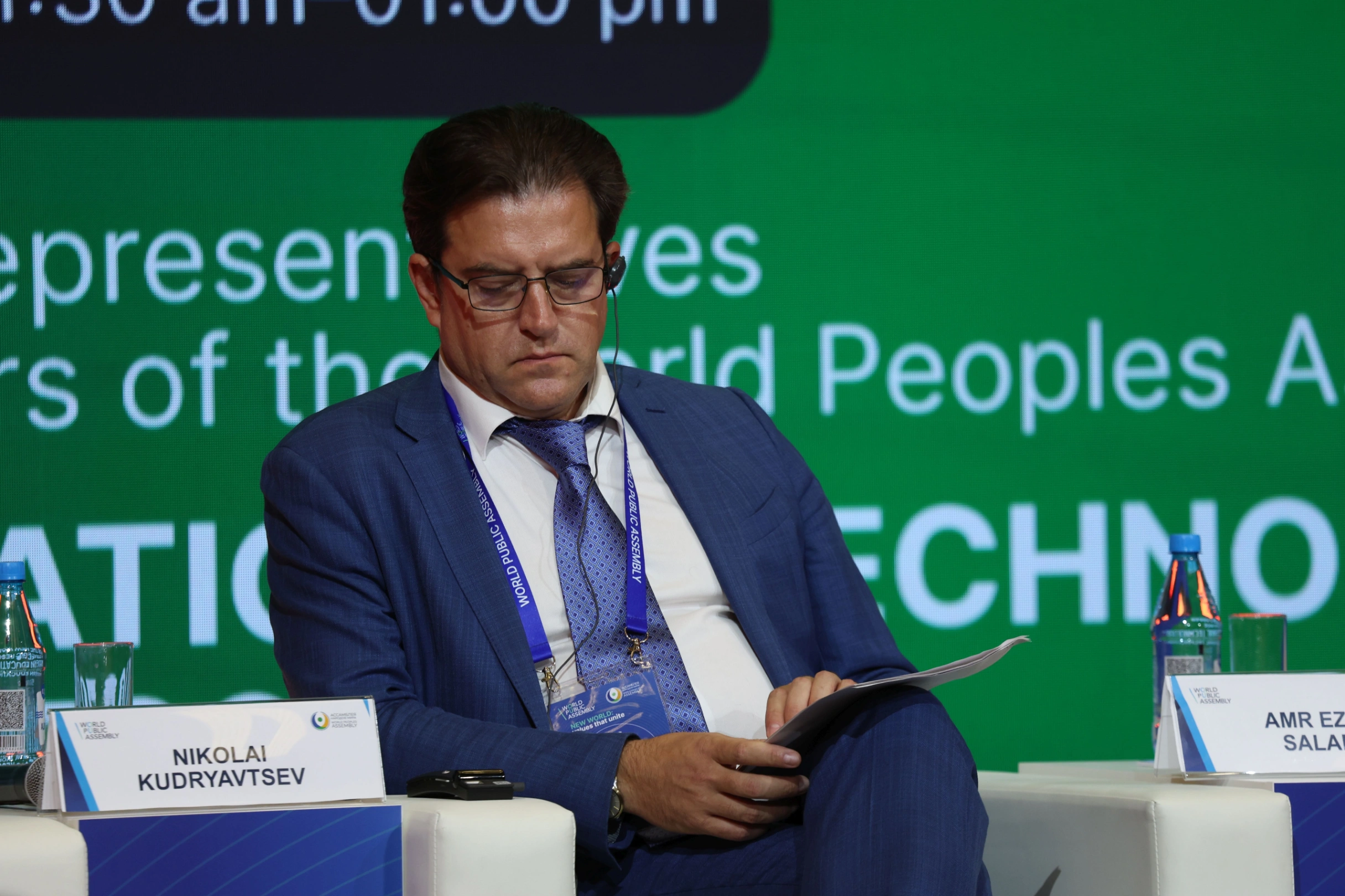
Advisor to the Rector of the Kyrgyz-Russian Slavic University named after B.N. Yeltsin, Nikolay Kudryavtsev, shared experience in introducing artificial intelligence into educational processes. According to him, sociological research data show a large-scale picture: almost 9 out of 10 students use AI in their studies, and three quarters of teachers use it in their professional activities. However, only 26 out of 100 educational institutions have formalized frameworks for regulating this process.
The speaker paid special attention to the university’s unique development - the “Course Factory” product. This is an organizational and technological model for the conveyor-style creation of electronic educational courses, where AI helps implement an already approved curriculum without adding its own content. The project makes it possible to maintain control over the quality and semantic content of educational material. Speaking about the role of humans in the era of digitalization, the advisor to the rector stated a clear position:
- Artificial intelligence helps and accelerates processes, but it is humans who are responsible for content and quality. And the university and higher structures, in particular the ministry, must competently manage this process.
President of the Arab Group for Peace, President of the Democratic Republic of Yemen in 1980–1986, Ali Nasser Mohammed, in his speech touched upon one of the most acute topics: any people can be destroyed if deprived of the opportunity for education. The speaker is convinced that knowledge becomes the foundation of any development, whether of an individual, a society, or an entire state.
- It is impossible to build anything without education, – the expert emphasized.
During the discussion, Yulia Petrova recalled one of the successful projects of the World Peoples Assembly, implemented with the support of the Gorchakov Public Diplomacy Fund - “Smart Solutions for East - West Cities.” Within its framework, an international group of students from Russian and Arab universities worked on implementing practice-oriented initiatives commissioned by municipalities. The speaker also noted that the World Peoples Assembly would like to return to the issue of creating a fair university ranking: the Arab University Ranking project impressed the Russian university community with its thoughtfulness and transparency.
The discussion was also attended by:
Nazir Obeidat - President of the University of Jordan (Jordan);
Alaa Abdulhasan Atiya Hasan Al-Zwgaibi - President of the University of Baghdad (Iraq);
Dimitar Ivanov - Head of the “Institute of Leadership” at the University of Library Studies and Information Technologies (Bulgaria);
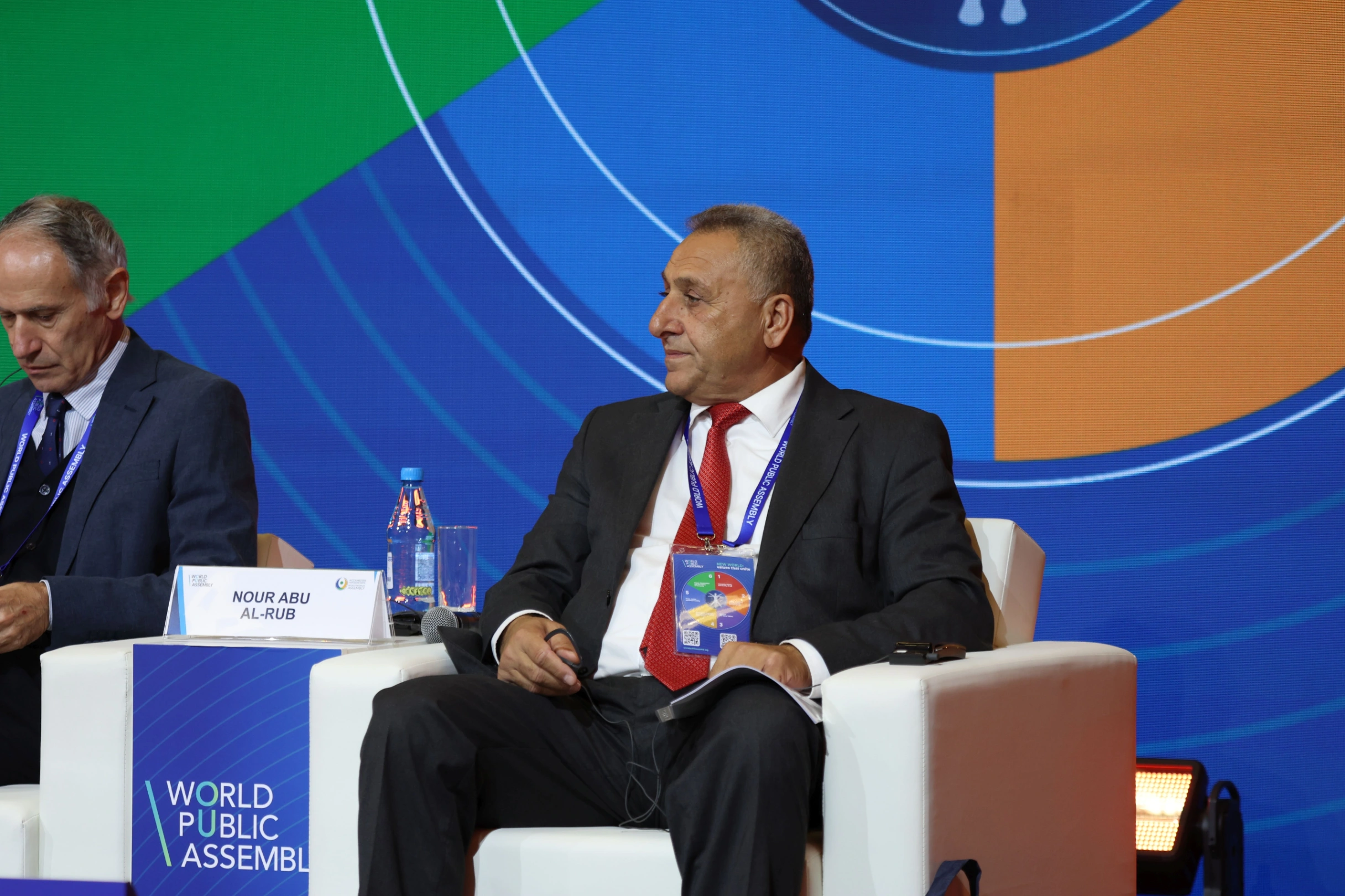
Nour Abu Al-Rub - President of Al-Istiqlal University (Palestine).
Session participants discussed how to find a balance between technological efficiency and humanitarian values, how to develop critical thinking and global citizenship in learners, and how to develop international cooperation in the field of educational standards.
Based on the results of the work, it is planned to develop a set of practical recommendations on the integration of advanced educational technologies into national development strategies. These documents will become the basis for further dialogue and will help harmoniously combine innovation with the interests of people and society.
Additional information is available on the official website of the World Peoples Assembly, on its VKontakte and Telegram accounts, and at media@world-assembly.org.