

Europe Has Forgotten the "Spirit of Elbe": At the Second World Public Assembly, Participants Discussed How de Gaulle's Principles Can Save the Modern World Order
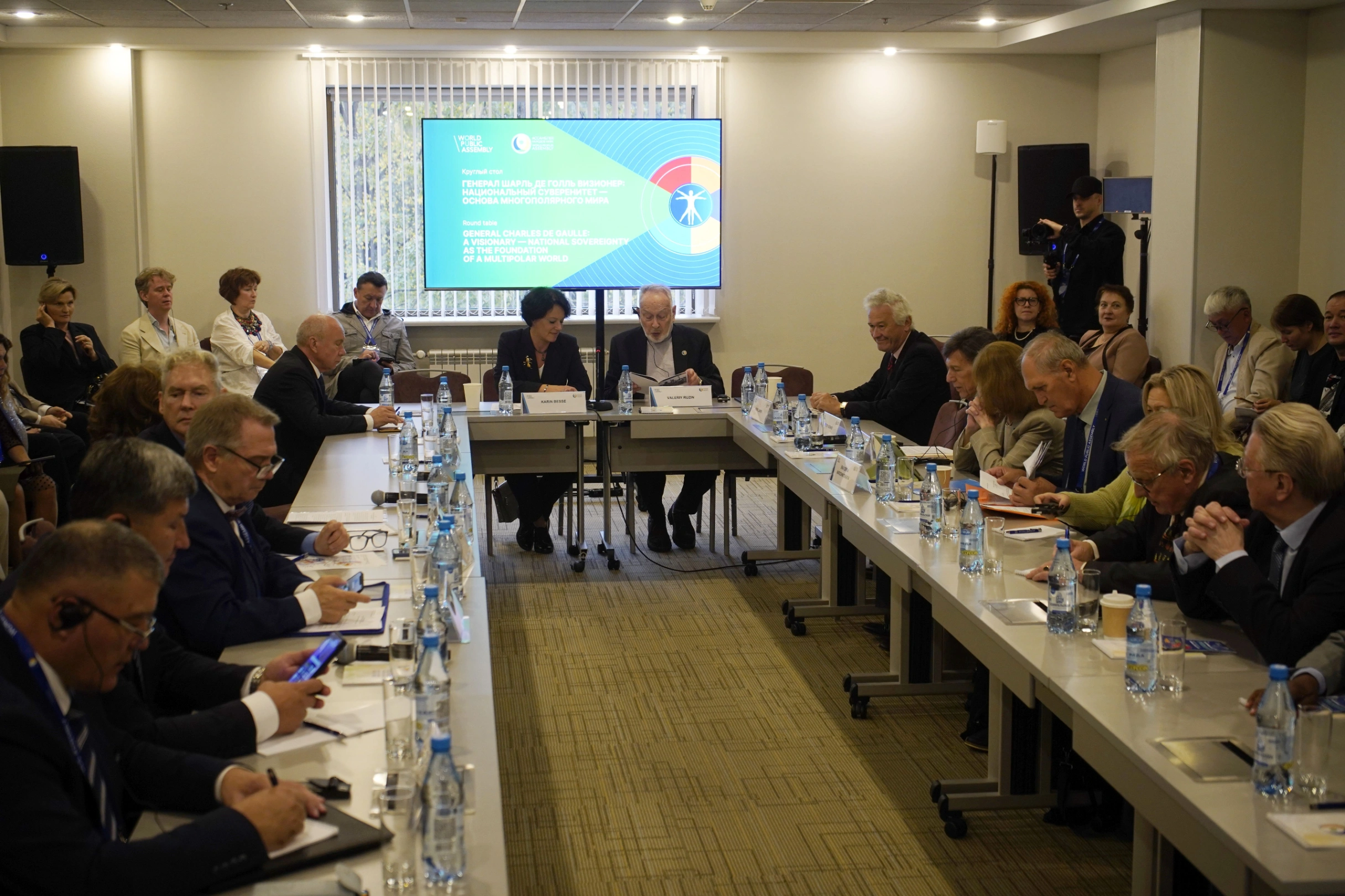
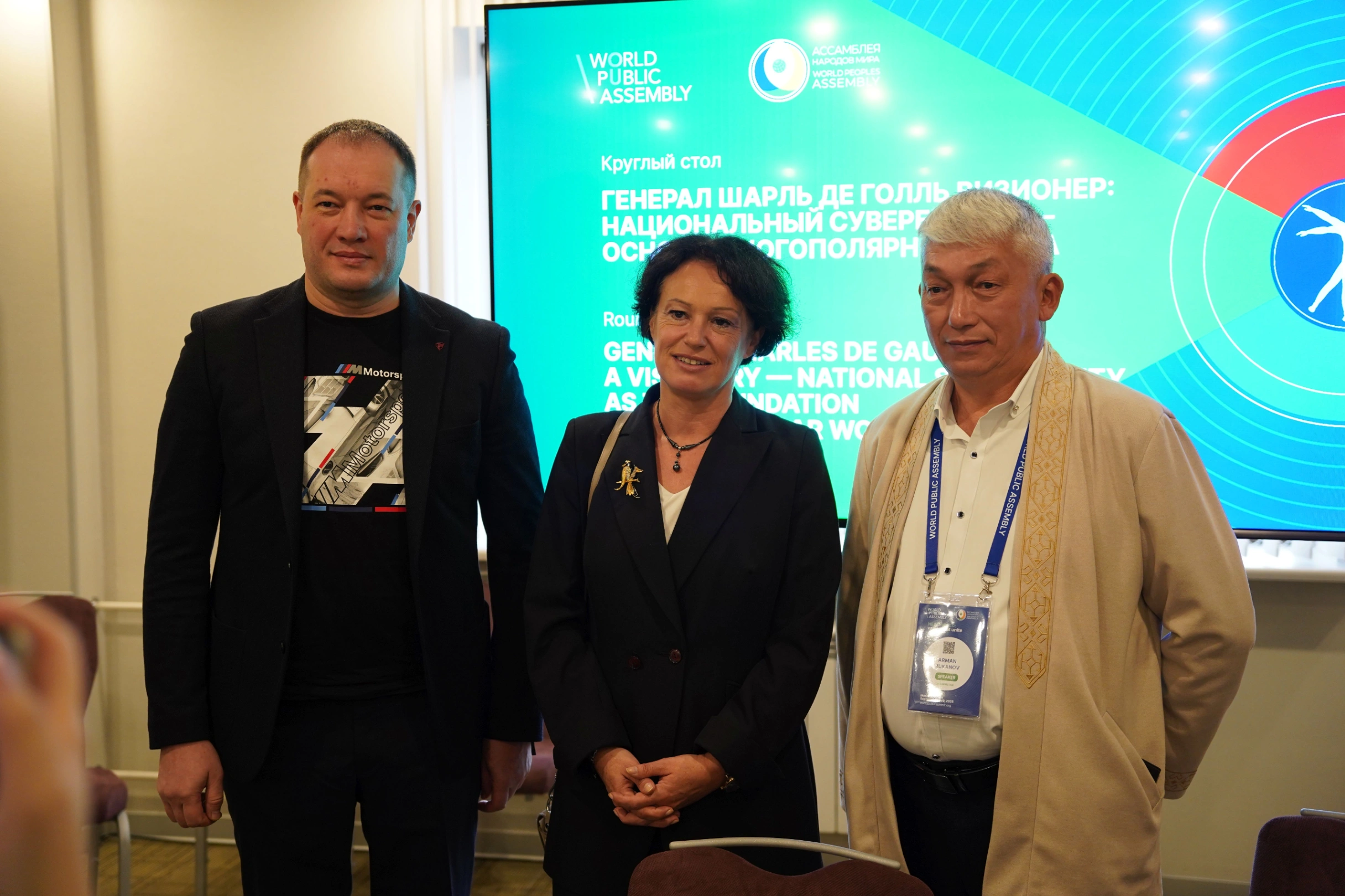
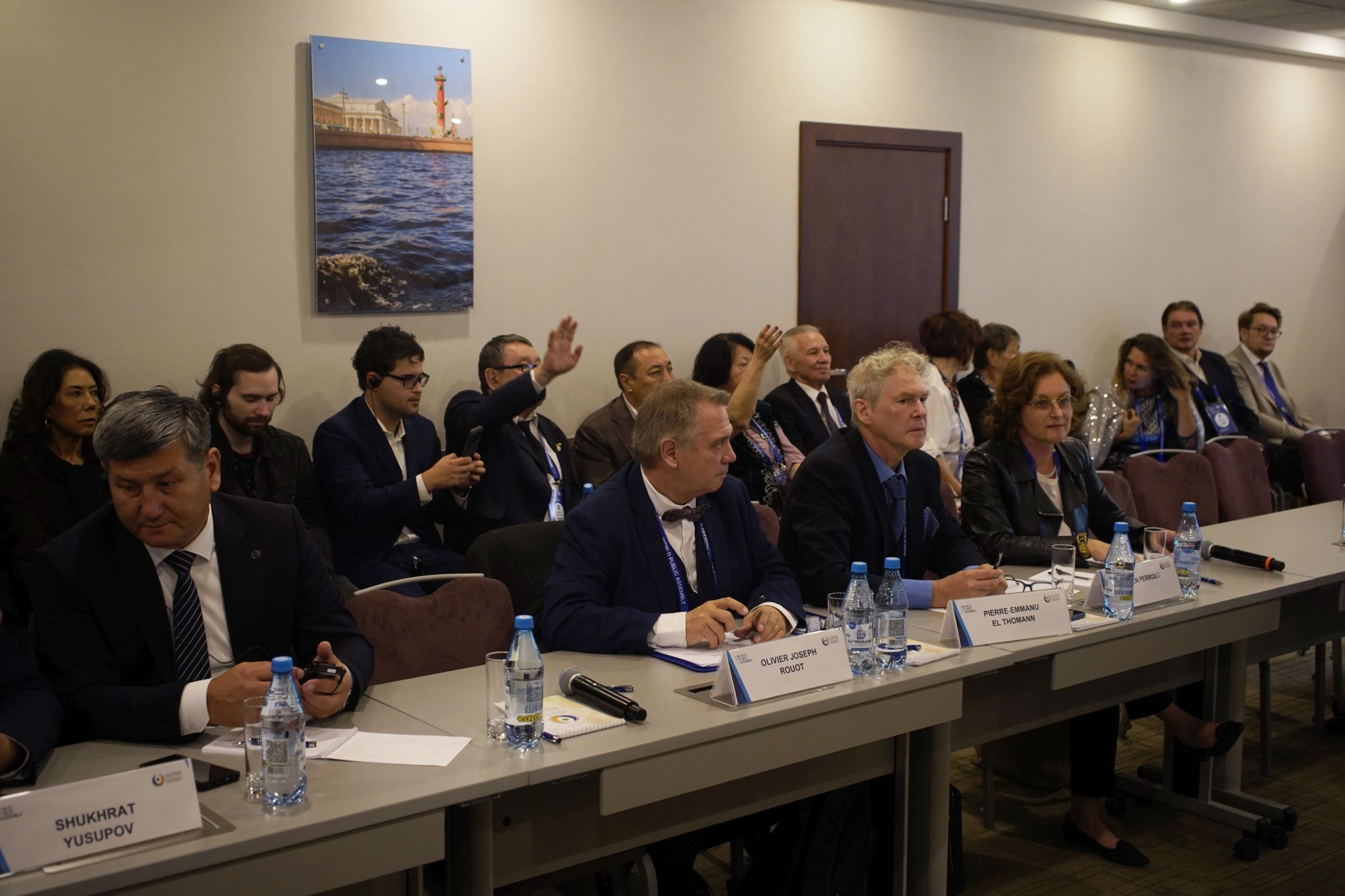
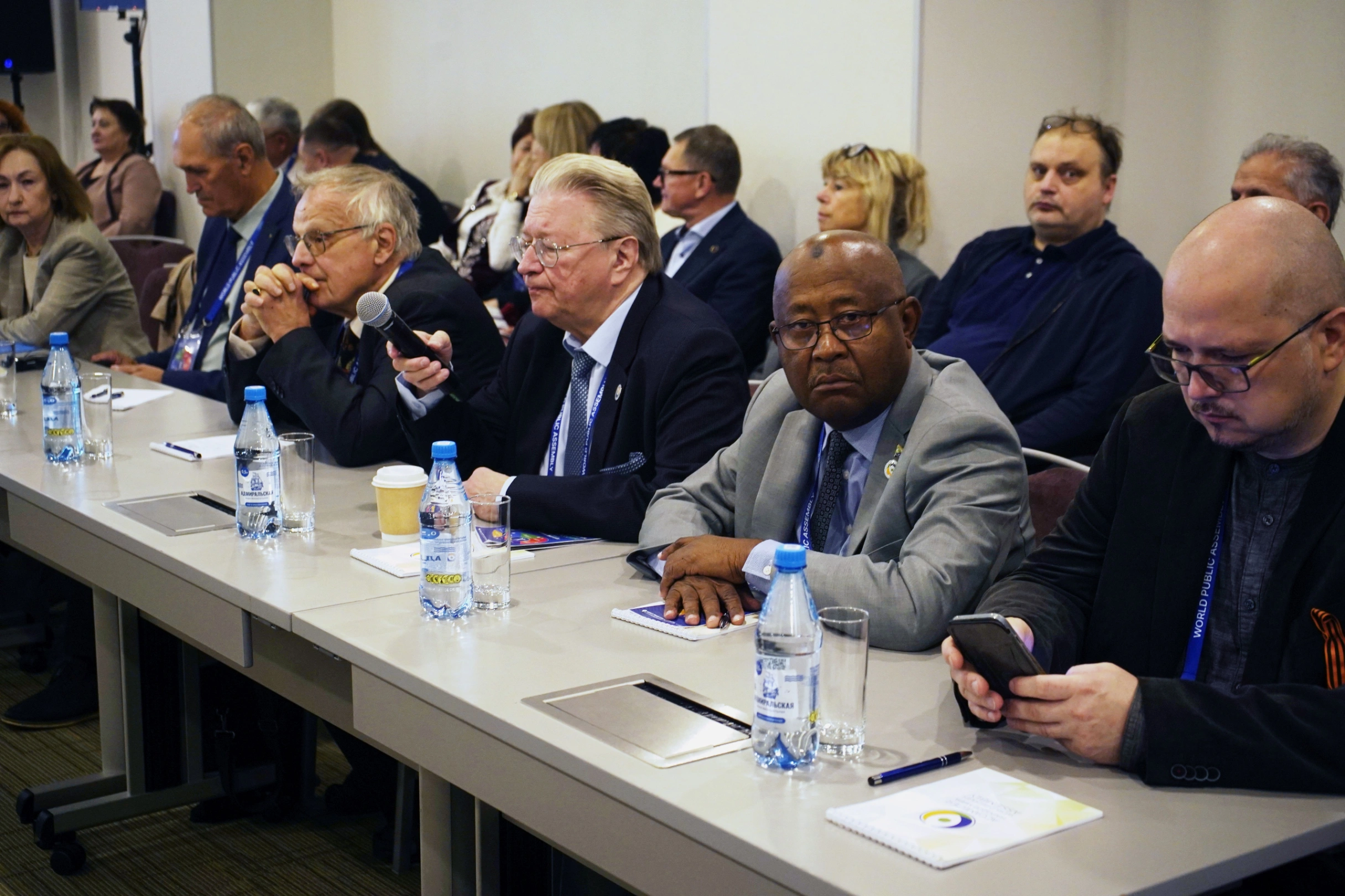
A round table titled "General Charles de Gaulle as a Visionary: National Sovereignty as the Foundation of a Multipolar World" was held on September 18, 2026, at the World Trade Center. The event was part of the Second World Public Assembly "New World: Values That Unite," taking place in Moscow from September 18 to 19.
The discussion was attended by politicians, historians, economists, and public figures from Russia, France, Belgium, Kazakhstan, and the United States. At the center of the discussion were General de Gaulle's role in shaping the post-war world order, his attitude toward NATO, and his pursuit of equality in strategic decision-making. Participants also recalled the general's visit to the USSR in 1966. At that time, de Gaulle visited not only Moscow and Leningrad but also Novosibirsk and Kyiv, and became the first foreign statesman to visit Baikonur. According to the participants, his legacy is significant today for all countries of the post-Soviet space.
Alexander Ageev, Director General of the International Research Institute for Management Problems, member of the General Council and Chairman of the Scientific and Expert Council of the World Peoples, and member of the Club of Rome, spoke about the Scientific and Expert Council's project "17 Names of the 20th Century." The initiative, dedicated to understanding the legacy of outstanding historical figures, began with a study of the French leader's role. The speaker recalled the dramatic events of June 1940: after the armistice signed by Marshal Pétain, almost no one believed in the restoration of France's sovereignty. However, the unbending will of one man, which resonated in the hearts of many, was able to turn the course of history. It was precisely this that allowed France to become a permanent member of the UN Security Council.
— The thesis is popular that France's policy from de Gaulle to Mitterrand was an attempt to restore the country's former greatness with a complete absence of means. In my view, everything in this judgment is wrong. A successful attempt ceases to be an attempt — it becomes a success. And greatness cannot disappear because of a newspaper article or a single episode in history, — emphasized Alexander Ageev.
Peter Kuznick, Professor of History at American University and Director of the Nuclear Studies Institute, contrasted de Gaulle with contemporary European leaders. He recalled that the general sought for France a voice equal to that of the United States and Great Britain in strategic decisions, including matters involving the use of nuclear weapons. De Gaulle was one of the first to oppose the US war in Vietnam: as early as 1961, he warned John Kennedy that America would become bogged down in this conflict step by step. According to Peter Kuznick, international security today is experiencing its most fragile moment since World War II.
— Attempts have already been made in the past to stop the madness of the Cold War. But today we see it reviving. Europe has completely forgotten about diplomacy and the "Spirit of Elbe." And it is precisely what we are discussing today on this platform that our world needs most in order to avert the threat of nuclear winter, — stated Peter Kuznick.
The participants in the discussion also included:
Alexey Pushkov — Senator of the Russian Federation, Chairman of the Commission of the Federation Council of the Federal Assembly of the Russian Federation on Information Policy and Interaction with the Mass Media;
Helena Perroud — public figure, expert on Russian-French relations;
Jacques Sapir — economist; Director of the Centre d’Étude des Modes d’Industrialisation (CEMI-EHESS); Foreign Member of the Russian Academy of Sciences (France). Participating online;
Édouard Husson — historian; Professor at the Franco-German Institute for European Studies (France).
and others.
The moderator was Karine Bechet, an expert in public law, political scientist, and public figure.
The round table participants agreed that de Gaulle's principles remain relevant and can serve as a guide in shaping a multipolar world order. Among them they named respect for national sovereignty, equal dialogue among states, and the responsibility of leaders for preserving peace.
Additional information is available on the official website of the World Peoples Assembly and at media@world-assembly.org.