

"From a Shared Meal to a Harmony": The Power of Gastronomic Diplomacy Was Discussed on the Sidelines of the Second World Public Assembly
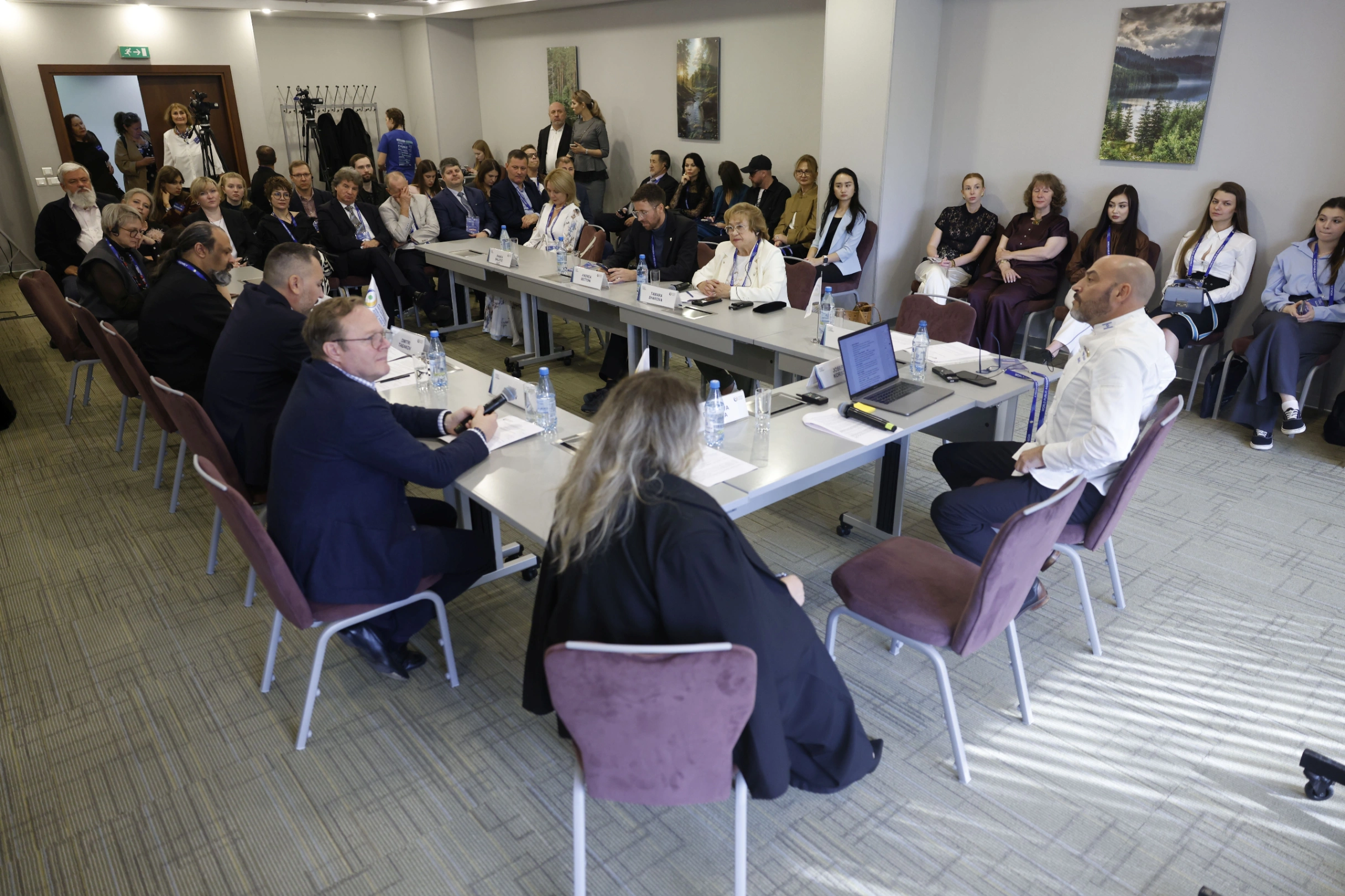
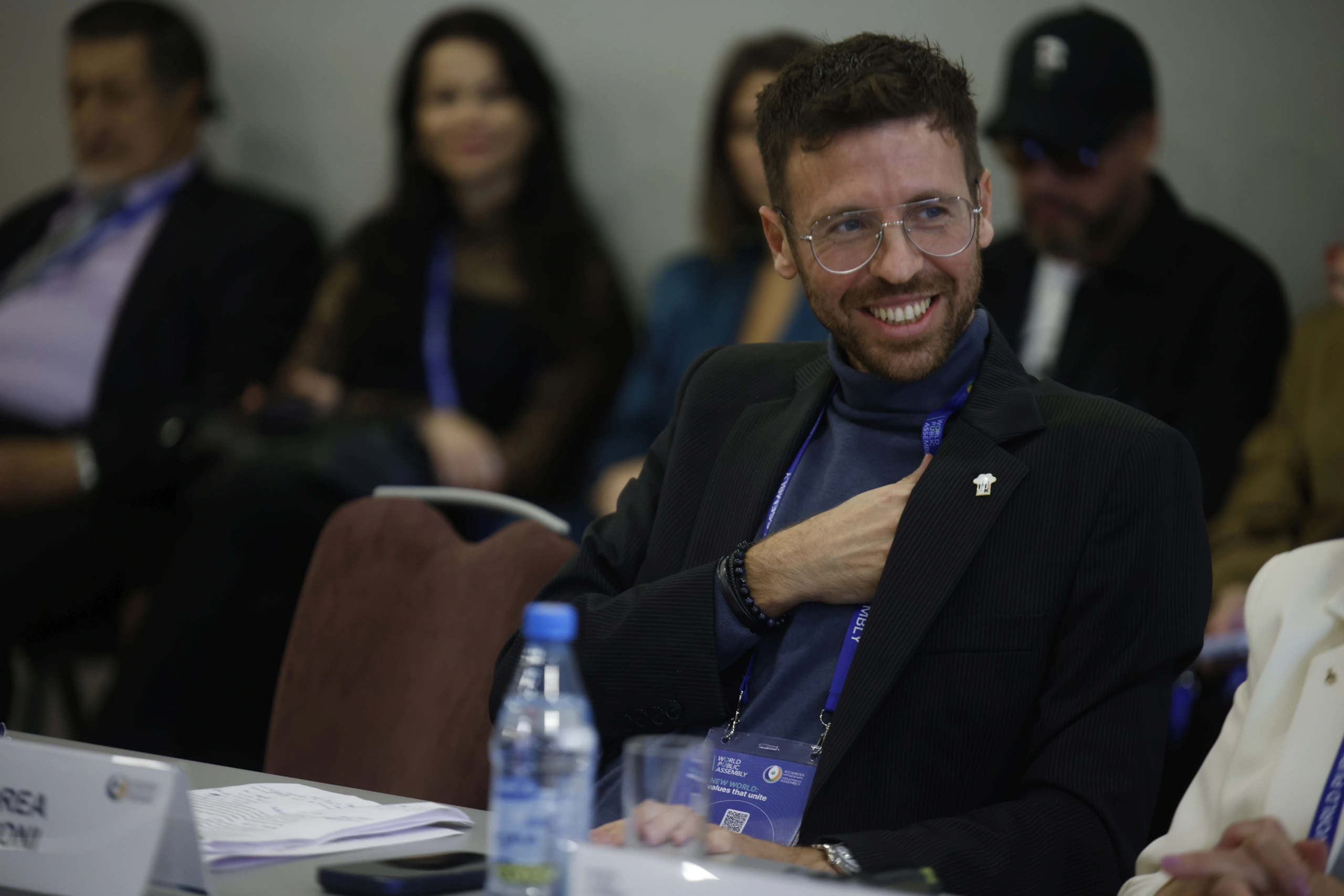
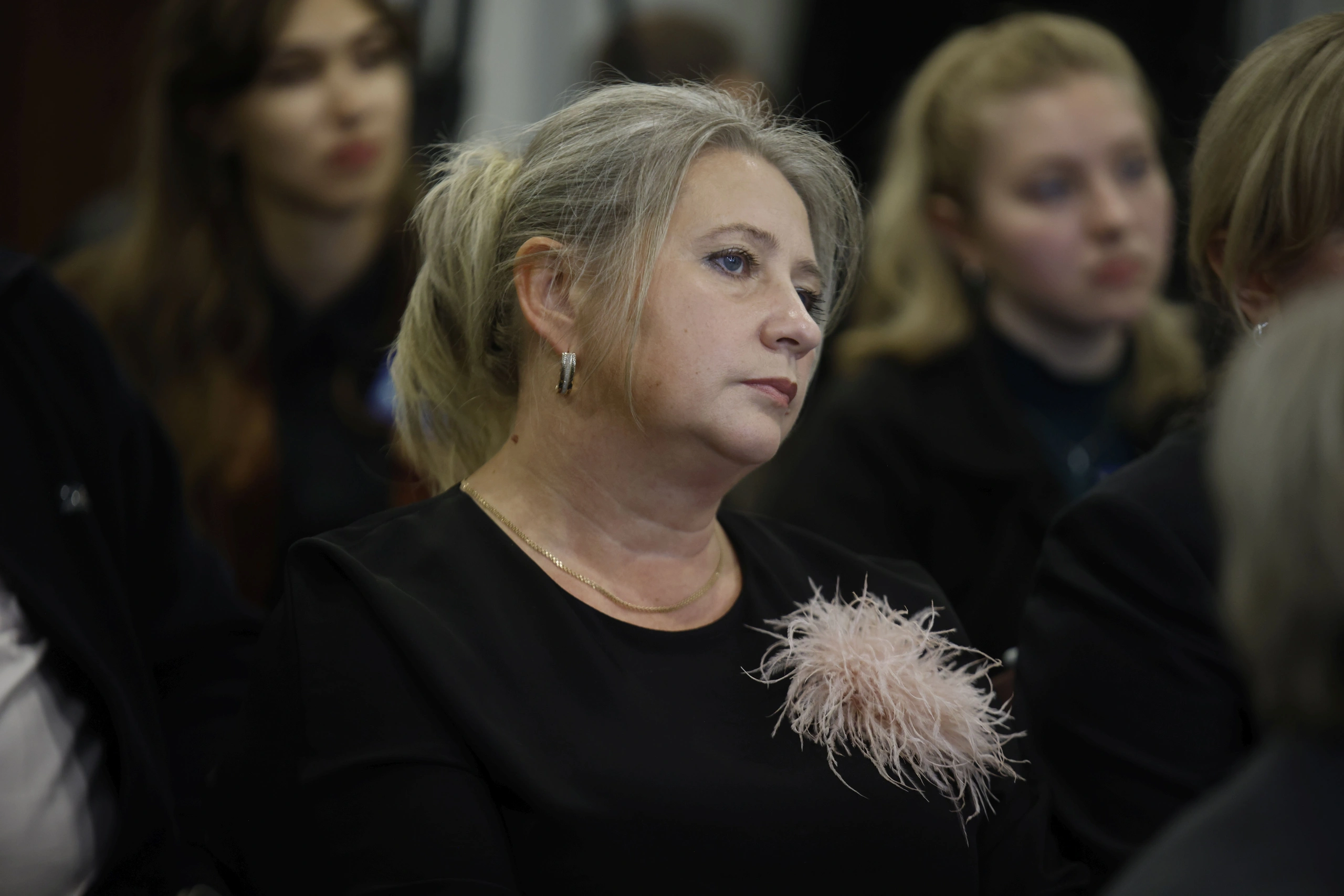
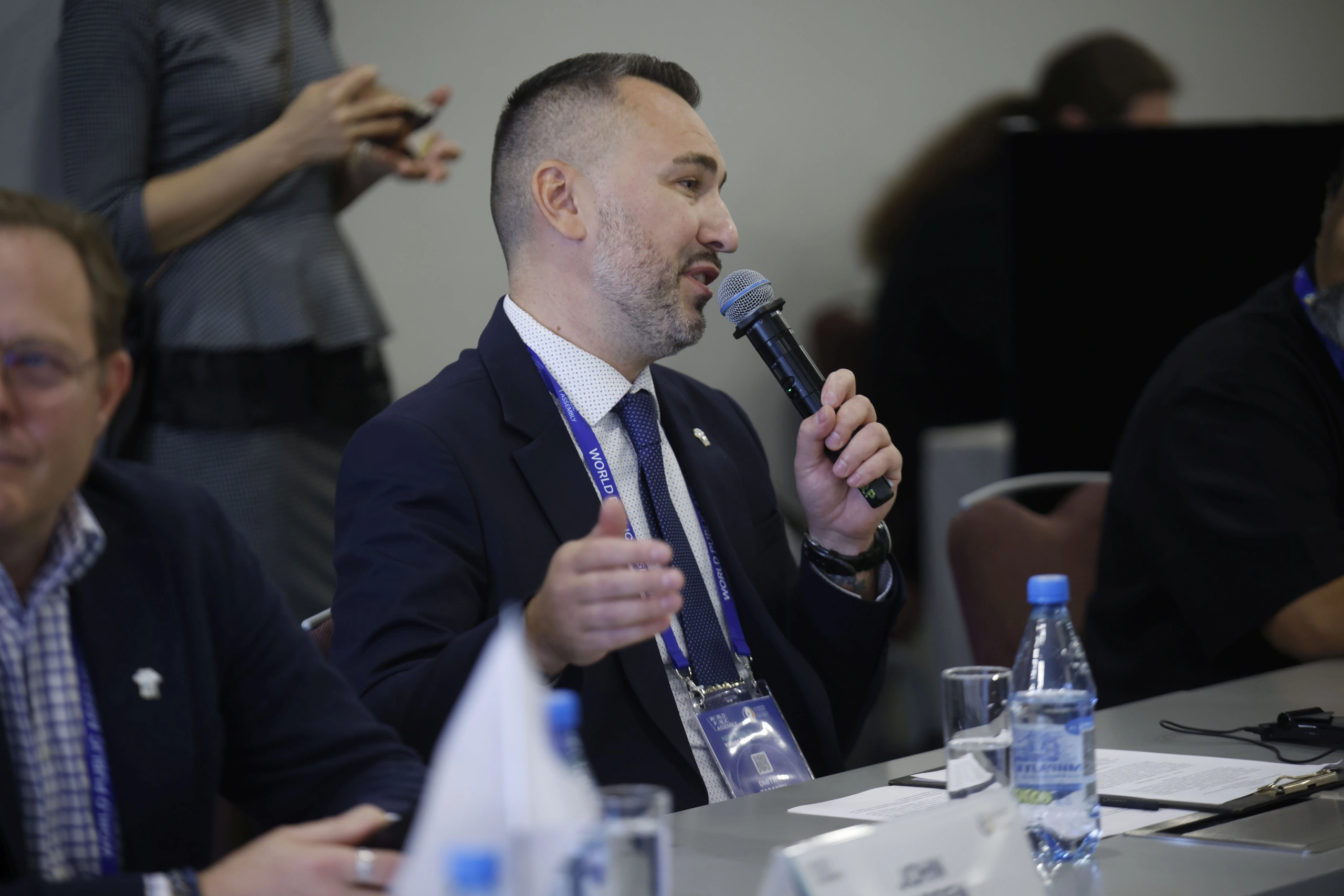
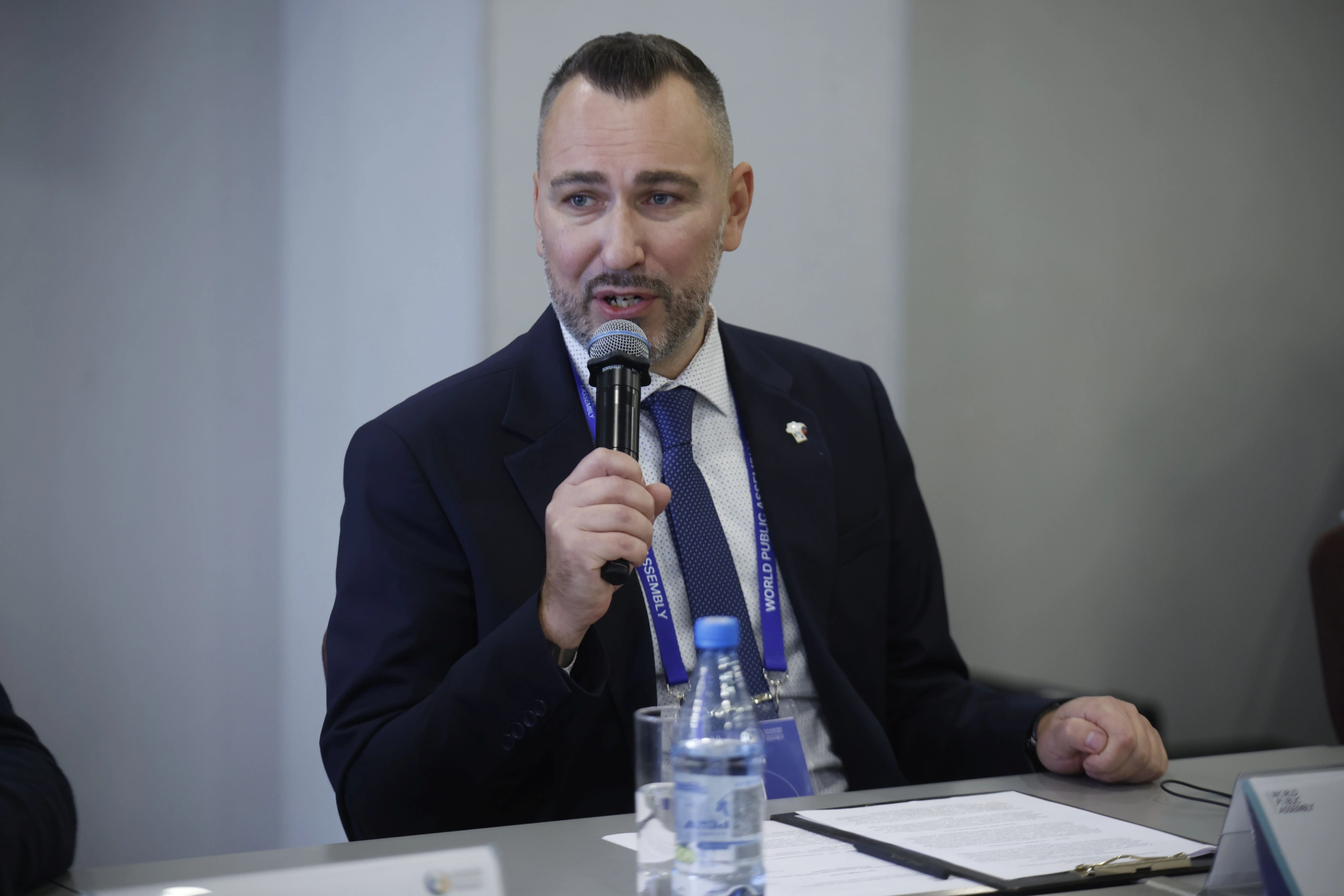
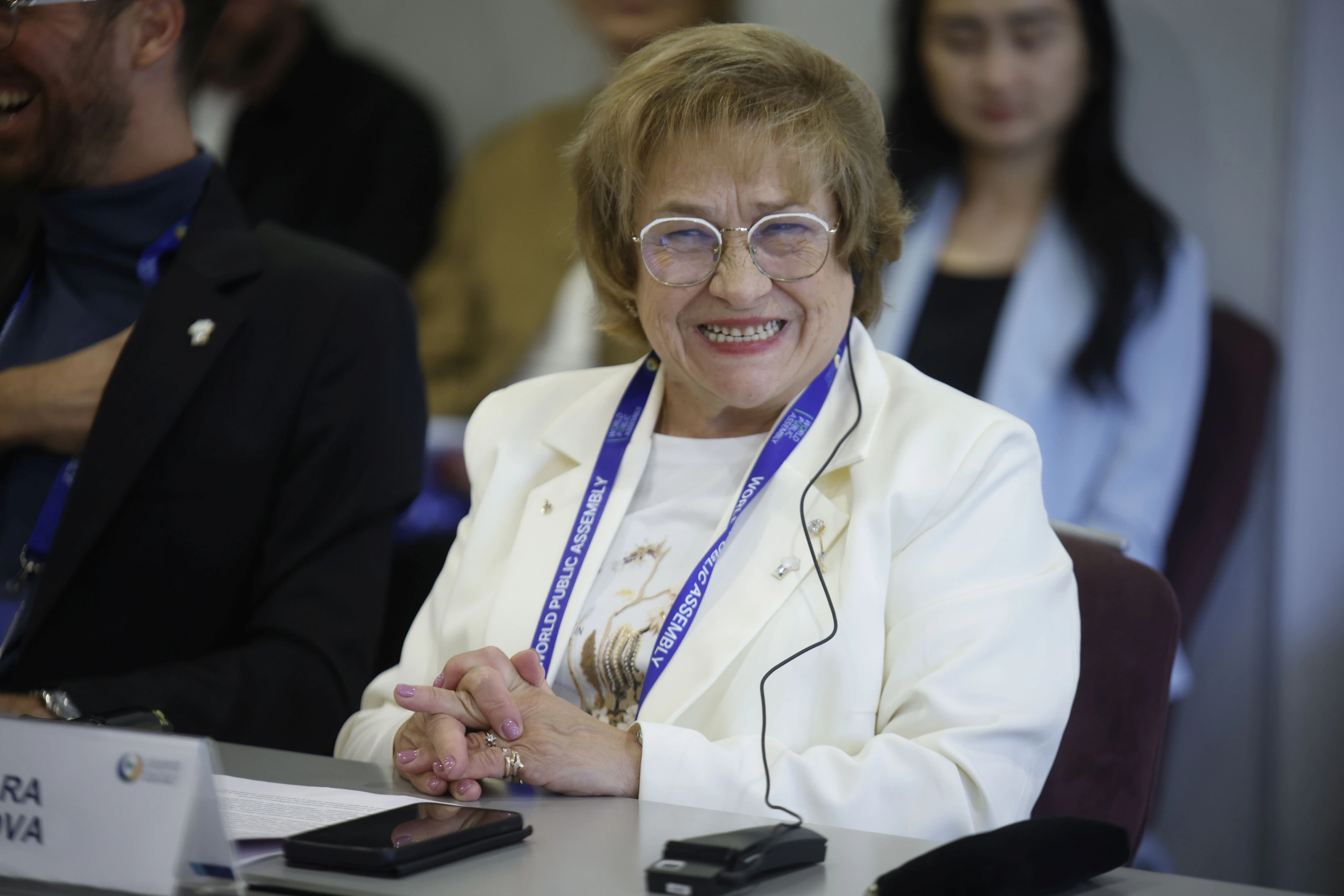
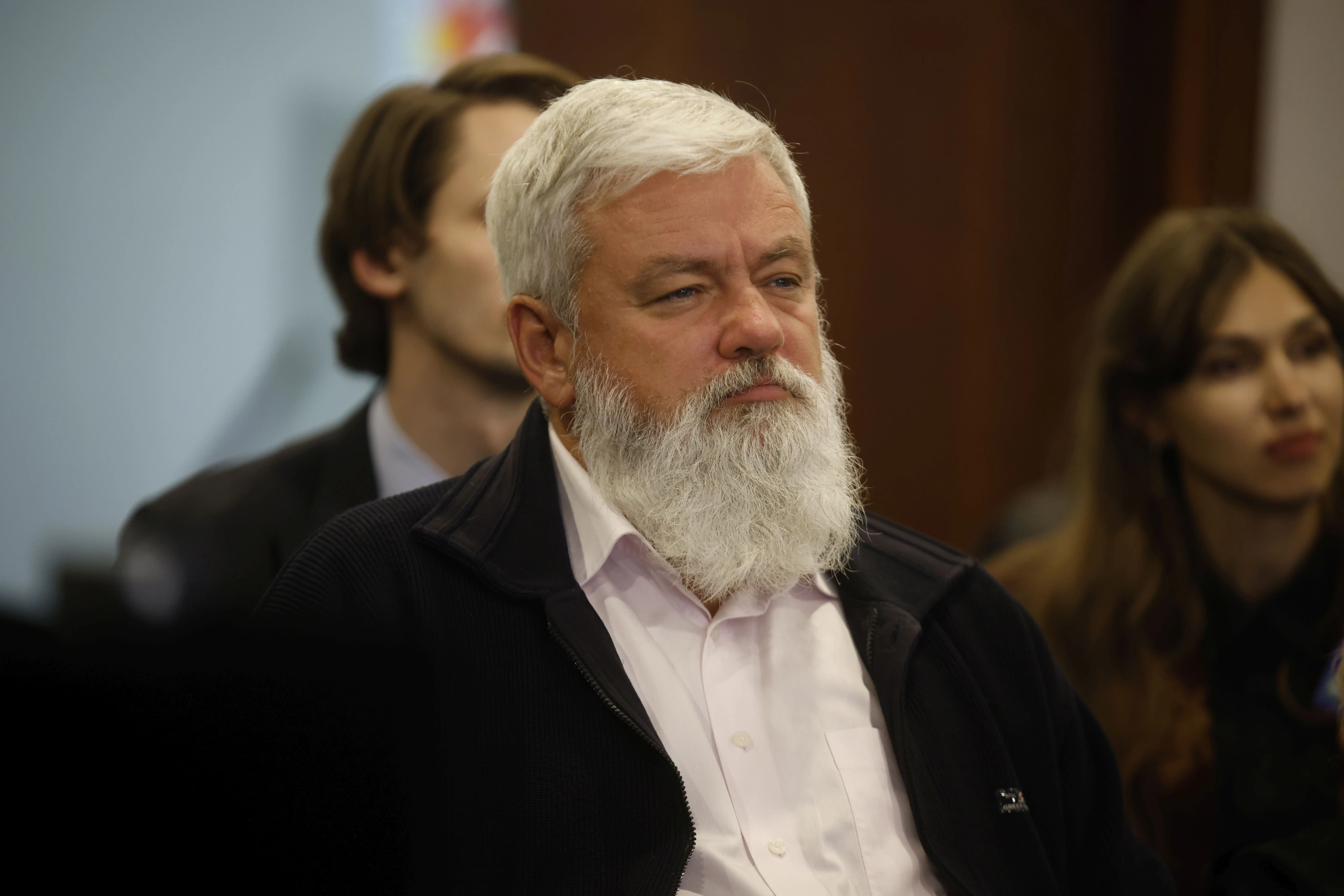
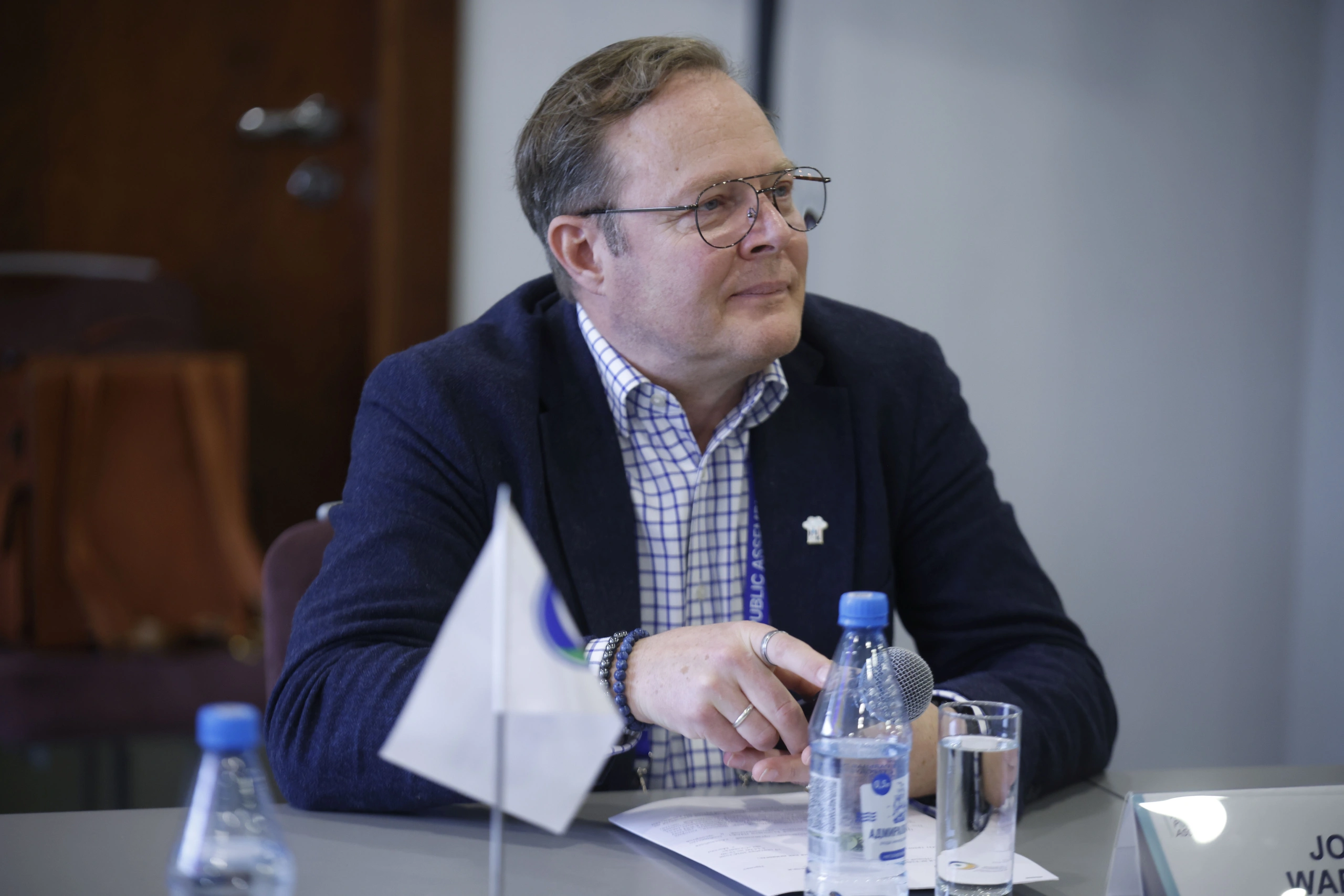
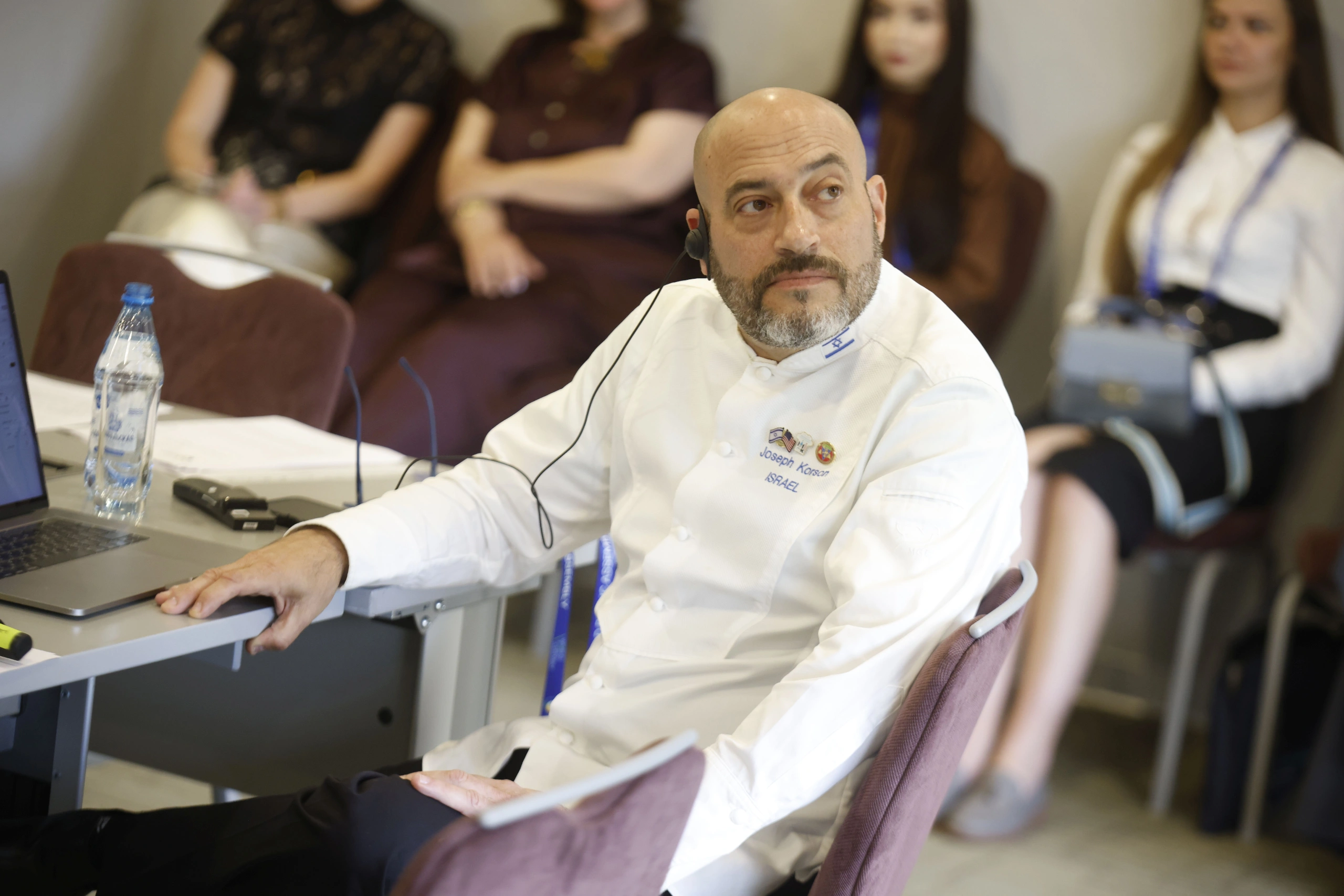
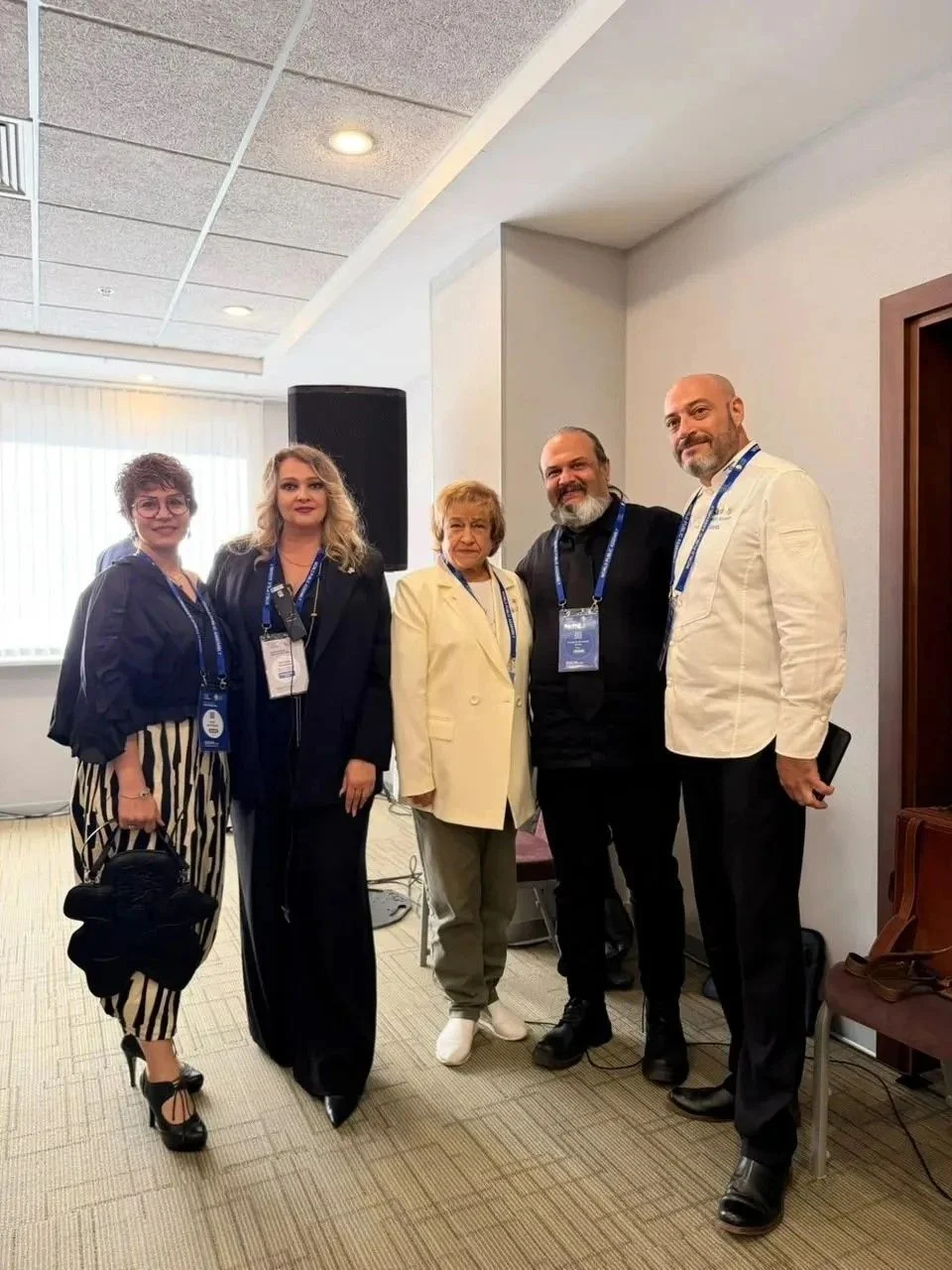
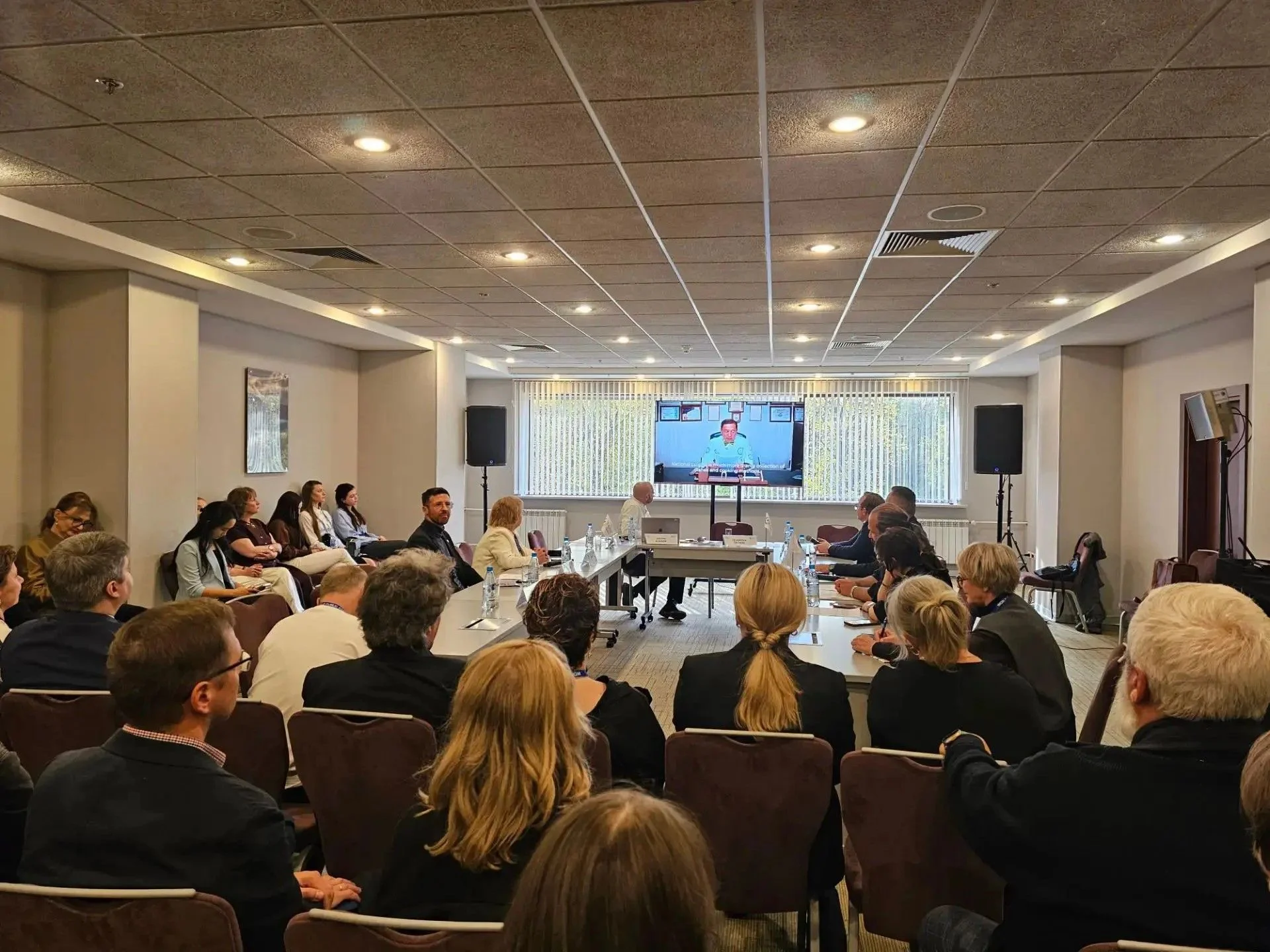
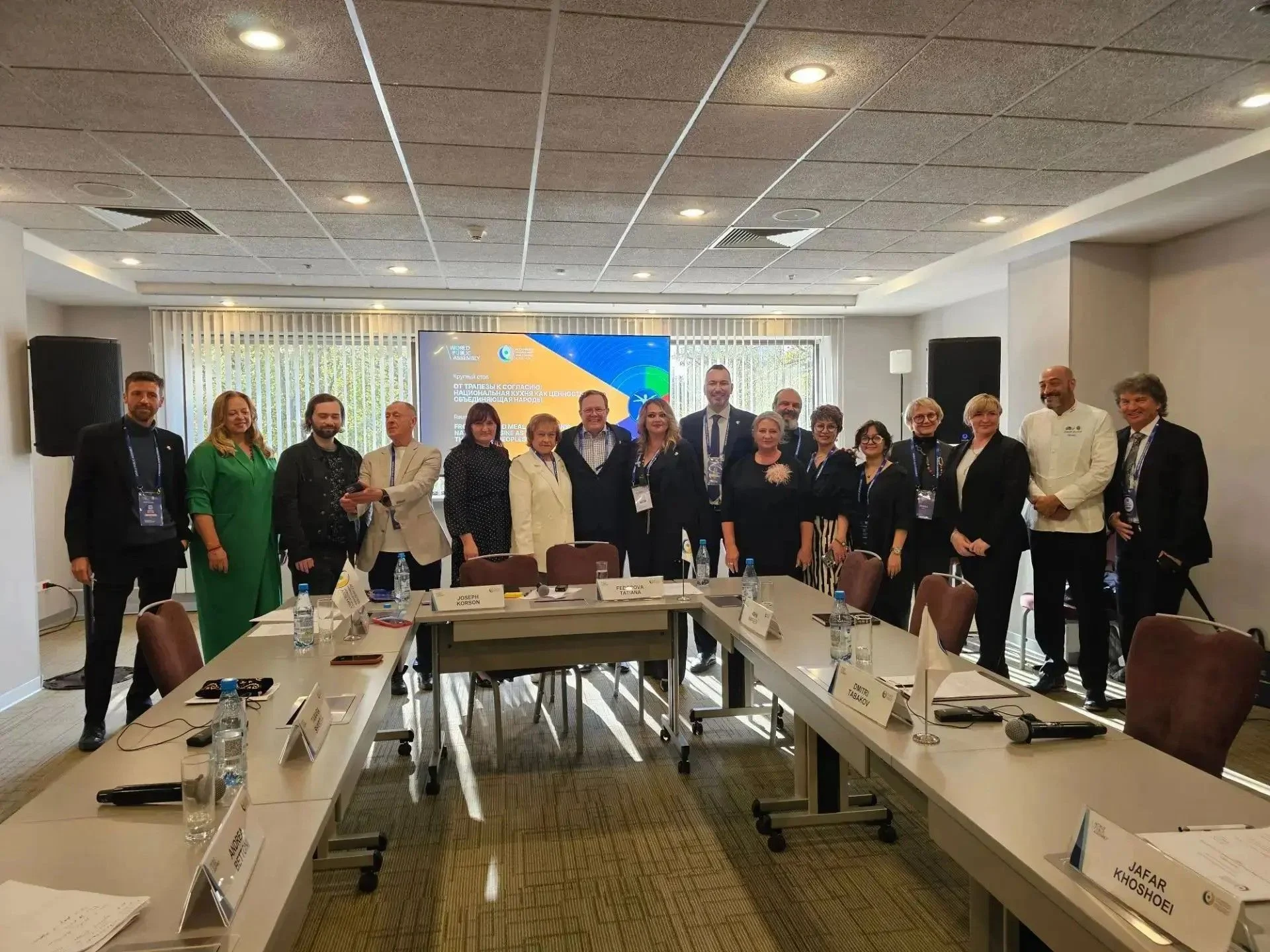
The round table "From a Shared Meal to a Harmony: National Cuisine as a Value that Unites Peoples" was held on September 19, 2026, at the World Trade Center. The event was part of the Second World Public Assembly "New World: Values That Unite» held in Moscow from September 18 to 19.
The meeting was organized by the International Union of Non-Governmental Organizations "World Peoples Assembly" in partnership with the Moscow Association of Chefs (MAC) – a community of professional chefs, pastry chefs, educators and food industry experts from Moscow.
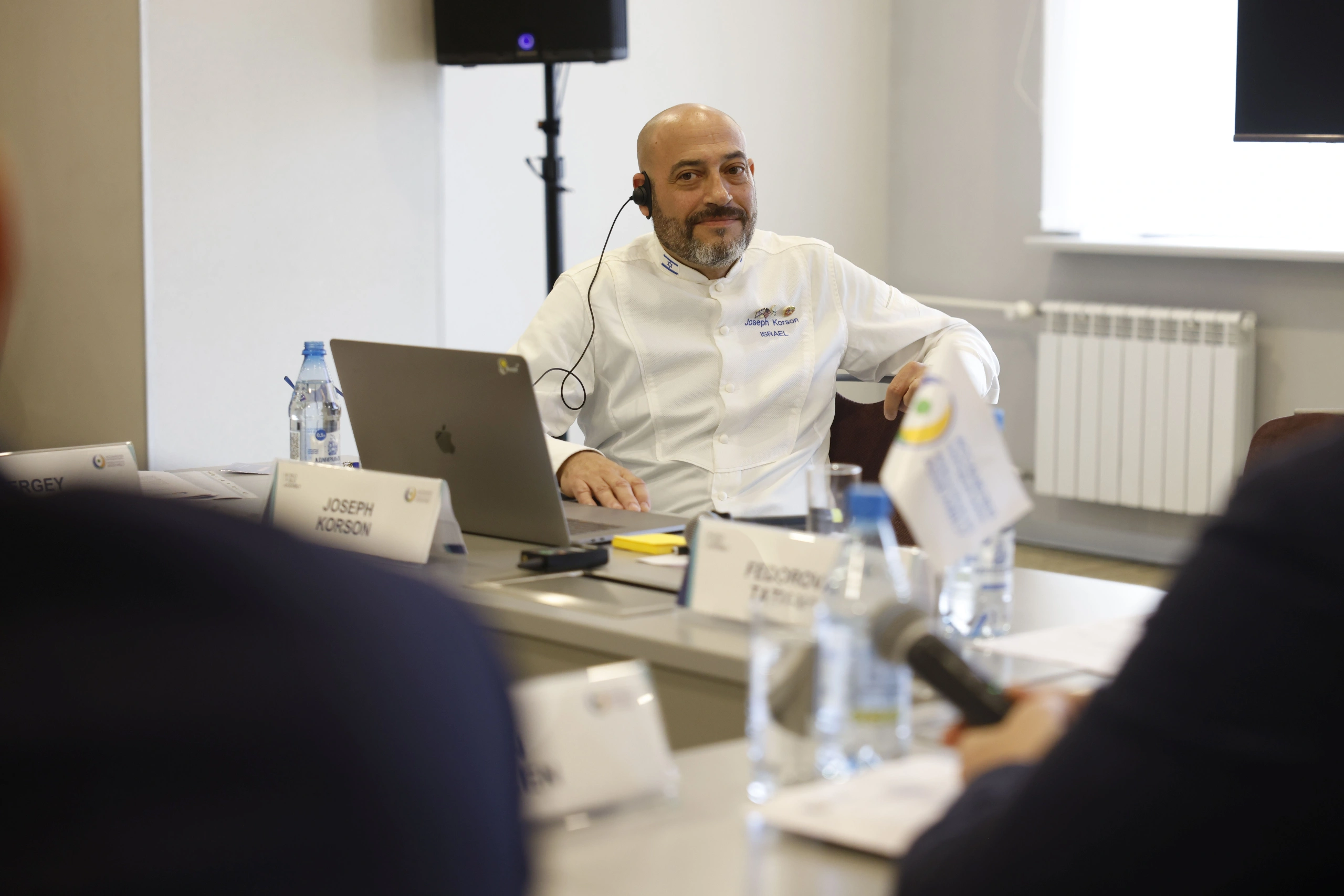
The moderator was Joseph Korson, chef, author and entrepreneur, former personal chef to the Prime Minister of Israel and member of the prestigious club "Club des Chefs des Chefs", which unites personal chefs of heads of state and government from around the world. Opening the discussion, he set its central tone: "Cuisine is a language in which one can speak without an interpreter. A single dish can tell more about a people than an entire encyclopedia". He continued: "The role of a chef today is that of a people's ambassador, who builds bridges through taste."
Tatyana Fedorova, Head of the Cultural Cooperation Directorate of the World Peoples Assembly, addressed the participants with a welcoming message:
– National cuisine is one of the most tangible, sincere and universal values. It exists beyond language barriers, geographic distances and cultural differences and that is precisely why it becomes a natural part of the agenda of the New World.
According to the speaker, in the New World, the uniqueness of each national tradition becomes not a barrier but an occasion for mutual enrichment: "The more cuisines we discover, the richer our shared cultural table becomes".
Tamara Sharova, President of the Moscow Association of Chefs – Professor at MGUTU named after K.G. Razumovsky, judge of international culinary championships and official member of "WorldChefs/WACS" – spoke about the practical experience of the Moscow Association of Chefs. She particularly emphasized the role of gastronomy in shaping personality:
– Educating young people through culinary art is not merely passing on recipes. It is passing on values: respect for work, for tradition, for elders, for a native land. That is why the Moscow Association of Chefs pays such attention to working with young chefs. We are holding the 29th Open Junior Championship – a platform where young people not only compete in skill but also learn the most important thing: cuisine unites rather than divides. Through such championships, we educate not just professionals but people who understand that behind every dish lies the culture and history of an entire people.
MAC Vice-President and brand chef Dmitry Tabakov shared his experience of international culinary competitions, noting that it is precisely at such platforms the professional and human connections are born, which then grow into many years of cooperation.
The Russian-Mexican dimension of gastronomic diplomacy was discussed by Gustavo Uranga Mendeville, Coordinator of the Russian-Mexican Business Dialogue and expert on the integration of national gastronomic traditions into international economic cooperation. He joined the discussion online.
Andre Bettoni, official representative the company "Ital City Food" in Russia, shared Italy's experience, emphasizing that authentic Italian cuisine rests not on restaurant trends but on family traditions passed down from generation to generation.
Akbar Umarov, President of the Association of Cooks of Uzbekistan, judge of international culinary championships and official member of "WorldChefs/WACS", spoke online. He noted that the cuisines of Central Asia have been shaped over centuries at the crossroads of cultures and it is precisely this openness that makes them natural participants in international dialogue.
Iranian cuisine expert Jafar Khoshoei spoke about the subtleties of the Persian culinary tradition and how the symbolism of dishes conveys a people's ideas of hospitality, generosity and respect for elders.
British and Russian television presenter, journalist, author and long-time host of the culinary-travel TV project "Poyedem, Poyedim!" (eng. "Let's Go, Let's Eat!"), John Warren, shared observations on how food becomes a universal language in televised travels and how the same story about a dish sounds differently in different cultures.
An important event of the round table was Joseph Korson's presentation of the international project "KinDish", created within the framework of "The Culinary Heritage Project".
"KinDish" is a digital platform that collects, preserves and makes accessible family culinary memories from around the world. The project is built on a simple principle: "Every dish has a place. Every family has a story."
In his speech, Joseph Korson devoted particular attention to the very fact of his participation in the Second World Public Assembly. According to him, diplomacy matters most precisely where it is difficult and food has repeatedly opened doors for him into rooms where conventional politics had failed.
– The meetings on sidelines of the Assembly confirm what I have believed for years. I spoke with people whom, as an Israeli, I would rarely have had the opportunity to meet. Our conversations crossed national and political boundaries – the very ones that seem insurmountable if one looks at the world through the eyes of governments and newspaper headlines. As a result, I was interviewed, new opportunities opened up and relationships formed that did not exist until I bordered a plane. One should not exaggerate all this to the scale of a diplomatic breakthrough. But I am convinced: we make a mistake when we dismiss such meetings as insignificant. Political agreements alone do not create human trust. In the end, someone has to sit down opposite another. Someone has to listen. Someone has to take the first step – to see a living individual in the person opposite, far more complex than the category into which history has placed them. Food has been doing this work longer than the word "diplomacy" itself has existed, – noted Joseph Korson.
The participants discussed a wide range of issues: national cuisine as a mirror of a people's identity; the values and foundations embedded in culinary traditions; cuisine as a space for dialogue and friendship among peoples; the preservation and transmission of culinary heritage; the place of national cuisine in the value system of the New World.
Following the discussion, proposals were formulated for the development of joint projects – festivals, chef exchanges, educational programs and joint publications – which will be included to the final documents of the Second World Public Assembly "New World: Values That Unite."
The participants paid a particular attention to engaging young people in preserving culinary heritage and to shaping the "Gastronomic Silk Road" of the future – a road along which not only recipes travel, but also friendship, trust and mutual respect.
Additional information is available on the official website of the World Peoples Assembly and at media@world-assembly.org.