

“From Senezh to Dialogue of Peoples of the World”: Andrey Belyaninov discusses Continuity of Generations at Anniversary Senezh Forum
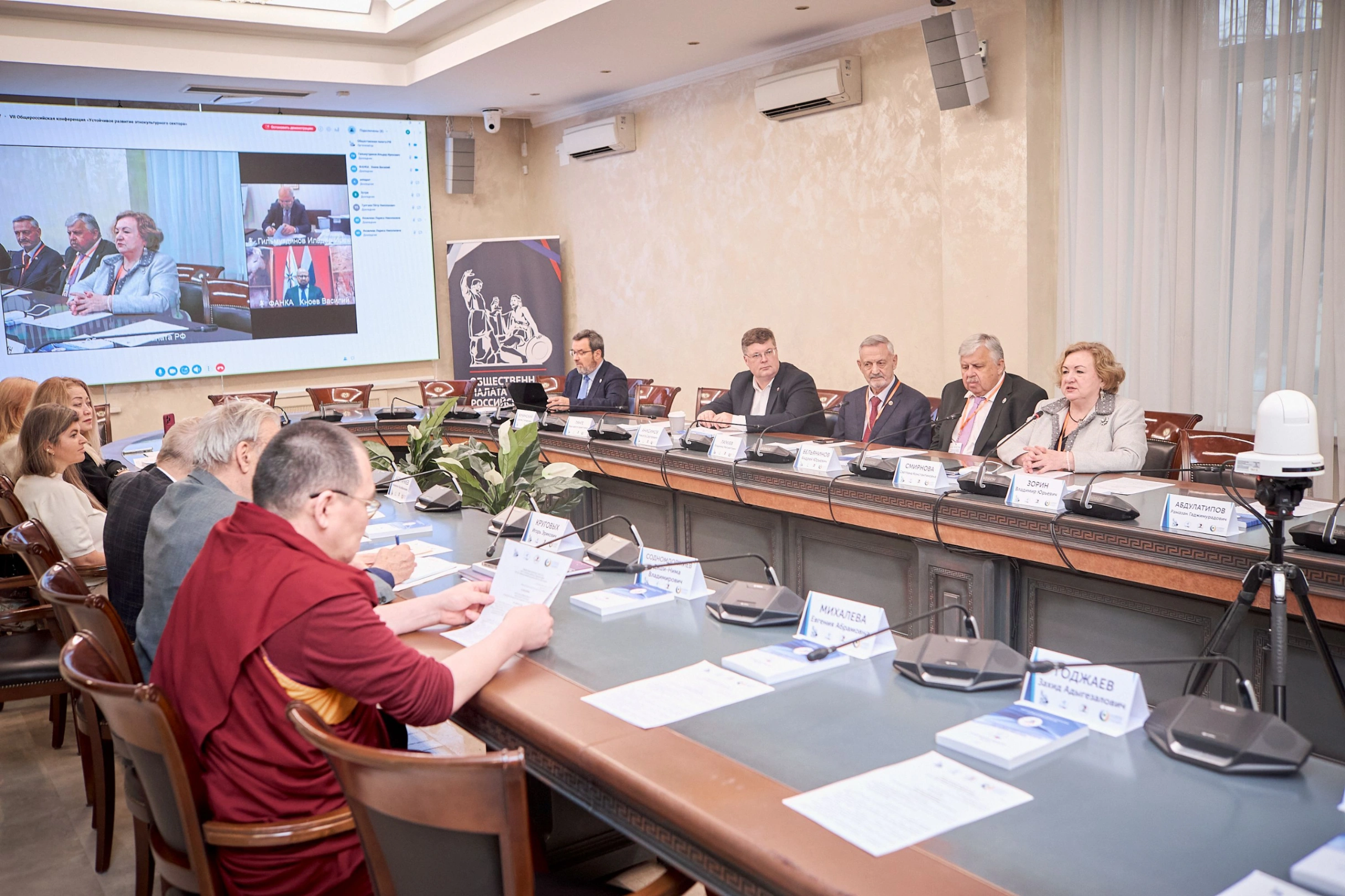
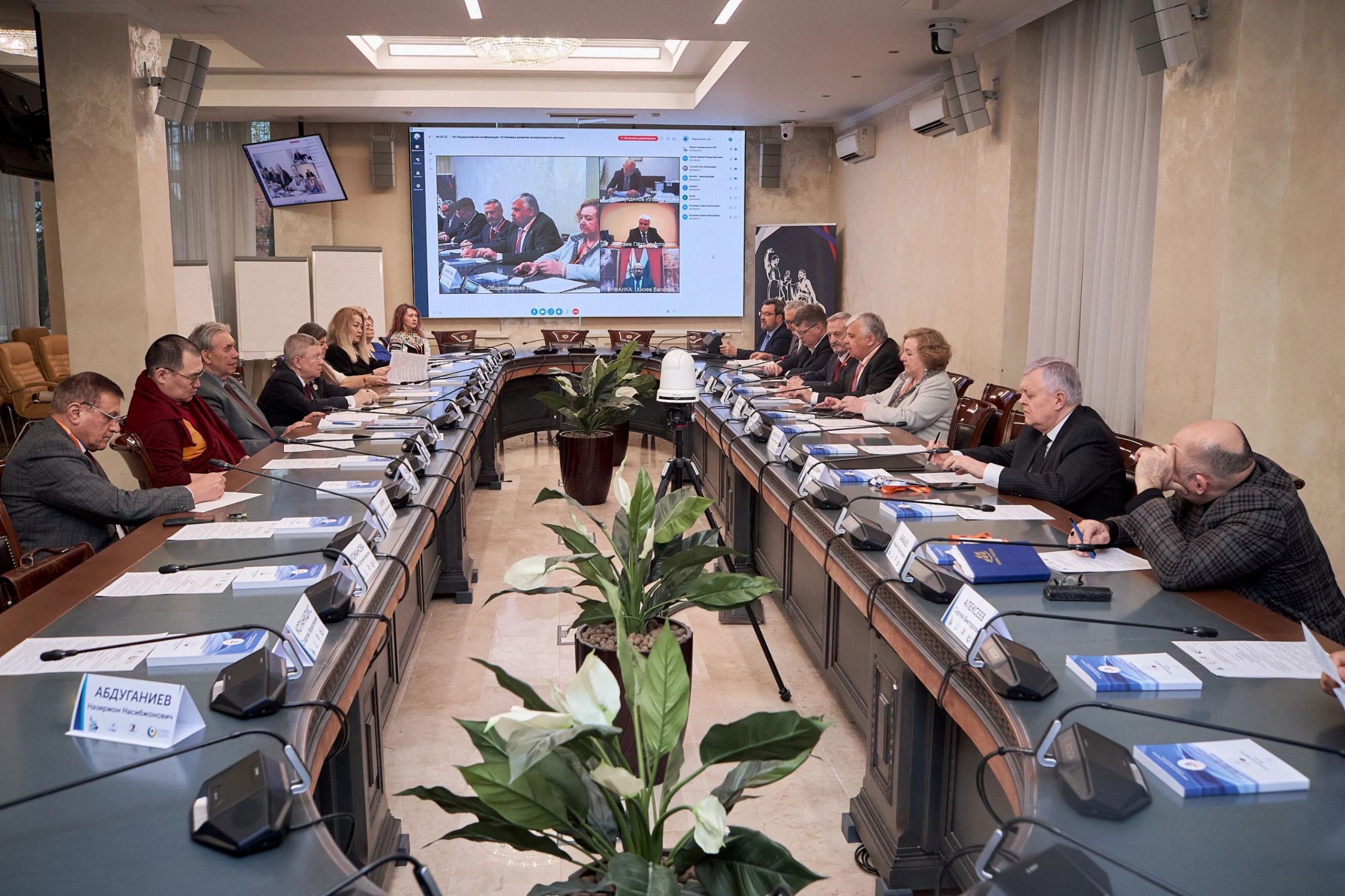
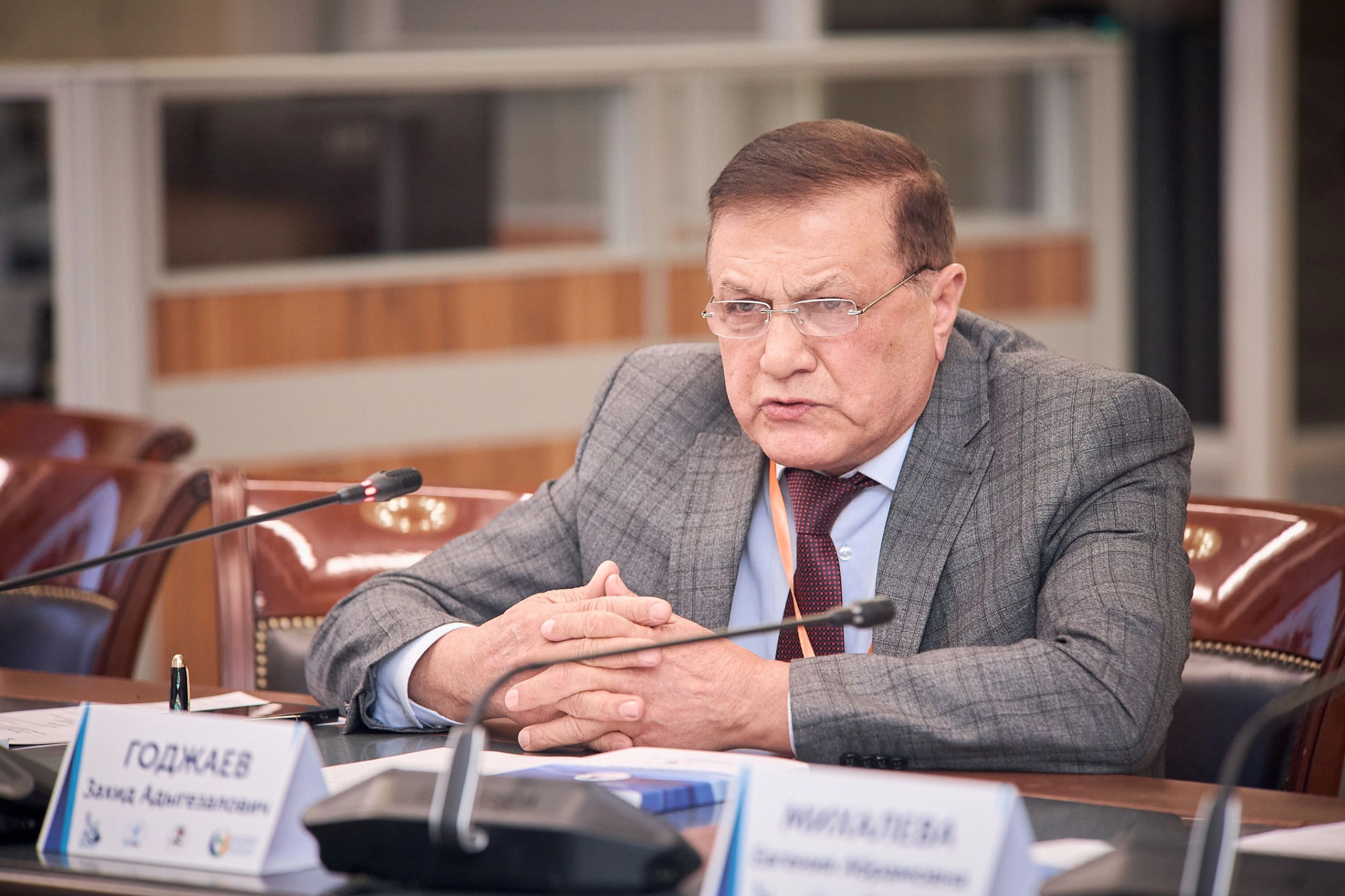
The World Peoples Assembly acted as one of the co-organizers of the International Round Table “From Senezh to Dialogue of Peoples of the World: 35 Years of Public Diplomacy and Co-Creation” held on November 19, 2026 at the Civic Chamber of the Russian Federation within the VII All-Russian Conference “Sustainable Development of the Ethnocultural Sector.”
The event, dedicated to the 35th anniversary of the All-Russian Public Movement “Co-Creation of Peoples for Life” (Senezh Forum), brought together at one table representatives of commissions of the Civic Chamber of Russia, heads of national-cultural autonomies, scholars, youth leaders, foreign partners, and founders and veterans of the movement.
Key initiatives were voiced during the meeting:
to revive the “Eurasian Bridges of Friendship” project;
to expand the participation of ethnocultural associations in the international agenda;
to develop a roadmap for joint work.
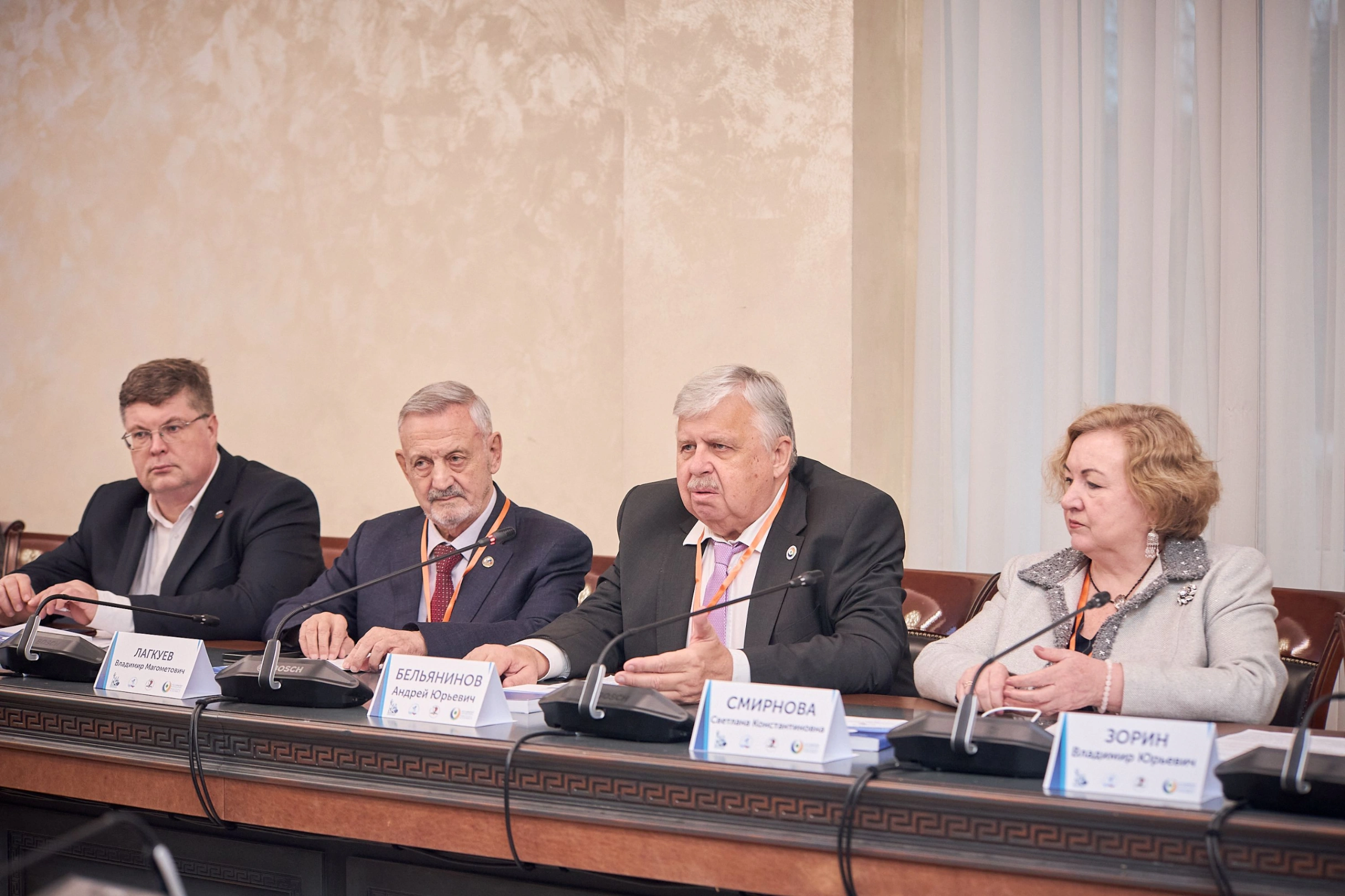
The event was moderated by Svetlana Smirnova, Chairperson of the Senezh Forum and Chairperson of the General Council of the World Peoples Assembly. Opening the meeting, she recalled that on November 19, 1991, the Declaration of the movement “Co-Creation of Peoples for Life” was adopted at the Senezh resort, and the venue of that first meeting gave the project its short and recognizable name - the Senezh Forum.
The Declaration enshrined key principles: equality of peoples and citizens, respect for historical traditions, mutual enrichment of cultures, and scientific substantiation of decisions in the sphere of national relations.
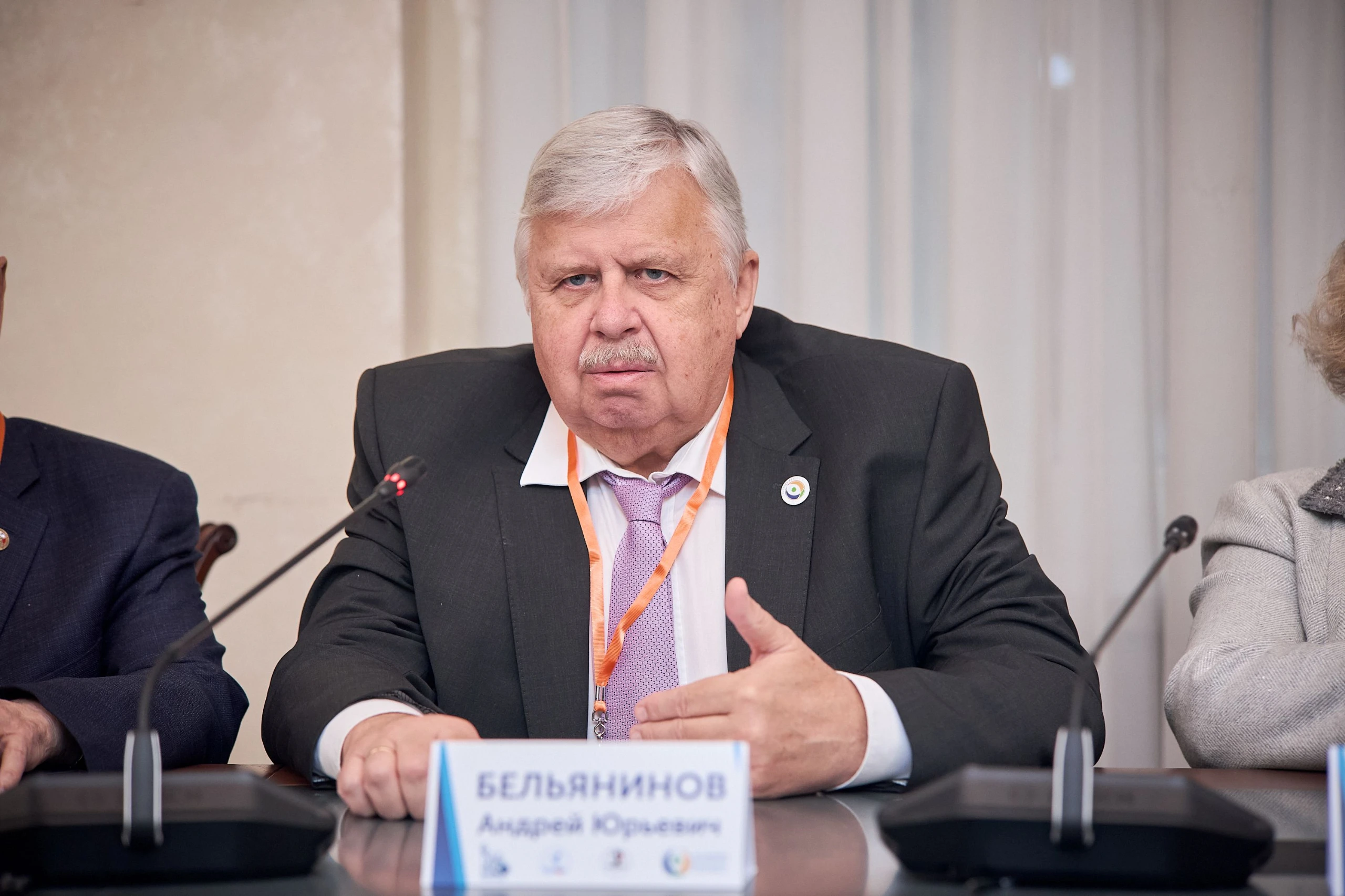
Andrey Belyaninov, Secretary General of the World Peoples Assembly and co-chair of the movement “Co-Creation of Peoples for Life,” took an active part in the discussion. Emphasizing the continuity of public initiatives, he expressed deep gratitude to all who stood at the origins of the movement and continue to work for interethnic harmony.
With great warmth, Andrey Belyaninov called the World Peoples Assembly “a child of the Assembly of Peoples of Russia” - a structure that grew on a solid foundation, absorbed the best traditions of its predecessors, and now confidently continues to preserve and multiply them.
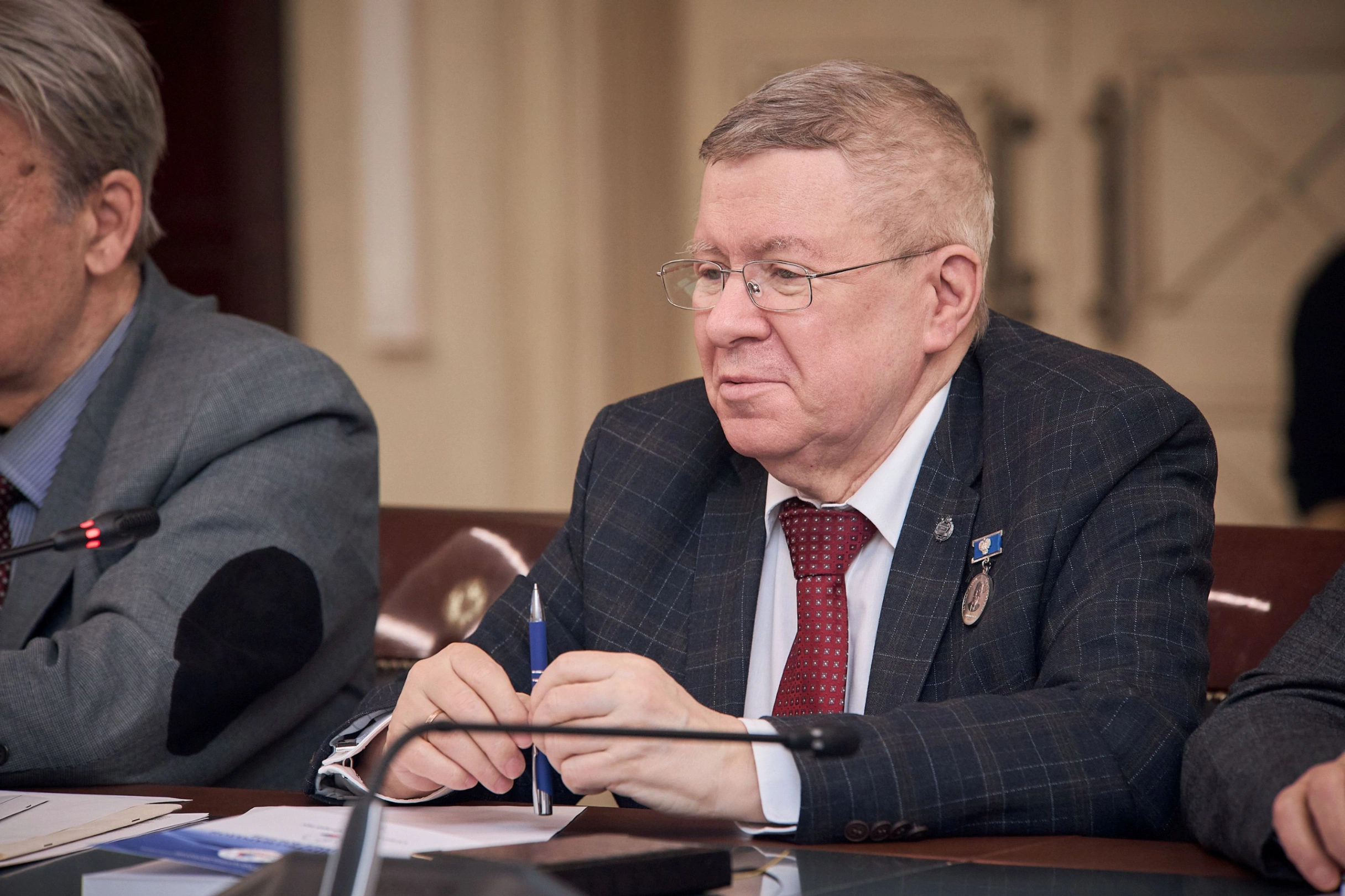
A greeting on behalf of Vladimir Vasilyev, Chairman of the All-Russian Public-State Organization “Assembly of Peoples of Russia,” was conveyed by Alexander Torshin, a member of the organization’s Council. He emphasized the need for close coordination of efforts by public and religious associations to maintain constant dialogue and jointly seek solutions in the sphere of interethnic harmony.
Participants gratefully recalled those who laid the foundation for this long-term cooperation: Ramazan Abdulatipov, initiator of the creation and first сhairman of the movement, as well as Valery Tishkov, Vilen Ivanov, Vyacheslav Mikhailov, Chimit-Dorzhu Ondar and Igor Krugovykh. Their scholarly, organizational and public work in difficult historical conditions united people’s deputies, scholars, the creative intelligentsia and activists of public associations.
Separately, those gathered honored the memory of departed comrades who made an invaluable contribution to the formation of the forum: Leokadia Drobizheva, Mikhail Guboglo, Anatoly Kotov, Irek Muksinov and others. The meeting also included warm congratulations to Valery Tishkov on his 85th birthday and good wishes to Vilen Ivanov, who conveyed his greeting to the participants.
The central place in the meeting’s agenda was occupied by historical continuity. In 1998, in accordance with the Concept of the State National Policy of the Russian Federation (approved by Decree of the President of the Russian Federation No. 909 of June 15, 1996), the Senezh Forum became the founder of the All-Russian Public Organization “Assembly of Peoples of Russia,” within its activities the Youth Assembly of the Peoples of Russia “We Are Russians” and the Resource Center in the Sphere of National Relations were established. Both structures opened new opportunities for project work and support for young people.
Subsequently, the Assembly of Peoples of Russia initiated the creation of and became one of the founders of the Eurasian Peoples Assembly. The Assembly of the People of Kazakhstan and the Assembly of the People of Kyrgyzstan took an active part in preparing and holding its First Congress in 2017. The gradual expansion of geography and areas of cooperation is reflected in the evolution of the organization’s name: from the Eurasian and African Peoples Assembly to today’s World Peoples Assembly.
Interest in further strengthening ties with the World Peoples Assembly became the leitmotif of the speakers’ remarks. For a number of meeting participants, this is a continuation of many years of joint work - the Supreme Advisory Council of the World Peoples Assembly includes:
Ara Abramyan - President of the Union of Armenians of Russia;
Sergey Kandybovich - Chairman of the Federal National-Cultural Autonomy of Belarusians of Russia;
Ildar Gilmutdinov - Chairman of the Council of the Federal National-Cultural Autonomy of Tatars;
Vladimir Zorin - Chairman of the Commission of the Civic Chamber of the Russian Federation on Interethnic, Interreligious Relations and Migration;
Nazirzhon Abduganiev - Deputy General Director of the All-Russian Public-State Organization “Assembly of Peoples of Russia.”
The basis for interaction with the Civic Chamber of the Russian Federation is a signed cooperation agreement, which, according to experts, needs to be filled with new joint projects - from youth initiatives to large-scale international public diplomacy programs.
Addressing current tasks of public diplomacy, Andrey Belyaninov shared the experience of the First World Public Summit: The Arab World, held in November 2026 in Jordan. The Secretary General drew attention to the critical importance of interreligious harmony, the responsibility of spiritual mentors, and the study of successful practices of interaction among people of different cultures and faiths.
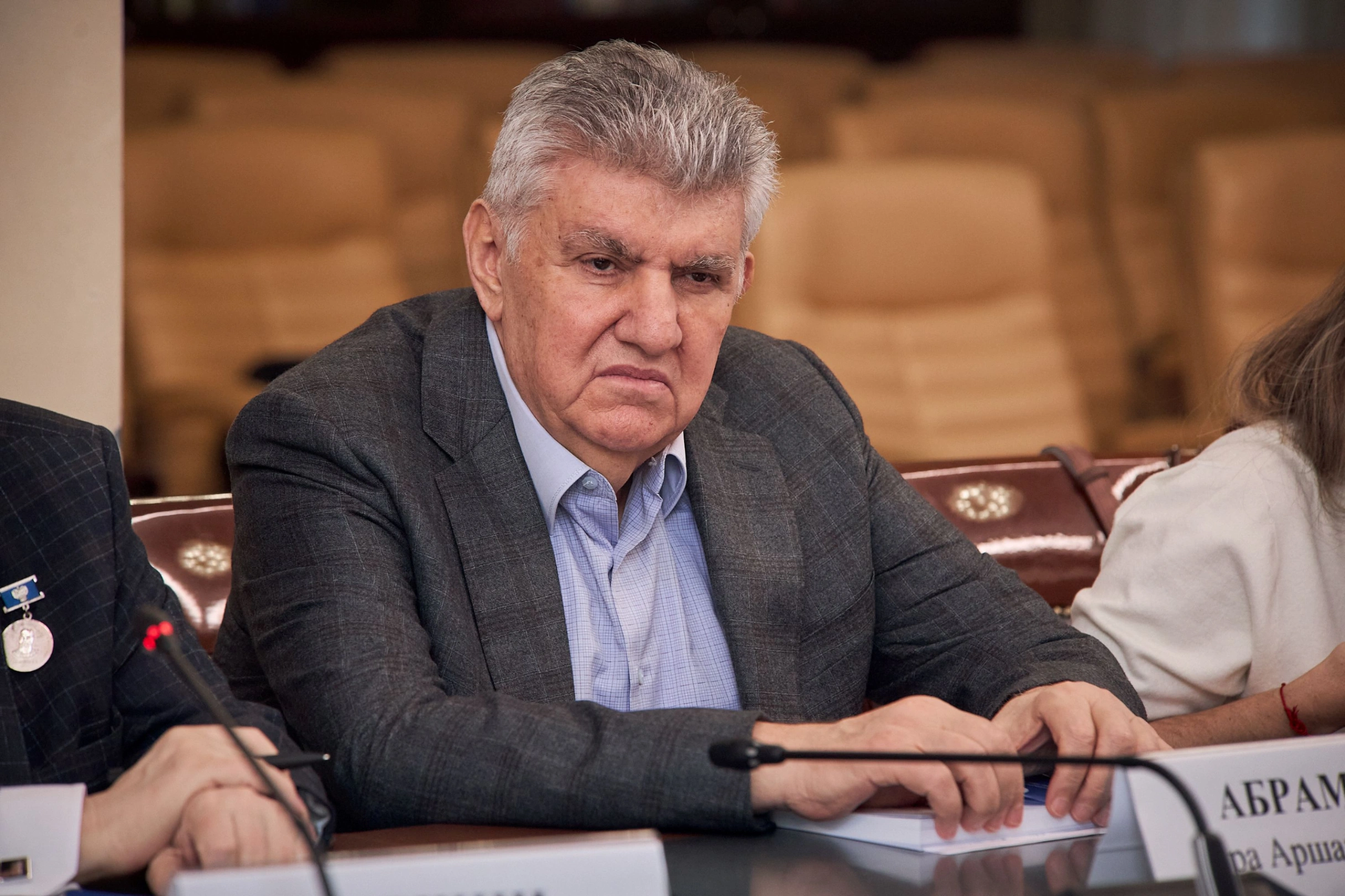
Ara Abramyan put forward an initiative to form a working group to prepare a common cooperation roadmap that would clearly define tasks, priority areas and areas of responsibility.
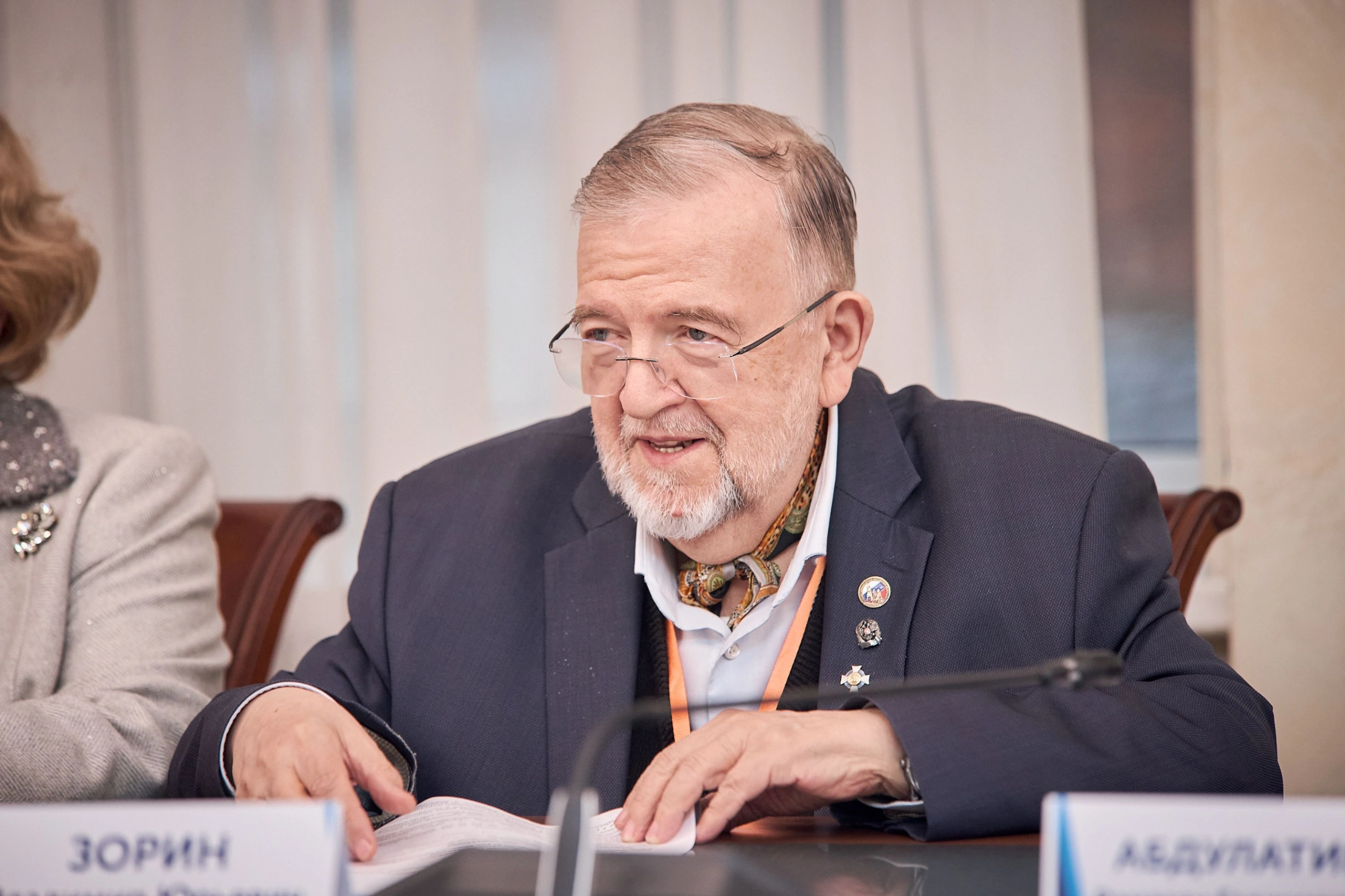
Vladimir Zorin called for strengthening interaction between the World Peoples Assembly and the relevant commissions of the Chamber, developing partnership with Rossotrudnichestvo, and more actively involving national-cultural associations in international humanitarian work. Among priority areas he named the implementation of joint programs with Rossotrudnichestvo, development of ties in the CIS and Eurasia, with SCO and BRICS countries, and expansion of the participation of national-cultural associations in public diplomacy projects.
One of the most resonant practical proposals was the resumption of the “Eurasian Bridges of Friendship” project, which historically helped build direct ties between public organizations of different countries. Svetlana Smirnova expressed the World Peoples Assembly’s full readiness to participate in its revival and development.
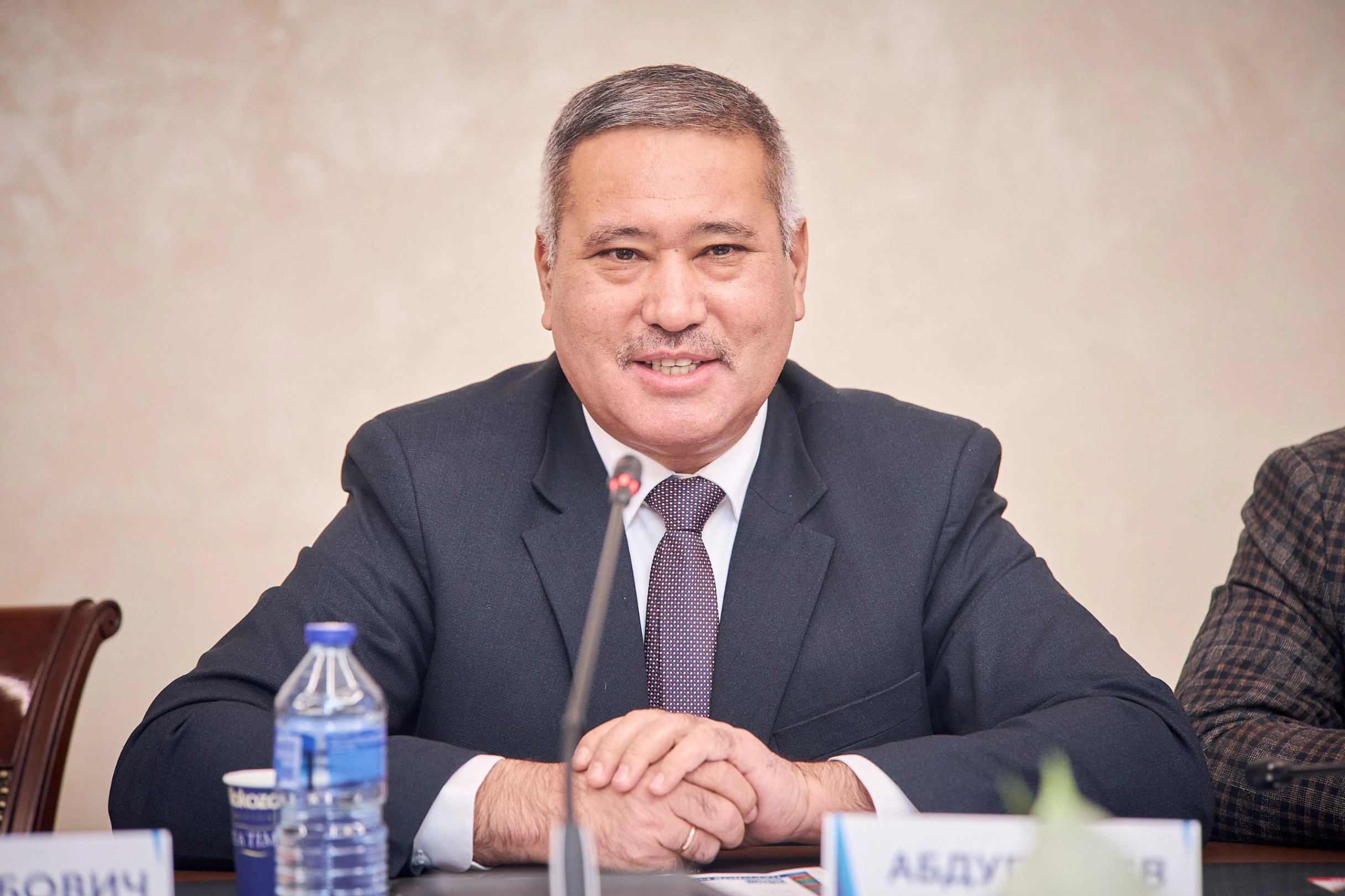
Nazirzhon Abduganiev emphasized the importance of carefully preserving the legacy of predecessors. He noted that the transformation of the organization into a public-state one in accordance with Decree of the President of the Russian Federation No. 701 of November 13, 2020 opened a new, higher-quality stage of interaction between the state and civil society.
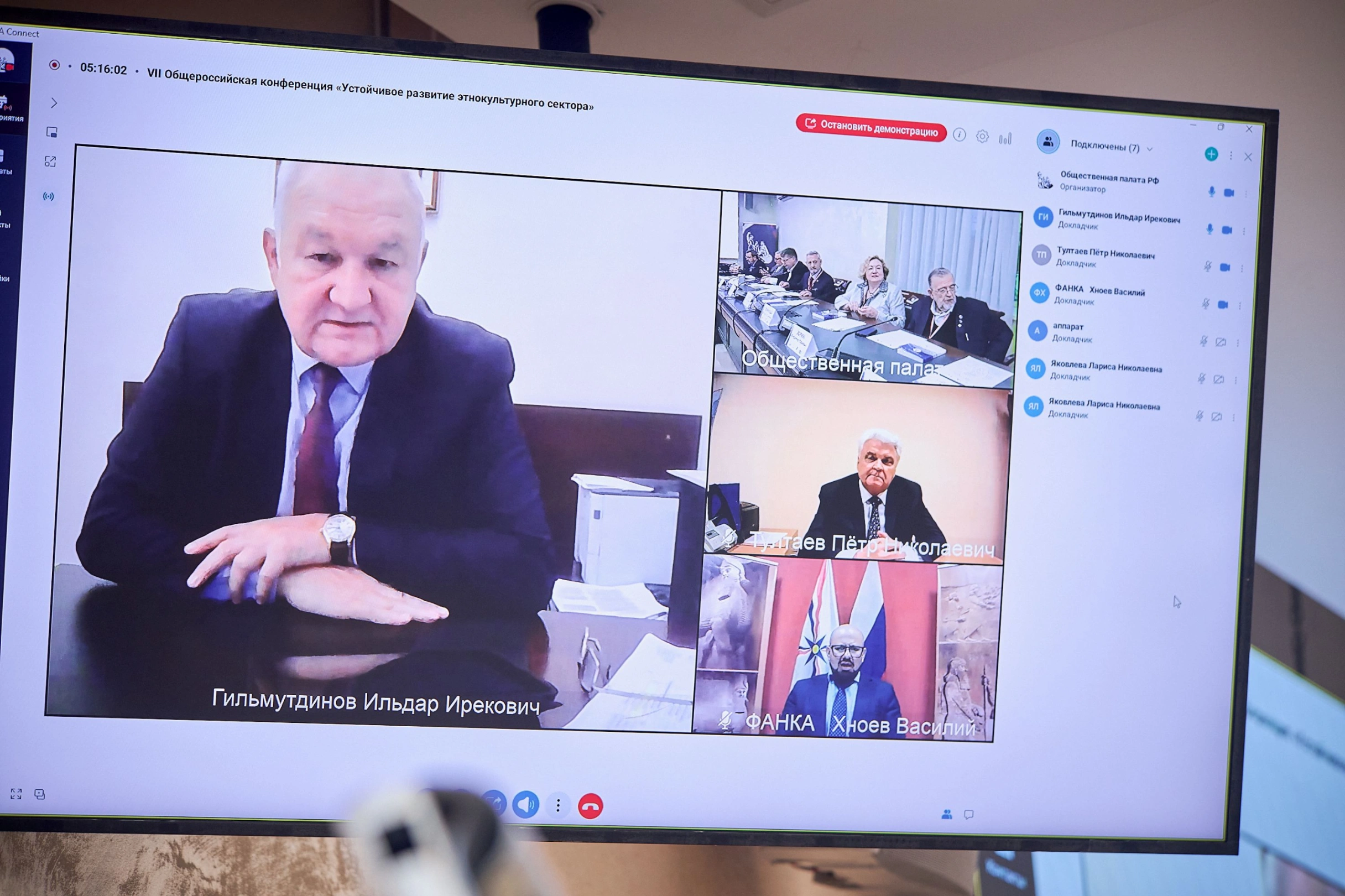
Ildar Gilmutdinov called for preserving and scaling up the successful programs of the Assembly of Peoples of Russia. Supporting the idea of the “Spirit of Senezh,” he proposed holding one of the movement’s next meetings in Kazan within the “Meeting Place - Kazan” project, which is currently actively developing.
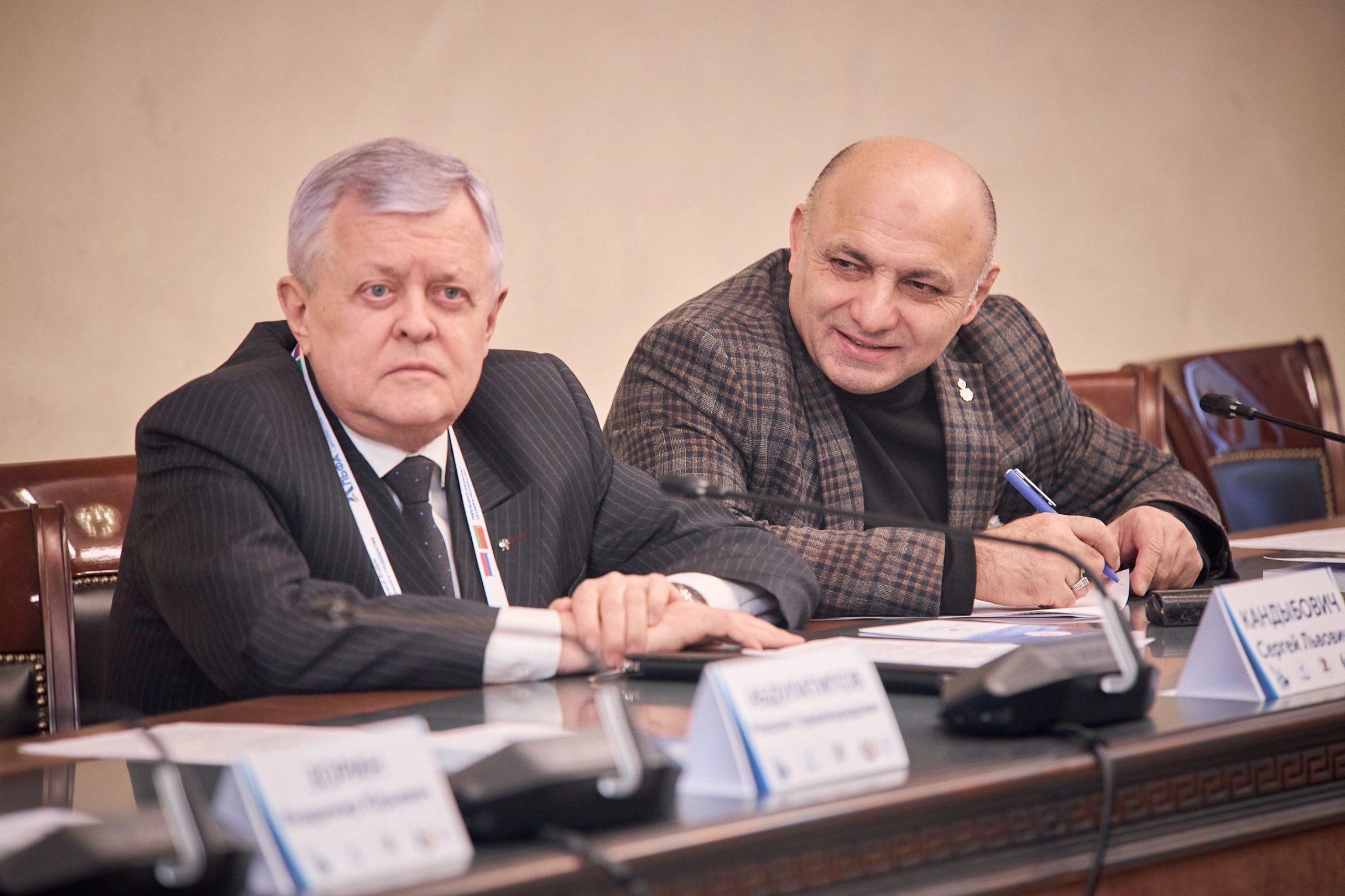
Sergey Kandybovich proposed enshrining in the movement’s lexicon the concept of the “Spirit of Senezh” as an expression of trust, mutual support and readiness to create together - values that have united participants for 35 years. The expert noted that the forum’s founders continue to work in various structures today, preserving an unwavering commitment to the ideas of interethnic cooperation.
A vivid example of such continuity was the presentation to Kamran Babaev, President of the organization “House of Friendship and Unity of Peoples” and a member of the Senezh Forum Council, of a certificate of membership in the Advisory Committee of the Federal National-Cultural Autonomy of Belarusians of Russia in gratitude for many years of participation in organizing joint events.
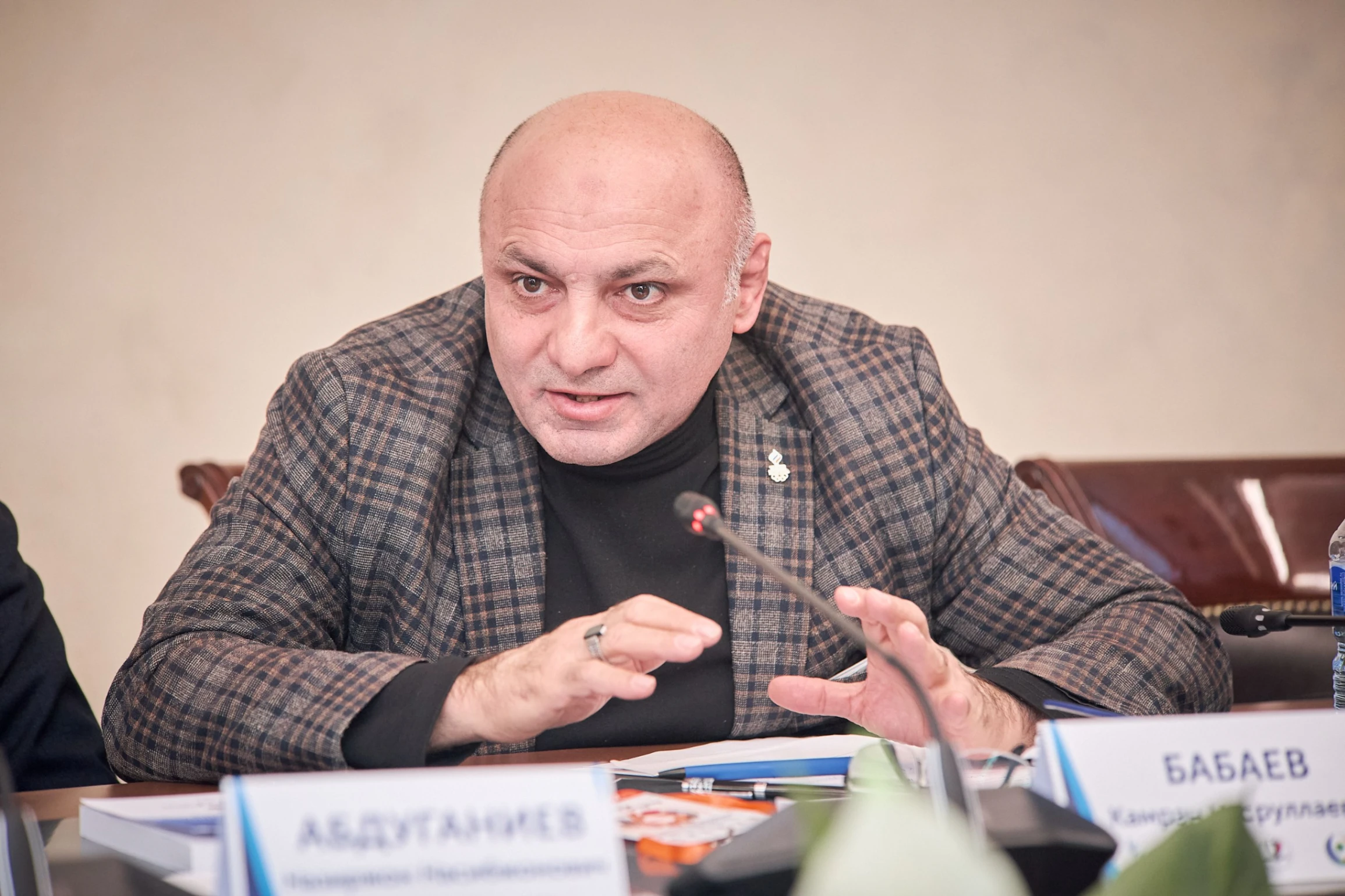
Kamran Babaev spoke about his experience working in Kostroma Oblast and emphasized that deep acquaintance with each other’s cultures helps overcome stereotypes. In the expert’s opinion, national sports play a special unifying role, where opponents on the mat become friends outside it.
A practical continuation of this idea was the initiative to organize a meeting of representatives of the Armenian and Azerbaijani communities. Ara Abramyan expressed full readiness to facilitate its holding. Ramil Aliyev, Executive Director of the Federal National-Cultural Autonomy of Azerbaijanis of Russia (“AzerRos”), warmly supported this proposal, calling for broader coverage in the media of examples of constructive cooperation and human friendship between representatives of the two peoples.
Long-time partners of the World Peoples Assembly joined the round table remotely, including Kabuljon Sabirov, Director of the SCO Center for Public Diplomacy in Uzbekistan, and Zukhra Shidakova, Deputy Chair of the Assembly of the People of Kyrgyzstan and a member of the World Peoples Assembly. Their participation emphasized the depth of many years of ties bringing together public figures of the Eurasian space.
In her video address, Zukhra Shidakova congratulated the Senezh Forum on its anniversary and emphasized the enduring relevance of its mission.
- To live in peace and harmony is the dream of every person living on this earth, - the speaker said.
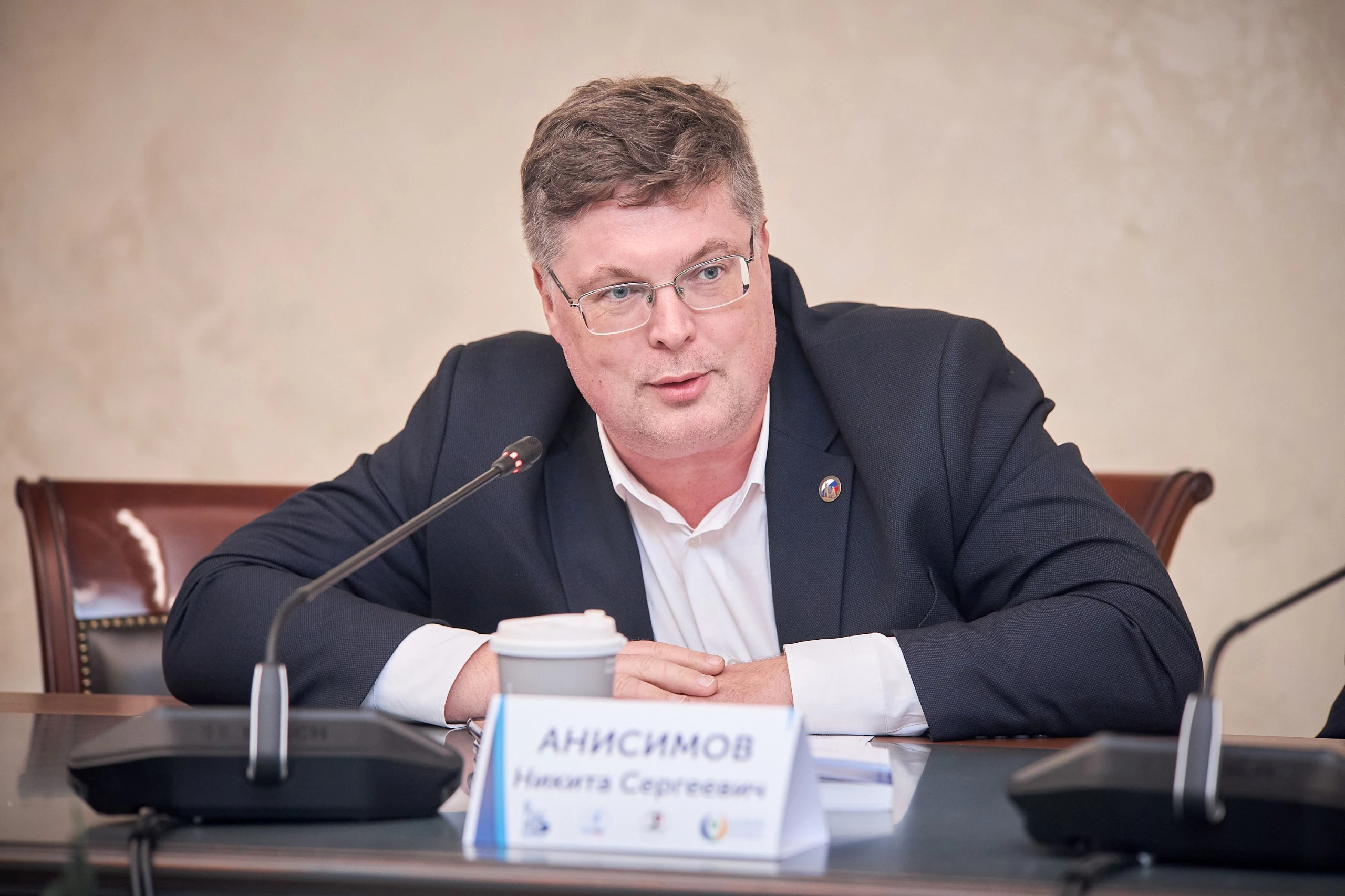
Nikita Anisimov, First Deputy Chairman of the Commission of the Civic Chamber of the Russian Federation on Support for Compatriots and Development of Public Diplomacy, noted broad opportunities for promoting the Russian experience of interethnic harmony through direct public ties.
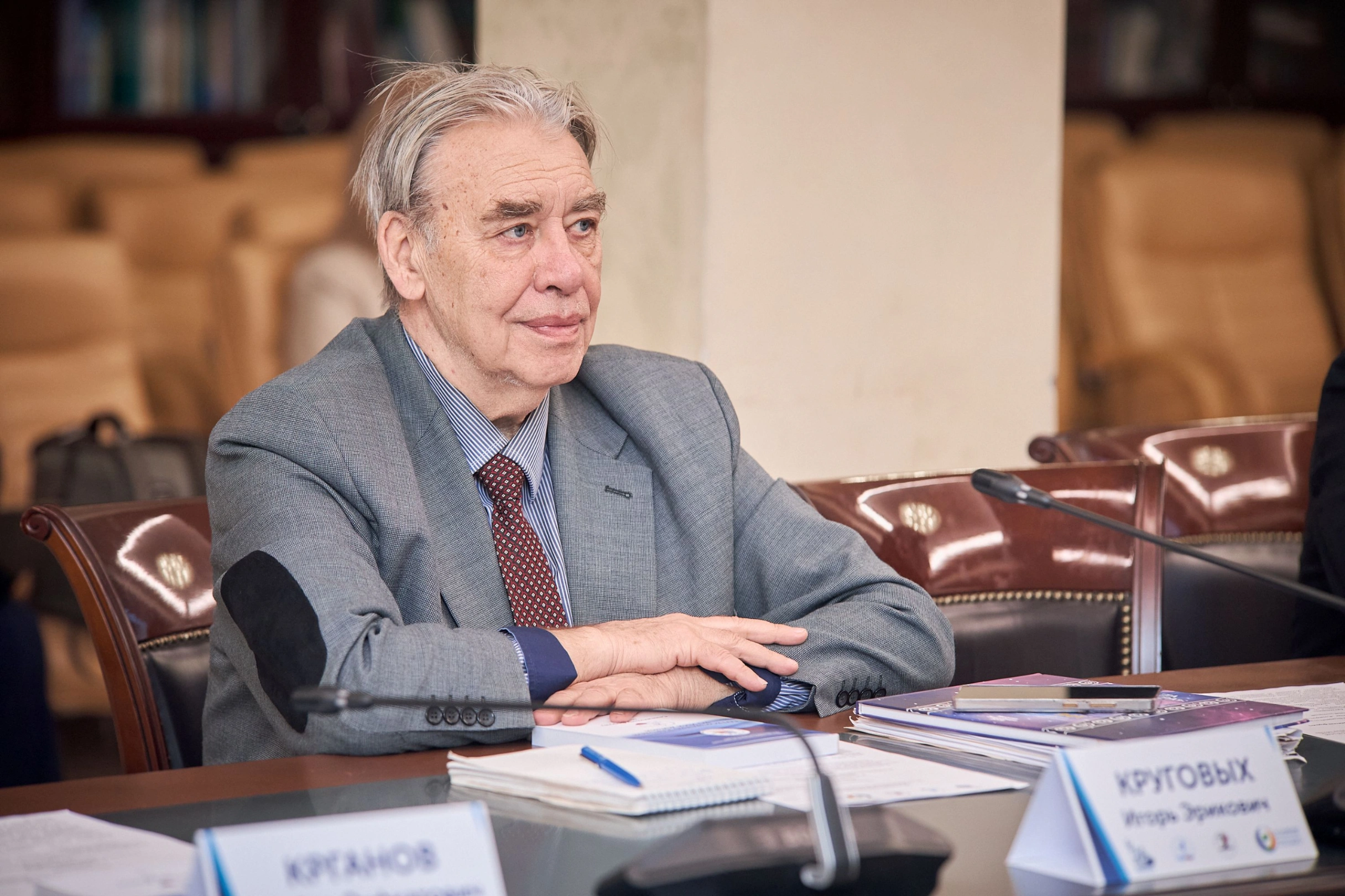
Igor Krugovykh, First Deputy Chairman of the Assembly of Peoples of Russia and a direct participant in the formation of the movement, proposed developing the Senezh Forum as a permanent expert-discussion platform. According to the expert, the accumulated experience allows for substantive dialogue between scholars and practitioners, producing high-quality proposals on current issues of national policy. Among promising areas, the speaker highlighted the role of cities and megacities in intercultural interaction, the development of the scholarly field of “ethnoglobalistics,” and the search for new points of contact with Central Asian countries.
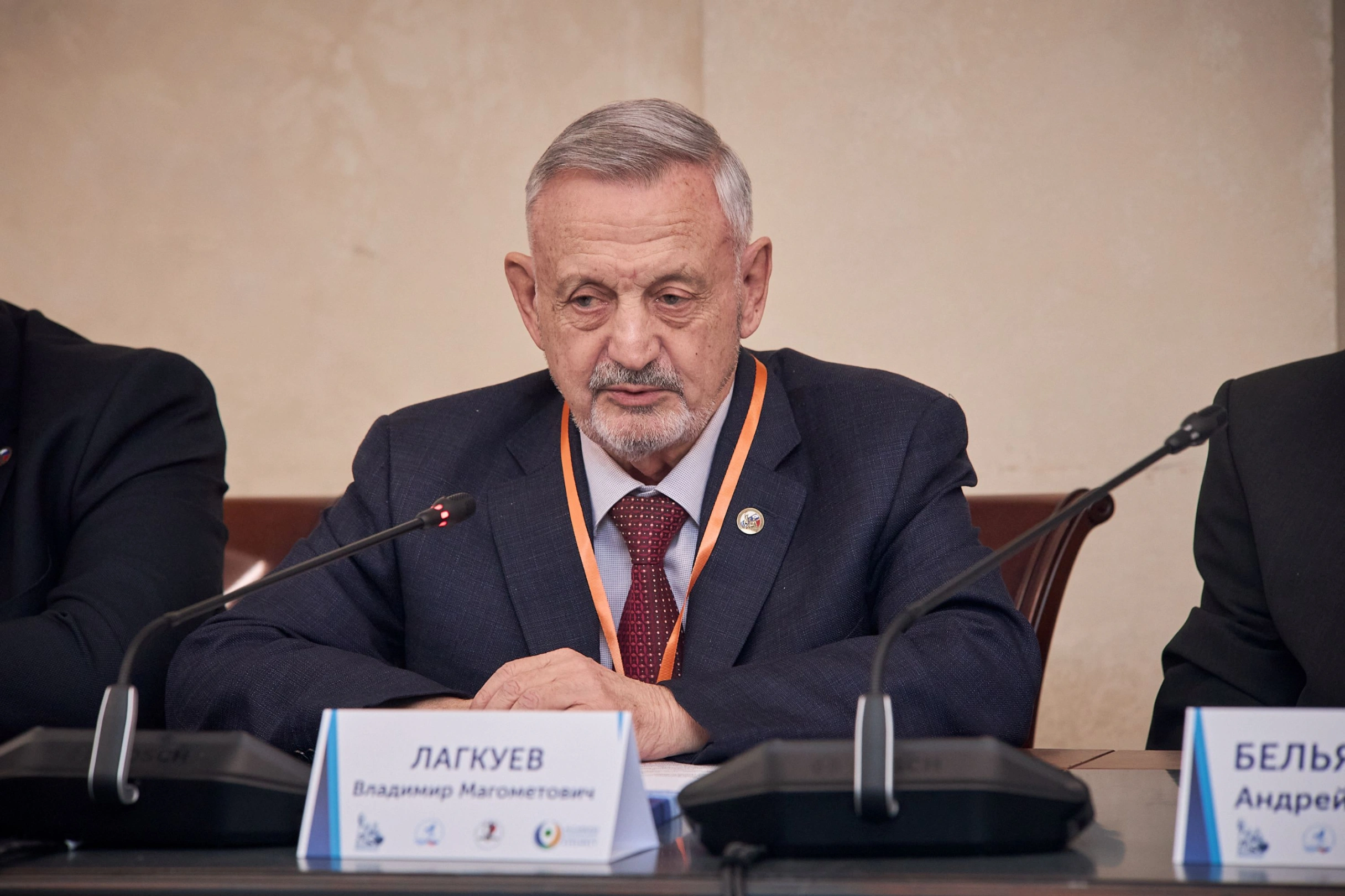
Vladimir Lagkuev, First Deputy Chairman of the Commission of the Civic Chamber of the Russian Federation on Interethnic, Interreligious Relations and Migration, recalled the formation of the “Our Ossetia” movement, created on November 16, 1991, just three days before the start of the Senezh Forum. The initiators of these processes, not yet knowing of each other’s existence, came to a common understanding of the need to unite people of different nationalities. Vladimir Lagkuev emphasized that such a historical exchange of experience should be transformed into modern practical solutions.
Pyotr Tultaev, Chairman of the Council of the Association of Finno-Ugric Peoples of the Russian Federation, focused on the importance of teaching native languages, supporting national literature and respecting the cultural needs of every ethnic group, noting the value of open and balanced dialogue aimed at finding constructive solutions.
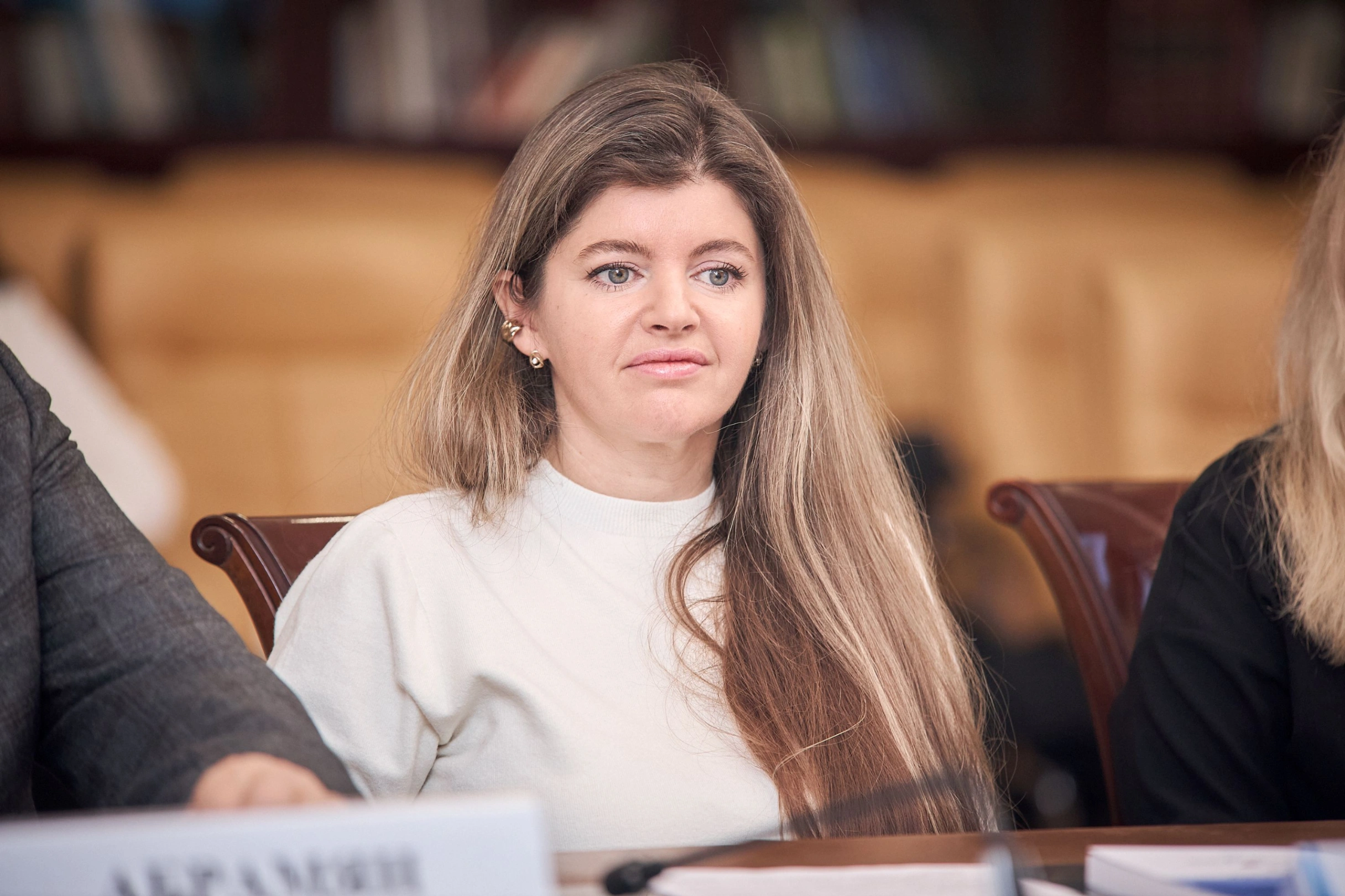
The theme of continuity was developed by Dina Gromatikopolo, Chair of the Youth Assembly of the Peoples of Russia “We Are Russians” and First Deputy Chair of the Senezh Forum. She emphasized that young people should be full co-authors of the common work: generating ideas, creating their own projects and finding modern formats for preserving cultural and spiritual-moral values. In this connection, a proposal was made to support the holding of a new youth forum “We Are Russians.” Svetlana Smirnova recalled that the first such forum took place in 2000 in Udmurtia and became a powerful driver of the movement’s development.
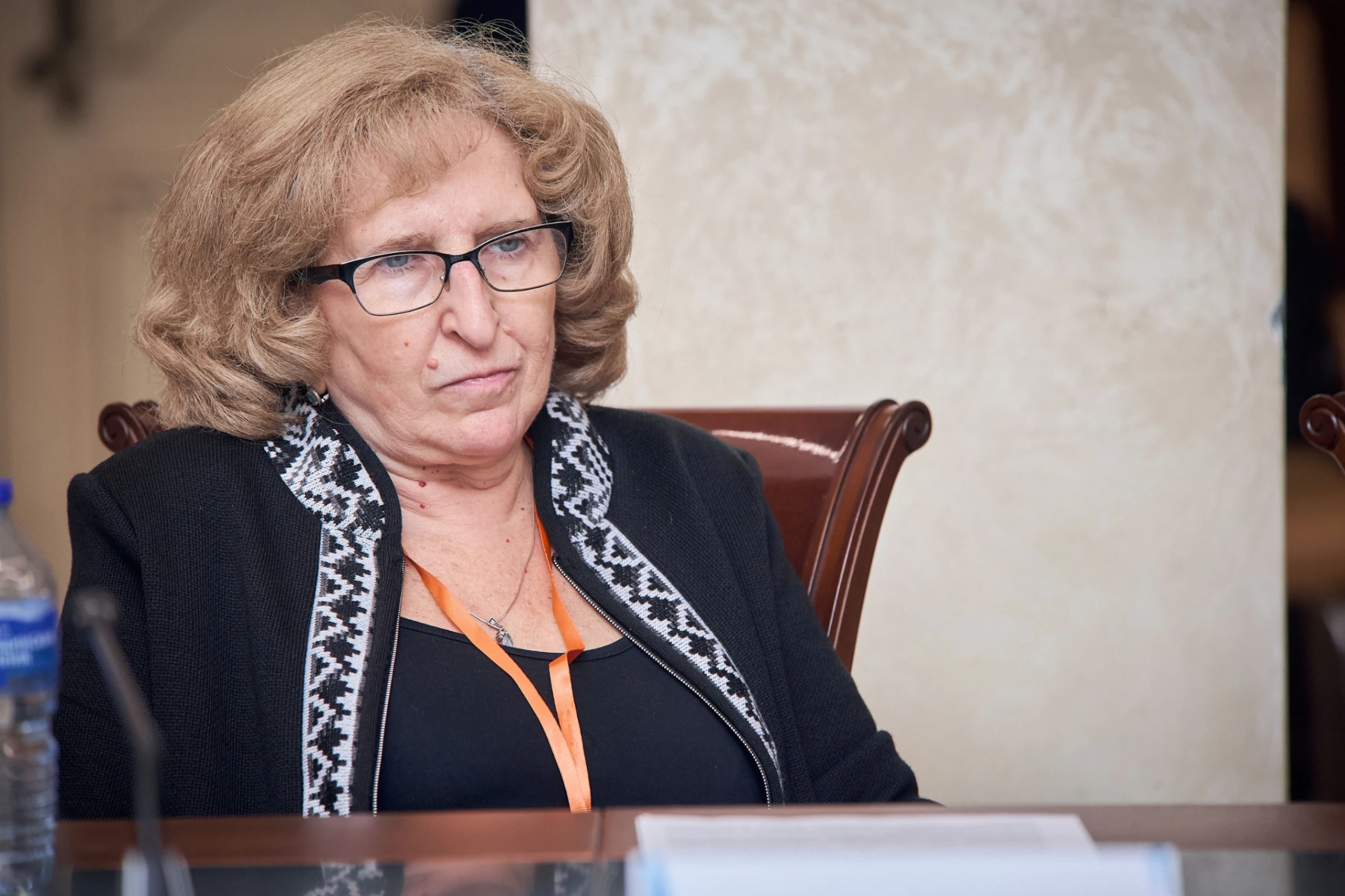
Evgenia Mikhaleva, Director of the Resource Center in the Sphere of National Relations and First Deputy Chair of the Senezh Forum, spoke about her organization’s experience: how a public initiative grew into a system of professional support for the ethnocultural sector. Having started as one of the areas of activity of the Assembly of Peoples of Russia, the center eventually became an independent autonomous non-profit organization whose development directly responds to the needs of regional associations in training, team-building and project management. Thanking Svetlana Smirnova and Sergey Kuchinsky for their assistance, Evgenia Mikhaleva emphasized that the experience of the Senezh Forum’s founders continues to serve as a foundation for helping new public initiatives.
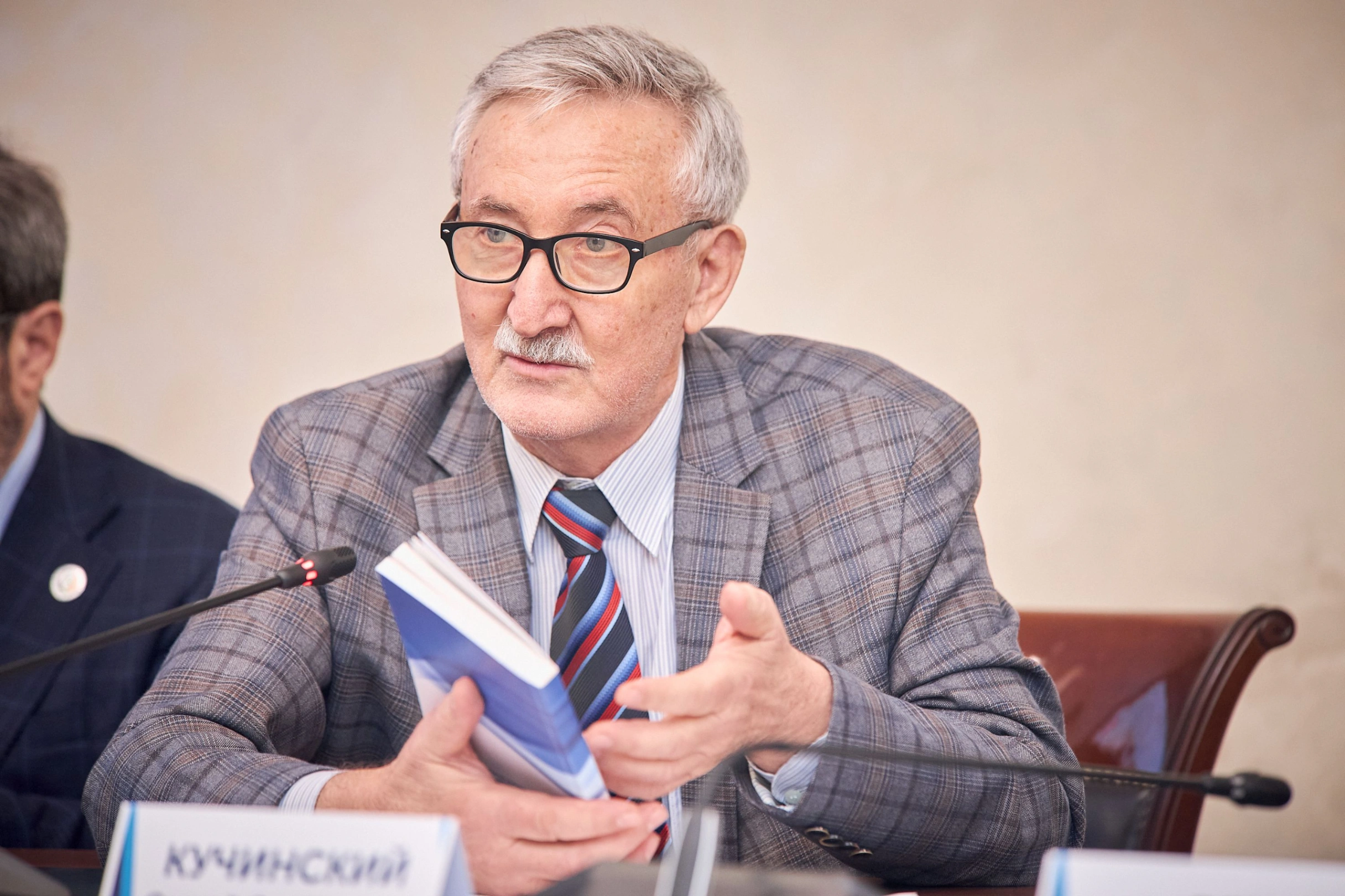
Sergey Kuchinsky, Deputy Chairman of the Presidium of the movement, in turn proposed making the strengthening of partnership between universities and non-profit organizations one of the key areas of the forum’s expert activity. A practical step in this direction was the round table “Ethnostyle of Education (NGOs and Universities)” held on the second day of the VII All-Russian Conference.
A special block of the discussion was devoted to preserving historical heritage. Igor Krugovykh reported that his personal archive contains authentic documents, registers of national-cultural societies and signatures of their leaders. He put forward the idea of ensuring professional storage and systematization of these valuable materials. Sergey Kuchinsky proposed creating a modern Museum of Friendship of Peoples, Interethnic Peace and Harmony. Svetlana Smirnova supported this idea, calling for continued discussion of the museum and library projects jointly with the Assembly of Peoples of Russia.
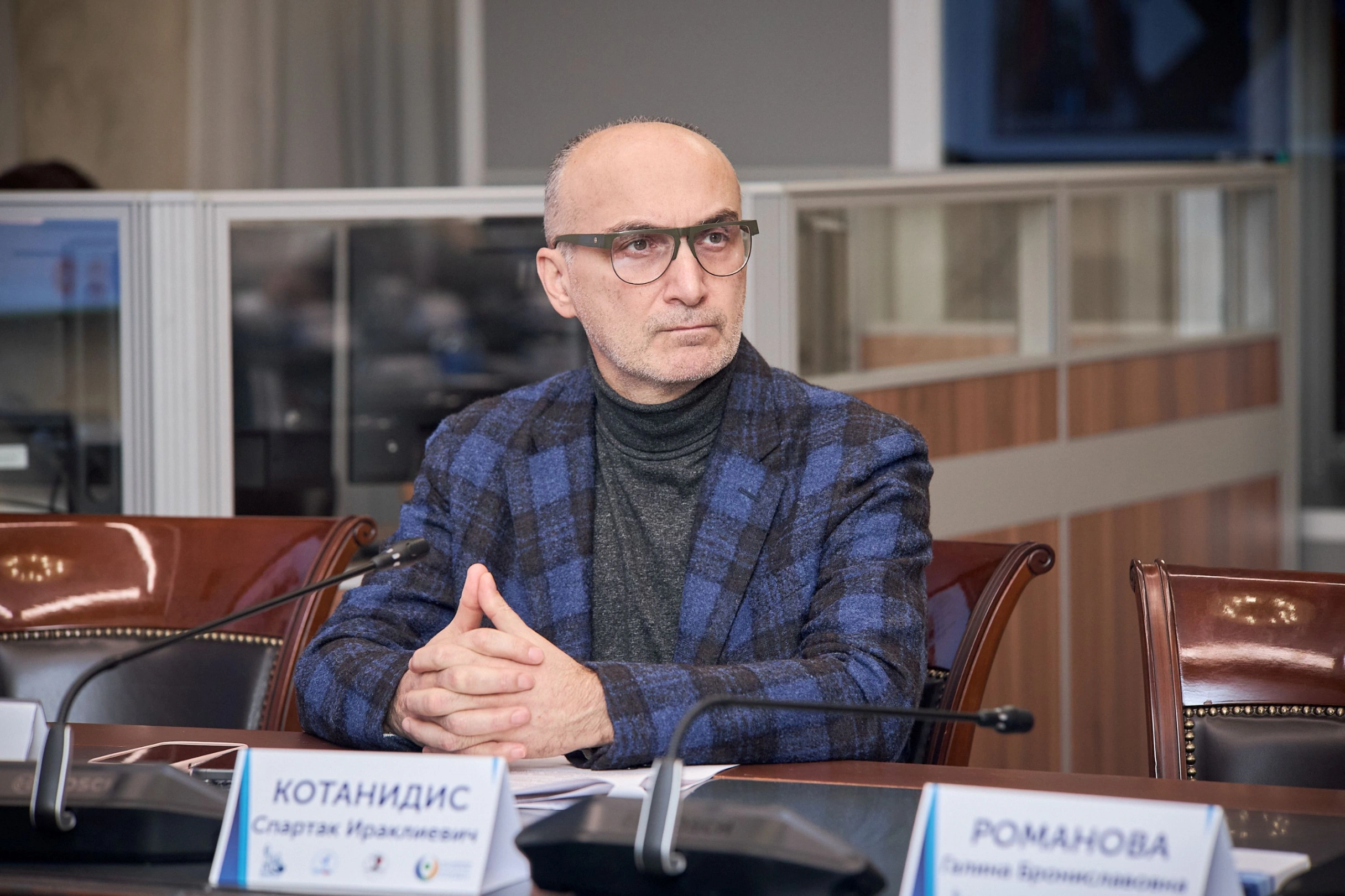
Representatives of national-cultural autonomies and religious associations also confirmed their readiness for further joint work. Spartak Kotanidis, Executive Director of the Federal National-Cultural Autonomy of Greeks of Russia, noted the key role of dialogue in preserving cultural diversity. Vasily Khnoev, President of the Federal Assyrian National-Cultural Autonomy, emphasized the unifying role of Russian culture and the value of many years of interethnic ties. A representative of the Buddhist Traditional Sangha of Russia conveyed a greeting from Dashi-Nima Sodnomdorzhiev, head of the permanent representation of the Sangha in Moscow, and congratulated the movement on its 35th anniversary.
Nazirzhon Abduganiev, Deputy General Director of the Assembly of Peoples of Russia, focused on the importance of carefully treating the legacy of predecessors and achievements in the sphere of interethnic and interreligious harmony, noting that the establishment of the Assembly of Peoples of Russia opened a new stage of constructive interaction between the state and civil society.
Closing the meeting, Alexander Torshin called on participants to maintain optimism and rely on accumulated experience. It was this mood that permeated the entire discussion: the revival of “Eurasian Bridges of Friendship,” the development of expert dialogue and support for humanitarian initiatives will become a worthy practical continuation of the cooperation that began 35 years ago at Senezh.
Additional information is available on the official website of the World Peoples Assembly, on its VKontakte and Telegram accounts, and at media@world-assembly.org.