


 Back to news
From the Philosophy of Ubuntu to the Lessons of Nelson Mandela: Values and Practices of Humanistic Leadership Discussed in Moscow
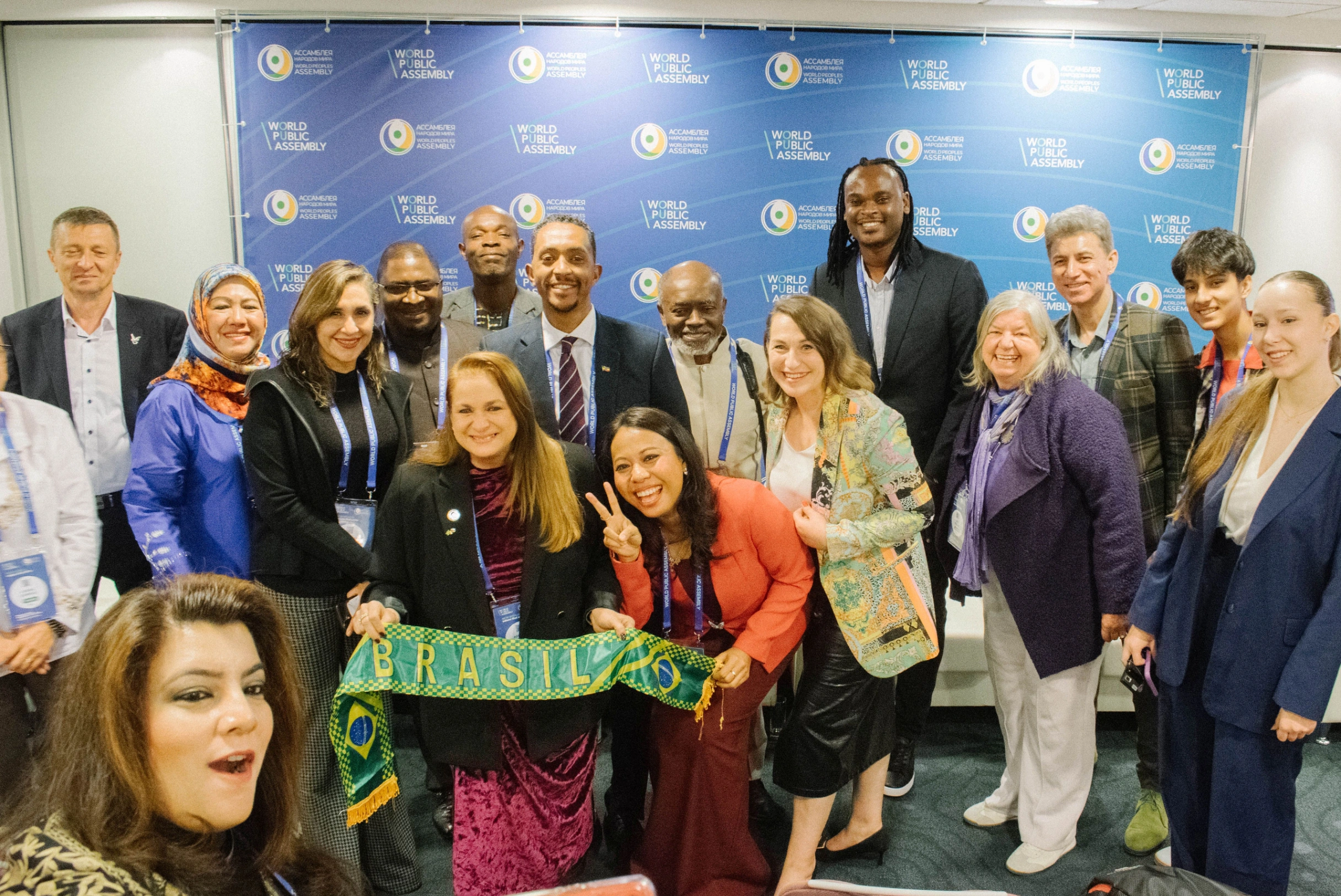
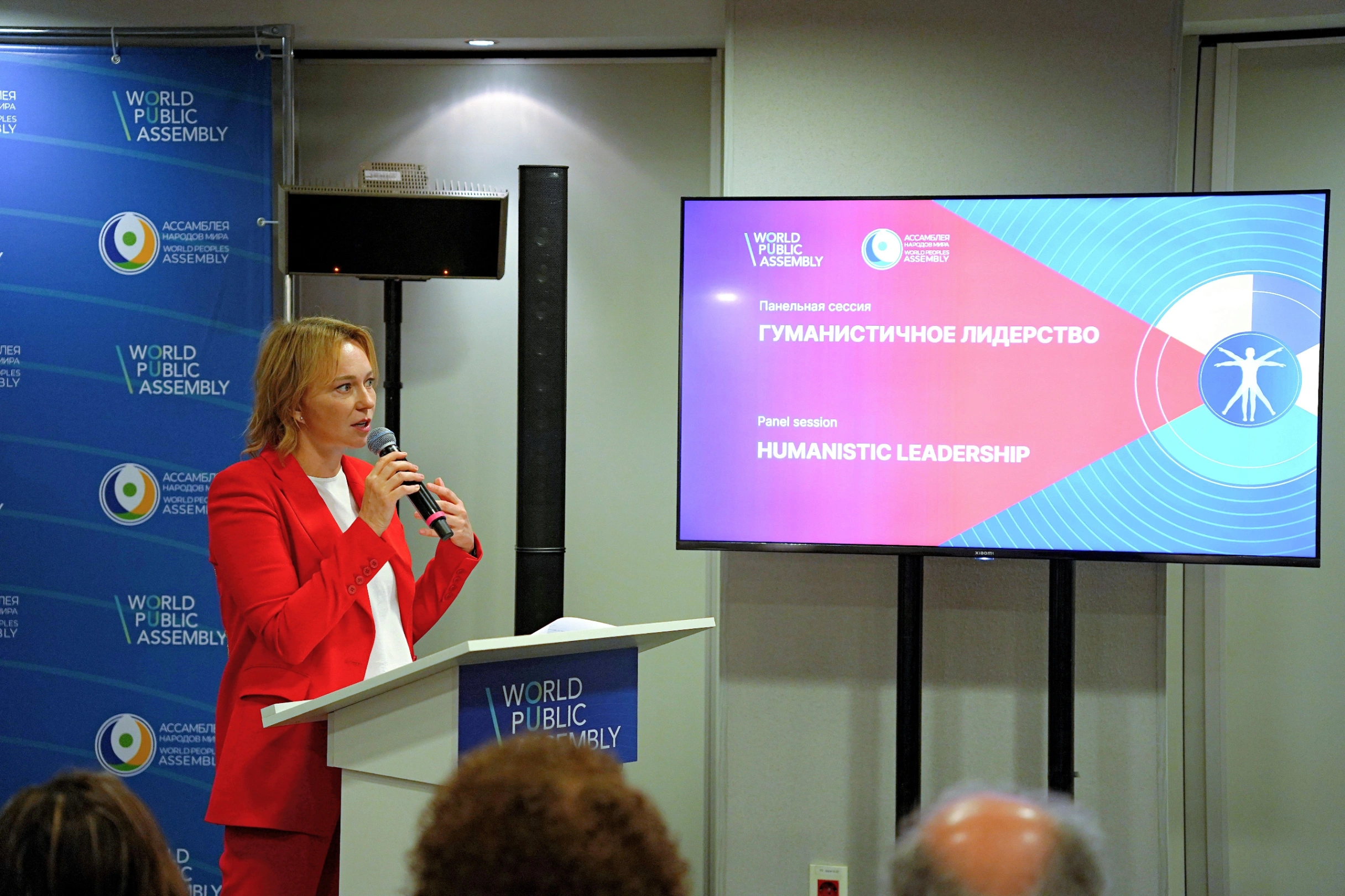
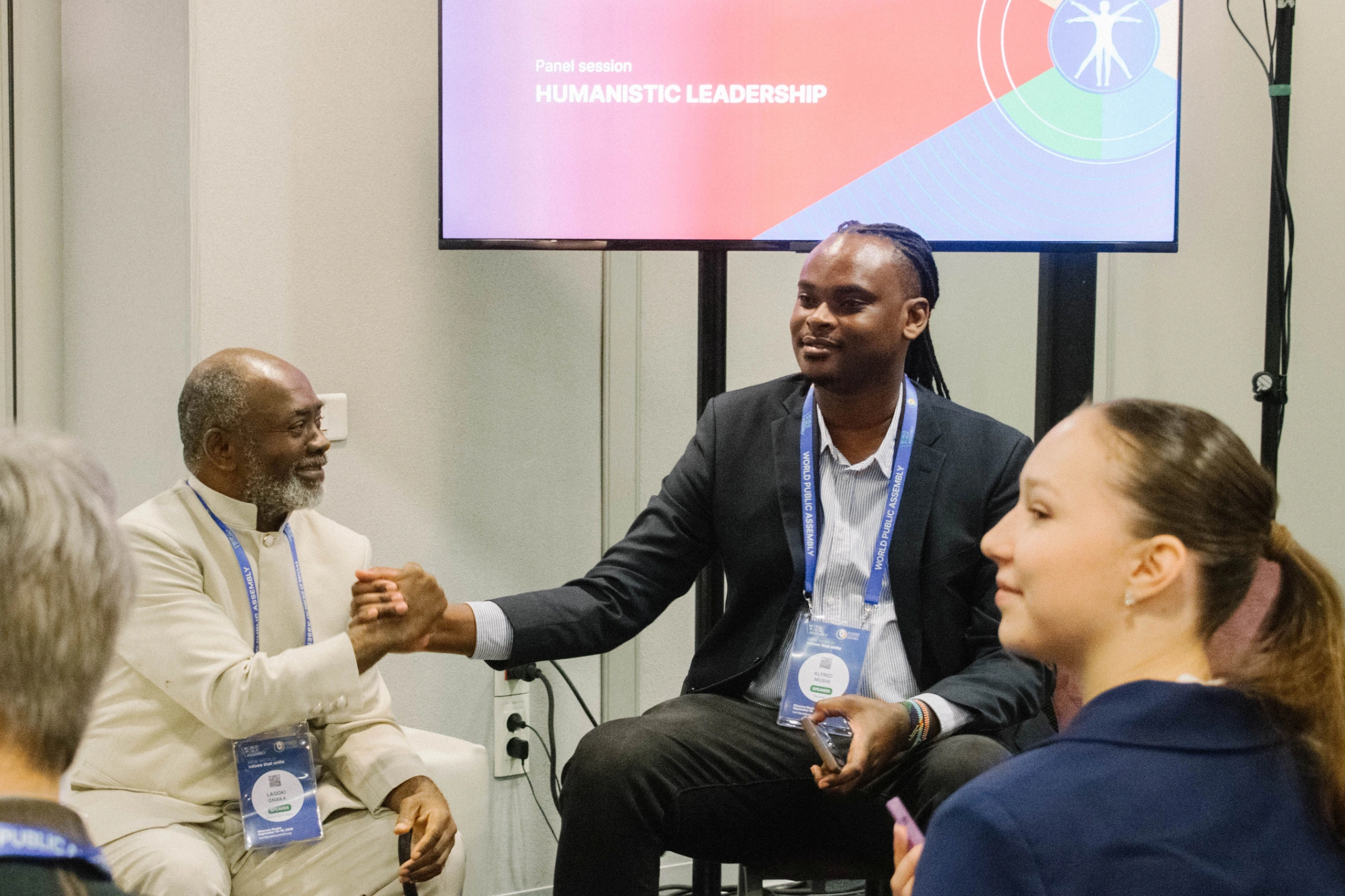
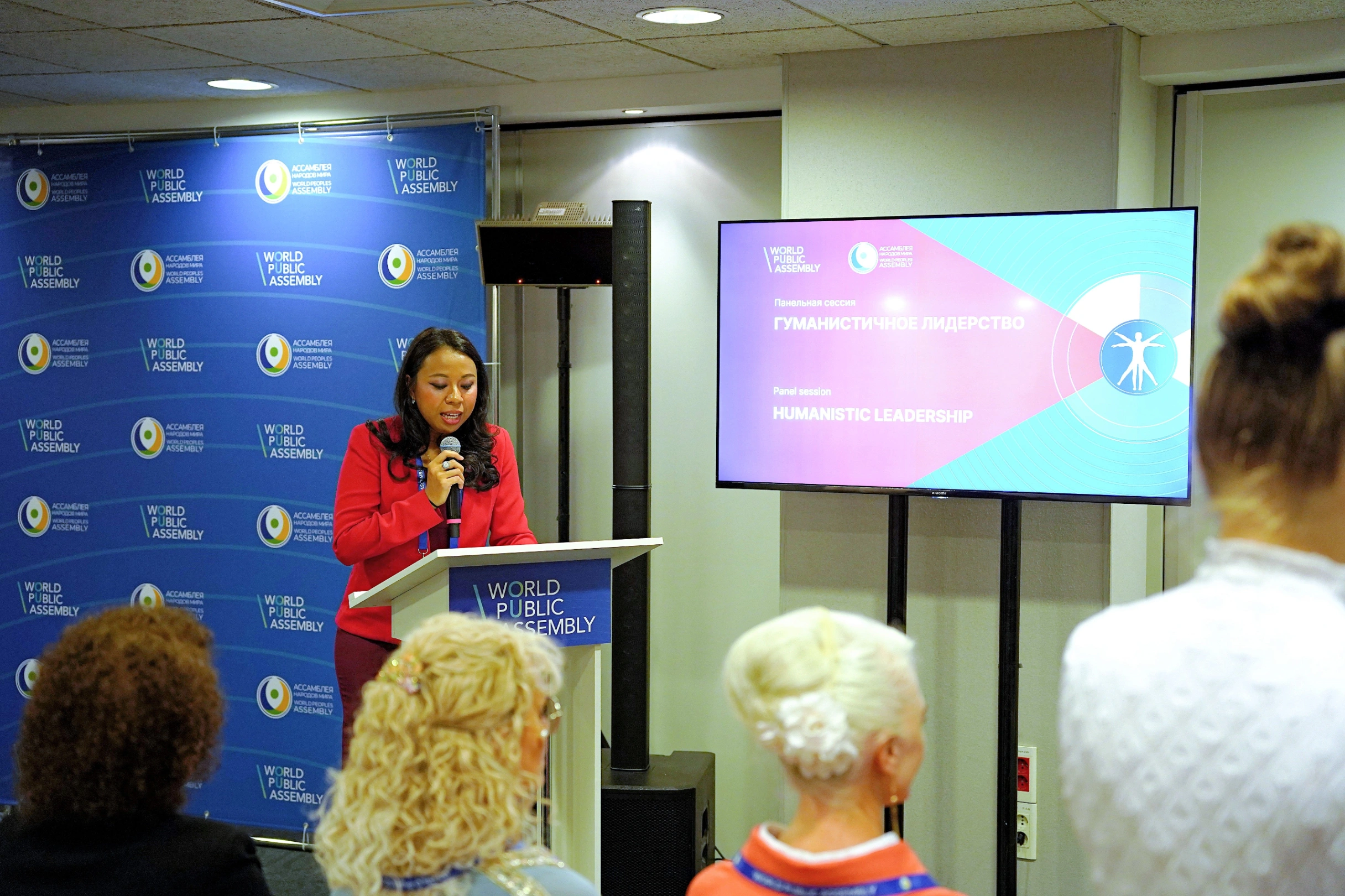
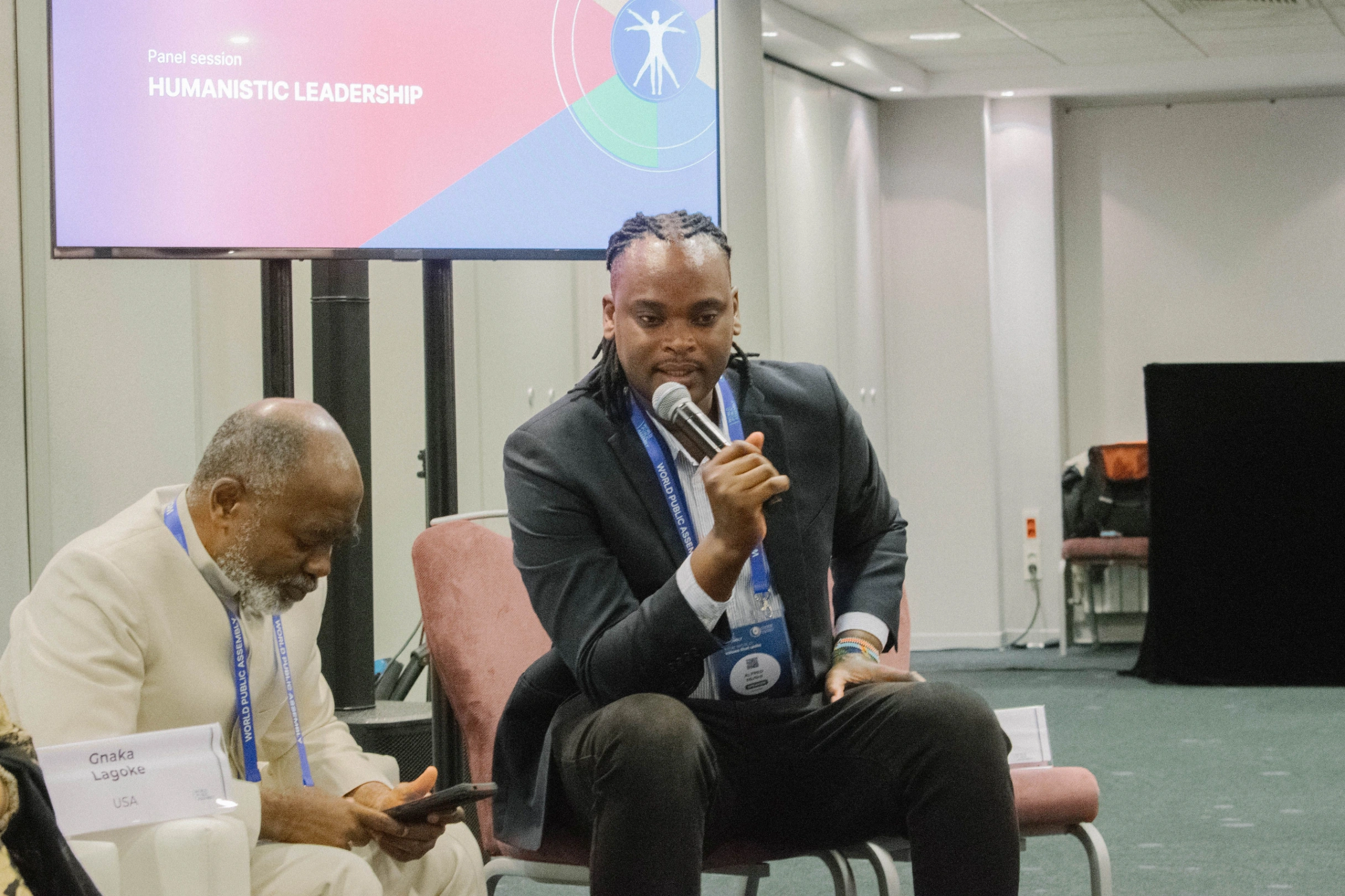
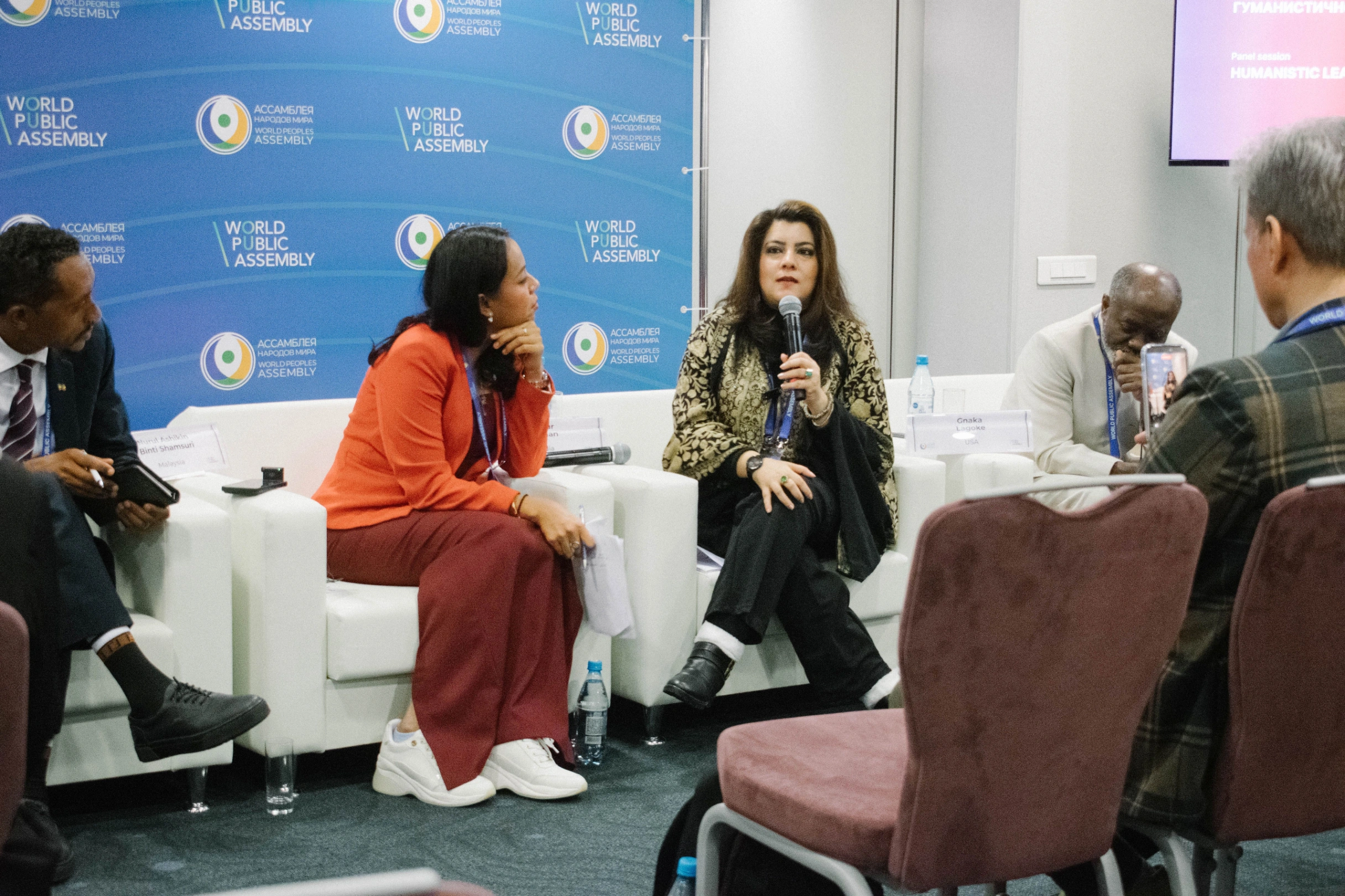
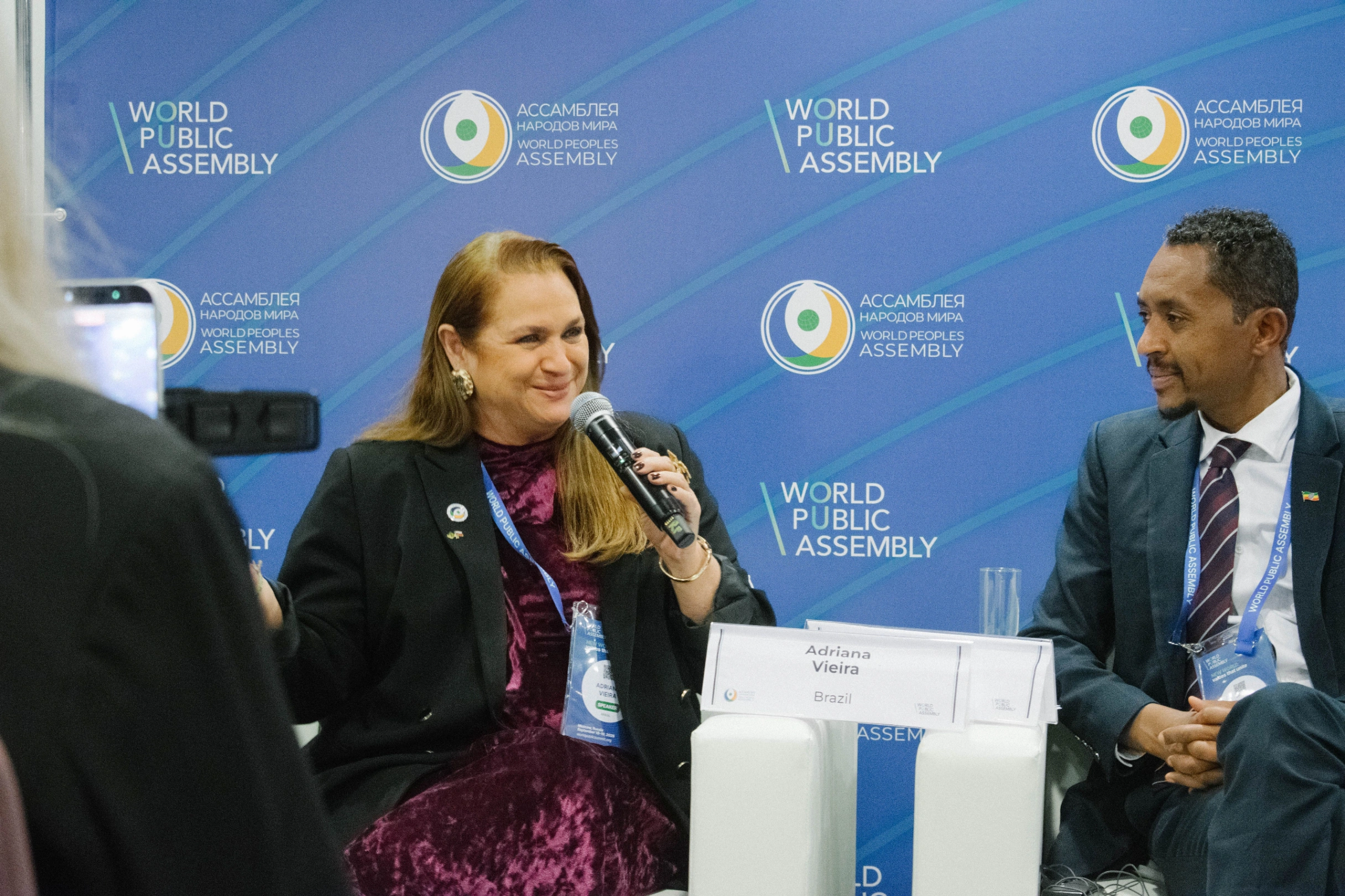
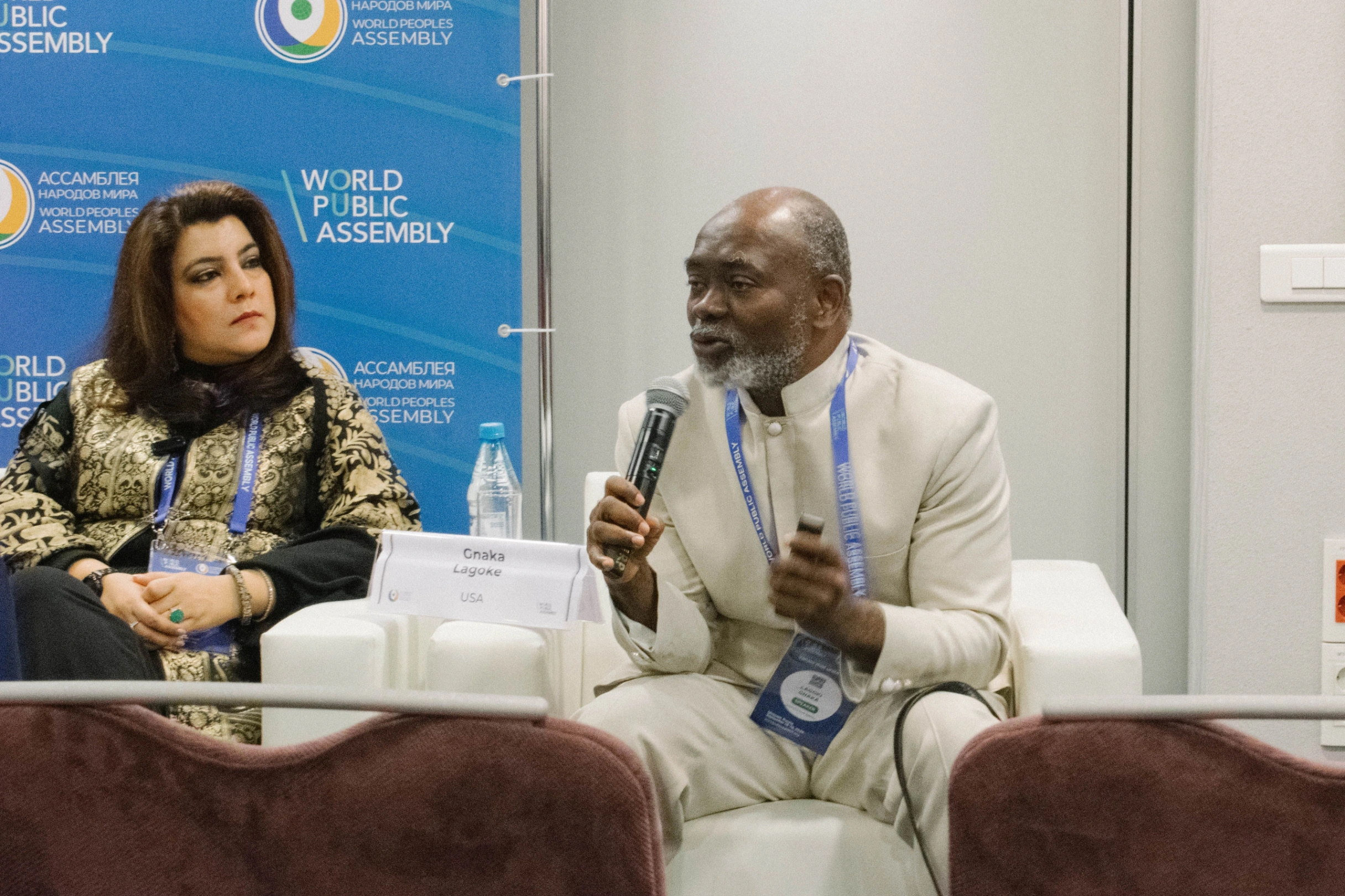
The Panel Session “Humanistic Leadership” was held on September 18, 2026 at the World Trade Center. The event was part of the Second World Public Assembly “New World: Values That Unite” held in Moscow in September 2026.
The participants discussed key aspects of humanistic leadership: which values, personal qualities and ethical principles define a leader today, and how effectiveness can be combined with responsibility for the consequences of decisions. Particular attention was paid to how traditions, education and mentorship in different cultures shape a mature leadership stance, and what lessons can be drawn from the role models of great leaders who devoted themselves to serving society.
The meeting was moderated by Malaysian activist, entrepreneur, communications and human rights expert, and founder of the Fearless Foundation Nurul Ashikin Binti Shamsuri. Opening the session, she noted that, amid rapid social and technological change, leadership that combines professional competence with respect for human dignity, responsible attitudes towards one’s decisions, and a readiness to serve society is especially in demand. Humanistic leadership can unite people around constructive goals, sustain trust and unlock human potential.
Head of the Representative Office of the World Peoples Assembly in Zambia, Executive Director of the Her Voice Foundation Limited Chipata Mavuto Tembo (Zambia) opened the official part of the discussion by quoting Zambia’s first president, Kenneth Kaunda, a follower of the philosophy of humanism: “The human being is at the center”.
In the speaker’s view, despite the achievements of science and technology, humanity has faced serious challenges: the negative influence of social media, growing polarization, the exploitation of entire nations, and environmental destruction.
- We must move away from the tradition of acting for economic growth without achieving happiness for people. Development should be measured not only by GDP growth, but also by how it serves the human being. Human life, its dignity and well-being must be at the center of all decisions, - the expert stated.
Media blogger Ekaterina Velichkina (Russia) presented her view of what a true leader of our time should be:
“A leader is not someone whom people follow, but someone after whom meaning and the right values remain.”.
Tatyana Sizova (Russia), Commissioner for the Protection of the Rights of Entrepreneurs in Moscow, Chair of the Supervisory Board of the Association of Entrepreneurs “Business Assembly”, Chair of the Supervisory Board of the Association of Intellectual Volunteers, member of the Association of Russian-Speaking Coaches, linked new-type leadership primarily with a duty to people and to the space around them.
The speaker heads a business community comprising more than three thousand entrepreneurs, experts and government representatives working to improve the investment climate. According to the expert, during the pandemic it was possible to unite thousands of entrepreneurs on a single online platform (in a chat), including 8,000 representatives of the beauty industry. Tatyana Sizova also shared the story of establishing the world’s first intellectual volunteering organization, which brought together 67 cities in Russia and two countries.
- True leadership is when personal competence is reinforced by care for people, and professional success becomes a foundation for helping others. For me, the state is us, people, each and every one of us, - the expert concluded.
Abdul-Hussain Shaban (Iraq), Vice President of the University of Nonviolence and Human Rights in Beirut, writer and thinker, spoke about the humanistic traditions of Arab culture, citing examples from history: the Quraysh tribe’s decision to protect any person, the Constitution of Medina, which recognized the rights of Jews and Christians, and the laws of Caliph Umar, which guaranteed equality for all faiths.
- Humanity is an essential quality of a leader. True leadership cannot be separated from humaneness, - the writer stated.
Neetu Naidu (India), Director of the law firm Revive Medico Legal in Hyderabad, said that she studied medicine in Russia and learned from her own experience what humanity means. In her view, new-type leadership rests on three simple principles: respect, empathy and growth. She cited Mother Teresa, who never commanded or controlled but became a worldwide symbol of authority, as well as Nelson Mandela, who, after 27 years in prison, chose trust rather than revenge.
Carolina Gaspar Ramirez (Mexico), Director of the "Mexico - Russia" House of Culture, continued the discussion by addressing the topic of artificial intelligence. In her words, a true leader cannot be replaced by technology, because a leader carries values, empathy, understanding and solidarity. Adriana Vieira (Brazil), CEO of InterMídia Comunicação Integrada, emphasized that the foundation of such leadership is continuous learning. It begins with respect for human dignity, honesty, courage and the ability to listen.
- Leaders must acknowledge their vulnerability and learn from others, and the true measure of leadership is not the number of followers, but the number of new leaders a person has nurtured - the expert concluded.
Tariku Negash (Ethiopia), Deputy Director of the international organization Serve Global Inc, drew the audience’s attention to universal challenges: climate change, unemployment, inflation, demographic challenges and the uncertainty associated with artificial intelligence.
He emphasized that a true leader must focus on addressing these challenges, and cited Africa as an example of a region that urgently needs education, infrastructure and integration. At the end of his address, the speaker invited participants to Ethiopia, the birthplace of coffee.
Alfred Mushi (Tanzania), a journalist for Daily Mail Tanzania and founder and chairman of the Kili Voices Foundation, said that he had worked as a journalist in various African countries for 15 years, covering the problems of ordinary people and witnessing how the actions of authorities can lead to suffering among the population. In the expert’s view, a true leader thinks first of all about people, not about themselves:
- A leader is not only someone who speaks the right words. A leader must generate income and resources in order to genuinely help people who need it. If we change the life of even one person, a chain reaction of improvements in society is triggered, - he stated.
Nyaka Lagoke (United States), Professor of Pan-African Studies at Lincoln University and founder of the Ubuntu Philosophy Foundation, devoted his address to the philosophy of Ubuntu. According to this concept, a person becomes human through the participation of other people. The speaker gave three vivid examples: Nelson Mandela, after 27 years in prison, chose the path of national reconciliation; Samantha Smith, an American schoolgirl, wrote a letter to Andropov and thereby contributed to dialogue between the United States and the USSR; and MacKenzie Scott donated billions to charity.
Journalist, writer and founder of the HunarTV Sahar Zaman also took part in the panel session.
During the discussion, participants also addressed how to make unpopular decisions and preserve humanity under conditions of limited resources. Tatyana Sizova noted that a leader’s main resources are personal qualities, family support and inner meaning. Neetu Naidu emphasized that a true leader continues to move forward even when the whole world is against them.
Ekaterina Velichkina shared that she began using social media 11 years ago, when it was unpopular, and still spends two hours every evening replying to each of her followers. Carolina Gaspar noted that a true leader must be able to change their mind and flexibly adapt to people.
At the end of the session, each participant formulated their own definition of humanistic leadership. The words spoken included respect, empathy, understanding, compassion, gratitude and other values that make up true leadership. The participants also exchanged views on practices that help maintain trust and respect for people in public activities, and identified which international initiatives and partnership formats can strengthen a culture of humanistic leadership around the world.
Additional information is available on the official website of the World Peoples Assembly, on its VKontakte and Telegram accounts, and at media@world-assembly.org.