

Innovation as a Foundation for a New Stage of Russia–Africa Cooperation was Discussed in Addis Ababa
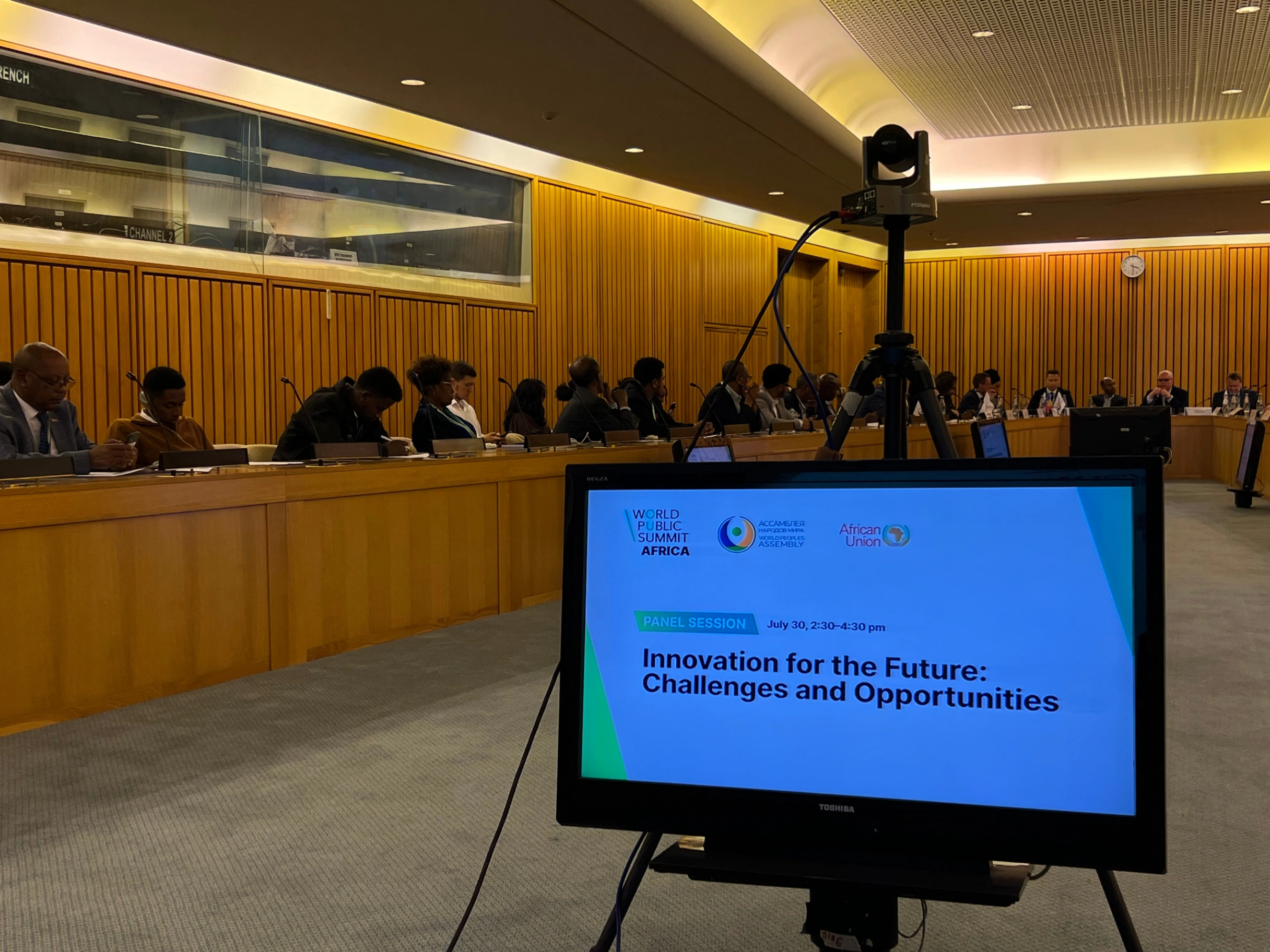
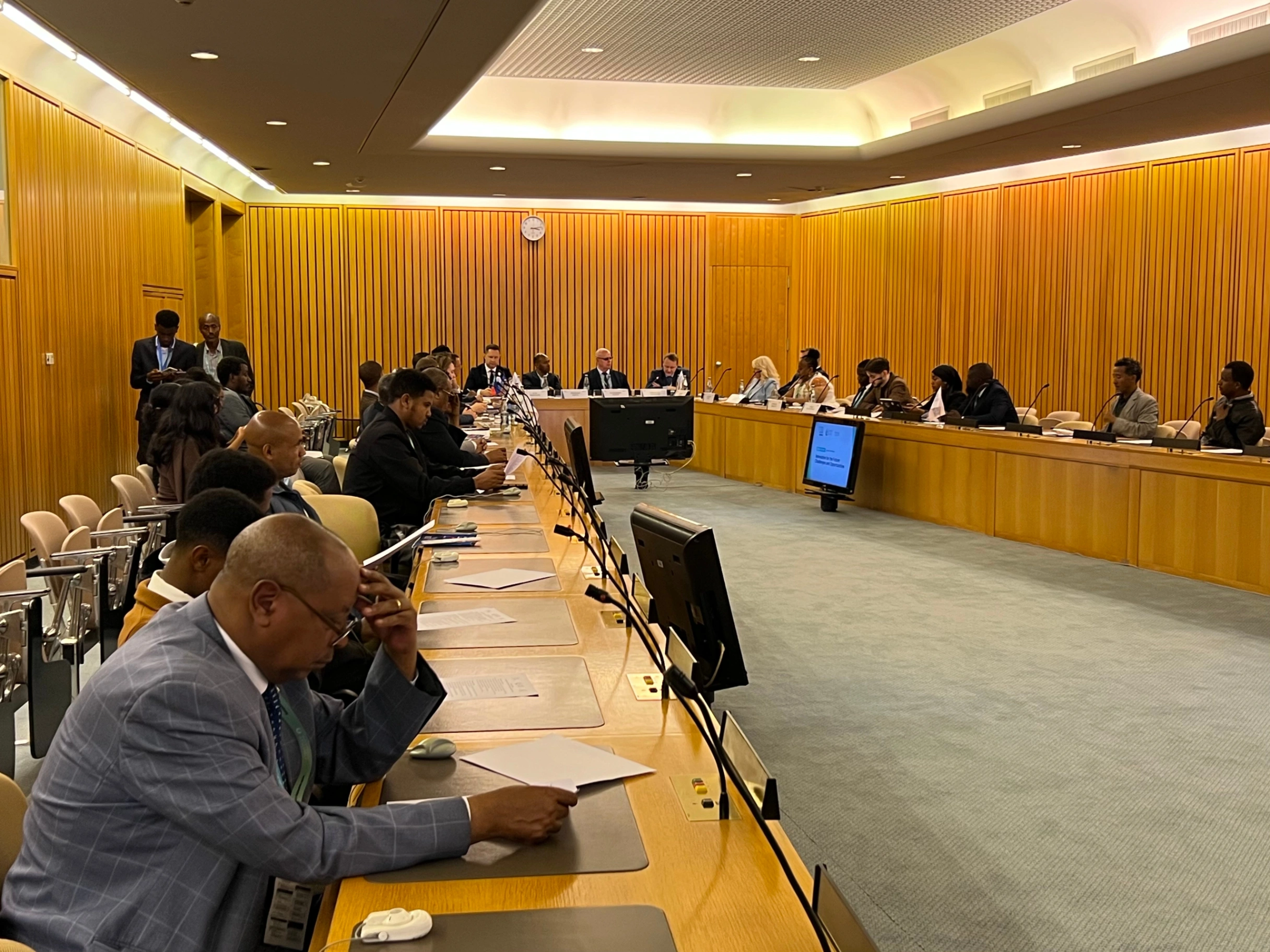
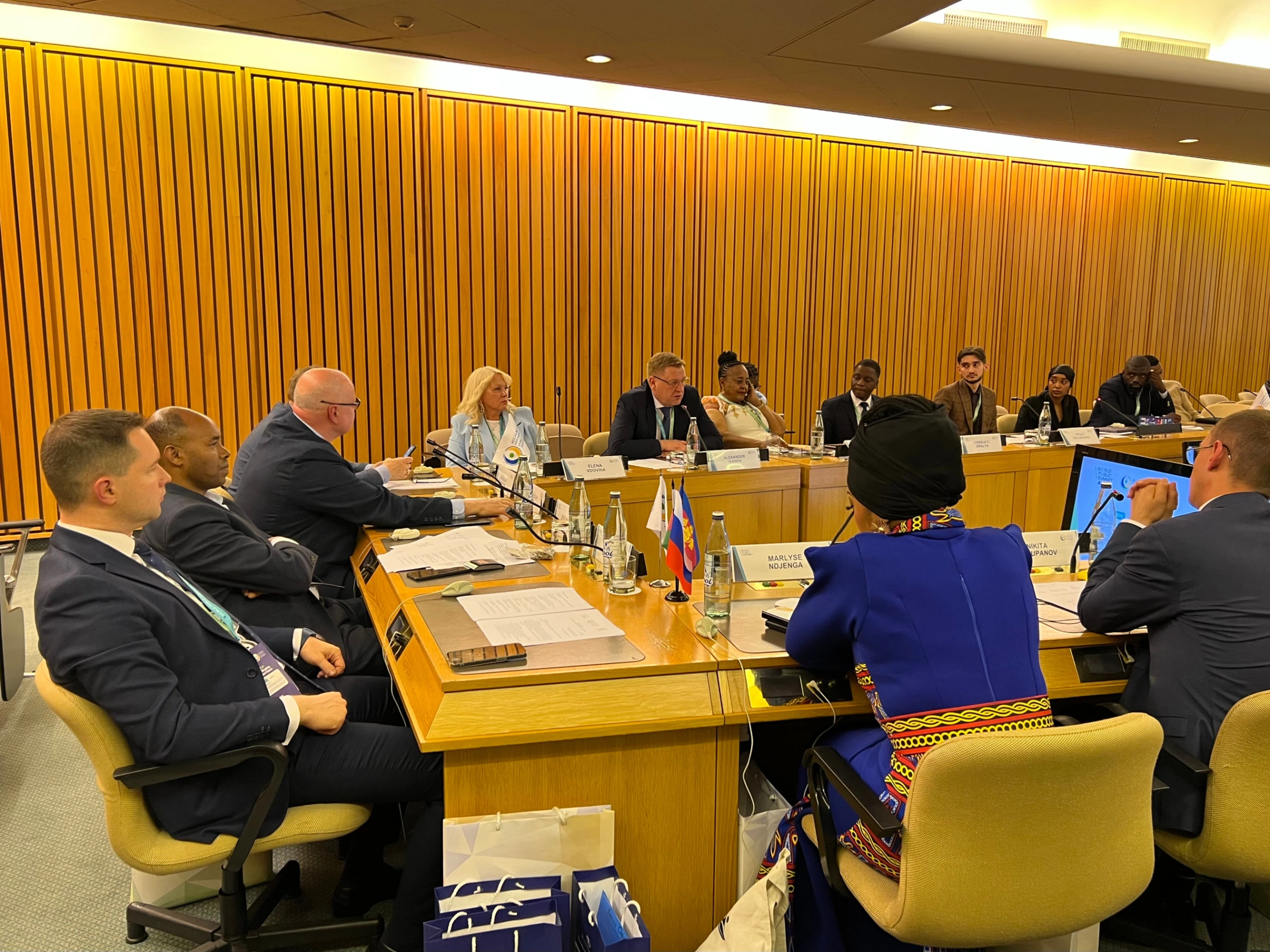
On 30 July 2026, the United Nations Economic Commission for Africa (UNECA) in Addis Ababa hosted a panel session "Innovation for the Future: Challenges and Solutions" held as part of the World Public Summit: Africa. The session was organized by the Council on International Economic Activities of the World Peoples Assembly, in partnership with the African Union.
The discussion was moderated by Alexander Ageev, Deputy Secretary‑General of the World Peoples Assembly, Chairman of the Assembly's Expert Council, and Director General of the International Research Institute for Management Problems. Opening the session, he expressed his conviction that discussing innovation challenges is particularly relevant for the African continent:
– This discussion will be not only substantive but also genuinely practical – with a focus on solutions that can be implemented today.
The panel brought together representatives of government bodies, business, academia and international organizations from Russia, Ethiopia, Zambia, Nigeria, Cameroon and other countries. Participants explored promising areas of Russian‑African cooperation in technology, investment and agribusiness, with particular attention to practical mechanisms for implementing joint projects.
During the discussion, it was noted that contemporary global challenges – ensuring food security, limited access to technology, shifts in global supply chains, climate change and the need for sustainable development – require the formation of new models of international partnership based on innovation, mutual trust and joint investment.
Particular interest was generated by the presentation of Chisala Bwali (Zambia), Director of Research and Development at the Zambia Research and Development Centre, on "Creating Joint Technology Hubs: From Pilot Projects to Sustainable Innovation Ecosystems." He emphasized that "the establishment of cross‑border technology centers will make it possible to combine the scientific potential, entrepreneurial initiatives and investment resources of Russia and African countries, ensuring sustainable development of innovative projects and accelerating technology transfer."
A separate session block was devoted to innovation financing. Mabvuto Tembo Chipata (Zambia), Managing Director of Kandende Safaris, presented a report on "Investment, Venture Capital and the Innovation Ecosystem," in which he examined current models for attracting investment, developing venture capital and creating an enabling environment for joint technology initiatives. In his view, "effective interaction between business, government and financial institutions is a key condition for building sustainable innovation ecosystems on the African continent."
During the discussion, Zakarias Assefa, Secretary‑General of the Addis Ababa Chamber of Commerce and Sectoral Associations, spoke about the priority areas of cooperation most sought after by Ethiopian business, as well as the conditions needed to increase the number of joint projects. Yaroslav Tarasyuk, Trade Representative of the Russian Federation in Ethiopia, presented promising avenues for promoting Russian technologies in African markets and identified the sectors with the greatest potential for partnership development.
Engedayie Eshete, President of IGAD Women in Business, highlighted the role of women's entrepreneurship and inclusive business in shaping the innovation economy of East Africa:
– Today, women's entrepreneurship in East Africa is one of the key factors shaping the region's new economy. When women gain access to business, finance, technology and partnerships, it is not just the local community that benefits – the entire system becomes more resilient, more flexible and truly innovative.
Marise Ndjenga, Editor‑in‑Chief of Valeurs Ajoutées and head of the Afrique Innovate initiative, stressed the importance of trust, international partnership and effective communication between government, business and investors for the development of the innovation ecosystem.
Ilya Shakalov, Deputy of the Legislative Assembly of Krasnodar Krai, emphasized the importance of training qualified personnel and developing educational projects as the foundation of the future economy. Within the framework of regular online meetings with representatives of Russian agribusiness and the financial sector, the leadership of Krasnodar Krai discussed new agricultural technologies, digital solutions, local production launches, the use of biotechnologies and ways to accelerate the implementation of innovations in practice. The approaches developed could help not only strengthen Russia's food security but also deepen cooperation with African countries.
The session also featured the venture studio of Rosselkhozbank, which presented its approaches to supporting innovative agrotechnology projects and developing joint initiatives with partners from African countries.
Panel participants also addressed:
implementation of innovations in the agricultural sector,
development of technologies to improve food security,
improvement of the regulatory framework for international technology cooperation,
the role of the media in promoting innovative projects and attracting investment.
The discussions established a sustainable platform for dialogue between Russian and African participants, showcased the potential of Russian agrotechnologies, identified key areas for cooperation, forged new business contacts, and outlined major barriers and approaches to overcoming them.
The panel session was one of the key business platforms of the World Public Summit: Africa, reaffirming the relevance of international dialogue on innovative development and the formation of new cooperation models for a common future.
As a result of the session, Memoranda of Understanding were signed between the World Peoples Assembly and the Addis Ababa Chamber of Commerce and Sectoral Associations (Ethiopia). Separate memoranda were also concluded between the Chamber and the Russian companies Gremion Plus, Plastilin and EcoFerti. An agreement was reached to establish a working group with the participation of Gremion Plus and Plastilin to prepare a roadmap for promoting their projects through the World Peoples Assembly Business Cooperation Platform.
The overall program of events received high praise for its effectiveness from Yaroslav Tarasyuk, Trade Representative of the Russian Federation in Ethiopia.
In conclusion, participants confirmed the significant potential of Russia‑Africa cooperation in the field of innovation and expressed their readiness to develop joint projects in technology, education, investment and sustainable development. It was noted that building long‑term partnerships, exchanging experience and developing innovation infrastructure can become important factors in strengthening economic ties between Russia and African countries, as well as contributing to the achievement of the Sustainable Development Goals.
Additional information is available on the official websites of the World Public Summits and the World Peoples Assembly.