

International Marathon Brought Together Scientists and Experts from 18 Countries around the World
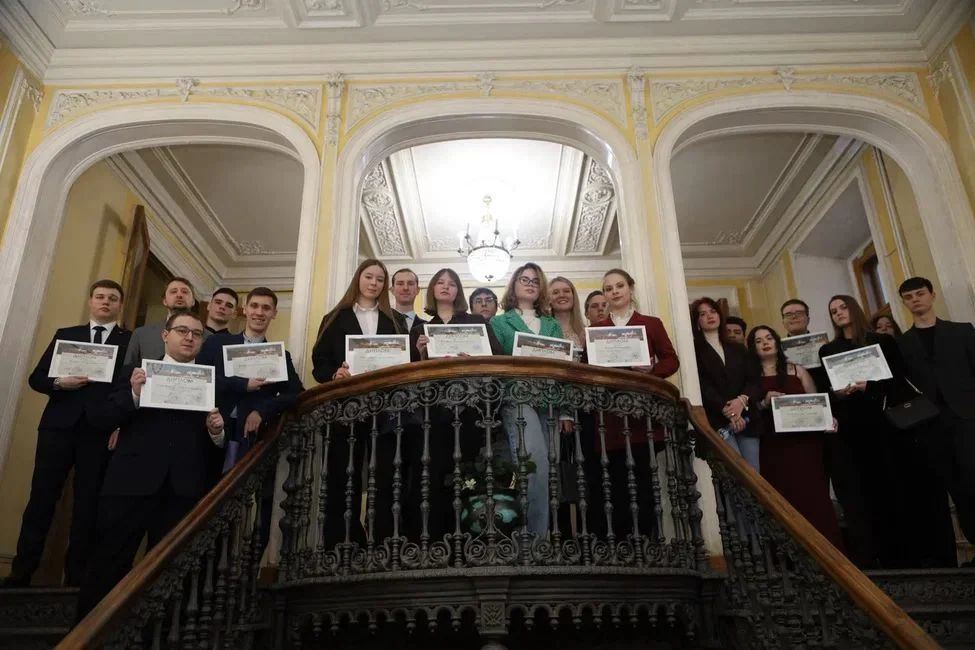
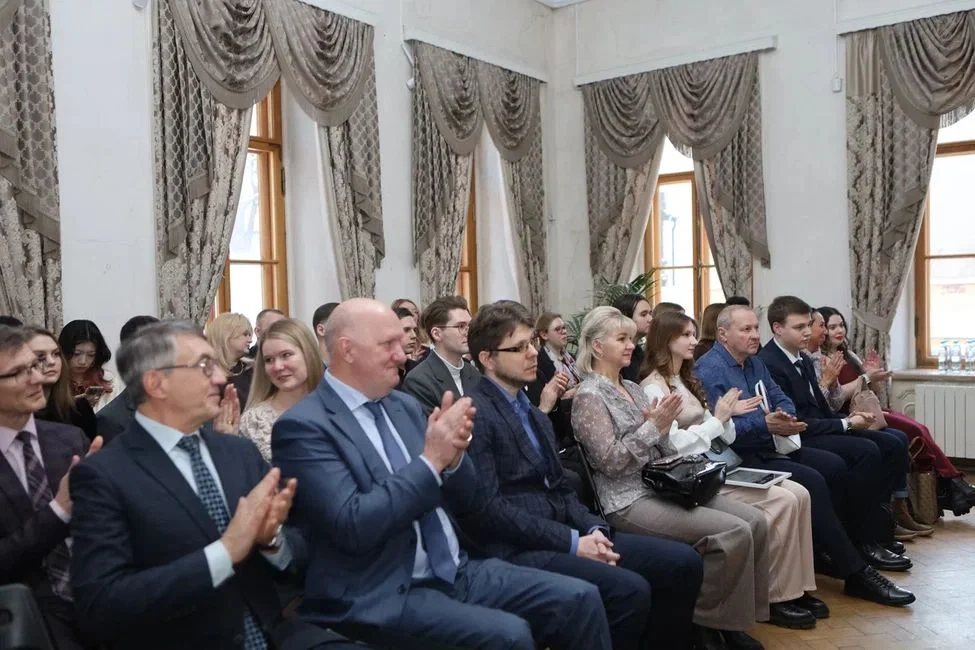
The project "International Marathon 'Scientific Diplomacy: Uniting the World for Cooperation and Development'" – winner of the grant competition "Trust and Unity" of the World Peoples Assembly – was completed in early July 2026.
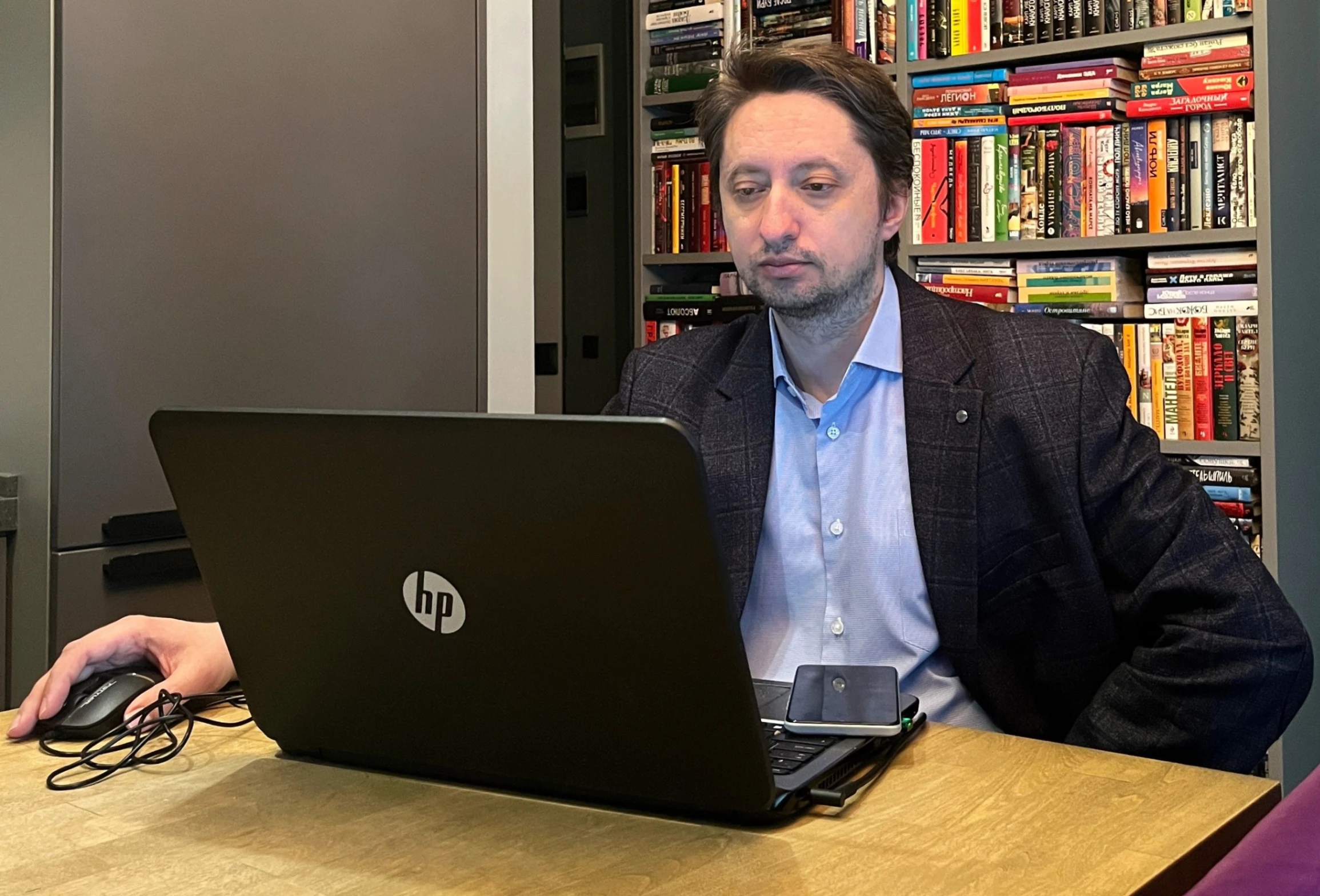
Over the course of several months, the Laboratory of Humanitarian Projects, under the leadership of Candidate of Political Sciences Andrei Gorokhov, conducted a series of international events that brought together scientists, educators, diplomats, young researchers, and public figures.
The marathon program included:
International competition "Best Article by a Young Political Scientist";
International discussion "Scientific Diplomacy: Uniting the World for Cooperation and Development";
International discussion "Artificial Intelligence in Science and Public Life";
International discussion "The History of Scientific Diplomacy: Lessons of the Past and Challenges of the Present."
The project participants included representatives from 18 countries around the world: Russia, Kazakhstan, Belarus, Tajikistan, India, Serbia, China, Austria, Libya, Iraq, Egypt, Syria, Colombia, Mexico, Germany, Switzerland, the United States, and Japan.
Thanks to participation in the implementation of the project, the World Peoples Assembly significantly expanded its circle of international partners. The Assembly plans to continue actively involving them in the implementation of international programs, World Public Summits, the Second World Public Assembly, projects in the field of public and scientific diplomacy, youth cooperation, and humanitarian interaction. The expansion of this international network will make it possible to strengthen public diplomacy, create new opportunities for joint project activities, and form a sustainable community of like-minded people united by a commitment to the development of international cooperation, trust, and mutual understanding.
One of the key outcomes of the project was the establishment of the International Council for the Development of Scientific Diplomacy, which is intended to become a permanent platform for professional dialogue, coordination of joint research, and the development of international scientific cooperation.
Based on the results of the work, recommendations for the development of scientific diplomacy were also prepared, and the declaration "Artificial Intelligence in the Service of Society: For the Advancement of Science and International Cooperation" was adopted, defining common approaches to the responsible use of modern technologies in the interests of society.
Special attention was paid to youth within the framework of the marathon. The international competition "Best Article by a Young Political Scientist" brought together talented authors from different countries, providing them with the opportunity to present their research to the international expert community and become part of a professional network of young scientists.
According to the organizers' assessment, the project demonstrated a high level of demand for scientific diplomacy as a space for open dialogue, where representatives of states with different scientific schools and public traditions can discuss current challenges of our time and jointly seek ways to address them.
— The project confirmed that scientific diplomacy today is one of the most effective tools for developing international humanitarian cooperation, strengthening trust, and building sustainable professional ties between representatives of different countries, — the organizers note.
Additional information is available on the official website of the World Peoples Assembly and at media@world-assembly.org.