

International Media Forum “Media in the Service of Humanity” to Bring Together Experts from Around the World to Discuss Principles of Responsible Journalism
The International Media Forum “Media in the Service of Humanity” will be held on September 18, 2026, as part of the Second World Public Assembly “New World: Values That Unite” (September 18–19, Moscow, World Trade Center). This landmark event will bring together journalists, editors, media managers, and experts from the USA, the UK, Austria, France, India, Finland, Brazil, Mexico, Cameroon, Egypt, Kenya, Tanzania, Bulgaria, and Russia.
The International Media Forum will serve as a professional platform for an open conversation about the mission of modern journalism, professional responsibility, role models in media, the impact of artificial intelligence, international media cooperation, and the role of media in shaping the image of a shared future.
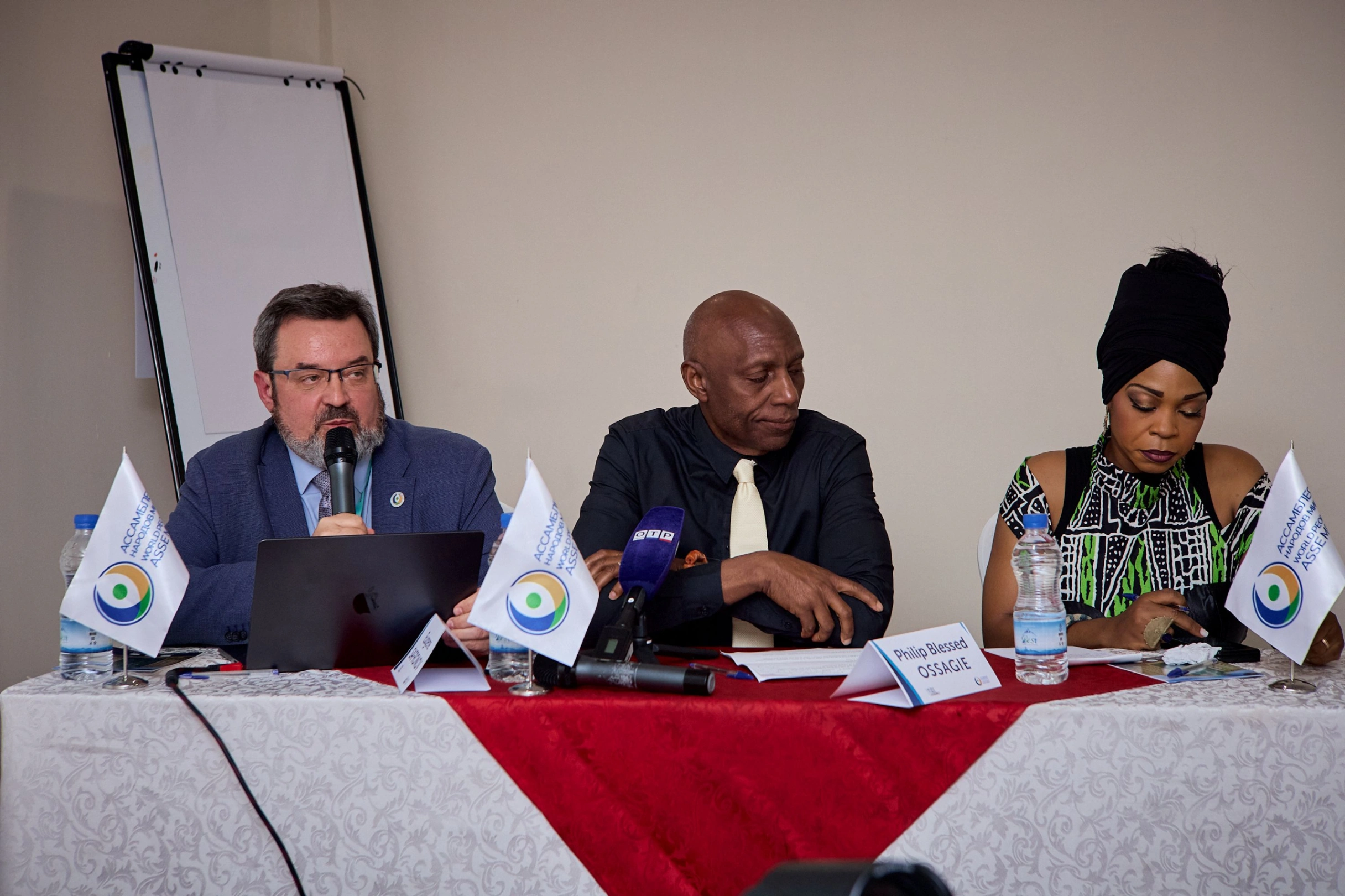
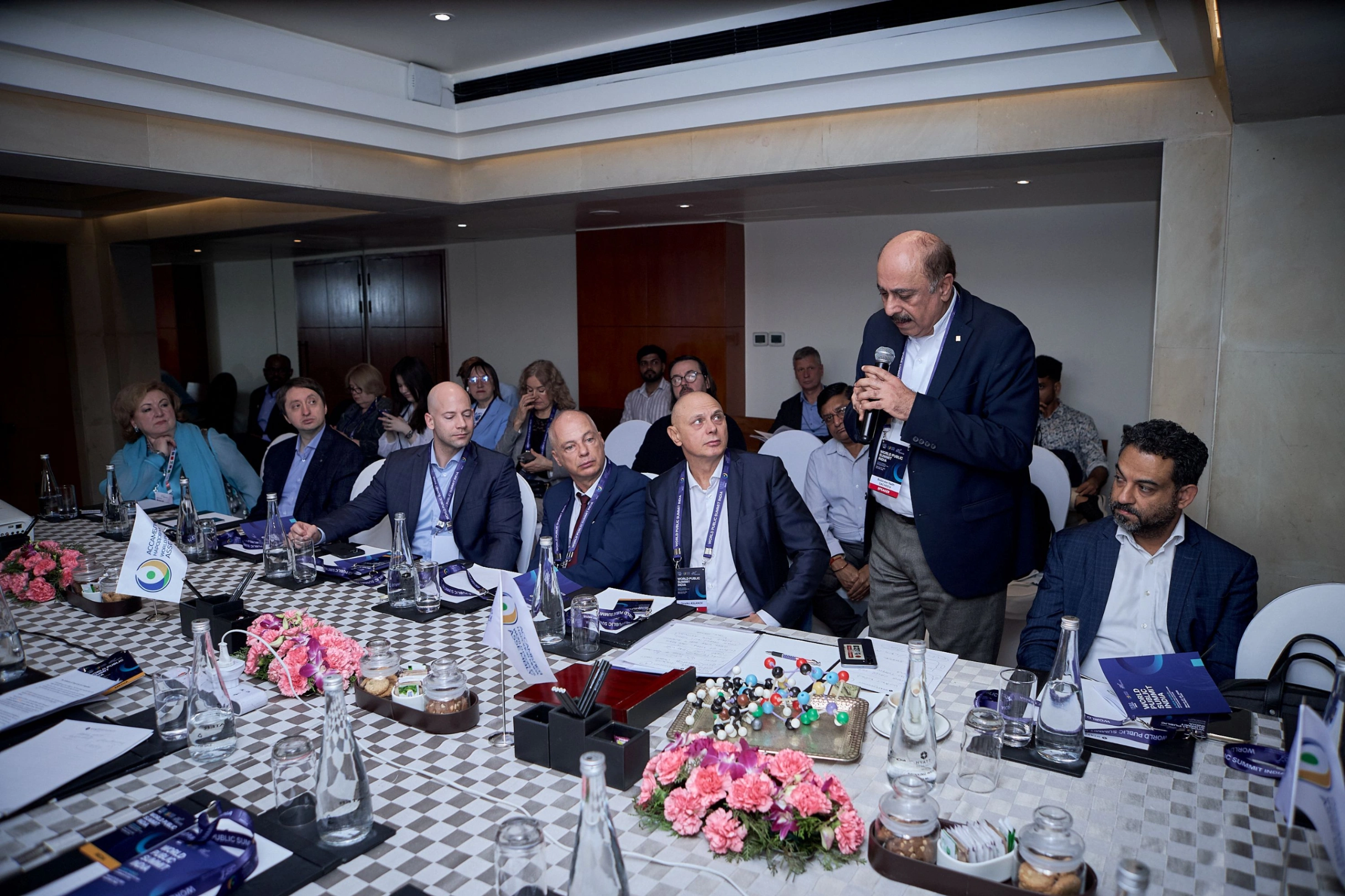
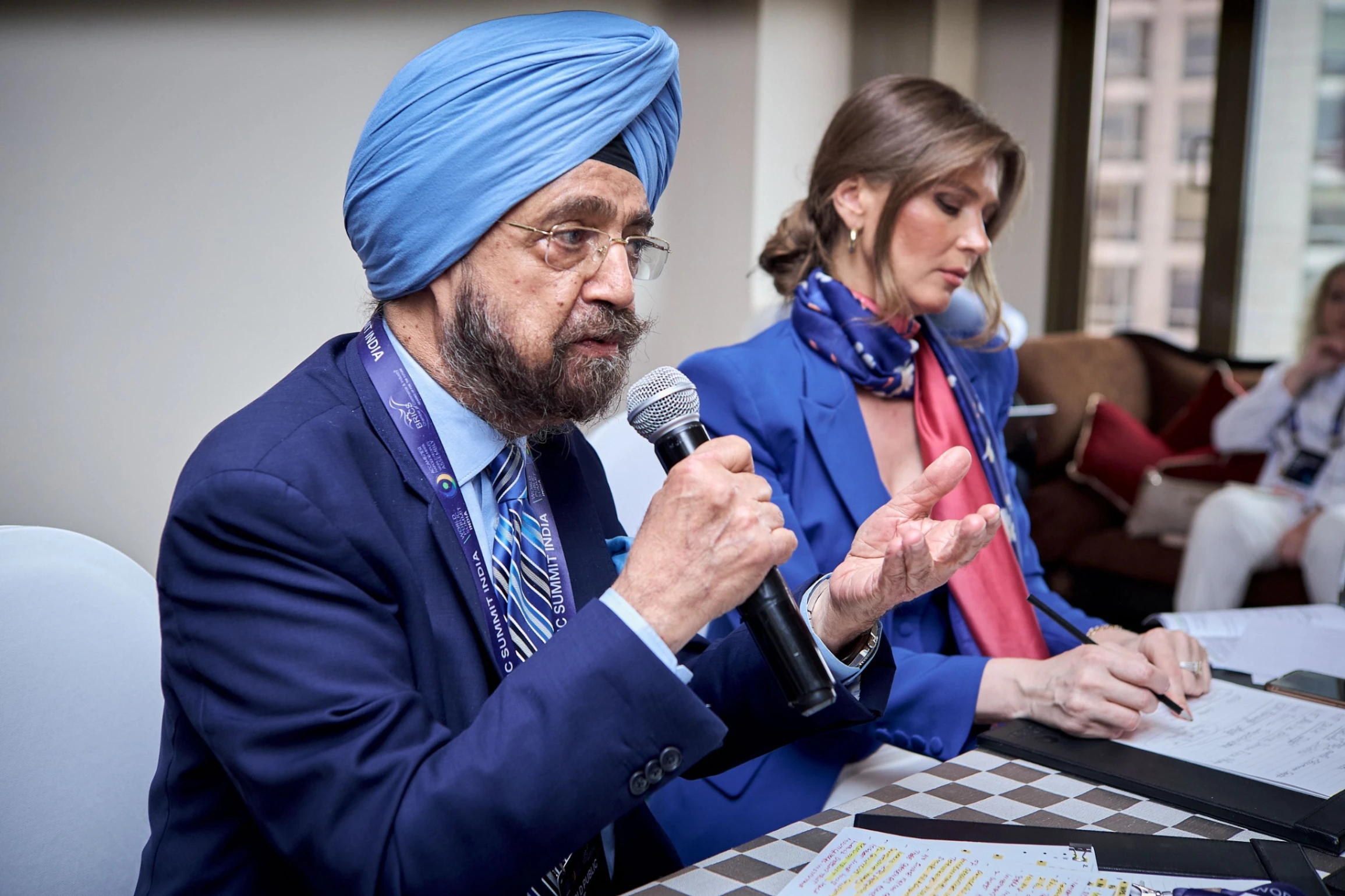
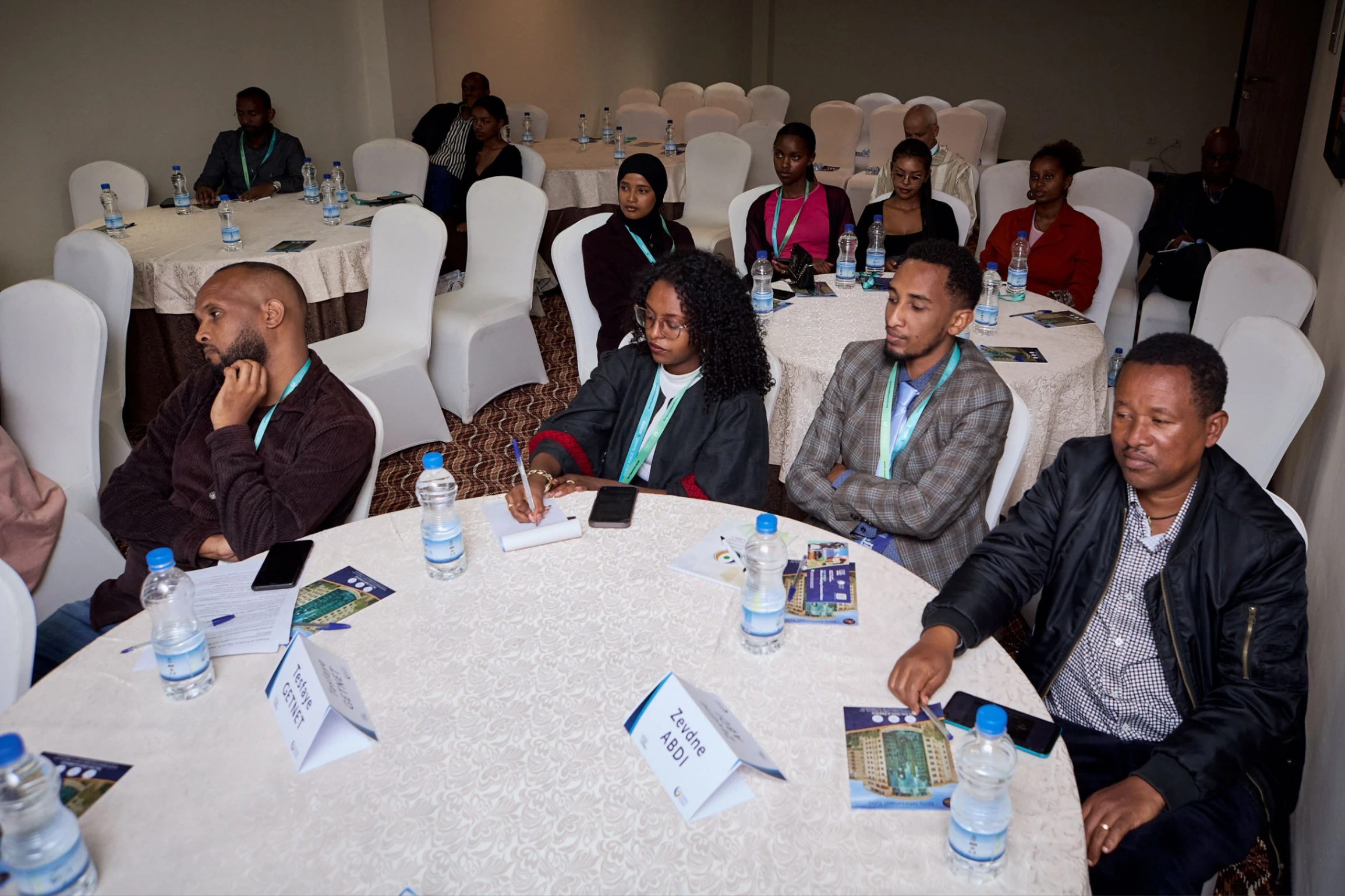
The event will continue the international professional dialogue initiated in 2026 by the International Media Club of the World Peoples Assembly. Recall that the first meeting of the International Media Club took place in April 2026 as part of the World Public Summit: India. The professional dialogue continued in June at the World Public Summit: Latin America, and in July at the World Public Summit: Africa.
— Modern media are among the key spaces for shaping public meanings, trust, and people’s perceptions of what is happening in the world. The rapid development of digital technologies and artificial intelligence expands the possibilities of journalism while simultaneously increasing the requirements for the reliability of information, professional ethics, and responsibility for published content.
The information agenda is largely determined by the events of the day, but journalism can see long-term processes behind them, find unifying meanings, and create space for a conversation about what we want the world to look like for future generations, the organizers believe.
Among the key topics of the Media Forum:
Media and Trust
How is audience trust in the media changing? What is the journalist’s responsibility in the context of the high speed of information dissemination? Where is the line between public interest, freedom of speech, and professional ethics? How can complex and sensitive topics be covered while maintaining accuracy, objectivity, and respect for the individual?Journalism as Service: Professional Guidelines and Role Models
In the history of journalism in various countries, there are individuals whose professional stance has become a moral benchmark for subsequent generations. Their names remain in history thanks to their devotion to the profession, responsibility to the individual and society, and the ability to strengthen trust and mutual understanding.
Which journalists, editors, and publicists in different countries have become guides of unifying values? What professional and human qualities allow a journalist to become a role model? Which traditions and standards of journalistic ethics are important to preserve and pass on to the new generation of media professionals? Who is shaping new guidelines for the profession today?Media and the Image of a Shared Future
Modern journalism is largely focused on the fast-paced news agenda. At the same time, media are capable of seeing long-term processes behind the events of the day, finding unifying meanings, and creating space for a conversation about the future.How can media speak about a shared future beyond the immediate news agenda? What topics, values, and meanings can unite people from different countries and cultures? How can we talk about the future in the language of cooperation, creation, and responsibility? What place should the interests of future generations occupy in the information agenda? What responsibility do media bear for the image of the future they shape in public consciousness?
Artificial Intelligence and the Reliability of Information
How is artificial intelligence changing editorial processes and the journalistic profession? Who is responsible for the reliability of content created using artificial intelligence? How can the origin of information be verified, manipulations and deepfakes be identified? What new standards of fact-checking and professional responsibility are needed by modern newsrooms? How can the human dimension of journalism be preserved amid the development of new technologies?International Media Cooperation
How can journalists from different countries maintain professional dialogue and a space of trust? How does interaction between international, national, and local media help address socially significant tasks? What is the role of journalism in preserving historical memory and cultural heritage and in developing mutual understanding between peoples? What joint international media projects can contribute to fostering a culture of cooperation and a shared image of the future?
The discussion will be moderated by journalist, TV presenter at Pan African Media TV, and host of the international analytical program Global Insights, Clarissa Weidorven (Cameroon).
Among the participants:
Andrey Belyaninov (Russia) — Secretary General of the World Peoples Assembly;
Sergey Lomakin (Russia) — journalist, TV presenter, Director of the Special Projects Directorate of Russian Public Television (OTR), host of the program “Vzglyad” in 1987–1990;
Ashraf Aboul-Yazid Eldali (Egypt) — journalist, writer, poet, translator, Secretary General of the Congress of African Journalists;
Rifat Sabitov (Russia) — Chairman of the Commission of the Civic Chamber of the Russian Federation on the Development of the Information Community, Media and Mass Communications, Deputy Director General — Head of the Regional Department of VGTRK, member of the board of the National Association of Broadcasters, Honored Journalist of the Russian Federation;
Christopher Helali (USA) — independent journalist, researcher, political and geopolitical analyst;
Peter Kuznick (USA) — American historian, Professor of History at American University in Washington, Director and Founder of the Nuclear Studies Institute, Oliver Stone’s co-author on the documentary series and book “The Untold History of the United States”;
John Warren (UK) — journalist, TV presenter;
Alfred Mushi (Tanzania) — journalist, editor of Daily Mail Tanzania;
Sahar Zaman (India) — journalist, TV presenter, writer, founder of Hunar TV;
Svetlana Sharenkova (Bulgaria) — member of the Supreme Advisory Council of the World Peoples Assembly, Chair of the “Bulgaria — Russia” forum;
Adriana Vieira (Brazil) — journalist, public figure, leader of public diplomacy;
Sakari Linden (Finland) — journalist, international and geopolitical analyst, author of Naapuriseuran Sanomat;
Elisabeth Heresch (Austria) — writer, publicist, translator, researcher of the history and culture of Russia;
Lorena Carreño (Mexico) — President of the Mexican Association of Media and Marketing;
Eric Bigon (Kenya) — Editor-in-Chief of KBC Digital, Kenya Broadcasting Corporation;
Evgeny Safronov (Russia) — Head of the Media Center of the World Peoples Assembly;
Dmitry de Coquet (France) — public figure, journalist.
Following the International Media Forum, the “Principles of Responsible Journalism” will be formulated — professional recommendations reflecting issues of information reliability, journalistic ethics, the use of artificial intelligence, responsibility to the individual and society, the preservation of professional guidelines, and the development of international media cooperation.
The key ideas and proposals of the Media Forum participants will be presented in the information space of the Second World Public Assembly “New World: Values That Unite.”
The World Peoples Assembly is an international union of non-governmental organizations that forms a humanitarian platform for cooperation among the peoples of the world based on trust, mutual respect, and shared values.
Start at 2:30 pm (Moscow time).
Media Accreditation
To participate in the Media Forum, it is necessary to register for the World Public Assembly with media status via the link.
Additional information by e-mail: media@world-assembly.org.
Contact person: Oksana Leontyeva.
Additional information — on the official websites of the World Public Summits and the World Peoples Assembly.