

Coco Chanel, Digital Business and Saving the Aral Sea: Moscow Discussed How Women’s Leadership s Changing the World
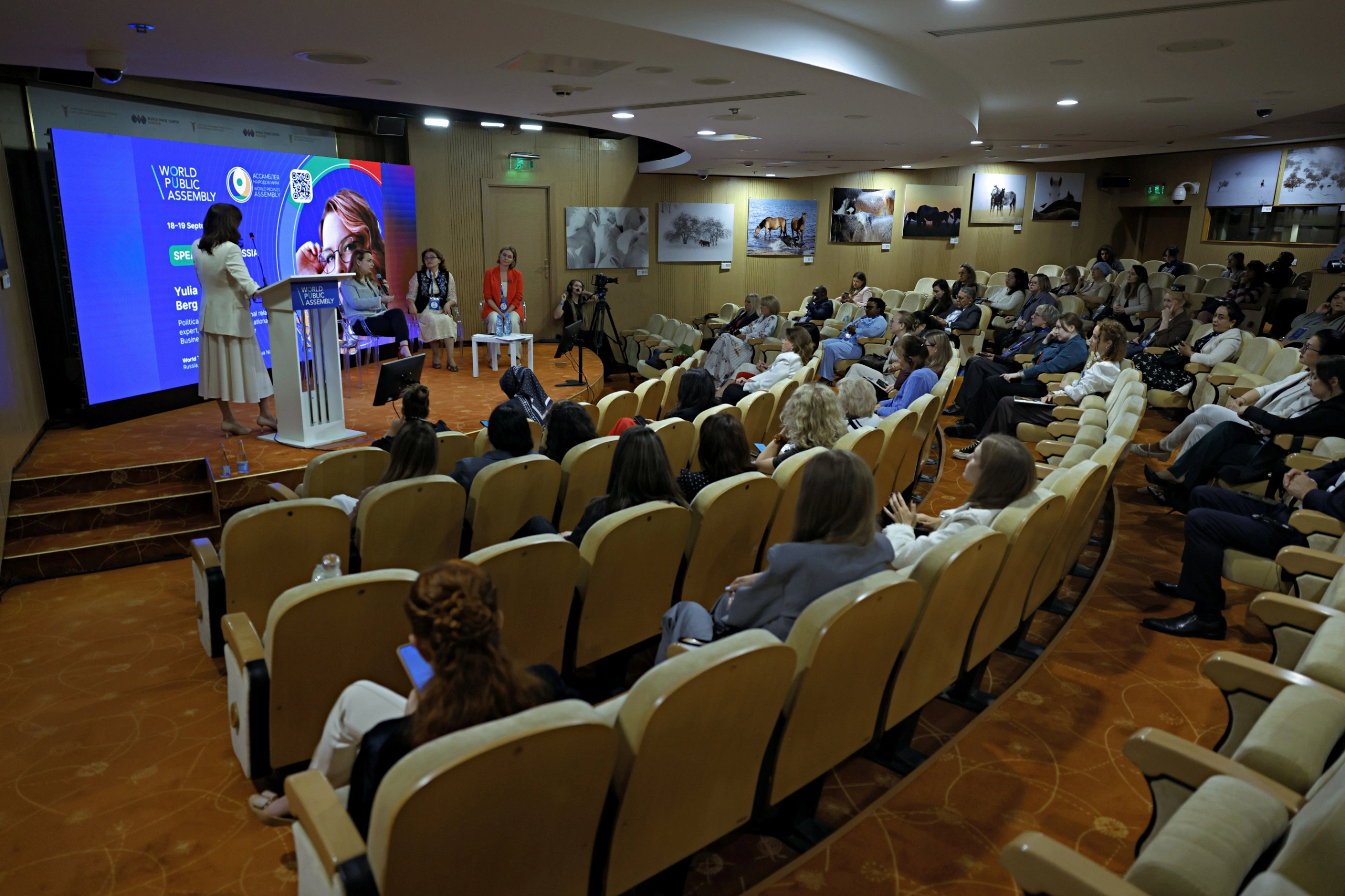
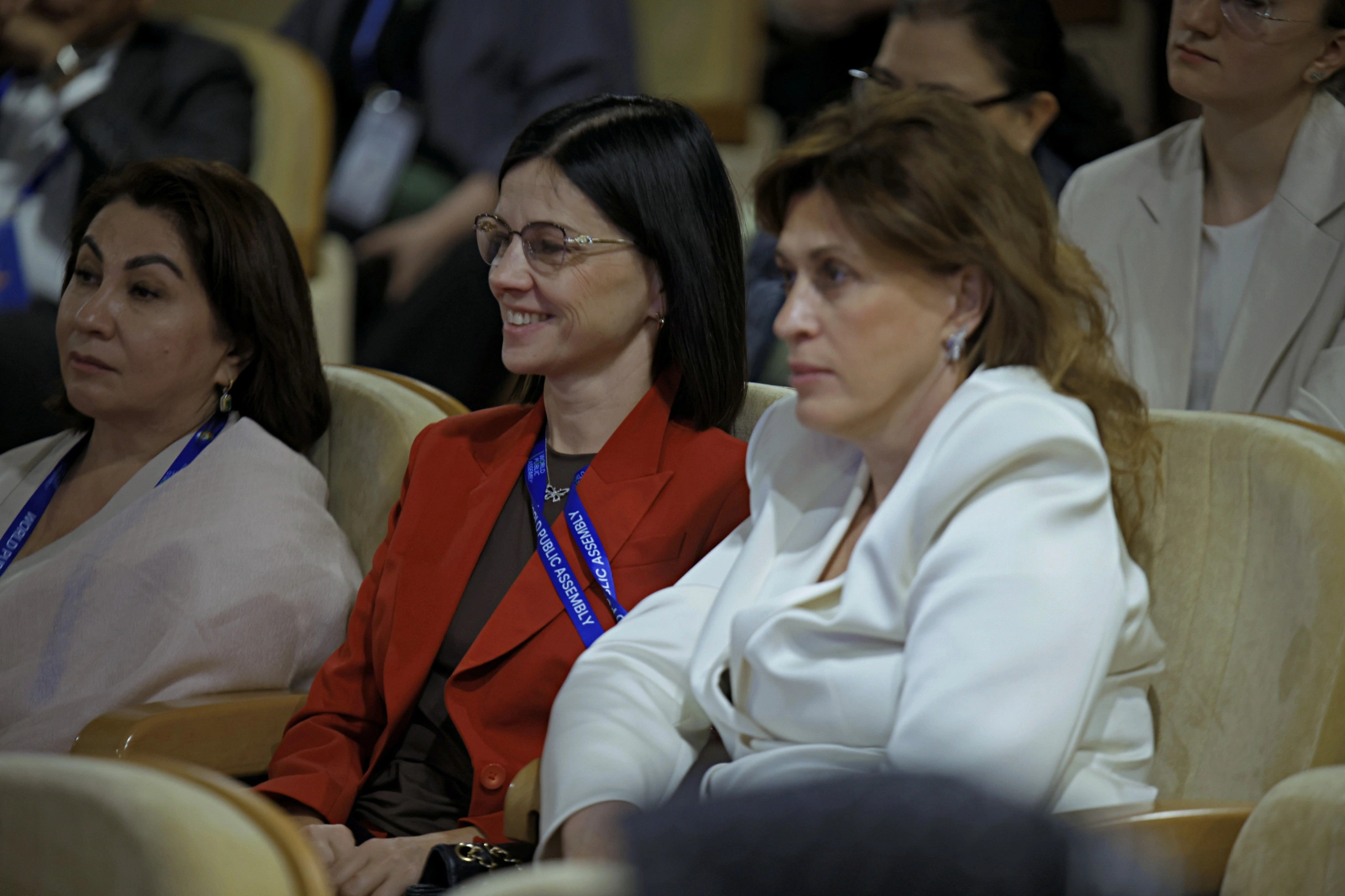
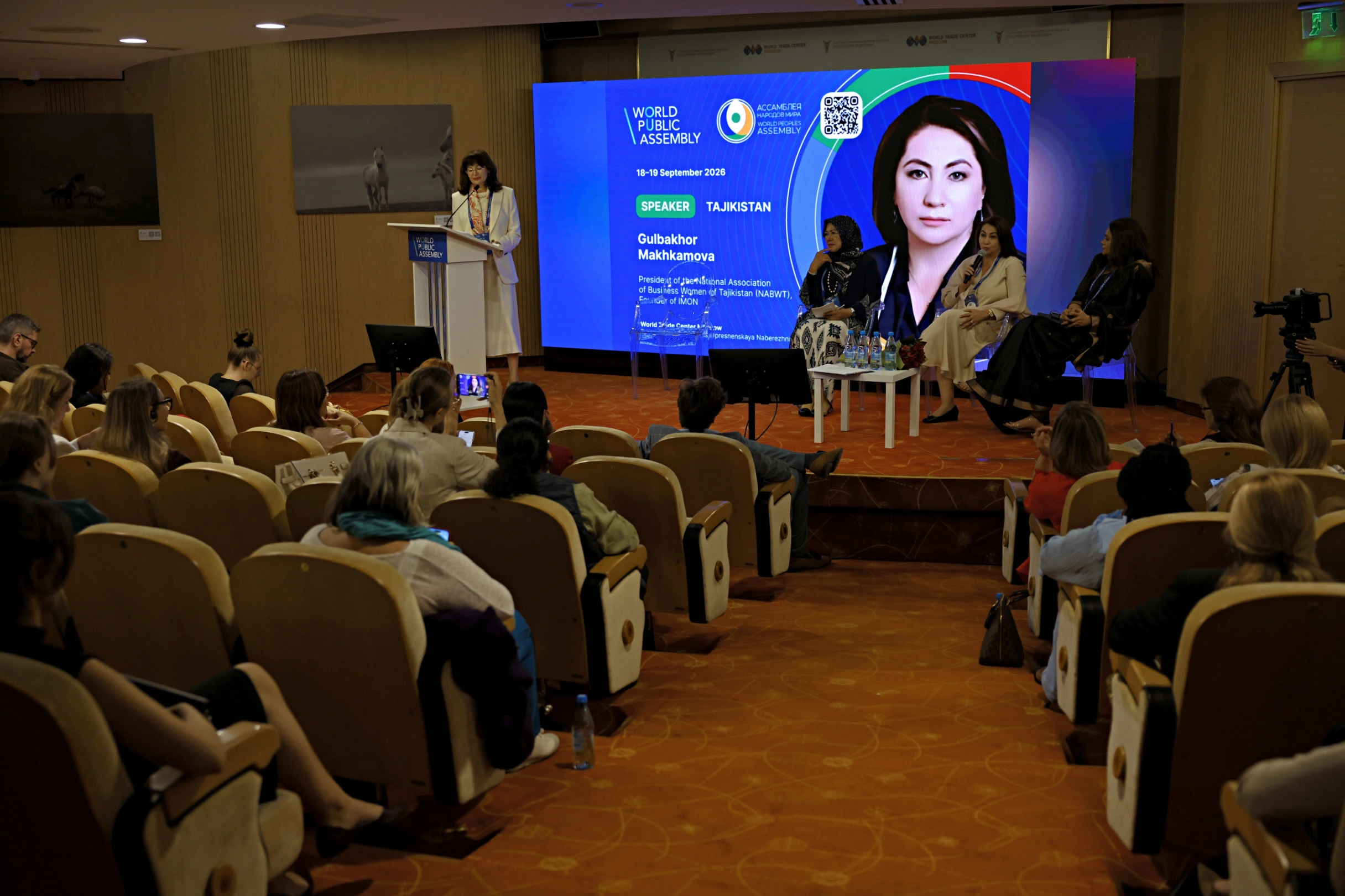
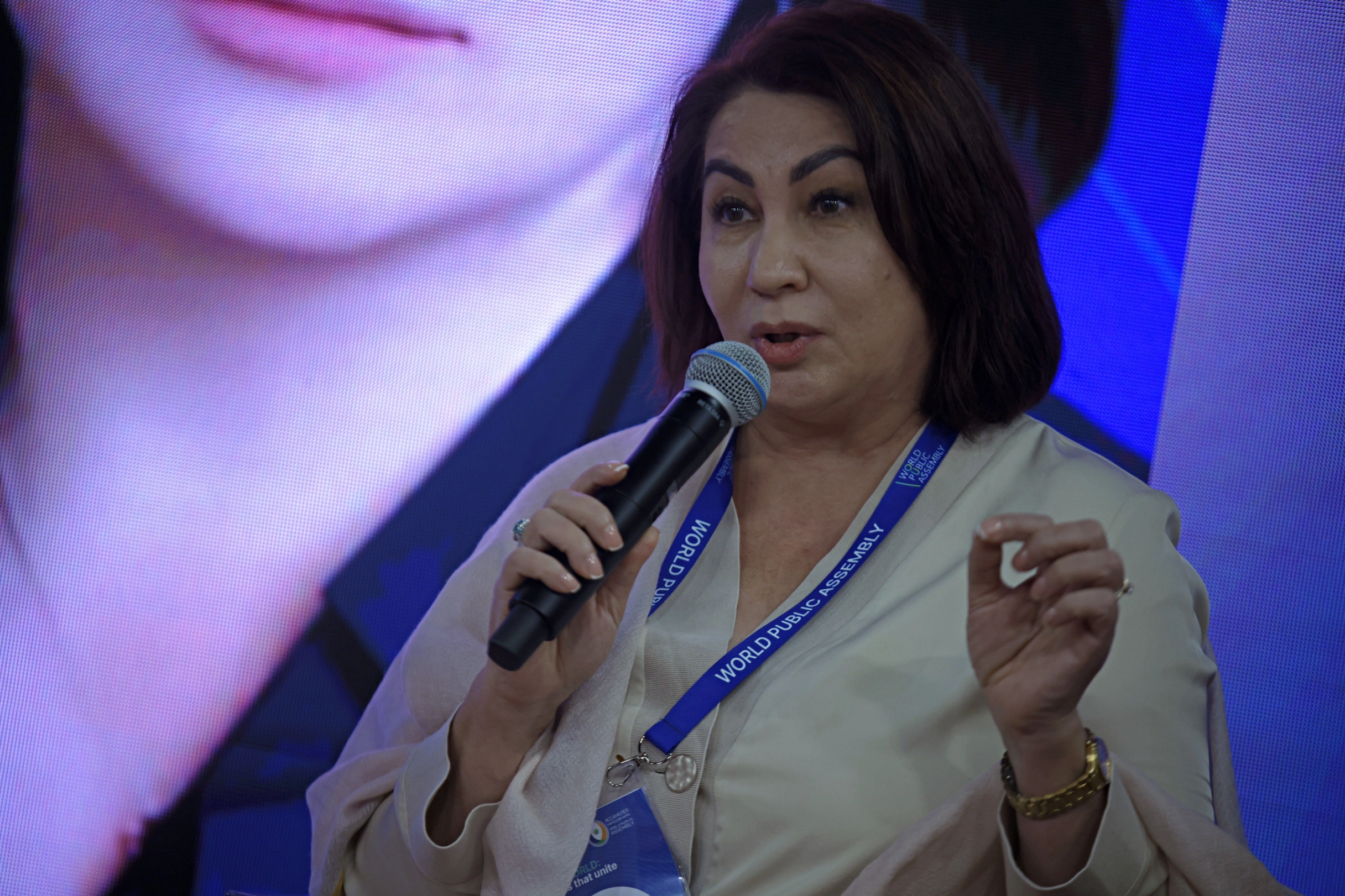
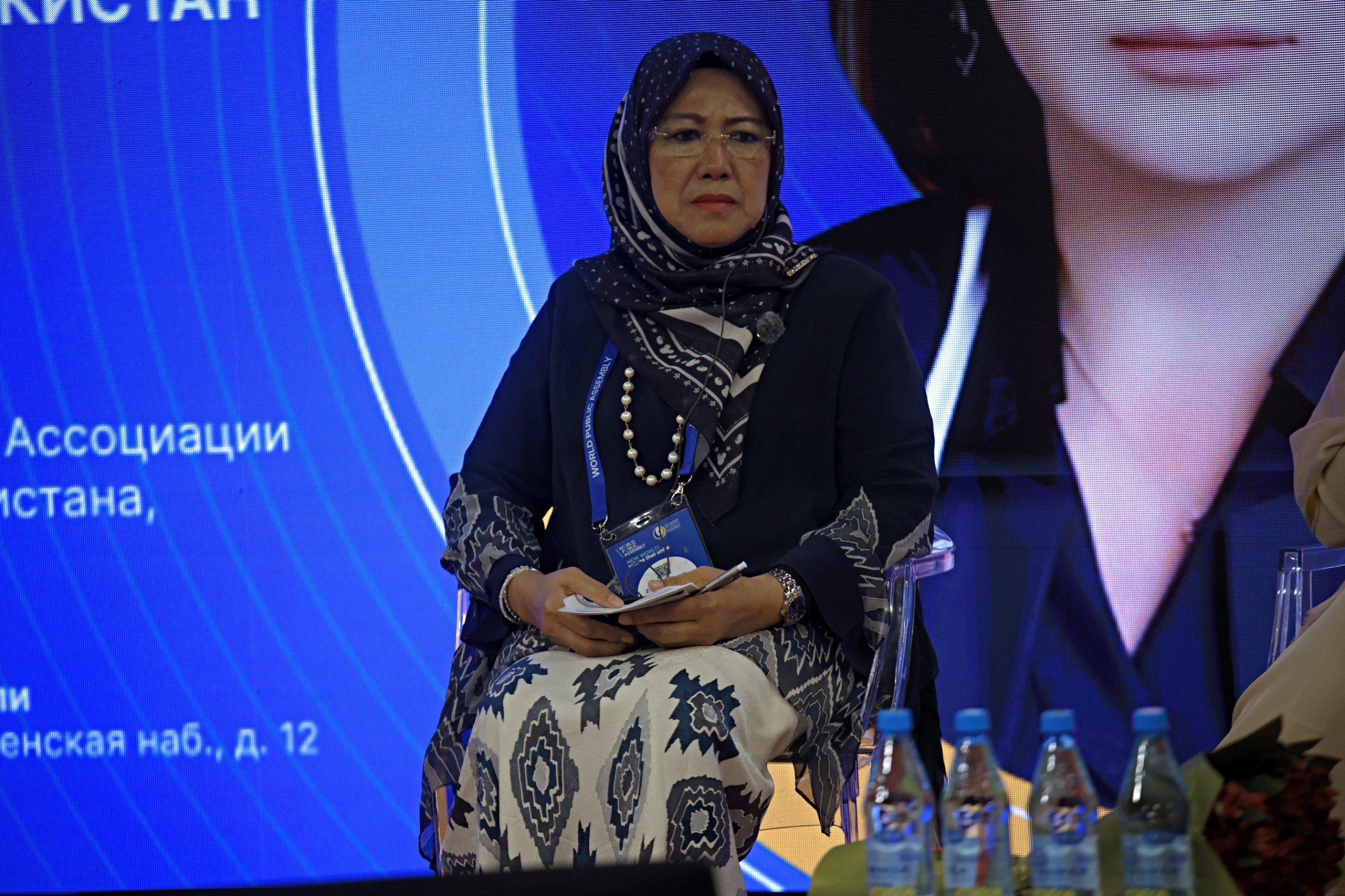
An open conversation “Women Creating the Future” was held on September 19, 2026, at the World Trade Center. The event became part of the Second World Public Assembly “New World: Values That Unite” which concluded in Moscow in September 2026.
Participants outlined mechanisms for international interaction: from developing horizontal ties and humanitarian projects to promoting a common value agenda on the platforms of BRICS, G20 and the UN. Special attention was paid to the role of women in shaping a peaceful future – through fostering unifying values in education, countering hate speech in the digital environment, and scaling the ecological mission of the “keeper of the home” to the level of planetary sustainable development.
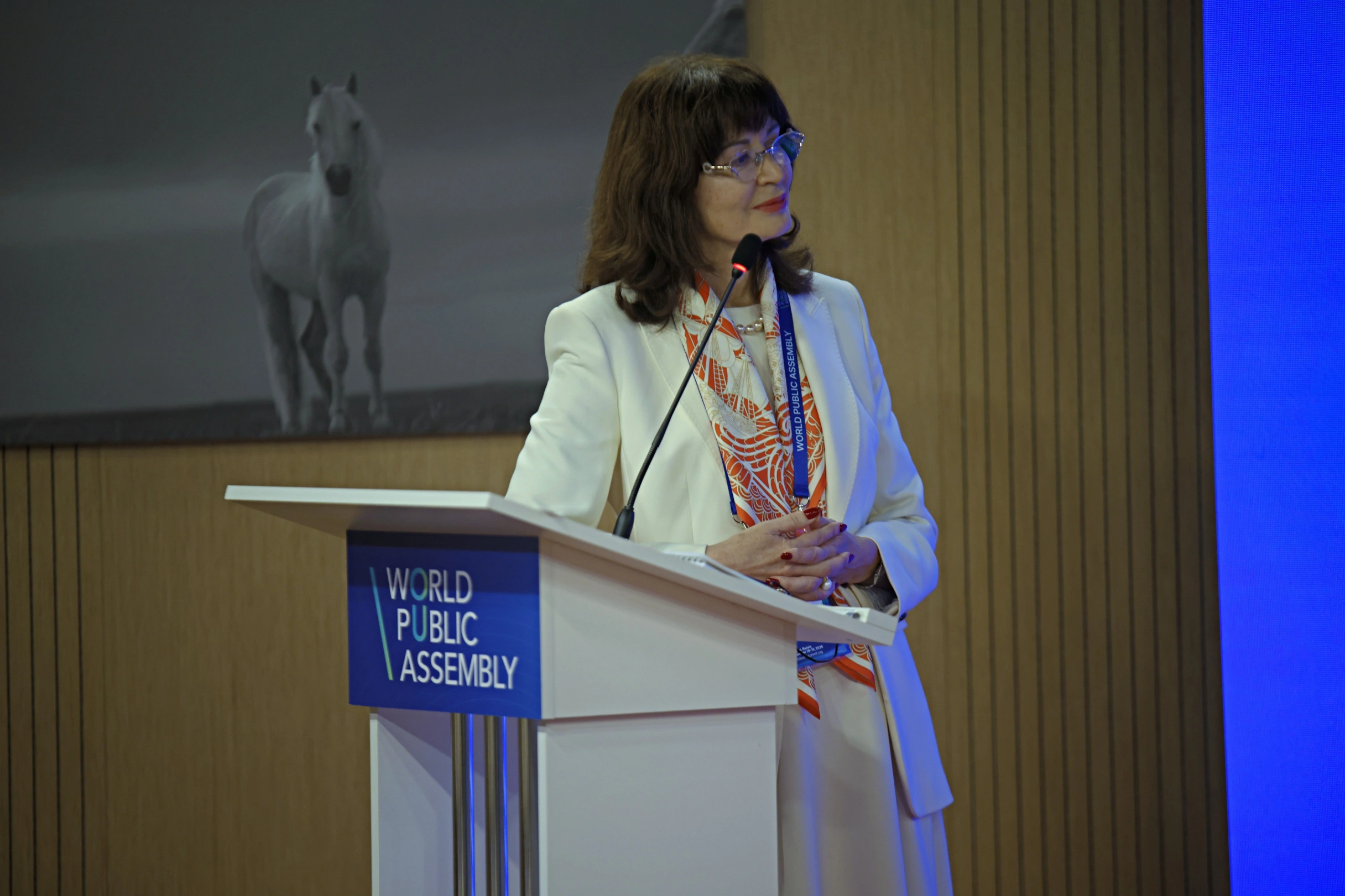
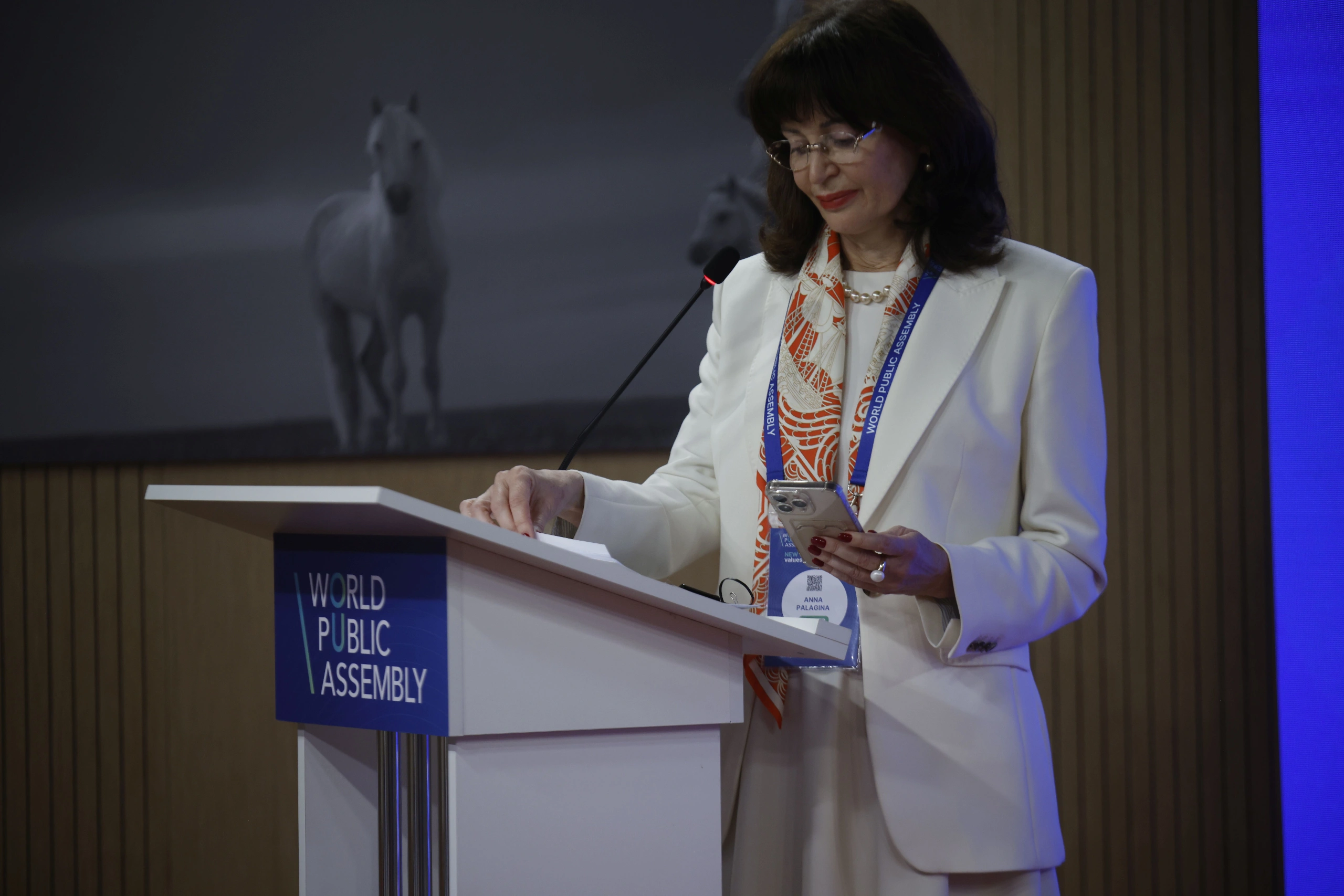
The meeting was moderated by the Rector of the Chamber of Commerce and Industry of the Russian Federation, Deputy Chair of the Committee on Education and Social Policy of the Chamber of Commerce and Industry of the Russian Federation, Honored Worker of Education of the Russian Federation, expert of national projects Anna Palagina. Opening the session, she noted that in the era of emancipation it is important for women not to compete with men but to discover new forms of influence. It is precisely women’s energy that is capable of making the world more sustainable and humane.
– Women public figures form the value trace of the future, becoming key conduits of humanitarian cooperation: they build bridges between countries through dialogue, education and joint projects, creating a space of trust where universal human values come to the fore, – the moderator stated.
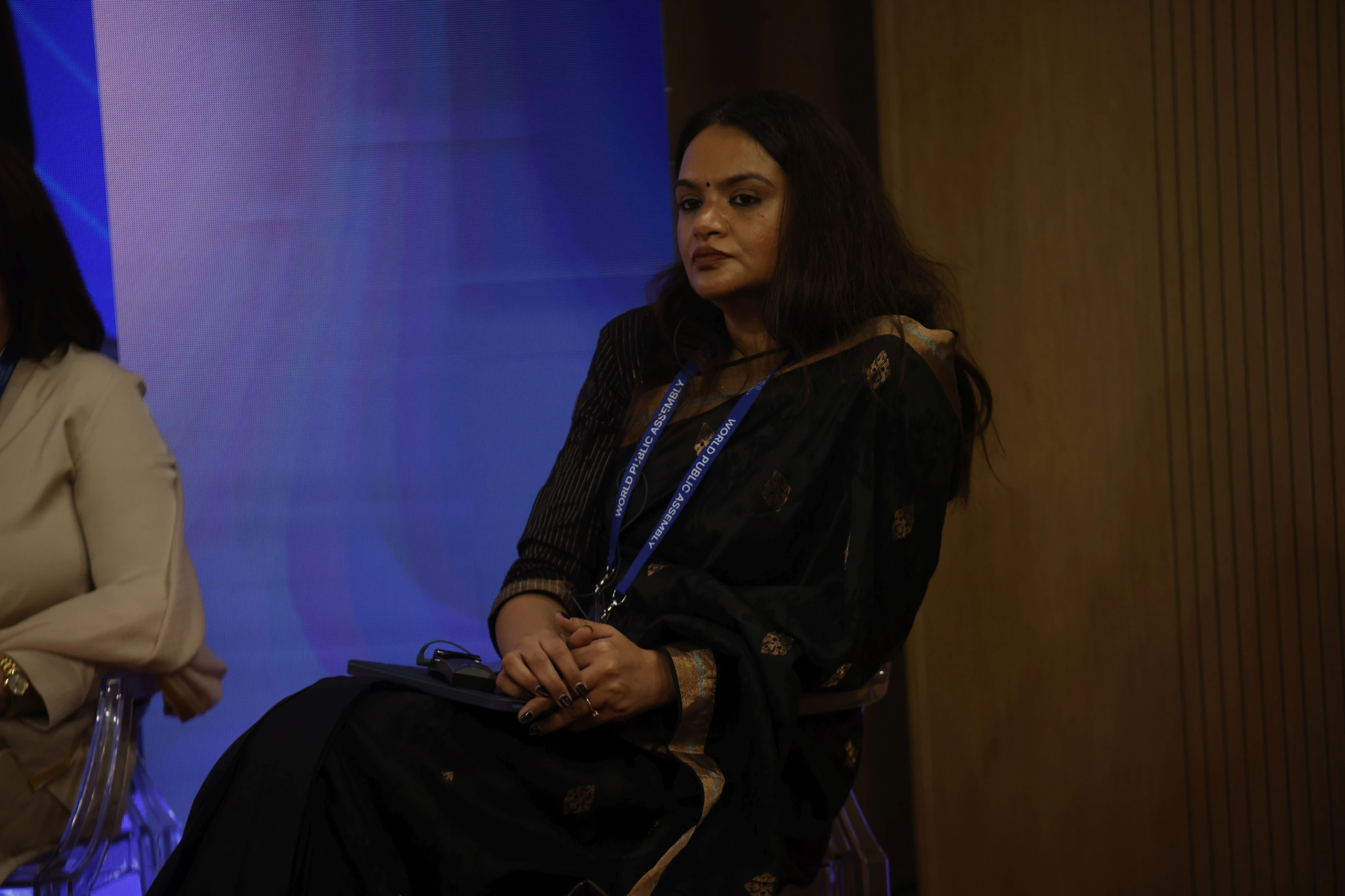
Co-director of the BRICS Chamber of Commerce and Industry Ankita Sachdev (India) spoke about the most important concepts of trust and justice. She admitted that over 15 years in leadership positions she had come to the conviction that women do not need “additional strength.” In her view, leadership is primarily about creating an environment where people feel confident, contribute and take responsibility.
– Today women around the world are demonstrating that they are capable of influencing processes. The next step is only through cooperation and complementarity. Any organization values unity in diversity: when the strengths of each – strategic thinking, diligence, relationship-building or seeing new perspectives – are combined, the company becomes stronger. For this, women need the right ecosystem: equal opportunities, access to education, mentorship, support in the workplace, – the speaker shared.
As a practical example, Ankita Sachdev spoke about the BRICS platform and its vertical “Women Entrepreneurs.” The project, which has been operating for three years, allows participants to communicate with mentors from various sectors, receive consultations on attracting investors and build connections with relevant organizations. In particular, active cooperation is underway with Skolkovo – women entrepreneurs from BRICS countries are sent there to gain important experience and develop their projects on the Russian platform.
President of the National Association of Business Women of Tajikistan, Gulbakhor Makhkamova, took part in the round table on her birthday. Addressing those gathered, she noted that she could not have imagined a better place and a deeper meaning for her personal celebration than a frank dialogue about the future on the platform of the Assembly. The speaker shared reflections on the path of her organization and the global role of women in the modern economy.
Gulbakhor Makhkamova recalled that in the early 1990s, during the aftermath of the prolonged civil conflict, tens of thousands of women in Tajikistan found themselves the sole breadwinners in their families. It was then that a project was launched, the foundation of which was absolute trust.
– Women developed their enterprises, paid taxes, hired female employees – and our organization grew with them, transforming into a major financial institution. Today the National Association of Business Women of Tajikistan occupies leading positions, training women online and financing their ideas. The structure has become a true social lift for almost one hundred thousand people, – the speaker said.
Gulbakhor Makhkamova emphasized that a woman must certainly have her own economic voice and independent income. The expert is convinced: a strong woman does not weaken a man but makes the entire family and the marital union as a whole stronger. Concluding her speech, the speaker reminded that the big world begins not at the tables of high-level negotiations in offices but in the family, in the home, in the kitchen – where a woman feels safe. At the same time, the head of the association emphasized that the women’s agenda should not sound in isolation, in a separate hall – it should be organically woven into the common agenda and sound on par with discussions of global investment and the economy.
Director of the Information Department of the UMNO party, Dato’ Hajah Rosni (Malaysia), shared her personal and professional experience, describing herself as a mother, wife, politician and owner of a law firm with a 37-year history. For the past 15 years, the speaker has consistently fought to strengthen the role of women in all spheres of life, although she admits that progress in this direction is slow.
– I am the head of the women’s entrepreneurial cluster in Malaysia. I use this platform to digitalize women’s business. We help women break out of the exhausting cycle where they are forced to buy groceries, cook food and sell it hand-to-hand until retirement. Instead, we teach them to run businesses on online platforms and mobile applications, – the expert said.
Dato’ Hajah Rosni emphasized that over three years of implementing the initiative, women’s incomes have grown significantly. Demand for their products has become so high that they sometimes cannot keep up with market needs. In parallel, the speaker and her like-minded colleagues are seeking to strengthen women’s political influence, fighting for increased representation and seats in parliament. Concluding her speech, the politician summarized: “Women largely determine the future; it is they who set its vector.”
Fashion icon of the 50s, artist, jeweler, sculptor, painter, master of jewelry art and figure of international culture Liza Sotilis (Greece – Italy) began her speech with warm memories of visiting Russia in March 2022 as part of the international festival “Nureyev Seasons.” The speaker expressed deep gratitude to the Russian authorities for the warm welcome, noting that the opportunity to communicate within the walls of the Bolshoi Theater with representatives of culture and art from different countries was especially valuable to her. According to the artist, it is precisely at such moments that it becomes obvious that the values proclaimed by philosophers acquire real power only when they are put into practice through science and art.
Liza Sotilis is convinced that art and culture stand above politics and everyday scientific research, representing the energy of eternal values of cosmic scale, of which every person is a part.
– The main gift from above is the human soul. Creative work allows one to overcome any limitations and enter a universal space. This concept formed the basis of the foundation I created, whose main mission is to unite people by the power of love, not to divide them by hatred, – the speaker concluded.
Developing the theme of the interaction between technology and culture, President of the foundation “Science. Art. Technology,” author of the book “Design and Space: How Technologies Become Art,” international expert in HoReCa and creative industries Elena Orlova noted the onset of a new stage of technological development. She reminded that in 2024 Russia adopted the Law on Creative Industries, which is often mistakenly reduced exclusively to folk crafts or drawing. However, this sector covers IT, architecture, film production, animation and many other spheres, forming a colossal economic turnover and providing significant employment.
Speaking about the “soft power” of domestic technologies, Elena Orlova cited the taxi service Yango, which, developing on the basis of Russian Yandex, is today present in more than 20 countries and accepts payment including in rubles. An equally vivid proof of the global influence of Russian technological and cultural achievements, the expert named the cartoon “Masha and the Bear,” broadcast in more than 100 countries and carrying a national cultural code.
Turning to the concept of the “experience economy,” the expert explained that its essence lies in awakening genuine interest in a person through emotions, which ultimately transforms into financial contribution. In this context, she drew attention to the current trend of 2026 – “coolcation,” meaning vacationing in regions with a cool climate. Russia has enormous potential in this niche thanks to tourist zones in Karelia, Kamchatka, Baikal and other “cool regions.” But nature alone is not enough to retain a tourist today. The speaker put forward an initiative to create full-fledged infrastructure for cultural leisure in such locations so that travel leaves a deep emotional trace. Summing up, the speaker emphasized:
– Every tourist visiting Russia automatically becomes its ambassador, broadcasting impressions of the country in their homeland.
The climate agenda and the topic of practical formats of cooperation were examined by public figure, Chair of the Association “Alliance of Non-Governmental Organizations of the Kyzylorda Region” Anar Izden (Kazakhstan). The speaker reminded that the Kyzylorda Region is known primarily for the ecological catastrophe in the Aral Sea area. According to her, every time she mentions her region, people look at her with pity – as if her land had remained forever dried up, and on the horizon only overturned ships are still visible. The world is accustomed to perceiving the population of the region as passive witnesses of the catastrophe and recipients of humanitarian aid, yet the residents themselves live with this problem every day and have already achieved significant changes, including with the active participation of public organizations.
Anar Izden emphasized that thanks to energy saving and the joint efforts of Kazakhstan, Uzbekistan, Kyrgyzstan, Turkmenistan and Tajikistan, the volume of the Small Aral has grown to 23.5 billion cubic meters, which has become a serious indicator of progress. A special role in these changes is played by non-governmental organizations of the Kyzylorda Region, most of which are headed by women. They are the ones mastering new technologies, launching fish nurseries, planting forest belts, building greenhouses, automating canals and implementing complex projects to combat desertification. The speaker asked a rhetorical question: if they have the strength to act, how can the whole world allow itself to sink into climate pessimism?
In this regard, Anar Izden proposed that the World Peoples Assembly – as a platform for direct solidarity of public associations – help turn the situation around by building a new architecture of interaction at three levels:
at the institutional level, it is necessary to introduce strict quotas: 40–50 seats in state environmental departments, as well as mandatory participation of women in major global summits where key decisions are made;
at the financial level, the speaker called for initiating direct gender financing. Part of the funds of “green” funds, including the Aral Sea Rescue Fund, should be directed to businesses and NGOs headed by women. In addition, it is necessary to create a people’s pool of climate solidarity so that small women’s initiatives can receive real support;
at the educational and scientific level, support is needed for women working on climate issues through a system of targeted grants.
– The Assembly should become the basis for creating a people’s bank of knowledge, where women from villages and small towns can openly share their technologies on a “peer-to-peer” basis, – the expert concluded.
Associate Professor of the Department of Political Science of the Faculty of Social Sciences and Mass Communications of the Financial University under the Government of the Russian Federation, head of the project “Practices of Public Diplomacy of Russian Regions,” member of the Civic Chamber of the Russian Federation Natalia Burlinova drew attention to alarming statistics: in Russian diplomatic departments, women mostly work in lower and middle positions, and the share of women ambassadors in the country is only 2%. A similar situation is observed in the scientific sphere: with a large number of women scientists, most scientific institutions are still headed by men.
– The role of women educators is especially important for young girls, who need living examples to follow. It is not enough just to remain in science and education – it is necessary to occupy leadership positions in them. But every woman must have the opportunity to decide for herself how exactly she wants to realize her life, – the expert summarized.
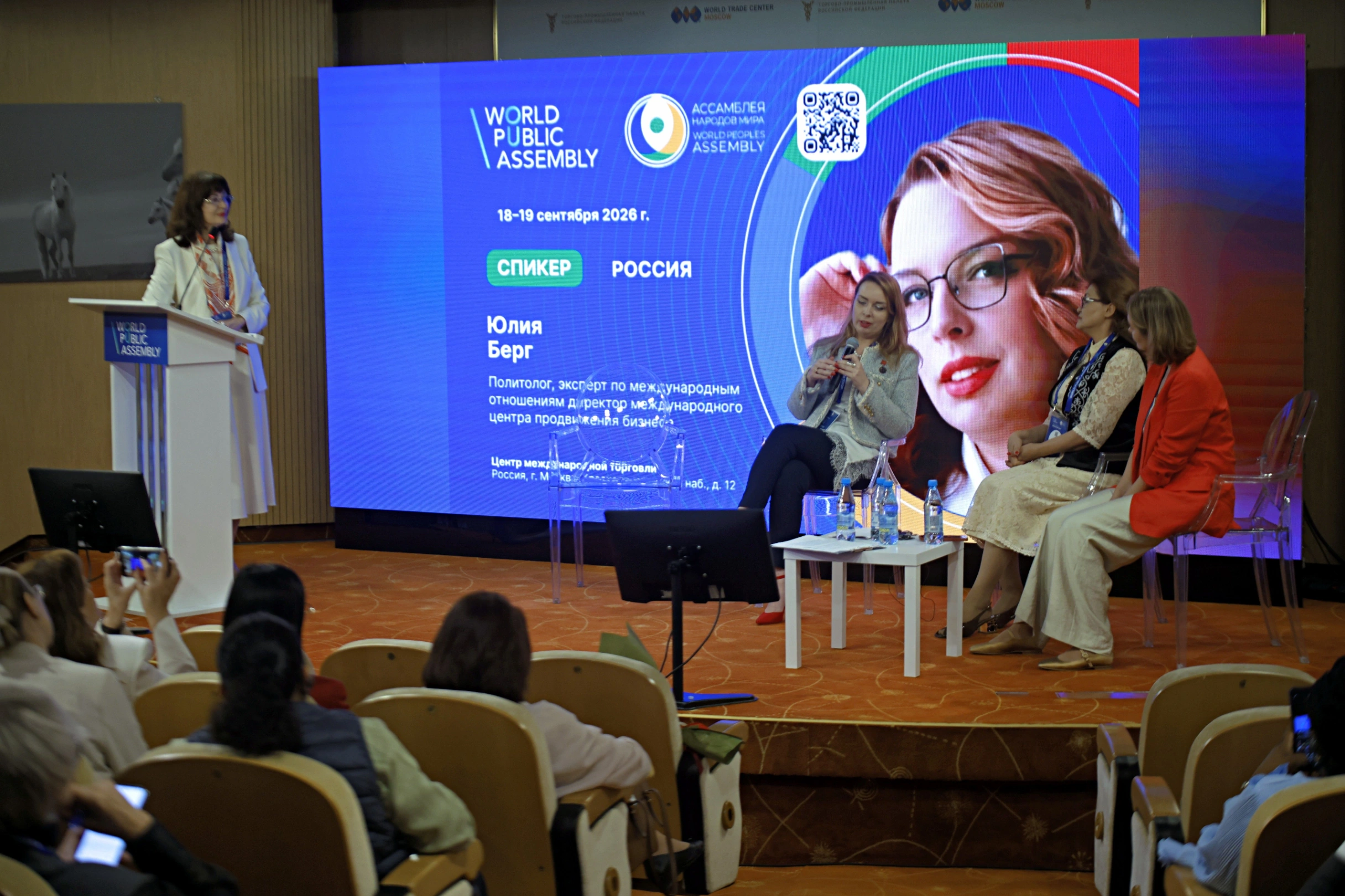
Political scientist, international relations expert, Director of the International Center for Business Promotion Yulia Berg spoke about how a woman can counter aggressive language in the information space.
– Our society lives within established models that are far from always based on objective factors. Neuroscience confirms that it is beneficial for men and women to be equal but different – and to allow each other to remain so. However, in mass perception we often simplify myths and legends. For example, Baba Yaga, living in the forest, actually understood this world very well; her interventions were far from always destructive. An equally interesting character is the goddess Kali in the Indian tradition, who is simultaneously a symbol of creation and destruction, moreover destruction leading to rebirth, – the speaker noted.
Yulia Berg separately focused on the problem of information perception. One of the typical disorders of the modern world is attention deficit syndrome: when a person’s psyche is “jangled.” In this regard, the speaker proposed carefully monitoring information hygiene, carefully choosing sources, and taking care of the stability of one’s own psyche.
A special decoration of the round table was the legendary couturier Coco Chanel. She “came to life” on the video screen thanks to artificial intelligence technologies to share her thoughts with those gathered.
She was asked a difficult question: “All her life she walked toward her dream and established herself in her vocation – but did she remain herself, or did she have to change, adapt and play by the male rules of this world?” She answered:
– The girl, I once was, has always remained by my side. I fulfilled her plans, satisfied her tastes. And no one is as close to me as I am to myself. I made dresses. I could have done something else – it is largely an accident, but I loved my work. By the way, it was the Russians who taught women that it is not shameful to work.
Concluding the meeting, Anna Palagina thanked all participants of the open dialogue and summarized the main result: in the age of emancipation, it is important for women not to compete with men but to find new ways to influence the world.
The experts agreed that women’s influence is a special energy capable of making our planet more sustainable and humane. It is women public figures who form the value trace of the future, becoming key conduits of humanitarian cooperation. They build bridges between countries through dialogue, education and joint projects, creating a space of trust where universal human values come to the fore.
Additional information is available on the official website of the World Peoples Assembly, on its VKontakte and Telegram accounts, and at media@world-assembly.org.