

Dialogue That Builds a New World: How the Voices of Peoples Resounded in Salvador
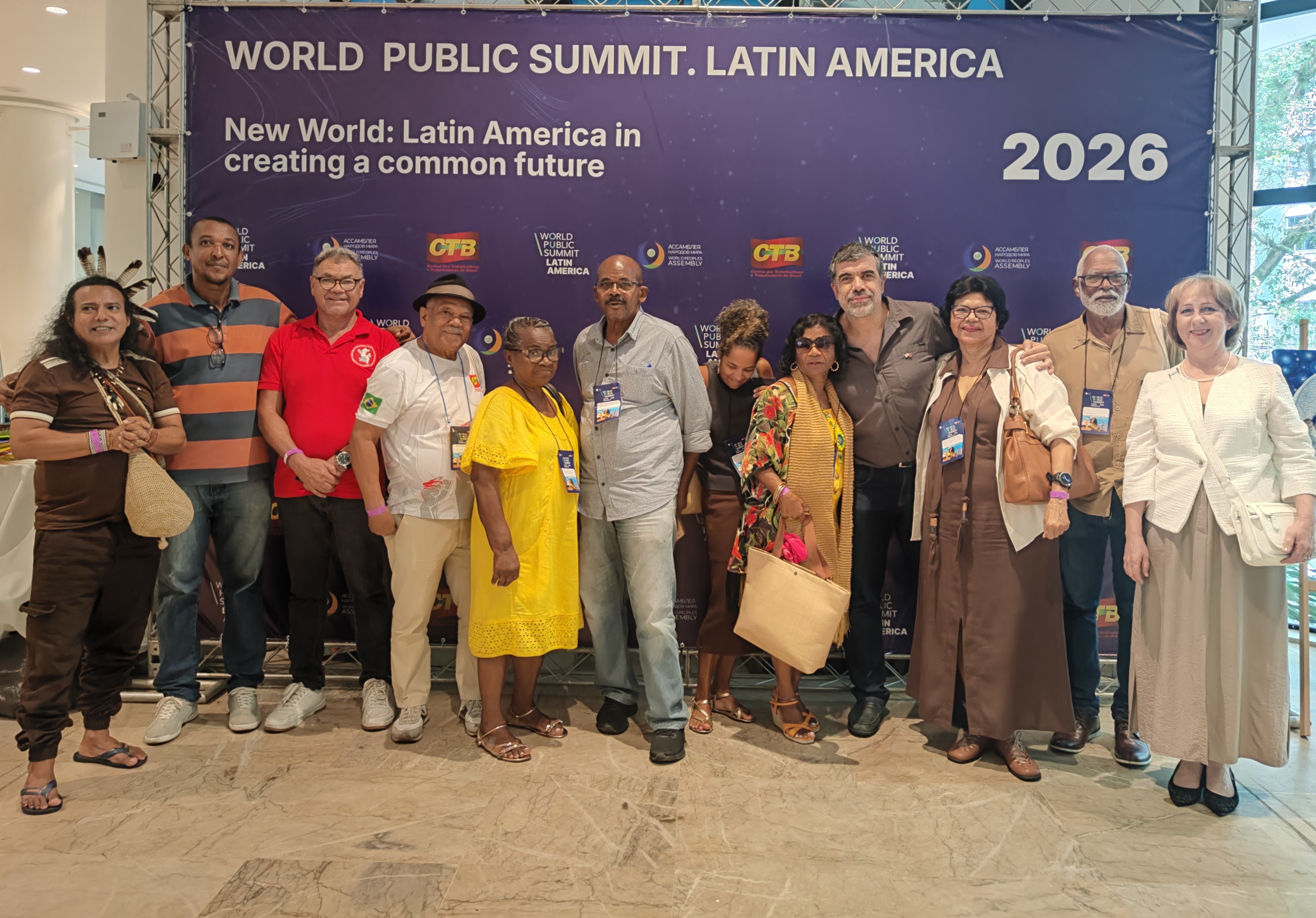
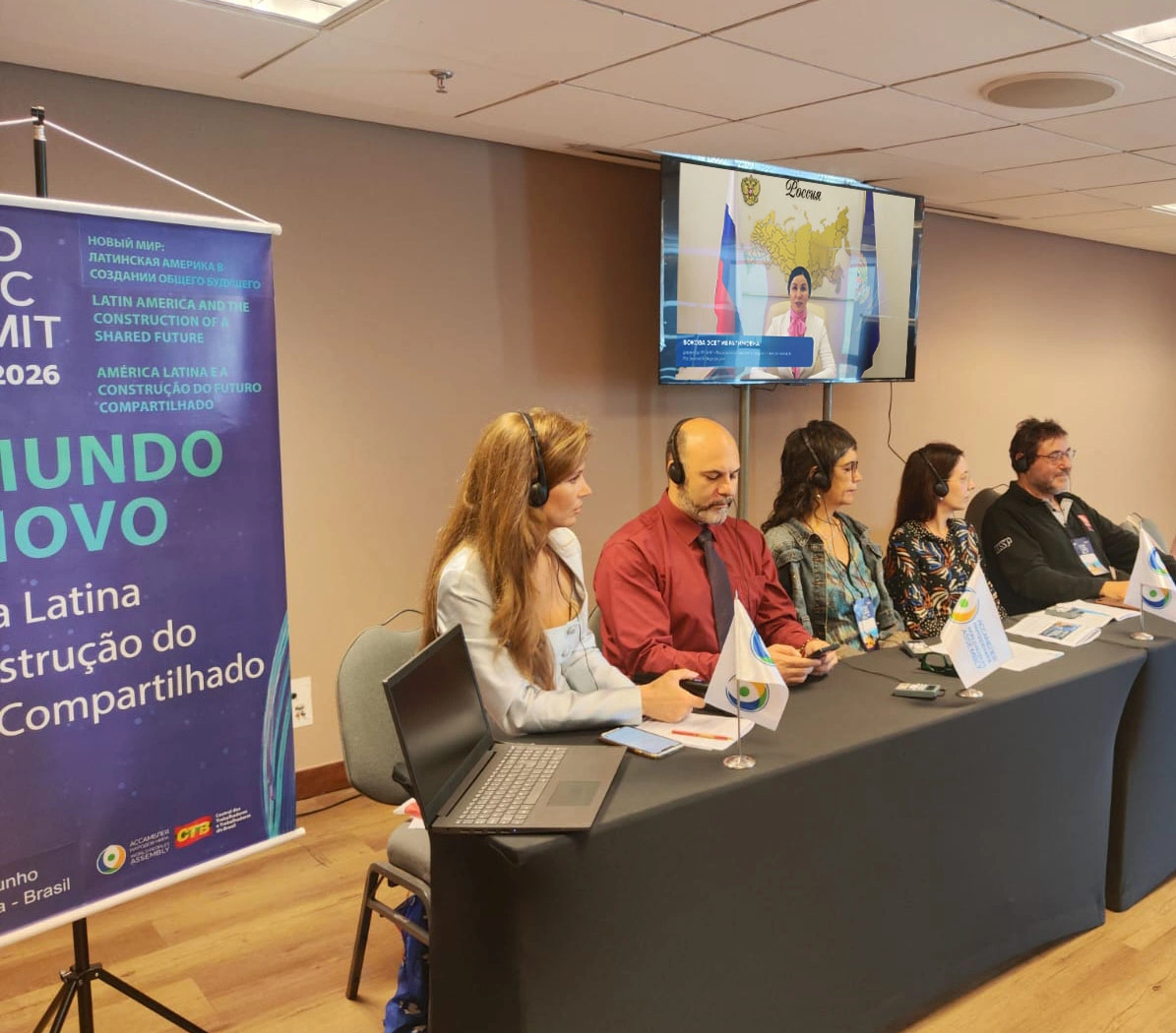
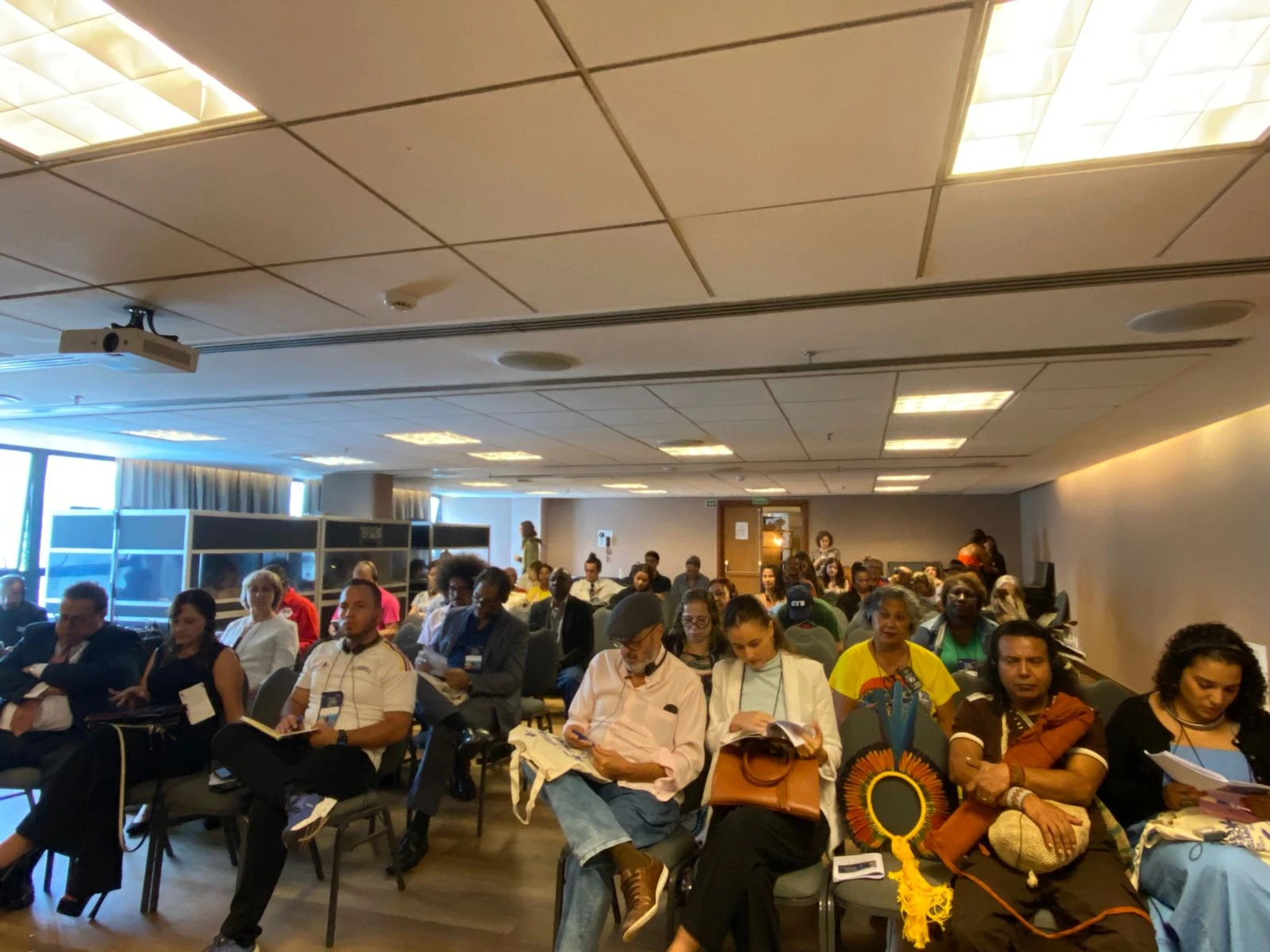
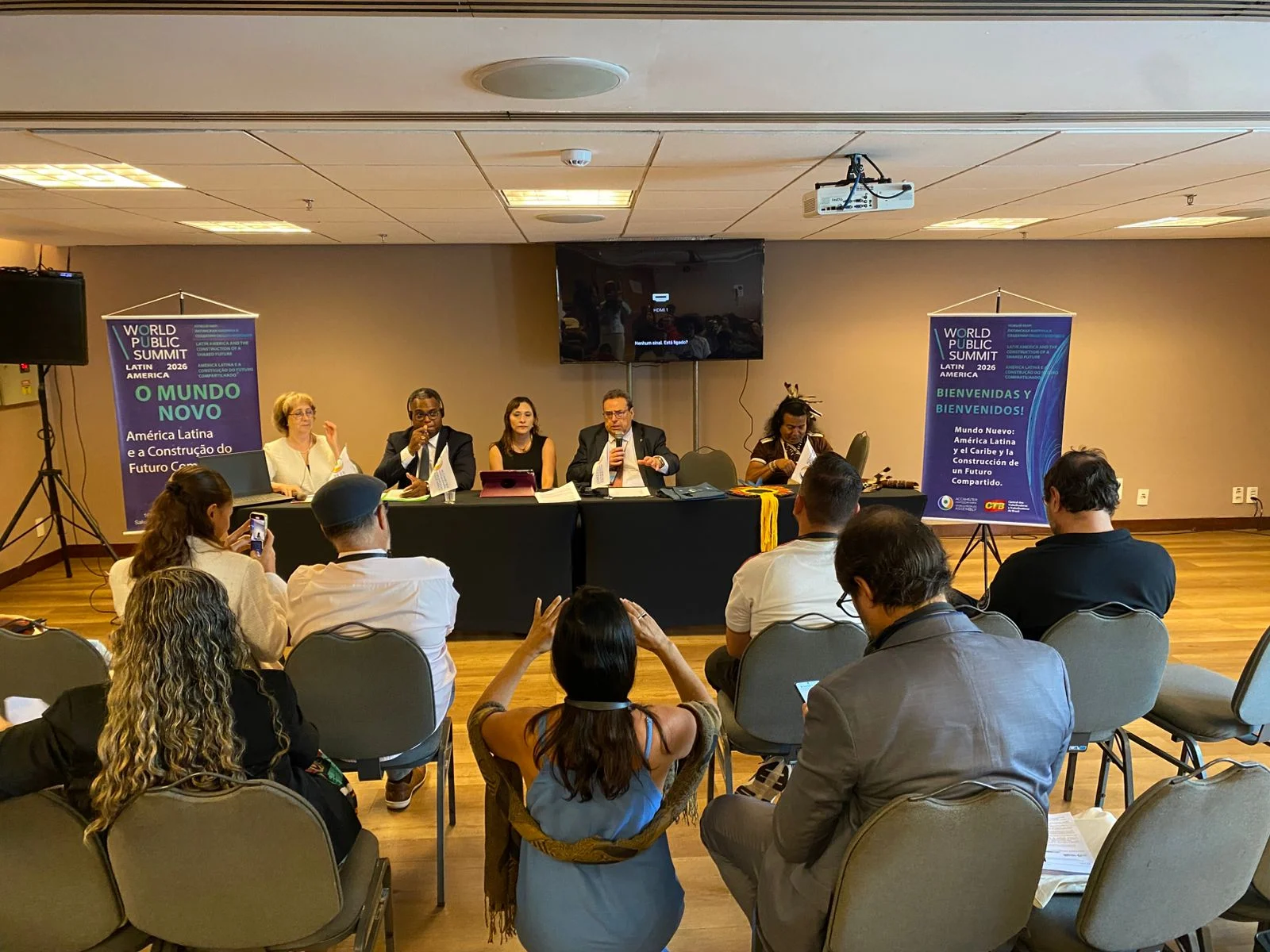
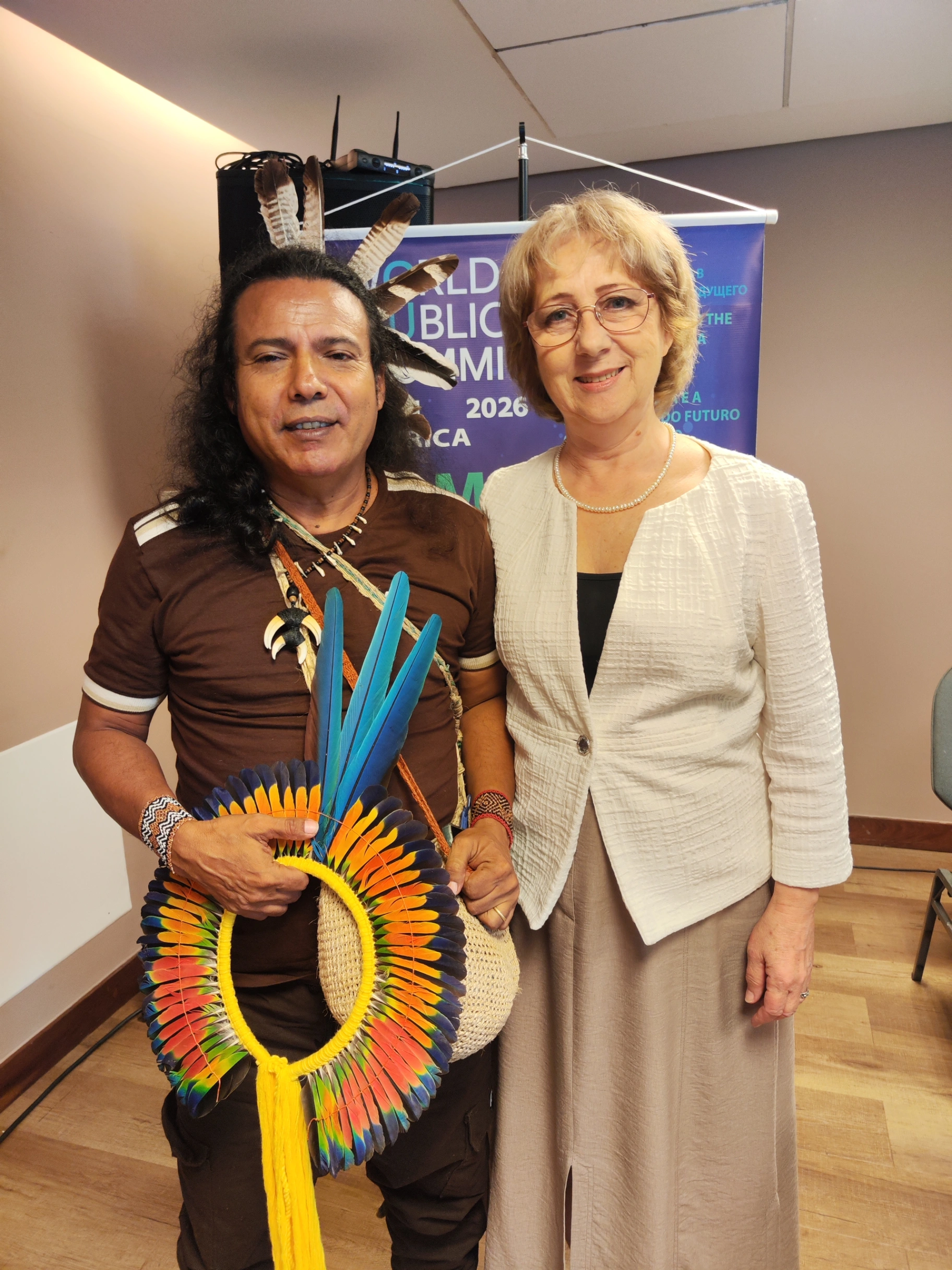
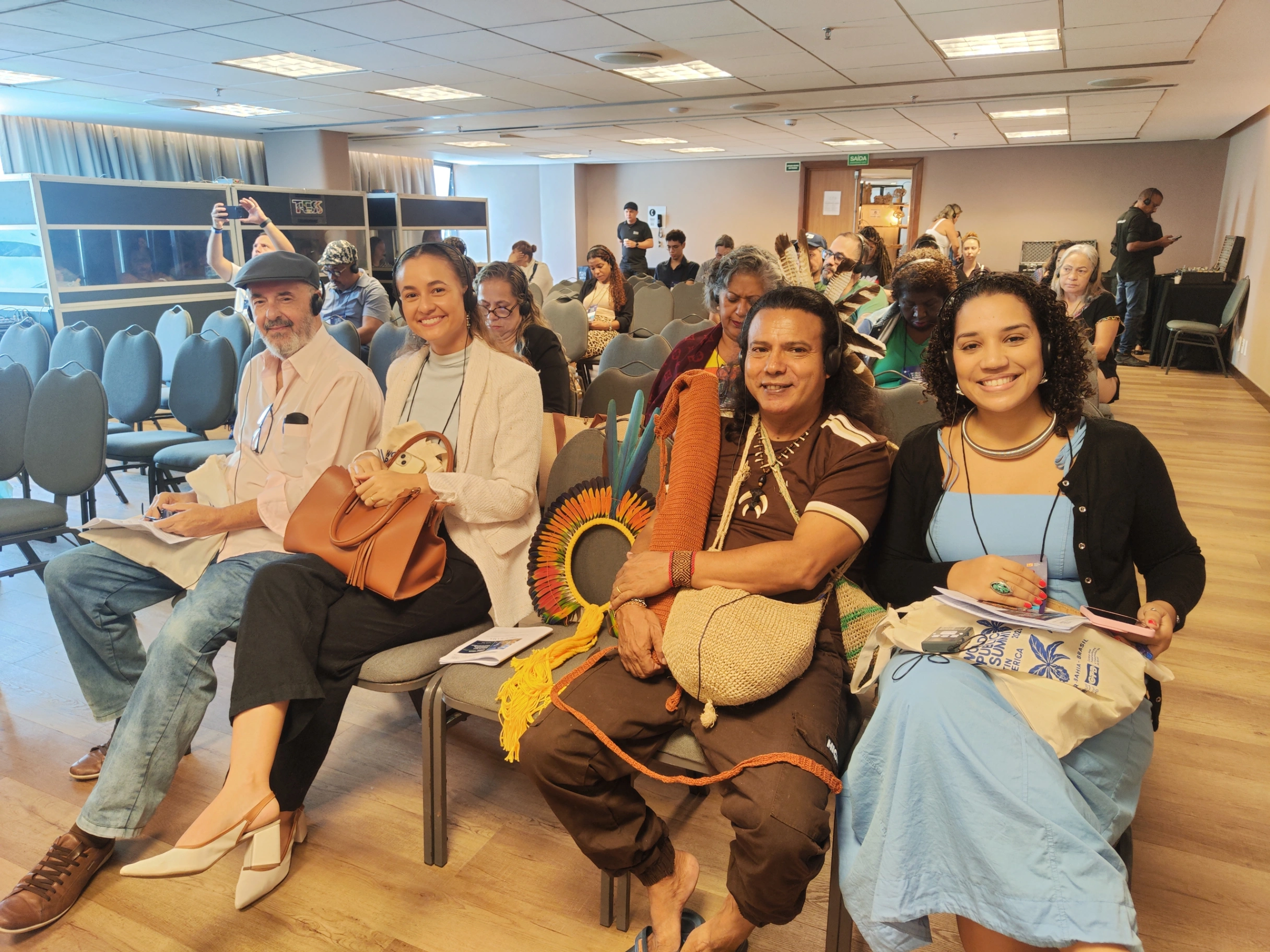
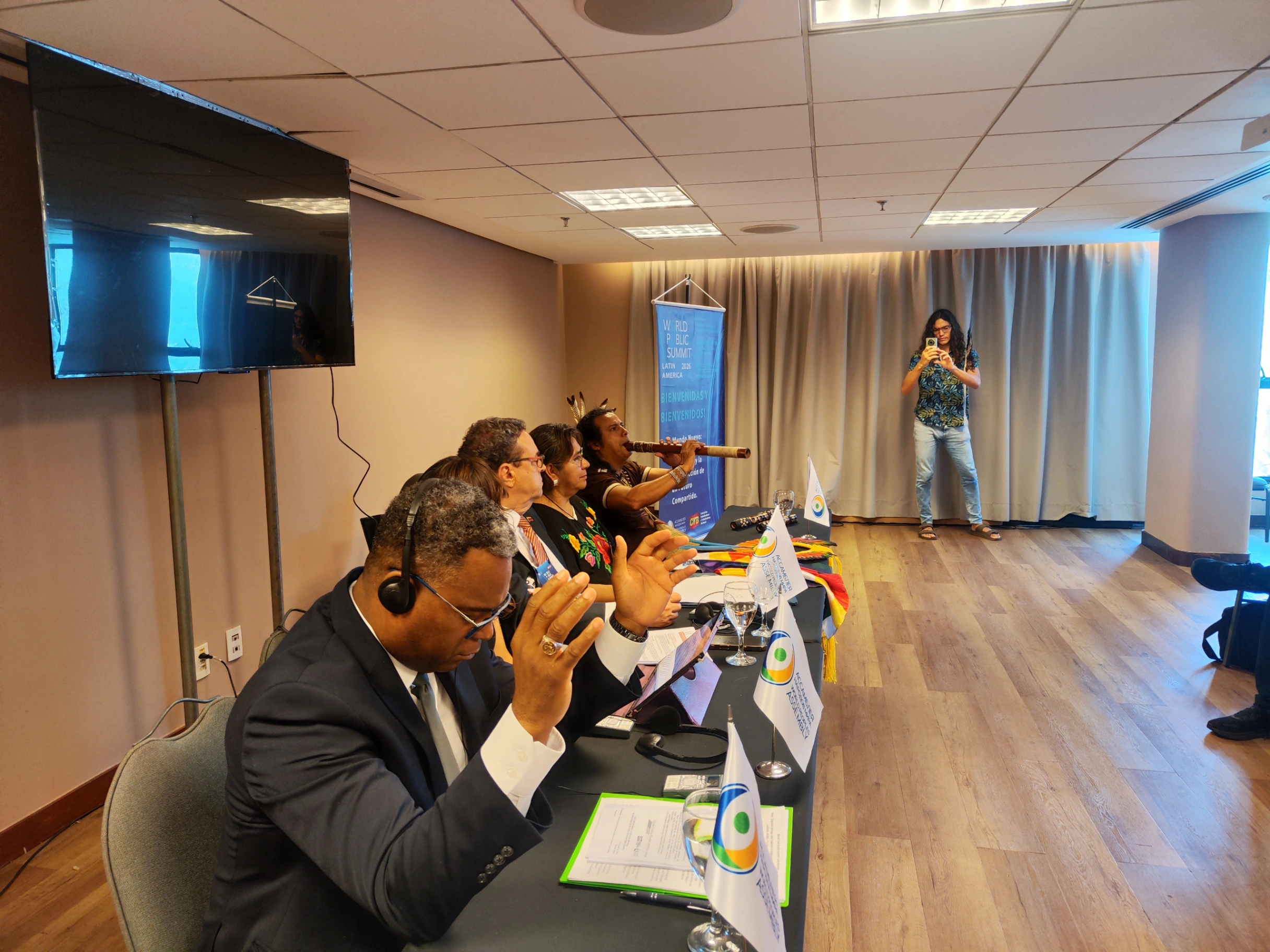
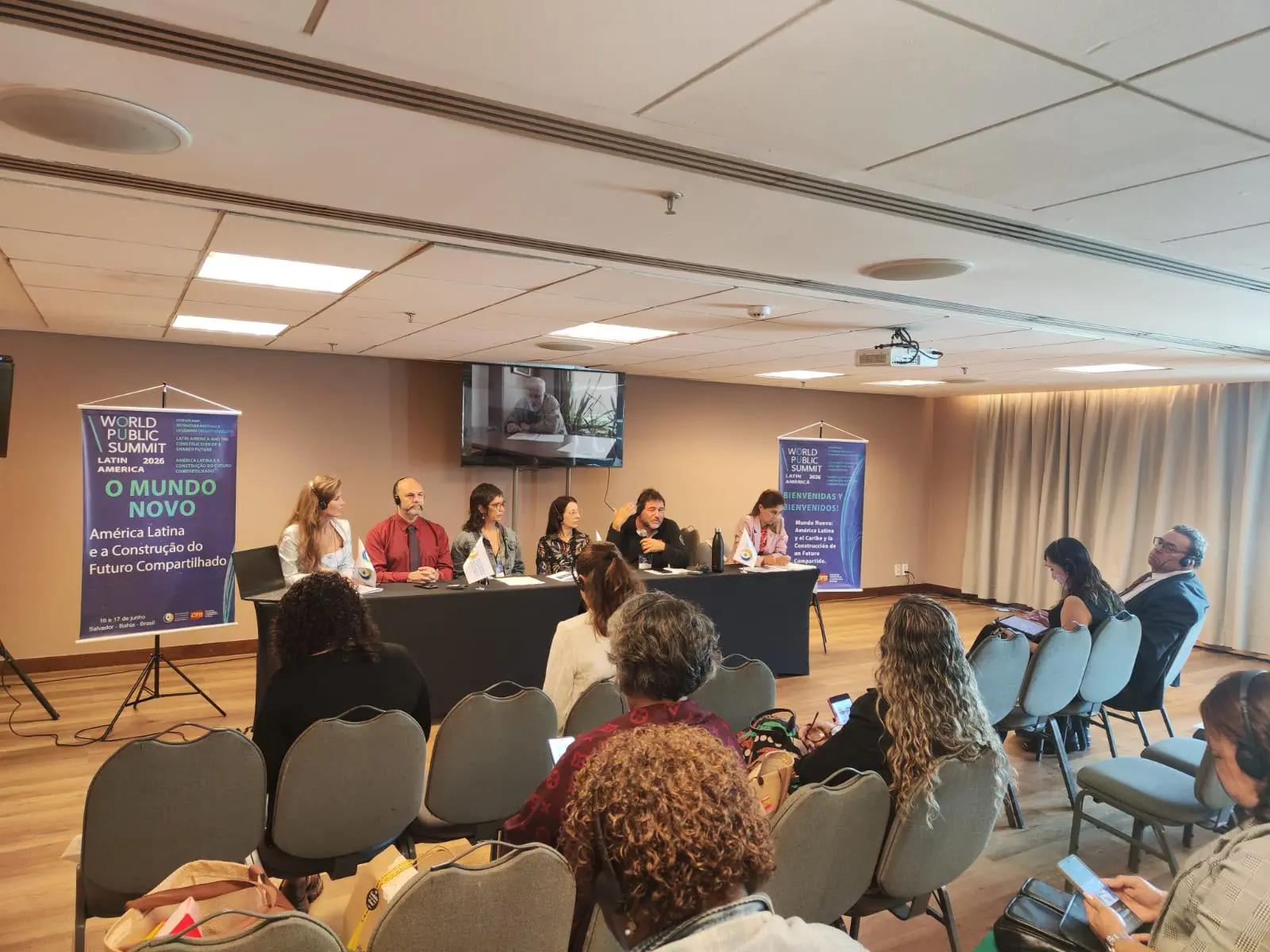
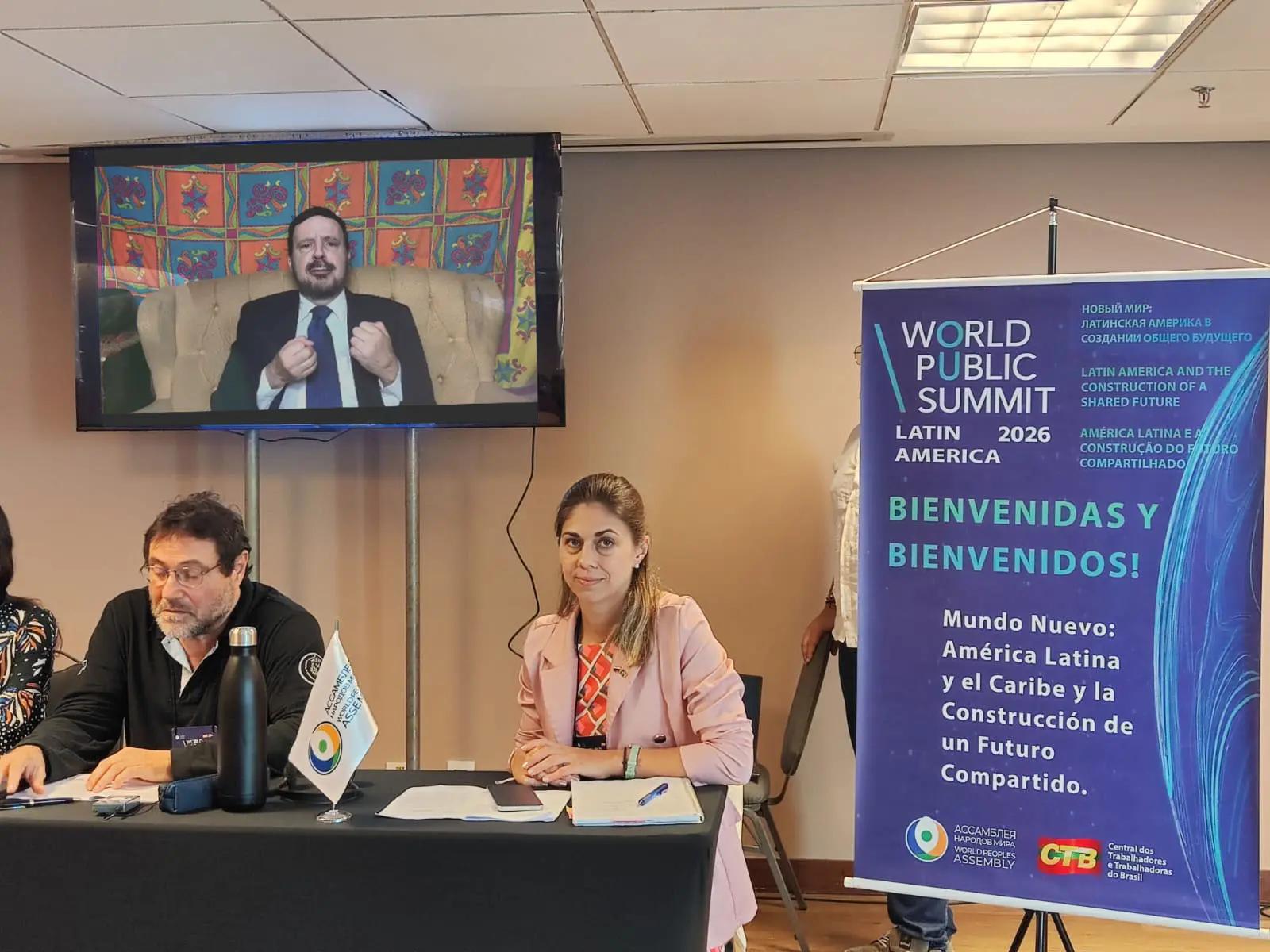
On June 17, as part of the World Public Summit: Latin America “New World: Latin America in Shaping the Image of the Future,” the panel session “Linguistic Heritage and Traditions of Indigenous Peoples: from the Past to the Future” took place. The event became a vivid communication platform of the Summit, where linguistic diversity appeared as a living instrument of people’s diplomacy, uniting peoples in their aspiration toward a common, harmonious future.
The World Public Summit, which gathered representatives of dozens of countries in Brazil, set a special tone for the discussion. At a high international level, around one table — albeit in a hybrid format — the voices of Brazil, Bolivia, Venezuela, Haiti, India, Mexico and Russia came together to exchange views and outline the contours of a new humanitarian partnership.
Opening the session, the moderator, Head of the Directorate of Spiritual Culture of the World Peoples Assembly Irina Polyakova, outlined the strategic role of the platform: “The task of the panel session is to form a coordinated understanding of the necessary measures to preserve and strengthen linguistic heritage, as well as to develop common approaches to cooperation at the national and international levels.”
It is the World Peoples Assembly that today acts as one of the key organizers of people’s diplomacy, building sustainable ties between public and cultural-humanitarian organizations of Latin America, Eurasia and other regions. The panel session became a vivid embodiment of this mission: over an hour and a half of live communication, not only ideas were born but also concrete agreements on joint projects, which will be further developed within the framework of the Second World Public Assembly in September of this year.
The participants of the session unanimously recognized: the language of an indigenous people is a living embodiment of its worldview, its connection with the cosmos, nature and higher powers. This idea was vividly reflected in the speakers’ presentations.
Professor Eduardo de Almeida Navarro from the University of São Paulo (Brazil), speaking about the revival of the classical Tupi language, noted its profound significance for Brazilian civilization: “This is a classical language of the indigenous peoples of our country, of enormous historical importance, which had a significant influence on Brazilian Portuguese, on the toponymy of our country and on Brazilian literature.” The return of the language of the ancestors, in his words, is the restoration of a broken thread connecting the peoples of Brazil.
Dr. Lipi Biswas Sen from Jawaharlal Nehru University (India), who studies the phenomenon of the revival of the Quechua language in Peru, emphasized: “The current situation with the Quechua language demonstrates a dynamic picture that goes beyond simple preservation and moves toward its revival and return to public life. Thanks to literature, culture and the academic environment, Quechua continues to expand the space of its functioning, creativity and development.” According to Dr. Lipi, the work of writers, poets and musicians refutes the notion of Quechua as solely a language of folklore and shows it as a language equal to Spanish and fully capable of expressing contemporary social and political ideas and problems.
A special place in the discussion was given to the theme of the inseparable connection of language with the spiritual practices of indigenous peoples. Wakay Cicero Pontes da Cruz, leader and adviser of the Fulkasho indigenous community, musician and public figure (Brazil), shared the sacred knowledge of his people about the nature of songs and rituals, in which the living word acquires its true power. His speech voiced the crucial idea that the language of indigenous peoples is inseparable from communication with nature and the spiritual world: “It is important to pass this knowledge on to other peoples, respecting their own rites, strengthening vital force and passing strength on to others. We believe that nothing disappears completely — it is only forgotten if people stop practicing and remembering it.” It is precisely through ritual, song and dance, through the living breath of language in everyday spiritual practice, that the genuine preservation of the ancestors’ heritage takes place.
Alexey Istomin, leading researcher at the Institute of Ethnology and Anthropology of the Russian Academy of Sciences (Russia), drew attention to the fact that the genuine life of a language is impossible outside its natural transmission from elders to the young: “Languages are acquired in early childhood in an oral, everyday form. And it is precisely this process that must be supported first of all. It is necessary to create conditions for the natural transfer of language knowledge from the older generation to children of early preschool age. Language is often identified with school teaching or with a certain writing system or script. But languages have from time immemorial been passed down from generation to generation in oral form without the involvement of school.” This living chain of spiritual continuity is the main guarantee of preserving linguistic diversity.
Eset Bokova, Head of the Federal Institute of Native Languages of the Peoples of the Russian Federation, shared Russia’s experience, where the revival of language occurs through introducing children to the spiritual culture of their peoples: “The revival of folklore in drawings, songs, dances, animation, in children’s communication at language camps and in nomadic families is very important for achieving the goals of the International Decade of Indigenous Languages.” The personal contribution of each language bearer to this common cause, in her words, is invaluable, for it enriches the spiritual heritage of all humanity.
The session was attended by representatives of the expert community and keepers of traditions from nine countries: Professor of the University of São Paulo Eduardo de Almeida Navarro (Brazil), leading researcher of the Institute of Ethnology and Anthropology of the RAS Alexey Istomin (Russia), leading specialist of the Center for Spanish, Portuguese, Italian and Latin American Studies of Jawaharlal Nehru University Lipi Biswas Sen (India), Head of the Federal Institute of Native Languages of the Peoples of the Russian Federation Eset Bokova (Russia), Professor of the Pedro Gual Institute of Higher Diplomatic Studies Juan Miguel Diaz Ferrer (Venezuela), spiritual leader of the Fulkasho community and Professor of the State University of Bahia Wakay Cicero Pontes da Cruz (Brazil), activist of the indigenous women’s movement of Bolivia Sandra Baldivieso (Bolivia), president of the “Mouvman Zantray Ayiti” organization Callerbe Monel (Haiti), director of the Mexico-Russia House of Culture Carolina Gaspar Ramirez (Mexico).
The result of the panel session was the adoption of a draft Communiqué, which records both the conclusions of the expert discussion and concrete directions for further cooperation. A special place in the Communiqué was given to the issues of developing people’s diplomacy: the parties confirmed their readiness to expand partnership ties between public organizations, cultural centers and leaders of indigenous peoples, turning humanitarian cooperation into a solid foundation for building a new, multipolar and just world.
Concluding their work, the participants of the session expressed the conviction: it is precisely such living, open dialogues, like the one that took place in Salvador, that become the building material from which the image of the future is formed. The World Public Summit “New World: Latin America in Shaping the Image of the Future” showed that uniting the efforts of scientists, public figures, keepers of traditions and cultural leaders from different countries is capable of creating real steps that change the lives of specific people and entire nations.
COMMUNIQUÉ
on the linguistic heritage of indigenous peoples of Latin America
We, the participants of the round table in Salvador (Bahia, Brazil), representing the academic community, indigenous peoples, public and cultural organizations,
affirm that the native languages of indigenous peoples are the basis of spiritual culture, historical memory and the intangible heritage of humanity;
note that many languages are under threat of extinction, which leads to the loss of unique knowledge and cultural practices;
recognize that the protection of languages is an integral part of the rights of indigenous peoples and requires systematic support from states and the international community, including UNESCO, and also
1. We note the current key challenges:
a decrease in the number of language speakers;
limited access to education in native languages;
insufficient institutional support;
a weak presence of languages in the public and digital environment.
2. We propose priority areas of action:
creating conditions for the natural transfer of language knowledge from older generations to younger children;
development of bilingual and intercultural education;
expanding the list of languages studied in preschool institutions and schools through the development of curricula and textbooks;
expanding the participation of indigenous peoples in language policy;
using digital technologies to preserve and teach languages.
3. We make the following recommendations:
To states – to develop and strengthen language policy aimed at protecting and developing native languages.
To international organizations – to expand programs supporting linguistic diversity and the initiatives of indigenous peoples.
To academic and cultural institutions – to develop joint projects on documenting and popularizing languages.
To civil society – to promote increased public attention to linguistic diversity.
We confirm our readiness for further cooperation and the development of joint initiatives aimed at preserving and strengthening the linguistic heritage of indigenous peoples.
This Communiqué is open for all interested parties to join.
More information and the program of events are available on the official website of the World Public Summit.