

Cultural Diplomacy without Borders. Discussion at a Round Table in Tunis
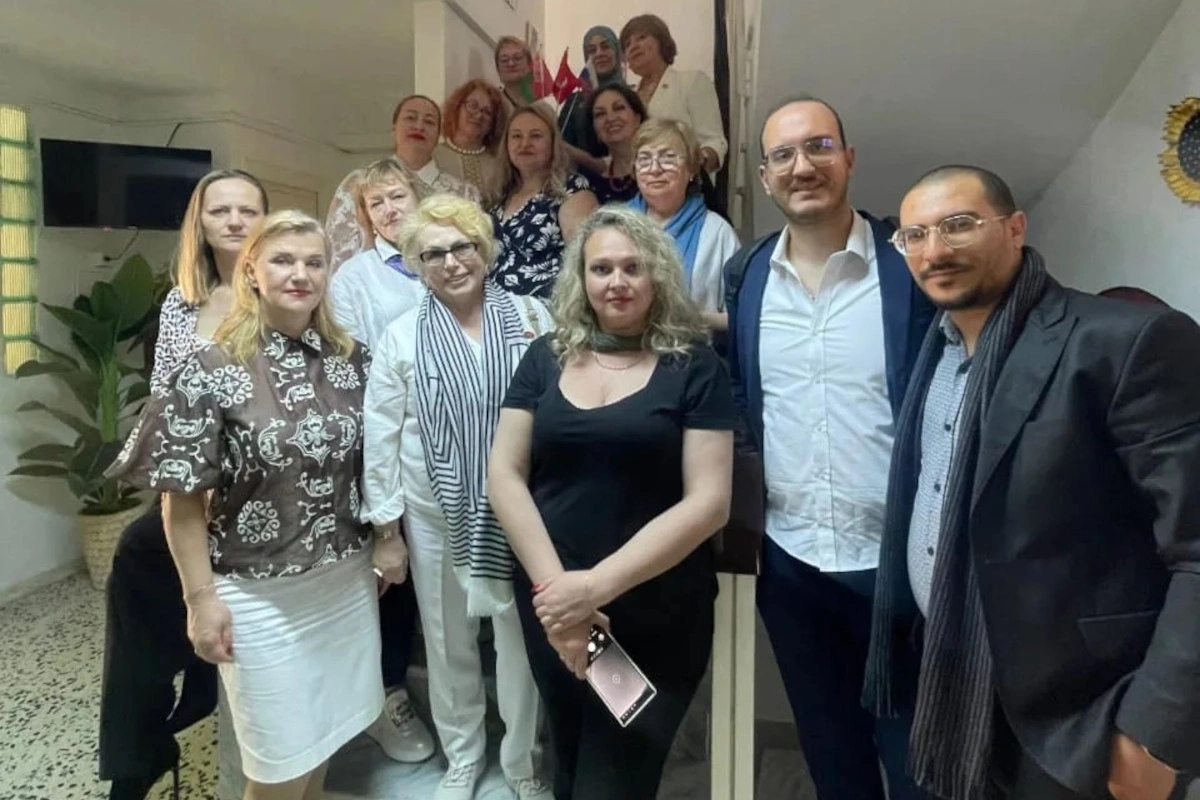
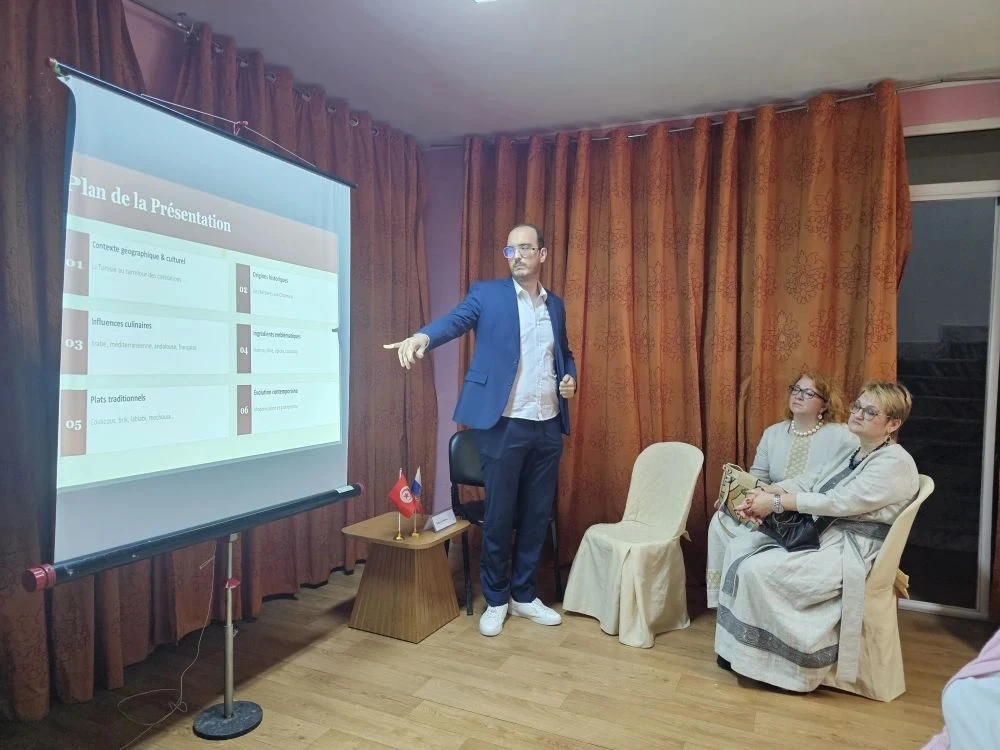
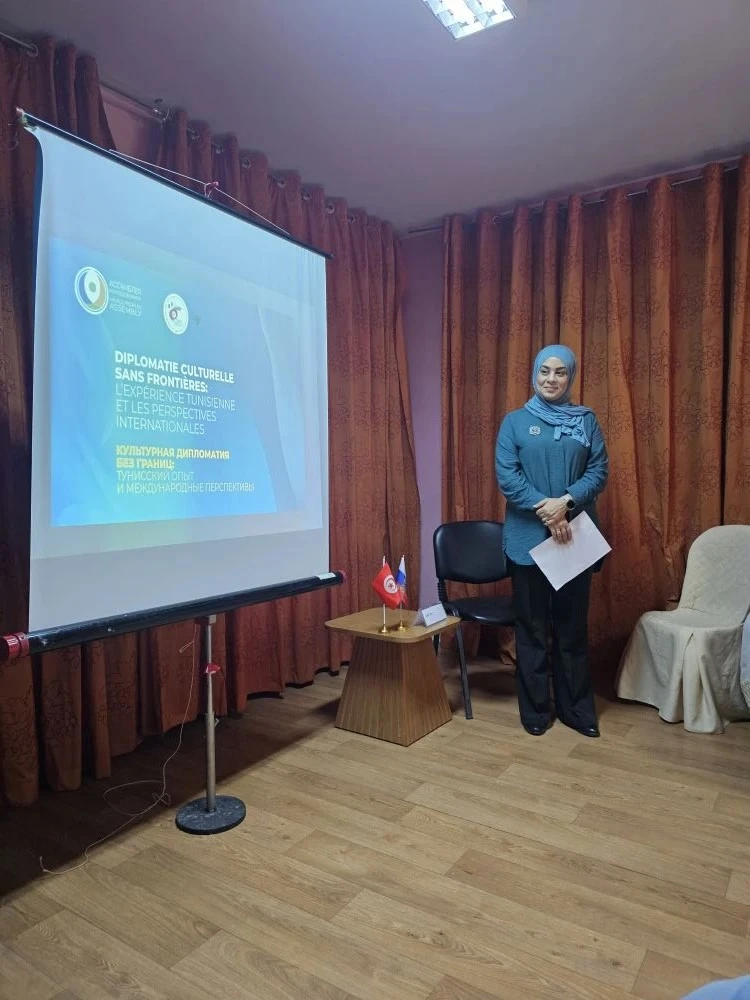
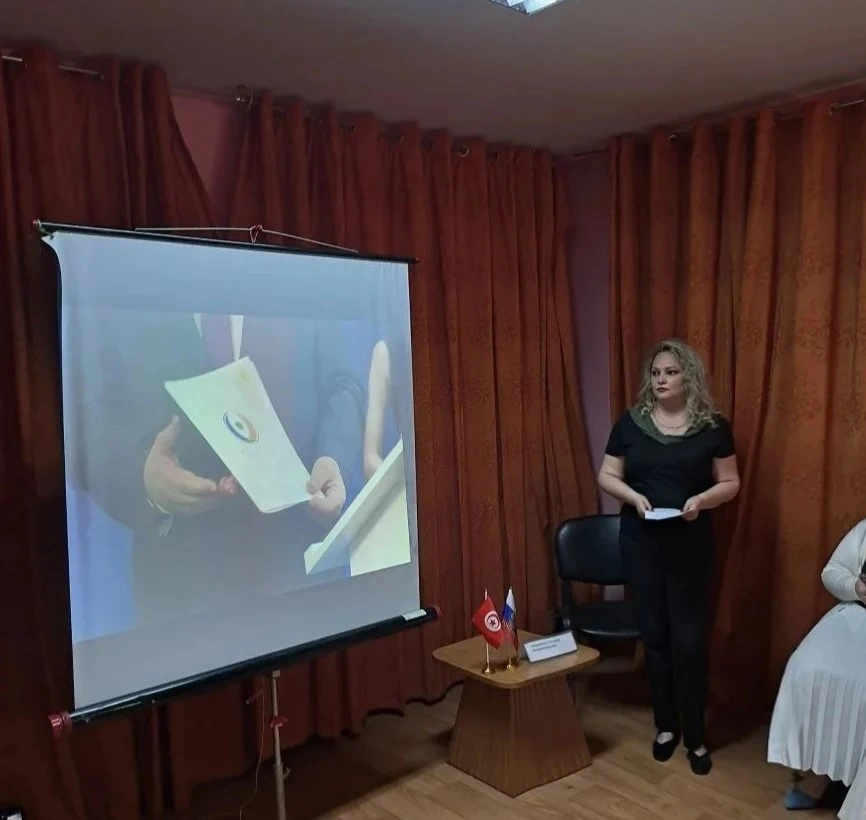
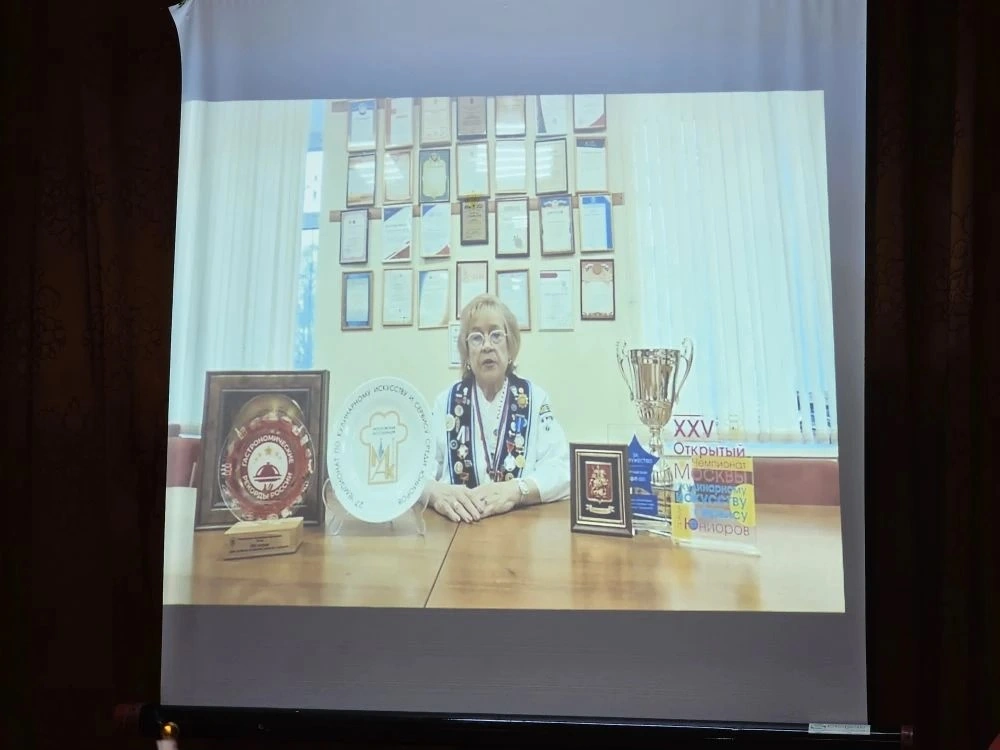
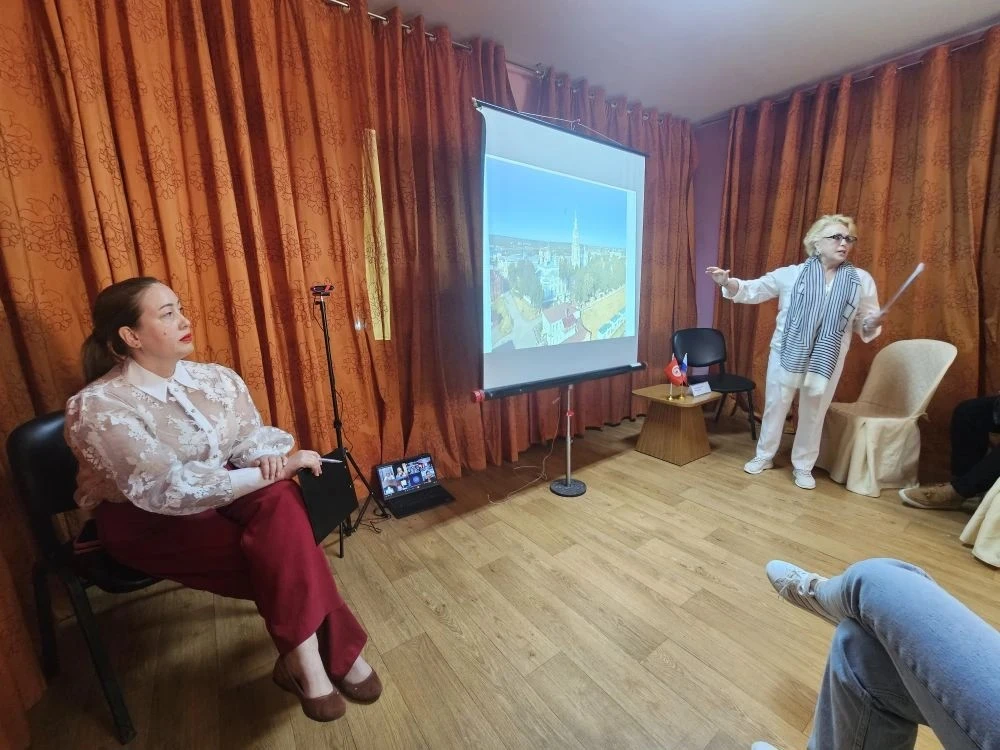
The Round Table "Cultural Diplomacy without borders: Tunisian experience and international perspectives" in Tunis held within the Art Unites project took place on April 28, 2026. The event was organized by the World Peoples Assembly in cooperation with the Coordinating Council of Russian Compatriots in Tunis (CSRC Tunis).
The Round Table was held in the format of an expert discussion with the participation of representatives of creative professions, public organizations, and educational institutions interested in forming a sustainable platform for international cultural cooperation through the exchange of best practices.
The honorary guest of the Round Table was musician, composer and performer, holder of the UNESCO titles "Artist for Peace", Ambassador of Peace Lotfi Bouchnak (Tunisia).
The participants also included:
· Olga Batakova – Chair of the Tunisian CSRC, Moderator;
· Tatiana Fedorova – Head of the Directorate of Cultural Cooperation of the World Peoples Assembly;
· Olga Nefedova – Deputy Executive Director, Chief of Staff of the Chairperson of the General Council of the World Peoples Assembly;
· Tatiana Kim, - Chair of the Union of Russian Compatriots in the Kingdom of Thailand, public figure, restaurateur;
· Melek Hajkasem– Culinary Marketing Consultant (Tunis);
· Tamara Sharova – President of the Moscow Culinary Association, Professor at MGUTU named after K.G. Razumovsky;
· Tatiana Sokolova - Chair of the Association of the Russian National Minority in History, Deputy Chairperson of the Croatian CSRC;
· Galina Ketova – Honored Actress of the Kyrgyz Republic, director, public figure;
· Elena Koreeda - founder and President of Koreeda Enterprises Co., Ltd, the Leading Ladies Business Alliance in Japan and the Synergy of Opportunities business forum, an expert in international trade and intercultural communications;
· Elena Zagrebina – Head of the Matryoshka Center for Russian Language and Culture;
· Natalia Ehrenfeld - Founder and CEO of Education Management Services Australia, an expert in international education, cultural, school and social diplomacy, business management and development and intercultural communications in Australia, President of the Multicultural Academy of Talents, founder of the Russian Center and the Russian School of Open Space in Australia;
· Svetlana Bogdanova - founder of the Ivan Aivazovsky School of Art, participant of the "Leader of Public Diplomacy 2026" contest;
· Olga Salakhova - Senior lecturer at the Institut Supérieur des Cadres de l'enfance (Tunis), a painter;
· Rome Dawes – Textile and clothing designer;
· Inna Bushnak - director of the Diaghilev Russian Ballet School in Tunis;
· Wright Khadija - Expert in audiovisual media;
· Elena Tarasevich – Head of the Kalinka Cultural and Educational Club;
· Nadezhda Kasafutdinova - Cultural worker, ambassador of the Union of Cultural Workers in Dubai, recipient of the Order of Merit in the Field of Culture; founder of the Poetfest and Poetfest.Dubai festivals, author and publisher of two collections of modern poetry, creator of a cultural and educational platform connecting masters of the word with aspiring authors
· and others.
A total of 19 experts, representatives of public organizations and cultural figures from 9 countries took part in the round table:
· Tunisian Republic
· Russian Federation
· Japan
· Australia
· Croatia
· Kingdom of Thailand
· Ireland
· Kyrgyz Republic
· United Arab Emirates (Dubai).
The following topics were discussed:
· Art unites: the role of creative professionals in strengthening international understanding;
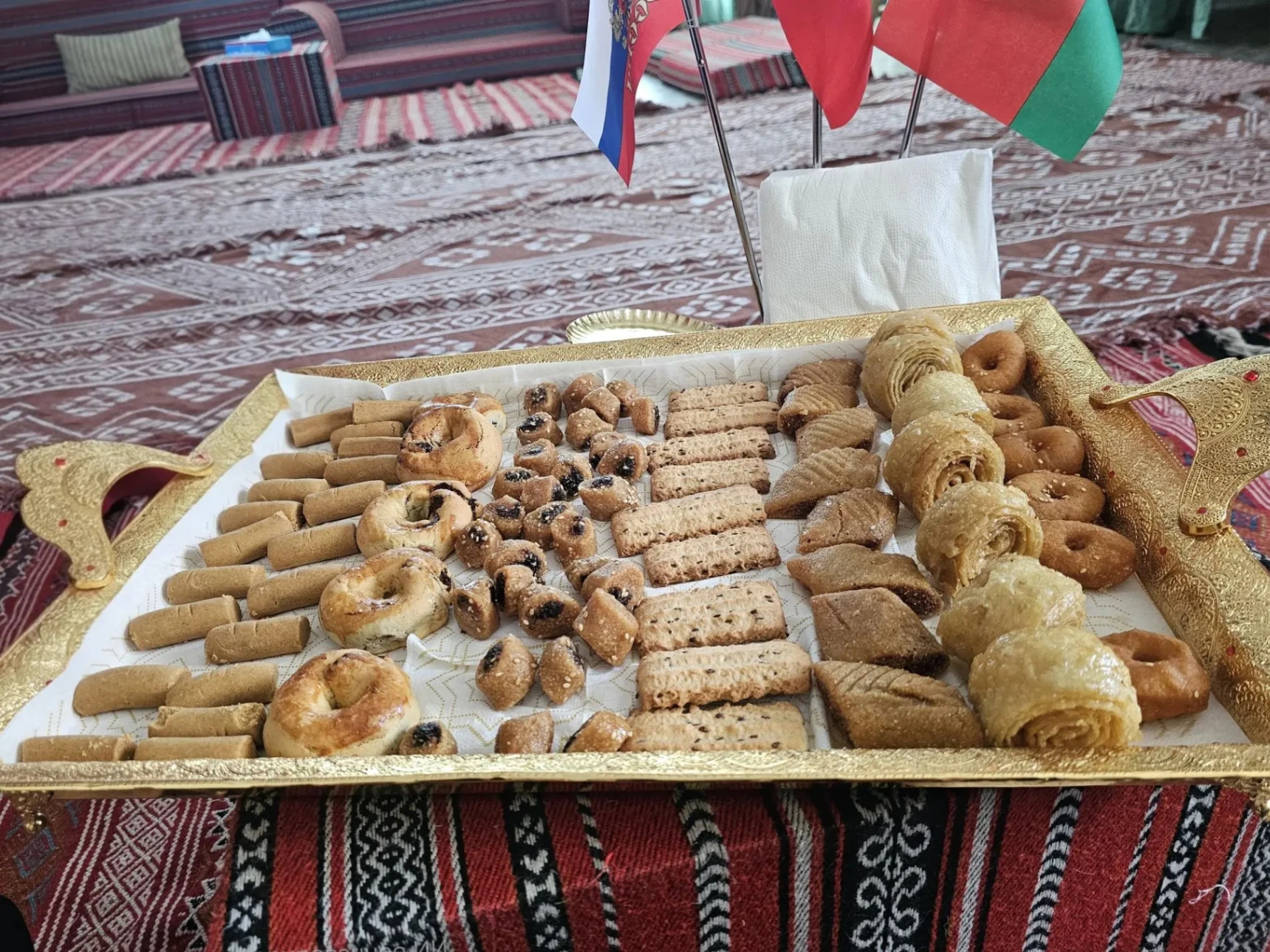
· Cultural Gastrodiplomacy: a world without borders (Tunisian cuisine, international culinary associations);
· The role of public organizations in supporting cultural identity (women's entrepreneurship, multicultural academies, national diasporas);
· Unique practices based on the example of Tunisia (integration of heritage into modern projects, textile design, folk costumes);
· Art as a language of mutual understanding: visual images that unite nations (theater, audiovisual media);
· Preservation and broadcasting of the Russian art and pedagogical school abroad (ballet, painting, music, language, industrial pedagogy);
· Support for young talents through international competitions and residencies.
Following the Round Table outcomes:
· new professional contacts between the participants were established;
· high demand for systematic support of Russian-speaking pedagogical schools abroad while maintaining the authenticity of the methods has been detected;
· Gastronomic and visual arts are recognized as the fastest and most emotionally capacious channels for overcoming cultural barriers;
· Tunisia has the potential to become a hub for cultural diplomacy of the World Peoples Assembly in North Africa.
More information is on the official website of the World Peoples Assembly and at media@world-assembly.org.