

Scientific and Educational Cooperation and Sustainable Development were Discussed at World Public Summit in Addis Ababa at UN Headquarters
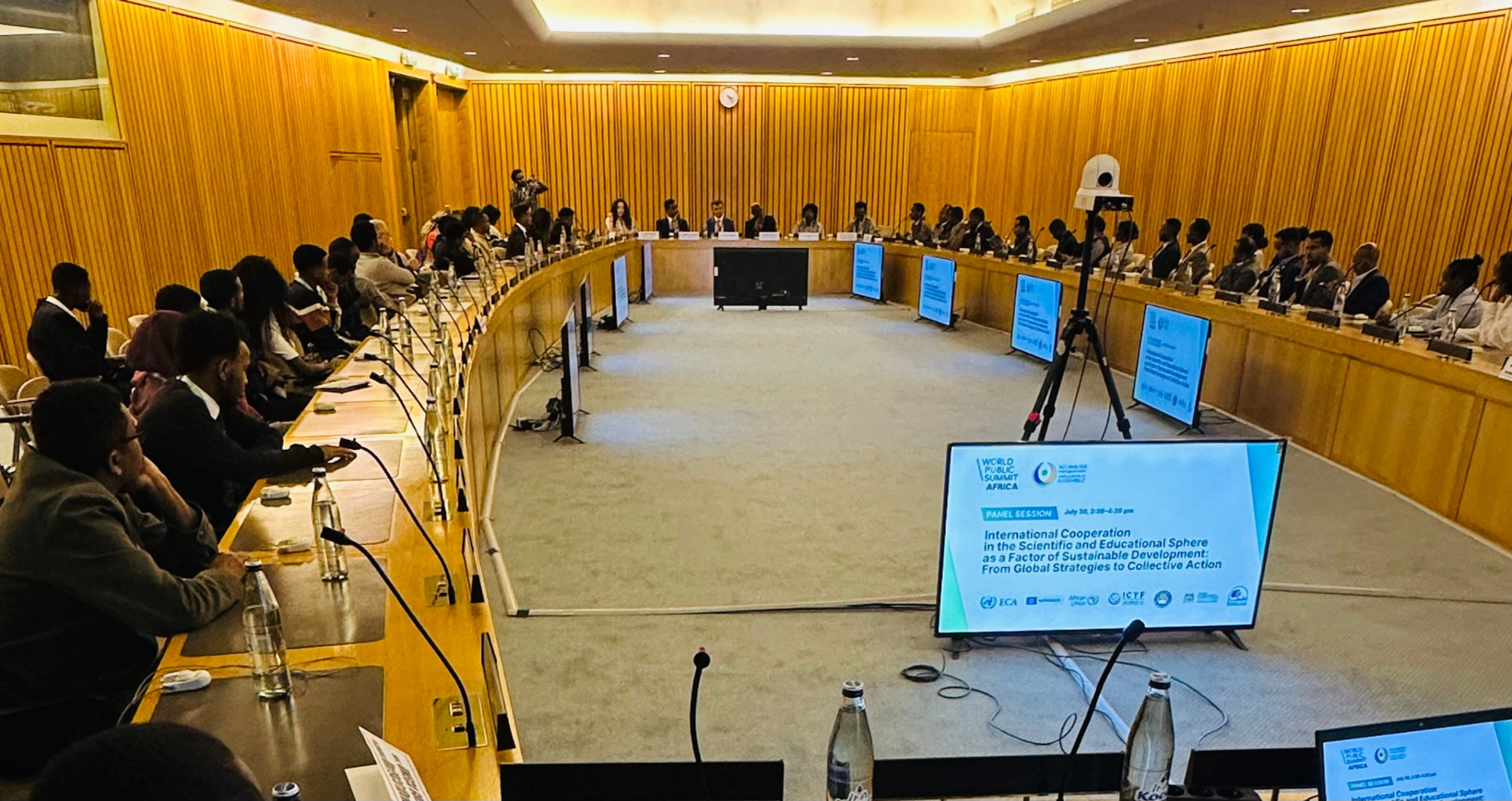
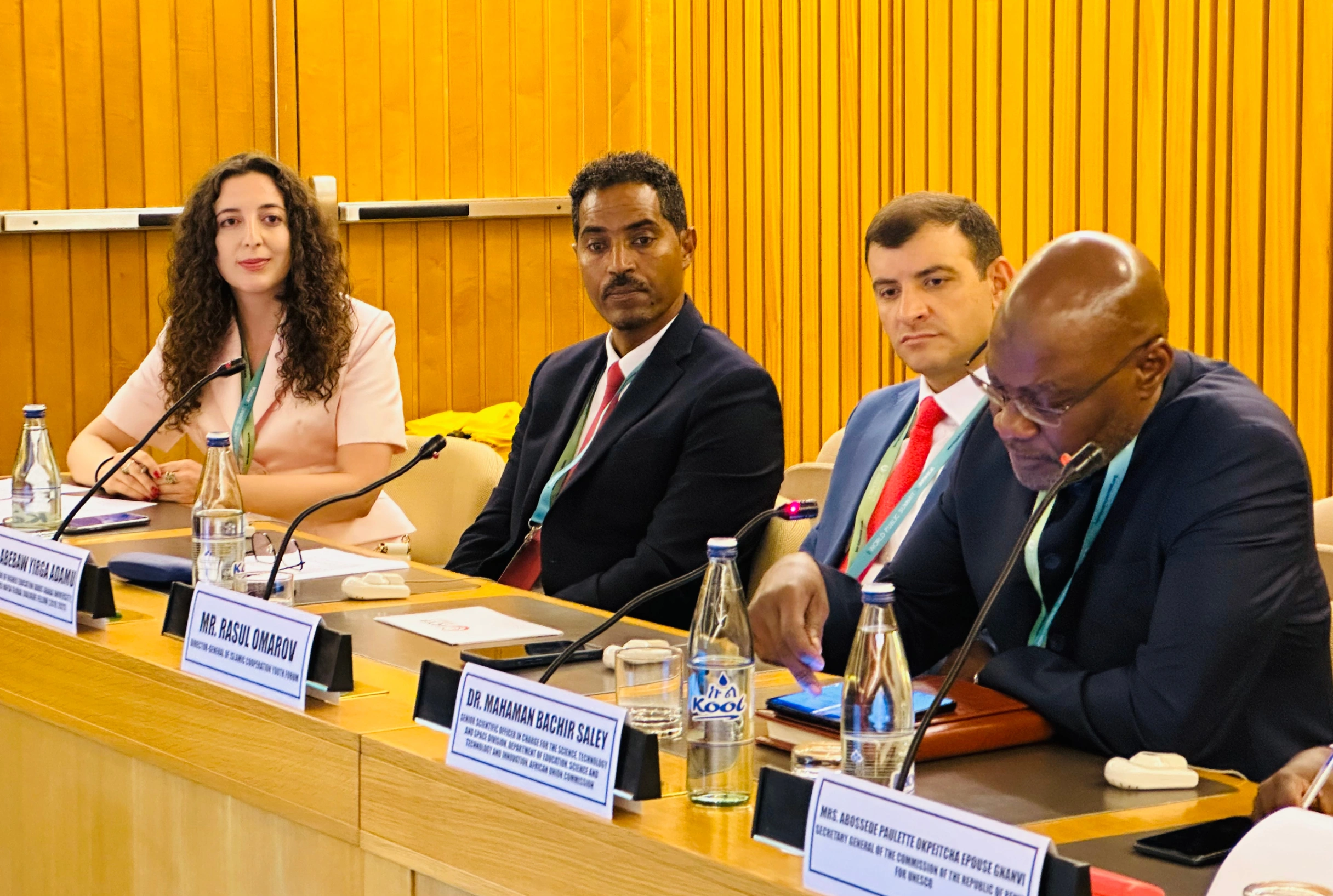
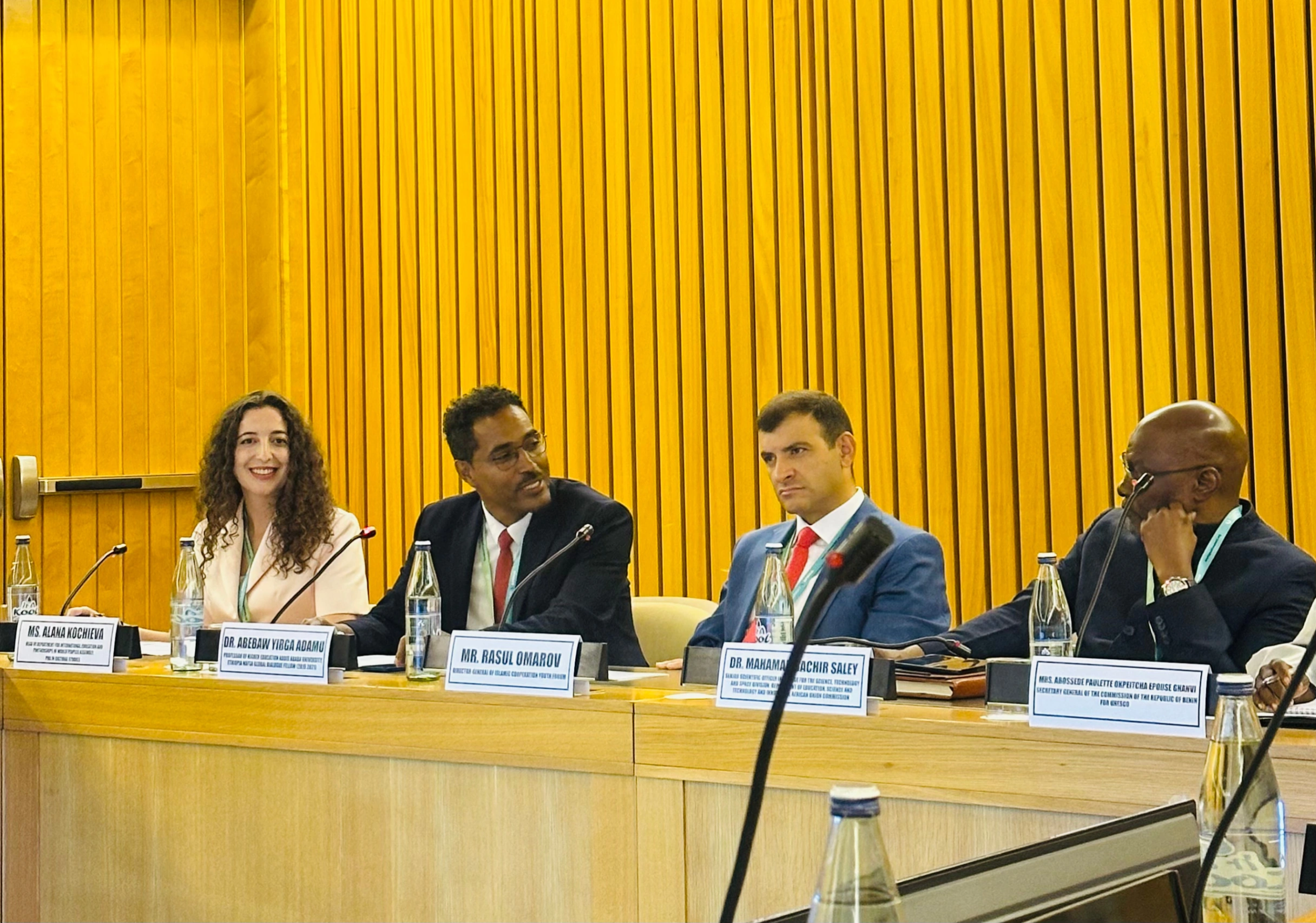
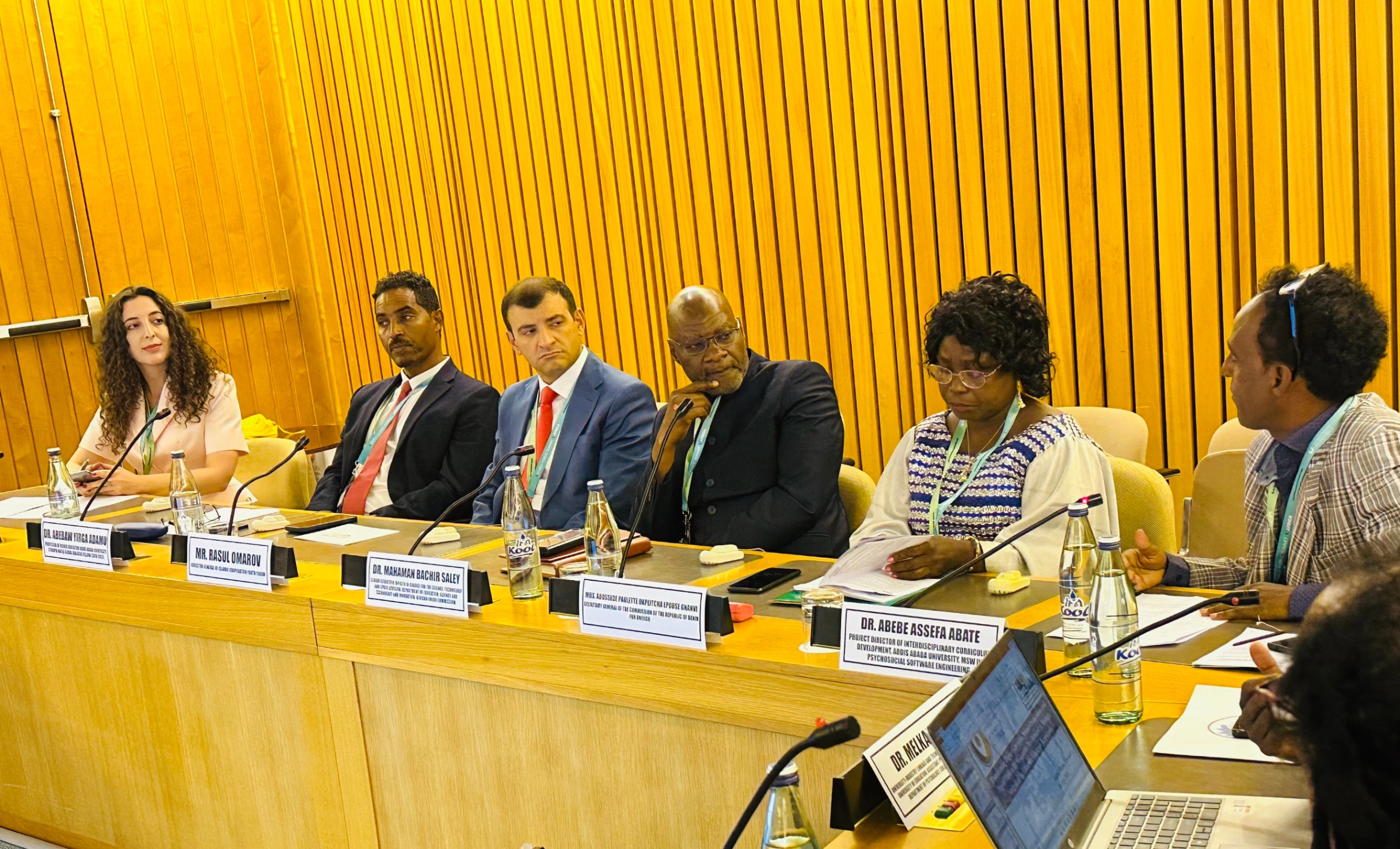
The panel session "International Cooperation in Science and Education as a Factor of Sustainable Development: From Global Strategies to Collective Action" took place on July 30, 2026, at the headquarters of the United Nations Economic Commission for Africa (UNECA) in Addis Ababa, as part of the World Public Summit: Africa "New World: Africa in Shaping a Shared Future." The event was organized by the World Peoples Assembly.
The session was attended by representatives of international, intergovernmental, and public organizations, experts in science, education, culture, and communications, as well as representatives of universities from various countries. The moderator was Alana Kochieva (Russia), Head of the Department of International Education and Partnership of the World Peoples Assembly, PhD in Cultural Studies.
Welcoming reports were delivered by:
Mahaman Bachir Saleh (Côte d'Ivoire) – Senior Scientific Officer at the Department of Education, Science, Technology and Innovation of the African Union Commission;
Abebe Assefa Abate (Ethiopia) – Project Lead for the development of interdisciplinary curricula at Addis Ababa University, expert in social software development;
Rasul Omarov (Turkey) – Director General of the Islamic Cooperation Youth Forum (ICYF);
Abebaw Yirga Adamu (Ethiopia) – Professor at the Department of Higher Education at Addis Ababa University, NAFSA Global Dialogue Scholar (2019–2021);
Abossede Paulette Okleitcha Enous Gnavin (Benin) – Secretary-General of the National Commission of the Republic of Benin for UNESCO;
Melkamu Afeta Gonfa (Ethiopia) – Director of Industry Liaison and Technology Transfer at Kotebe University of Education, Assistant Professor of Social Psychology at the College of Education Sciences.
During the session, participants discussed key aspects of international cooperation in science and education:
the role of universities as drivers of innovation and inclusive growth,
joint research models and the ethical application of new technologies,
the effectiveness of existing multilateral mechanisms and the role of international organizations, including the UN, the African Union, and UNESCO.
Abebe Assefa Abate emphasized the importance of education:
- The structural transformation of modern society relies heavily on higher education systems: universities are no longer limited to academic training, but act as active drivers of innovation, inclusion, and regional integration, ensuring the transition from global strategies to practical collective action.
The session participants paid special attention to the harmonization of curricula, student and faculty mobility, as well as university-industry linkages. They noted the importance of exchanging scientific knowledge and experience for shaping a global scientific and educational environment as a necessary condition for achieving the UN Sustainable Development Goals. In this regard, Dr. Abebaw Yirga Adamu said:
- Sustainable development is a test of our collective intellectual capacity: whether humanity can learn to jointly solve problems that no one can solve alone.
Based on the outcomes of the panel session, participants formulated recommendations for strengthening the global scientific and educational ecosystem, with an emphasis on youth engagement, digital transformation, and cultural diplomacy. The speakers agreed to develop joint initiatives in education, science, and cultural exchange, as well as to expand partnerships between universities, research institutes, and international organizations.
The session made an important contribution to preparations for future summits of the World Peoples Assembly on education, science, and sustainable development. The organizers expressed special gratitude to the United Nations Economic Commission for Africa for its support and for providing the venue for the event.
Additional information is available on the official websites of the World Public Summits and the World Peoples Assembly.