

The Second World Public Assembly Has Concluded in Moscow
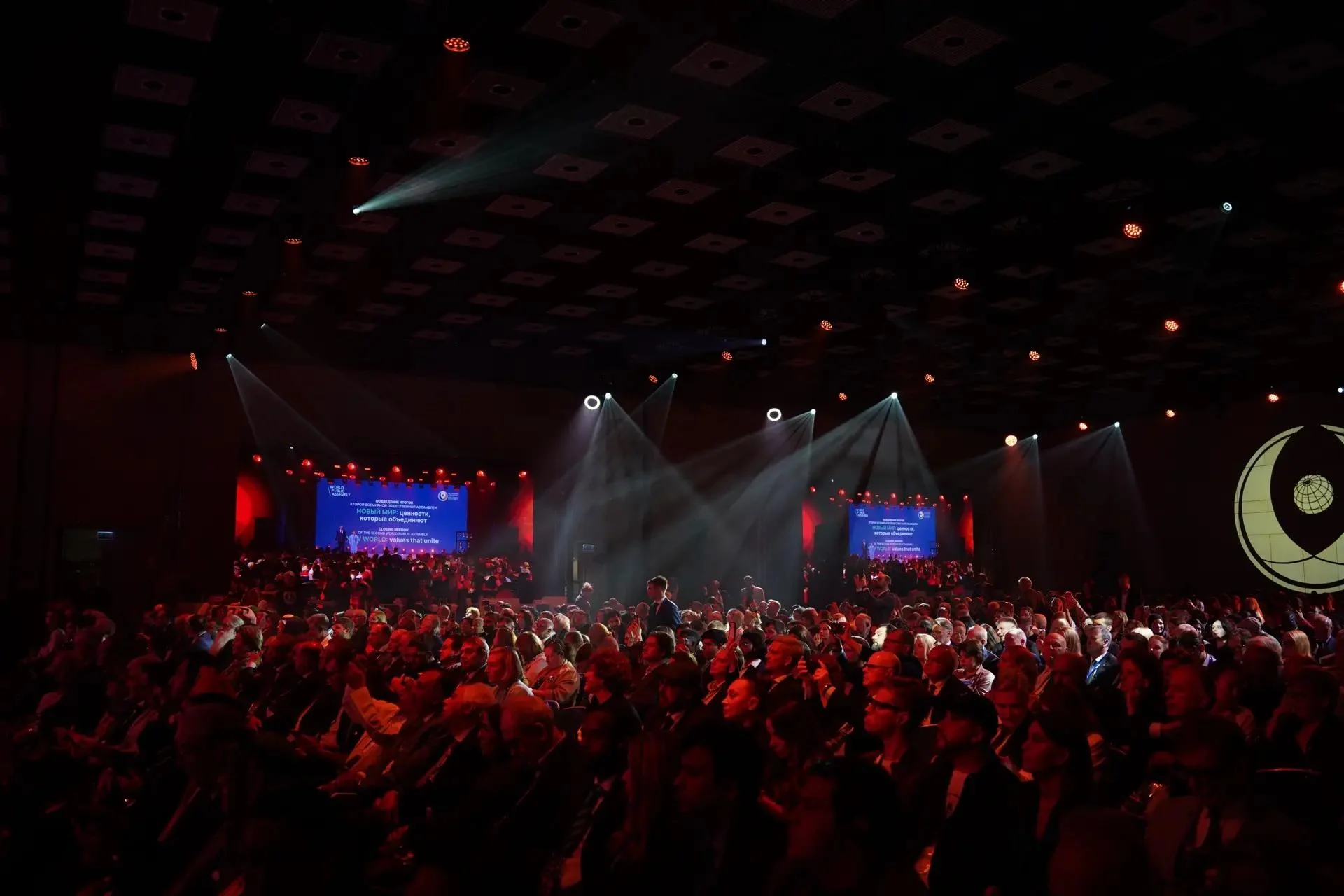
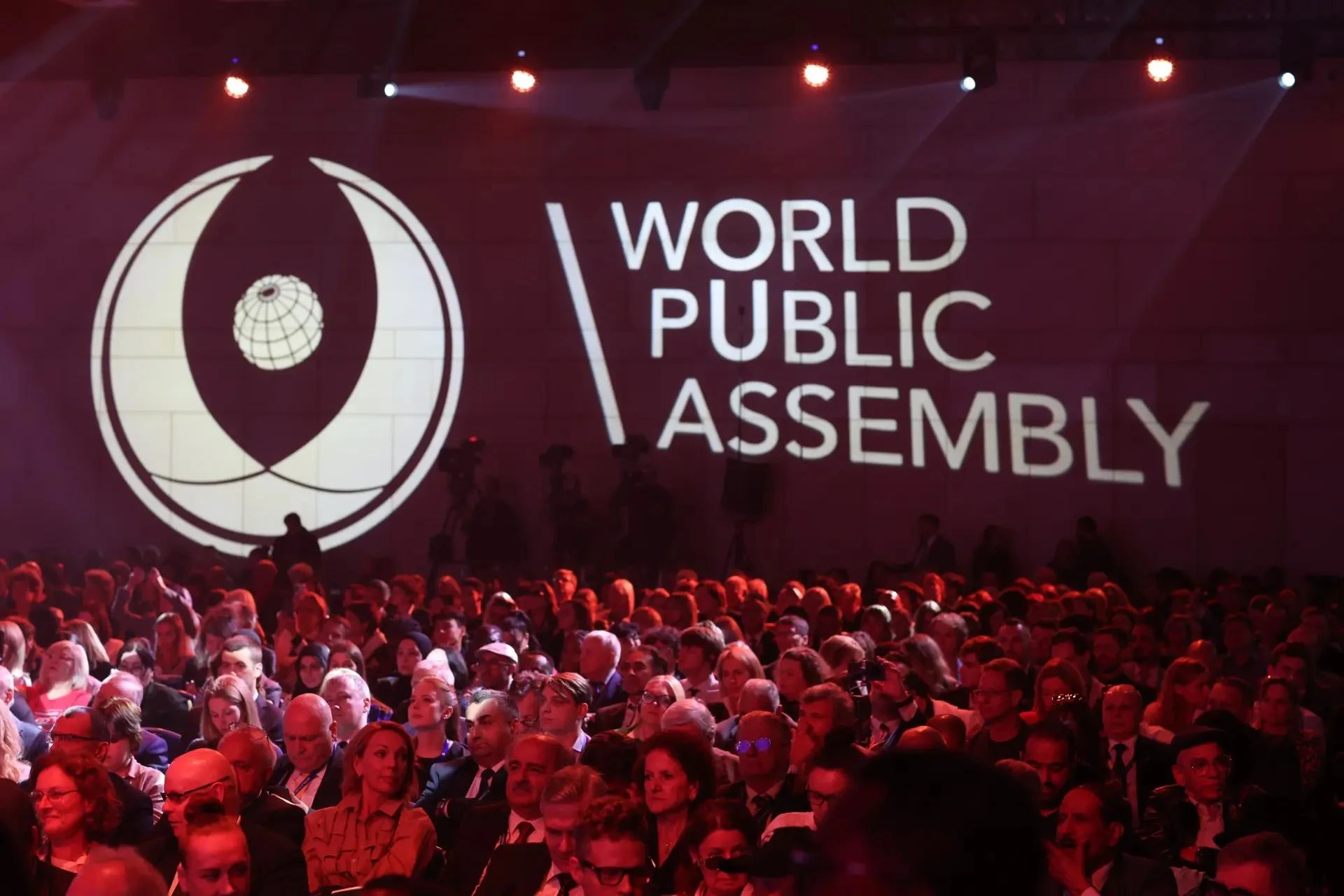
The Second World Public Assembly "New World: Values That Unite" concluded on September 19, 2026, at the World Trade Center. One of the largest international platforms for public diplomacy brought together more than five thousand participants from over 150 countries.
The events were attended by representatives of public organizations, the expert and scientific community, culture, education, business, youth associations, international organizations, and the diplomatic corps.
During the Assembly, dozens of strategic and panel sessions, round tables, international meetings, and youth, educational, and cultural events were held. The focus of discussion included public diplomacy and international trust, historical memory, education and science, culture, family, youth, artificial intelligence, sustainable development, and responsibility to future generations.
Among the key platforms were: the strategic session "Voices of Regions: From Initiatives to Joint Action," the II International Youth Forum "Generation of Unity," the International Media Forum, discussions on "Preserving Humanity — an Imperative for the Sustainable Development of Civilization," "Historical Memory as the Foundation of the Common Future of Humanity," "International Organizations: Effective Partnership in Science and Education," as well as events dedicated to interaction between cities, culture, and new technologies. The Assembly's regional agenda was based, among other things, on the outcomes of the 2026 World Public Summits in India, Latin America, and Africa.
One of the main practical results of the forum was the signing of more than 30 agreements and memorandums of cooperation. They provide for further interaction in public diplomacy, education, science, culture, humanitarian and youth projects, and the development of direct international ties between organizations and expert communities. The two-day work resulted in the signing of the final Declaration of the Second World Public Assembly, which consolidated the main principles and directions for further international public interaction.
— Today it is especially important to understand: public diplomacy is no longer a supplement to international relations but one of the necessary instruments for preserving direct dialogue between people and nations. More than 5,000 participants, dozens of discussion platforms, over 30 signed agreements and memorandums — behind each of these figures stand new connections and concrete joint projects. For us it is fundamentally important that the Assembly does not end with the last session. Everything we talked about over these two days must continue in practical work: in education, science, culture, youth and humanitarian initiatives, - noted Secretary General of the World Peoples Assembly Andrey Belyaninov.
A special place in the program was occupied by issues of preserving humanity and historical memory. Participants spoke about the need to place the human being at the center of technological and social development, to preserve cultural diversity, and to ensure the transmission of historical memory to new generations. The educational platforms discussed international scientific communications, academic mobility, joint research, and the convergence of educational standards. The youth program was oriented toward the transition from discussing the future of young people to their direct participation in developing international decisions.
The Second World Public Assembly became a continuation of the international dialogue that the World Peoples Assembly developed throughout 2026 at regional World Public Summits. Their results and initiatives were presented in Moscow, and the participants of the Strategic Session "Voices of Regions" discussed the further expansion of the geography of public dialogue, including new platforms in the Arab world, China, and within BRICS and ASEAN.
The conclusion of the Assembly marked the transition from international discussion to joint action. The signed agreements, the final Declaration, and the initiatives formed during the two-day work should become the basis for new international projects and the further development of direct ties between public institutions of different countries.
The organizer of the Second World Public Assembly is the World Peoples Assembly.
Additional information is available on the official website of the World Peoples Assembly and at media@world-assembly.org.