

The Zambezi River Becomes a Hub for International Dialogue at the World Public Summit: Africa “New World: Africa in Shaping a Shared Future”
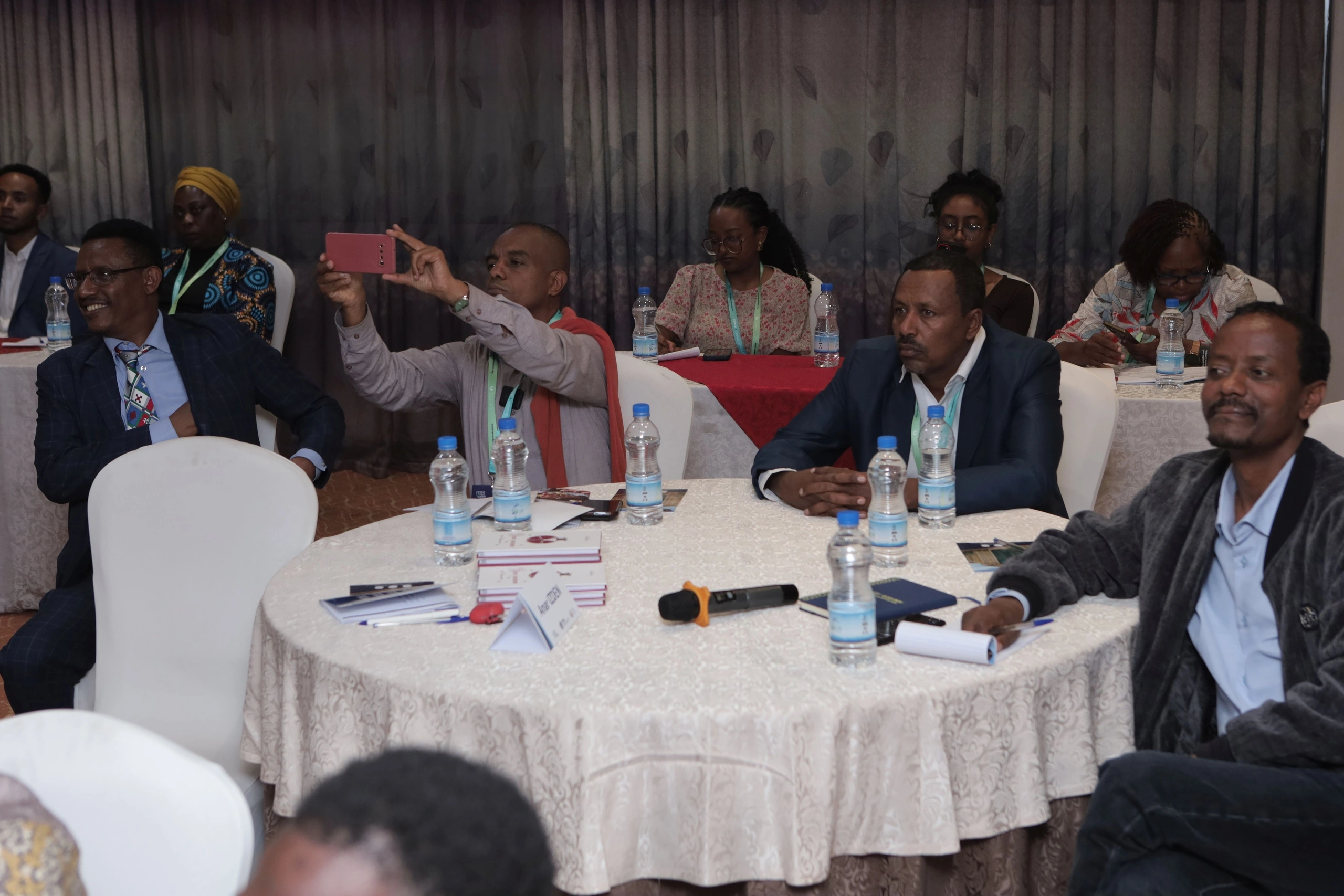
A roundtable “The Zambezi River: Economy, Society, Soul” – organized by experts from the World Peoples Assembly as part of the World Public Summit: Africa “New World: Africa in Shaping a Shared Future” – took place on July 29, 2026. The session was dedicated to one of the key natural and cultural symbols of the Southern African region.
The discussion was moderated by Victoria Piri Chitungu, Director of the Livingstone Museum in Zambia, cultural historian and researcher. The participants included:
· Perris Nkombwe (Zambia) – Director of the Lusaka National Museum;
· Manfred Gaeb (Namibia) – Director of the National Museum of Namibia;
· Artem Silkin (Russia) – Director of the Sviyazhsk Island‑Fortress State Museum and Reserve, Vice‑President of the Russian Committee of the International Council of Museums (ICOM Russia).
Also joining the session were Ivan Zakharov, a research fellow at the Institute for African Studies of the Russian Academy of Sciences, and students from Russia – Svetlana Dubeykovskaya and Alexander Pravednikov.
Participants spoke about the Zambezi River not only as a natural feature that unites several countries in the region, but also as a symbol linking economic, social and spiritual processes in Southern Africa. Particular attention was paid to the preservation of cultural and natural heritage, as well as the role of museums and research institutions in developing sustainable humanitarian ties. In this context, Victoria Piri Chitungu emphasized:
- The Zambezi River is not just a geographical artery of the region – it is the living memory of the peoples, their culture and identity.
Perris Nkombwe, in turn, noted:
- Museums today are becoming platforms for dialogue, where natural heritage is considered in the context of social development and international cooperation.
Participants stressed that the ecosystem of the Zambezi can only be preserved through joint efforts of scientists and cultural institutions from different countries. They also highlighted the importance of regional cooperation: the river unites countries not only geographically but also historically, shaping a common future. The prospects for interaction between Russian and African museums were discussed separately – opening opportunities for experience exchange and joint heritage conservation projects. In addition, it was noted that studying the Zambezi helps better understand the complex processes at the intersection of nature, economy, and society.
Following the discussion, participants expressed interest in developing inter‑museum cooperation between Russia and African countries, as well as in implementing joint research and cultural initiatives.
For more information, please visit the official websites of the World Public Summits and the World Peoples Assembly.