

"Those Who Forget the Past are Condemned to Repeat It." Experts in Moscow Discussed Methods of Combating the Distortion of Historical Truth and Shared Responsibility to Future Generations
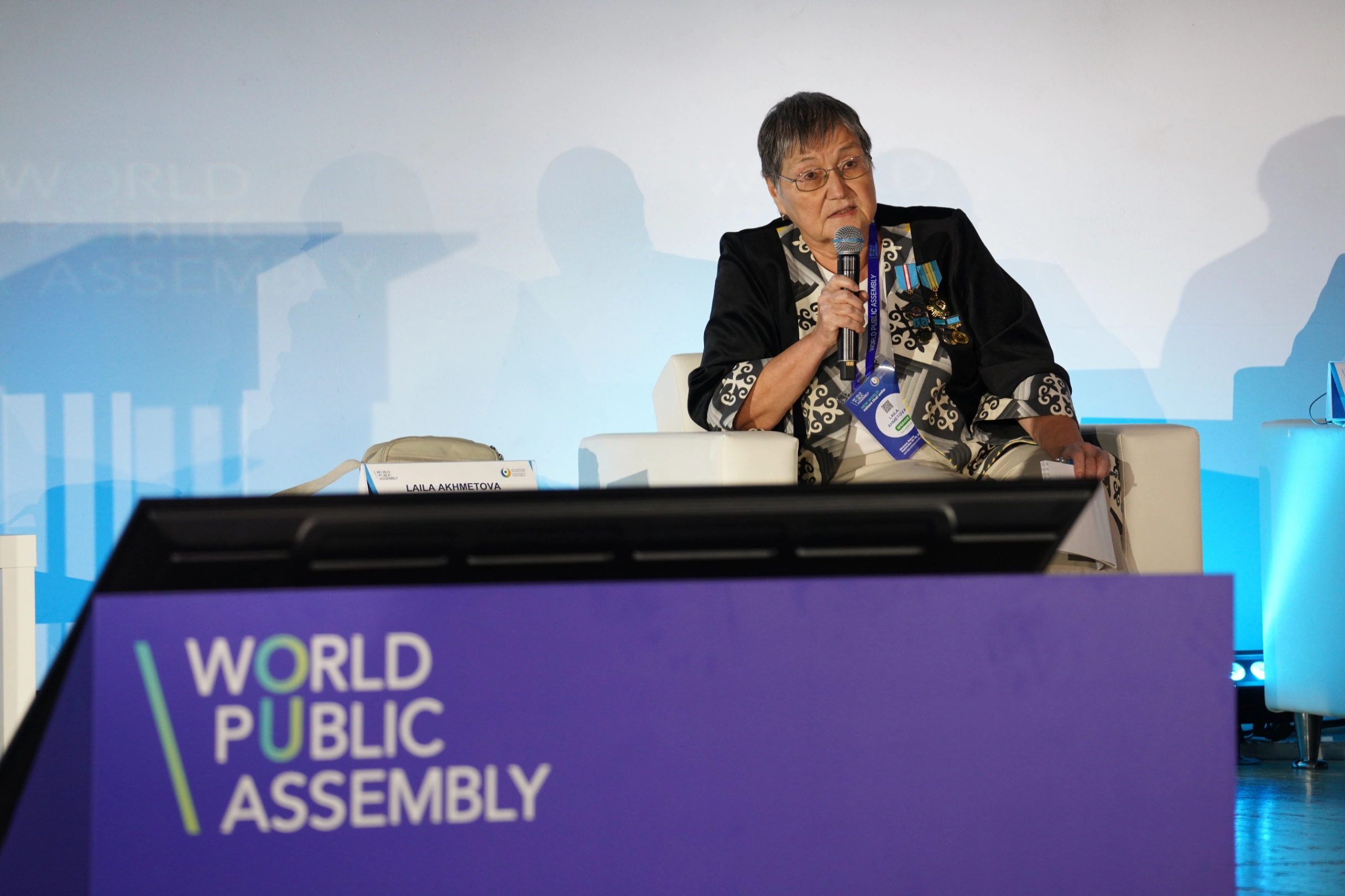
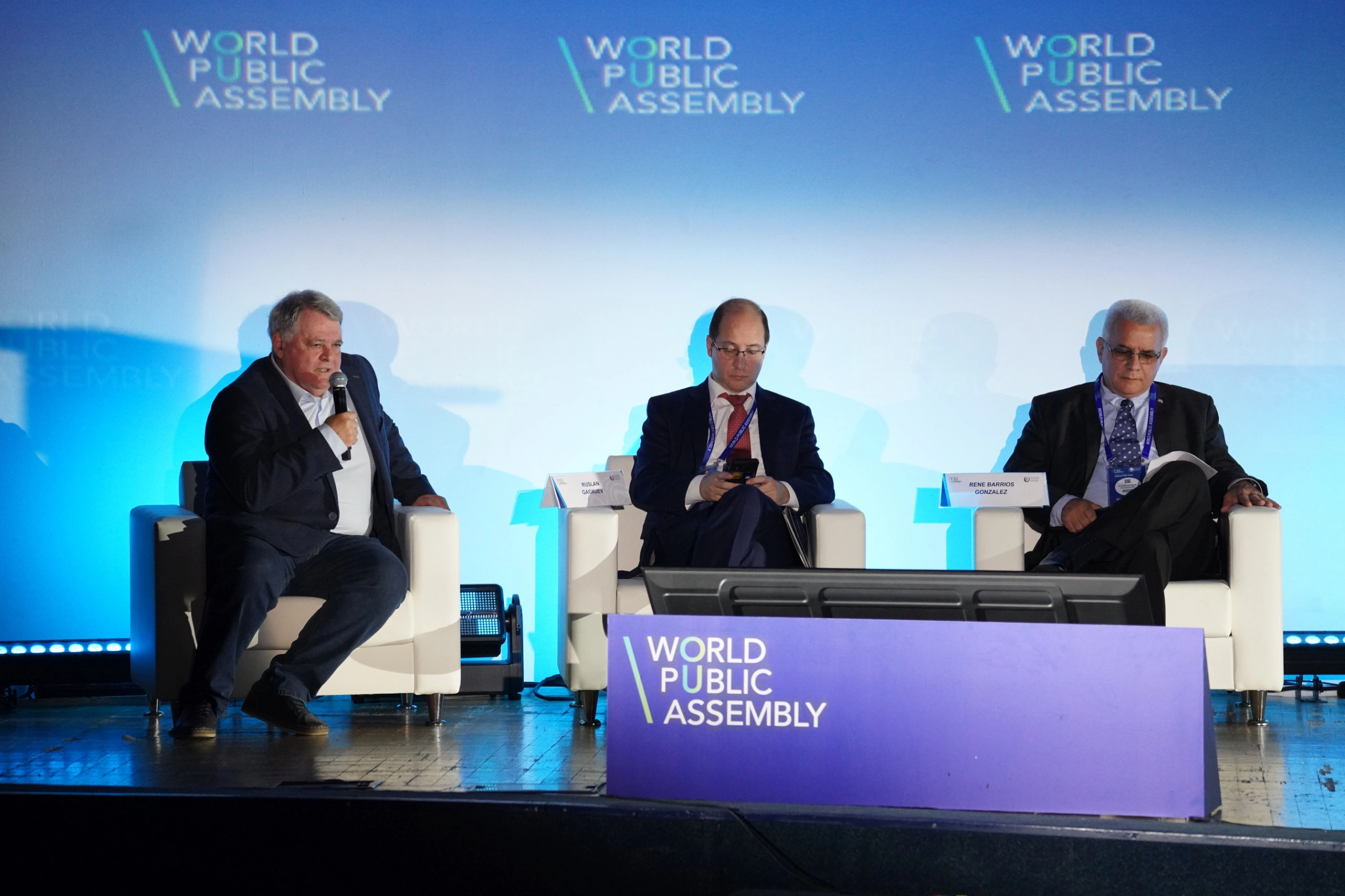
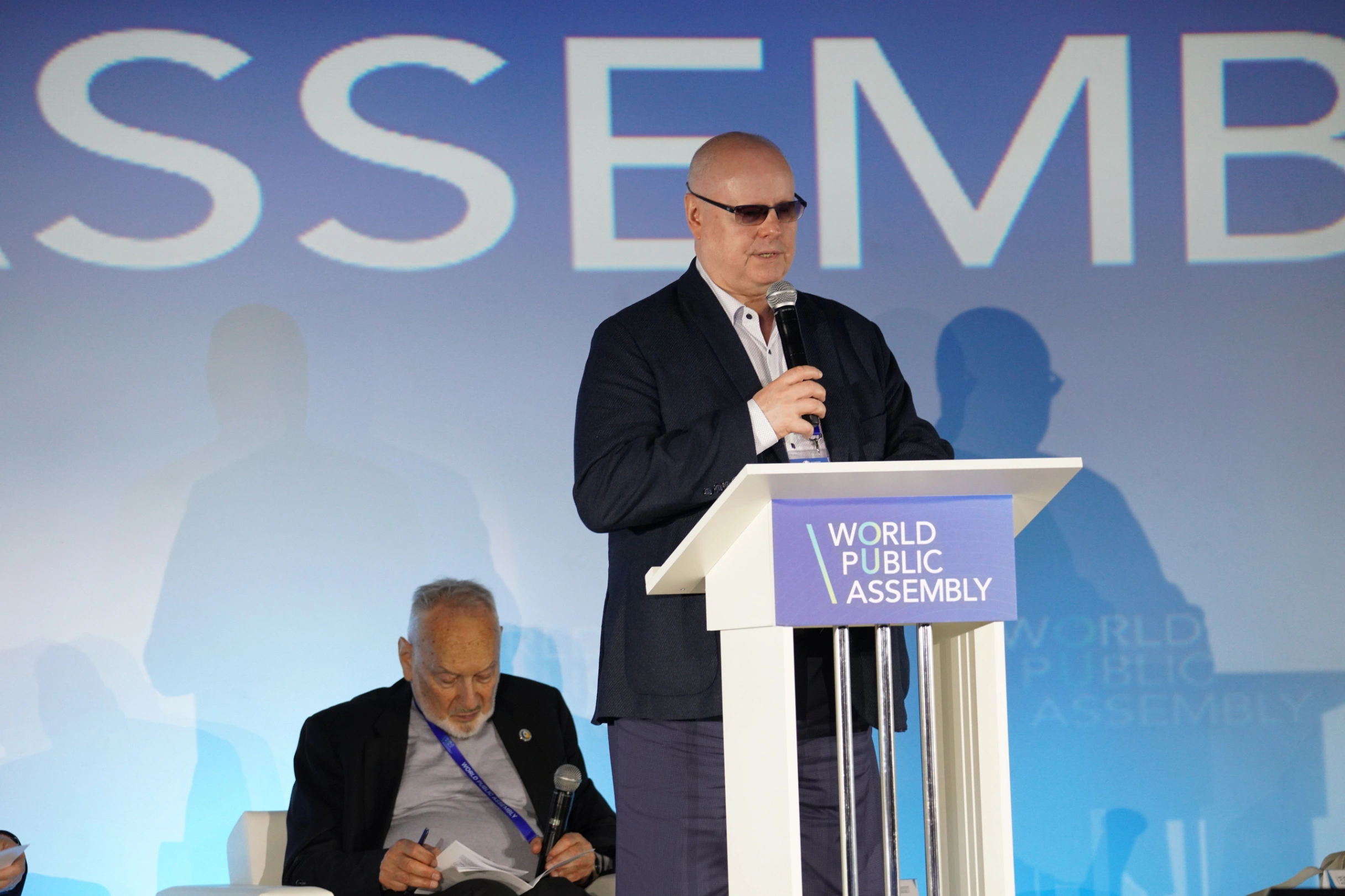
A high-level panel session "Historical Memory as the Foundation of Humanity's Shared Future" was held on September 18, 2026, at the World Trade Center. The event was part of the Second World Public Assembly "New World: Values That Unite," taking place in Moscow from September 18 to 19.
Participants discussed the significance of historical memory for preserving the cultural identity of peoples, passing knowledge on to future generations, and strengthening international dialogue. The speakers paid particular attention to preserving the historical truth about World War II, countering the distortion of history, and the role of civil society in this work.
The moderators of the session were:
Valery Ruzin — Deputy Secretary General of the World Peoples Assembly, Candidate of Philosophical Sciences, President of the Eurasian Academy of Television and Radio;
Laila Akhmetova — Professor at Al-Farabi Kazakh National University, Doctor of Historical Sciences, Chair of the World Peoples Assembly’s Council on Historical Memory.
Ruslan Gagkuev - Chairman of the Board of the Russian Historical Society, noted the particular importance of turning to the past amid current international tensions.
— Today it is necessary to draw lessons from our past and seek out those subjects, already largely forgotten, that promote the rapprochement of countries, peoples, and states, — stated the speaker.
One of the topics of discussion was the traditions of Russian humanism, based on respect for human dignity, compassion, and a sense of justice. These ideas have deep historical roots and are reflected in Russian culture, above all in literature.
In this context, Ruslan Gagkuev turned to the history of Russia's international engagement. He recalled the Hague Conferences, organized at the initiative of Nicholas II, the events of the Great Patriotic War, when the multiethnic people of the Soviet Union fought against Nazism, as well as the international humanitarian initiatives of the second half of the 20th century.
He spoke separately about the International Lenin Prize "For Strengthening Peace Among Peoples" and the Leo Tolstoy International Peace Prize, noting their connection to the tradition of Russian humanism and the tasks of strengthening friendship among peoples, preventing wars, and developing international dialogue.
Speaking about the present day, Ruslan Gagkuev noted Russia's aspiration to maintain engagement with the countries of the Global South and to develop equal international dialogue, including in the cultural sphere.
Sergey Baburin - Doctor of Law and Professor, raised the question of the need to reconsider established historical dates, including the date of the outbreak of World War II (commonly considered to be September 1, 1939), and recalled the large-scale military actions that unfolded long before it.
In particular, Sergey Baburin mentioned Japanese aggression and the offensive into Central China, as well as the armed clashes between the USSR and Japan at Lake Khasan and the Khalkhin Gol River. He separately pointed to the Munich Agreement and the subsequent occupation of Czechoslovakia, raising the question of the extent to which these events should be considered in the context of the outbreak of the world war.
During the discussion, the problem of distorting the assessment of past events was raised. Experts drew attention to the need to preserve the true historical picture, preventing the substitution of heroes and the suppression of facts about certain individuals' collaboration with Nazi Germany.
American scholar and Professor of History Peter Kuznick said that many Americans have only a vague understanding of the decisive role of the Soviet Union in World War II and of the colossal losses suffered by the Soviet side. To support this, the scholar cited his students' answers: their knowledge of US and USSR casualties differs radically from the harsh historical facts. Touching on the topic of the Vietnam War, the speaker also pointed to the enormous human losses, noting that this tragedy has still not received due reflection in American society.
— Most Americans do not know history, do not know what happened during the Cold War, do not understand what is happening today. This is tragic and dangerous, — the professor stated with sorrow, and recalled the words of the American philosopher George Santayana: "Those who forget the past are condemned to repeat it."
Experts highlighted the role of civil society in preserving historical memory. Establishing historical truth and passing knowledge on to new generations were named as an area of shared responsibility — one where everyone can make their contribution.
Additional information is on the official website of the World Peoples Assembly and at media@world-assembly.org.