

Role of Creative Industries and Cultural Diplomacy in Shaping a Common Future was Discussed in Addis Ababa
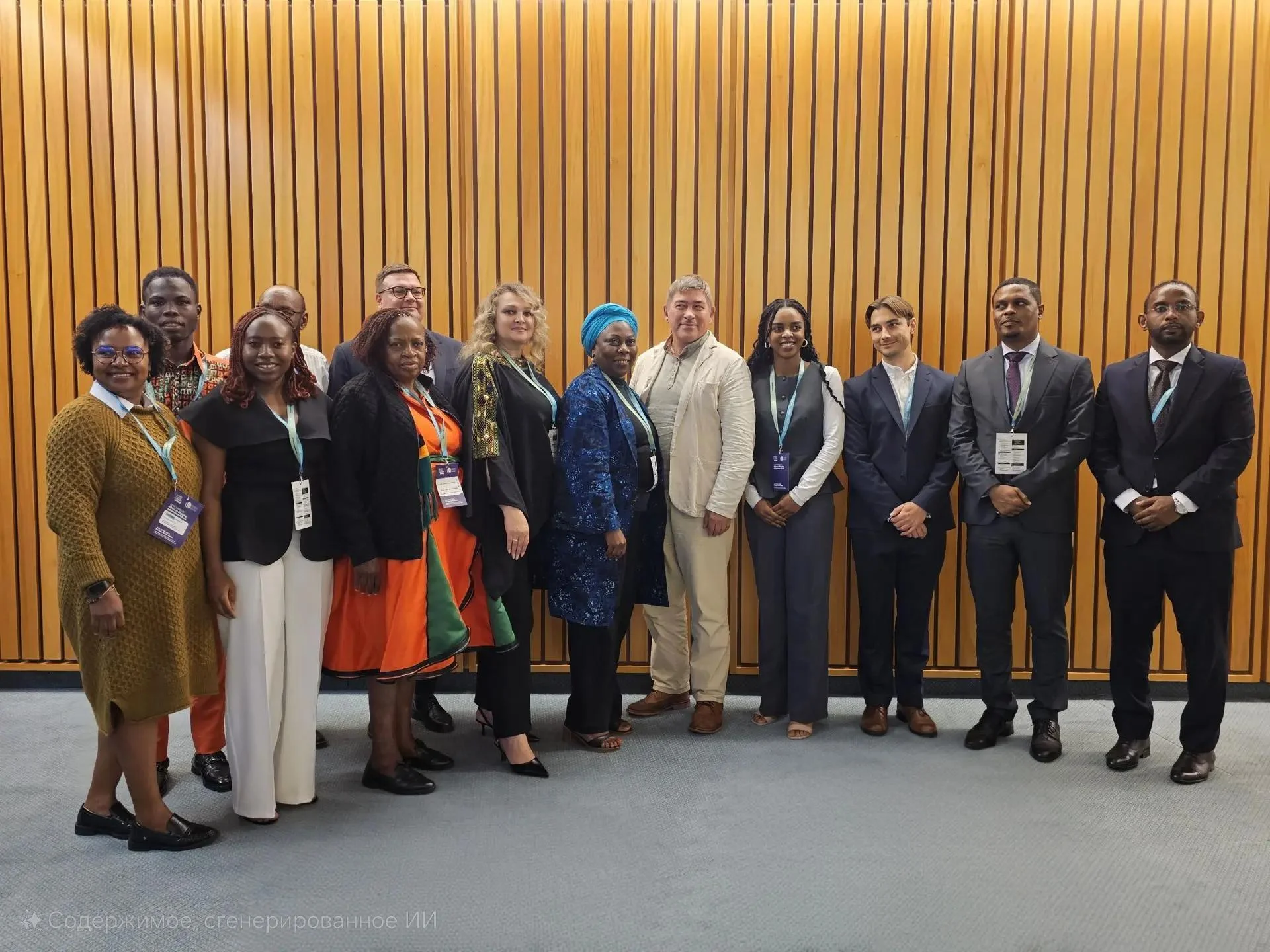
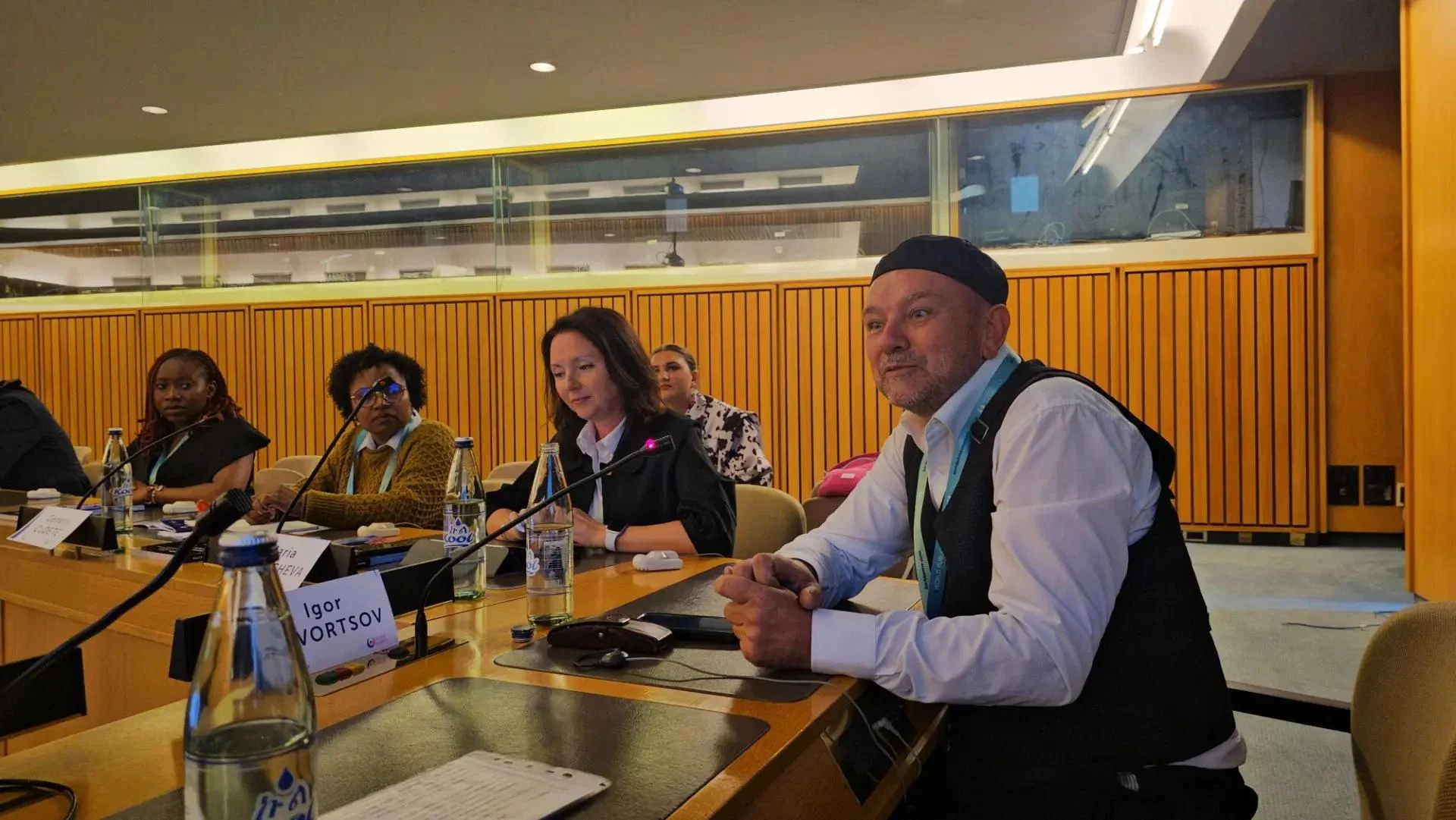
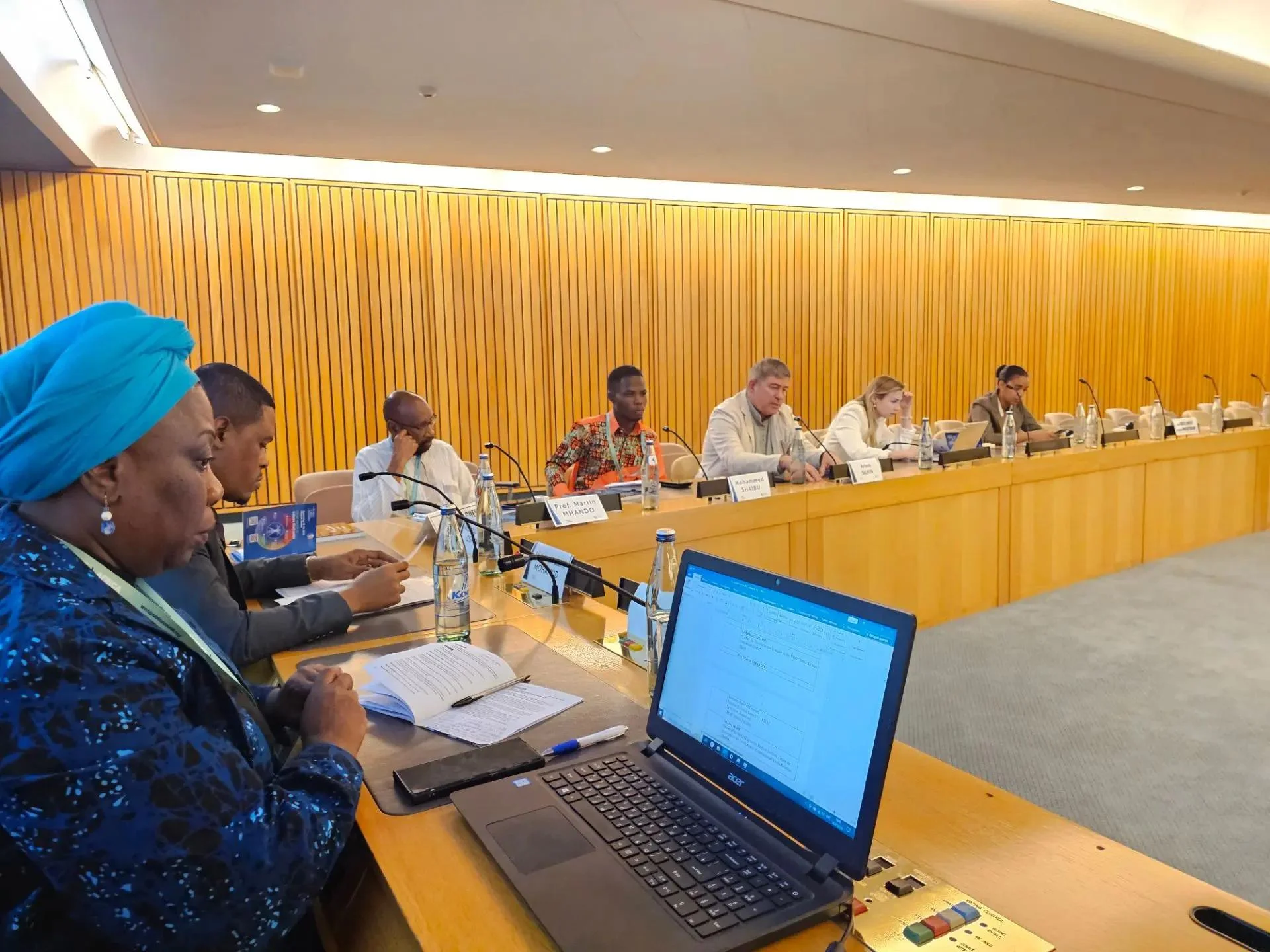
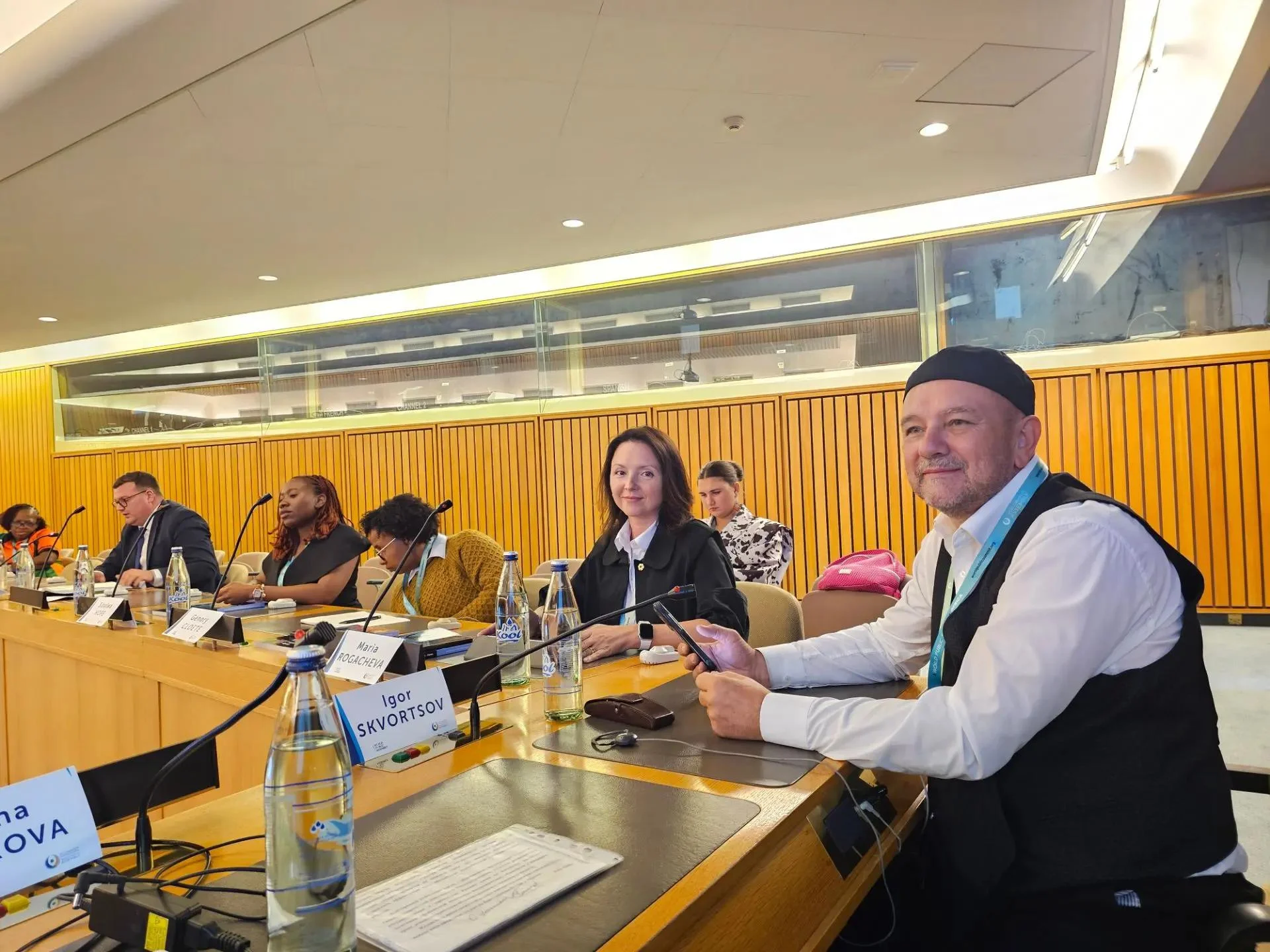
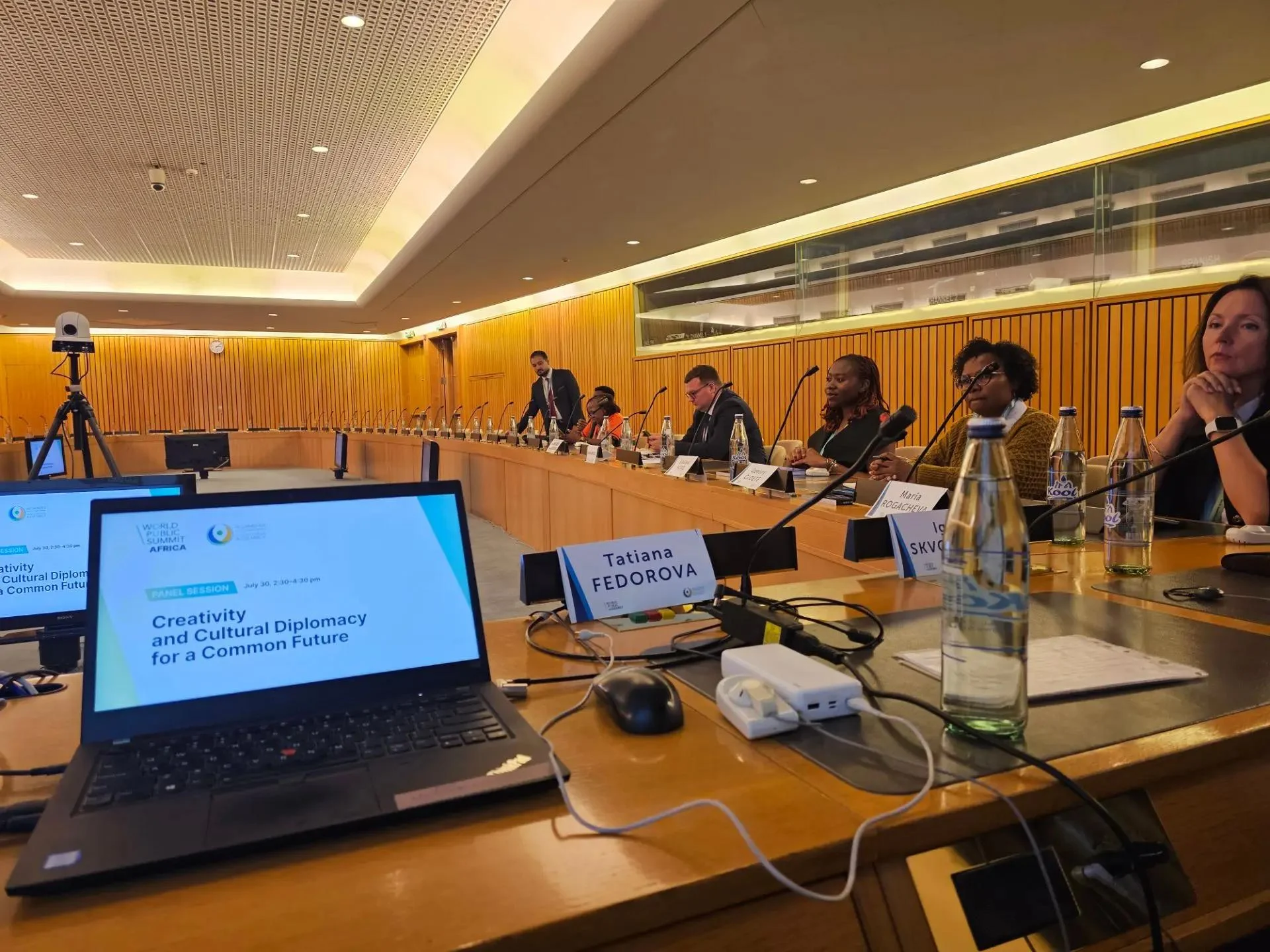
The panel session "Creativity and Cultural Diplomacy for a Shared Future" was held as part of the World Public Summit: Africa "New World: Africa in Shaping a Shared Future" on July 30, 2026, in Addis Ababa. The meeting brought together politicians, scholars, cultural figures, and business representatives from Russia, Ethiopia, Zambia, Namibia, Tanzania, and Ghana.
Participants discussed the role of creative industries in shaping a new architecture of international relations, as well as the development of a practical roadmap for integrating Africa's creative potential into global processes.
A welcoming address was delivered by Tatyana Fedorova, Head of the Directorate for Cultural Cooperation of the Scientific and Educational Cooperation and Sustainable Development Discussed at World Public Summit in Addis Ababa at UN Headquarters. She emphasized the importance of culture as a key instrument of public diplomacy in the context of global turbulence:
- Culture today is a living tool of public diplomacy. Traditional arts, music, cinema, and literature are becoming a language of sovereignty and a bridge between peoples. It is creative industries that make it possible to build an equal dialogue and shape a positive humanitarian agenda.
The session was moderated by Victoria Piri Chitungu, Director of the Livingstone Museum (Zambia), who steered the discussion toward finding practical mechanisms for international cooperation in the cultural sphere.
The forum was attended by:
Tatyana Fedorova – Head of the Directorate for Cultural Cooperation of the Assembly of Peoples of the World (Russia);
Victoria Piri Chitungu – cultural historian, Director of the Livingstone Museum (Zambia);
Abdul Fattah Kasim Mohamud – Minister of Information, Culture, and Tourism of the Government of the Federal Republic of Somalia;
Dmitry Brilev – Chief Specialist, Expert at the Russian House in Ethiopia;
Vladimir Golovachev – Director of the Russian House in Ethiopia;
Genory Cloete – Education & Outreach Officer at the National Heritage Council of Namibia;
Maria Rogacheva – Director of the International Cultural Center of RUDN University;
Igor Skvortsov – President of the Association "Community of Cultural Diplomacy";
Artem Silkin – Director of the "Sviyazhsk Island-City" Museum (Russia);
Mohammed Shaibu – Head of Secretariat and Founder of the Better Dream Foundation Ghana (Ghana);
Martin Mhando – Chairman of the Board of Directors of the National Swahili Council (BAKITA) (Tanzania);
Sibalwa Hope – student at the RUDN Institute of Medicine, representative of the Centre for the Promotion of International Youth Relations (Zambia).
During the discussion, Igor Skvortsov noted the transformation of the global agenda: in his words, without a dialogue of cultures, it is impossible to build a sustainable system of international relations in which Africa occupies a full-fledged place.
Maria Rogacheva focused on the role of education and youth, emphasizing that the university is already shaping a space for intercultural interaction and joint projects by students from Russia and African countries.
African participants emphasized the preservation of cultural identity as a strategic resource for development. Martin Mhando noted the importance of supporting languages and intangible heritage as the foundation of the continent's agency.
During the session, participants examined in detail four key issues:
the role of Africa in the new system of international relations,
the development of support mechanisms for creative industries,
the preservation of intangible cultural heritage and the engagement of the diaspora,
the creation of practical tools to support artists and cultural leaders.
Following the discussion, participants reached a consensus on the need to establish an interregional platform for cultural cooperation between Russia and African countries. The participants stressed that the transition from individual initiatives to systematic work would be an important step toward building a common future.
Additional information is available on the official websites of the World Public Summits and the World Peoples Assembly.