

 Back to news
Official Opening of the World Public Summit: Africa "New World: Africa in Shaping a Shared Future"
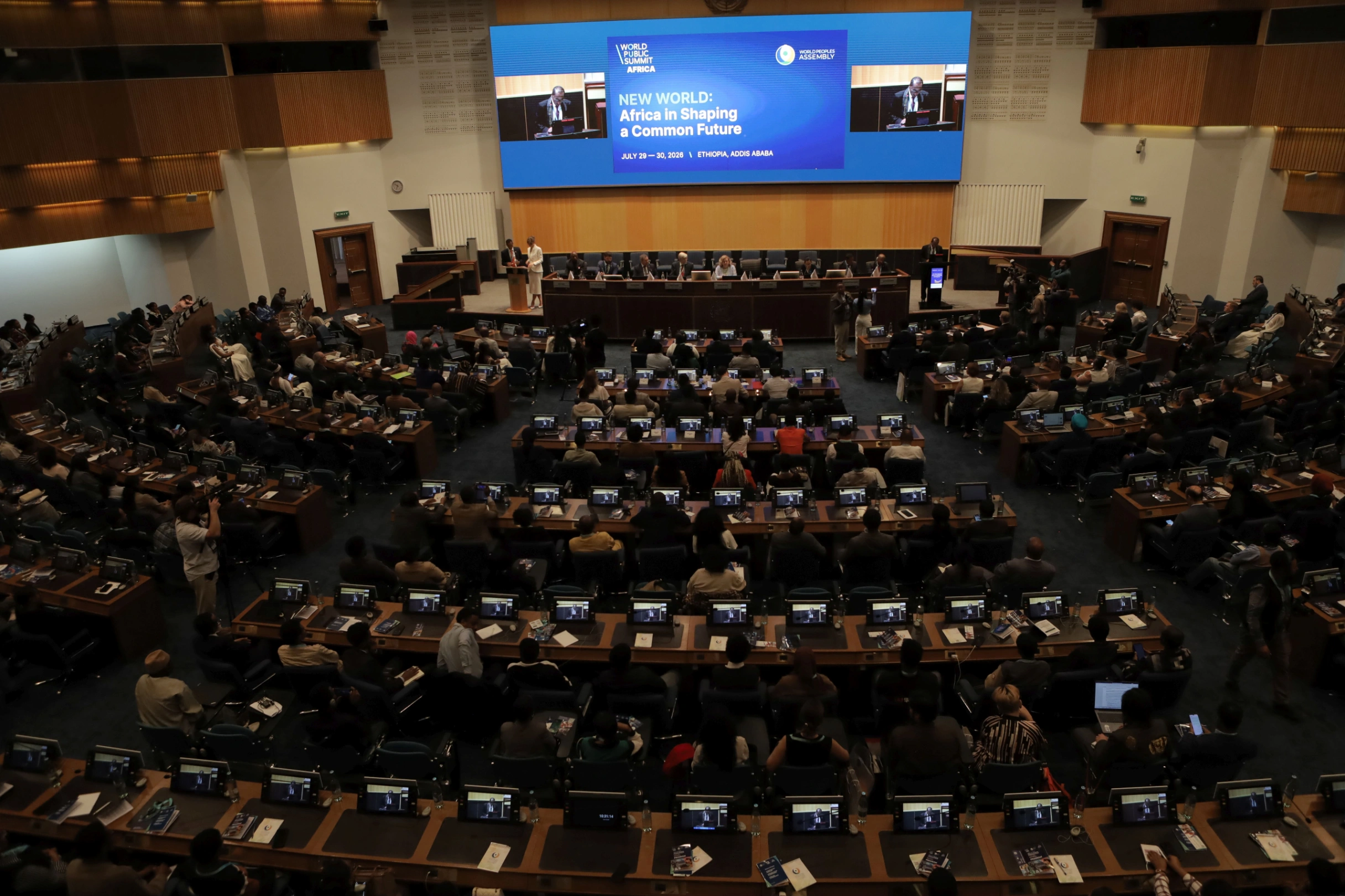
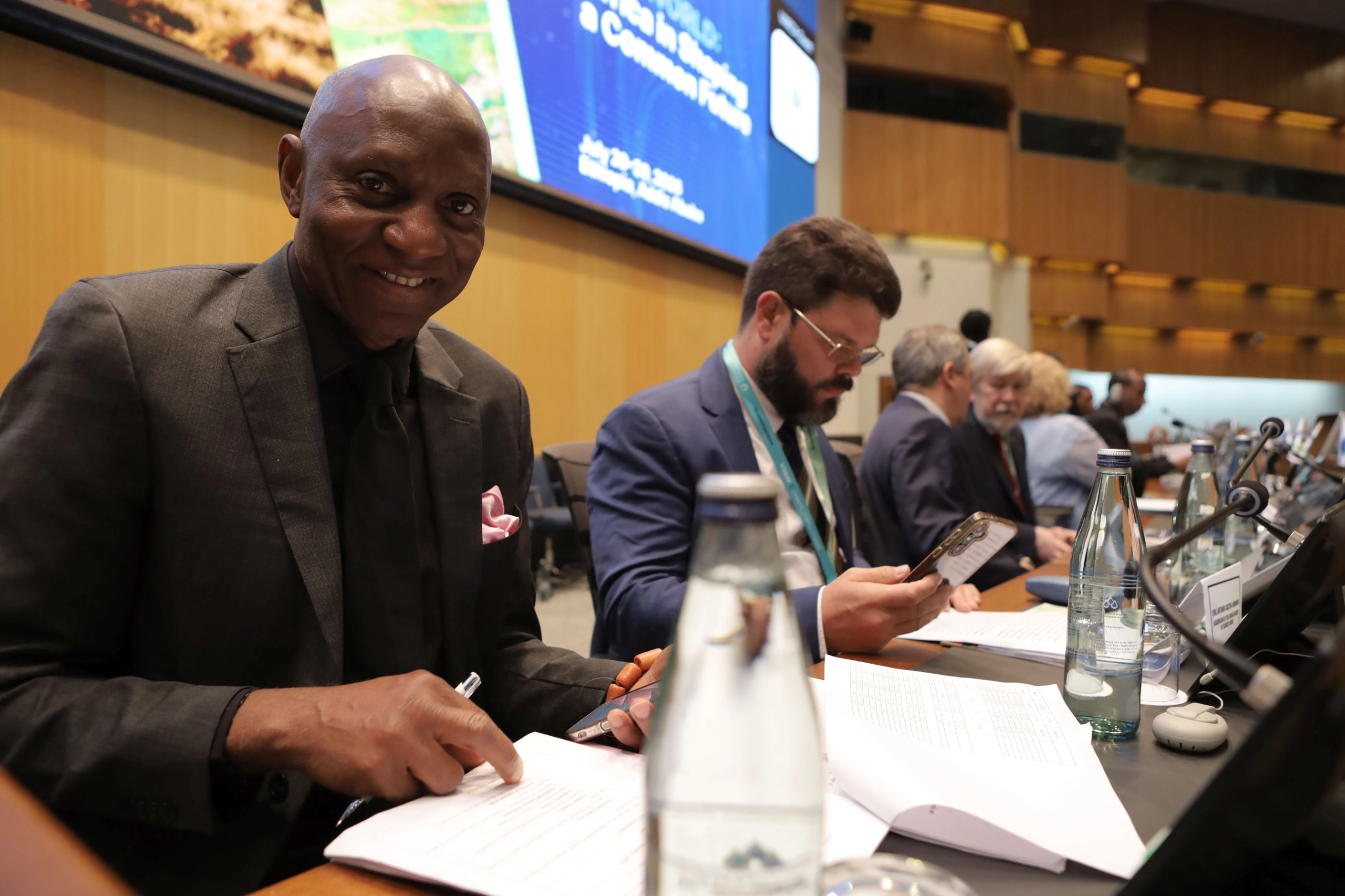
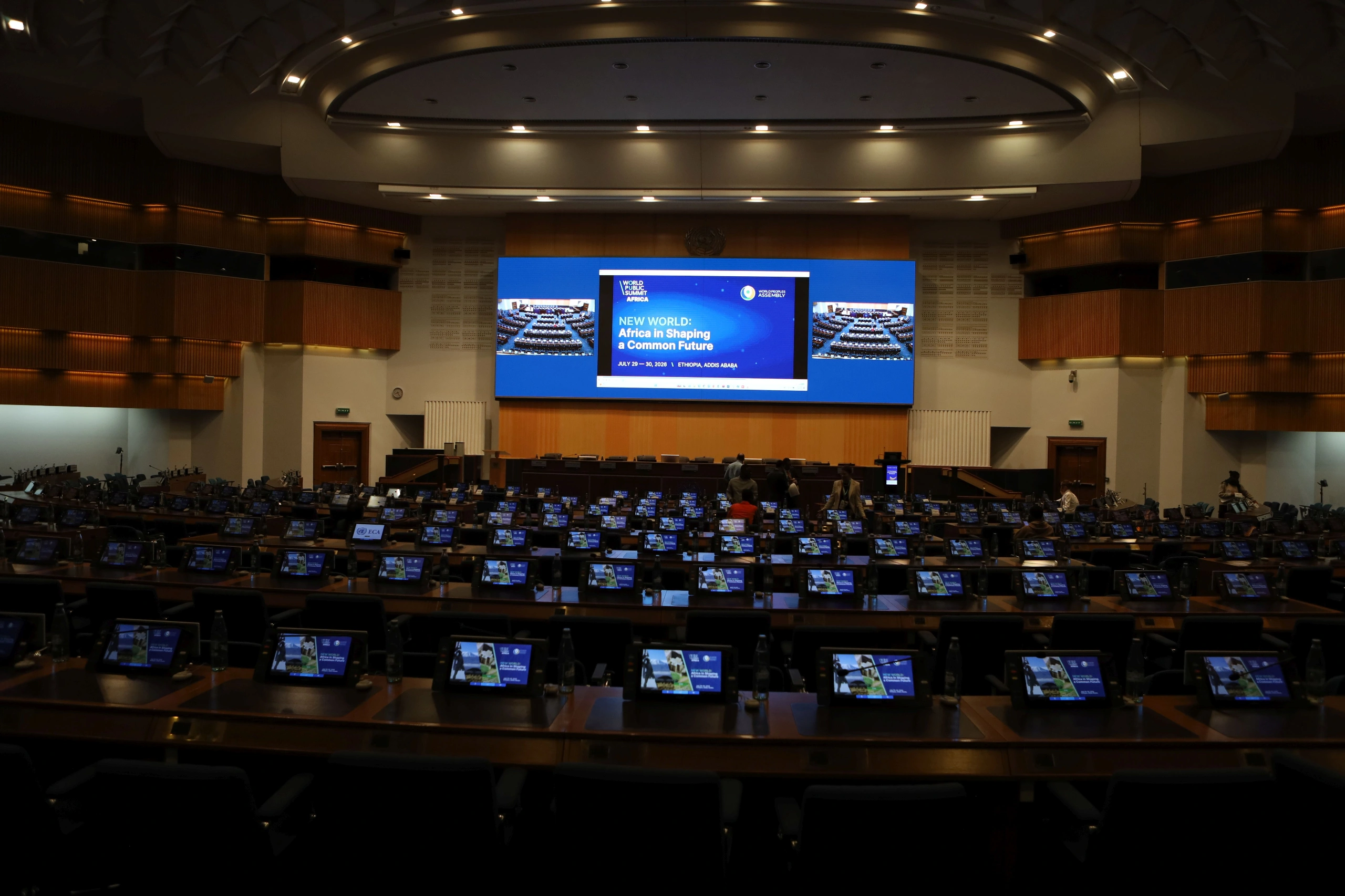
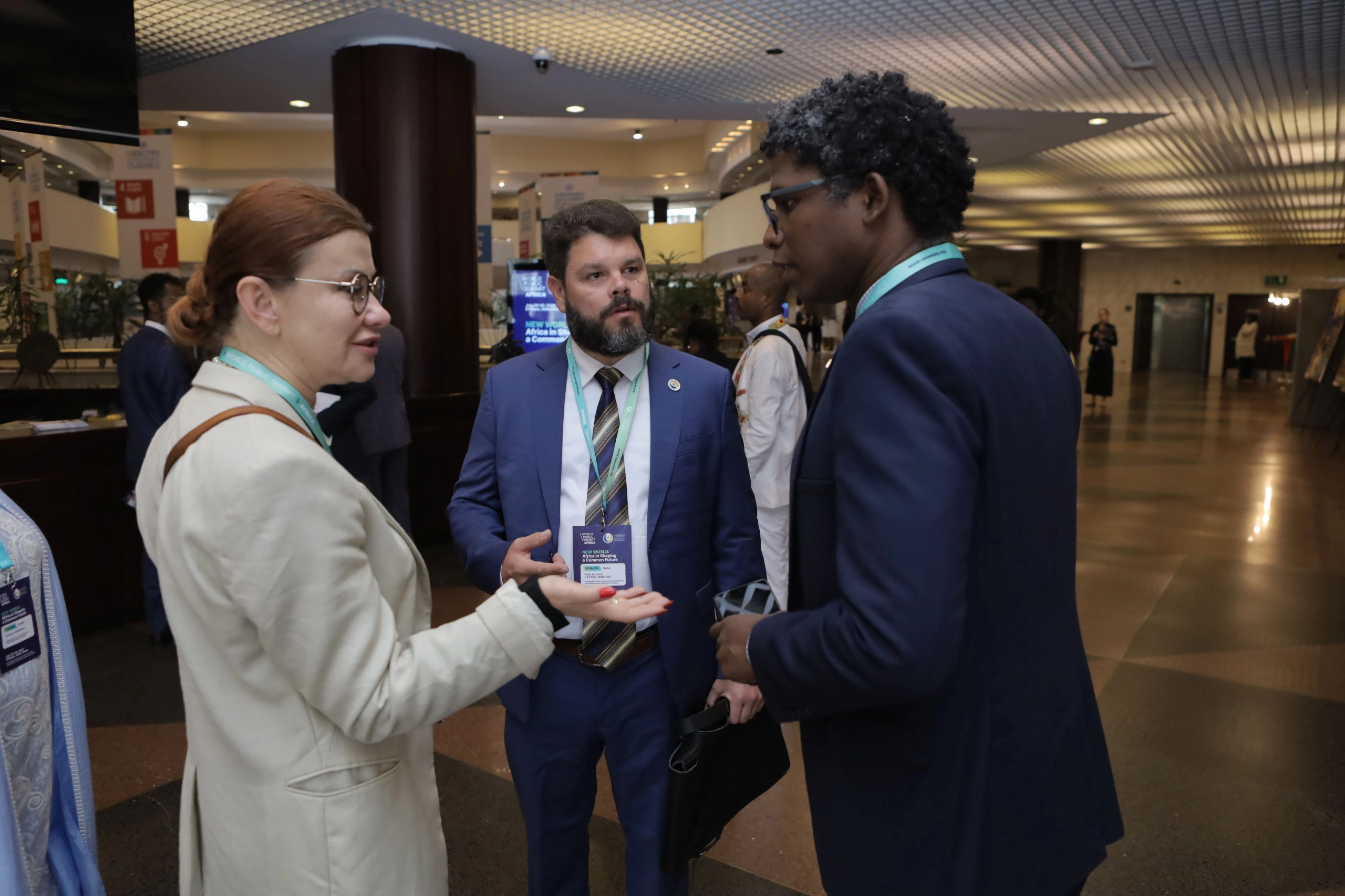
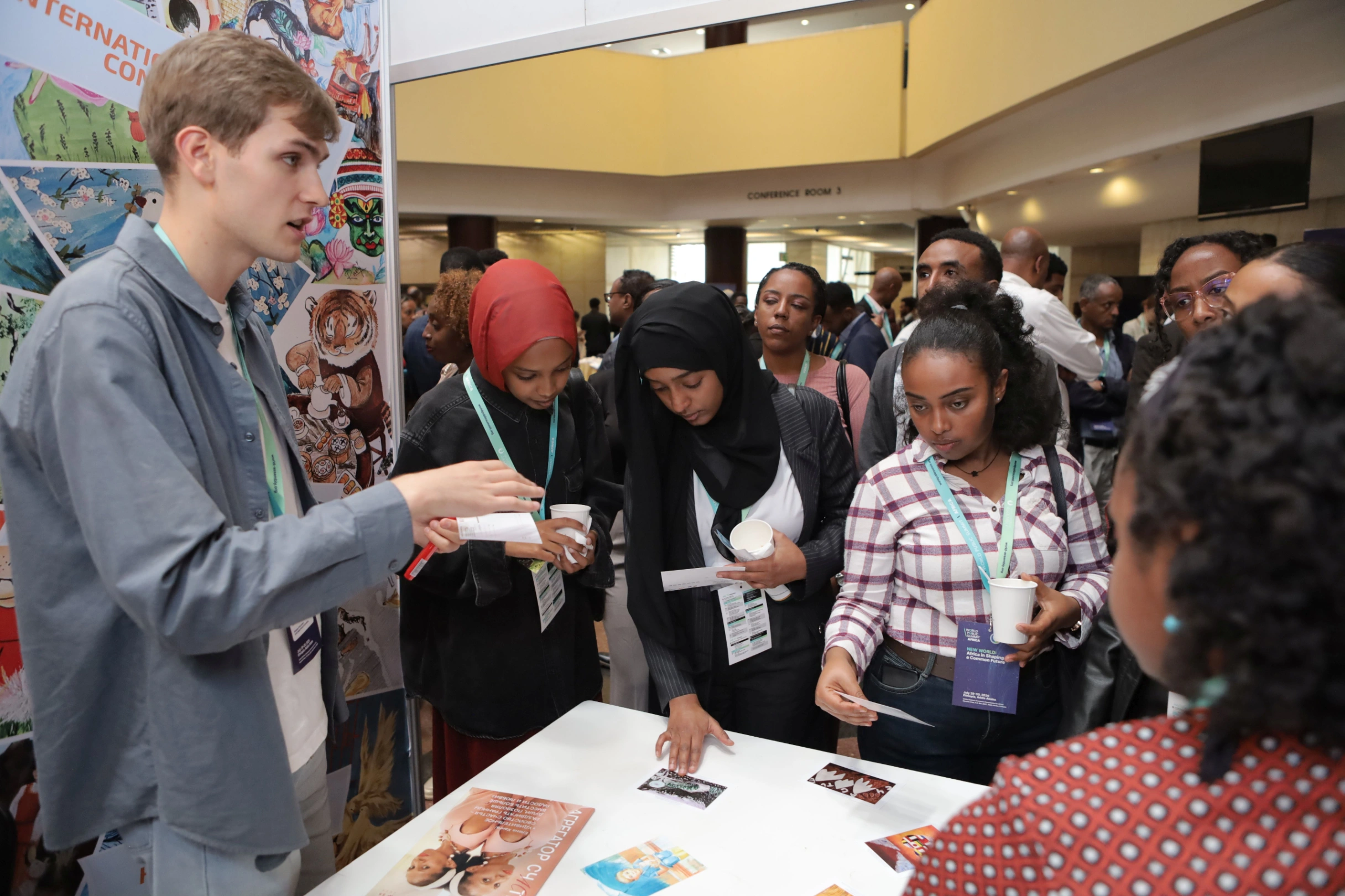
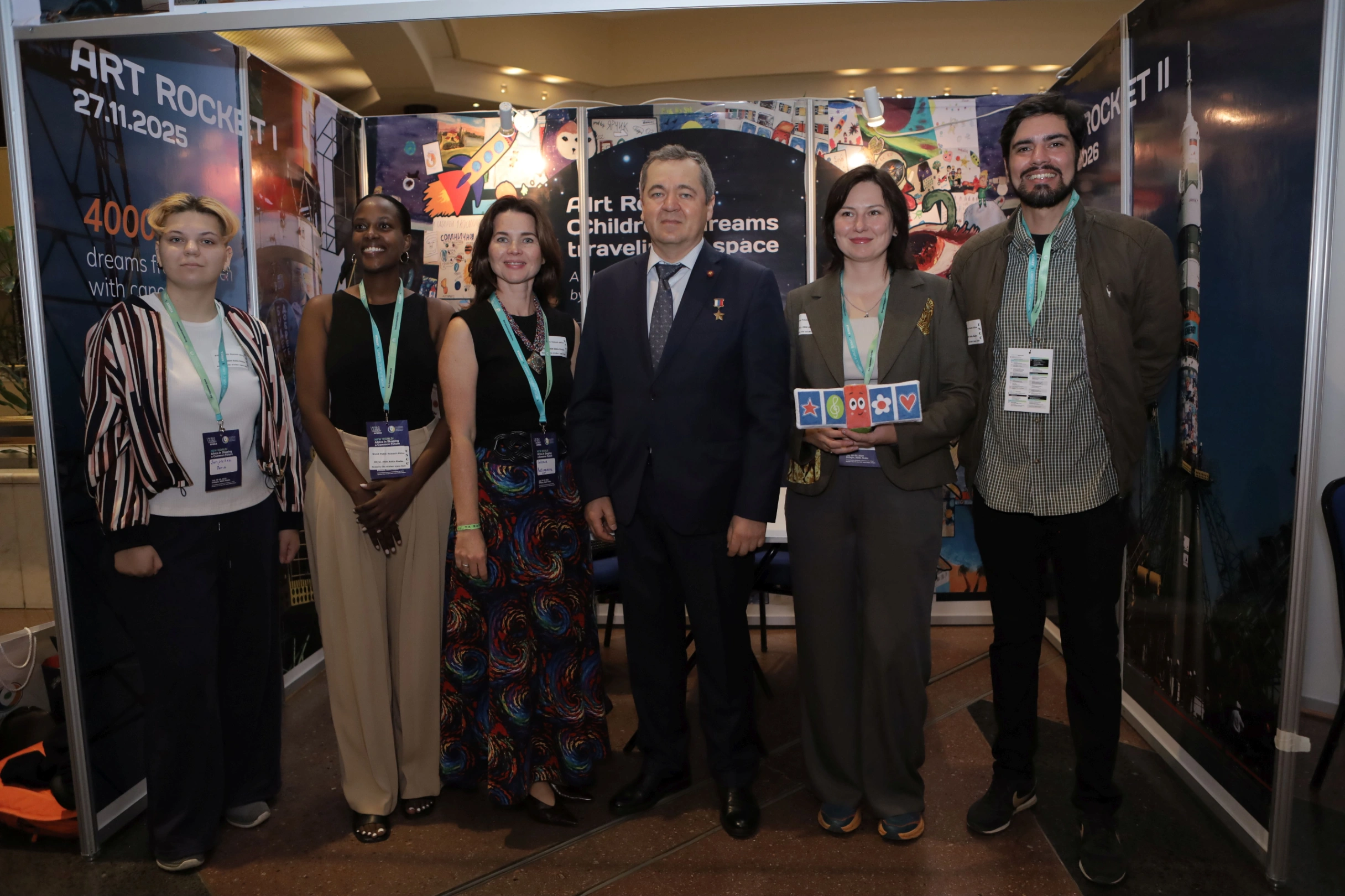
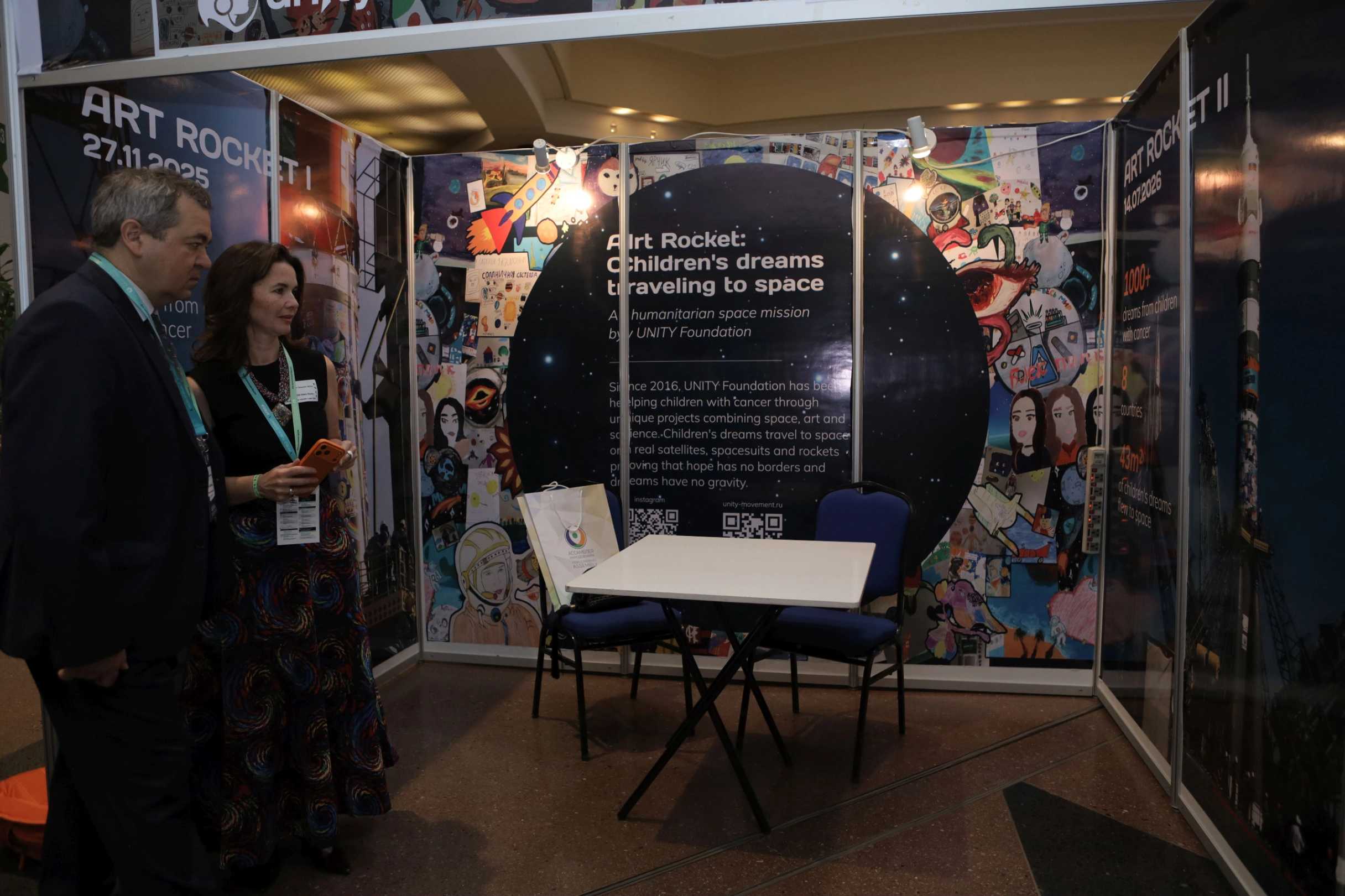
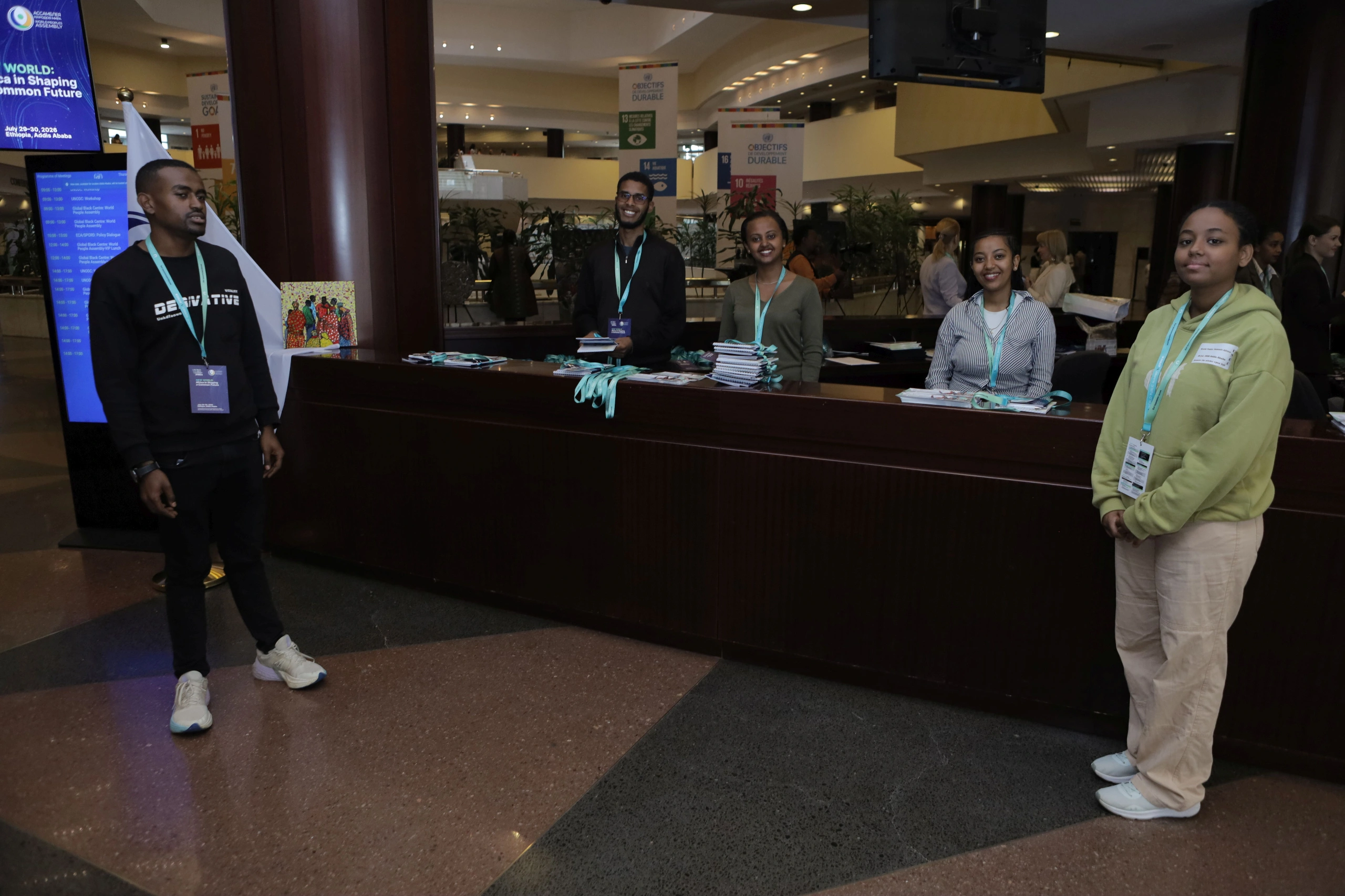
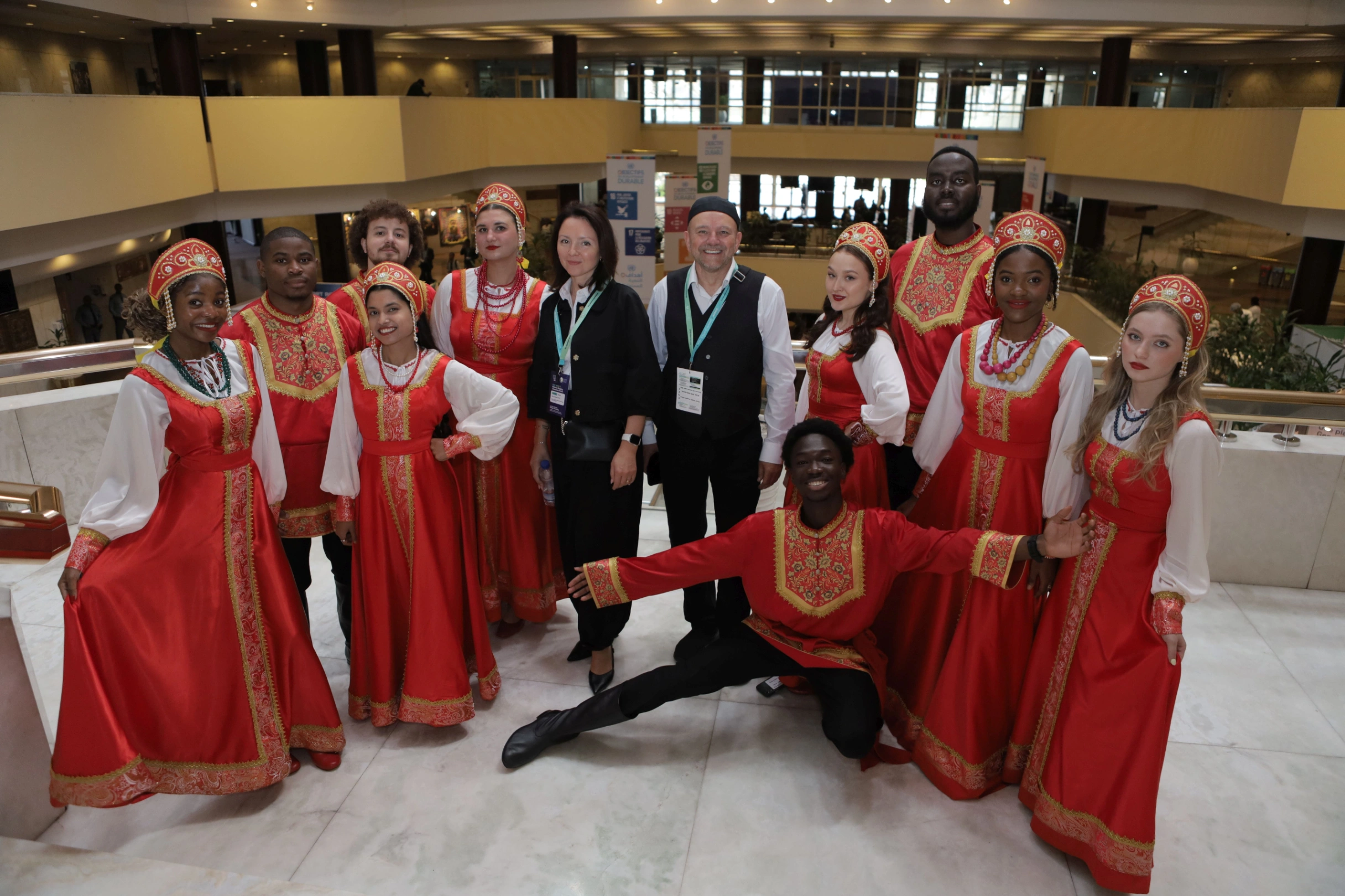
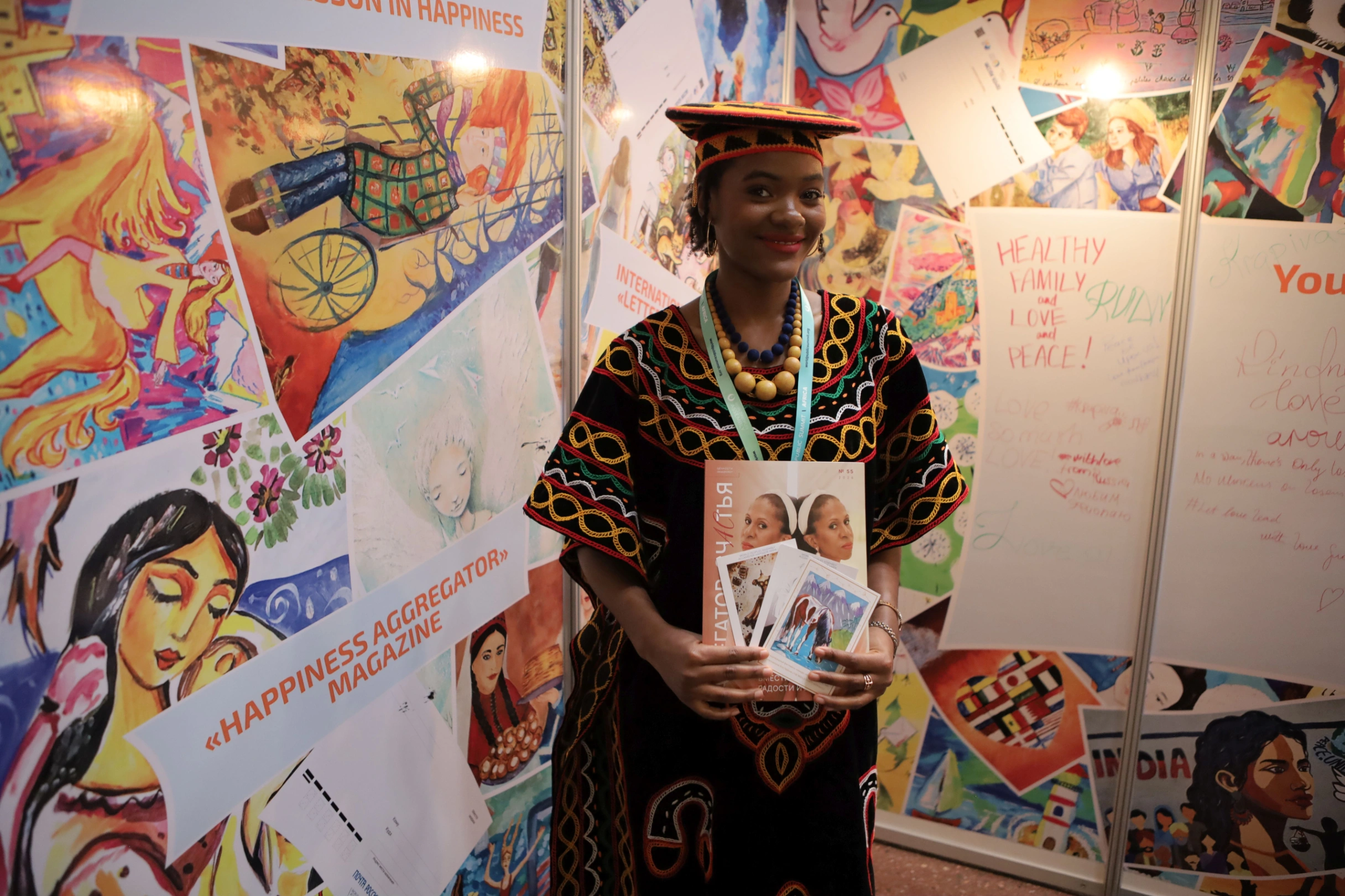
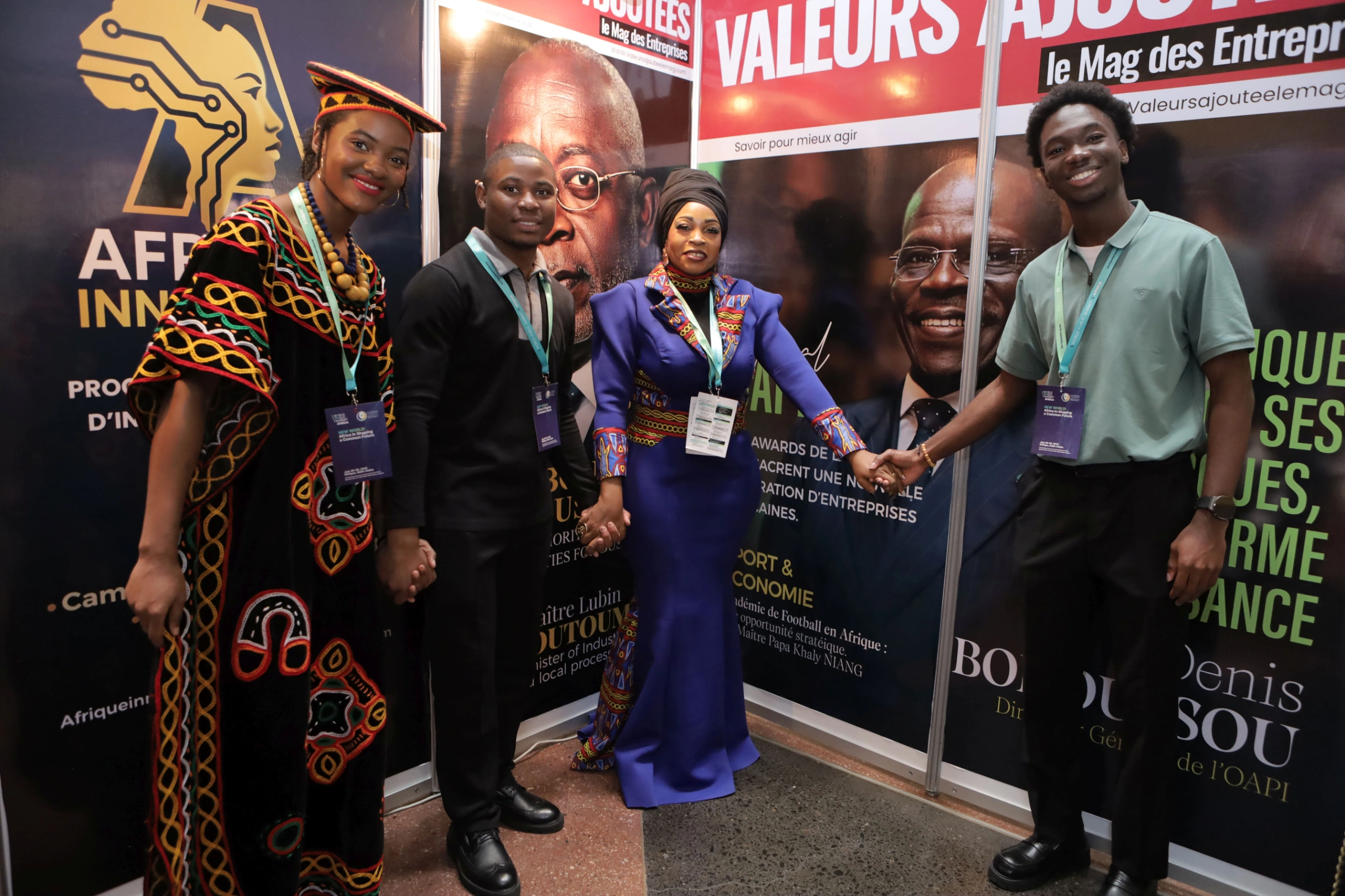
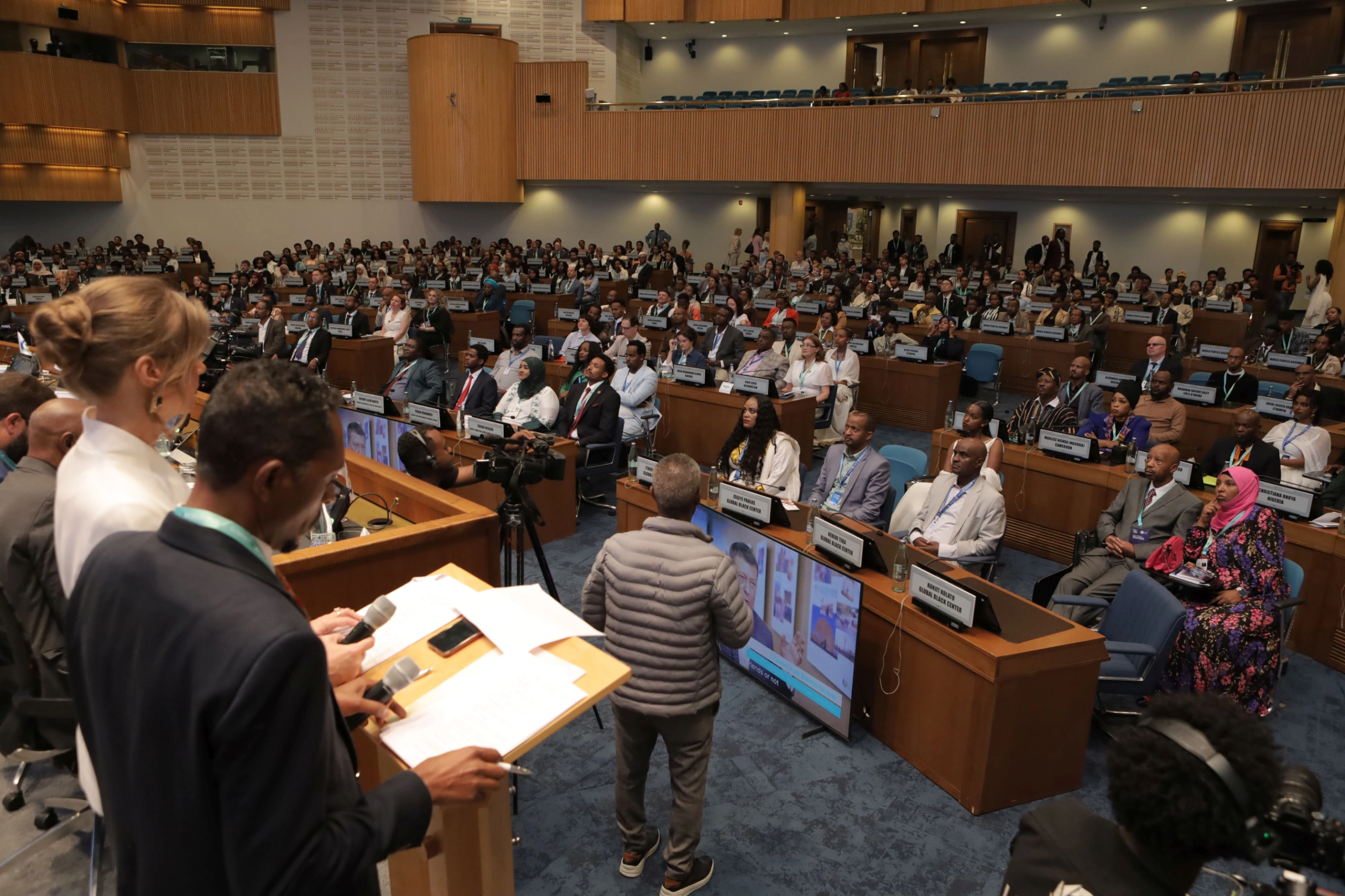
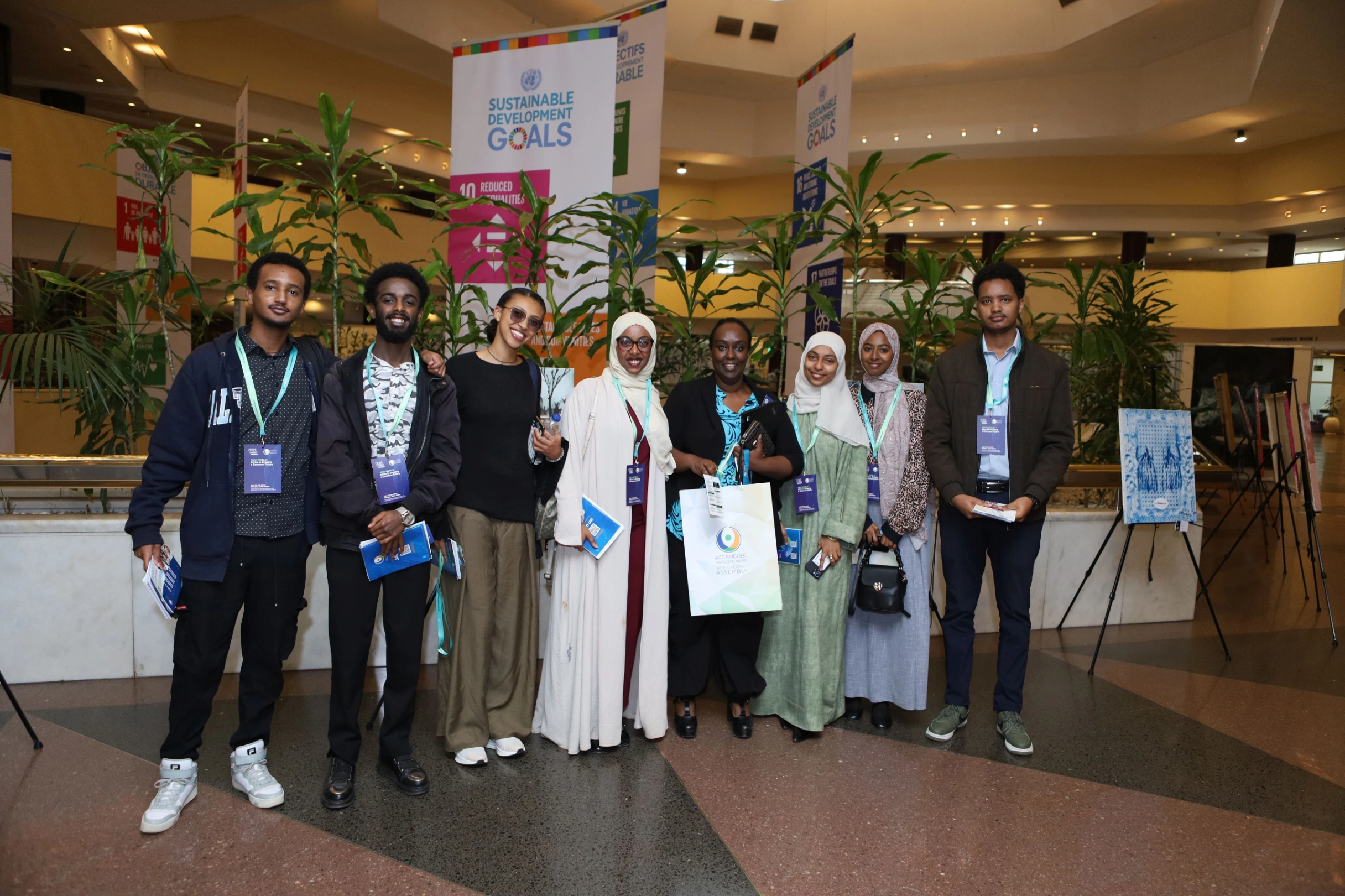
On July 30, 2026, Addis Ababa, Ethiopia hosted the official opening of the World Public Summit "New World: Africa in Shaping a Common Future" – an international platform for public dialogue initiated by the World Peoples Assembly. The Summit is being held in continuation of the decisions of the First World Public Assembly "New World of Conscious Unity," which was held in Moscow in 2025.
Holding the Summit on African continent became a symbol of recognition of the continent's growing role as one of the key centers for shaping a just, sustainable, and multipolar world. Africa represents a unique civilizational space – it is the cradle of humanity, the keeper of ancient spiritual traditions, rich cultural heritage, and a philosophy of harmonious coexistence. The African concept of Ubuntu – "I am because we are" – reflects the interconnectedness of people and resonates with the mission of the World Peoples Assembly.
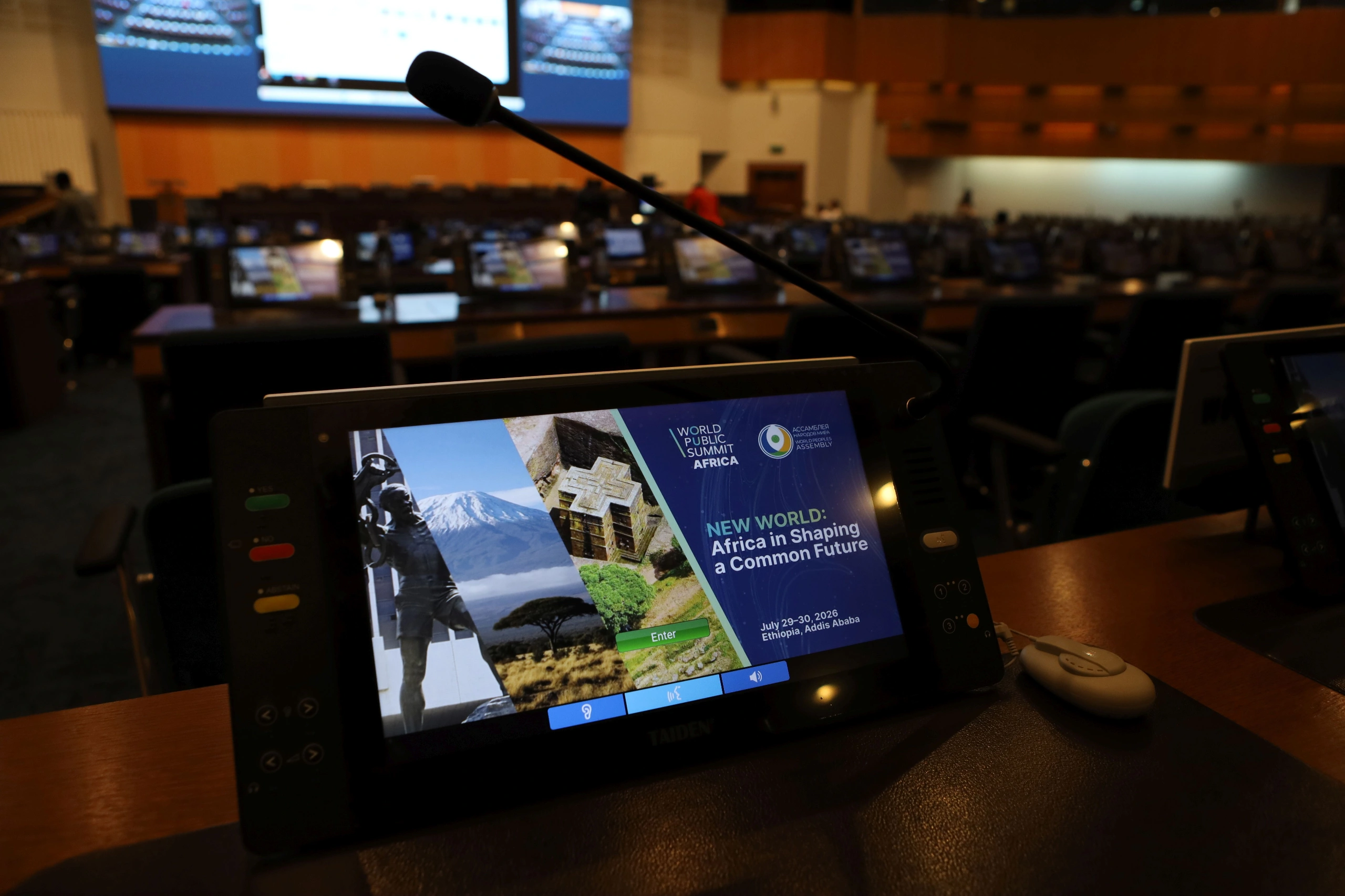
The Summit is being held in Addis Ababa – the diplomatic capital of Africa, where the headquarters of the African Union and the United Nations Economic Commission for Africa (UNECA) are located. The venue is the UNECA headquarters. The event was attended by over 700 representatives of state authorities, international organizations, the diplomatic corps, public institutions, science, culture, business, media, and youth organizations from 51 countries worldwide.
Welcoming addresses to the participants were delivered by Andrey Belyaninov, Secretary General of the World Peoples Assembly (via video link), and Tsegae Chama, Secretary General of the Global Black Centre. Video greetings to Summit participants were also sent by Ambassador Amr Aljowaily, Director of the Citizens and Diaspora Affairs Directorate (CIDO) of the African Union Commission, and Ali Nasser Mohamed, Chairman of the Arab Peace Group and President of the People's Democratic Republic of Yemen (1980–1986).
A special tone for the discussion was set by Andrey Belyaninov:
- Africa is both an old and a new continent at the same time. The peoples of Africa today are asserting themselves in a new way and demanding that the continent no longer be viewed as a territory of former colonies. They are tired of colonial orders, centuries of exploitation, and disparaging treatment. This must no longer be the case. People all over the world want one thing: peace, a peaceful sky, education for their children, and happiness for their families. Despite the multilingualism and multi-confessional nature of our planet, we speak the same language – the language of peace and mutual respect."
The distinguished guests of the opening ceremony included:
Evgeny Terekhin – Ambassador Extraordinary and Plenipotentiary of the Russian Federation to the Federal Democratic Republic of Ethiopia, Permanent Representative of the Russian Federation to the African Union;
Meylin Suárez Álvarez – Ambassador Extraordinary and Plenipotentiary of the Republic of Cuba to the Federal Democratic Republic of Ethiopia and the Republic of South Sudan;
Abdifatah Kassim Mahmud – Minister of Information, Culture, and Tourism of the Government of Somalia;
Oleg Skripochka – Cosmonaut of the Russian Federation, Hero of the Russian Federation.
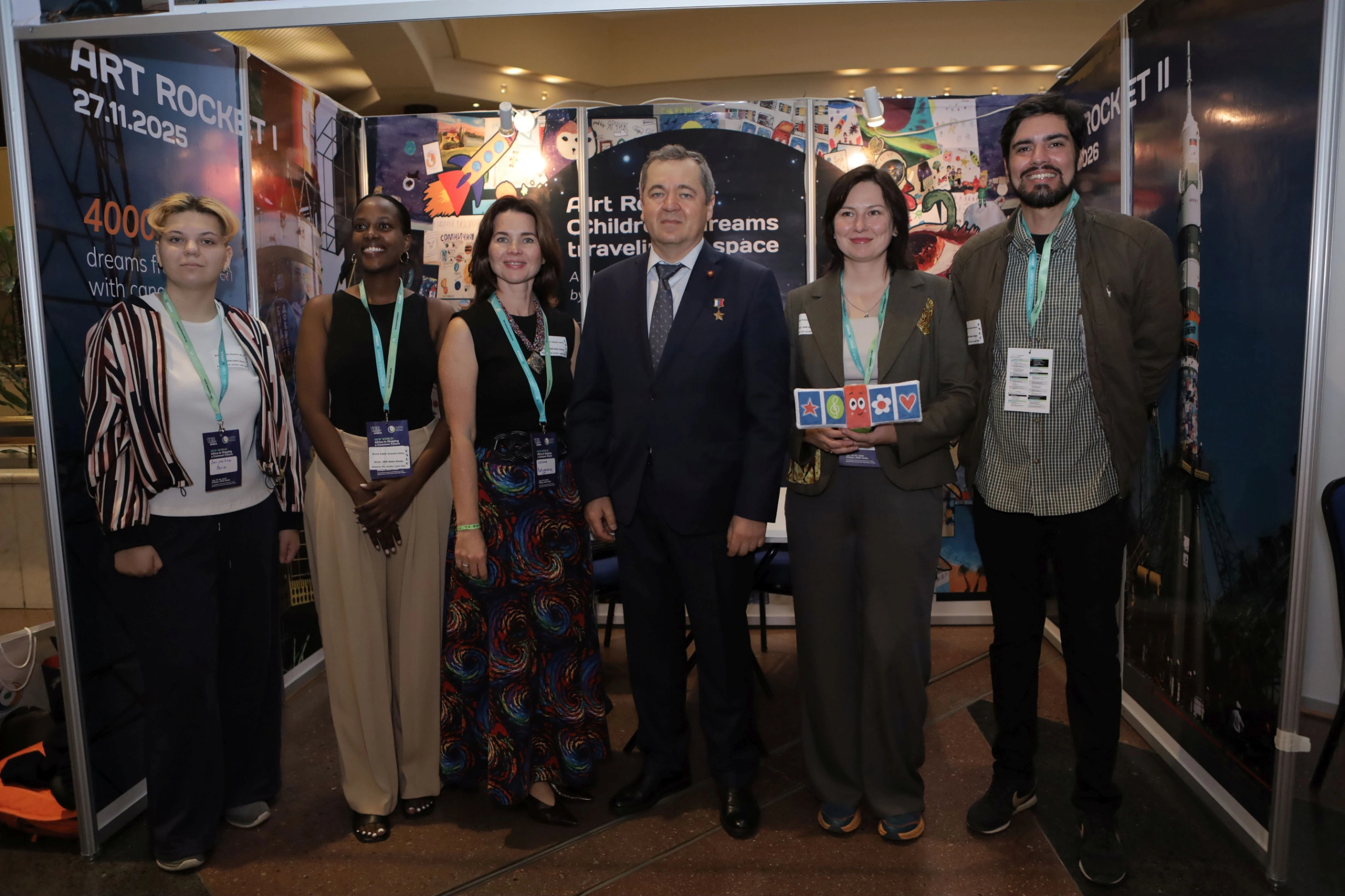
Greetings to the Summit participants were also received from Professor Samuel Kifle, President of Addis Ababa University (Ethiopia), and Igor Chaika, Head of the Federal Agency for the Commonwealth of Independent States, Compatriots Living Abroad, and International Humanitarian Cooperation (Rossotrudnichestvo). Their messages were read out by Abebaw Yirga Adam, Professor of Addis Ababa University and Vladimir Golovachev, Director of the Russian House in Addis Ababa.
A particularly emotional highlight of the opening ceremony was the performance by a young resident of Zambia, Elizabeth, with an "A cappella Prayer" – her unaccompanied song made a profound impression on the audience and became one of the most memorable moments.
The central event of the Summit was the plenary session, which set the ideological and value-driven direction for the entire international discussion, opening up space for dialogue and partnership, and infusing the values of the "New World of Conscious Unity" with practical content through the lens of African experience. The session was moderated by Philip Blessed Osagie, founder and strategist at JSP Communications (Nigeria).
The main topics of discussion included the development of public diplomacy, strengthening cooperation between states and peoples, promoting humanitarian partnerships, and the role of youth, science, culture, and education in shaping a new international agenda. Svetlana Smirnova, Chairperson of the General Council of the World Peoples Assembly, emphasized the Summit's continuity in Addis Ababa with the traditions of the First World Public Assembly "New World of Conscious Unity" and the commitment to maximizing cooperation for peaceful coexistence on the planet:
- Our meetings in Addis Ababa show that the ideas of the 'New World of Conscious Unity' are no longer an abstract formula and they are becoming a practice of joint action. When diplomats, scientists, youth, cultural figures, and civil society representatives sit at the same table, we learn not just to talk about peace, but to build it as a space of shared responsibility and mutual respect. This is precisely where I see the meaning of continuing our dialogue on African continent.
A particularly resonant address was given by the Cuban scientist Fidel Antonio Castro-Smirnov, professor at the University of Havana and member of the Cuban Academy of Sciences, who linked Cuba's historical solidarity with Africa and the ongoing energy blockade into a single moral narrative:
- If a material is subjected to prolonged extreme pressure, physically only two outcomes are possible: it either fractures or becomes denser and stronger. For 67 years, those who have imposed the blockade on Cuba have expected the first outcome. And they are still waiting. Today, my country lives under constant power outages. Some UN experts have called this 'energy hunger' – a form of unilateral coercion that violates international law.
The scientist called his country's position the "physics of dignity." Describing the consequences of sanctions, Castro-Smirnov urged that the pressure mechanisms applied to Cuba be considered a potential risk for any African country that wants to independently manage its own resources.
The plenary session also featured interventions from:
Svetlana Smirnova – Chairperson of the General Council of the World Peoples Assembly (Russia);
Mabvuto Tembo Chipata – Executive Director of the Her Voice Charitable Foundation (Zambia);
Madi Bolero Hamada – Prime Minister of the Union of the Comoros (2000–2002);
Fidel Antonio Castro-Smirnov – Academician of the Cuban Academy of Sciences, Professor at the University of Havana;
Zekarias Assefa – Secretary General of the Addis Ababa Chamber of Commerce and Sectoral Associations;
Tariku Negash – International expert in humanitarian development, project manager, and Deputy Director of the international organization Serve Global Inc.;
and many others.
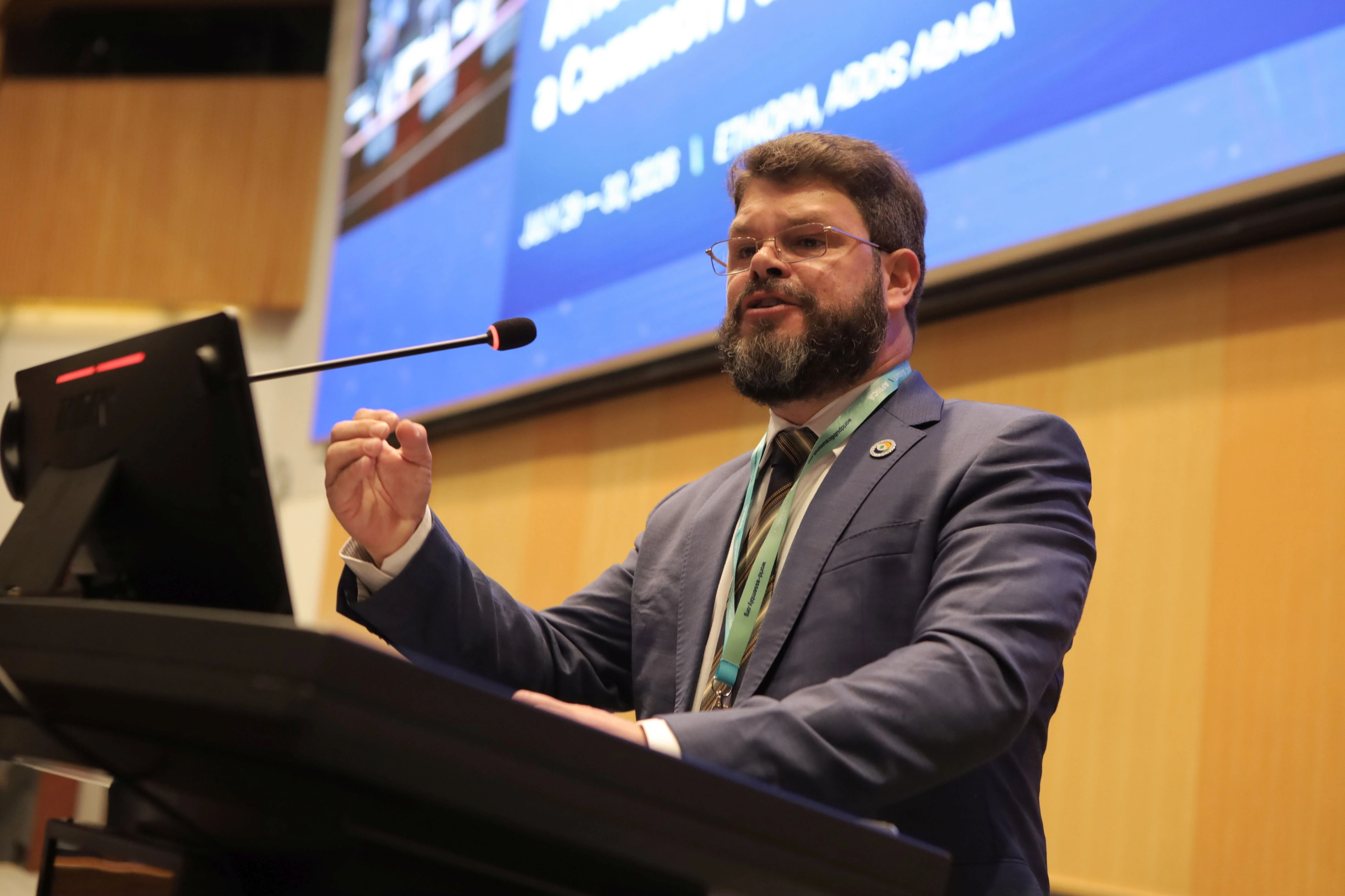
At the close of the session, Svetlana Smirnova put to a vote the African Communiqué, prepared in Russian, English, French, and Amharic, as a document reflecting the participants' common position and setting the agenda for the further work of the World Peoples Assembly.
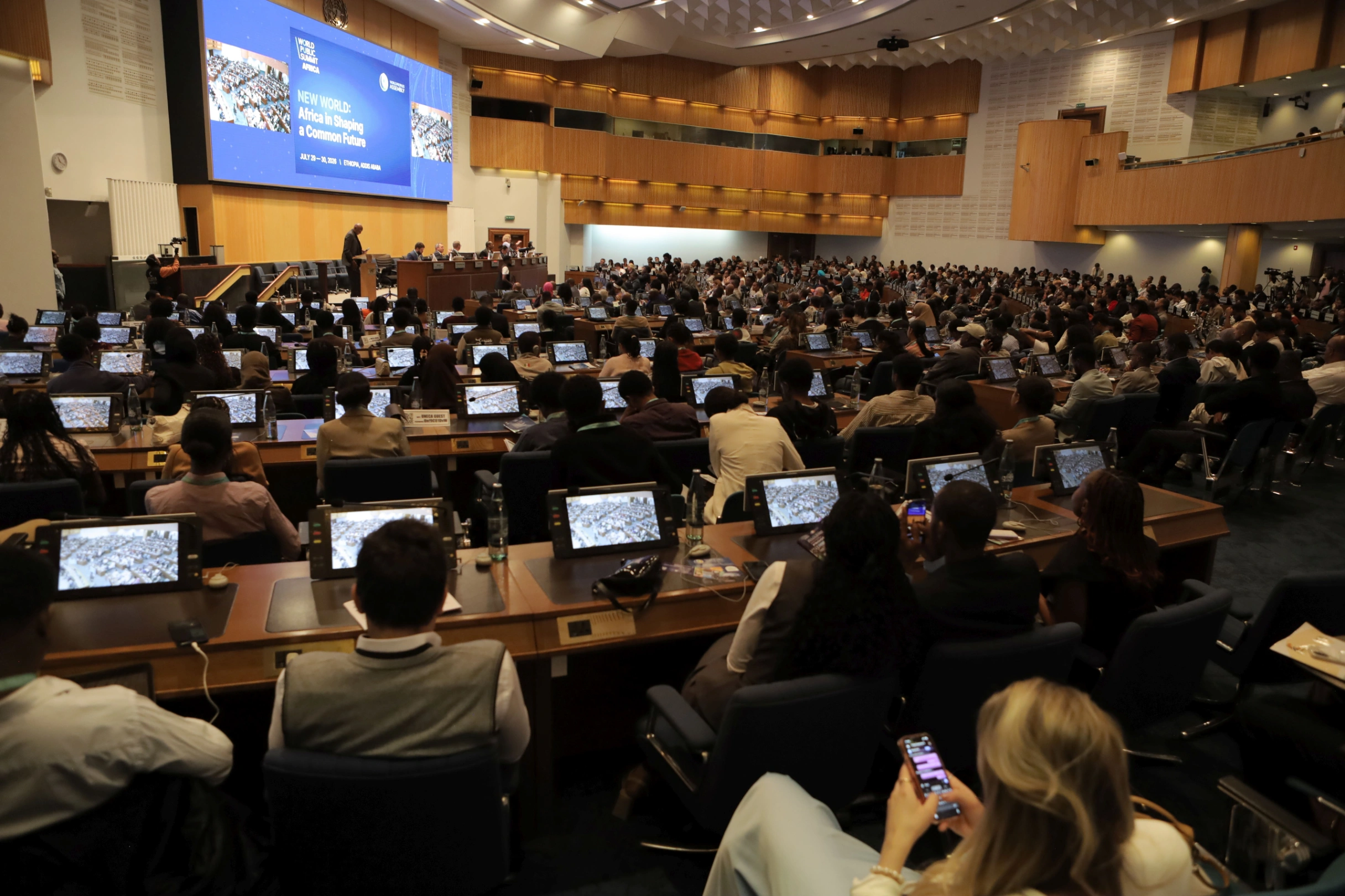
The Summit became a new stage in the implementation of the World Public Assembly initiative, aimed at uniting representatives from different regions around the idea of conscious unity and shared responsibility for the future of humanity. The final proposals and initiatives will be presented at the Second World Public Assembly "New World: Values That Unite," which will take place on September 18–19, 2026, in Moscow.
The regional World Public Summits form a unified international space for public dialogue, and their outcomes serve as a foundation for developing solutions in the interests of peace, sustainable development, and international cooperation.
Additional information about the program and participants is available on the official websites of the World Public Summits and the World Peoples Assembly.