

 Back to news
Memory That Unites: Young Researchers of Kazakhstan Presented Their Projects at the World Peoples Assembly
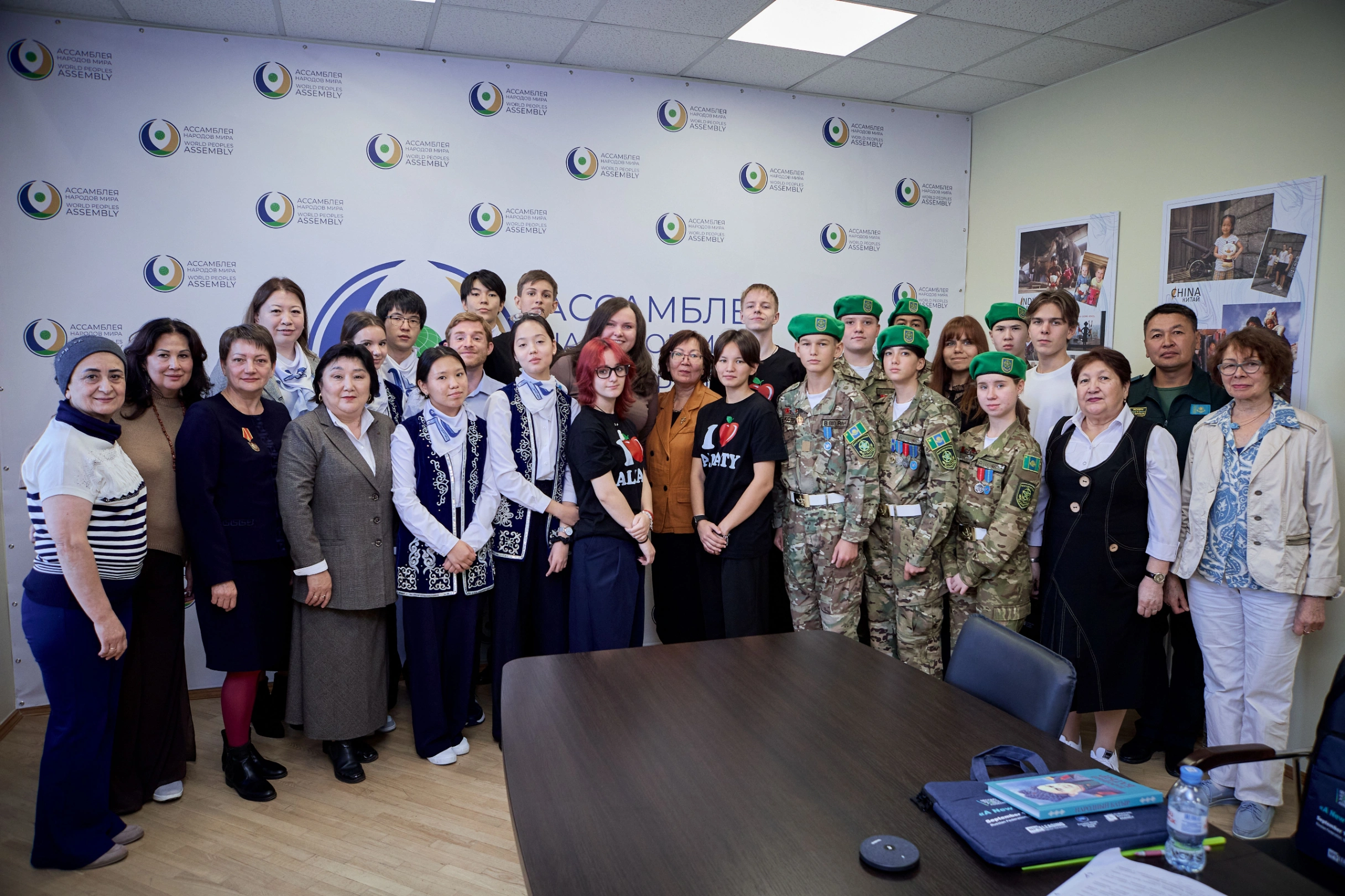
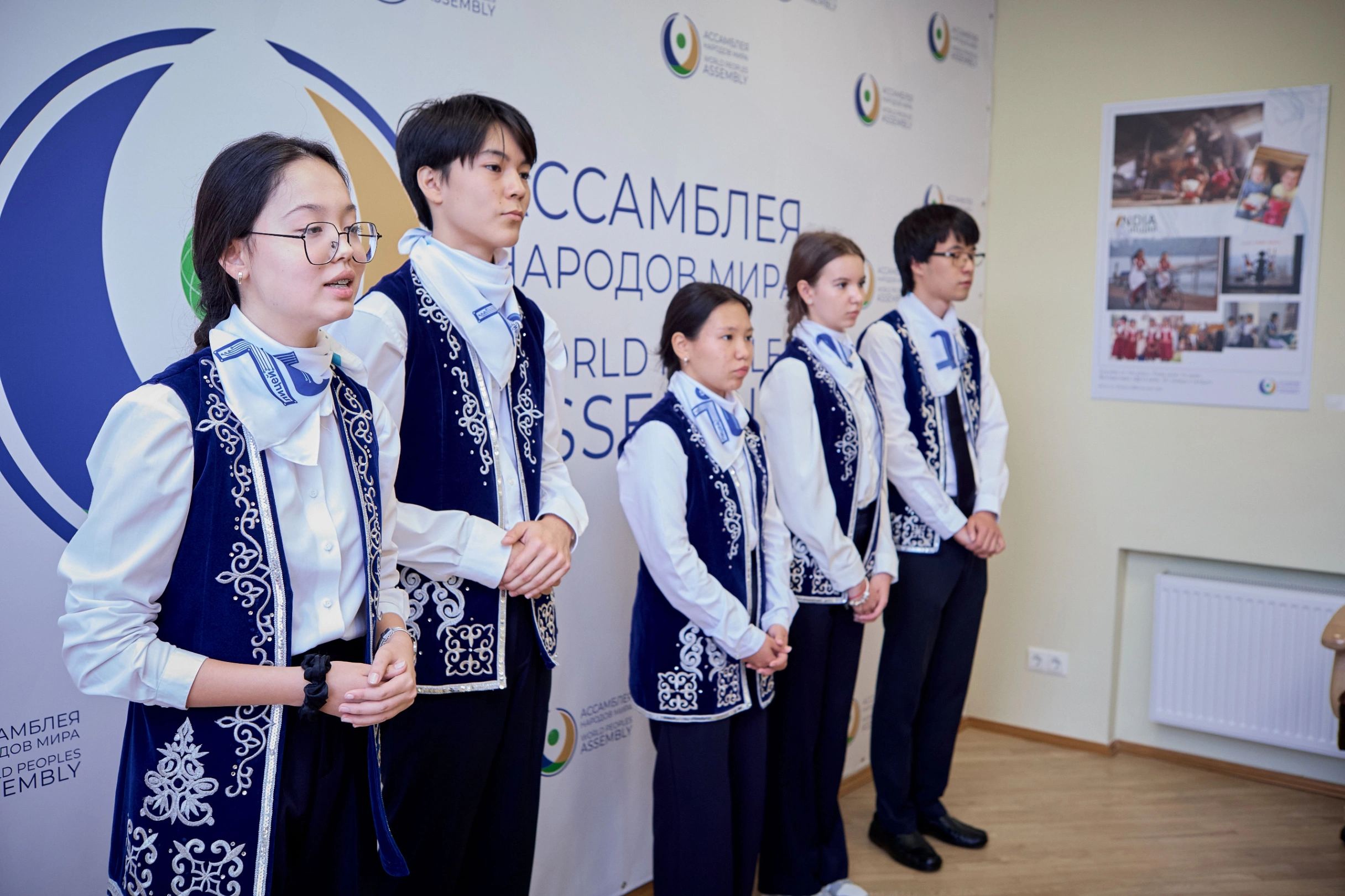
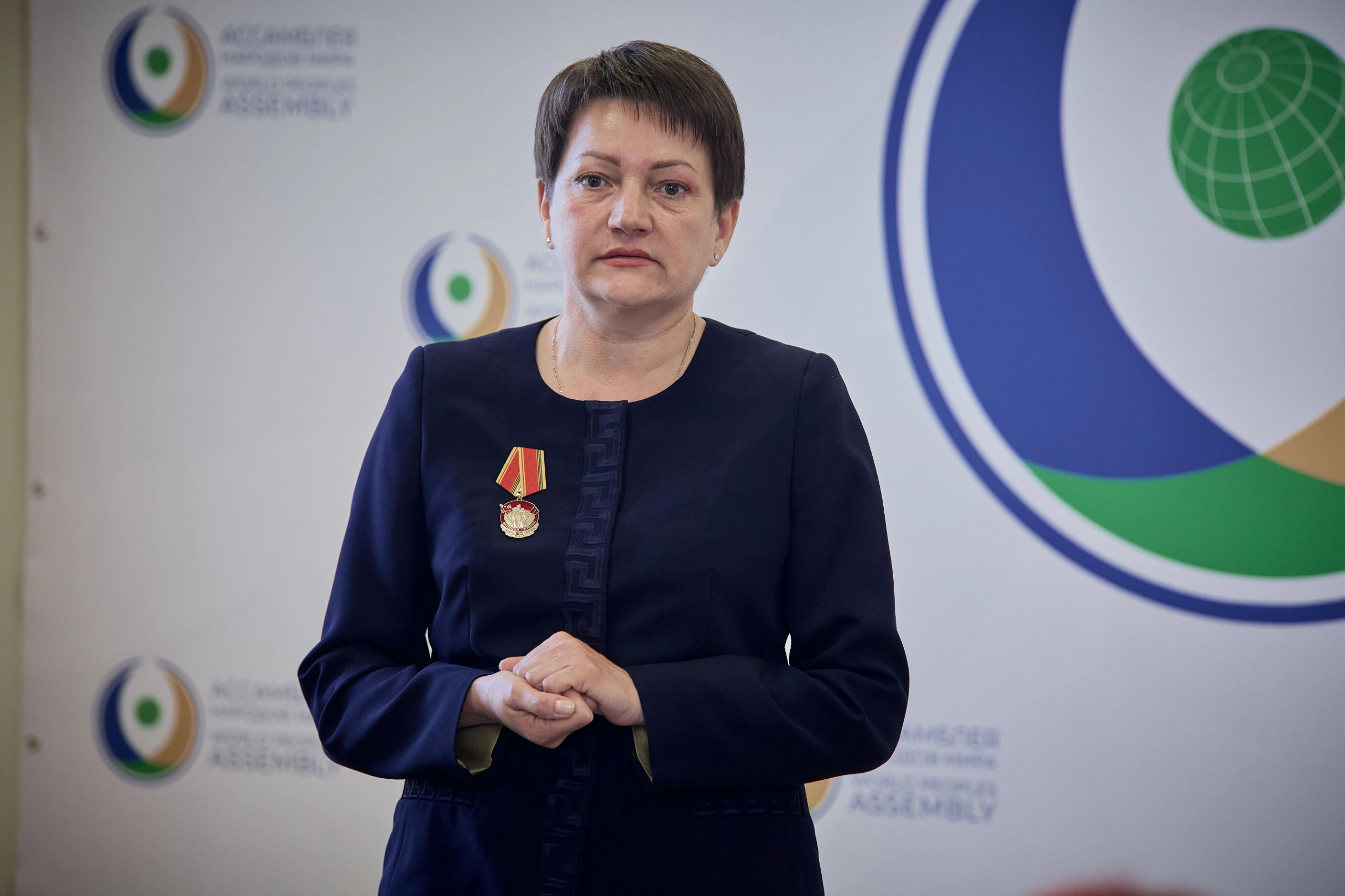
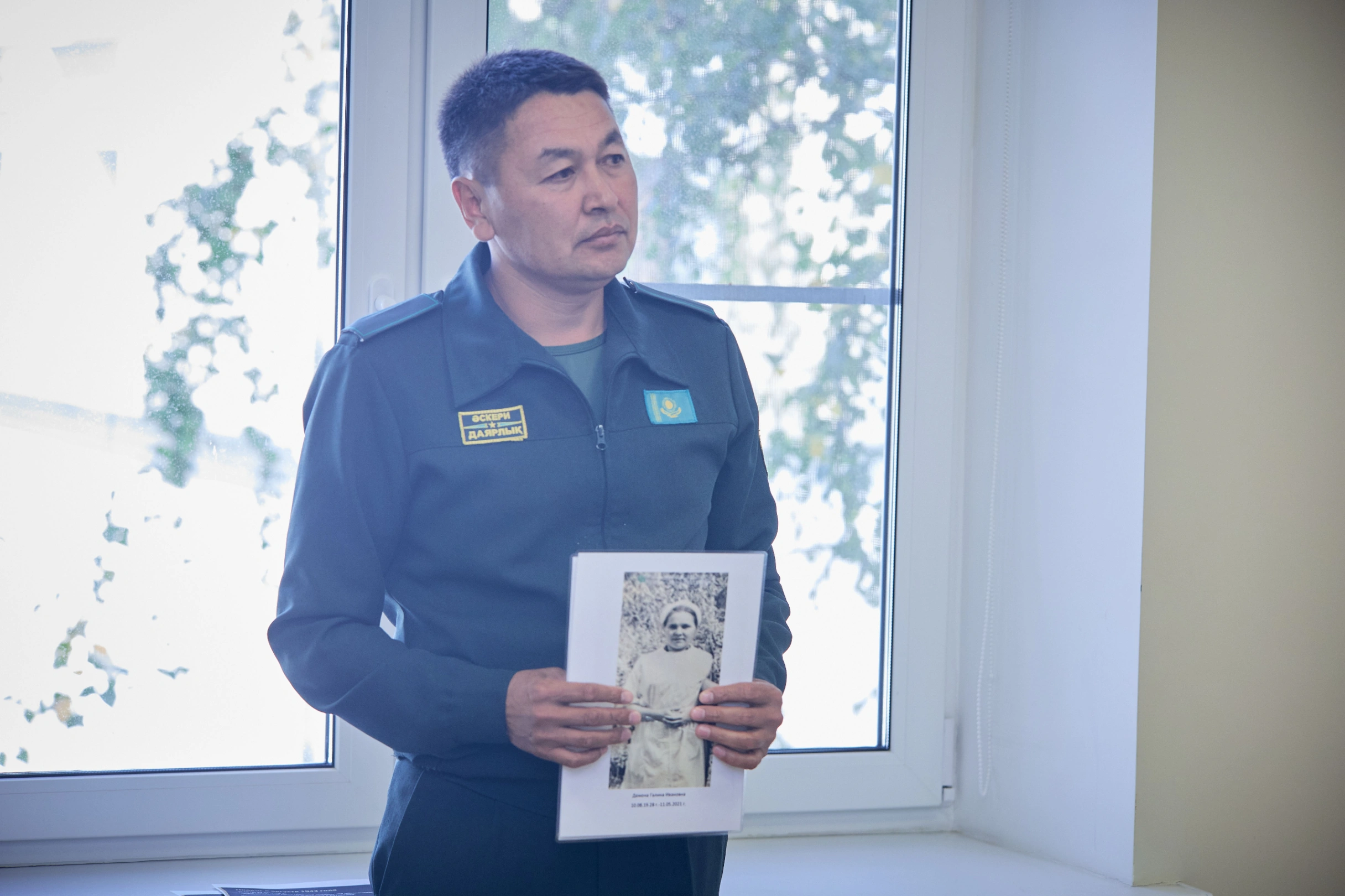
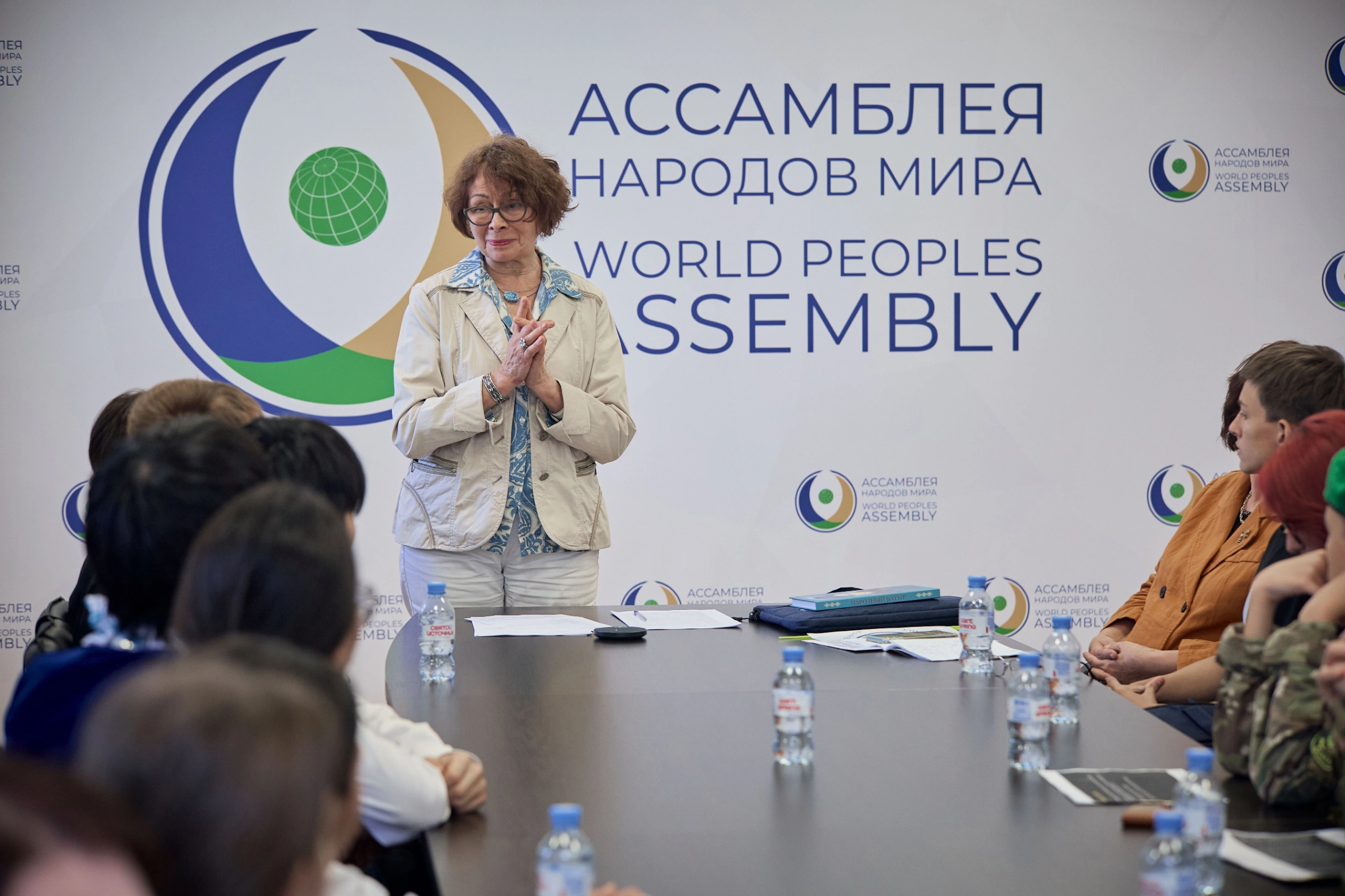
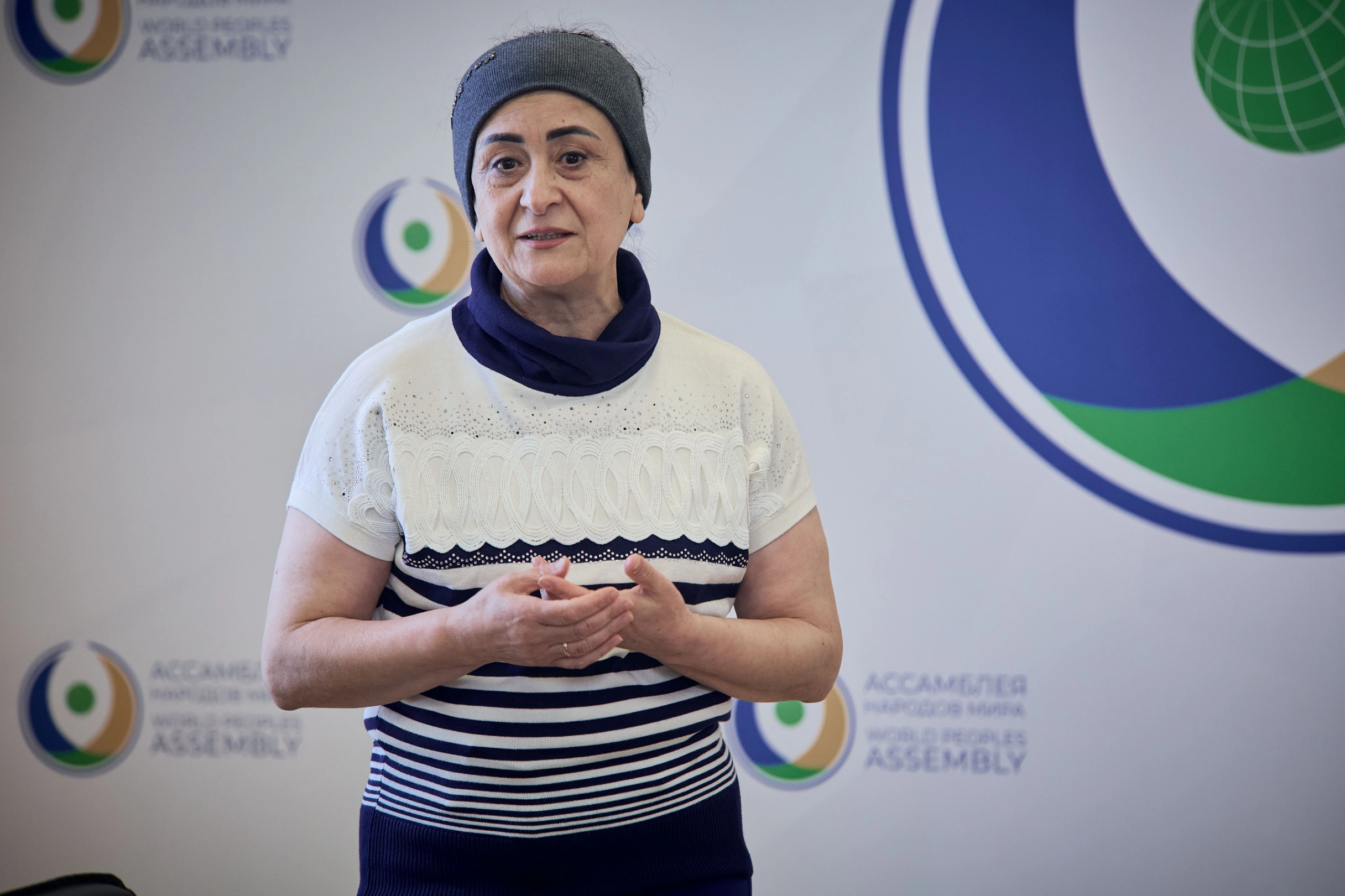
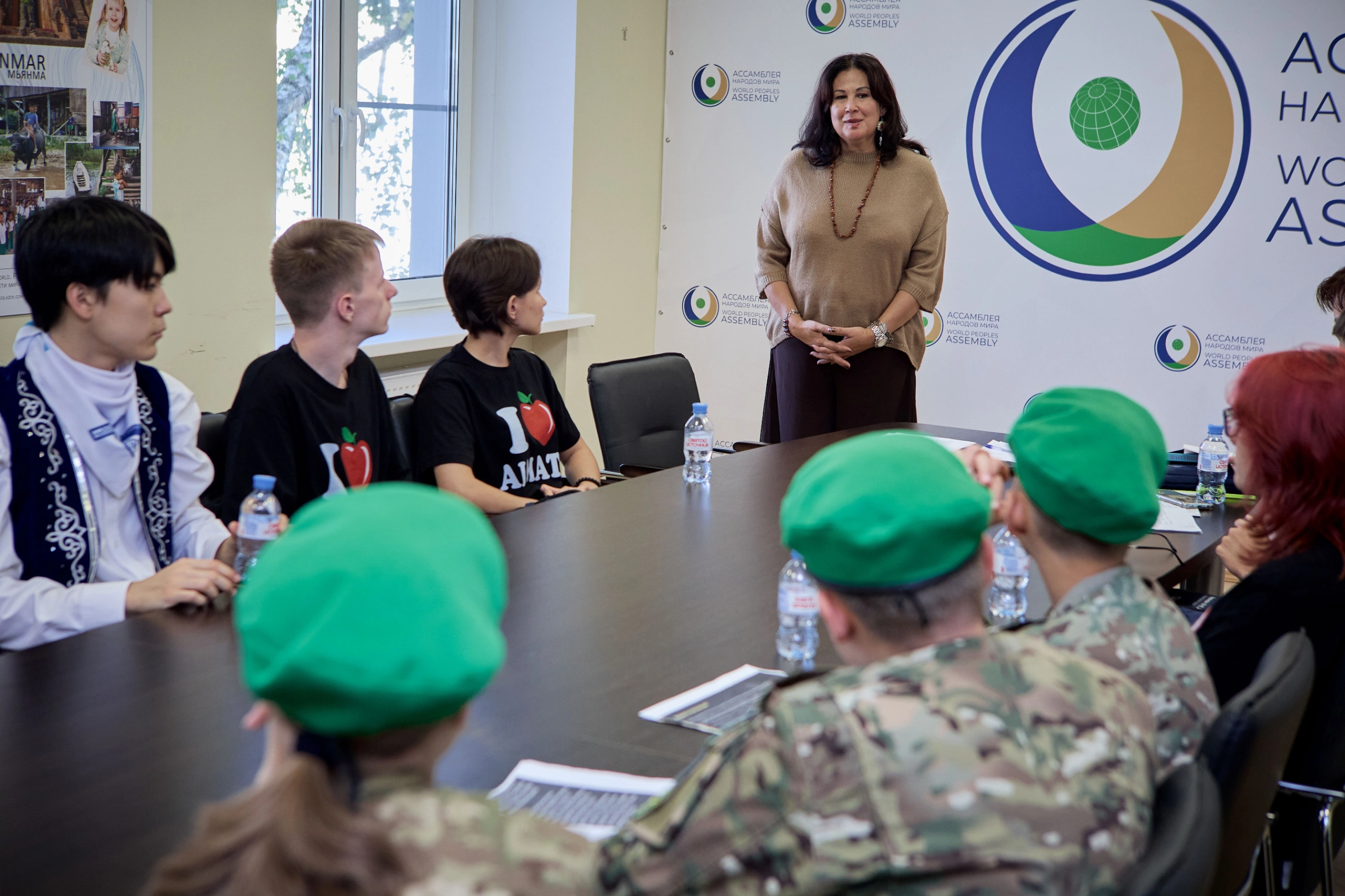
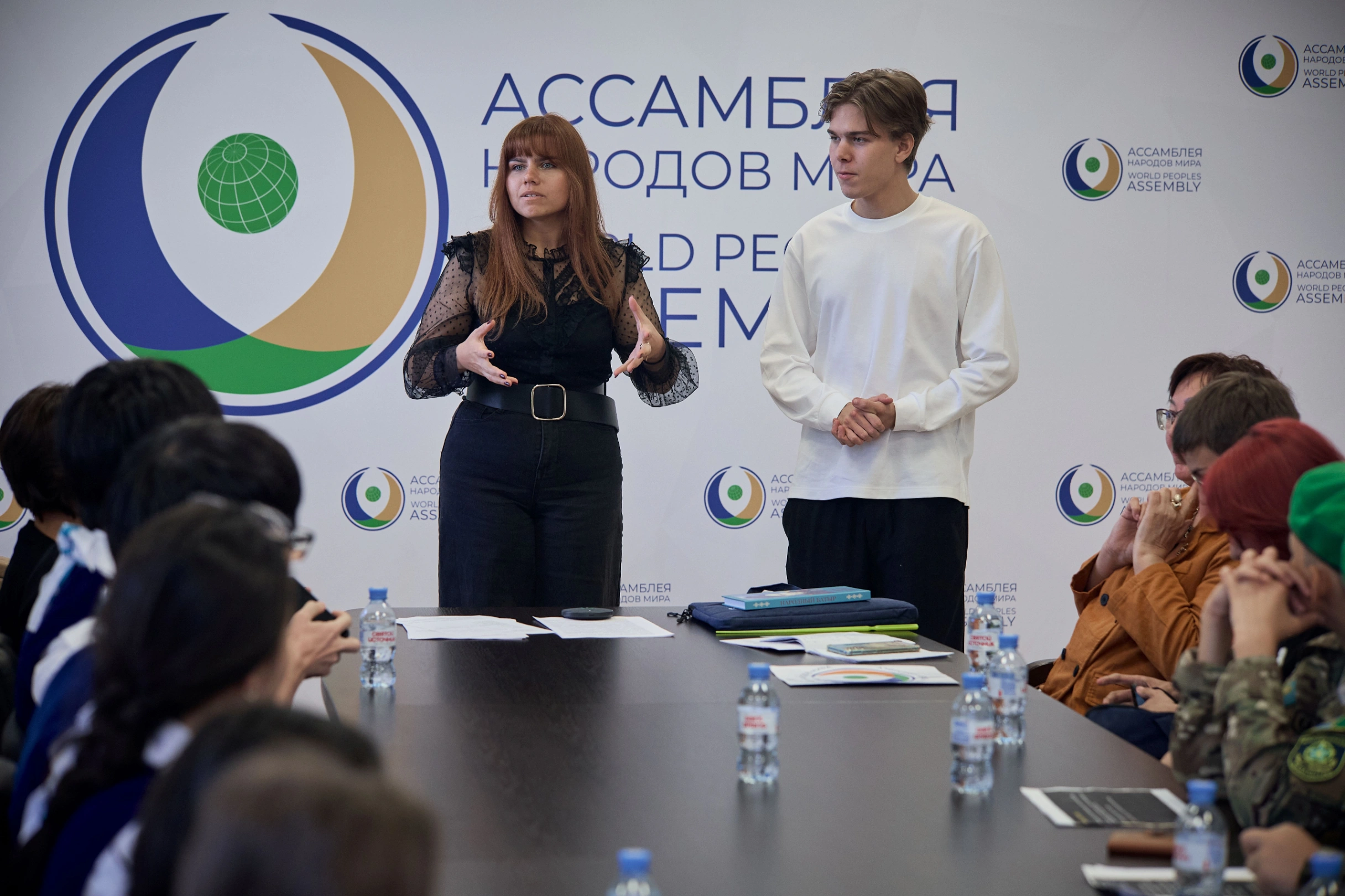
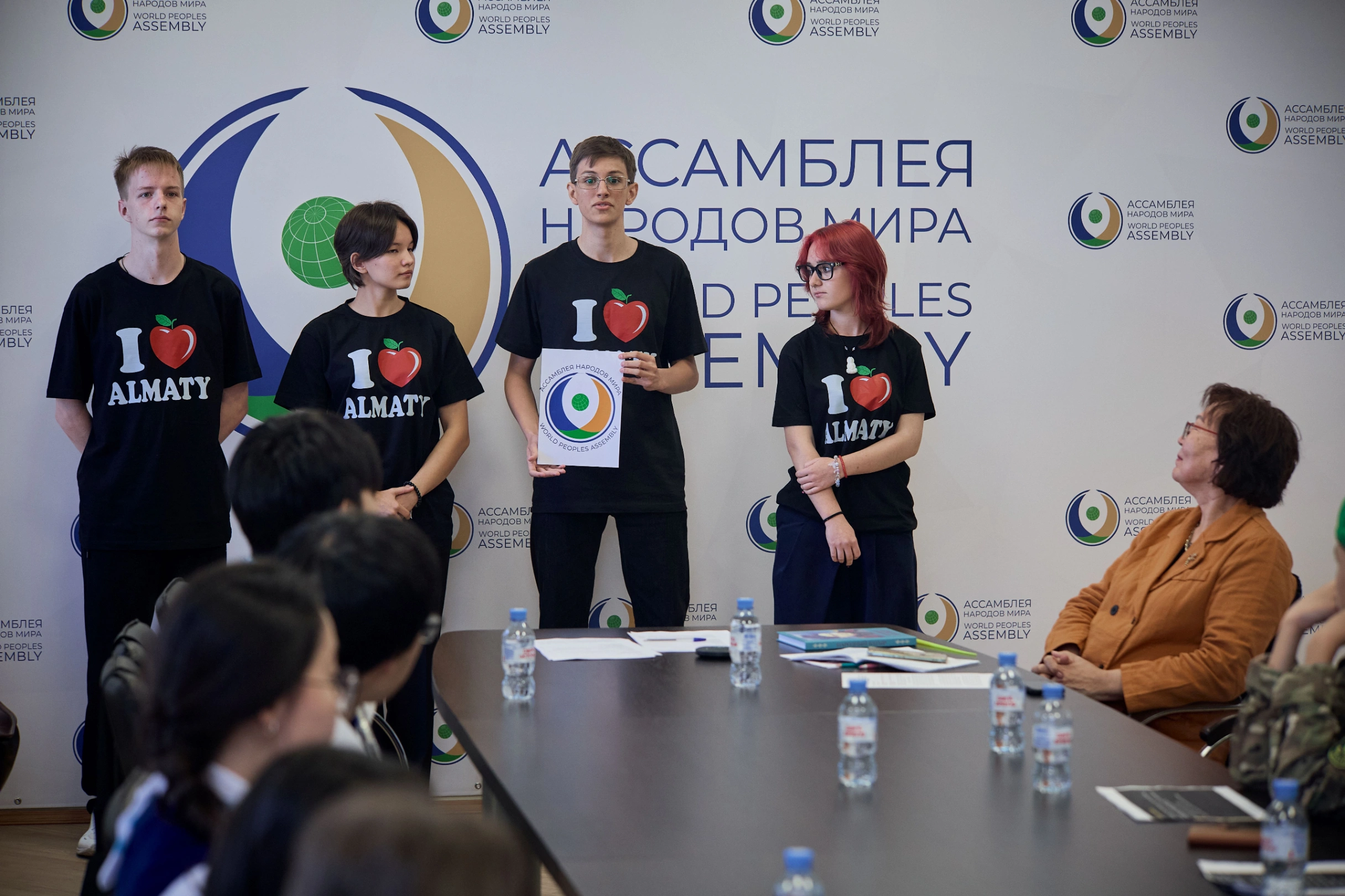
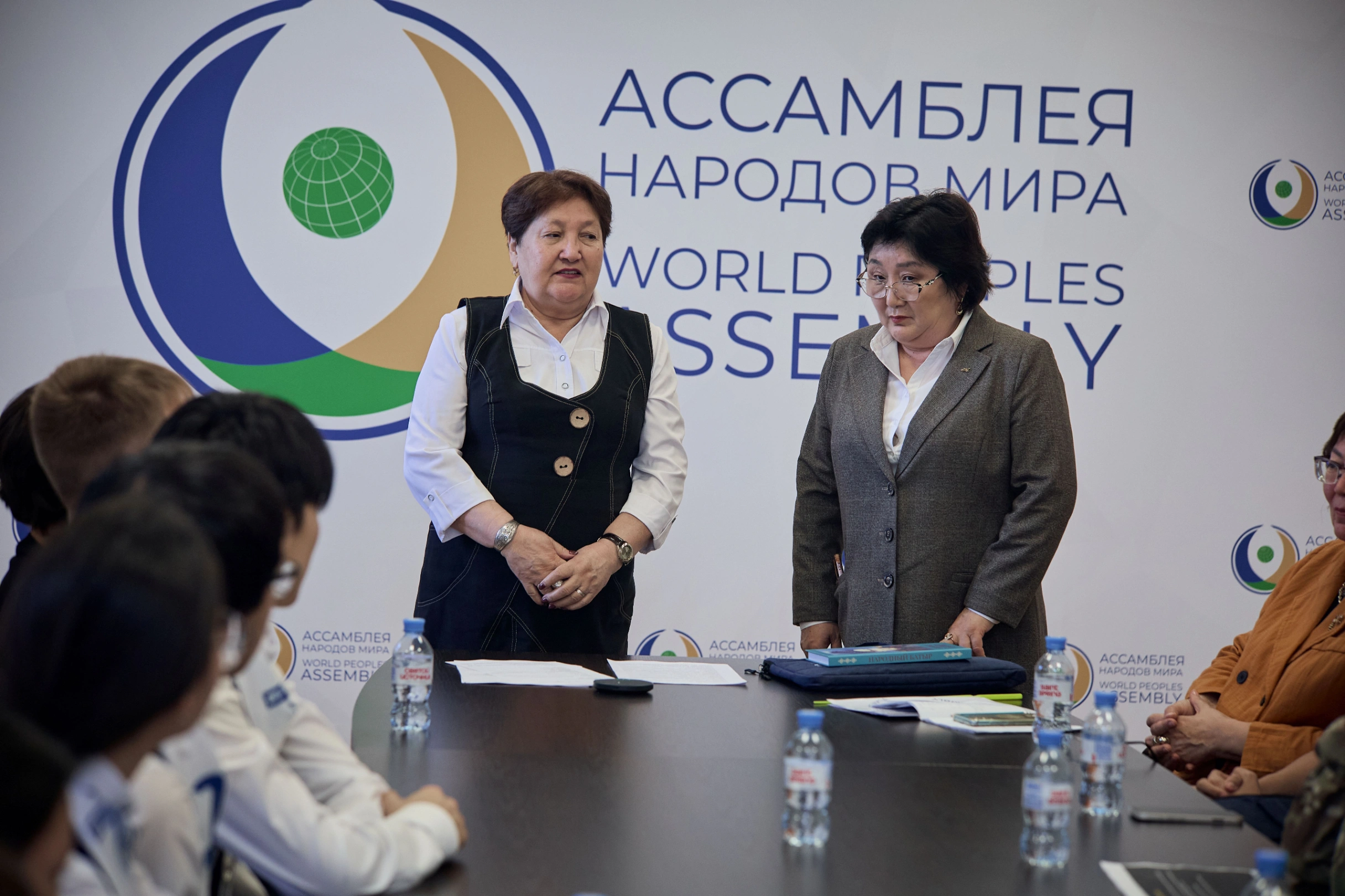
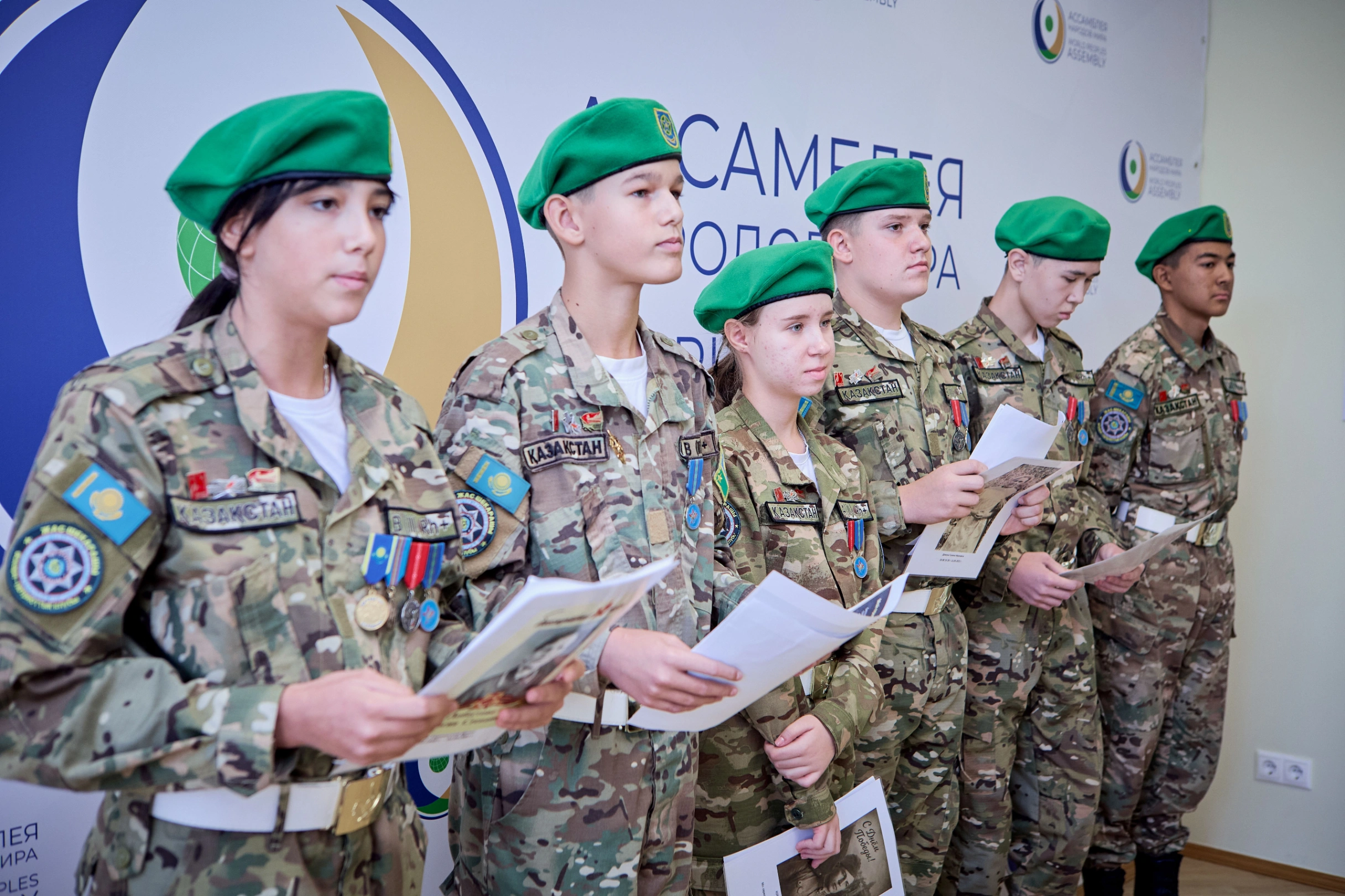
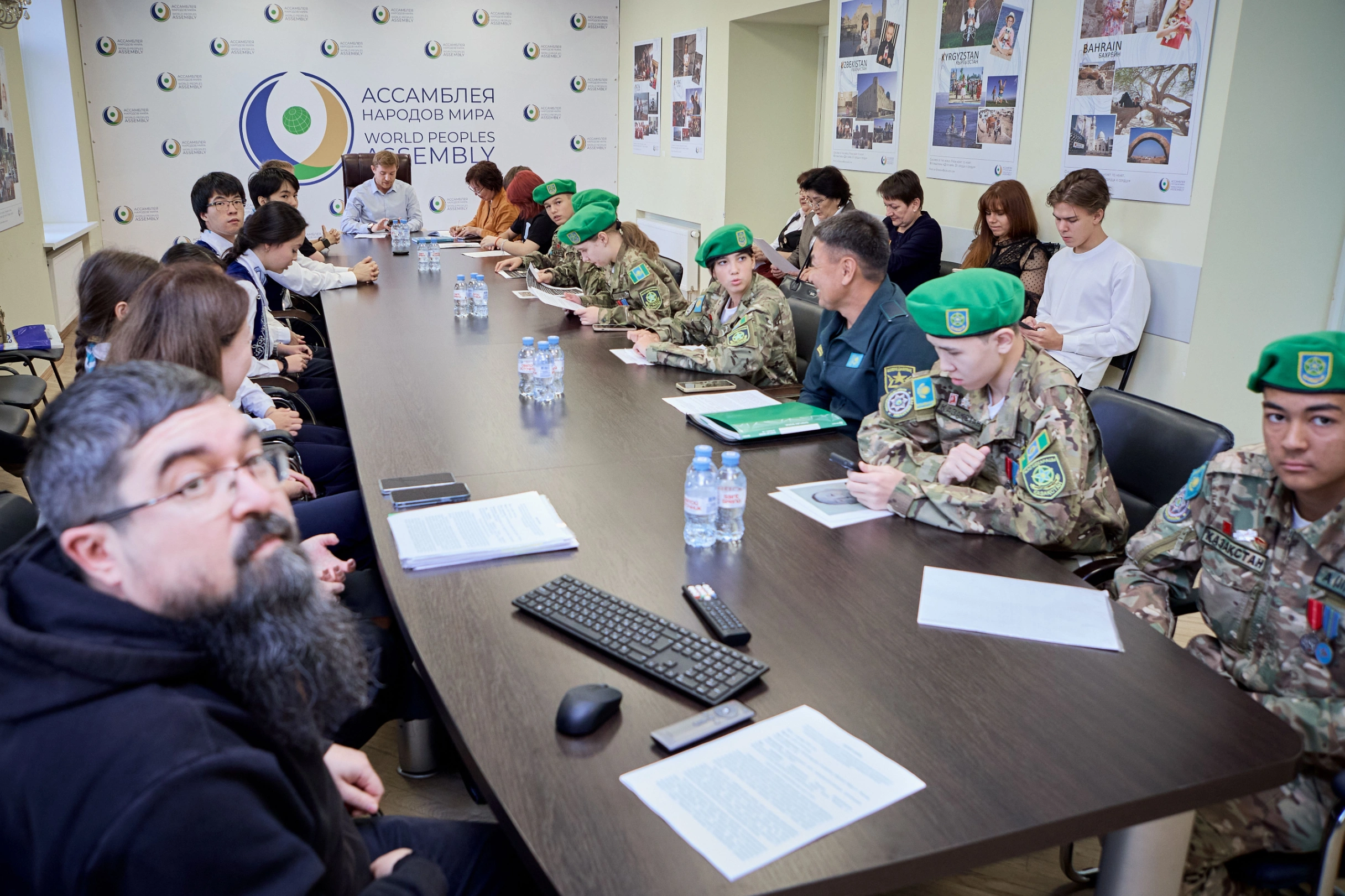
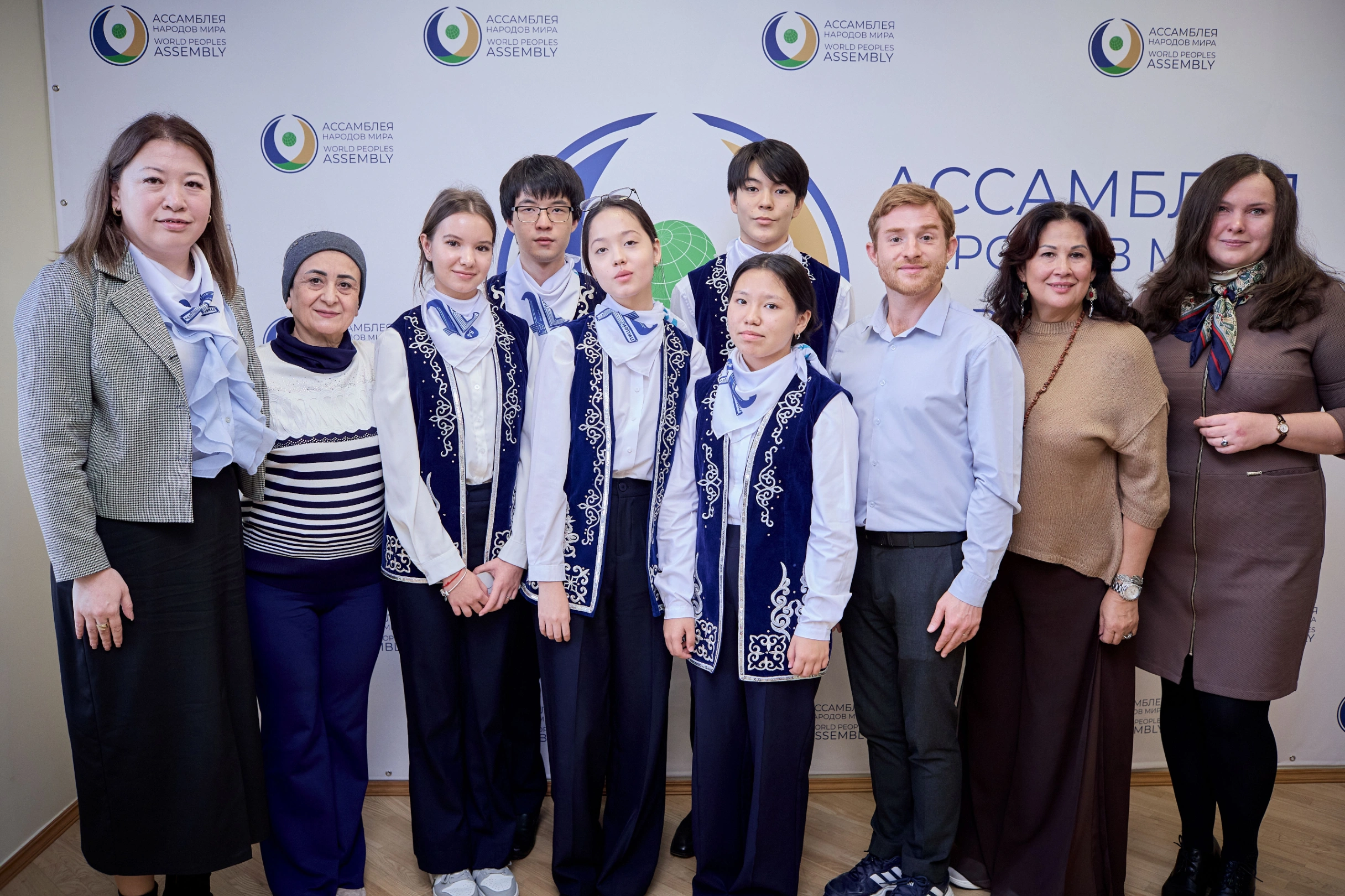
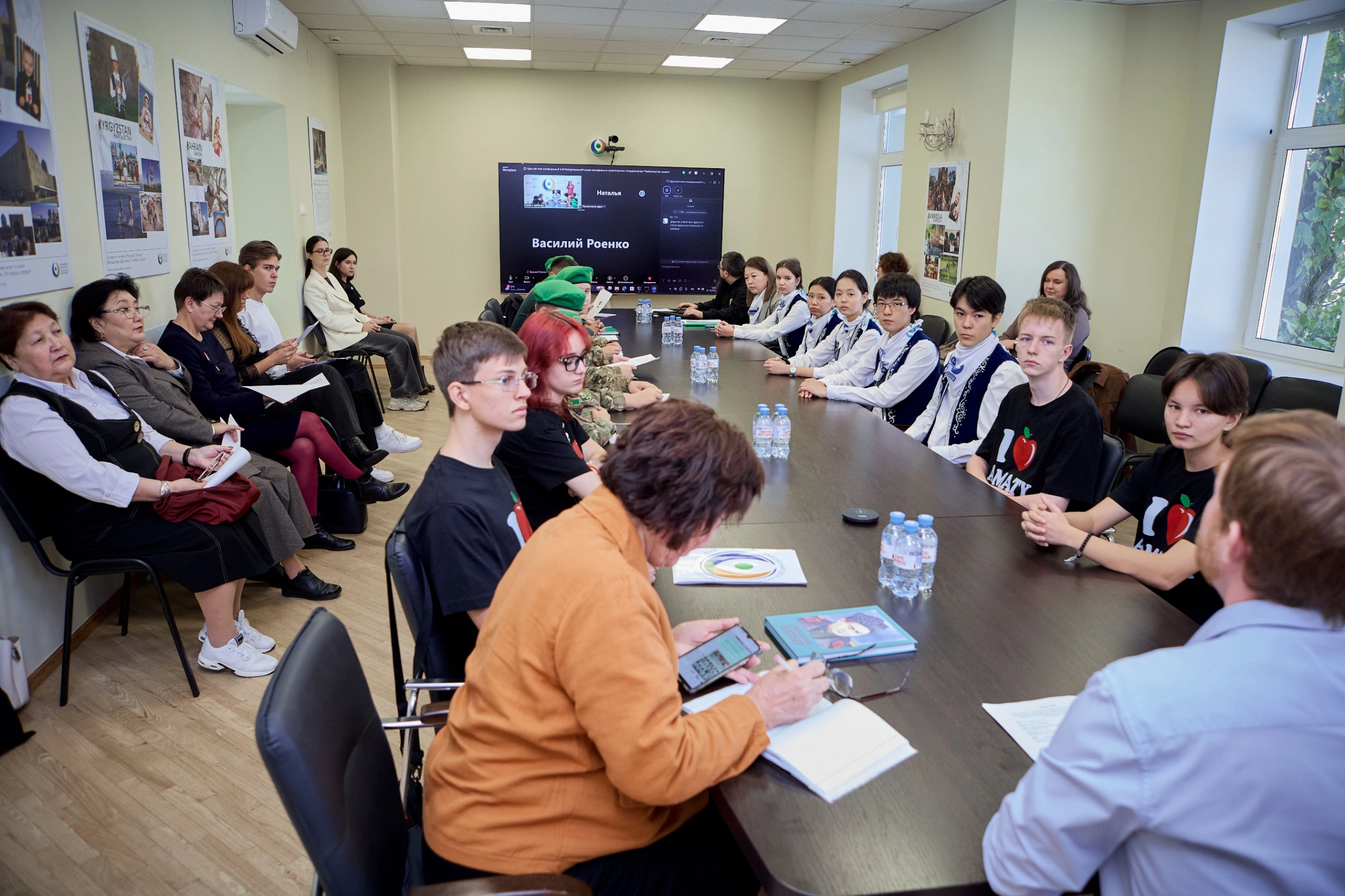
A round table with participants of the IV International Action of Youth Humanitarian Cooperation "Twinning of Memory", dedicated to preserving the historical memory of the Second World War and the Great Patriotic War, was held on October 1, 2026 at the Moscow headquarters of the World Peoples Assembly.
Schoolchildren from Kazakhstan presented their research, talked about family memory, and discussed opportunities for collaboration with teachers, museum specialists, and public figures. The participants of the meeting talked about the fact that behind every surname in the archival document there is a human fate, behind every exhibit of the school museum there is a story that needs to be preserved and passed on.
The Twinning of Memory is an annual practical format of international youth humanitarian cooperation. His starting point was the search work of Kyrgyz schoolchildren, who in 2023 provided the Volokolamsk Book of Memory with updated archival information about the defenders of Moscow. On this basis, the project brought together school museums, search groups and teachers studying documents, the military and life path of war veterans, the history of military formations and the feat of their countrymen.
Schoolchildren from Kazakhstan, Kyrgyzstan, Moldova and Transnistria have already become participants of the action. In 2026, 15 students from the Republic of Kazakhstan and 3 accompanying teachers are participating in the project. The event is organized by the World Peoples Assembly with the support of the Moscow Government, the Department of Foreign Economic and International Relations of the City of Moscow and the Moscow Center for International Cooperation.
The cultural and educational program complements the research work of the participants. Visits to VDNKH, the Moscow Layout, the Moscow State Defense Museum, the Victory Museum, the Red Square and the Panorama360 observation deck connect the historical materials they study with the space of the capital, the history of Moscow's defense and the contribution of peoples to Victory. The end of the program at Panorama360 gives participants the opportunity to see modern Moscow as a city of international dialogue and youth cooperation.
Laila Akhmetova, Chairperson of the Council on Historical Memory of the World Peoples Assembly, Professor at Al-Farabi Kazakh National University, plays an important role in developing cooperation with Kazakhstani schools and associations. The initiatives of the participants are also related to the international program "Gift to the Motherland".
Andrey Belyaninov, Secretary General of the World Peoples Assembly, noted in his greeting to the participants of the action:
- Working with young people, including their involvement in the preservation of historical memory, is one of the most important activities of the World Peoples Assembly. Our task is to support the children's interest in history and help them engage in memory preservation themselves: to study documents, reconstruct the fate of their ancestors, and share research results with their peers.
The moderator of the round table was Maxim Sidorov, Head of the Directorate for the Preservation of Historical Memory of the World Peoples Assembly. He stressed that the participation of the children in the action was a continuation of their many years of research and social activities, and also recalled one of the tasks of the Assembly: to support projects that are born from schoolchildren and teachers themselves, to help present research results, find partners and establish contacts with peers from other countries. This approach allows us to continue cooperation after the completion of the Moscow trip.
Anastasia Kiselyova, Head of the Special Projects Department at the Moscow Center for International Cooperation, delivered a welcoming speech. She spoke about the preparation and organizational support of the trip by the Moscow Government, noted the importance of the work of schoolchildren and expressed interest in continuing their initiatives. The teachers and participants thanked the Moscow side for the opportunity to get acquainted with the historical heritage of the capital and present their projects to Russian partners.
The participants of the round table were:
Anastasia Kiseleva, Head of the Special Projects Department at the Moscow Center for International Cooperation;
Alime Kukoeva – Head of the Directorate of Youth Cooperation of the World Peoples Assembly;
Ilya Moskalenko - the curator of the All–Russian Historical and educational program "School Museum of Victory";
Anastasia Kravchenko - the curator of the All–Russian Historical and educational program "School Museum of Victory";
Gulnabat Tekayeva - Chairpeeson of the Board of the Regional Public Organization "Society of Turkmen Culture";
Mavzuna Khaidarova - Artistic director of the Guliroz Tajik Folk Dance Ensemble;
Tahmina Amrikhudoeva - an activist of the Committee for Work with Children of the Public Council at the Embassy of the Republic of Tajikistan in the Russian Federation;
Galina Smirnova - President of the Memorial Fund for Fallen Soviet Soldiers in East Prussia;
Bayan Nursaparova - Chairperson and Founder of the Path to Traditions Center for Support of Socio-Cultural and Creative Initiatives;
Aida Madiyarova - an English teacher at the Kazakh–Russian Specialized Lyceum School No. 54 named after I.V. Panfilov;
Bakytzhan Sagadibekuly Perimbet - the Head of the military-patriotic club "Zhas Shekarashi" ("Young Border Guard") at the Department of the Border Service of the National Security Committee of the Republic of Kazakhstan in the Almaty region;
Zukhra Berdigozhina - the Head of the Association of School Museums of Kazakhstan, the museum of school No. 32 in Almaty, a history teacher.
The discussion was also attended by: Natalia Boldina, Bakhtiyor Dilnoza, Diana Safarova, Amir Alniyazov, Sofia Mikhridinova, Darina Valieva, Asylbek Nurybpai, Anel Tlevles, Victoria Matkovskaya, Eva Suleiman, Artyom Kosychev, Ilham Sautov, Sanzhar Anarbek, Nikita Dobrynin, Artyom Yelkin, Maxim Kubasov, Alina Mishchenko, Alisa Mikheeva.
Students of the specialized I.V. Panfilov Lyceum No. 54 in Almaty, pupils of the military-patriotic club "Young Frontier Guard" and activists of the Museum of Military and Labor Glory of Secondary school No. 32 in Almaty demonstrated their own projects at the round table. Their practical experience took the central place in the discussion.
Students of the I.V. Panfilov Lyceum School No. 54 drew a parallel to how the history of the Great Patriotic War is connected with the fate of their educational institution. The presentation featured stories about teachers and graduates who went to the front. The students presented the exhibits of the school's museum of military glory (an invaluable archive that has been carefully collected and replenished for several generations of students), told about the digitization of museum materials and the traditions of dedication to Panfilov. Meetings with veterans and descendants of war veterans, commemorative events and the guard of honor at the Eternal Flame in the Park named after 28 Panfilov Guards remain an important part of school life.
The students paid special attention to international cooperation: meetings with students and teachers of other schools associated with the name of General Panfilov, trips to places of military glory and joint search work. They noted that the study of documents is complemented by communication with the families of veterans. It is personal memories that help to understand what a person was like, about whom a brief archival record has been preserved, what he experienced and how his post-war life developed.
Pupils of the military-patriotic club "Young Border Guard" presented the work of the association, which employs students from different schools in Almaty. One of its main traditions is carrying a guard of honor at the Eternal Flame. For the guys, this is a personal responsibility to the generation of defenders of the Motherland.
In their speeches, the cadets turned to the history of great-grandfathers and great-grandmothers - front-line soldiers, signalmen, medical workers and home front workers. They talked about the documents they found, military awards and family memories that help restore the fate of loved ones.
The story about the great-grandmother of one of the participants was particularly warm: when she was very young, she helped the wounded in the hospital, and after the war she connected her life with medicine. This thread was continued by the story of the unchanging tradition of the club - on the eve of the New Year, cadets prepare gifts for children who have to celebrate the holiday in hospital rooms. They perceive caring for those who are particularly difficult as a direct continuation of the values shared and bequeathed by the older generation.
The participants also presented the direction of mountain training and the initiative to perpetuate the names of heroes in the names of unnamed peaks. They talked about the ascents, the preparation of the necessary materials and plans for international cooperation. In the club's work, historical memory is combined with character education, mutual assistance and the ability to act together.
History teacher, head of the Museum of Military and Labor Glory of school No. 32 in Almaty Zukhra Berdigozhina presented the activities of the Association of School Museums of Kazakhstan. As she said, the association has grown from 6 to 17 museums. It helps to share experiences and support both institutions with large gatherings and small school corners of military glory.
- The main thing in a school museum is the people, above all the children, who create and develop it. Their interest in sources, participation in the preparation of expositions and the desire to tell their peers about history give museum work a continuation, - the teacher emphasized in her speech.
The activists of school No. 32 presented materials about the descendants of the Panfilovites and their own family research. Maxim Basov, President of the school museum, has prepared a video work on space exploration. Alisa Mikheeva told about her great-grandfather, who was seriously wounded at the end of the war: his family had already received news of his death, but he survived and returned home - despite everything. Such stories show how important family testimonies are to reconstruct the past.
The performance of the school team complemented the poem "Love Russia". The poetic word has become another form of addressing the theme of the Motherland and responsibility for its history.
Ilya Moskalenko and Anastasia Kravchenko, curators of the All-Russian Historical and Educational program "School Museum of Victory", took part in the discussion. Ilya Moskalenko thanked the World Peoples Assembly and the Moscow Government for supporting international cooperation between schoolchildren and invited participants to develop ties with museum activists from Russian regions and other countries.
Representatives of the Victory Museum emphasized their openness to the suggestions of the students and teachers. The School Victory Museum program provides opportunities for getting to know each other, sharing experiences, and implementing joint initiatives. For the Kazakhstani participants, this was an invitation to continue the existing cooperation and present new research materials.
Lina Bogatyr, director of the Vladimir Menshov International Film Festival "Won Together" suggested using documentary films in school educational work. She spoke about the opportunity to provide teachers with links, annotations and materials for preparing screenings and discussions, and also presented Pavel Pechenkin's film "Deep Rear", a picture telling about heroes whose feat remained behind the front line, but without whom Victory would have been impossible. The participants discussed how documentaries can complement educational activities, help young researchers, and become an excuse to talk about events that are not reflected in detail in the school curriculum.
Alime Kukoeva noted that the younger generation connects the shared historical memory with the future. Research work helps students get to know each other better and strengthen relationships between people from different countries.
Galina Smirnova, President of the Memorial Fund for Fallen Soviet Soldiers in East Prussia, thanked the students for their careful attitude to the history of their families. She recalled that the older generation had heard stories about the war directly from its participants:
- Today, these testimonies are passed on to young people, and with them the responsibility for preserving memory and peace.
Natalia Boldina, a participant in the meeting, spoke about the restoration of her family's military history based on archival documents. She suggested developing international youth initiatives and addressed the theme of the "Spirit of the Elbe" as a historical example of cooperation between peoples. Maxim Sidorov, in turn, noted that Kazakh partners may well join this area of work of the Directorate for the Preservation of Historical Memory.
Gulnabat Tekayeva, the head of the Society of Turkmen Culture, continued the conversation about family destinies. She shared her memories of her grandmother, who helped take in evacuated children during the war. The story of how the locals greeted the frightened children and gradually won their trust with care and hospitality reminded of the human solidarity that has become a pillar for millions of people.
Mavzuna Khaidarova, artistic director of the Guliroz Tajik folk dance ensemble, spoke about finding information about her deceased grandfather, preserving family memory and working with a children's group. She emphasized the importance of the personal example of teachers and parents, participation in commemorative events and respect for those who brought Victory closer at the front and in the rear.
Performances by representatives of different nations complemented the studies of schoolchildren. Through family stories, the participants talked about shared Victory, hard work and charity, mutual support and the need to maintain good neighborly relations.
At the end of the round table, Maxim Sidorov confirmed the Assembly's readiness to provide information and organizational assistance to the participants. The possibilities of cooperation between school museums, documentary film screenings and presentation of research materials on the media portal "History Network" were discussed.
Special thanks were given to the teachers who help the children to work with sources, verify information and turn an interest in the family past into a consistent study.
The Twinning of Memory gives young people the opportunity to see how their own work becomes part of a common cause. A found name, a recorded memory, a restored biography, or a school exhibit preserve the history of a particular person. And meetings and joint projects help this memory to unite new generations.
Additional information is available on the official website of World Peoples Assembly or at media@world-assembly.org.