

Tunisia will present its Original Projects at the International Stage of the "Leader of Public Diplomacy" Contest
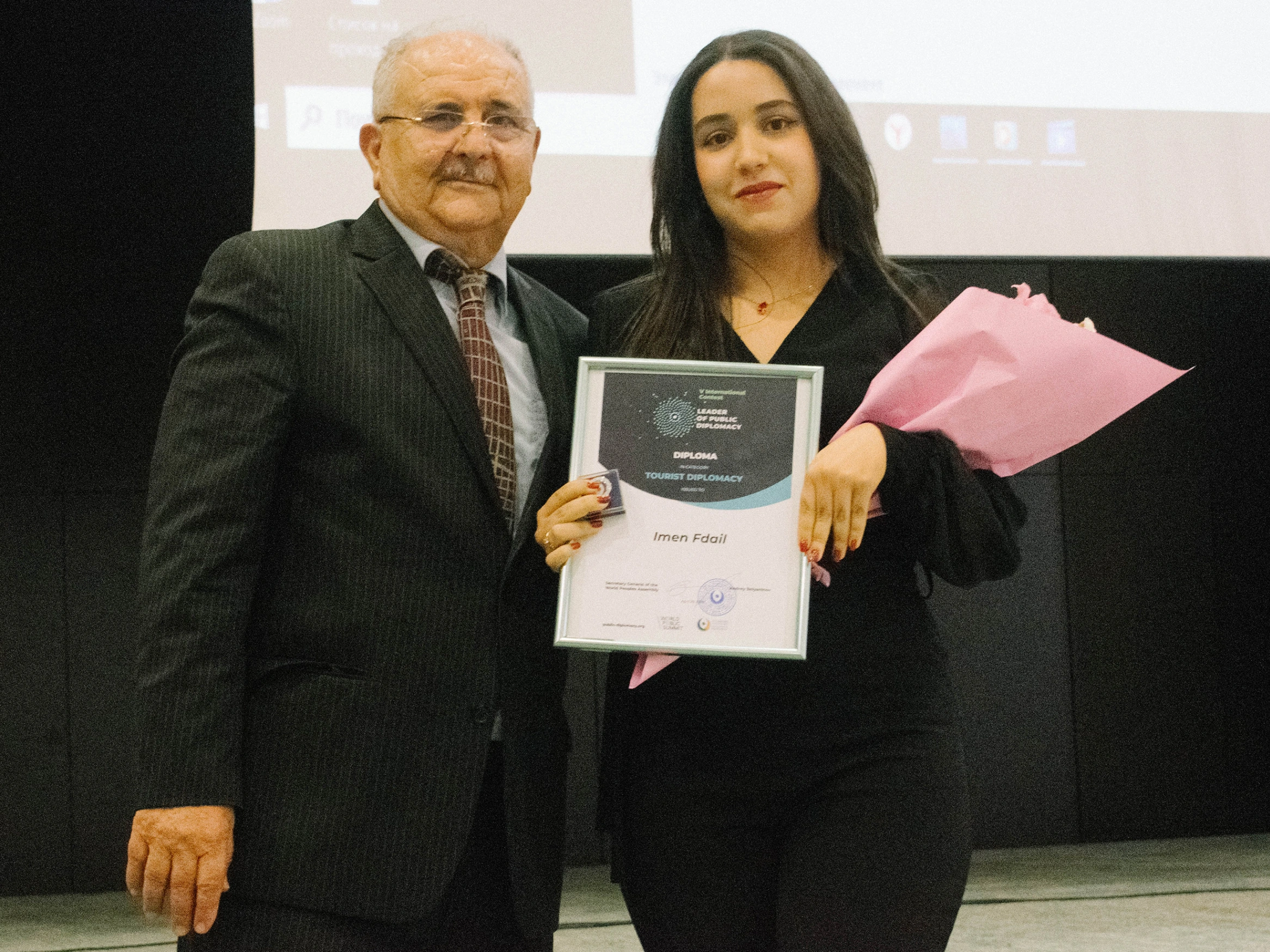
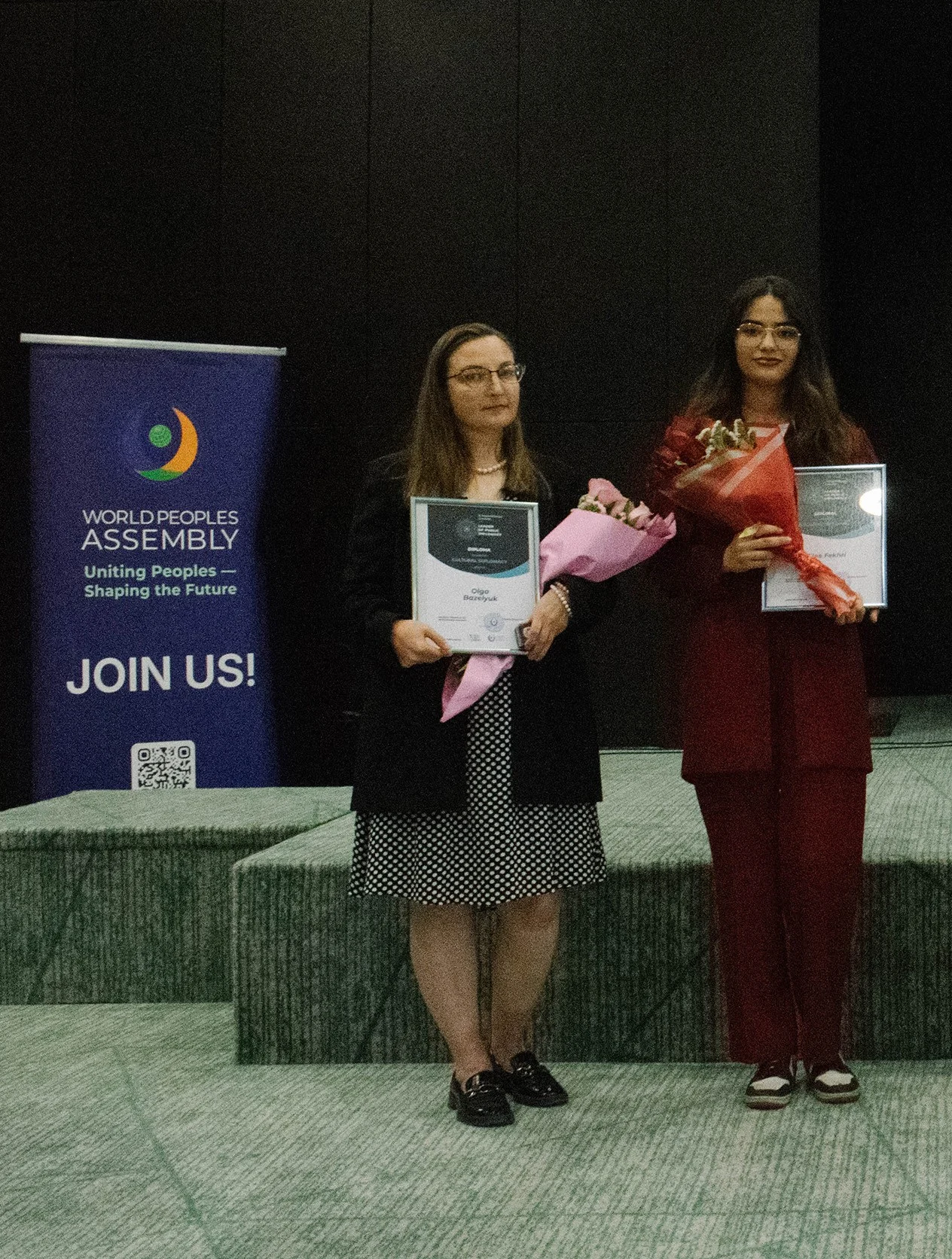
The country stage of the V International "Leader of Public Diplomacy" Contest ended in Tunis in May 2026. The initiatives of the participants aimed at strengthening cultural ties, developing youth dialogue and promoting cross-country understanding were highly appreciated by the jury. In the category "Tourism Diplomacy" Tunisia will be represented by Fdail Namen, and in the category "Cultural Diplomacy" by Olga Bazelyuk and Fehri Eli.
Student Fdail Imen suggests rethinking hospitality through the project "Smart Guide Tunisia–Russia". Instead of standard travel guides, she has developed a hybrid ecosystem: a digital platform combined with printed materials that can be found in hotels and tourist areas. Her project helps in solving the daily difficulties faced by travelers: it includes translations of local dishes with visual cues, pronunciation of catchphrases, cultural notes and, most importantly, a network of Russian-speaking volunteers who are ready to promptly support travelers. The jury noted the original concept and the high potential for scaling. The project organically combines technology and live human support. Through her project, the author helps to build an infrastructure where solving the difficulties of travelers creates a space for dialogue and cultural exchange.
Olga Bazelyuk relies on systematic work with teenagers. Her Mir Club has become a platform where young people study the history and art of Tunisia and Russia, find points of intersection and at the same time develop skills of public speaking, dialogue and self-organization. Over the past two years, the team has implemented more than 20 events, actively implementing digital tools to involve teenage children in projects on ecology, culture and history. The Contest experts emphasized the significant potential for the development of the initiative. The main impression of Olga Bazelyuk's work is the shift in focus from one—time promotions to long-term formation of a personnel reserve. She positions herself not as a curator, but as a guide who helps to keep in touch with heritage, develop tolerance through the historical context and gain confidence in international formats.
Fehri Eli, a student at the Tunisian Higher Institute of Humanities, is the creator of the large–scale project Culture Without Borders. The Russian language, which the girl is studying at the institute, has become for her not just an academic subject, but the key to a deep understanding of culture, which determined her academic and personal path. Her initiative is a full–fledged "Russian Language Week", turned into a series of thematic days, each of which reveals a separate layer of culture. The program includes meetings of students to discuss traditions and art, literary readings analyzing the relevance of Chekhov's work for modern Tunisian society, short film screenings with tasting of national dishes, as well as theatrical performances with the participation of local ballet schools and folklore groups. Fehri Eli pays special attention to the popularization of history: the project participants visit the Anastasia Shirinskaya House Museum in Bizerte, getting acquainted with the history of the Russian community in Tunisia. The jury particularly noted the informative video presentation and the recommendations of the university, confirming the initiative and deep involvement of the student. Her ambitious goal is to turn the Russian Language Week into an annual tradition expected by young people, which demonstrates a strategic vision and understanding of the mechanisms of sustainable cultural dialogue.
More information is on the official website of the World Peoples Assembly and at media@world-assembly.org.