

V International Contest "Leader of Public Diplomacy" determined the Winners of the Country Stage in Australia
The country stage of the V International Competition "Leader of Public Diplomacy" ended in Australia in mid-May 2026. Based on the results of the selection process, which was attended by representatives of the business community, the media community, cultural institutions and youth initiatives in Australia, an expert jury selected three winners in different categories. Their projects demonstrate the most effective practices of using public diplomacy tools to solve urgent problems in business, media and intercultural interaction.
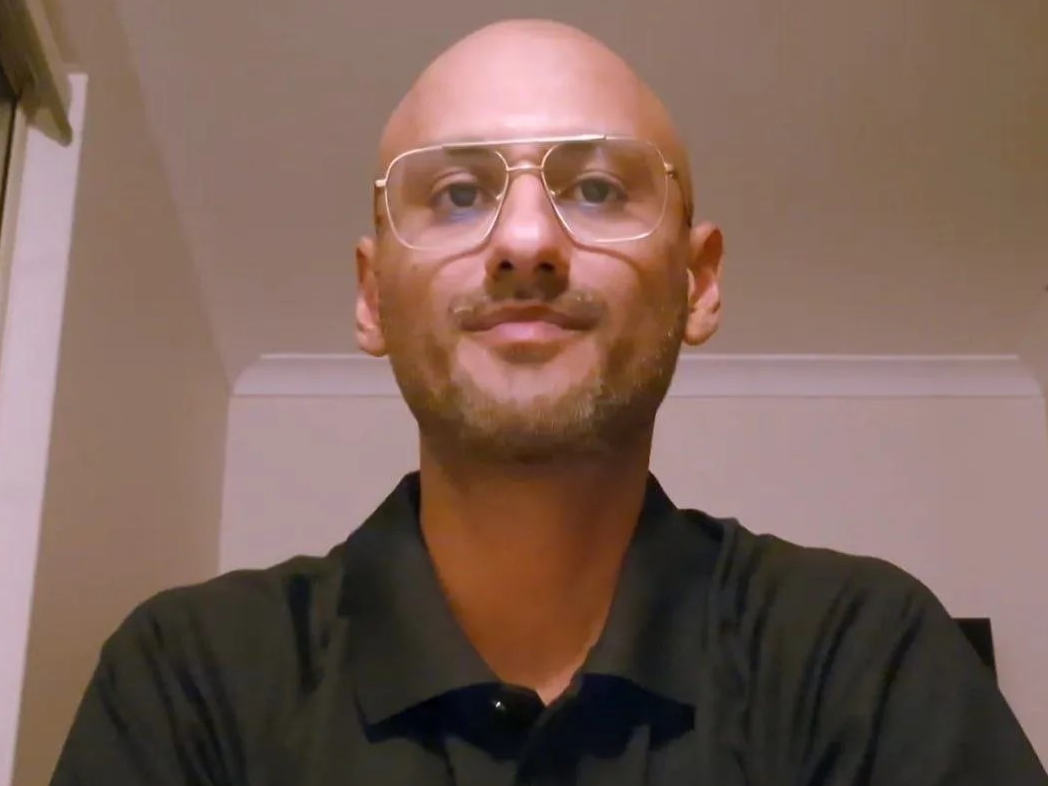
Rashad Bilimoria, an expert on digital transformation and strategic development of the non-profit sector, became the winner in the Business Diplomacy nomination. The jury noted his outstanding leadership qualities, high professionalism, and ability to build sustainable international partnerships that have had a significant impact on the Australian business community.
Over the past three years, the expert has provided methodological and technological support to more than 20 organizations (Cahoots, LifelineWA, Southcare, etc.) working in the spheres of elderly care, mental health, support for people with disabilities, and assistance to victims of domestic violence. Rashad Bilimoria not only implemented technological solutions, but also accompanied this process with consulting support, staff training and coordination of the implementation of changes.
In partnership with the Microsoft Tech for Social Impact team, he organized a series of educational events on cybersecurity, data management, and the effective use of digital tools. A special recognition was given to the Cahoots organization transformation case, noted by Microsoft as a global example of successful technology adoption in the non-profit sector.
– Leadership for me is an opportunity to help others achieve results beyond their individual capabilities. It's a shoulder-to-shoulder job and a personal example," says Rashad Bilimoria.

The Media Diplomacy nomination was won by Qiu Keai. Her project demonstrates how youth initiatives can become an effective tool for shaping a positive information agenda. Despite her young age, the participant demonstrated exceptional creativity, strategic thinking and determination to implement innovative ideas that can positively transform the media environment.
Her diplomatic experience was formed through her participation in international educational projects: The “World of Discoveries” program of the Russian Geographical Society in Vladivostok, work as a translator and cultural mediator, as well as the Icebreaker of Knowledge 2024 expedition on the 50 Years of Victory nuclear icebreaker to the North Pole. As part of these initiatives, Qiu Keai not only acquired scientific competencies, but also mastered the skills of creating content capable of conveying the values of sustainable development, environmental responsibility and intercultural dialogue to a wide audience.
The jury noted her special value in her ability to turn personal experiences into public narratives. Upon her return from the expeditions, she shared her knowledge with her peers, acting as a youth ambassador and forming a positive image of international scientific cooperation.
– For me, leadership is primarily about serving others and being responsible for those you lead. In public diplomacy, it is more important not to talk, but to listen: to find common ground even in difficult situations and turn a potential conflict into a dialogue," - the winner shares.
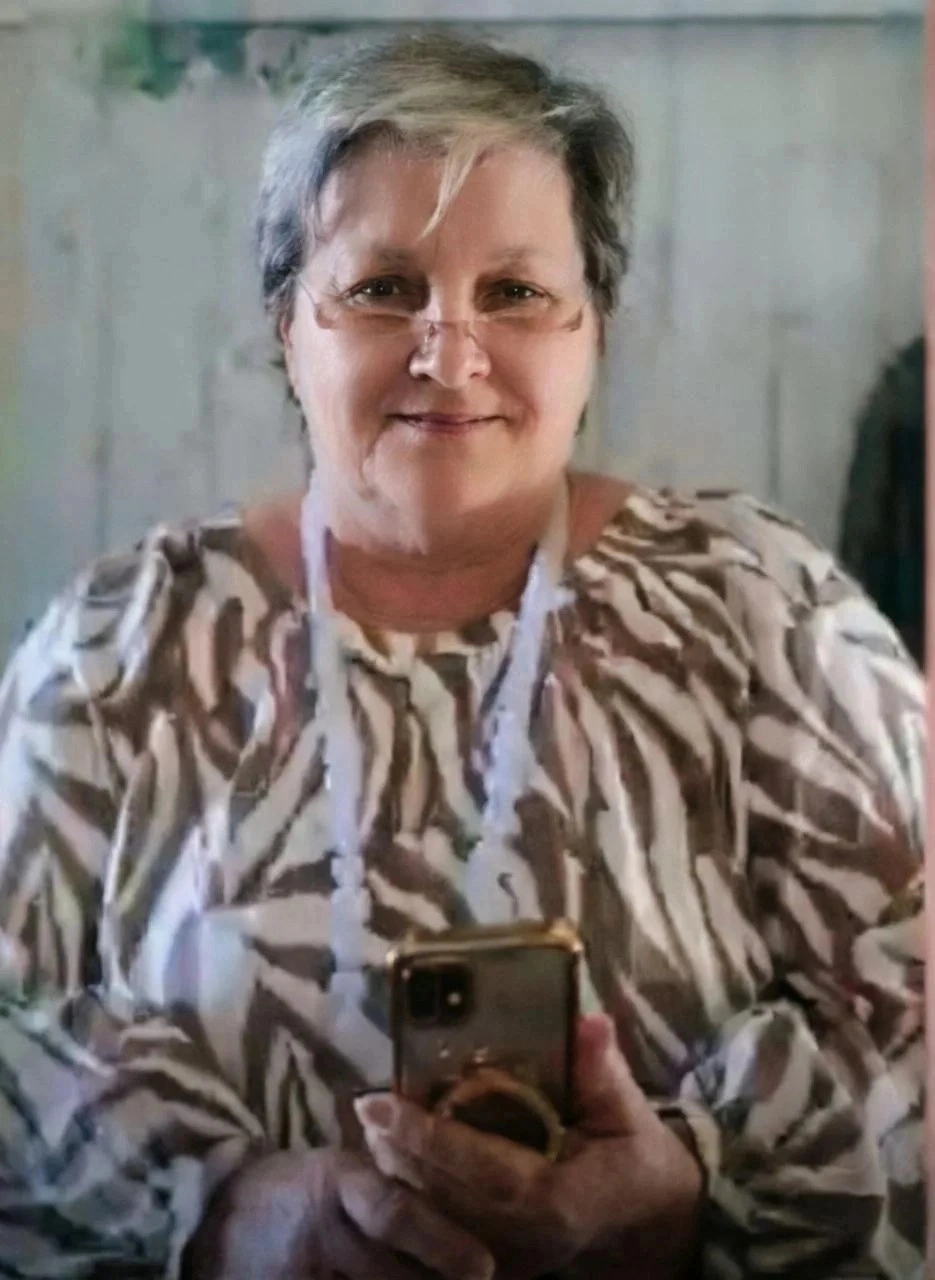
The winner in the Cultural Diplomacy nomination was Elena Belinskaya, whose long-term work is dedicated to strengthening intercultural relations through systematic work with local communities. The jury highly appreciated her consistent commitment to promoting cultural dialogue, as well as her ability to inspire others to participate in building bridges of mutual understanding. The experts also noted her dedication, enthusiasm and continuous efforts to fulfill her mission.
Through the Association of Our Compatriots, she plans and implements projects in Australia that introduce Russian culture to local audiences and unite the Russian-speaking community. Elena coordinates the implementation of international projects, including the Living Classics Reading Competition, which unites Russian-speaking Australian schoolchildren with the global movement for the preservation of literary heritage. She also actively develops the initiatives of the Center for Russian Culture in Australia, organizing and promoting events that become a platform for dialogue between cultures.
More information is on the official website of the World Peoples Assembly and at media@world-assembly.org.