

Visual Dialogue Without Borders: The World Peoples Assembly Brought Together Artists from Russia, Central Asia, Mongolia and Iran
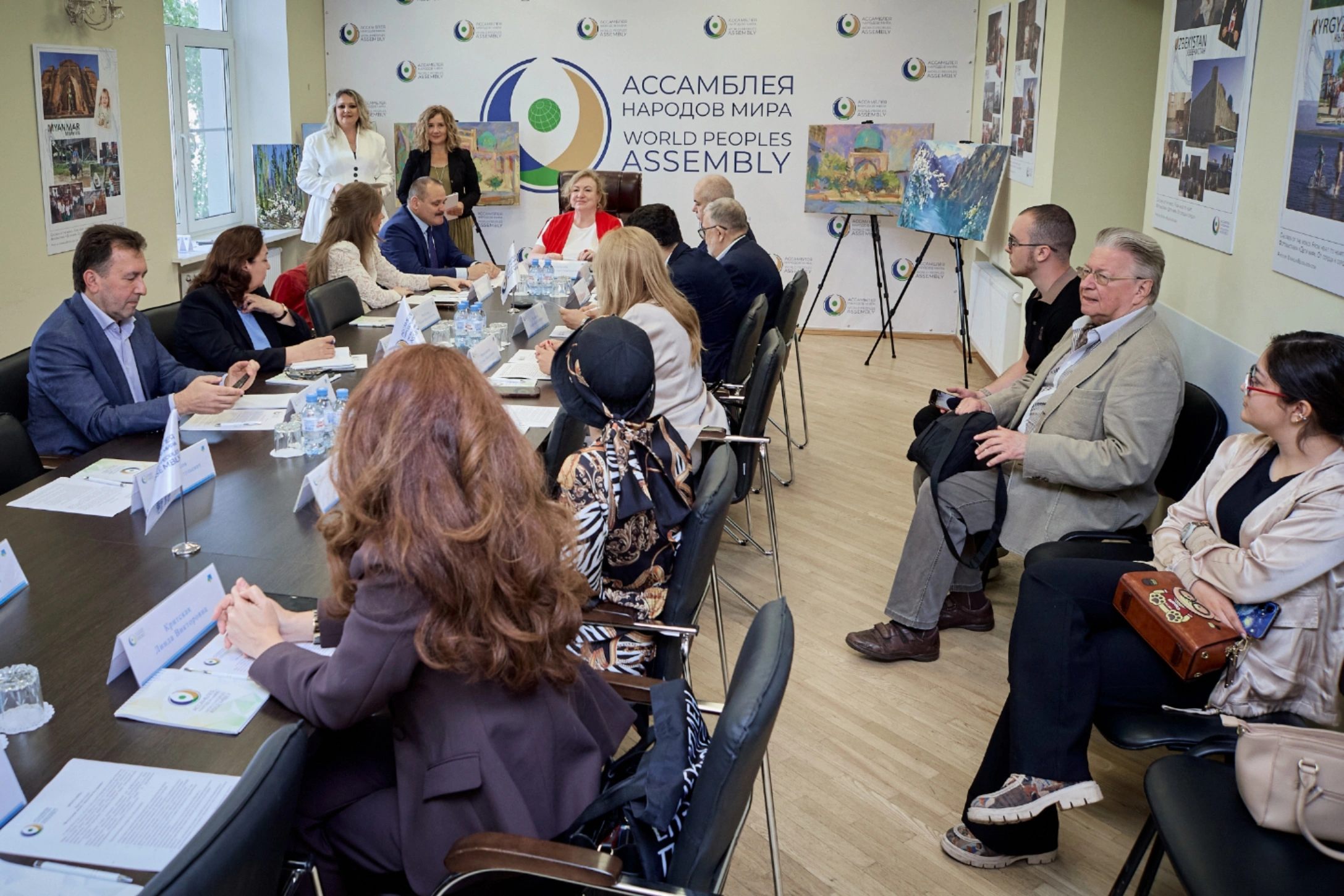
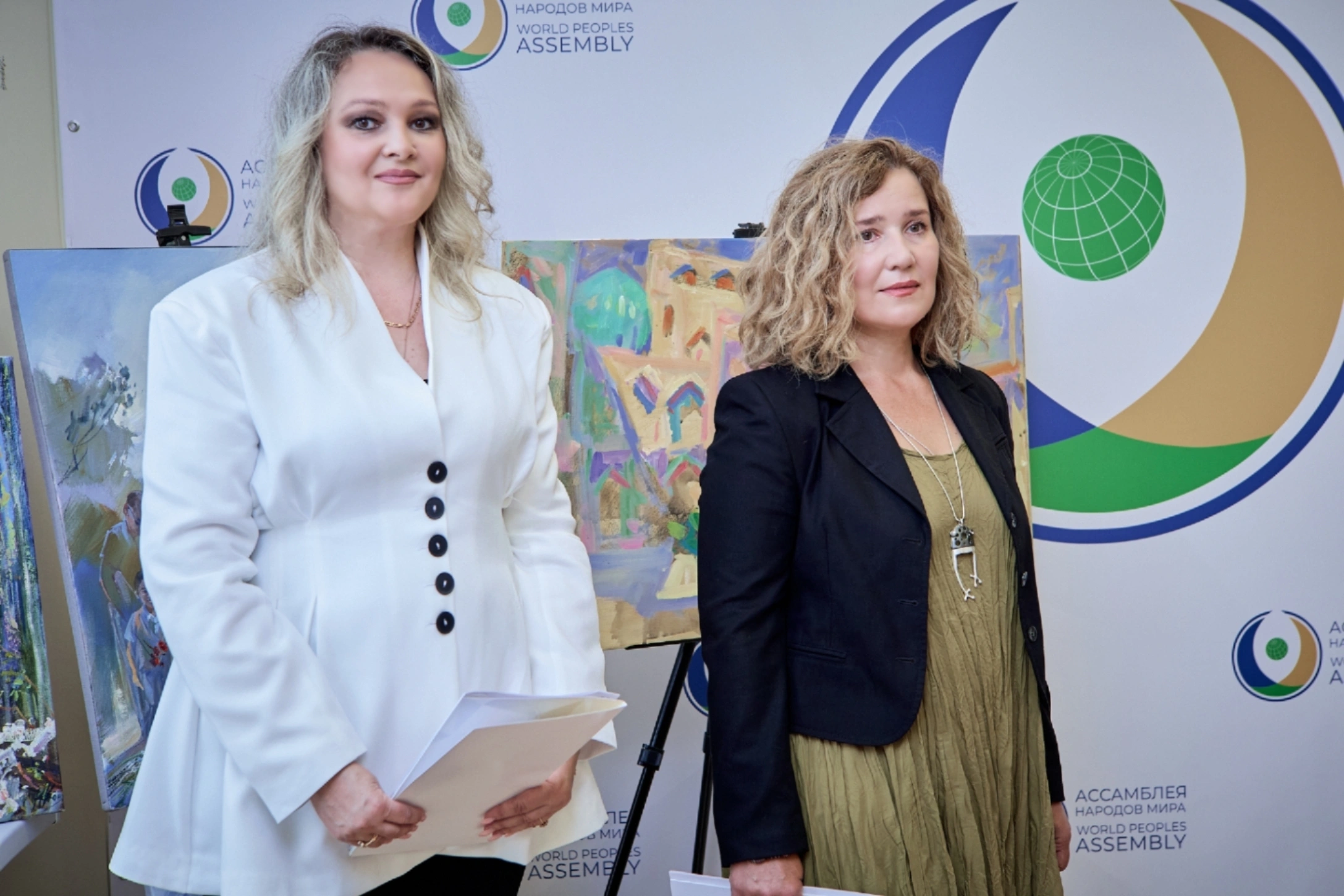
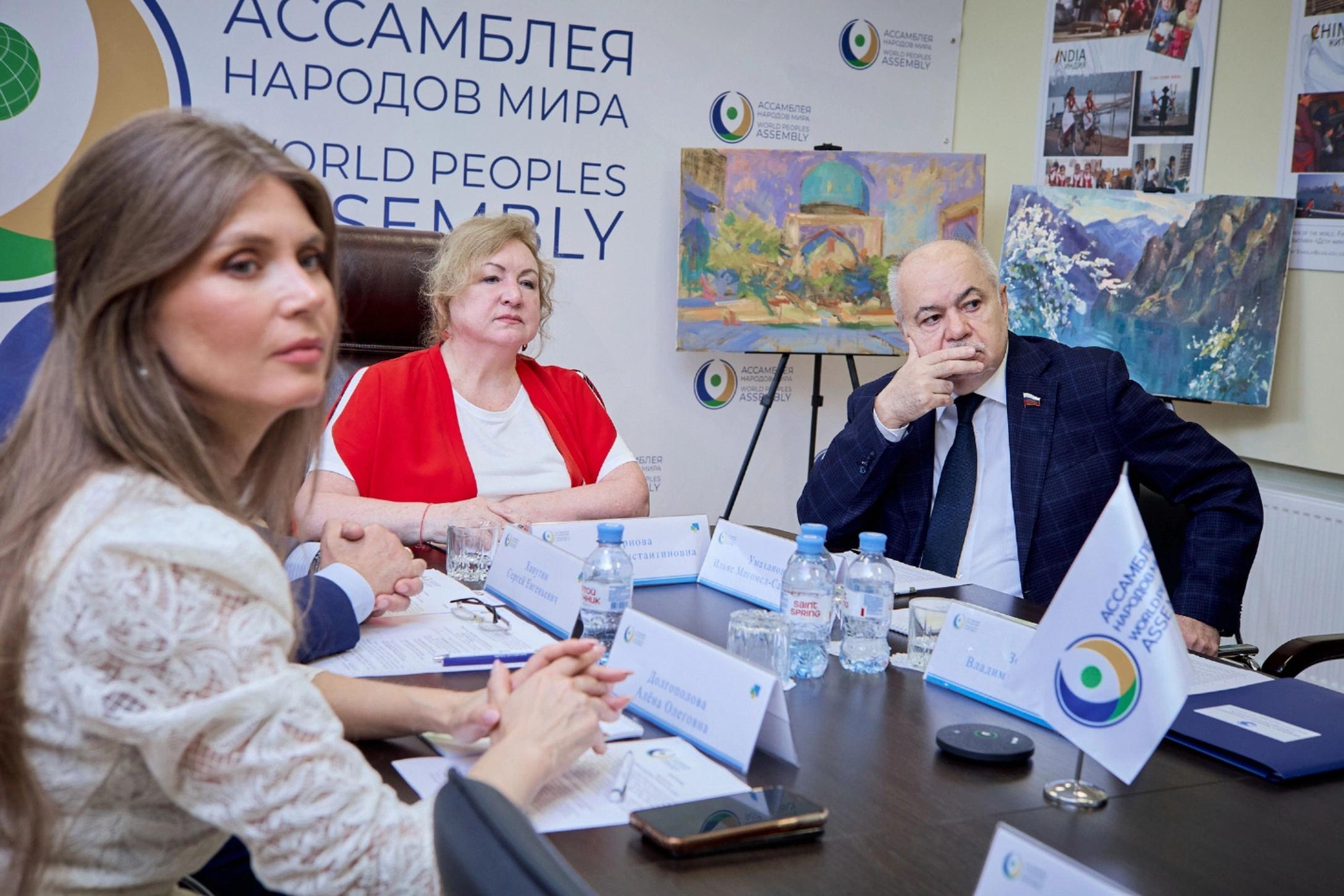
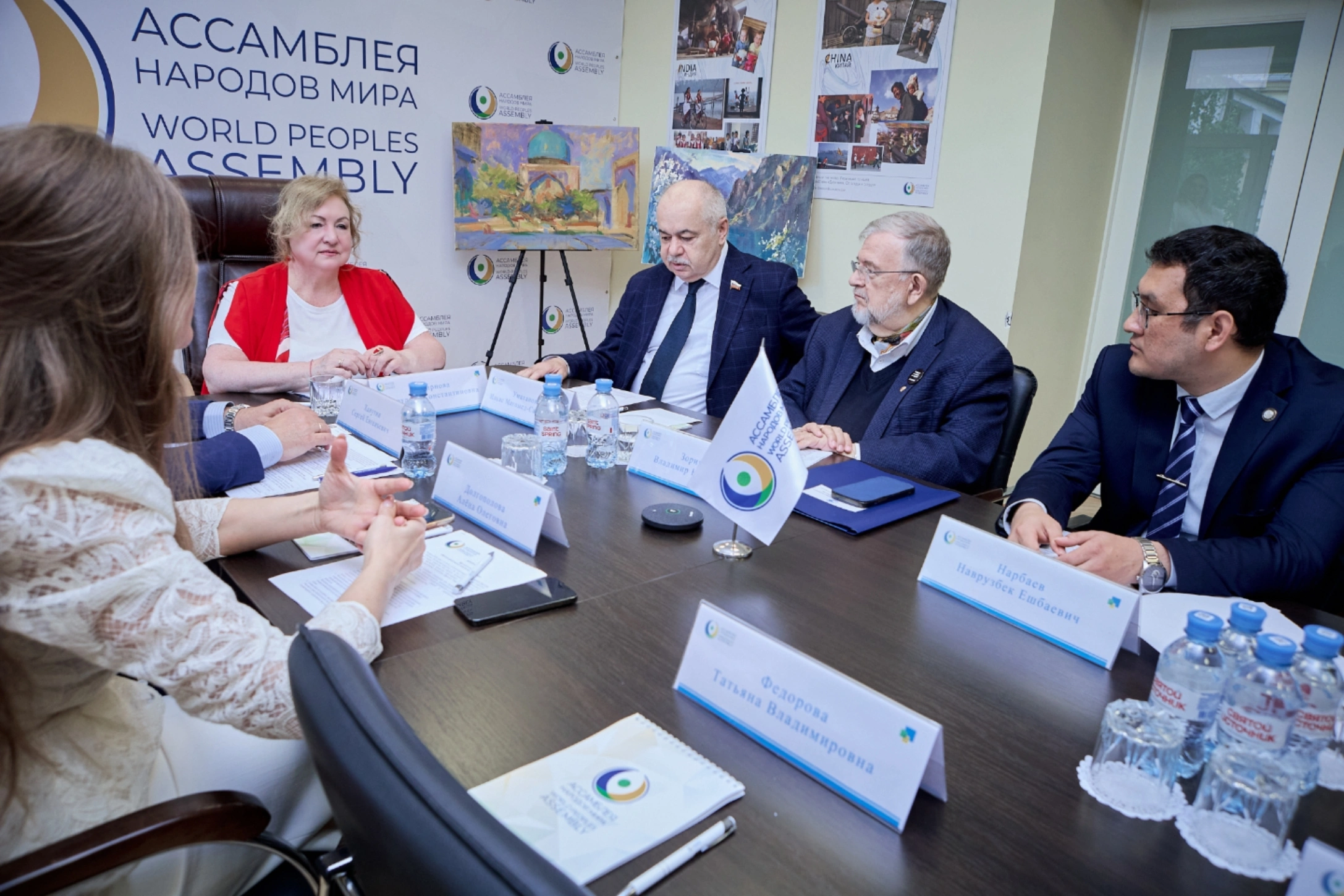
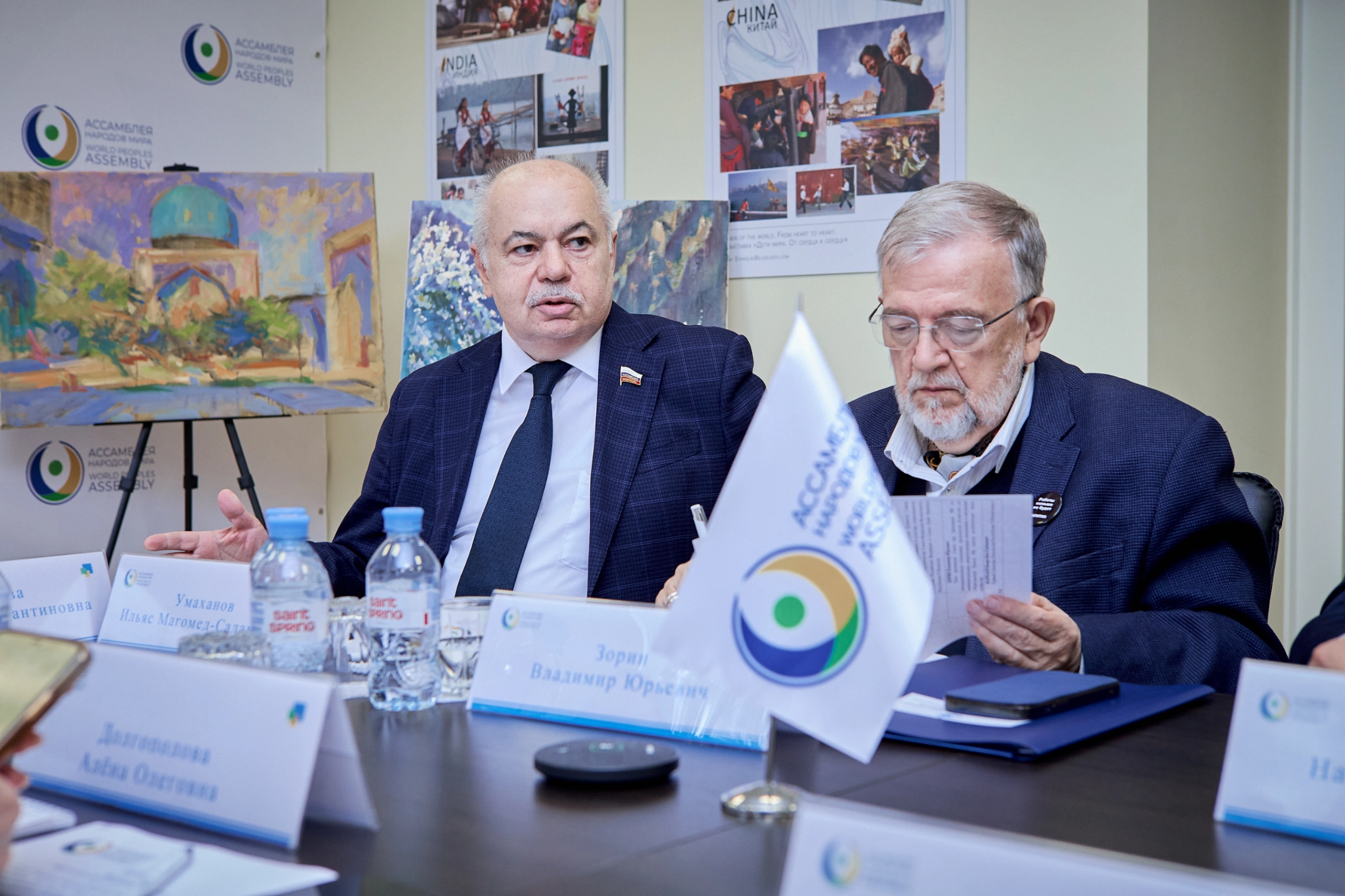
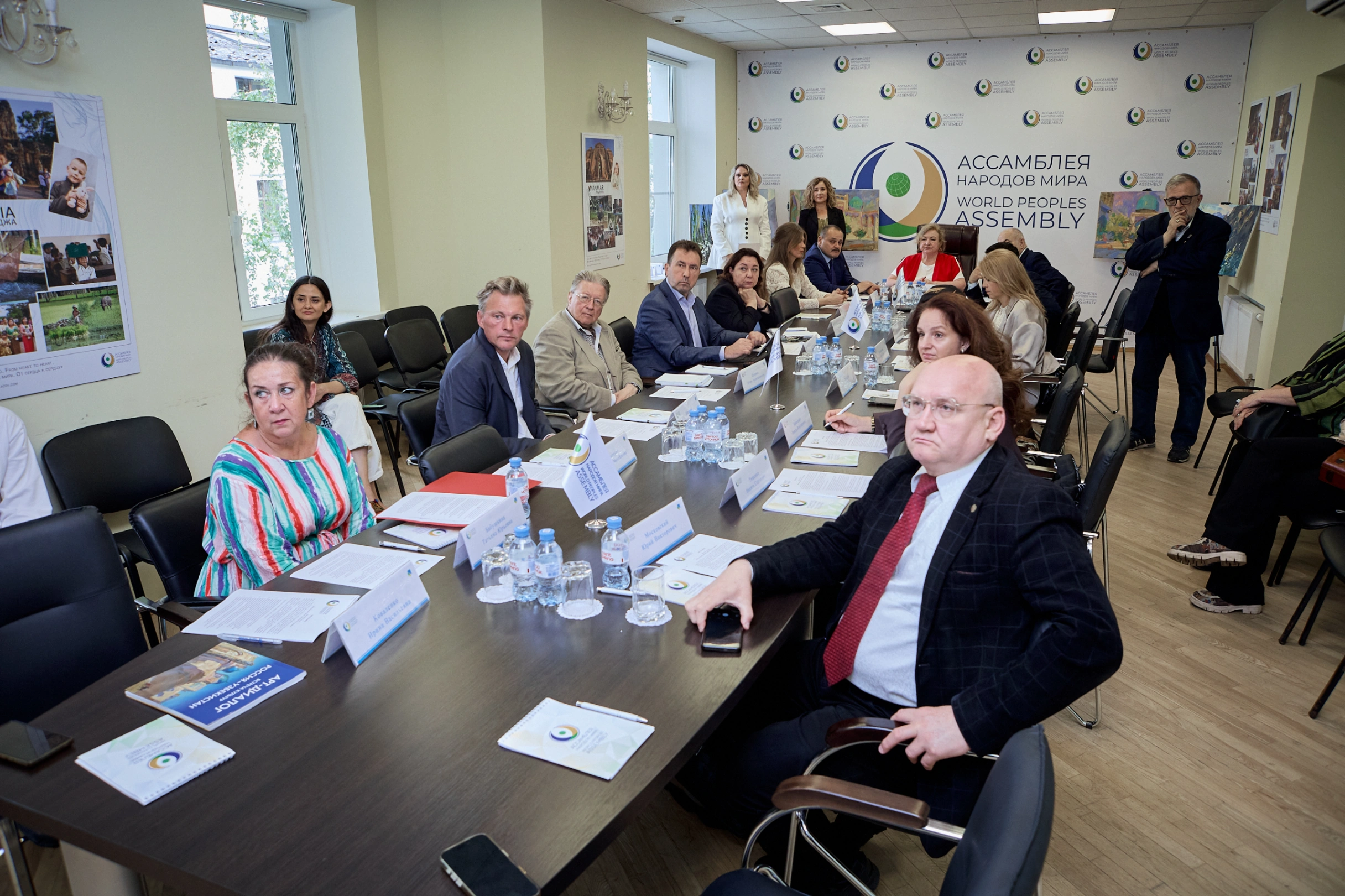
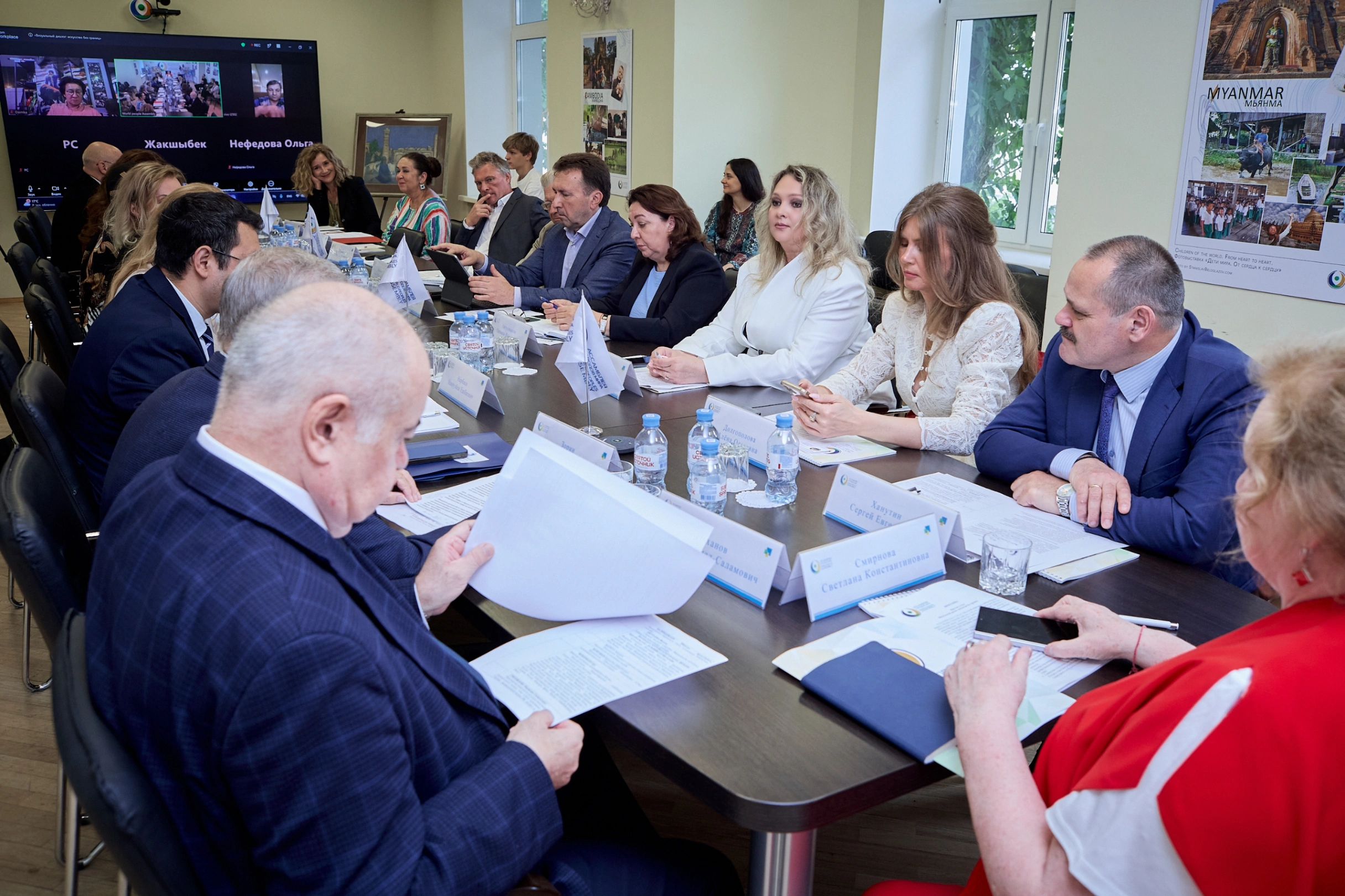
On July 16, 2026, the headquarters of the World Peoples Assembly in Moscow hosted a round table "Visual Dialogue: Art without Borders". The event was organized as part of the program of the World Peoples Assembly "The Unifying Force of Culture" in conjunction with the international creative project "Art Caravan: Dialogue of Cultures". Tatiana Fedorova, Head of the Directorate of Cultural Cooperation of the World Peoples Assembly was the moderator of the round table.
The round table became a platform for professional dialogue in the field of fine arts and laid the foundation for a long-term partnership between creative organizations from different countries. The discussion focused on issues of cultural diplomacy, humanitarian relations and international artistic cooperation, confirming that art is able to unite peoples and form bridges of mutual understanding.
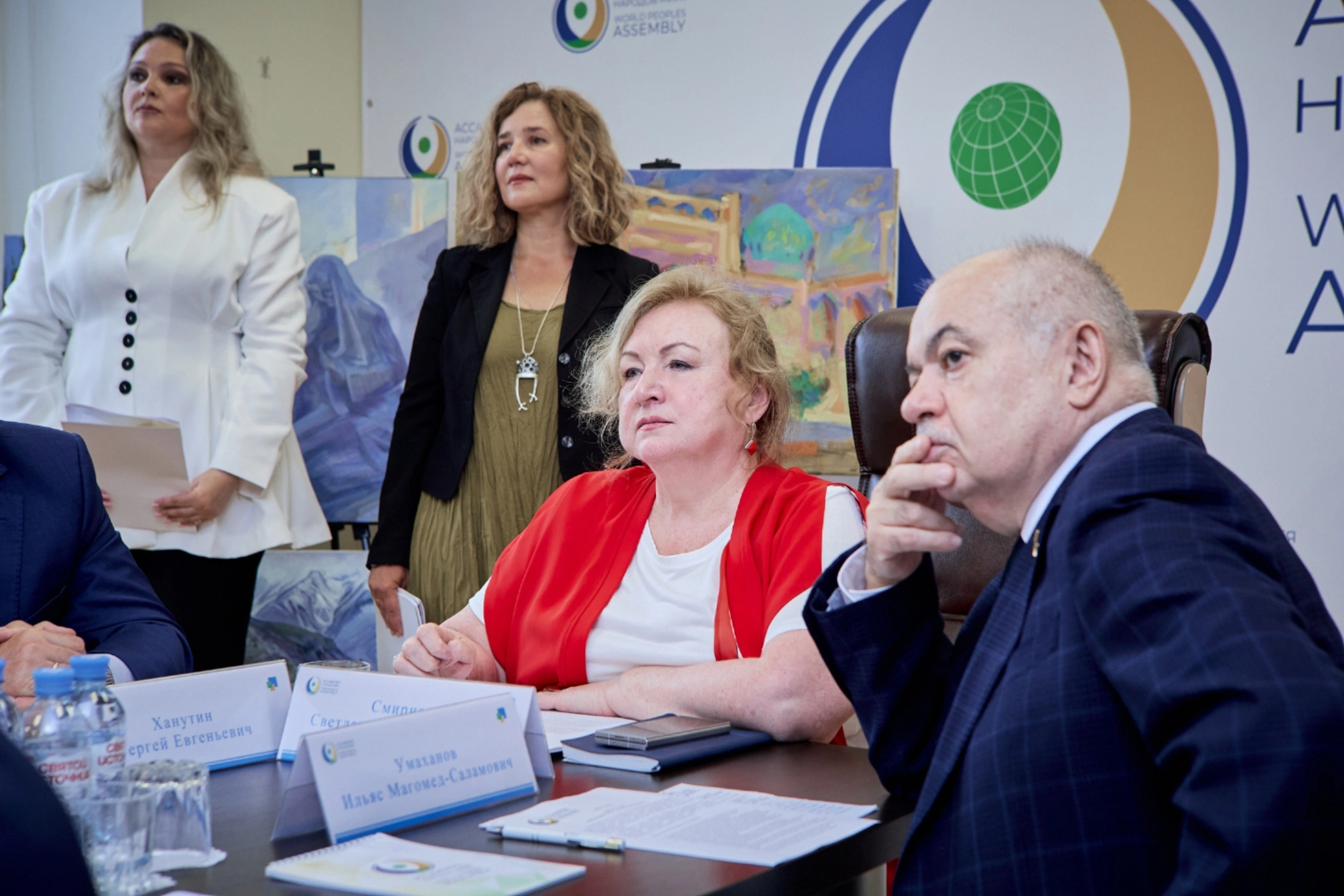
The event was attended by more than 20 experts from Russia, Uzbekistan, Kyrgyzstan, Mongolia and Iran, representatives of professional creative organizations, government agencies, the diplomatic corps, art historians and practicing artists. Svetlana Smirnova, Chairperson of the General Council of the World Peoples Assembly, member of the Presidential Council on Interethnic Relations, Sergey Khanutin, Executive Director of the World Peoples Assembly, and Alena Dolgopolova, Official Secretary of the World Peoples Assembly, delivered greetings at the opening.
In her welcoming speech, Svetlana Smirnova noted:
— Today we have created a unique platform for dialogue, where art becomes a real language of mutual understanding between peoples. In the face of modern challenges, it is culture that is able to overcome borders and unite people around common spiritual values. The World Peoples Assembly will continue to support projects that strengthen humanitarian ties and demonstrate the power of creativity in building peace and harmony.
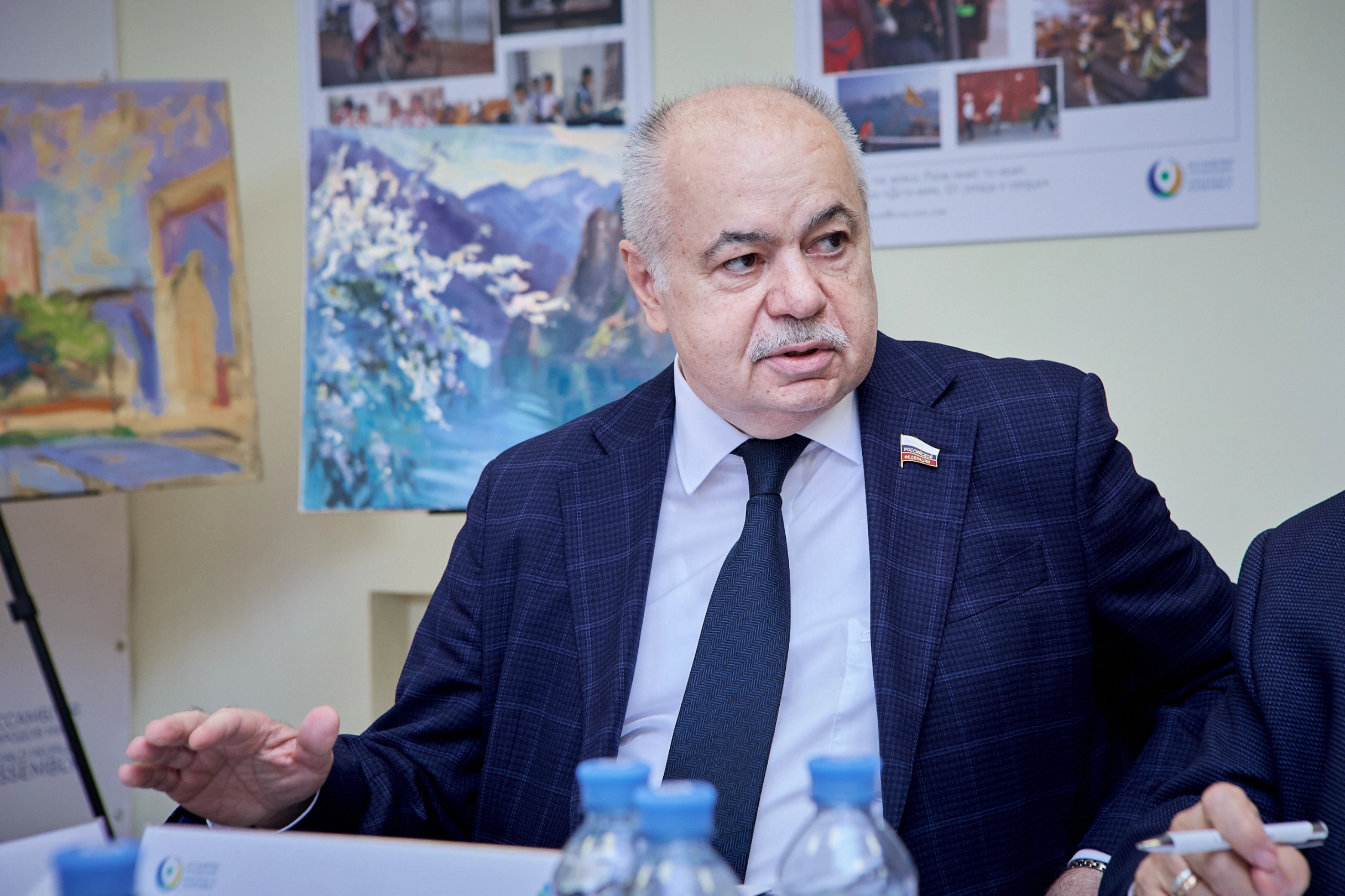
Ilyas Umakhanov, First Deputy Chairman of the Federation Council Committee on Science, Education and Culture, Co-chairman of the Commission on Cooperation between the Federation Council of the Federal Assembly of the Russian Federation and the Senate of the Oliy Majlis of the Republic of Uzbekistan, stressed:
— Cultural diplomacy is a powerful tool for strengthening international relations. Today's meeting shows how important it is to develop cooperation between the creative unions of Russia and Central Asian countries. We have a common historical and cultural heritage, a classical art school that serves as a solid basis for contemporary artists. I am sure that such dialogues will give impetus to new joint projects — exhibitions, plein-airs, educational programs that will work towards bringing our peoples closer together.
Vladimir Zorin, member of the Presidium of the Presidential Council on Interethnic Relations, Chairman of the Commission on Interethnic, Interreligious Relations and Migration of the Civic Chamber of the Russian Federation, Doctor of Political Sciences, Professor, member of the Supreme Advisory Council of the World Peoples Assembly, assured the audience:
— National identity and cultural diversity are riches that we must preserve and enhance. Modern art should not lose touch with classical traditions, but at the same time must remain open to innovation and creative search. Today we see how artists from different countries find a balance between preserving unique national traditions and appealing to universal values. This is a genuine "visual dialogue" that knows no boundaries.
Navruzbek Narbayev, First Secretary of the Embassy of the Republic of Uzbekistan in the Russian Federation, and Senator Ilyas Umakhanov confirmed their readiness to provide diplomatic support to the initiatives of the World Peoples Assembly, given their role in strengthening intercultural dialogue.
Irina Kovalenko, a Russian artist and head of an international art project, presented the creative component of the Art Caravan: Dialogue of Cultures.
Uzbekistan was represented by Chairman of the Creative Union of Artists of Uzbekistan Ibrahim Valikhodjaev, Mongolia was represented by Cultural Envoy of the Republic to the Russian Federation, Honored Cultural Worker of Mongolia, curator and producer of international cultural and art projects, partner of the Venice Biennale in Mongolia Damdinsuren Khurelbaatar, as well as Chairman of the Khovda branch of the Union of Artists of Mongolia Ayurzana Batkhuu.
Kyrgyzstan was represented at the round table by the Chairman of the Public Association "Union of Artists of the Kyrgyz Republic" Zhakshybek Zhunushev. Artist Sareh Mohebian, Vice President of the International Global Art Network IWS Globe, CEO and founder of the Sareh Art Gallery, co-founder of the Federation of Authenticity of International Visual Arts (FIVAA), Ambassador of the Mondial Art Academy (France), member of the Creative Union of Artists of the Russian Federation and the Russian International Federation of Watercolorists, became a representative of Iran at the round table.
Marianna Gnezdilova, Chairman of the Committee on Culture of the Moscow Chamber of Commerce and Industry, member of the Council of Creative Industries of the Chamber of Commerce and Industry of the Russian Federation, expert on cultural values of the Ministry of Culture of the Russian Federation, President of the Academy of Art Unites the World, presented the topic "Economic and Technological bridges for the creative industries of the CIS, EAEU and BRICS countries." PR Director of the International Art- Oleg Rovda participated in the discussion of the "Angels of Peace" project in an online format.
Yuri Moskovsky, Director of Projects at the Good Neighborliness Foundation, Chairman of the Migration Commission of the Council for Nationalities under the Government of Moscow, member of the Writers' Union of Russia, made a presentation on "Good Neighborliness as the basis of art without Borders."
Galina Merzlikina, President of the Culture for Life Center for International, Cultural and Business Cooperation, presented the theme "Art as a language of trust: cultural diplomacy and new formats of international artistic cooperation."
The round table was also attended by:
Tatiana Babushkina - artist, a member of the Union of Artists of Russia, a member of the Art Caravan creative association;
Svetlana Khromchenko - senior researcher at the Department of Art of the Peoples of the Caucasus, Central Asia, Siberia and the Far North of the State Museum of Oriental Art.;
Robert Nizamov - artist, member of the Union of Artists of Russia, member of the Art Caravan creative association;
Sergey Sadovskov - artist, the author of the exhibition "Sergey Sadovskov. The environment is like an obsession";
Linda Kritskaya - founder and director of the Association of Plein-air Artists.
The participants of the round table agreed that in modern conditions, unions of artists, museums, galleries and art foundations should not act in isolation, but as a single ecosystem, as new cultural challenges require flexibility from artists. However, the continuity of traditions should not contradict the search for new artistic solutions, but on the contrary, it becomes the foundation for innovation.
The most active discussion was aroused by the issue devoted to the role of the common historical and cultural heritage and the classical art school. According to the participants of the discussion, the classical art school remains a common professional and cultural basis for artists from different countries. It forms a unified professional language and helps maintain continuity while remaining open to innovation. This is confirmed by the experience of the Iranian artist Sareh Mohebian, who combines Persian traditions with modern trends in world watercolor art.
Following the outcomes of the round table, the World Peoples Assembly and its partner organizations expressed their willingness to continue joint artistic and cultural projects and develop an international dialogue. The event ended with a summing up and communication with the guests.
Additional information is on the official website of the World Peoples Assembly and at media@world-assembly.org.