

From the Past to the Future Through Crafts: Moscow Called for Reviving Traditions as a Foundation for Economic Development
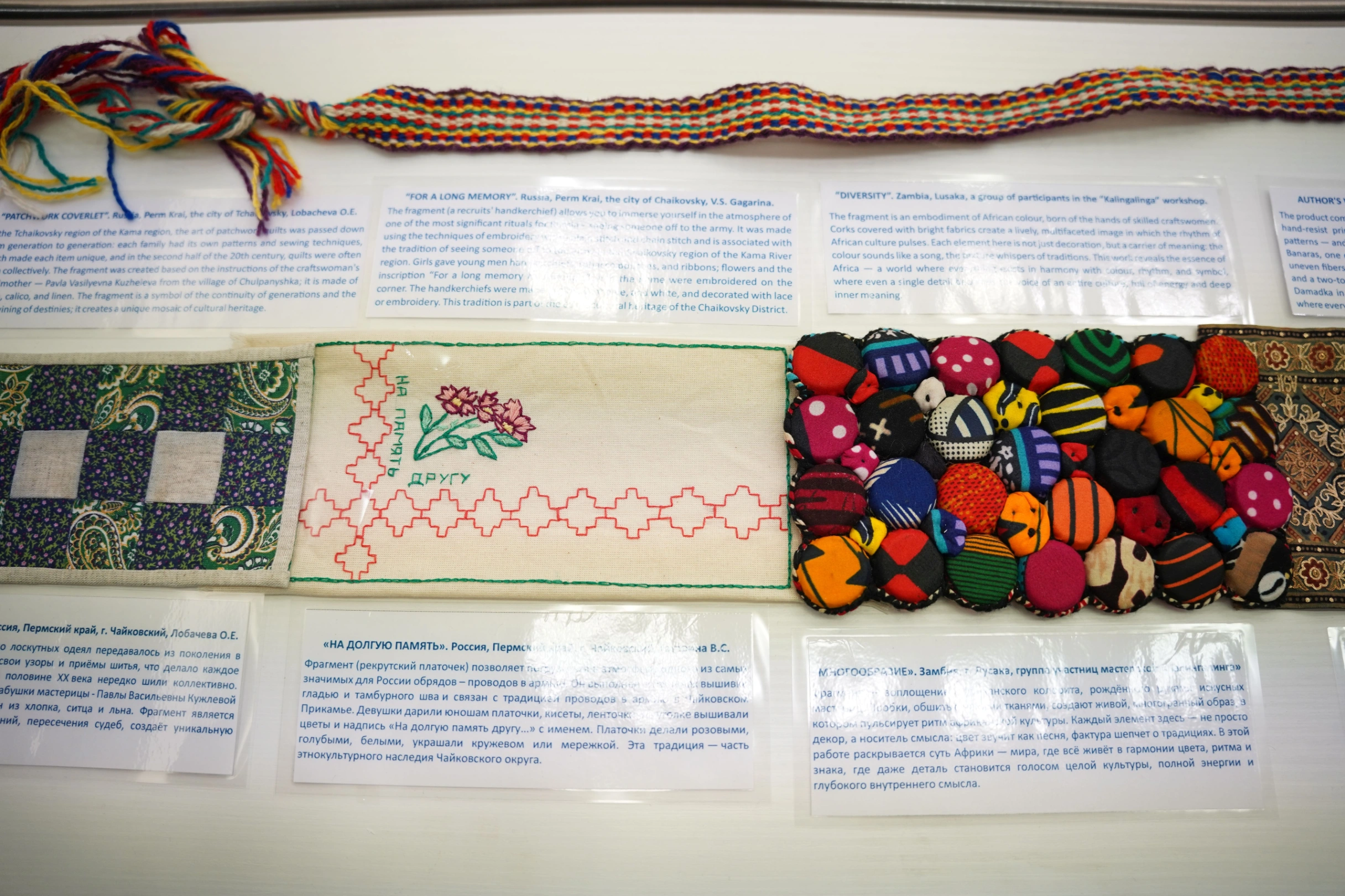
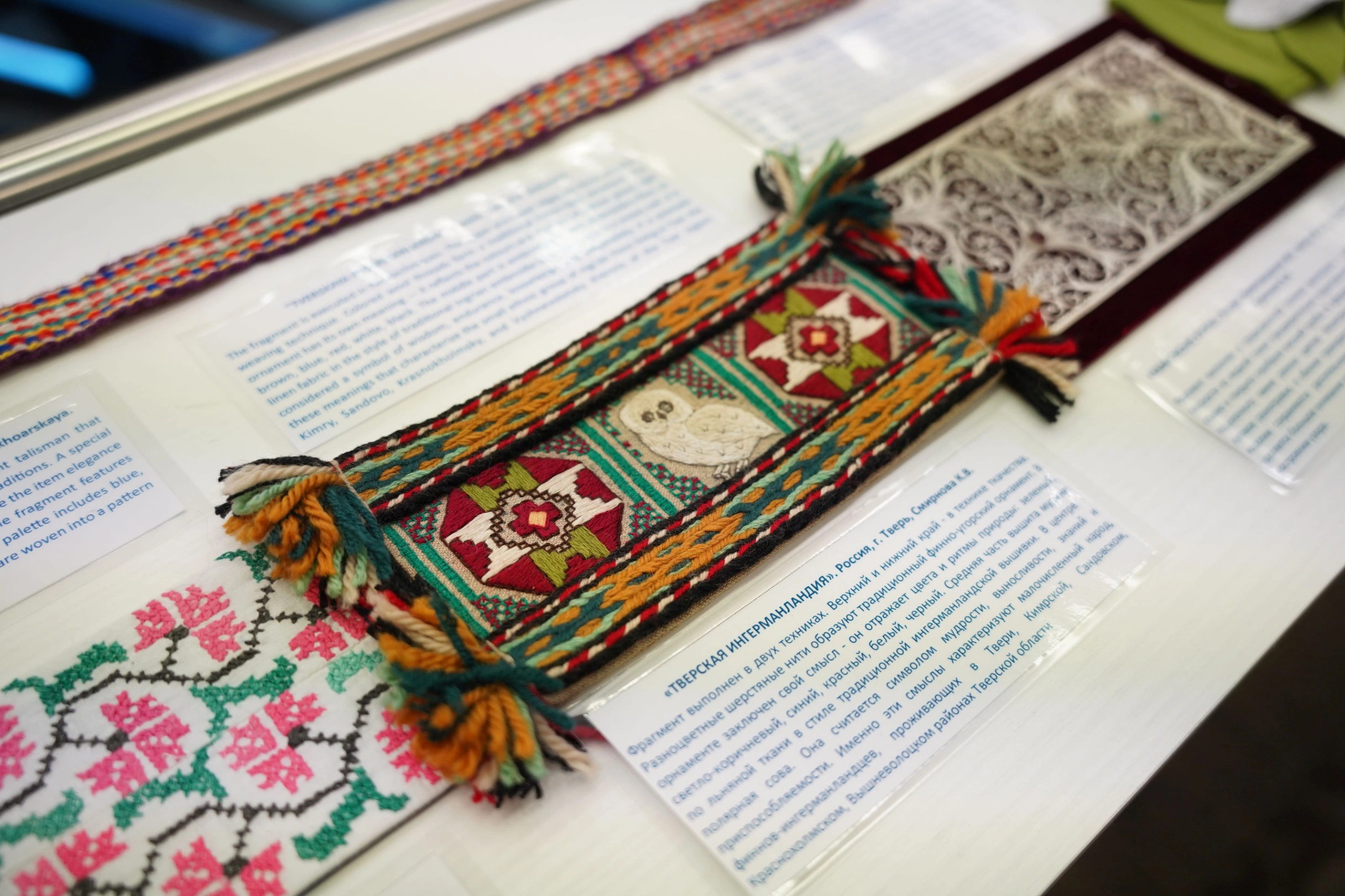
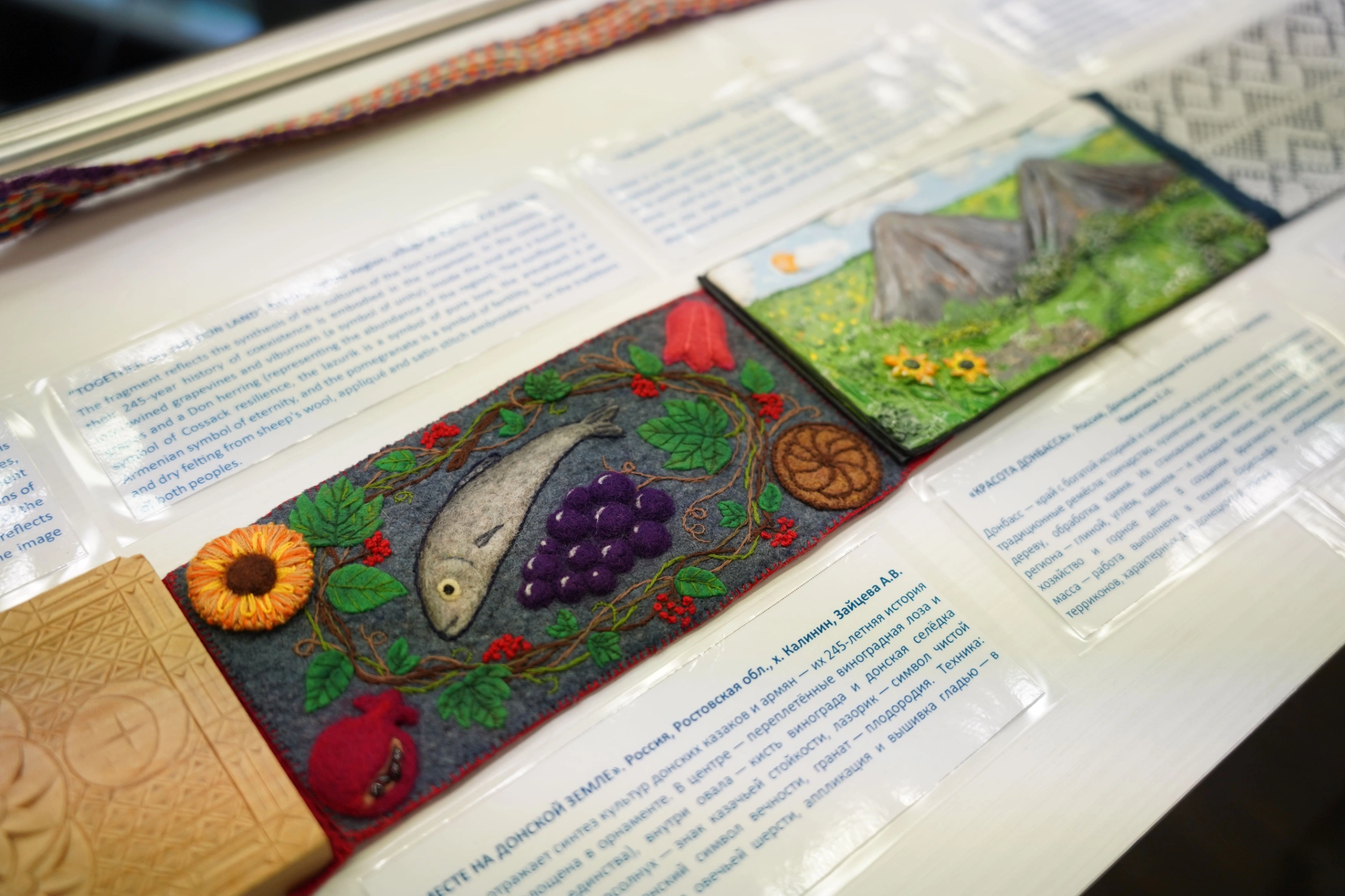
A Project Session "The Living Heritage of Peoples: Traditions, Cultural Codes, and the Image of the Future" took place on September 19, 2026, at the World Trade Center. The event was held as part of the Second World Public Assembly "New World: Values That Unite" taking place in Moscow from September 18 to 19.
The discussion was dedicated to international experience in preserving and developing craft practices, supporting local communities, shaping the cultural identity of territories, and searching for new models of interaction between the state, society, artisans, and creative industries. The session focused on the following issues:
how crafts, connecting the past, present, and future, become living heritage;
how to organize interaction between socially active citizens and representatives of creative professions for the development of territories;
how to use folk arts and crafts to revive the territories;
how to scale up approaches and methods for implementing social and cultural practices;
how to expand the potential of partnership ties among local communities in preserving and developing cultural heritage;
how to promote communities of creative people and popularize and present their work, products, and projects.
In addition, the session identified prospects for the development of the World Peoples Assembly's international project "The Belt of Peace."
The session was moderated by Elena Didenko, curator of the international creative initiative "The Belt of Peace," and Galina Tsyshchuk, Head of the production center of the Academy of Modern Education.
Former Minister of Culture, Development, Youth, and Sports of Jordan Abdullah Oweidat shared his country's experience:
— Crafts can become a genuine instrument of social development, especially for women. In Jordan, for a long time, especially in cities, a Western lifestyle prevailed, but over time we realized: this is a path to nowhere. We returned to traditional cuisine, costume, and fashion — and people began to understand that this is a priceless part of our culture that must be revived. Every woman had her own project: we gave her a loan, and with these funds she started her own business — whether in cooking, fashion, or crafts. The main difficulty was how to sell the finished products, and to solve this task the state must actively cooperate with the private sector.
This example clearly showed how the revival of traditions becomes not only a cultural but also an economic impulse for local communities.
The discussion was also attended by:
Somesh Singh — Director General of the World Crafts Union;
Sergey Voropaev — Deputy Chairman of the Union of Folk Arts and Crafts Enterprises of the Nizhny Novgorod Region;
Ashraf Aboul-Yazid Eldali — writer, poet, translator, cultural heritage researcher, vice-president of the World Organization of Writers;
Bakhtiyar Khojaniyazov — Honored Artist of Turkmenistan;
Christina Romanenko — President of the Tunisian-Russian Chamber of Commerce and Industry;
Elina Fedyantseva — brand creator, ideological inspirer, and head of the company "Formula Rukodeliya."
Following the session, the speakers agreed that the preservation of living heritage is impossible without broad dialogue between the state, society, artisans, and creative industries. Traditions and cultural codes are not only a memory of the past but also an image of the future, a foundation for the sustainable development of territories, the strengthening of local communities, and public diplomacy.
Additional information is available on the official website of the World Peoples Assembly and at media@world-assembly.org.