

More than 130 Projects, Dozens of Countries, and Thousands of Participants: The World Peoples Assembly Summed up the Results of the "Gift to the Motherland" Forum
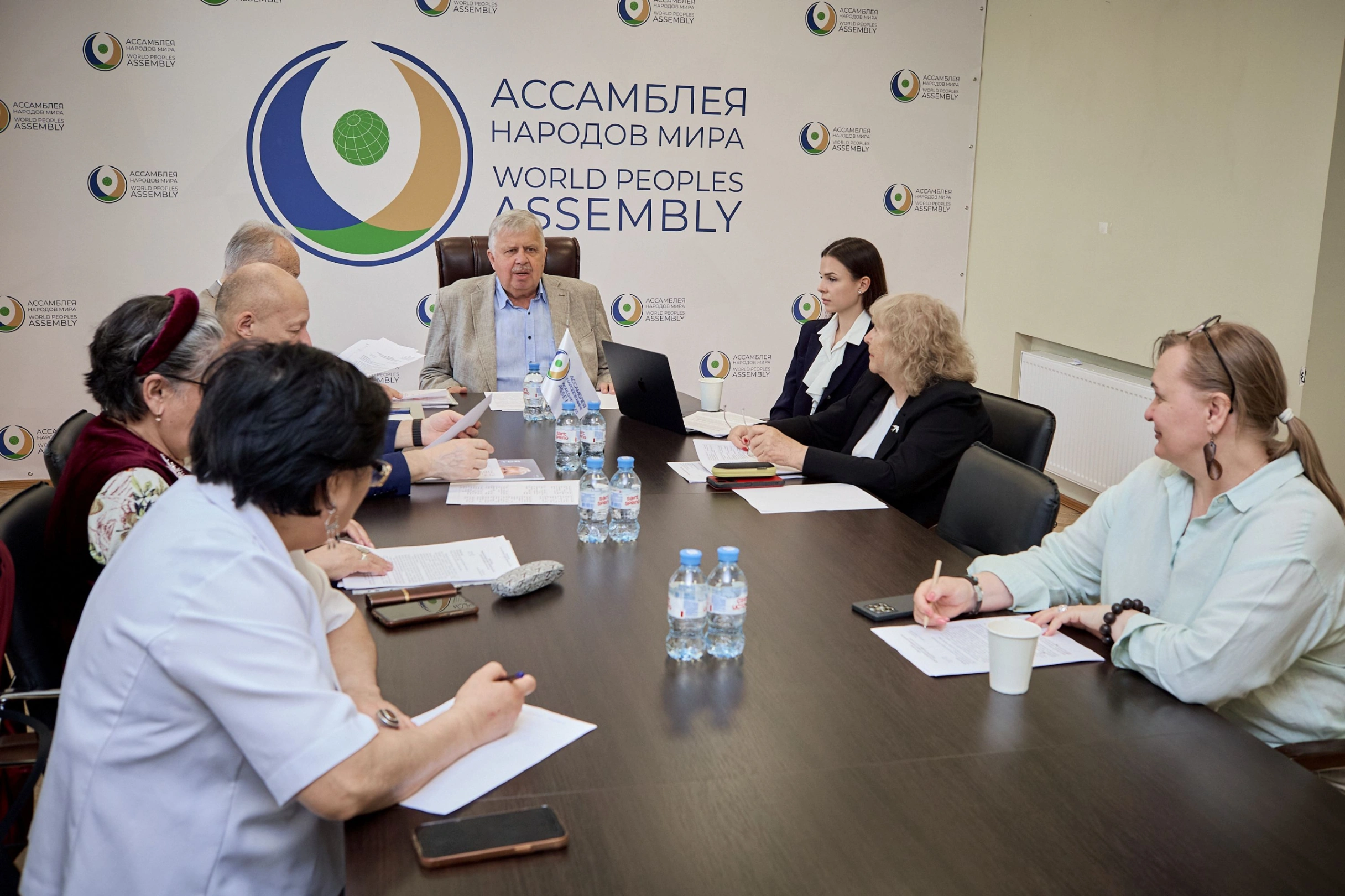
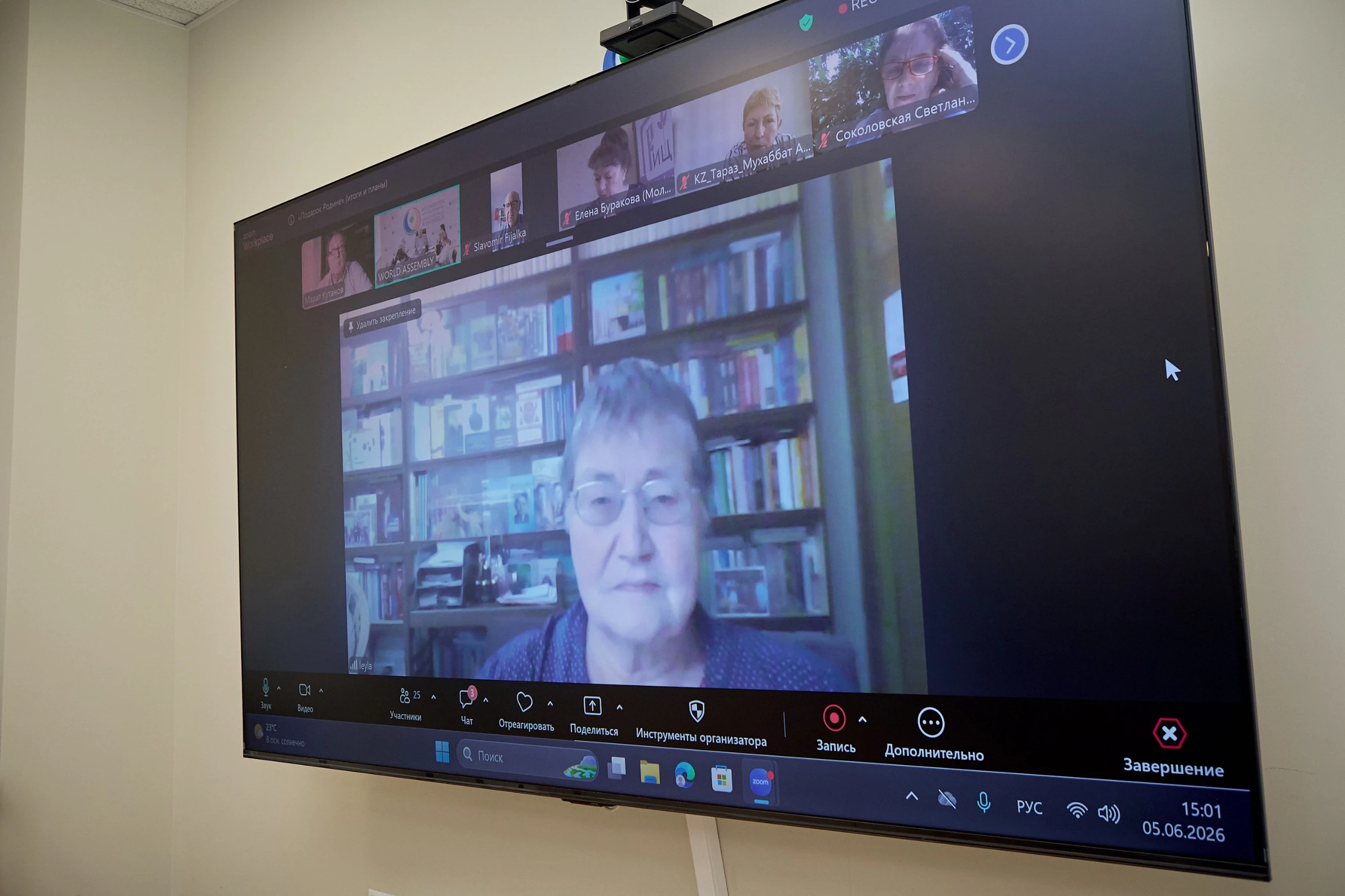
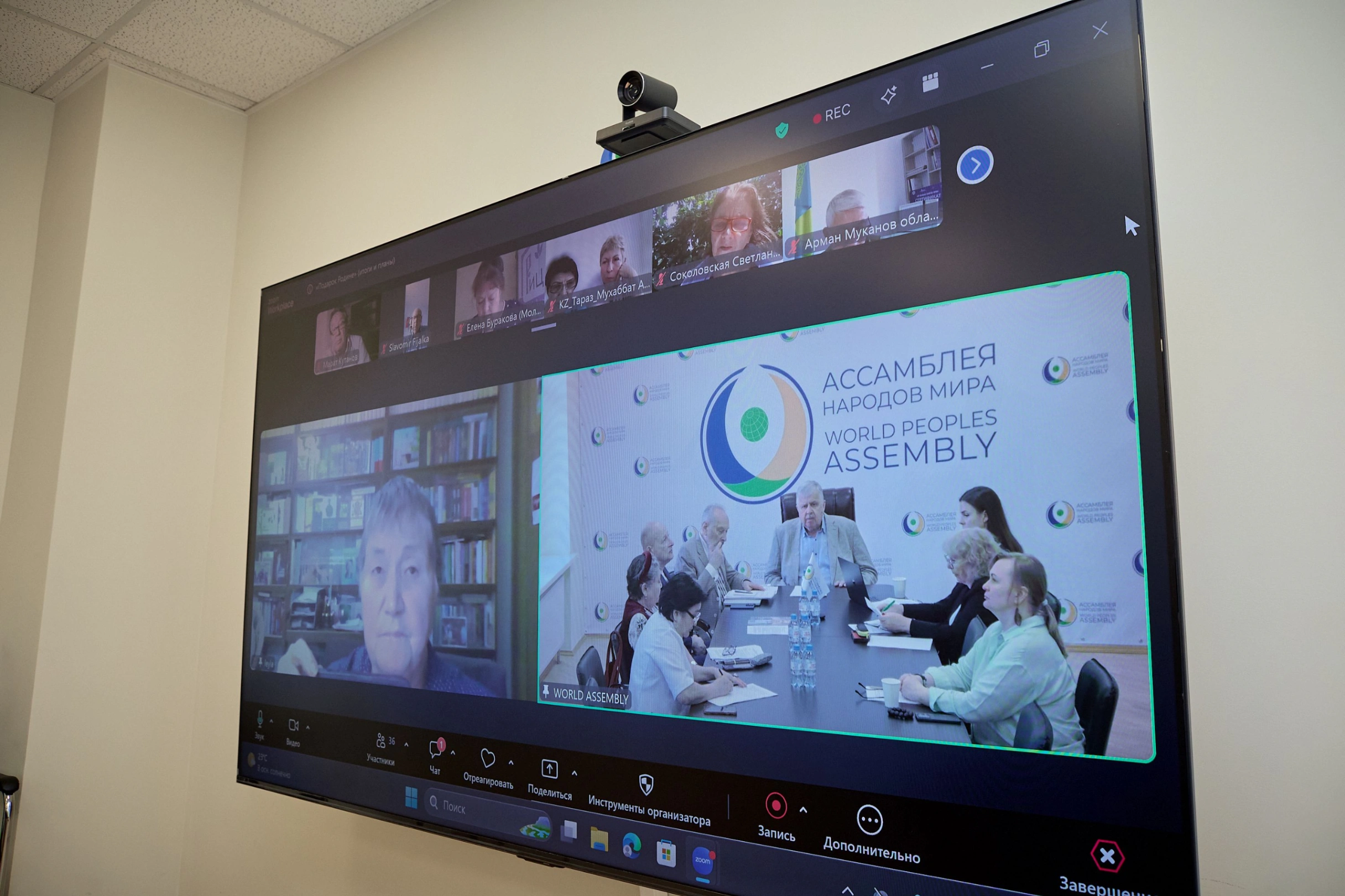
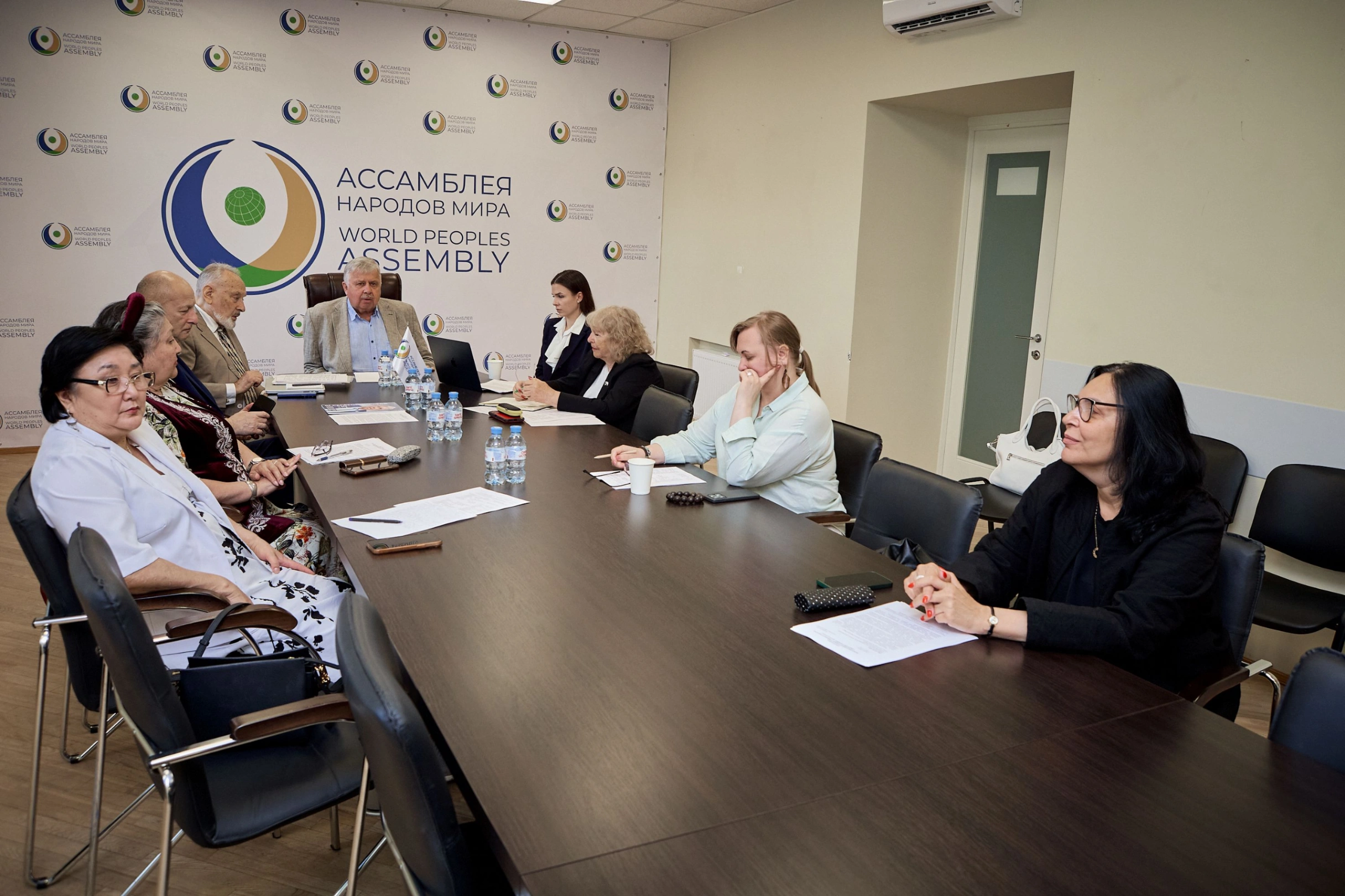
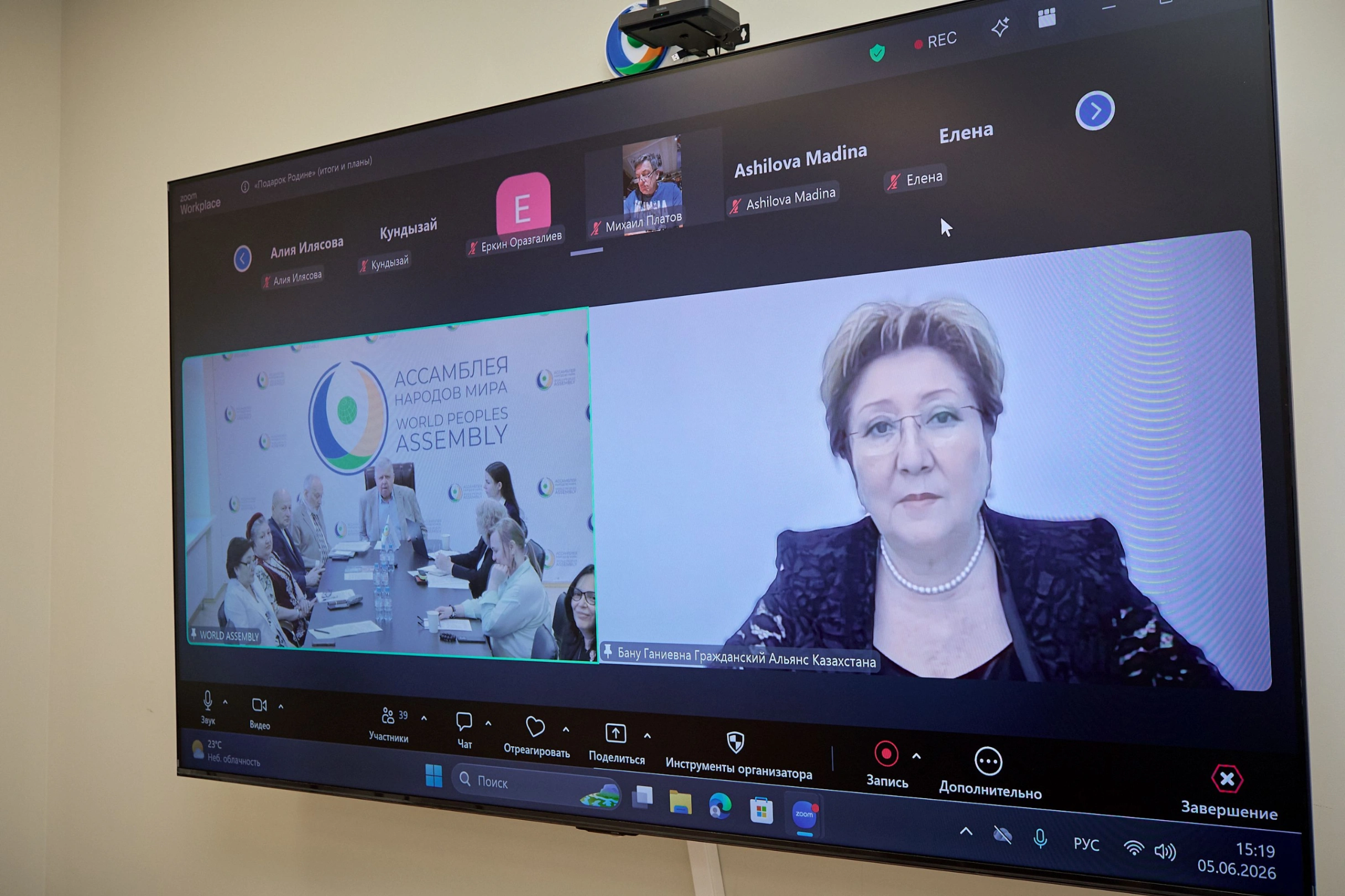
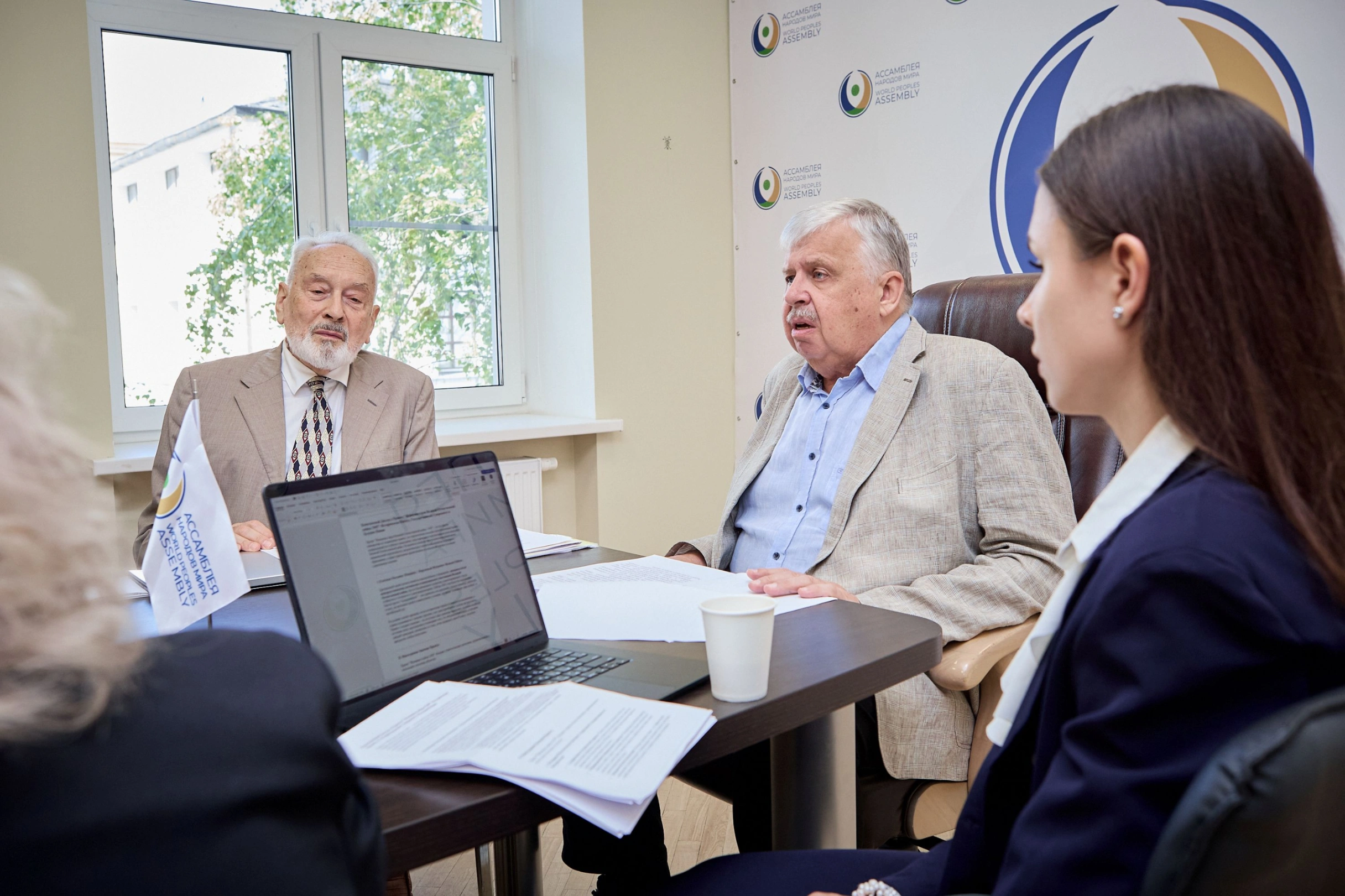
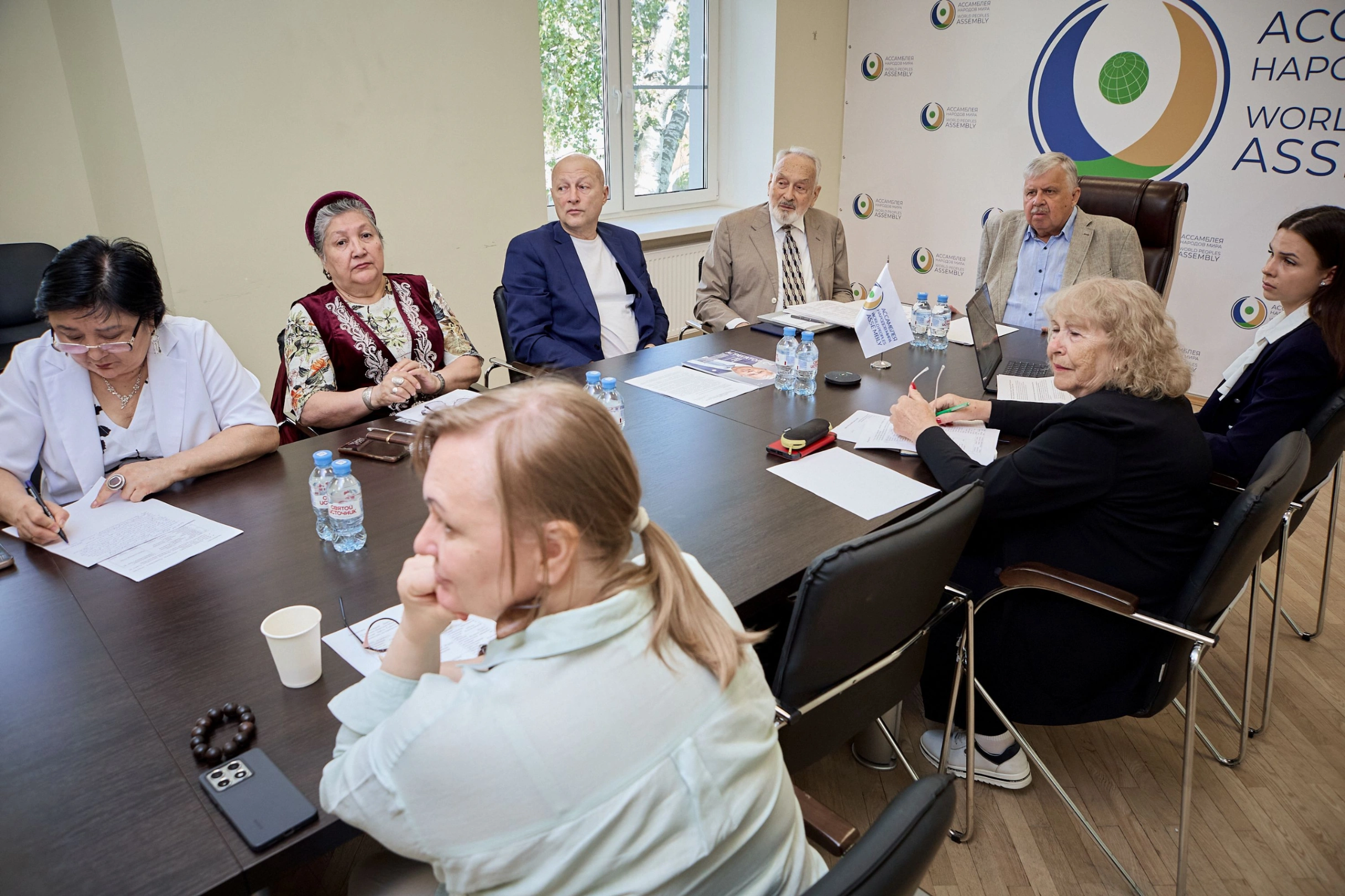
The international public forum "Gift to the Motherland: Results and Plans" took place in June 2026 at the Moscow headquarters of the World Peoples Assembly. The event became the largest platform for public dialogue on preserving historical memory, developing people's diplomacy, and supporting civil initiatives related to the Great Patriotic War and World War II.
The forum brought together historians, search teams, educators, museum workers, journalists, representatives of youth organizations, public associations, and authors of civil initiatives from Russia, Kazakhstan, Kyrgyzstan, Belarus, Moldova, Slovakia, Germany, Switzerland, France, Spain, and other countries.
— The mega-project "Gift to the Motherland," implemented by the World Peoples Assembly, already unites more than 130 public initiatives. Over several years, it has become a unique international platform for cooperation, within which projects are being carried out to search for missing servicemen, preserve family memory, develop school museums, support the search movement, create documentary films, books of memory, exhibitions, and educational programs for youth, the organizers report.
Opening the forum, Secretary General of the World Peoples Assembly Andrey Belyaninov noted the particular relevance of joint efforts to protect historical memory and counter attempts to revise the outcomes of World War II:
— Today, the memory of the Great Victory is not only part of our shared history but also a vital moral compass for future generations. In a context where attempts are being made in some countries to revise the outcomes of World War II, glorify Nazism, and falsify historical facts, the efforts of those who through their work preserve the truth about the feat of the victorious peoples take on special value. The "Gift to the Motherland" project shows that this work has long transcended national borders and has become a true international movement of like-minded people.
Chairperson of the Council on Historical Memory of the World Peoples Assembly Layla Akhmetova emphasized that the main result of the project has been the formation of an international community of people dedicated to preserving historical truth:
— When work on the project began several years ago, it was hard to imagine that it would unite so many people and initiatives. Today we see not just individual projects, but a large international community of like-minded people who help each other, create new projects, find relatives who were front-line soldiers, open museums, publish books, make films, and involve young people in this work.
Over the course of several hours, forum participants presented dozens of ongoing initiatives, shared experiences, and discussed prospects for further cooperation. A distinctive feature of the forum was the broad representation from regions of Kazakhstan, where a significant part of the projects is currently being implemented, as well as the active participation of representatives from both near and far abroad countries.
One of the central topics of discussion was search and memorial work and the return of the names of defenders of the Fatherland. Representatives of the Kyrgyz Society of Leningrad Siege Survivors spoke about the results of many years of work to establish the fates of war participants. In recent years, it has been possible to restore the names of more than 2,400 servicemen previously considered missing in action. Today, the work continues at a new stage — searching for relatives and returning to families information about the fates of their loved ones decades after the end of the war.
The activities of search associations from Kazakhstan and Russia, which are engaged in finding relatives of soldiers who fell near Rzhev, Smolensk, in the Novgorod region, and on other front sectors, received wide discussion. Thanks to the cooperation of searchers, archivists, journalists, and public organizations, personal belongings, documents, and awards of soldiers who had long been considered missing in action are being returned to their relatives.
Great attention at the forum was devoted to international search work in Slovakia. Historian and search enthusiast Slavomír Fialka presented activities to establish the fates of Soviet soldiers who died during the liberation of the country. Together with youth volunteer groups, he is engaged in searching for burial sites, restoring the names of fighters, and establishing contacts with their relatives in various countries. Thanks to this work, new monuments to Soviet liberators continue to be opened in Slovakia, and the families of the fallen are given the opportunity to learn the fate of their loved ones.
A notable place in the forum's work was occupied by the theme of preserving the legacy of the legendary Panfilov Division. Participants presented projects to search for descendants of the Panfilov heroes, the activities of the international movement "We Are Millions of Panfilovites," work on restoring the biographies of fighters of the 316th Rifle Division, as well as initiatives to create international associations of descendants of participants in the Great Patriotic War. Special attention was paid to the search and systematization of information about the defenders of the Brest Fortress, soldiers of the 312th Rifle Division, and other Red Army units.
The forum convincingly demonstrated that young people are playing an increasingly important role in preserving memory. Leaders of cadet classes, military-patriotic clubs, search associations, and school museums shared their experiences. In Almaty, the development of the cadet education system and the Honor Guard at the Eternal Flame, which unites dozens of educational institutions in the city, continues. Young participants in the movement are mastering archival research, studying the history of their families, taking part in search expeditions, and becoming authors of their own research projects.
Forum participants paid special attention to the development of school and public museums. They spoke about the creation of exhibitions dedicated to the Siege of Leningrad, the feat of the Panfilov heroes, the history of front-line soldiers, and home-front workers. Particular interest was generated by projects based on authentic family archives, front-line diaries, award documents, and wartime letters. Many of these materials are unique historical sources and are being introduced into public circulation for the first time.
Among the most notable public initiatives presented were the projects "Through the Voices of War Children," which preserves living testimonies of eyewitnesses of the wartime; the international postal project "Faces of the War Years," dedicated to popularizing history through commemorative postcards; the exhibition "Women — Heroes of the Country in the Great Patriotic War"; as well as the projects "So That They Remember," "Addresses of Memory of the City of Taraz," and other initiatives aimed at preserving the memory of specific people and events.
A special place in the forum's program was occupied by projects on the preservation of monuments and memorial sites. Representatives of the public association "Obelisk" spoke about the restoration of memorial plaques to Heroes of the Soviet Union, the search for houses where front-line soldiers lived, and the preservation of addresses of memory. Considerable interest was generated by the project "As Long as the Monument Stands — Memory Lives," within which a digital map of monuments, memorials, and military graves is being created. Historians, local historians, and searchers from various regions of Kazakhstan have already joined the work.
The international dimension of the project was demonstrated by participants from Switzerland, France, Spain, and other European countries. They spoke about work to preserve the memory of Soviet soldiers and participants in the European Resistance movement, the organization of "Immortal Regiment" events, the search for military graves, and the involvement of representatives of local communities in these activities. They particularly emphasized that the memory of the Victory remains one of the few topics capable of uniting people of different nationalities, views, and generations.
Great interest was generated by the initiative to create a documentary film about the mega-project "Gift to the Motherland," which will bring together stories of its participants from different countries around the world and show the real results of people's diplomacy in preserving historical memory.
Summing up the discussion, Deputy Secretary General of the World Peoples Assembly Valery Ruzin noted that the most important areas of further joint work will be projects dedicated to the 85th anniversary of the Battle of Moscow and the Battle of Stalingrad, the development of international associations of descendants of war participants, support for the search movement, and the expansion of international cooperation in preserving historical memory.
The forum clearly demonstrated that over the years of the mega-project's implementation, a broad international community of searchers, educators, museum workers, researchers, journalists, representatives of youth organizations, and descendants of war participants has formed around the World Peoples Assembly. Many initiatives are already being implemented jointly by participants from several countries, uniting people around a common task — preserving historical truth, perpetuating the memory of the defenders of the Fatherland, and passing this memory on to future generations.
The World Peoples Assembly is one of the leading platforms for public diplomacy and international humanitarian cooperation, uniting people from different countries around shared values of memory, historical truth, and respect for the feat of the generation of Victors. Today, the mega-project "Gift to the Motherland" is not just a collection of individual initiatives, but a large-scale international movement, demonstrating that the memory of the Great Victory continues to unite peoples and serve as a foundation for dialogue, mutual understanding, and joint work for the sake of the future.
More information is available on the official website of the World Peoples Assembly and at media@world-assembly.org
Photo: Mikhail Denisov