

World Public Summit: Africa Brought Together over 2,000 Participants from More Than 50 Countries Around the World
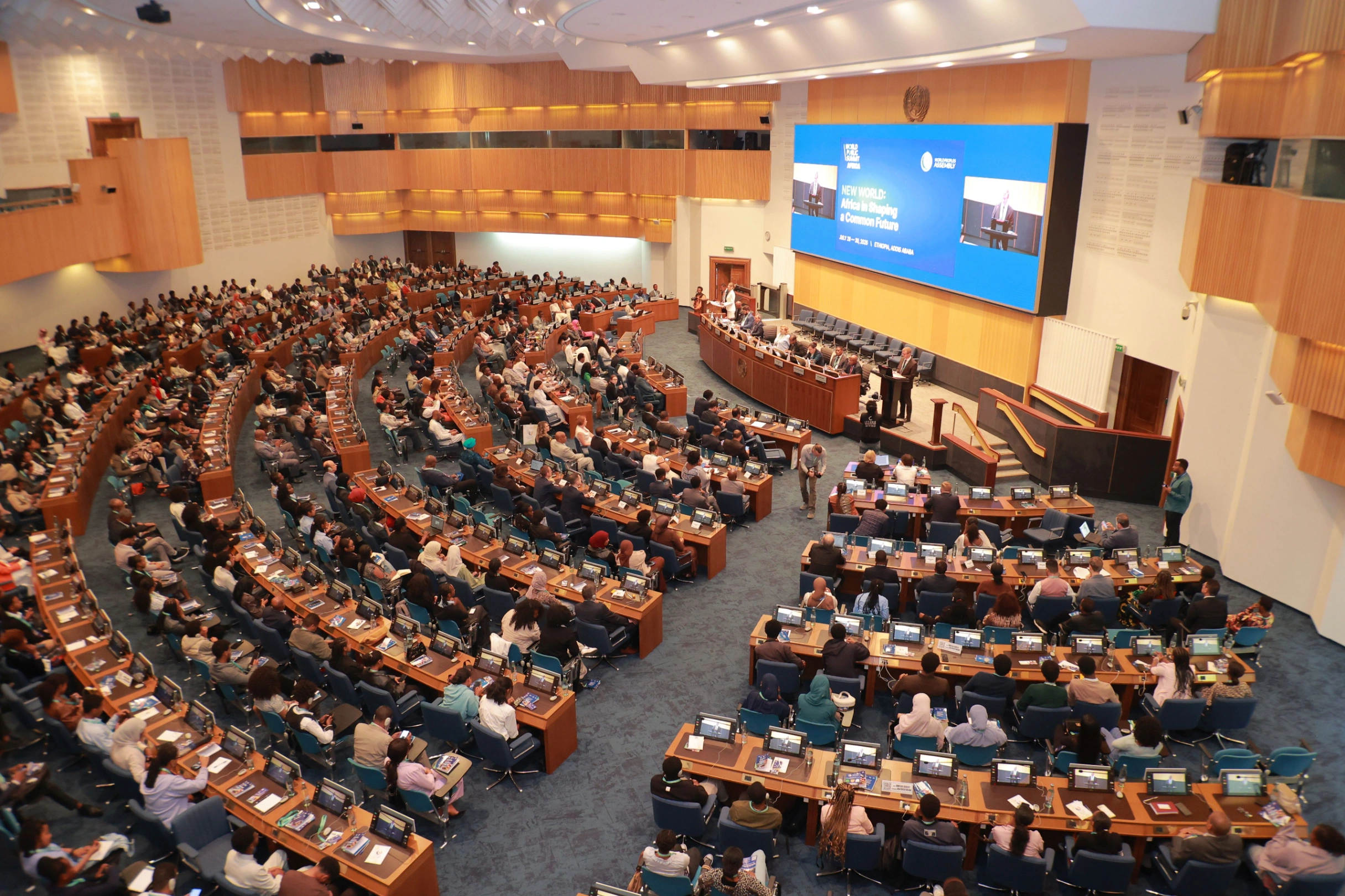
World Public Summit: Africa "New World: Africa in Shaping a Common Future" took place on July 29-30, 2026 in Addis Ababa, Ethiopia. Grand event that brought together more than 2000 participants and 100 speakers from more than 50 countries around the world was organized by World Peoples Assembly together with Global Black Centre.
The meeting in Addis Ababa became one of the largest international platforms for public diplomacy on the continent. The Summit brought together leaders of public diplomacy, representatives of state authorities, international and regional organizations, universities, the expert community, business circles, youth associations, the media community, and cultural figures.
The program included 2 plenary sessions and 11 thematic sessions, bringing together more than 100 speakers from different countries, as well as exhibitions, concerts, signings of agreements, and much more. The participants discussed a new architecture of international humanitarian cooperation, strengthening public diplomacy, protection of state sovereignty, preservation of cultural diversity and identity of peoples, development of education and science, youth leadership, cultural diplomacy, historical and cultural heritage, sustainable development, entrepreneurship, and joint international projects.
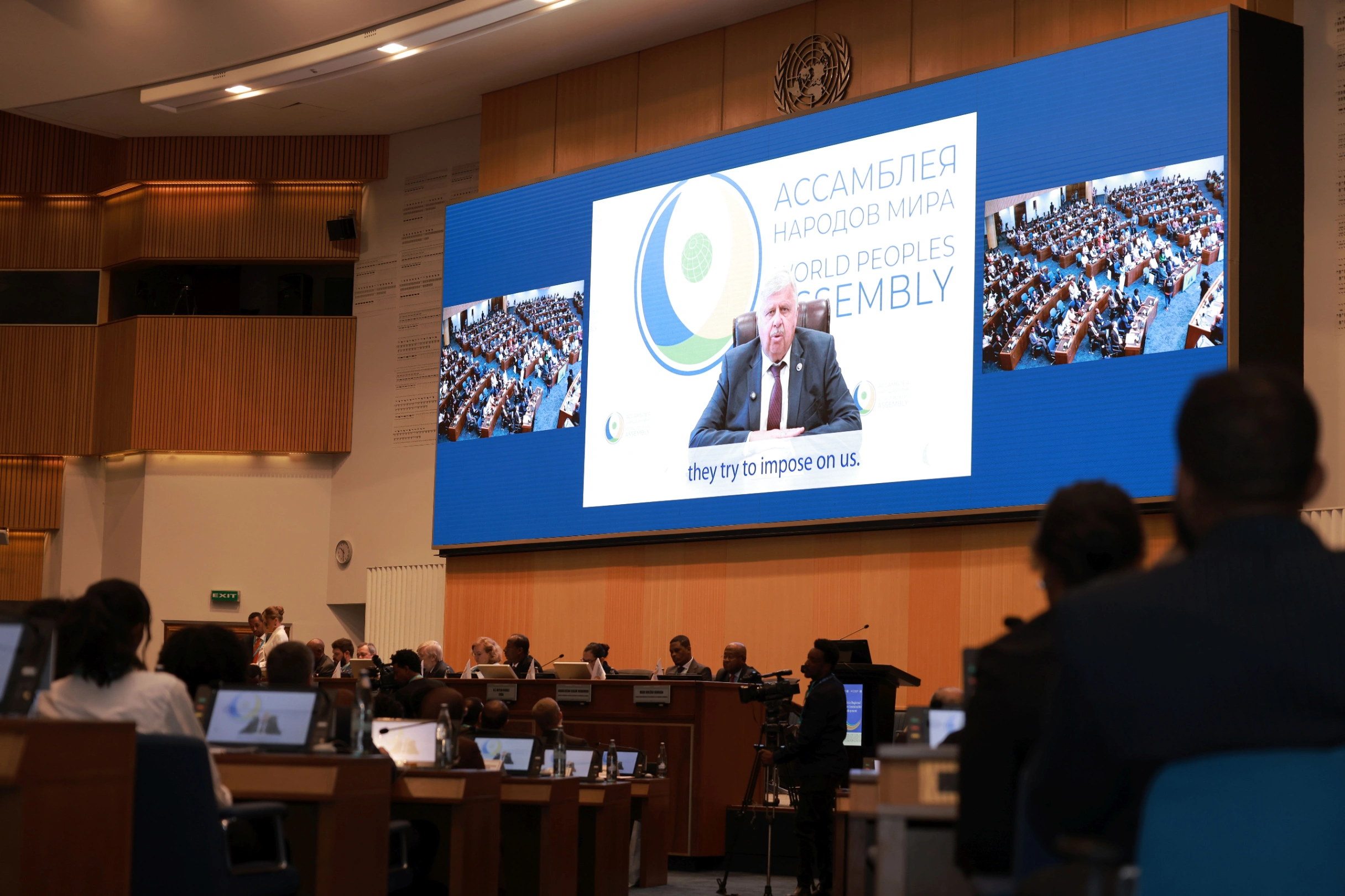
The official opening of the World Public Summit: Africa took place at the headquarters of the United Nations Economic Commission for Africa (UNECA), in Addis‑Ababa‑. The co-organizers of the summit addressed the participants with welcoming remarks — Secretary General of the World Peoples Assembly Andrei Belyaninov and Secretary General of the Global Black Centre Tsegae Chama.
Andrei Belyaninov in his address noted that Africa today is rethinking its role in global processes:
– Africa is both an old and a new continent at the same time. The peoples of Africa today are asserting themselves in a new way and demanding that the continent cease to be viewed as a territory of former colonies. They are tired of colonial orders, centuries-long exploitation, and disrespectful treatment. This must no longer be the case. People all over the world want one thing: peace, a peaceful sky, education for their children, and happiness for their families. Despite the multilingualism and multi-confessional nature of our planet, we speak the same language.
In turn, Tsegae Chama emphasized:
– Holding the World Public Summit in Ethiopia opens new opportunities for the development of public diplomacy, expansion of international humanitarian cooperation, and unification of efforts of African countries and other regions of the world in shaping a common future.
Video addresses were delivered by Ambassador, Director of the Directorate for Citizens and Diaspora Affairs of the African Union Commission Ambassador Amr Aljowailey, and President of the Arab Group for Peace, President of the People's Democratic Republic of Yemen (1980–1986) Ali Nasser Mohammed. Greetings from the President of Addis‑Ababa University Samuel Kifle and the Head of Rossotrudnichestvo Igor Chaika were read out by Professor of Addis Ababa University Abebaw Yirga Adam and Director of the Russian House in Addis Ababa Vladimir Golovachev.
Honored guests of the opening ceremony also delivered welcome addresses:
Yevgeny Terekhin – Ambassador Extraordinary and Plenipotentiary of the Russian Federation to the Federal Democratic Republic of Ethiopia, Permanent Representative of the Russian Federation to the African Union;
Meilyn Suárez Álvarez – Ambassador Extraordinary and Plenipotentiary of the Republic of Cuba to the Federal Democratic Republic of Ethiopia and to the Republic of South Sudan;
Abdifatah Qasim Mahmud – Minister of Information, Culture and Tourism of the Federal Republic of Somalia;
Oleg Skripochka – pilot-cosmonaut of the Russian Federation, Hero of the Russian Federation.
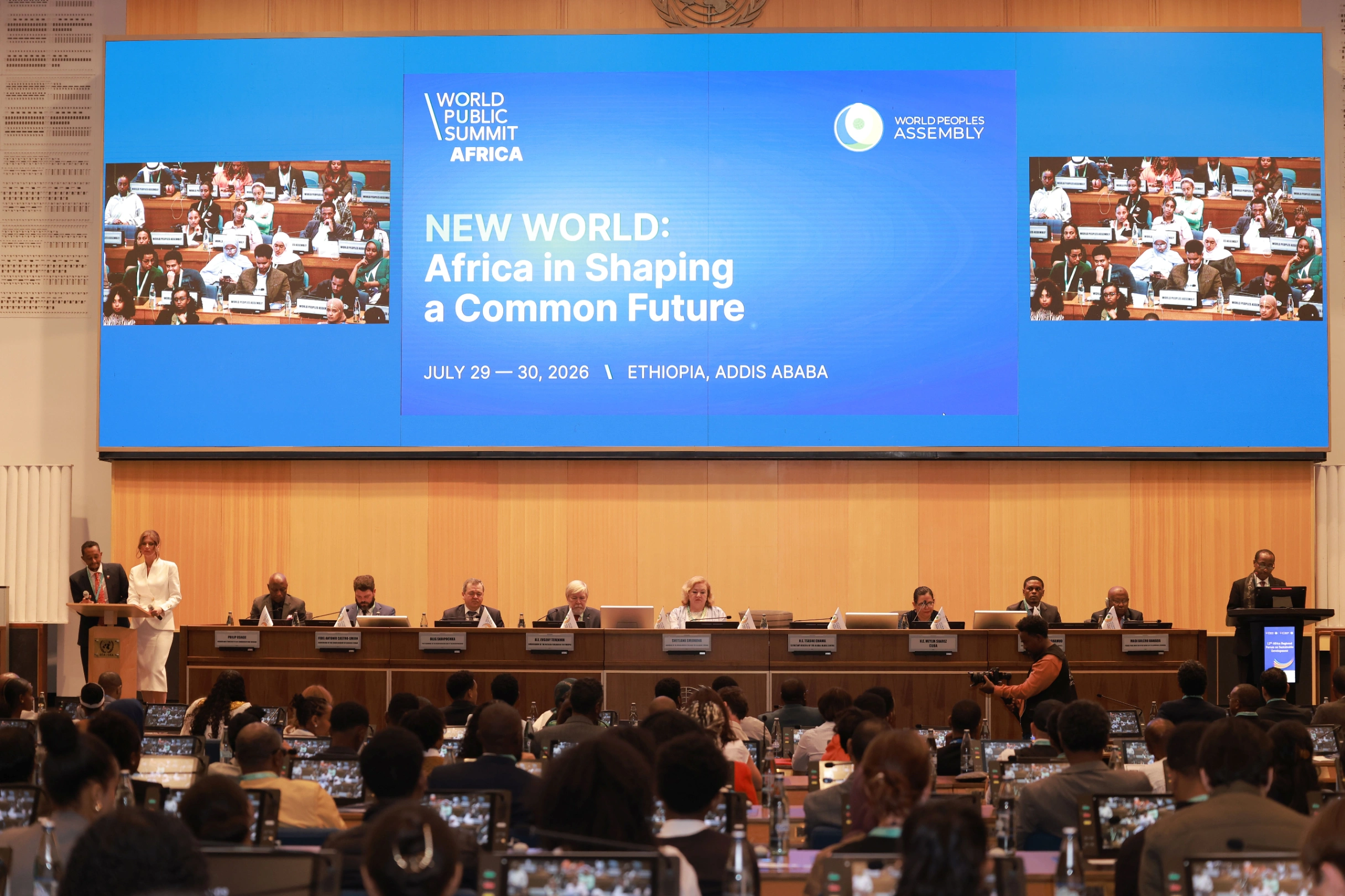
The main plenary session was devoted to shaping the New World, public diplomacy, and international partnership. The moderator was founder and chief strategist of JSP Communications (Nigeria) Philip Blessed Osagie.
The main topics of discussion were:
humanitarian leadership,
development of human potential,
business responsibility,
public diplomacy,
international cooperation.
At the plenary session, Chairperson of the General Council of the World Peoples Assembly Svetlana Smirnova delivered a speech, presenting the World Public Summits as an international platform for public diplomacy, where different countries and civilizations seek joint solutions and build humanitarian cooperation. She emphasized:
– The 20th century became the century of competition among states, and the 21st century must become the century of cooperation among peoples. Public diplomacy is ceasing to be a supplement to interstate relations and is becoming the foundation of their human essence: people build trust, foster mutual understanding, and turn dialogue into long-term partnership.
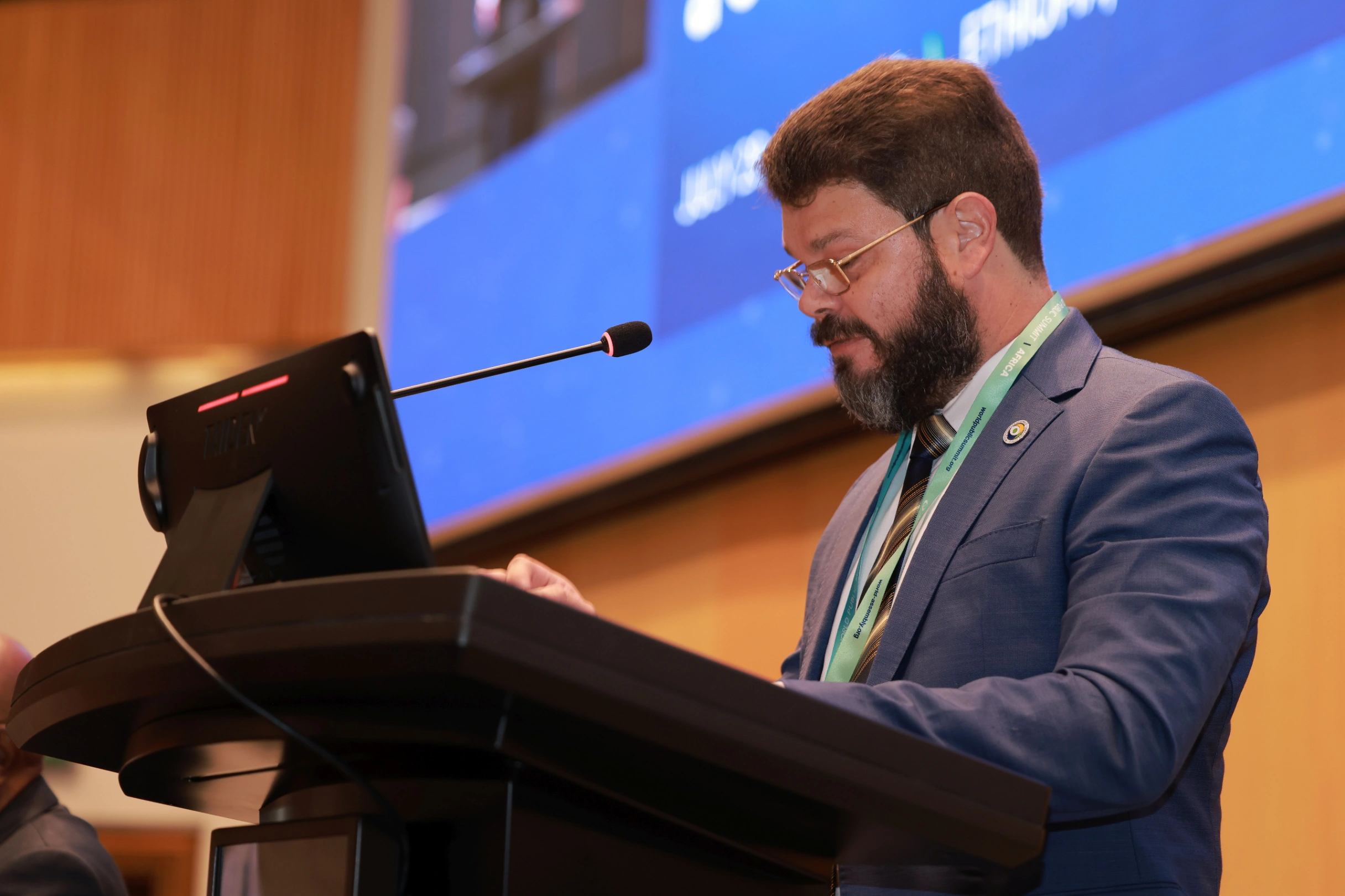
In the photo: Fidel Antonio Castro-Smirnov
Participants of the plenary session also included:
Tarikua Negash – international expert in the field of humanitarian development, project manager and deputy director of the international organization Serve Global Inc.
Fidel Antonio Castro‑Smirnov – member of the Cuban Academy of Sciences, professor at the University of Havana;
Madi Bolero Hamada – Prime Minister of the Union of the Comoros (2000–2002);
Mabvuto Tembo Chipata – head of Her Voice Foundation (Zambia);
Zekarias Assefa – Secretary General of the Addis Ababa Chamber of Commerce and Sectoral Associations‑
and others.
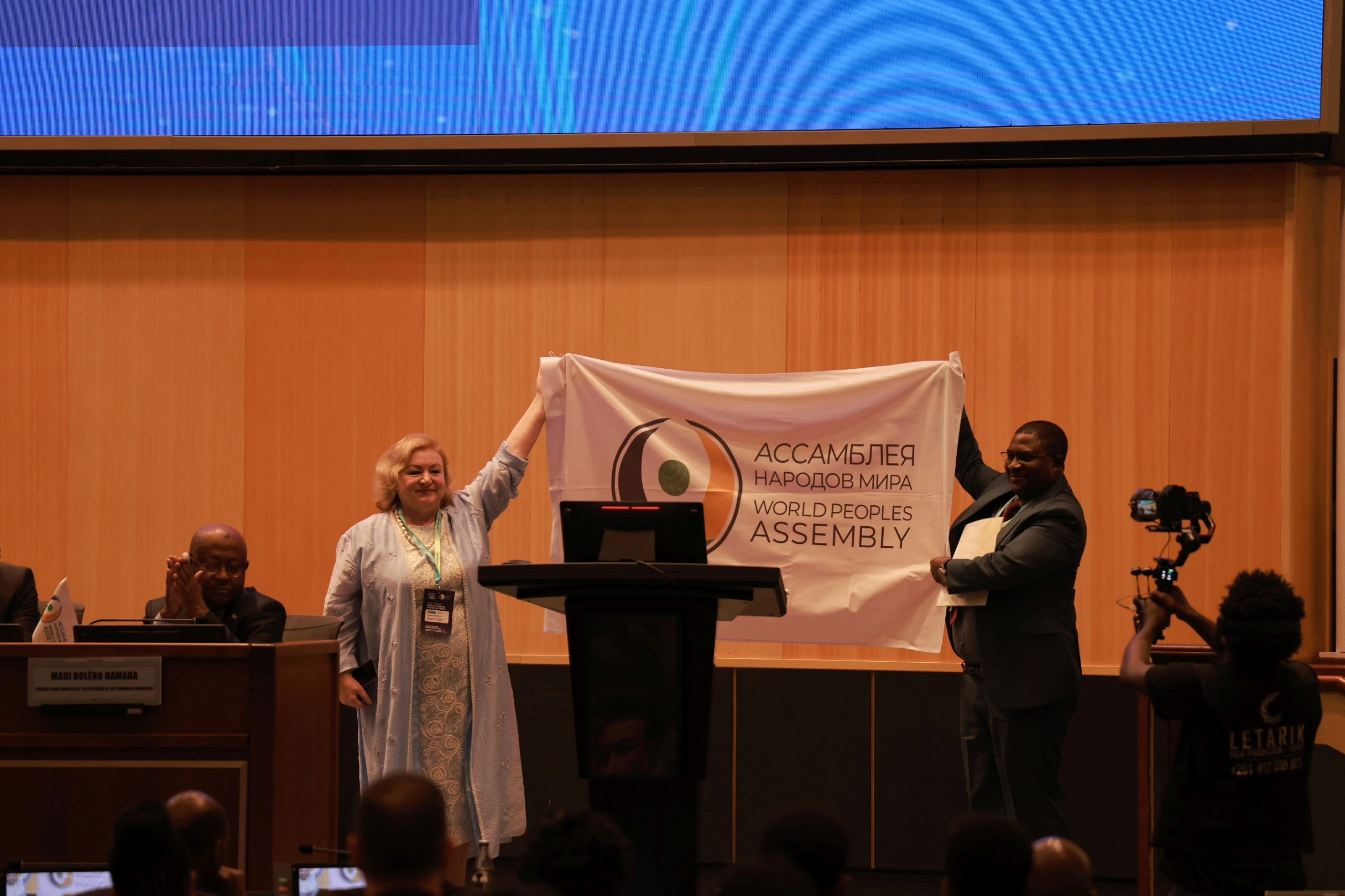
At the Main Plenary Session, a solemn ceremony also took place for the opening of the first Representative Office of the World Peoples Assembly on the African continent — in the Republic of Zambia. The event marked a new step in the work of the Assembly with African partners and launched a series of long-term joint projects.
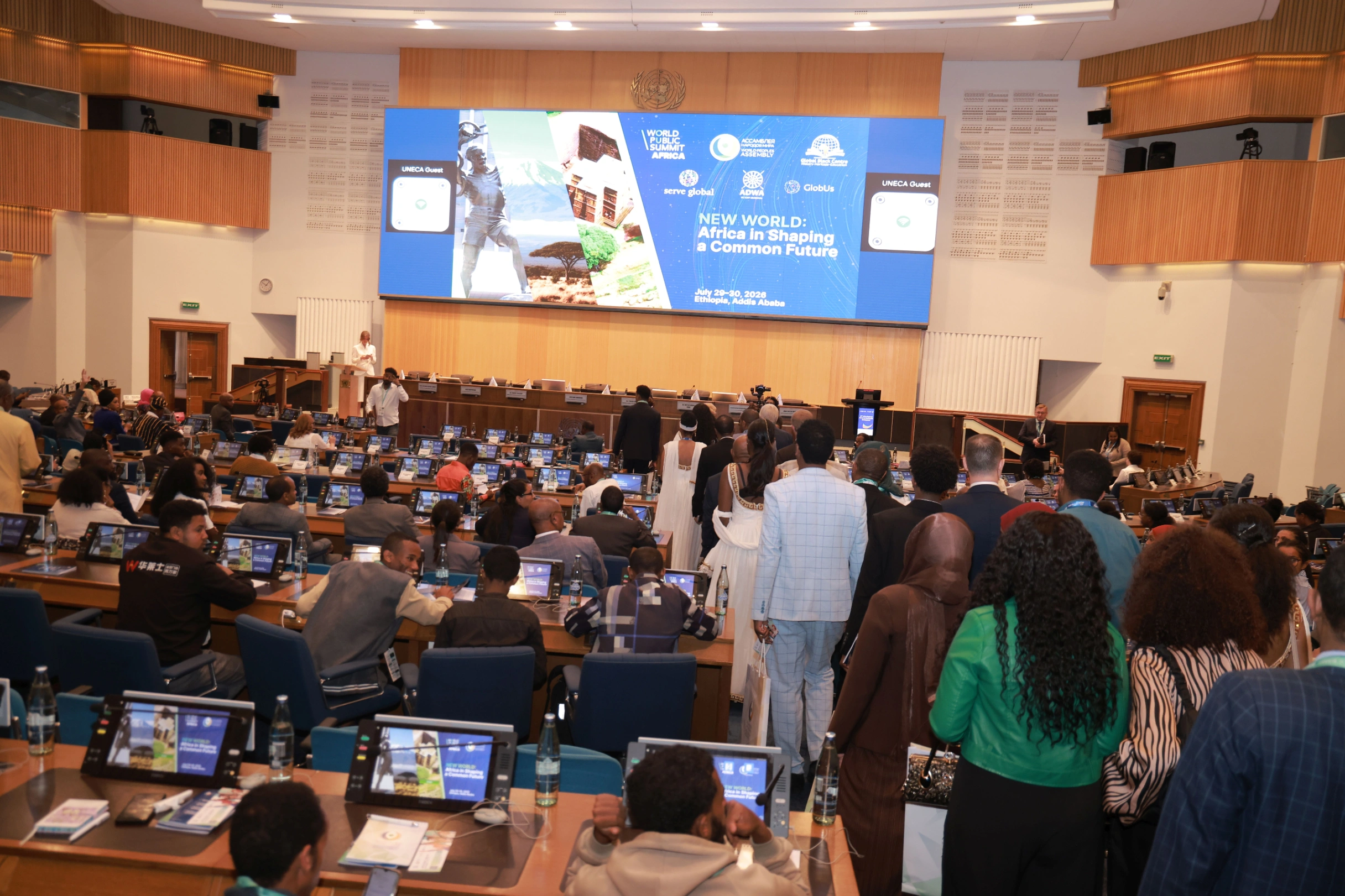
The second plenary session was devoted to the historical heritage of Africa, the role of African civilization and Black culture, the philosophy of Ubuntu, and the concept of "Blue Africa." The continent's contribution to the formation of a new multipolar world, as well as the connection between history, culture, and the contemporary African agenda, was discussed.
Participants spoke about how history and cultural diversity help preserve identity and build trust between societies of different countries. The focus was on:
cultural diplomacy,
public initiatives,
work with historical memory,
expansion of cooperation between Africa and other regions of the world.
The discussion showed that Africa today acts as an independent center of the global agenda — with its own historical experience, living cultural tradition, and a resource for new humanitarian initiatives.
Meeting of the Scientific‑Expert Council of the World Peoples Assembly
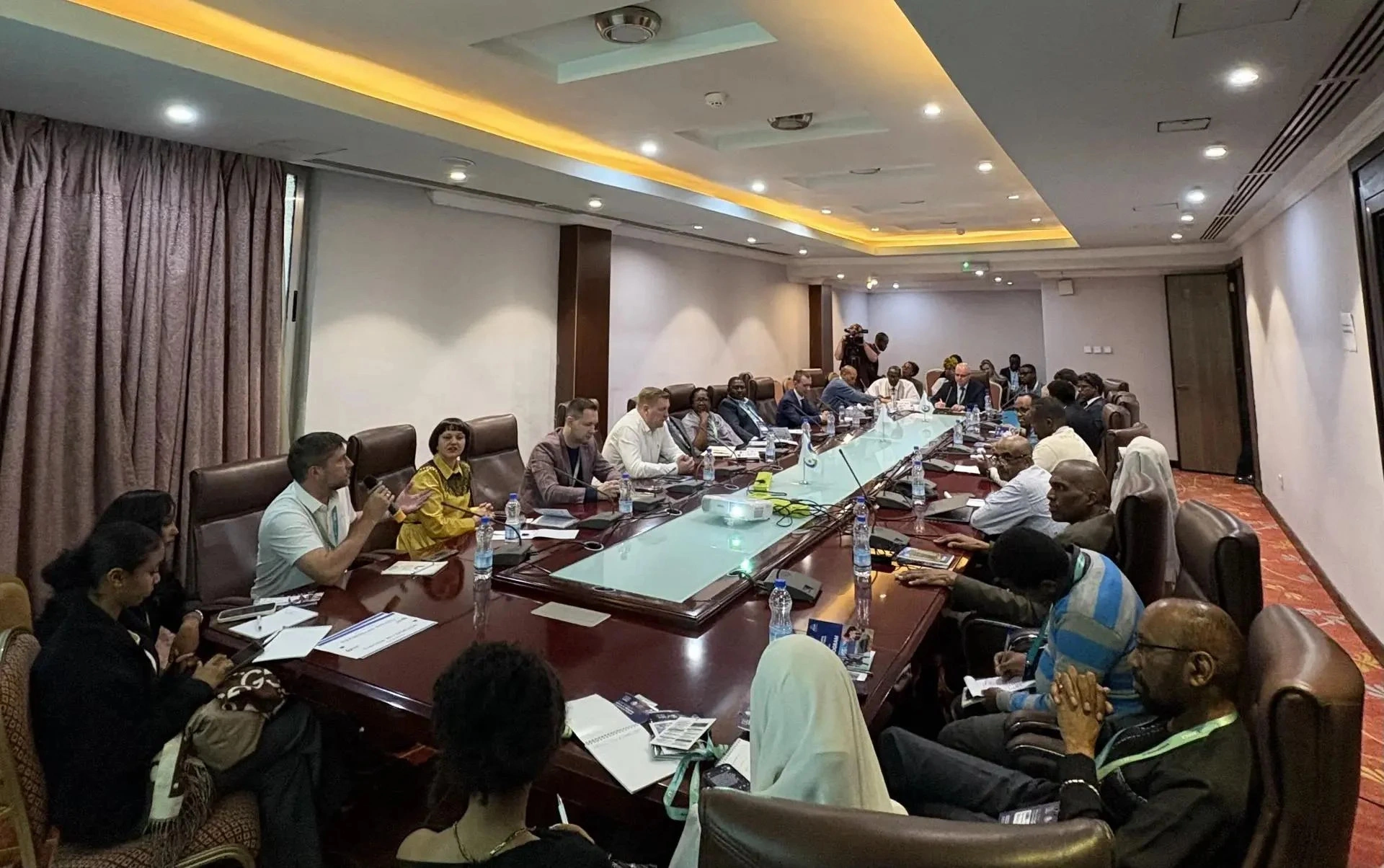
The international team of experts discussed 17 global initiatives in the fields of public diplomacy, science, education, culture, youth policy, and humanitarian cooperation.
Meeting of the International Media Club of the World Peoples Assembly
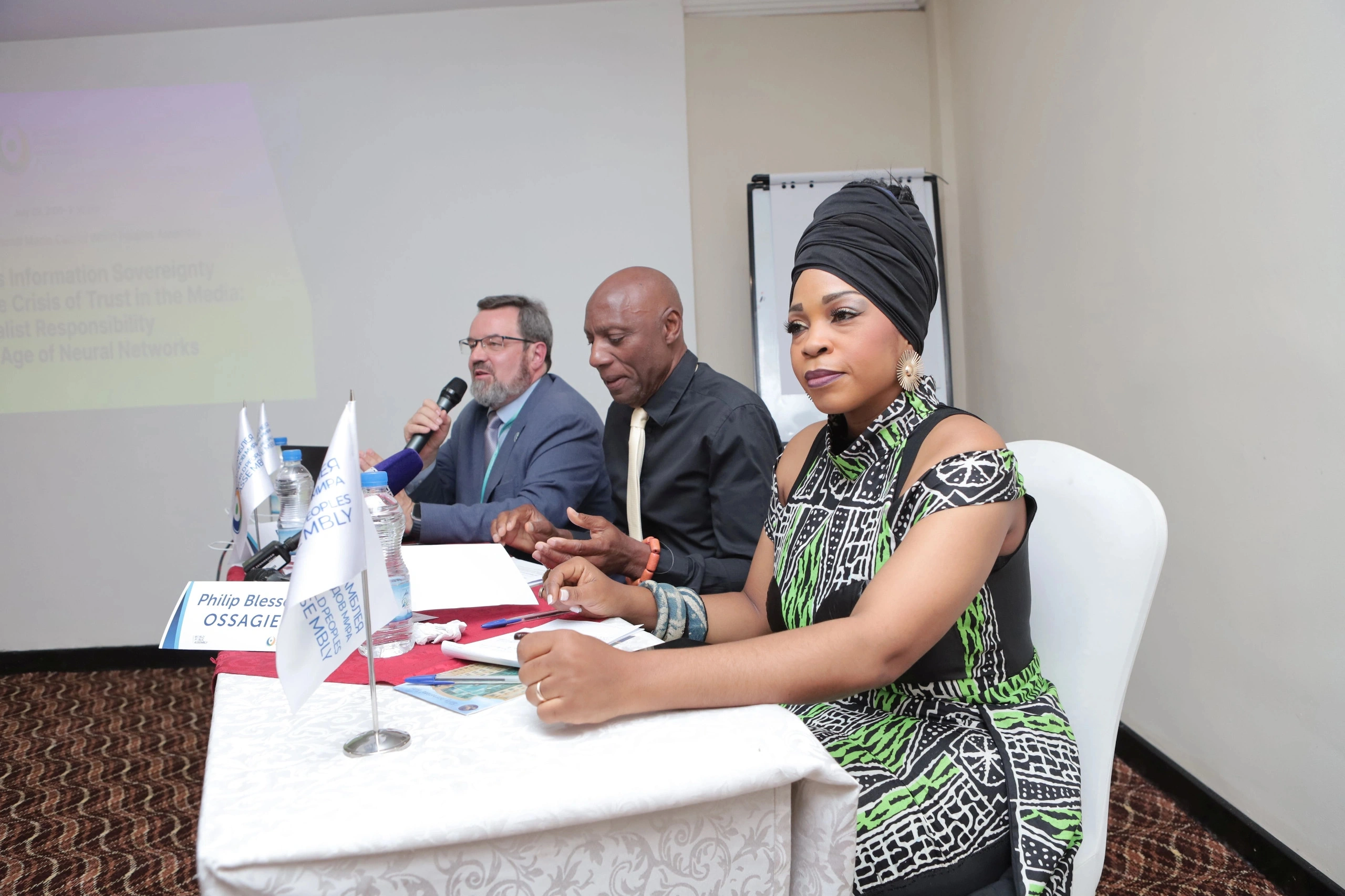
In the photo: Yevgeny Safronov, Philip Blessed Osagie, Marlis Ndjenga
Media representatives discussed Africa's information sovereignty, international media cooperation, and the role of the media in public diplomacy. Special attention was paid to how digital technologies and artificial intelligence are transforming the global information space and trust in sources.
International Session "Space Without Borders"
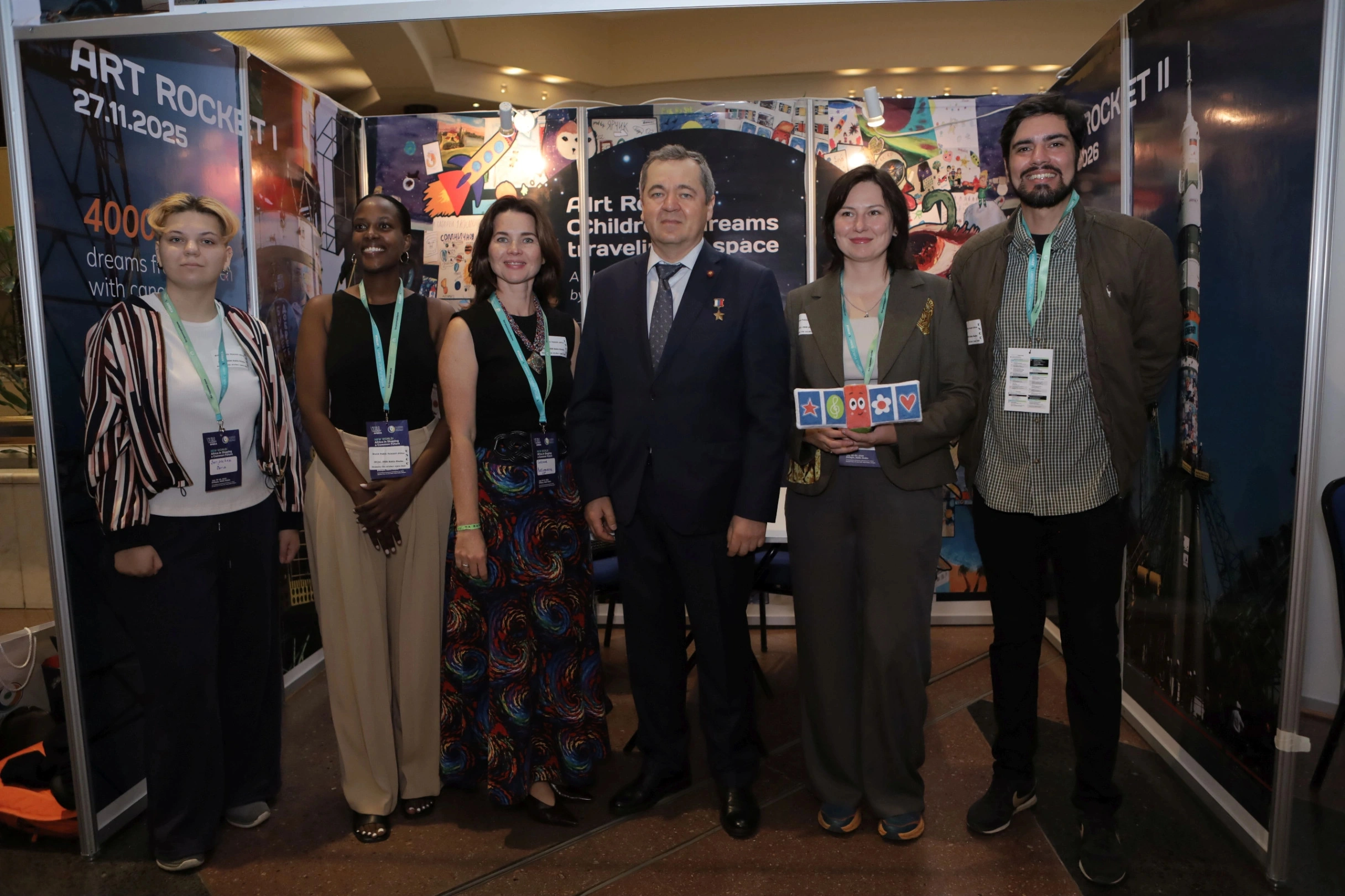
The session with the participation of cosmonaut Oleg Skripochka became one of the most notable events of the first day: representatives of Russia, Brazil, Spain, Uganda, Ethiopia, and Tunisia discussed cooperation in space exploration, the development of space science, education, and technologies as an important area of international interaction.
Round Table "NGOs in African Countries. The Invisible Force of Change"
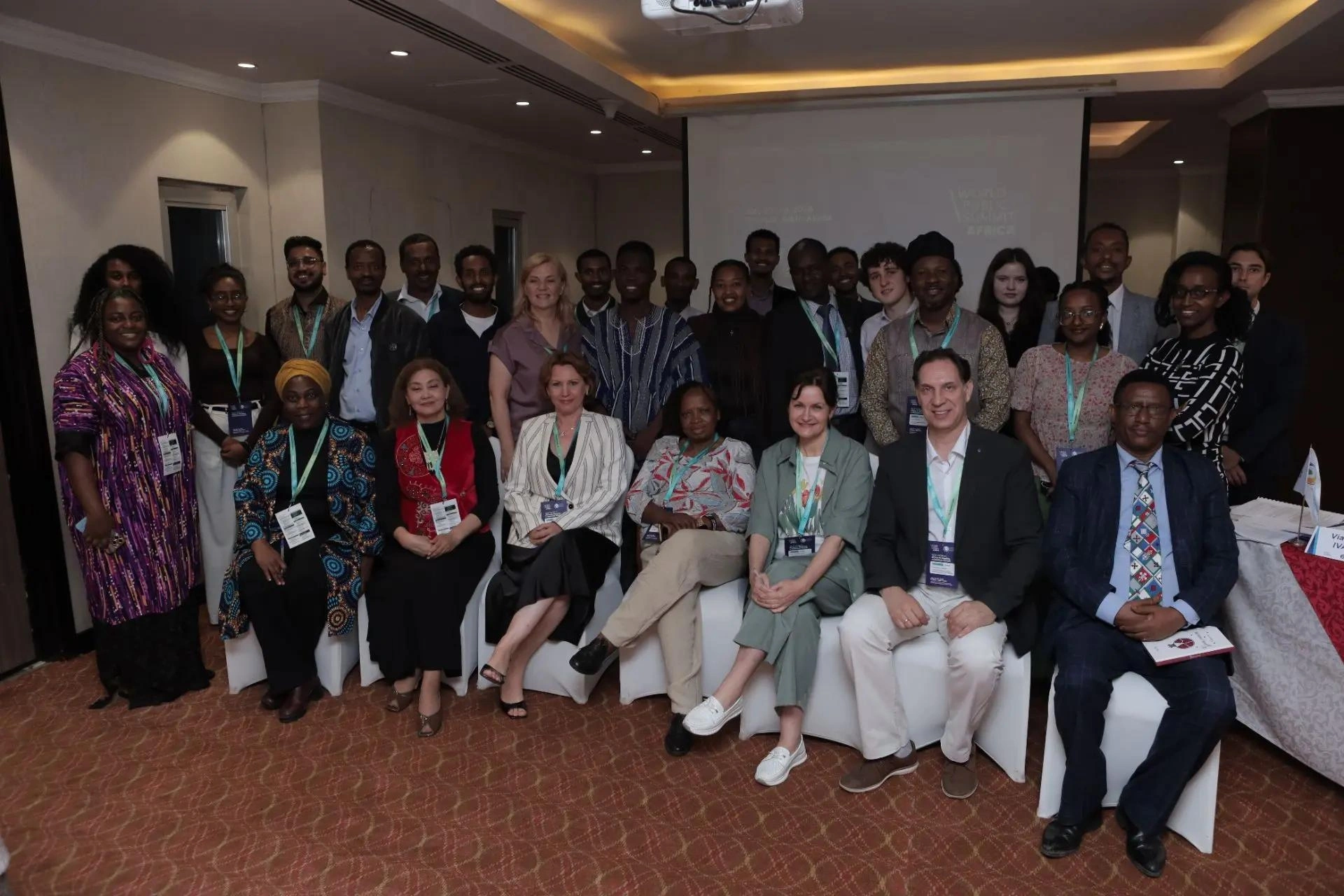
The main topics for discussion were specific practices of NGO work, citizen initiatives, volunteer projects, and international cooperation – everything that helps the non-profit sector contribute to the sustainable development of African countries.
International Session "Creating the Image of the Future Human in Literature"
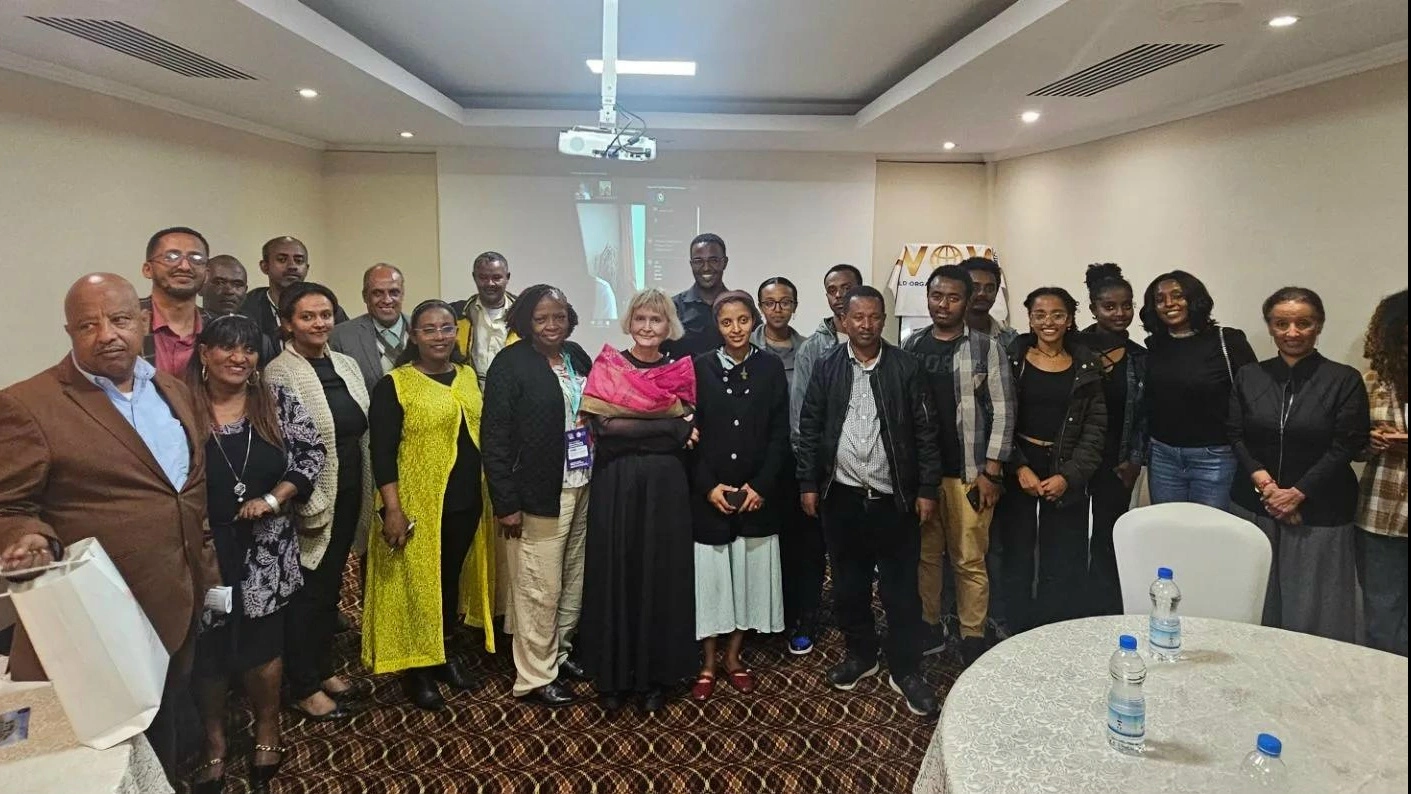
Participants discussed the role of literature, culture, and art in shaping moral guidelines, developing intercultural dialogue, and preserving the spiritual heritage of peoples.
International Session "The Zambezi River: Economy, Society, Soul"
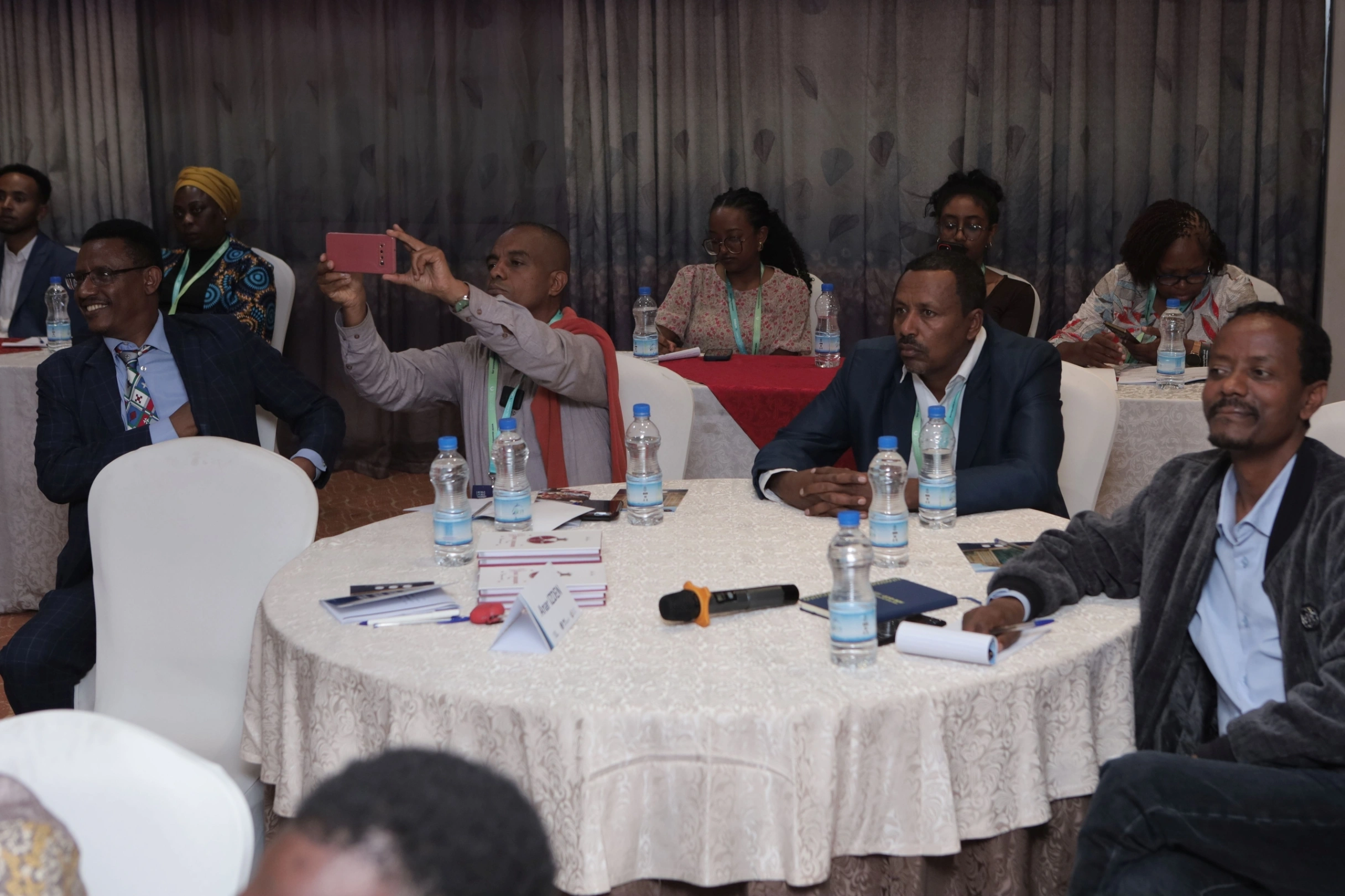
A presentation and discussion took place of a large-scale international project dedicated to the comprehensive study and sustainable development of the Zambezi River basin, with the participation of scientific institutions from Angola, Botswana, Zambia, Zimbabwe, Mozambique, and Namibia under the methodological guidance of the Institute for African Studies of the Russian Academy of Sciences.
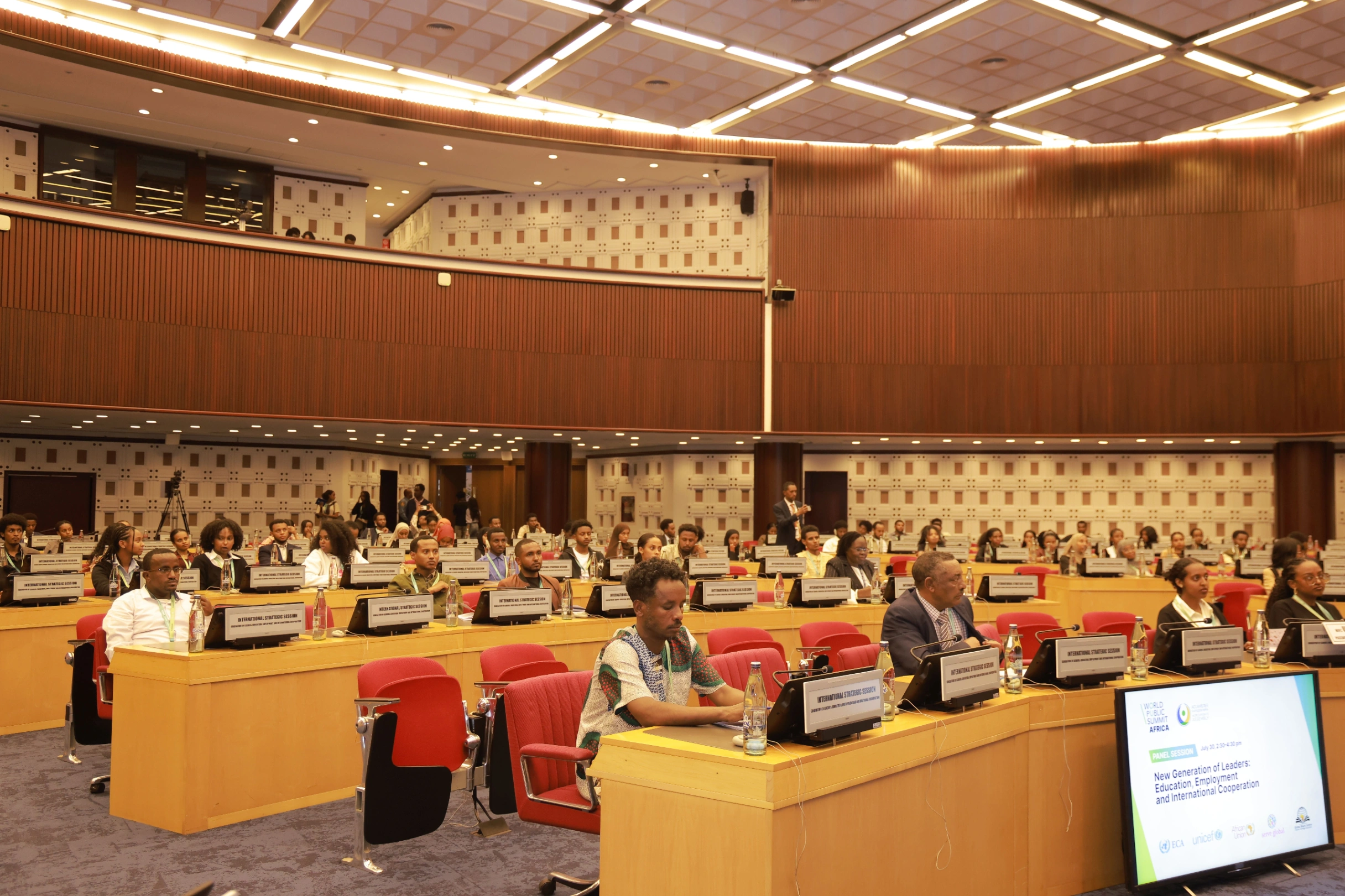
The event brought together representatives of the World Peoples Assembly, the United Nations Economic Commission for Africa (UNECA), UNICEF, the African Union Department for Women, Youth and Gender Equality, Serve Global Inc. and Global Black History, Heritage and Education Centre. Approaches to training young leaders, updating educational programs, expanding youth employment opportunities, supporting youth entrepreneurship, and joint international projects were discussed.
Following the session, a decision was made to establish the African Network of Young Leaders in Public Diplomacy — an open platform for shared educational, humanitarian, cultural, and public initiatives.
Panel Session "Investment in People as the Foundation of Humanistic Leadership"
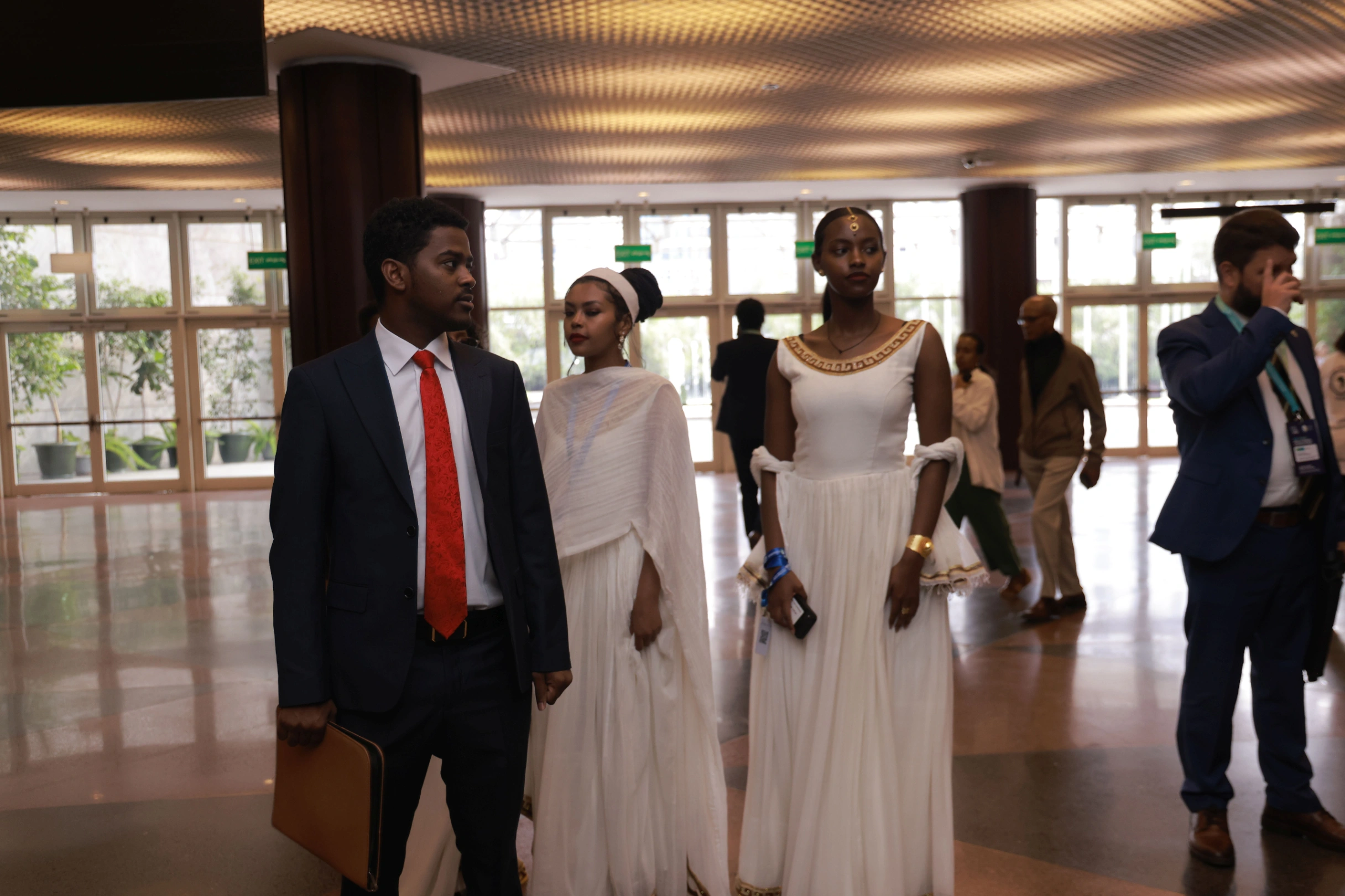
Participants discussed how to develop human potential, support education, culture, and civic initiatives, and how this helps in forming responsible leadership, trust, and a sense of shared responsibility.
Panel Session "Innovations for the Future: Challenges and Solutions"
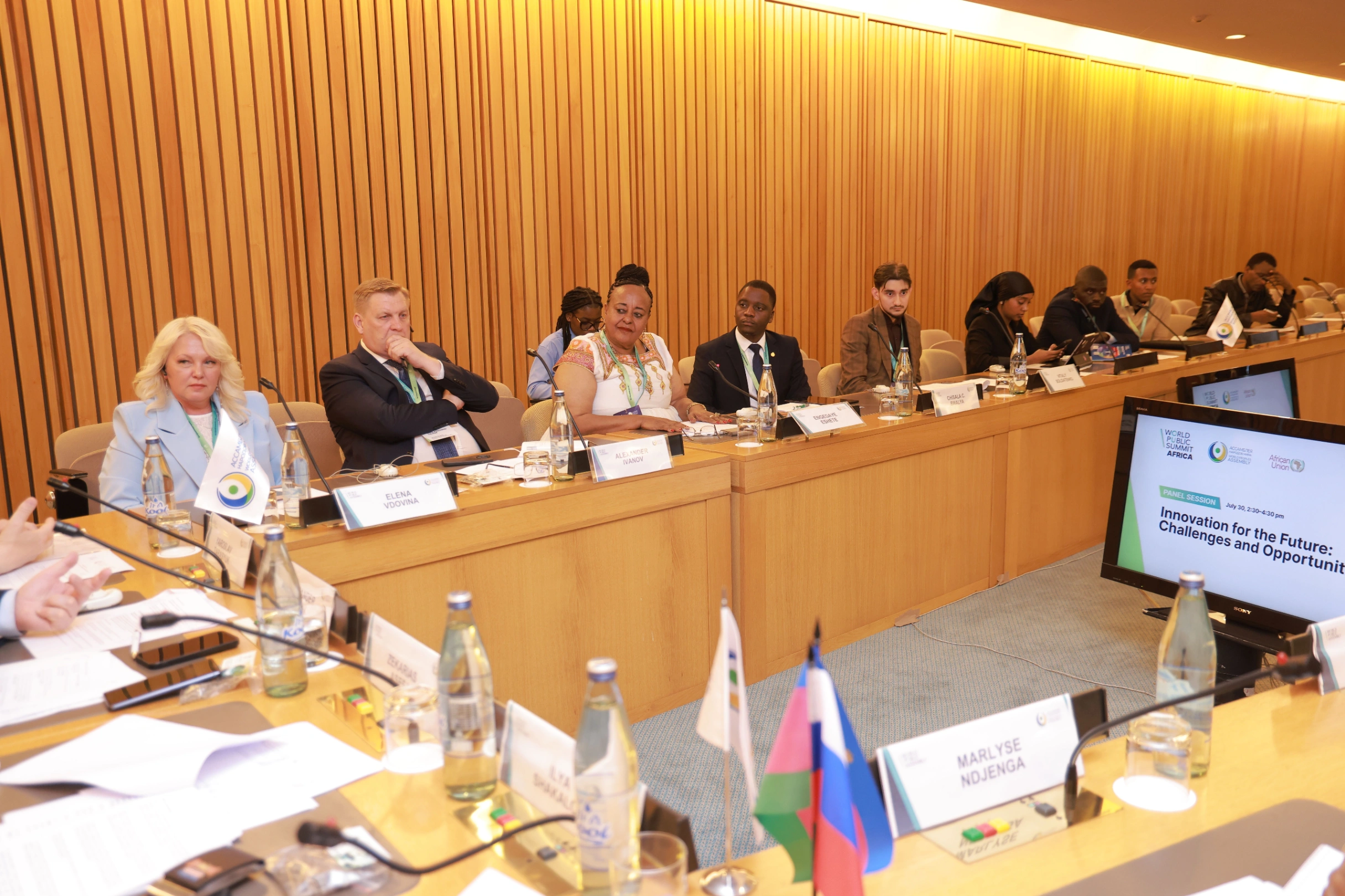
Participants showcased technological and social solutions that contribute to sustainable development, improve quality of life, and open up new formats of scientific‑technical cooperation.
Panel Session "Creativity and Cultural Diplomacy for a Common Future"
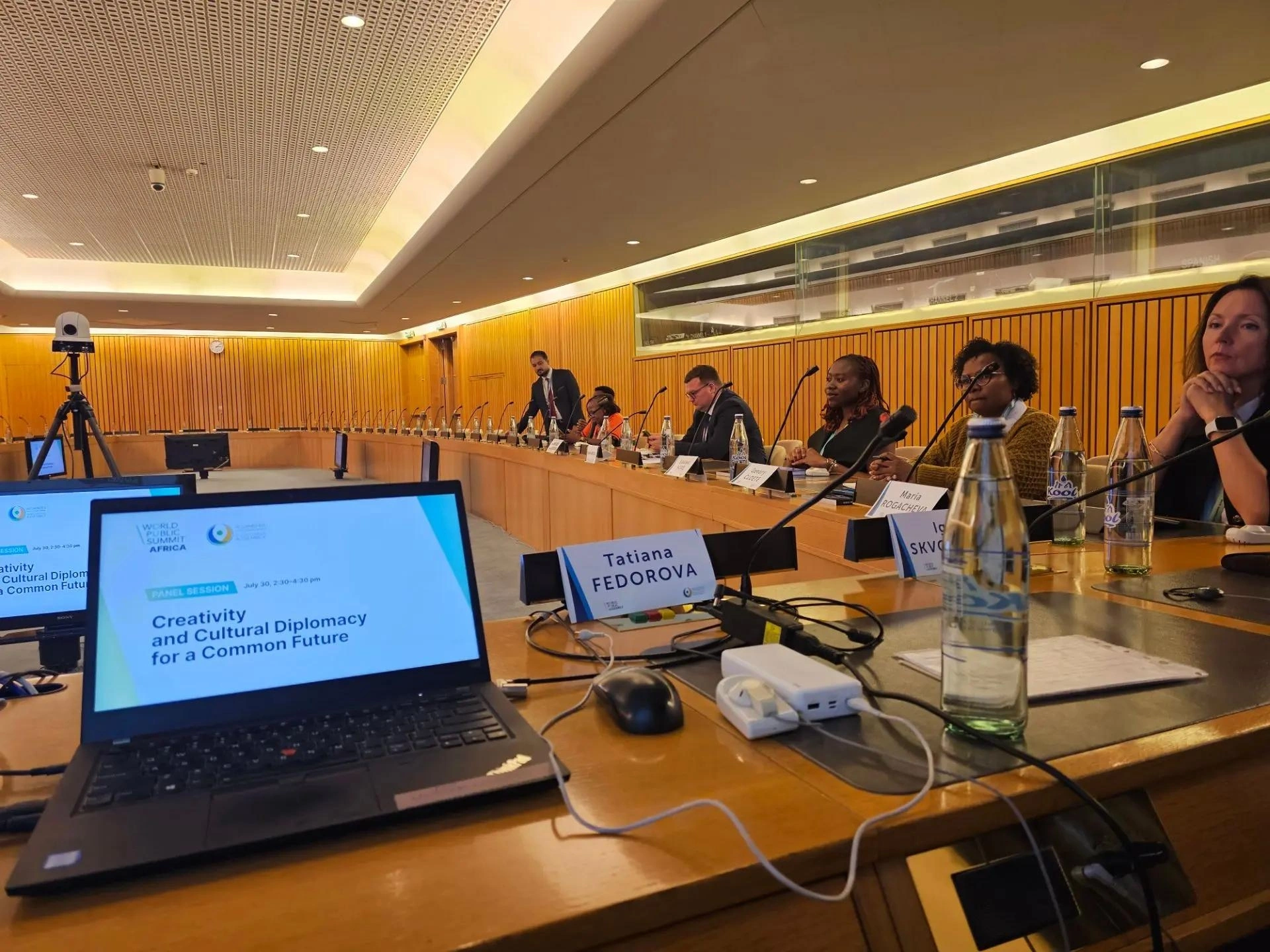
Experts discussed how culture and the creative sector strengthen mutual understanding between peoples, help preserve heritage, and launch international humanitarian projects.
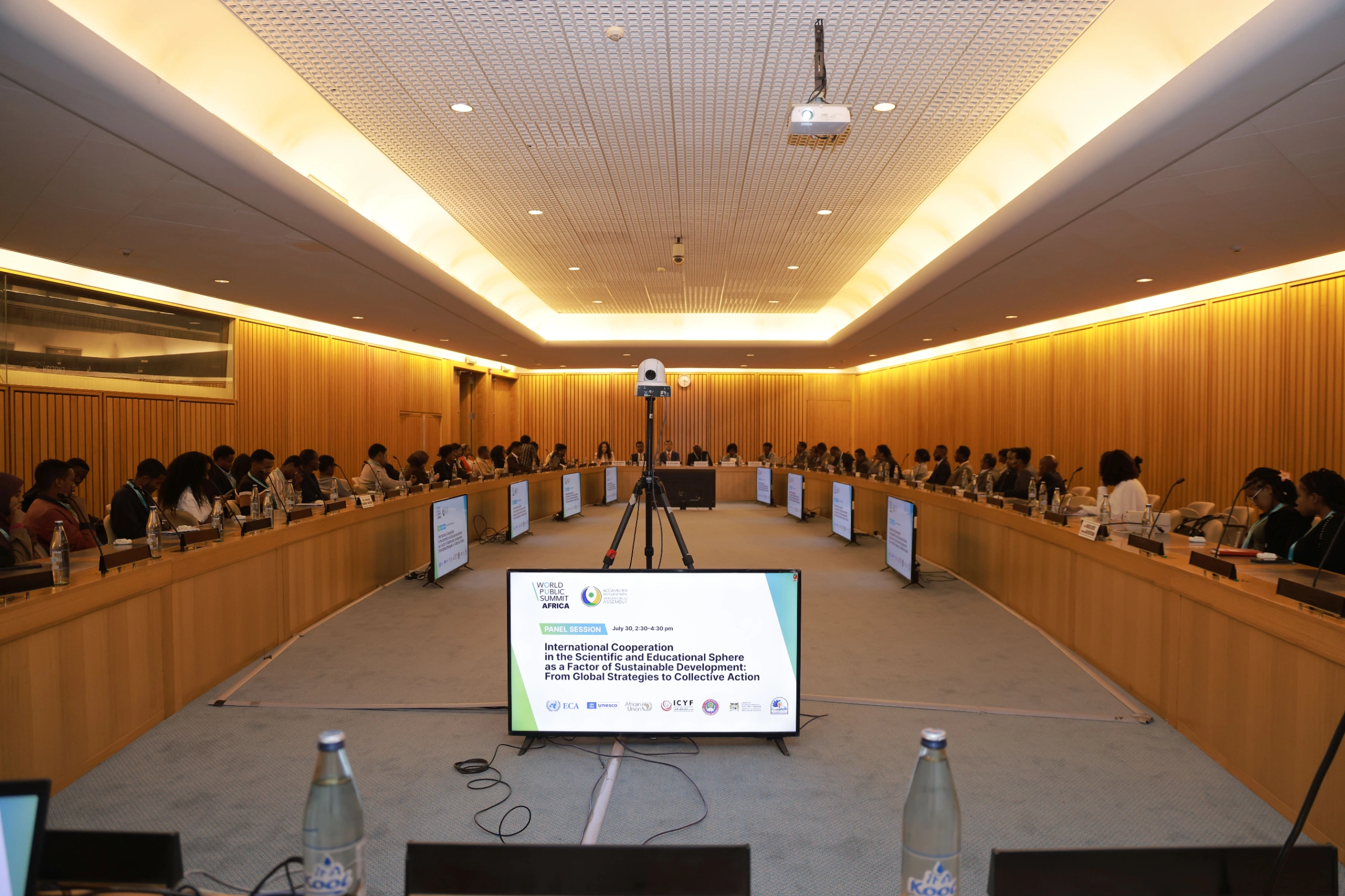
Representatives of universities, research centers, and international organizations shared their experience of joint educational programs, academic mobility, and scientific projects between African countries and other regions.
Exhibition and Cultural Program
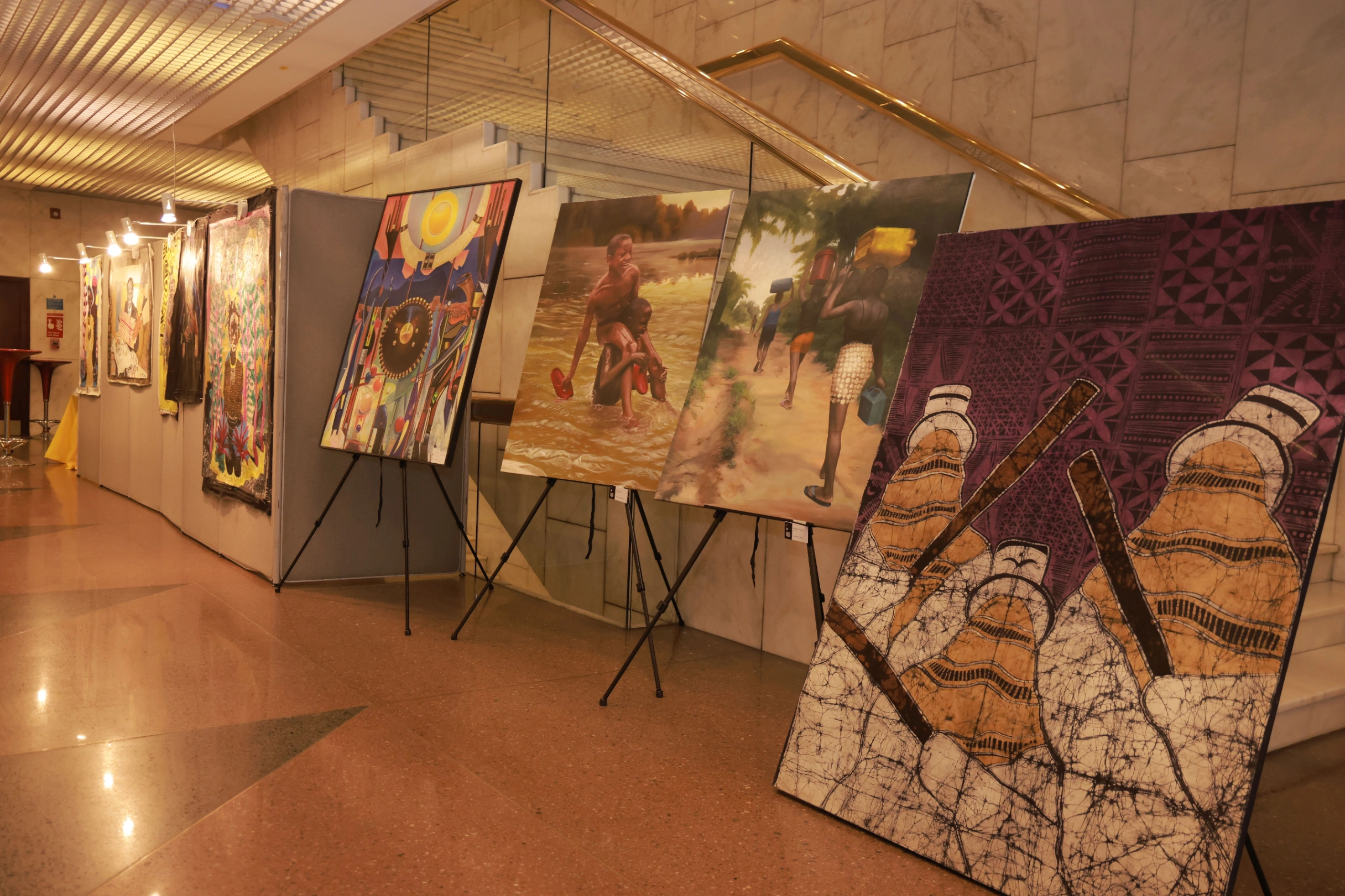
Throughout all days of the summit, a large exhibition and cultural program was in operation, showcasing the richness of history, cultural diversity, and creative potential of the participants:
International Art Exhibition "Unity" with works by artists from 16 African countries,
International Exhibition of Children's Art "The World Draws Happiness,"
International Business Exhibition with projects in the fields of public diplomacy, education, science, culture, entrepreneurship, innovation, and humanitarian cooperation.
The exhibition "Unity," formed as a result of the international open call, became one of the central events: works by artists from different countries showcased the cultural diversity of Africa and the aspiration for dialogue.
The participants prepared an art album with the works from the exhibition, which was presented to the honored guests and partners of the summit.
The exhibition program served as an important reminder that art remains a language of communication, uniting people of different cultures and traditions.
African Regional Stage of the V International Competition "Leader of Public Diplomacy"
The African Regional Stage of the V International Competition "Leader of Public Diplomacy" became one of the key events of the summit. The jury announced 16 winners from 10 African countries. The awards ceremony took place at the "ADWA" cultural center.
The competition demonstrated a high level of public initiatives on the continent and became a platform for leaders working in public diplomacy, education, science, culture, youth projects, volunteering, sustainable development, and humanitarian cooperation.
International Gala‑Concert "Melodies of Unity"
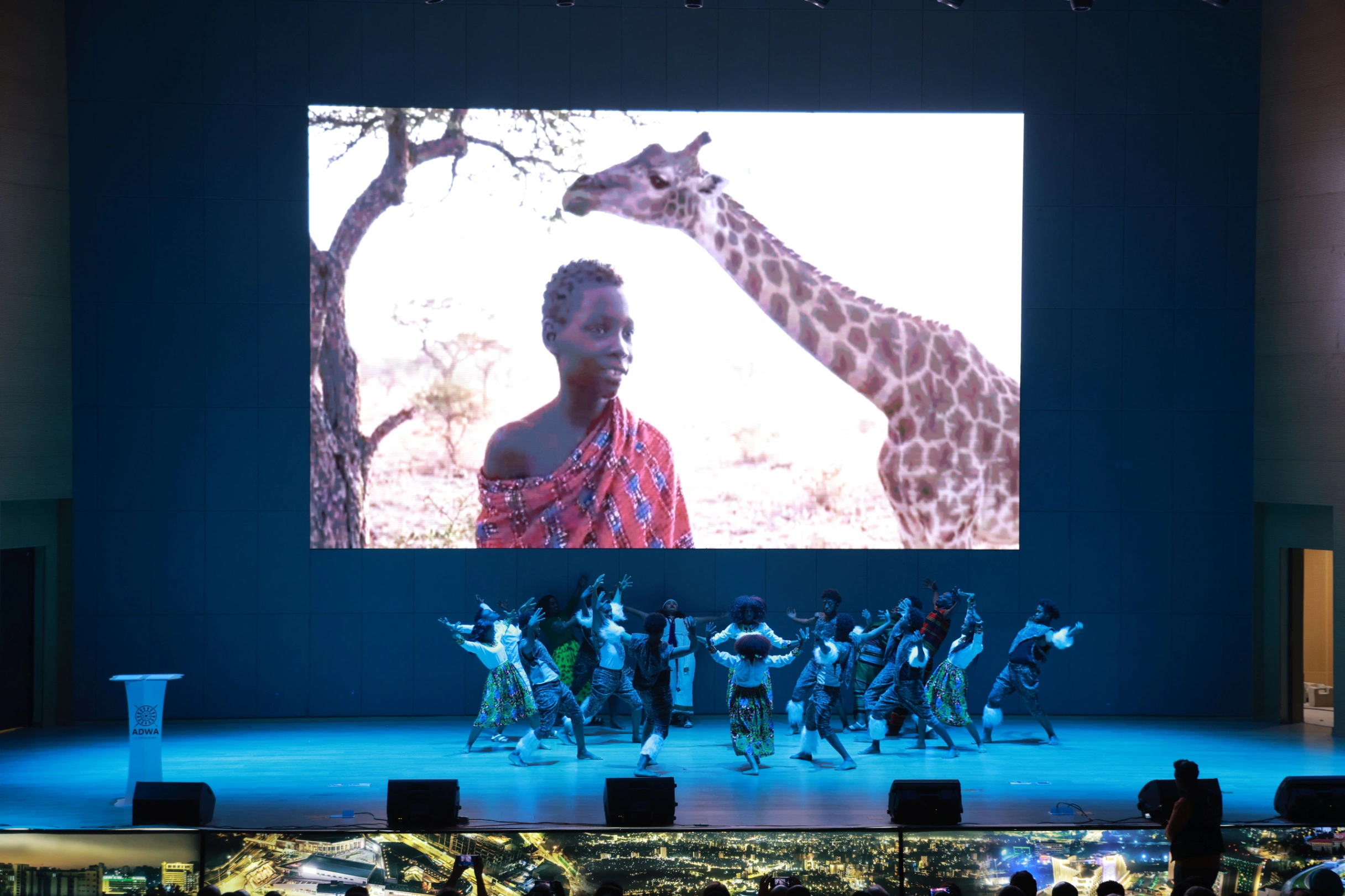
On one stage at the "ADWA" cultural center, creative groups and performers from Russia, Ethiopia, Zambia, and other countries performed, showcasing the richness of national musical and dance traditions.
The concert became a symbol of cultural diversity, friendship, and mutual respect among peoples.
International Projects and New Initiatives
The World Public Summit: Africa became a platform for launching international projects and initiatives designed for long-term cooperation between African countries and other regions of the world.
One of the key initiatives was the program "The Zambezi River: Economy, Society, Soul", dedicated to the comprehensive study and sustainable development of the Zambezi River basin. The project includes government bodies, scientific organizations, business, and civil structures of Angola, Botswana, Zambia, Zimbabwe, Mozambique, and Namibia; the methodology is led by the Institute for African Studies of the Russian Academy of Sciences with the support of the Russian Committee of ICOM.
The concept of the World Business‑Club of the World Peoples Assembly "Trust and Unity" was also presented at the summit. The Club is being created as an international platform for responsible entrepreneurship, business cooperation, joint investment and humanitarian projects, and as a tool for strengthening trust between business‑communities of different countries.
Expansion of International Partnership
The summit became a growth point for the international network of the World Peoples Assembly. During the forum, 4 cooperation agreements were signed – with the Addis‑Ababa‑ Chamber of Commerce and Sectoral Associations, Kotebe University of Education, Serve Global Inc. (Ethiopia) and the company Fiscal.com SARL (Cameroon).
A special event was also the opening of the Representative Office of the World Peoples Assembly in the Republic of Zambia, based on five member‑organizations of the Assembly. The new Representative Office expands the Assembly's presence on the African continent and provides a platform for humanitarian, educational, scientific, cultural, and public initiatives.
Results
The provisions of the African Communiqué, as well as the initiatives and projects of the Summit, will be presented to the participants of the Second World Public Assembly "New World: Values That Unite."
Further plans of the World Peoples Assembly include the development of the African Network of Young Leaders in Public Diplomacy, continuation of the project "The Zambezi River: Economy, Society, Soul," work of the Representative Office of the World Peoples Assembly in Zambia, expansion of expert cooperation, development of the World Business‑Club "Trust and Unity," and launch of new humanitarian, educational, scientific, cultural, and public initiatives. The World Peoples Assembly will continue to develop the World Public Summits as a platform for public diplomacy, where civil society, scientists, educators, cultural figures, youth leaders, business, and state representatives meet to strengthen trust among peoples and seek answers to global challenges.
The World Public Summit: Africa demonstrated that serious international attention is currently focused on public diplomacy. The initiatives and decisions made in Addis‑Ababa will be continued and presented at the Second World Public Assembly "New World: Values That Unite," scheduled for September 18–19, 2026 in Moscow.
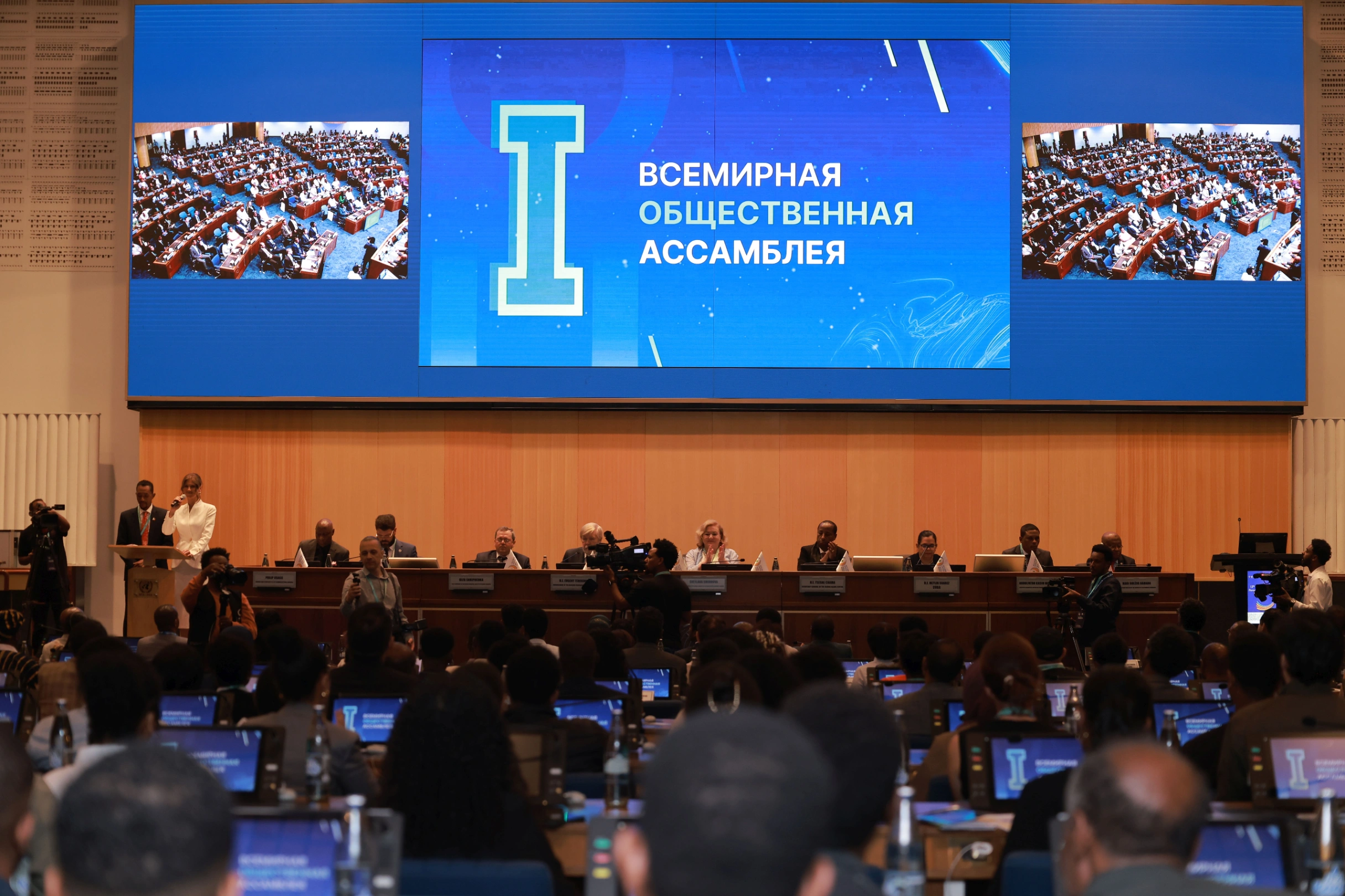
Photo archive (photos – Mikhail Denisov).
Additional information about the program and participants is available on the official websites of the World Public Summits and the World Peoples Assembly.
AFRICAN COMMUNIQUÉ
of the World Public Summit. Africa
"New World: Africa in Shaping a Common Future"
Preamble
We, the participants of the World Public Summit. Africa "New World: Africa in Shaping a Common Future," representatives of public organizations, international institutions, state authorities, the scientific and educational community, culture, business, youth associations, and mass media from African countries and other regions of the world, having gathered in Addis Ababa — the political center of the African continent, affirm our conviction that the 21st century opens a new stage in the development of humanity.
Today, the world needs not only new technologies, economic opportunities, and political decisions, but above all, values capable of uniting people, societies, and states, strengthening trust, respect, and responsibility for a common future.
Building upon the ideas of the First World Public Assembly "New World of Conscious Unity," the participants of the Summit regard this Communiqué as the African continent's contribution to the preparation of the Second World Public Assembly "New World: Values That Unite."
We are convinced that it is values that become the moral foundation of trust, cooperation, and sustainable development of humanity.
This Communiqué reflects the common aspiration of the Summit participants to contribute to the formation of a just, sustainable, and multipolar world based on respect for human dignity, genuine state sovereignty, and values that unite.
The Addis Ababa Principle
Genuine state sovereignty, development of human potential, respect for cultural heritage, and equal partnership are interconnected conditions for the sustainable development of Africa and its contribution to shaping the common future of humanity.
Values That Unite
We are convinced that sustainable development, public diplomacy, and international cooperation acquire a solid foundation only when they are based on shared moral guidelines.
Such values are:
human dignity;
genuine state sovereignty;
the right of peoples to determine their own future;
trust;
responsibility;
justice;
mutual respect;
peace;
dialogue;
public service;
cooperation;
respect for cultural and civilizational diversity;
responsibility to future generations.
These values do not cancel out cultural, religious, and civilizational diversity. On the contrary, they create a foundation for the respectful coexistence of peoples and states, preserving their identity and strengthening mutual trust.
Africa in Shaping a Common Future
Africa is one of the key participants in shaping the New World.
The richest cultural heritage, young human capital, development of public initiatives, science, education, entrepreneurship, and civil society create unique opportunities for the sustainable development of the continent.
The main wealth of Africa is its people.
Africa's contribution to shaping a common future is determined by its people, spiritual traditions, cultural diversity, intellectual potential, aspiration for knowledge, creation, and mutual respect.
Investment in people, education, science, culture, public leadership, and the development of local communities is the most important condition for unlocking the potential of the African continent and strengthening its role in building a just, sustainable, and interconnected world.
Genuine Sovereignty as a Foundation for Development
We regard genuine sovereignty as the right of every state and every people to independently determine their own path of development, preserve their cultural identity, historical memory, spiritual traditions, and national interests.
Respect for genuine sovereignty strengthens trust between states and peoples, creates a foundation for equal international cooperation, and contributes to sustainable development.
What Africa Offers the World
Africa contributes to the formation of a new world through its richest cultural heritage, human potential, public initiatives, and centuries-old experience of peaceful coexistence of various peoples and traditions.
Africa offers the world:
respect for human dignity;
a culture of mutual support;
responsibility to society;
continuity of generations;
respect for elders;
the value of family and local communities;
the richness of cultural diversity;
aspiration for peace and cooperation.
One of the vivid manifestations of the African philosophical tradition is Ubuntu, which affirms that human dignity is revealed through respect for the dignity of another, and the well-being of society is achieved through trust, mutual support, and a sense of shared responsibility.
We regard these ideas as an important contribution of Africa to the formation of the value foundation of the New World.
These values, shaped by the centuries-old history of the peoples of Africa, remain relevant and are capable of making a meaningful contribution to the formation of a new culture of international cooperation.
From Values to Joint Action
The Summit participants deem it necessary:
to develop public diplomacy as a space of trust between peoples;
to promote the development of public diplomacy through culture, education, science, sports, youth and creative initiatives as the most important tools for strengthening trust between peoples;
to expand cooperation among public organizations of African countries and other regions of the world;
to strengthen interaction among universities, research centers, and educational organizations;
to support the creation of international research consortia and the development of joint scientific and analytical projects between universities, research centers, and public organizations of African countries;
to facilitate the implementation of joint research projects among African states in the fields of education, science, cultural heritage, social development, innovation, and sustainable development;
to develop academic mobility, scientific internships, and researcher exchange among countries of the African continent;
to support international youth programs;
to develop women's leadership projects;
to promote the preservation of the cultural heritage of the peoples of Africa;
to disseminate best public practices and successful social initiatives;
to form international partner networks between state structures, public organizations, business, and the academic community;
to develop joint humanitarian, educational, cultural, and volunteer projects.
Decisions of the World Public Summit: Africa
The Summit participants deem it necessary:
to support the holding of the Second World Public Assembly "New World: Values That Unite" on September 18–19, 2026 in Moscow;
to present this Communiqué as the African continent's contribution to shaping the international agenda of the Second World Public Assembly;
to support the annual holding of the World Public Summit. Africa as a permanent international public platform for the development of public diplomacy, humanitarian cooperation, formation of joint initiatives, and strengthening of partnership between the countries of the African continent and other regions of the world;
to support the formation of the African Network of Public Diplomacy as a permanent platform for cooperation;
to recommend the formation of the African Community of Public Diplomacy Leaders, uniting participants of the International Competition "Leader of Public Diplomacy" and other public leaders of the African continent;
to continue the development of the International Competition "Leader of Public Diplomacy" on the African continent;
to recommend preparing a list of joint humanitarian, educational, scientific, cultural, and research projects for their presentation at the Second World Public Assembly;
to recommend conducting an annual public monitoring of the implementation of joint initiatives and projects formed following the World Public Summits;
to support the development of the International Public Program "Values That Unite" for its presentation at the Second World Public Assembly;
to recommend using this Communiqué as a basis for further discussion of the theme "Values That Unite" in the framework of preparations for the Second World Public Assembly;
to recommend disseminating this Communiqué among international organizations, state authorities, public organizations, universities, and expert centers of African countries and other regions of the world as the African continent's contribution to the development of international public dialogue;
to recommend the creation of an international mechanism for ongoing interaction among participants of the World Public Summits for the implementation of joint initiatives and exchange of best practices in public diplomacy.
Commitments of the Participants
We undertake the commitment:
to strengthen trust between peoples;
to develop public diplomacy;
to facilitate humanitarian cooperation;
to support education, science, and culture;
to respect cultural diversity;
to develop leadership through service;
to facilitate the strengthening of mutual trust and a culture of dialogue among peoples, states, and public institutions;
to unite the efforts of the state, society, science, education, business, and youth for the sake of a common future.
Final Provisions
We are convinced that the New World is built not by rejecting differences, but by respecting them.
It is values that unite that allow peoples to preserve their identity, while strengthening trust, cooperation, and responsibility for a common future.
This African Communiqué was adopted in Addis Ababa on July 30, 2026, as the contribution of the peoples of Africa to the formation of a New World based on values that unite, and will be presented at the Second World Public Assembly for further international public discussion.